
Industry News
Curation by industry experts
Hot Articles
Popular Tags
Industrial Wastewater Treatment Options Compared for Stable Compliance
Selecting an industrial wastewater treatment route now sits at the intersection of compliance stability, operating cost, water resilience, and plant risk. What used to be a process choice has become a strategic one, especially where discharge permits tighten, reuse targets rise, and influent quality shifts with production cycles. A useful comparison therefore goes beyond naming technologies. It looks at how physical, chemical, and biological options behave under real industrial wastewater conditions, and how they support predictable performance over time.
Why treatment selection is under closer scrutiny
Across sectors, industrial wastewater is becoming harder to manage for three reasons. Effluent compositions are more variable, local standards are stricter, and water reuse is moving from optional to economically sensible.
That shift matters in chemicals, food processing, metals, power, mining, textiles, electronics, and pharmaceutical production. Each site carries a different pollutant signature, but all face the same question: which treatment train can hold compliance margins without becoming fragile?
This is also where intelligence-led evaluation becomes valuable. Platforms such as ESD frame treatment decisions within a broader ecological engineering context, linking process performance with regulation, resource recovery, and long-term asset reliability.
A practical way to understand industrial wastewater options
Most industrial wastewater systems combine several mechanisms rather than relying on one unit alone. In practice, treatment options can be understood as four working layers.
Physical separation
This layer removes solids, oil, grit, floatables, and part of the suspended load. Typical units include screening, equalization, dissolved air flotation, sedimentation, filtration, and membrane separation.
Physical methods are often the first defense against compliance instability. They protect downstream chemistry and biology from shock loading and reduce fouling risk.
Chemical treatment
Chemical steps target contaminants that cannot be separated mechanically. Common examples include pH adjustment, coagulation-flocculation, oxidation, reduction, precipitation, and advanced oxidation processes.
These methods are especially relevant for heavy metals, color, emulsified oils, refractory COD, sulfides, cyanides, and toxic compounds that would inhibit biological systems.
Biological treatment
Biological systems use microorganisms to remove biodegradable organics and, in many cases, nitrogen. Activated sludge, MBR, MBBR, anaerobic reactors, and sequencing batch reactors all serve different loading profiles.
For industrial wastewater with stable biodegradable content, biology is often the most economical route for bulk COD removal. Its weakness is sensitivity to toxicity, salinity swings, and abrupt flow variation.
Advanced polishing and concentration
When discharge limits are tight or reuse is the target, polishing becomes decisive. Activated carbon, ion exchange, ultrafiltration, nanofiltration, reverse osmosis, evaporation, and crystallization appear here.
These processes are central to high-recovery systems and Zero Liquid Discharge strategies, a topic closely aligned with ESD’s focus on large water treatment plants and extreme purification parameters.
How the main options compare in real operations
A treatment option rarely succeeds because it looks strong on paper alone. Stable compliance depends on tolerance to variability, operator burden, sludge generation, energy use, and recoverability after upset.
The most stable systems usually layer these options deliberately. Equalization and flotation may calm the feed, chemistry removes specific hazards, biology handles the main organic load, and membranes or thermal units finish the job.
Where stable compliance is usually won or lost
Compliance failures often come from design assumptions rather than from equipment names. Industrial wastewater changes with raw materials, cleaning cycles, batch scheduling, and maintenance events.
A system sized only for average values can struggle under real peaks. This is why equalization volume, buffer chemistry, bypass logic, and online monitoring matter as much as the core reactor.
Salinity is another decisive issue. It changes biological activity, membrane recovery, corrosion risk, and concentrate handling strategy. In some sectors, salinity rather than COD becomes the true design driver.
Sludge and residuals also deserve early attention. A chemical route may solve an effluent limit while creating disposal cost, handling risk, or metal-bearing solids that complicate the full compliance picture.
Typical industrial wastewater scenarios and matching routes
Different sectors tend to repeat certain treatment patterns. Looking at those patterns helps narrow options before detailed pilot work starts.
- Metal finishing and surface treatment often require pH control, metals precipitation, clarification, filtration, and sometimes ion exchange for polishing.
- Food and beverage wastewater usually favors screening, fat removal, equalization, anaerobic or aerobic biology, then polishing where reuse is planned.
- Textile and dyeing facilities often combine equalization, coagulation, oxidation, biological treatment, and membrane polishing to address color and variable COD.
- Pharmaceutical and fine chemical streams may need segregation, detoxification, advanced oxidation, and selective biological treatment because mixed wastewater can suppress biomass.
- Power, mining, and high-TDS chemical plants frequently move toward brine concentration, reuse loops, and ZLD where water scarcity or discharge limits justify the cost.
This sector view also supports broader circularity decisions. ESD’s coverage of resource recovery and strategic intelligence is relevant here, because wastewater treatment increasingly overlaps with salt recovery, heat integration, and by-product management.
Evaluation criteria that matter more than headline efficiency
Removal efficiency matters, but it is only one metric. A robust comparison of industrial wastewater treatment options should include the conditions under which that efficiency holds.
Feed variability tolerance
Ask how the system responds to shock COD, pH excursions, solvent traces, salt spikes, and intermittent shutdowns. Recovery time after upset often predicts real compliance performance.
Lifecycle cost structure
Capital cost alone can mislead. Energy, reagents, membrane replacement, sludge disposal, operator attention, and downtime losses often reshape the ranking.
Instrumentation and controllability
Stable industrial wastewater treatment increasingly depends on sensors, analytics, and automated dosing. Better control can make a moderate process outperform a theoretically superior but poorly managed one.
Future compliance margin
Permits rarely become easier. Systems with modular polishing capacity, reuse expansion potential, or better residual management tend to age better under changing regulation.
A sensible path from comparison to decision
The most reliable decision process starts with wastewater characterization, not vendor preference. Composite sampling, pollutant mapping, and production-linked variability data should come first.
The next step is to rank objectives clearly. Some sites prioritize discharge compliance. Others need internal reuse, brine minimization, lower carbon intensity, or reduced sludge liabilities.
After that, compare treatment trains rather than isolated units. Industrial wastewater performance depends on sequencing, hydraulic buffering, chemical compatibility, and how each stage protects the next.
Pilot testing remains valuable where influent complexity is high, especially for membranes, advanced oxidation, and mixed industrial wastewater with uncertain biological treatability.
A final review should include residuals, operator burden, spare parts, digital monitoring needs, and expansion pathways. That broader lens usually reveals whether a system can deliver stable compliance beyond commissioning.
For the next move, build a comparison matrix around influent variability, target limits, reuse ambition, residuals, and lifecycle economics. That creates a clearer basis for judging which industrial wastewater route is merely compliant on paper and which one remains dependable under real operating pressure.
Recommended News
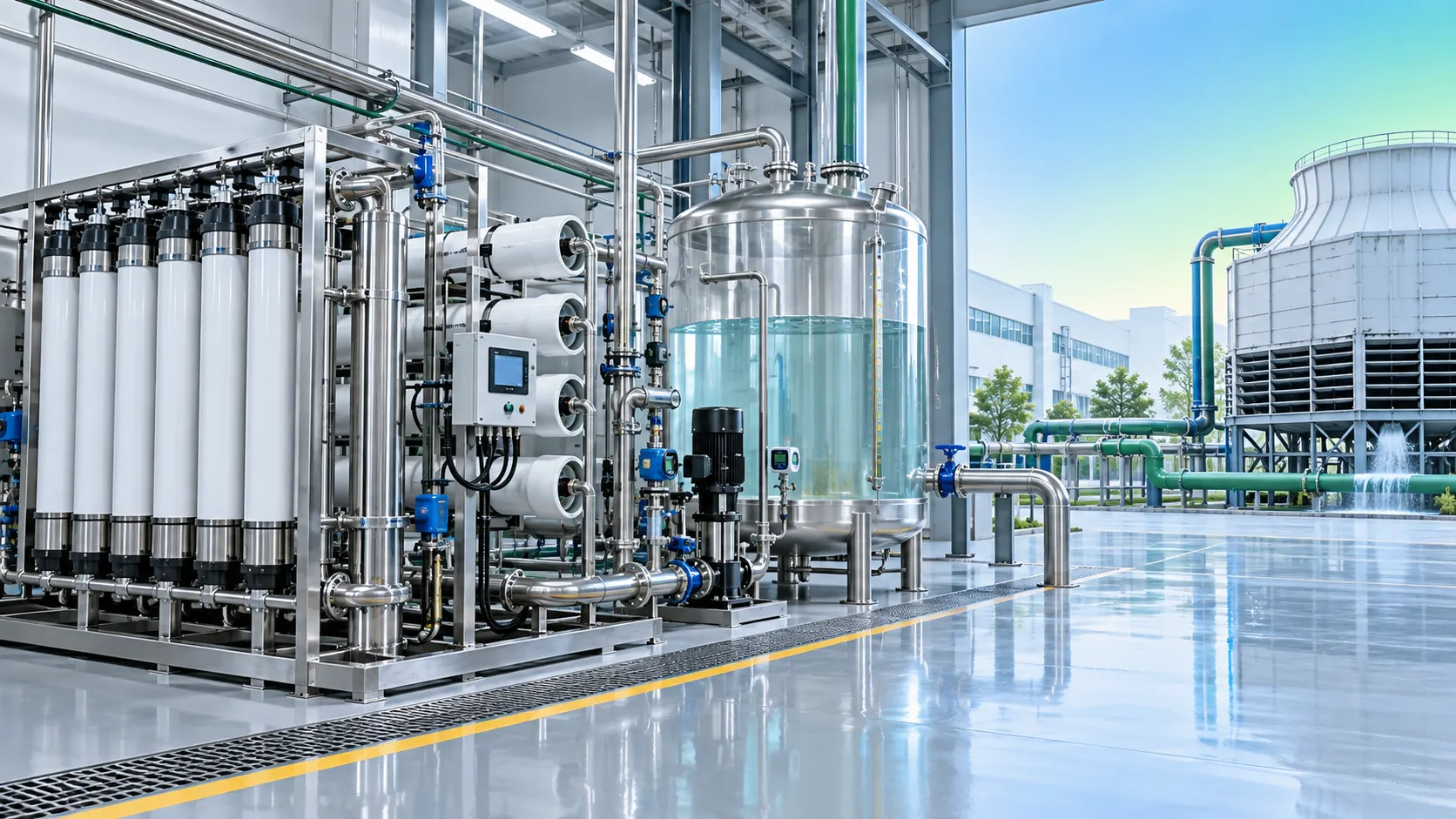
When do water reuse systems deliver a practical payback?
Water reuse systems deliver practical payback when they cut water, discharge, and downtime costs. Learn how to match treatment, recovery, and reuse quality for lasting ROI.
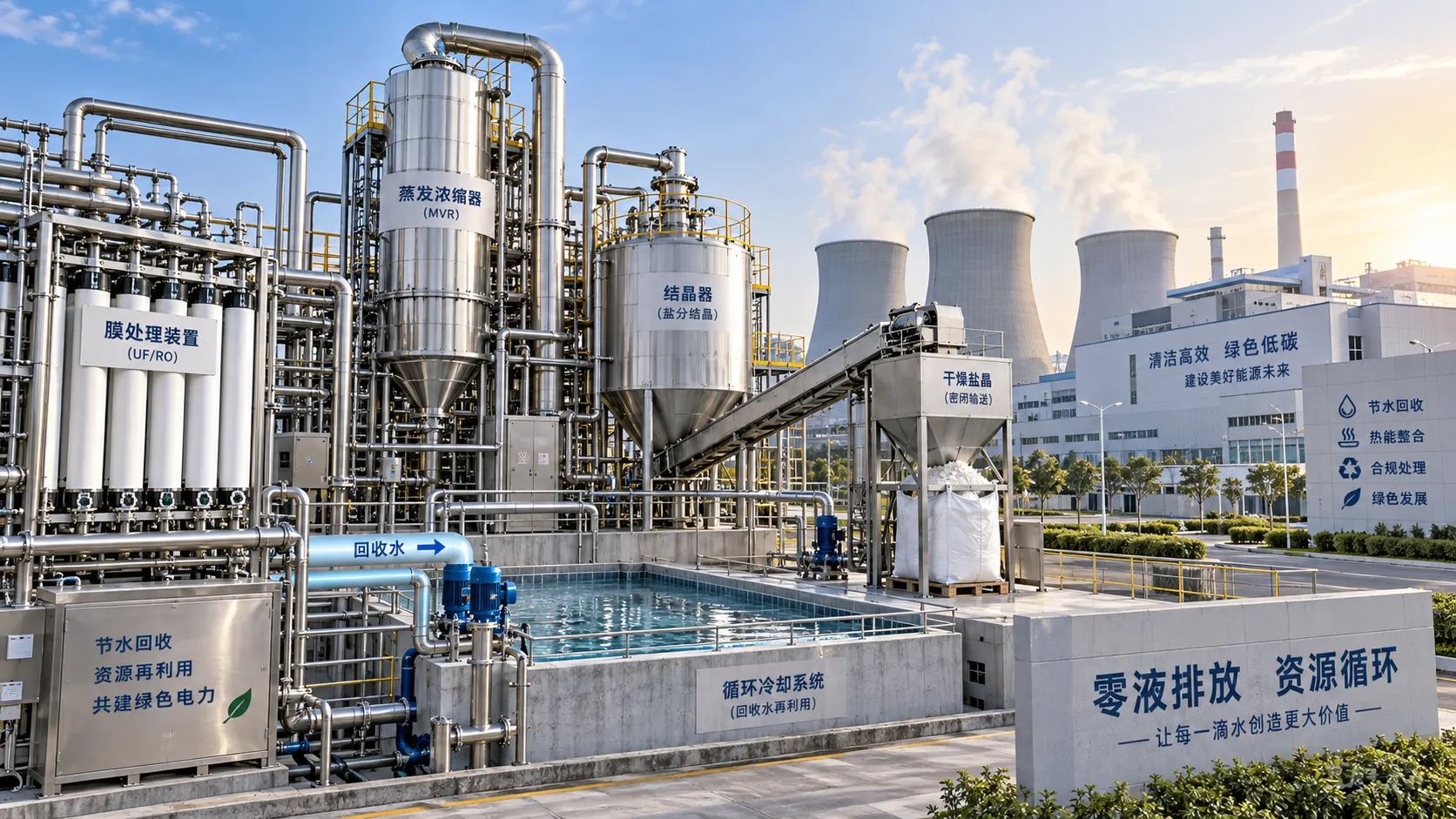
When do ZLD systems for power generation justify their energy use?
ZLD systems for power generation: learn when energy-intensive water recovery delivers stronger compliance, resilience, and long-term value.
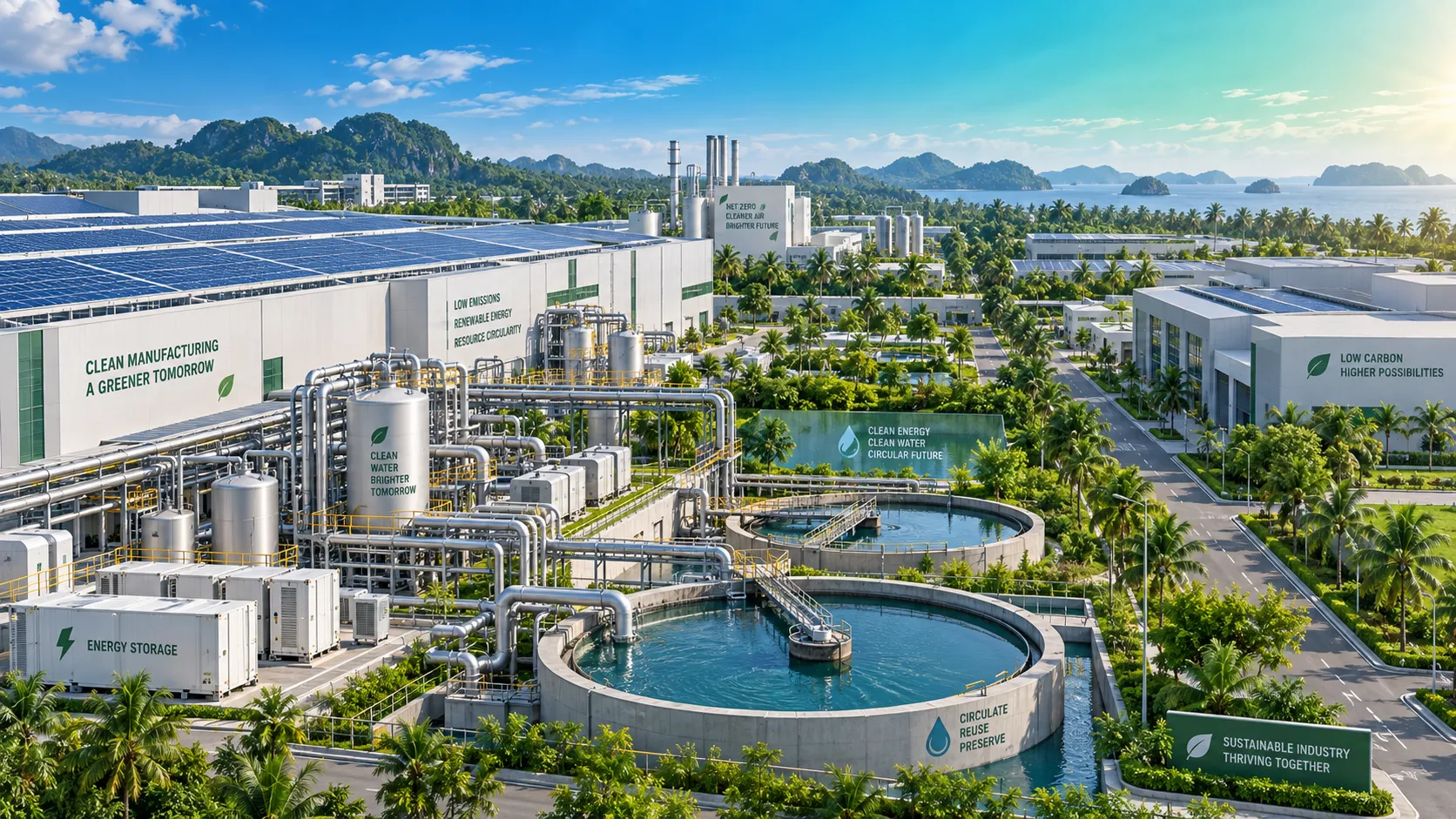
Which decarbonization pathways are most viable in Southeast Asia?
Decarbonization Southeast Asia: discover practical pathways for clean power, efficiency, electrification, circular recovery, and resilient industrial growth.
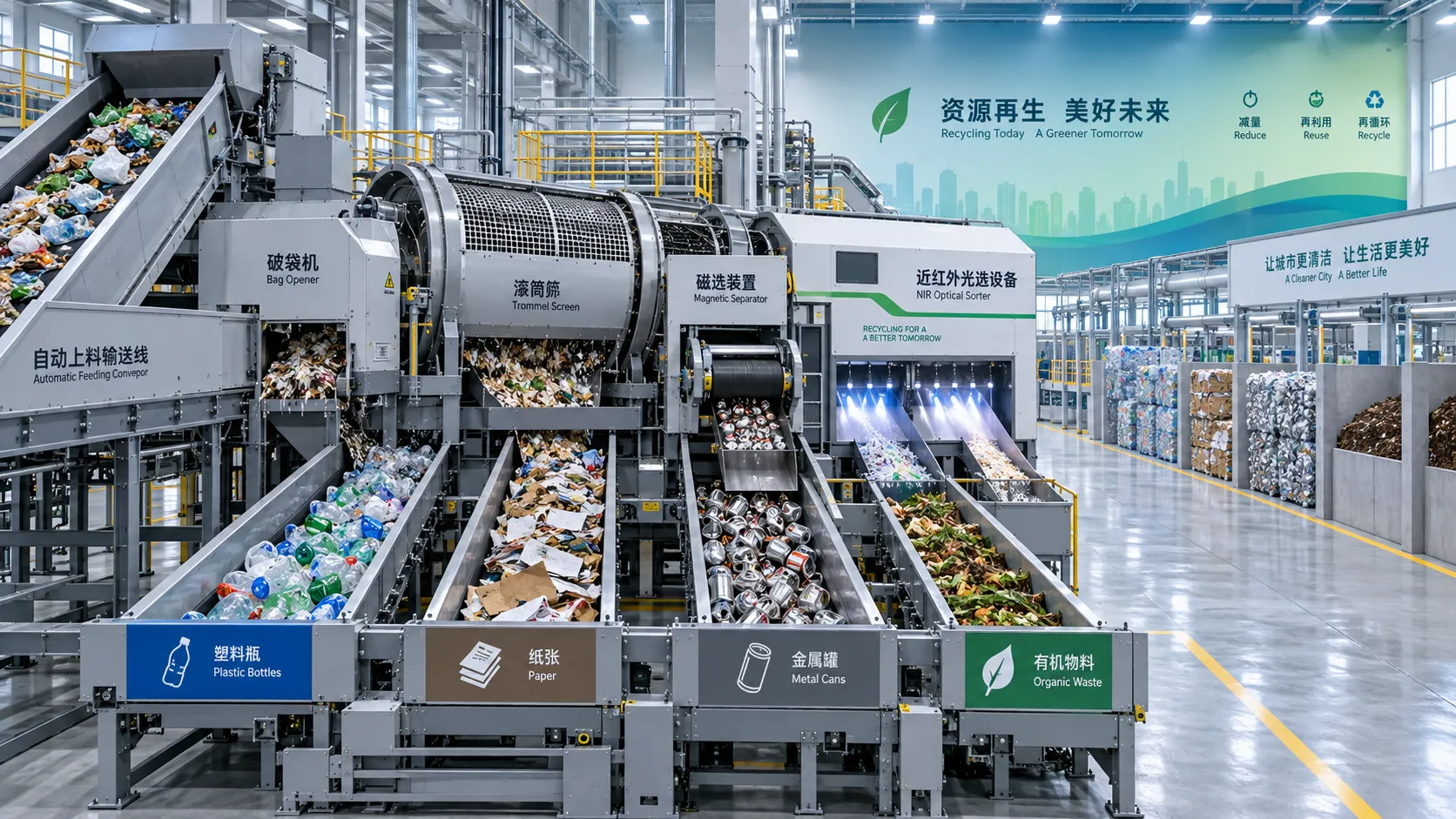
How to choose waste sorting equipment for mixed municipal waste
Waste sorting equipment selection guide for mixed municipal waste: compare technologies, improve recovery, reduce downtime, and build reliable output streams.
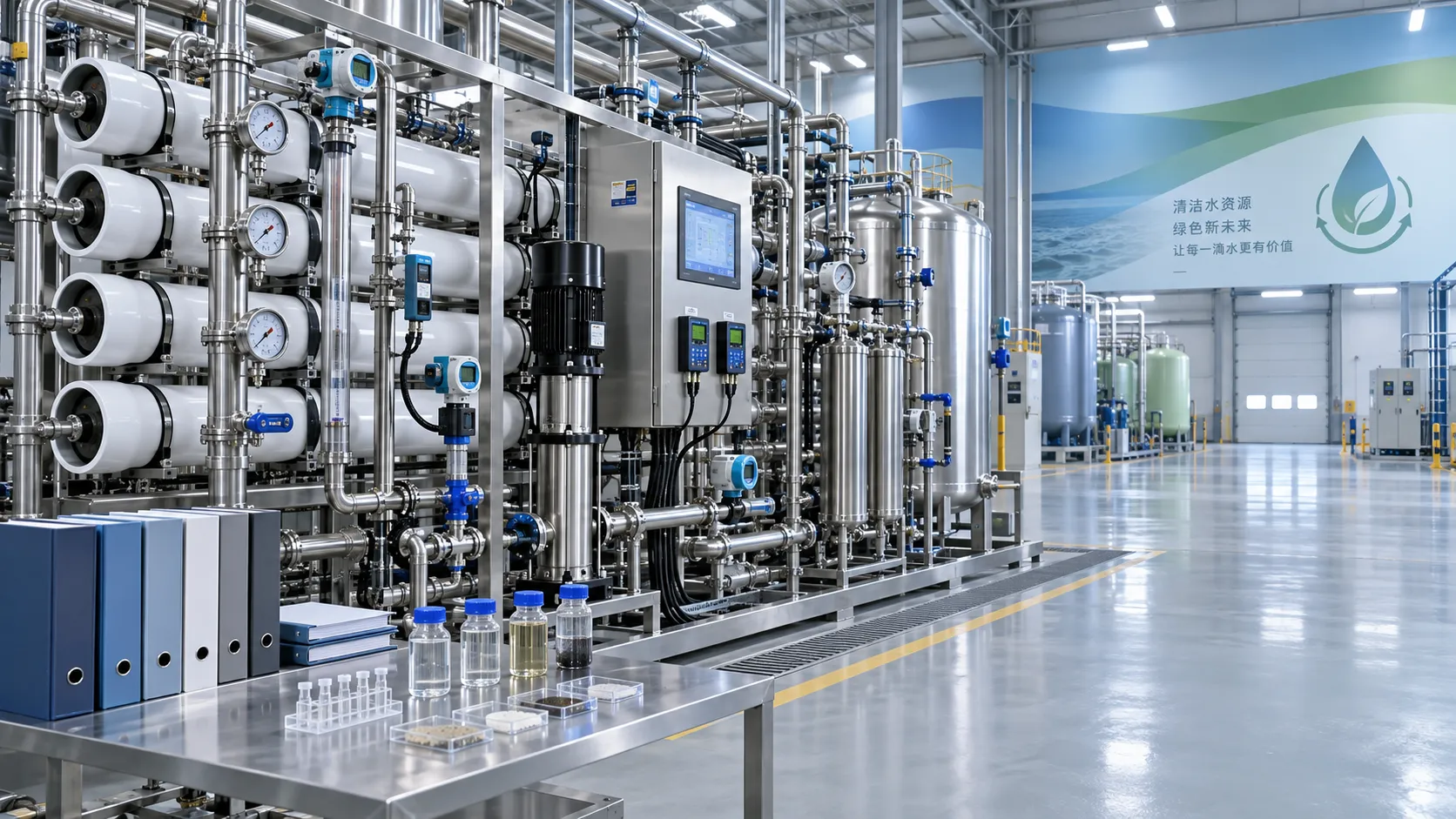
How to verify standards in an environmental equipment directory
environmental equipment directory standards reference: learn to verify certifications, performance evidence, scope, and project fit for confident, compliant equipment selection.
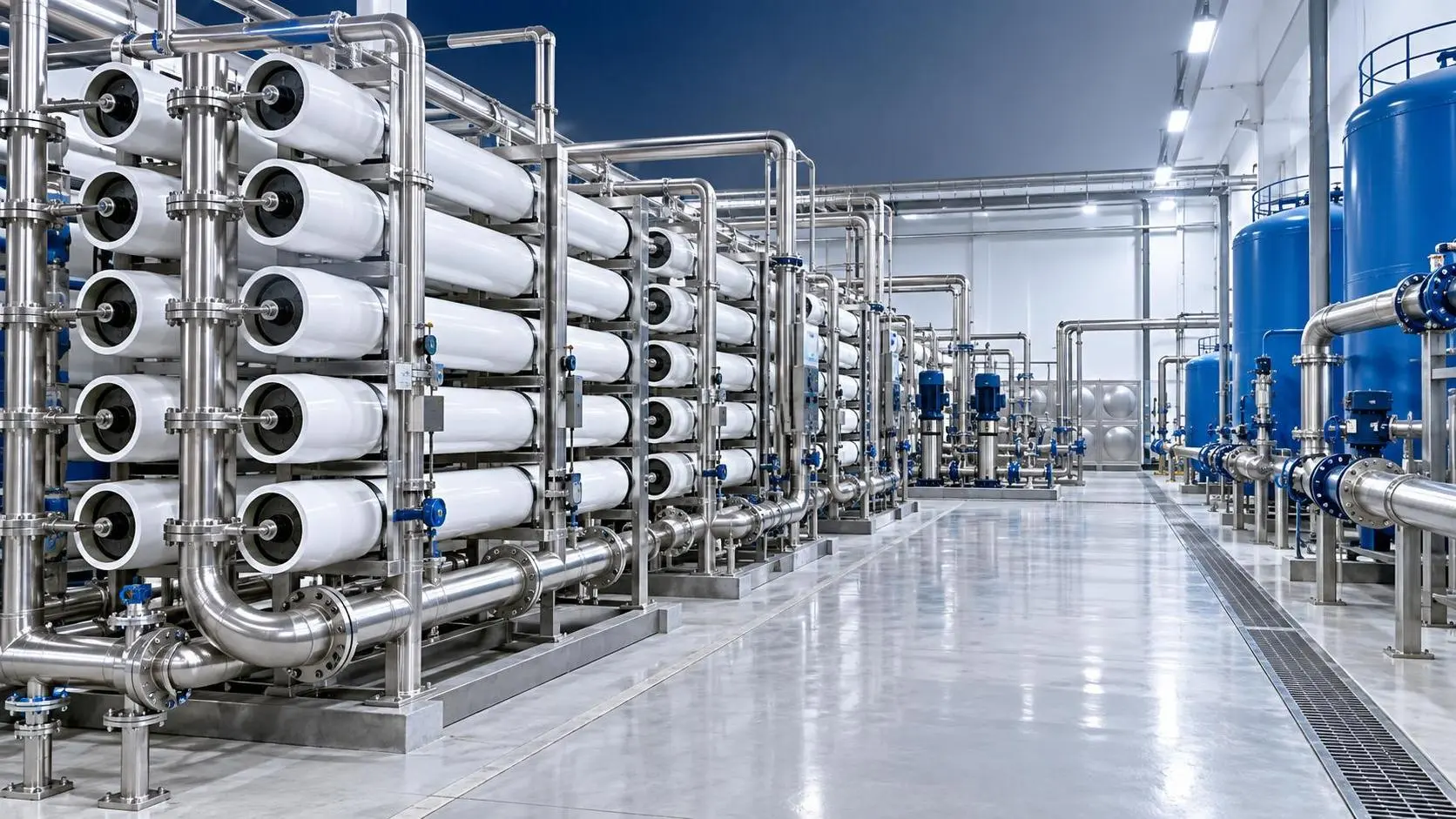
When high flux membrane water treatment justifies a larger footprint
High flux membrane water treatment can justify a larger footprint when variable feedwater, fouling risk, and uptime demands require resilient, lower-flux operation.
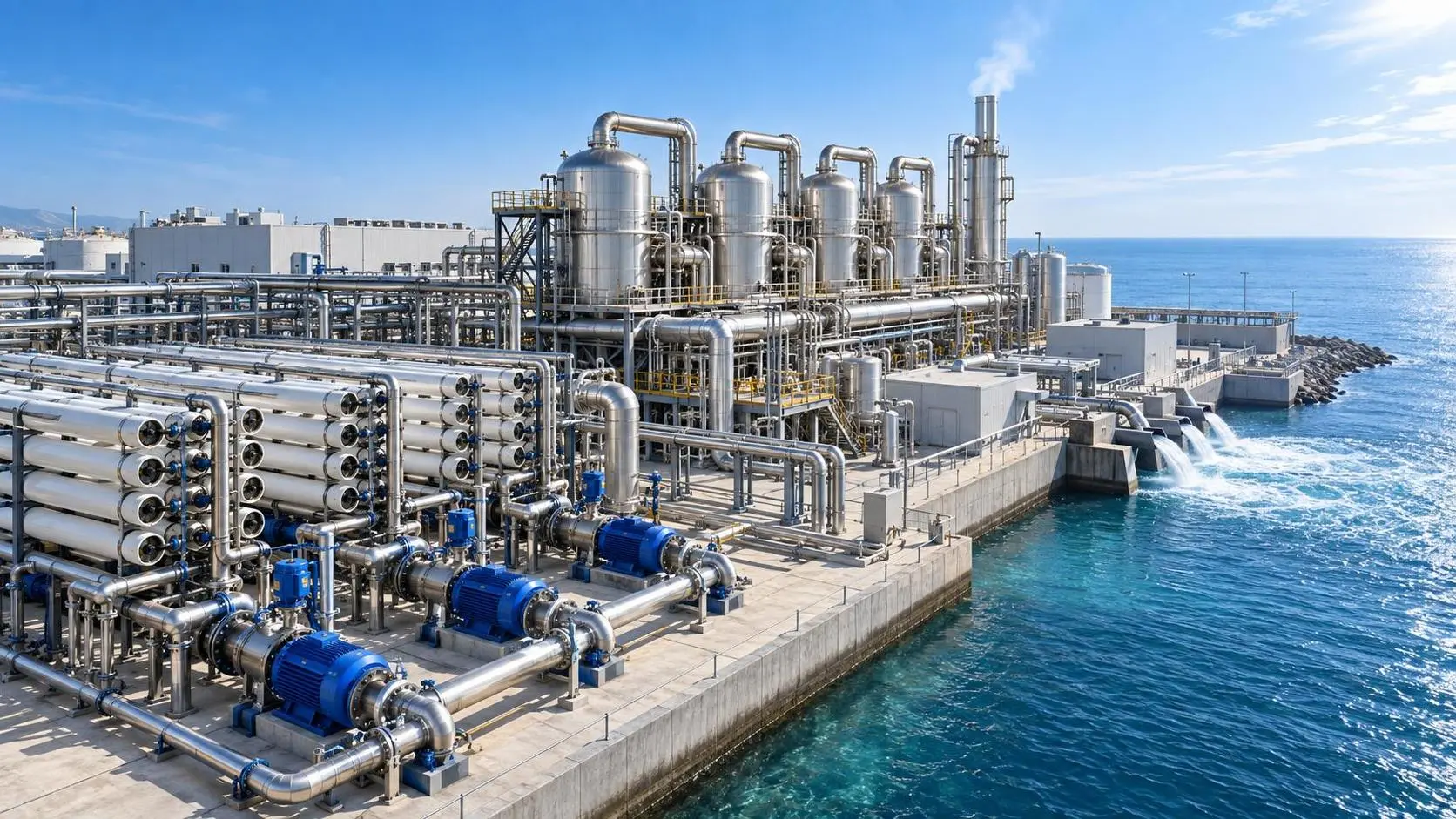
RO vs MED desalination: which is more energy-efficient at scale?
Desalination technology comparison: RO vs MED at scale. See how energy use, waste heat, feedwater, carbon, and flexibility determine the best choice.
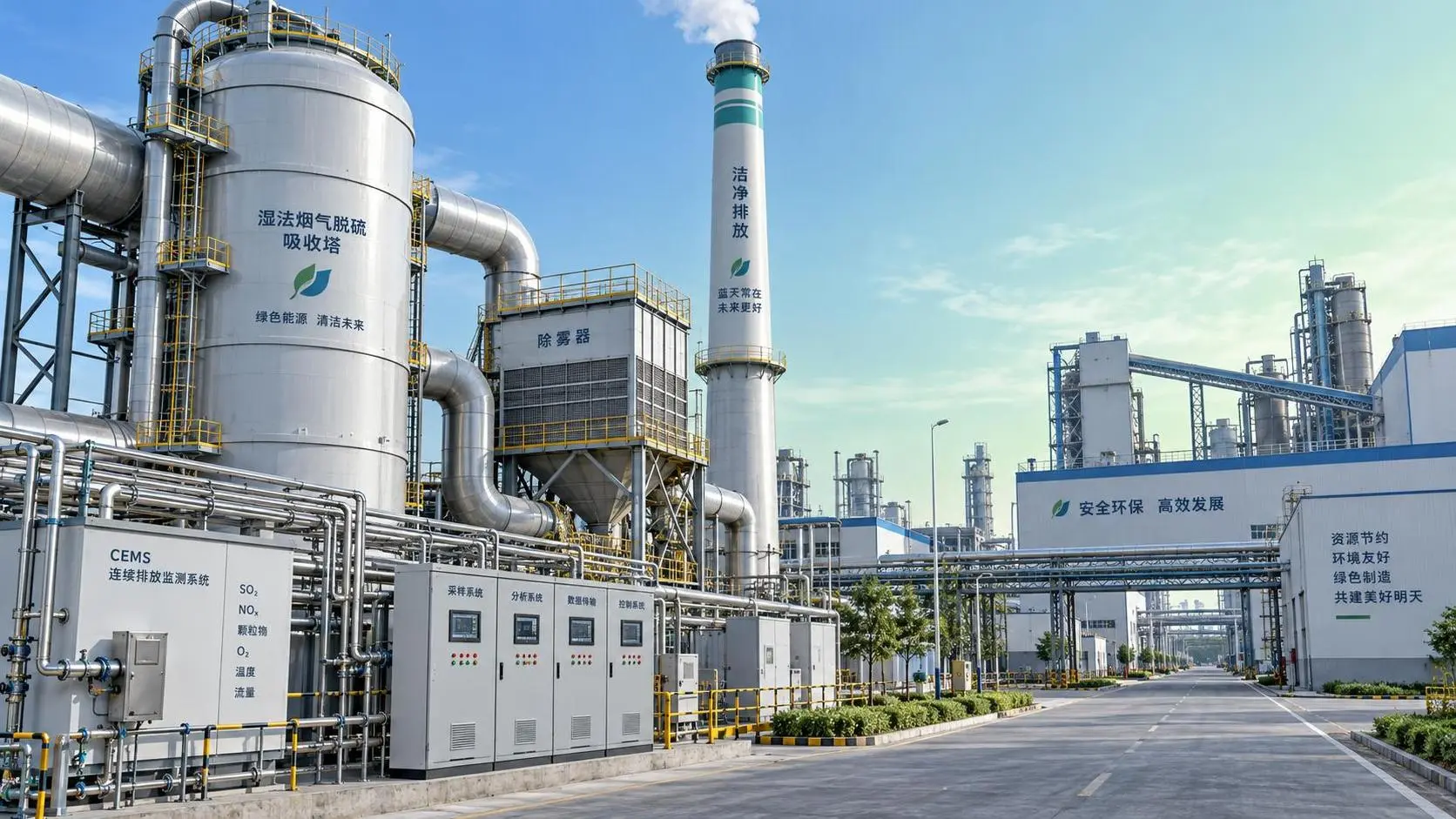
Which ISO standards apply to flue gas treatment systems?
Flue gas treatment systems ISO standards: explore key requirements for emissions testing, CEMS, safety, fabrication, corrosion control, and compliant project evaluation.

When corrosion resistant purification systems are needed for brine treatment
Corrosion resistant purification systems for brine treatment: assess chloride, heat, scaling, materials, and lifecycle reliability for demanding water projects.