
Industry News
Curation by industry experts
Hot Articles
Popular Tags
Radioactive Waste Handling: Common Mistakes That Raise Long-Term Risk
In radioactive waste handling, the most serious long-term risk rarely begins with a dramatic accident. It usually starts with ordinary decisions made too quickly, documented too loosely, or separated from the realities of storage, transport, and final disposal. In a market shaped by tighter environmental compliance, rising public scrutiny, and more complex facility interfaces, those small errors can grow into technical debt, regulatory exposure, and expensive project disruption.
Why routine mistakes matter more than isolated failures
Radioactive waste sits at the intersection of engineering, environmental governance, and long-duration liability. Unlike many industrial residues, its risk profile does not end when operations stop.
A mislabeled drum, an unsuitable liner, or incomplete traceability can remain hidden for years. The cost appears later, during inspection, repackaging, transport approval, or site decommissioning.
That is why the subject now extends beyond nuclear operators alone. EPC contractors, treatment system integrators, logistics planners, and compliance teams increasingly face radioactive waste interfaces across complex infrastructure programs.
From the perspective of ESD’s broader eco-shield intelligence framework, this reflects a familiar pattern. Long-term environmental risk often grows where technical parameters, lifecycle planning, and regulatory alignment are treated as separate tasks.
What radioactive waste handling really includes
Radioactive waste handling is not limited to storage rooms and shielding. It covers classification, segregation, packaging, temporary holding, movement control, treatment compatibility, documentation, and interface readiness for final disposition.
Different waste streams behave differently. Dry solid waste, contaminated resins, sludge, activated metals, laboratory consumables, and mixed waste do not present the same thermal, chemical, or radiological demands.
This matters because a package that looks acceptable in the short term may be unsuitable over time. Corrosion, gas generation, moisture intrusion, incompatible matrices, and dose buildup can change the risk picture later.
In practical terms, effective radioactive waste management depends on lifecycle fit. The package, record, and handling route must remain credible from generation point to final disposal pathway.
The most common mistakes that increase long-term risk
Poor classification at the source
One of the most frequent problems is incorrect or over-simplified classification. Waste gets grouped by convenience instead of radionuclide profile, half-life, contamination mode, physical form, or disposal acceptance criteria.
When that happens, downstream choices become distorted. Shielding may be undersized, treatment routes may fail, and storage assumptions may no longer match the actual inventory.
Mixing incompatible waste streams
Segregation mistakes are especially costly. Combining low-level radioactive waste with chemically reactive material, moisture-bearing residues, or nonconforming solids can create avoidable complexity.
Mixed waste is not just harder to manage. It often narrows treatment options, raises packaging costs, and complicates licensing, transport, and disposal approval.
Packaging that solves today’s problem only
Short-term containment is not enough. Containers selected for immediate operational convenience may fail long-duration needs linked to corrosion resistance, structural integrity, leak prevention, and retrievability.
This is where lifecycle engineering matters. The wrong closure system or absorbent choice can trigger repackaging years later, often under tighter controls and higher dose conditions.
Weak documentation and chain of custody
A package without reliable data becomes a liability. Missing isotopic records, inconsistent labeling, unclear origin data, or undocumented field changes reduce confidence in every later decision.
In radioactive waste programs, traceability is not an administrative extra. It is a technical control that supports storage design, transport authorization, dose planning, and audit defensibility.
Treating temporary storage as a stable endpoint
Temporary accumulation areas often become semi-permanent by default. That creates complacency around ventilation, inspection intervals, container condition monitoring, and space management.
Once inventories grow beyond the original design basis, the site inherits a different risk profile. Fire loading, access constraints, dose mapping, and emergency response assumptions may all change.
Compliance handled too late in the project cycle
Another recurring mistake is treating compliance as a final review step. By then, packaging, routing, contractor scope, and budget assumptions are already fixed.
For radioactive waste, regulatory fit should shape engineering choices early. Waiting too long often means redesign, permit delay, or rejected waste packages.
Where these issues appear in real projects
Long-term handling errors emerge in more places than many project plans assume. They show up during maintenance outages, research facility cleanouts, isotope production support, medical stream consolidation, and nuclear plant modernization.
They also appear at the edges of other environmental systems. Dewatering units, filtration skids, evaporator concentrates, wash water circuits, and solid recovery lines can all generate radioactive waste interfaces.
That cross-system view is increasingly important. ESD’s coverage of water treatment, solid waste recovery, and nuclear waste management highlights how contamination control, materials compatibility, and compliance logic now overlap across infrastructure disciplines.
What deserves closer attention during planning and execution
The strongest radioactive waste strategy begins before the first package is filled. It starts with realistic assumptions about the waste stream, the receiving pathway, and the time horizon of responsibility.
- Link waste classification to disposal criteria, not only to site convenience.
- Check chemical and radiological compatibility before consolidation.
- Select containers for storage duration, inspection access, and transport readiness.
- Build digital traceability for package identity, origin, assay, and field changes.
- Review temporary storage limits against realistic accumulation scenarios.
- Bring compliance and disposal specialists into front-end design reviews.
These steps reduce the chance that radioactive waste becomes stranded between operational urgency and long-term stewardship. They also improve cost predictability, which is often where project performance is judged most sharply.
Why this is becoming a broader strategic issue
The handling of radioactive waste is no longer a narrow compliance topic. It is part of a wider reliability conversation that also affects water reuse systems, waste recovery infrastructure, and environmental permitting credibility.
As regulations become more data-driven, undocumented assumptions lose value. As disposal pathways tighten, poor segregation becomes more expensive. As public expectations rise, weak stewardship becomes harder to defend.
This is why intelligence-led oversight matters. Platforms such as ESD are valuable not because they repeat headlines, but because they connect technical detail, evolving compliance standards, and real capital project consequences.
A practical next step for reducing future liability
A useful starting point is a focused review of existing radioactive waste assumptions. Check whether classification logic, package specifications, storage conditions, and traceability records still match the intended final pathway.
If gaps appear, they should be treated as design issues, not clerical defects. In long-horizon environmental systems, the quality of routine handling decisions often determines whether risk remains contained or compounds over time.
The safest programs are not the ones that assume nothing will go wrong. They are the ones that remove ordinary handling mistakes before those mistakes become permanent liabilities.
Recommended News

When do water reuse systems deliver a practical payback?
Water reuse systems deliver practical payback when they cut water, discharge, and downtime costs. Learn how to match treatment, recovery, and reuse quality for lasting ROI.
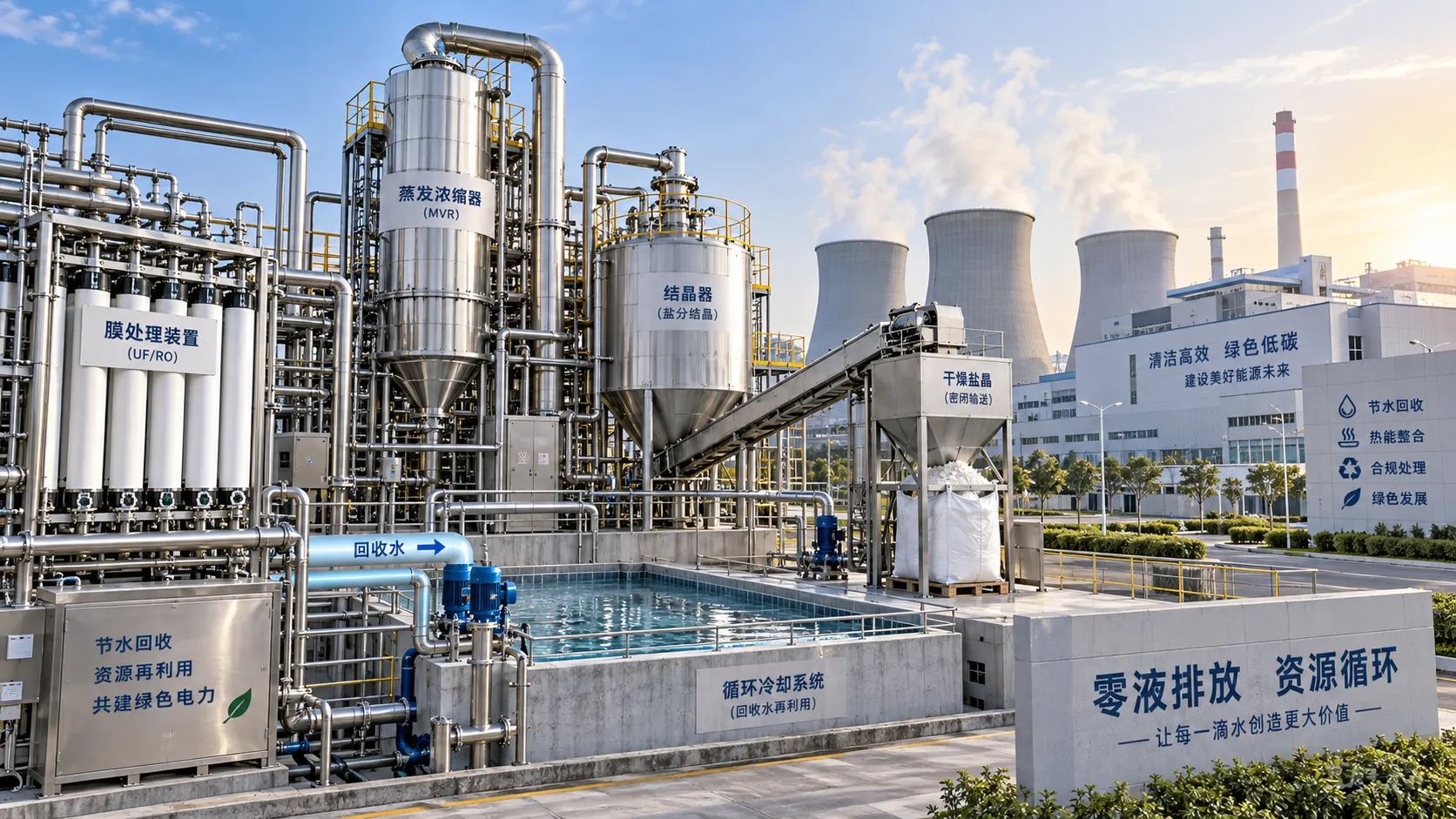
When do ZLD systems for power generation justify their energy use?
ZLD systems for power generation: learn when energy-intensive water recovery delivers stronger compliance, resilience, and long-term value.
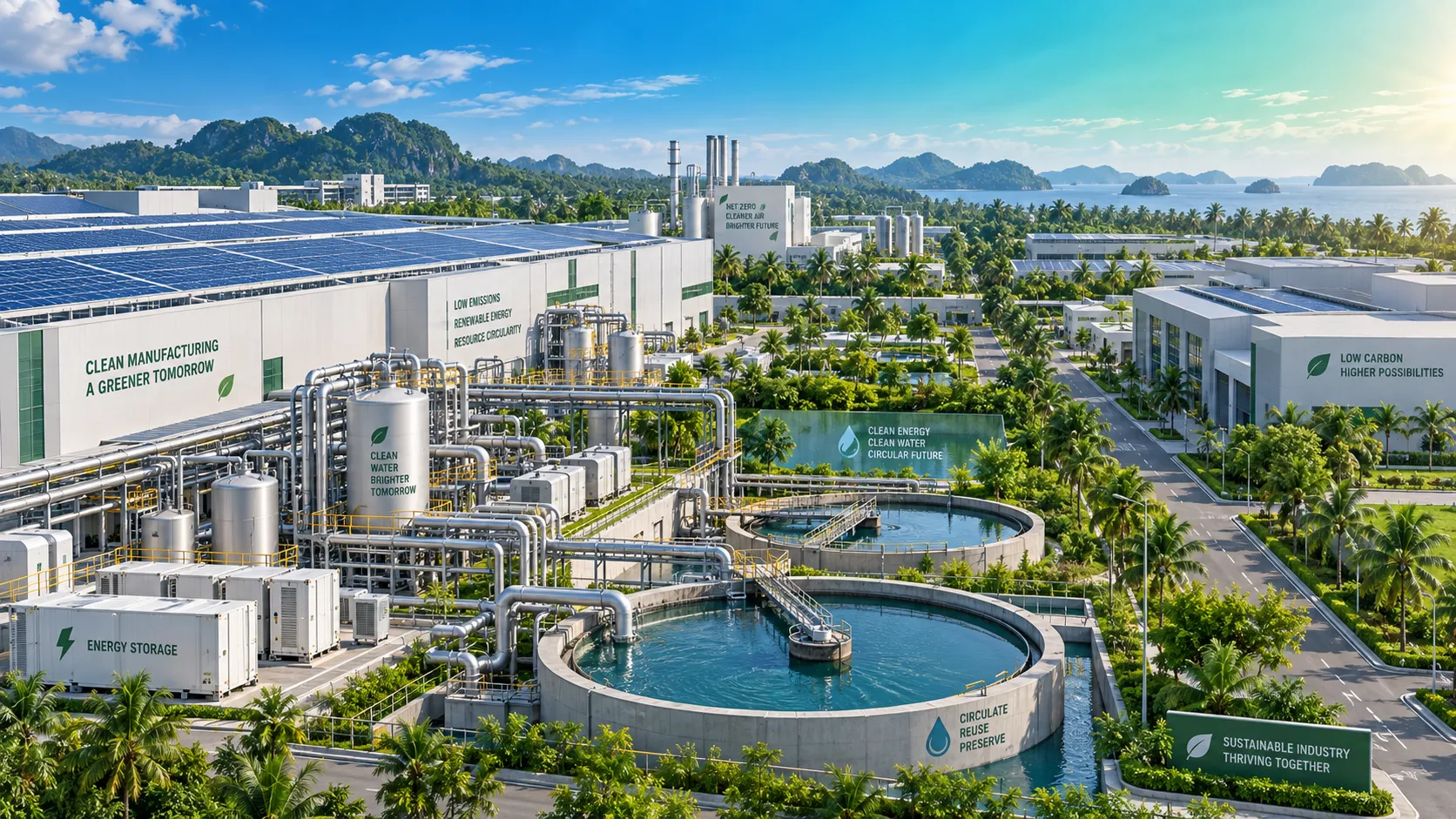
Which decarbonization pathways are most viable in Southeast Asia?
Decarbonization Southeast Asia: discover practical pathways for clean power, efficiency, electrification, circular recovery, and resilient industrial growth.
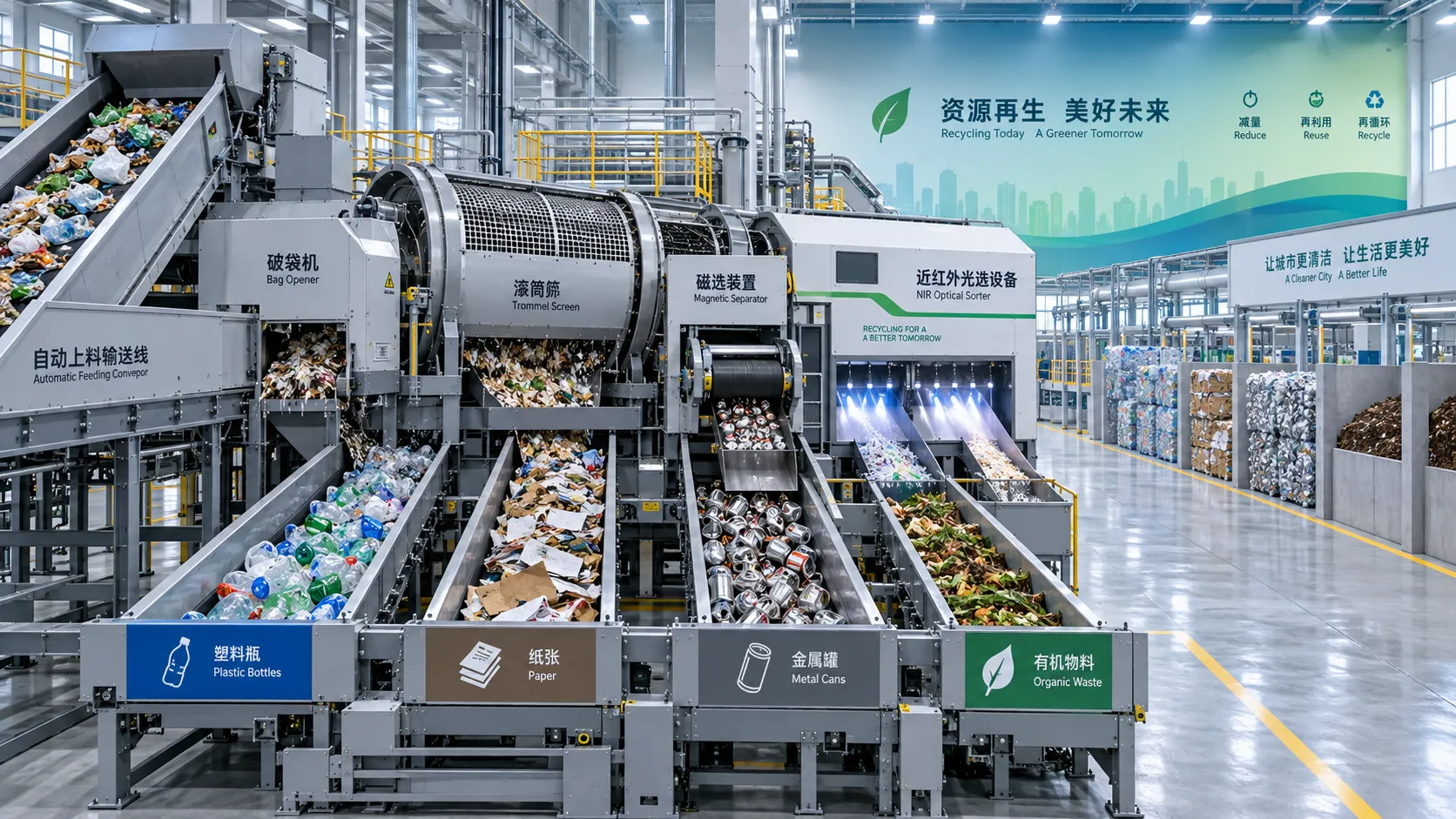
How to choose waste sorting equipment for mixed municipal waste
Waste sorting equipment selection guide for mixed municipal waste: compare technologies, improve recovery, reduce downtime, and build reliable output streams.
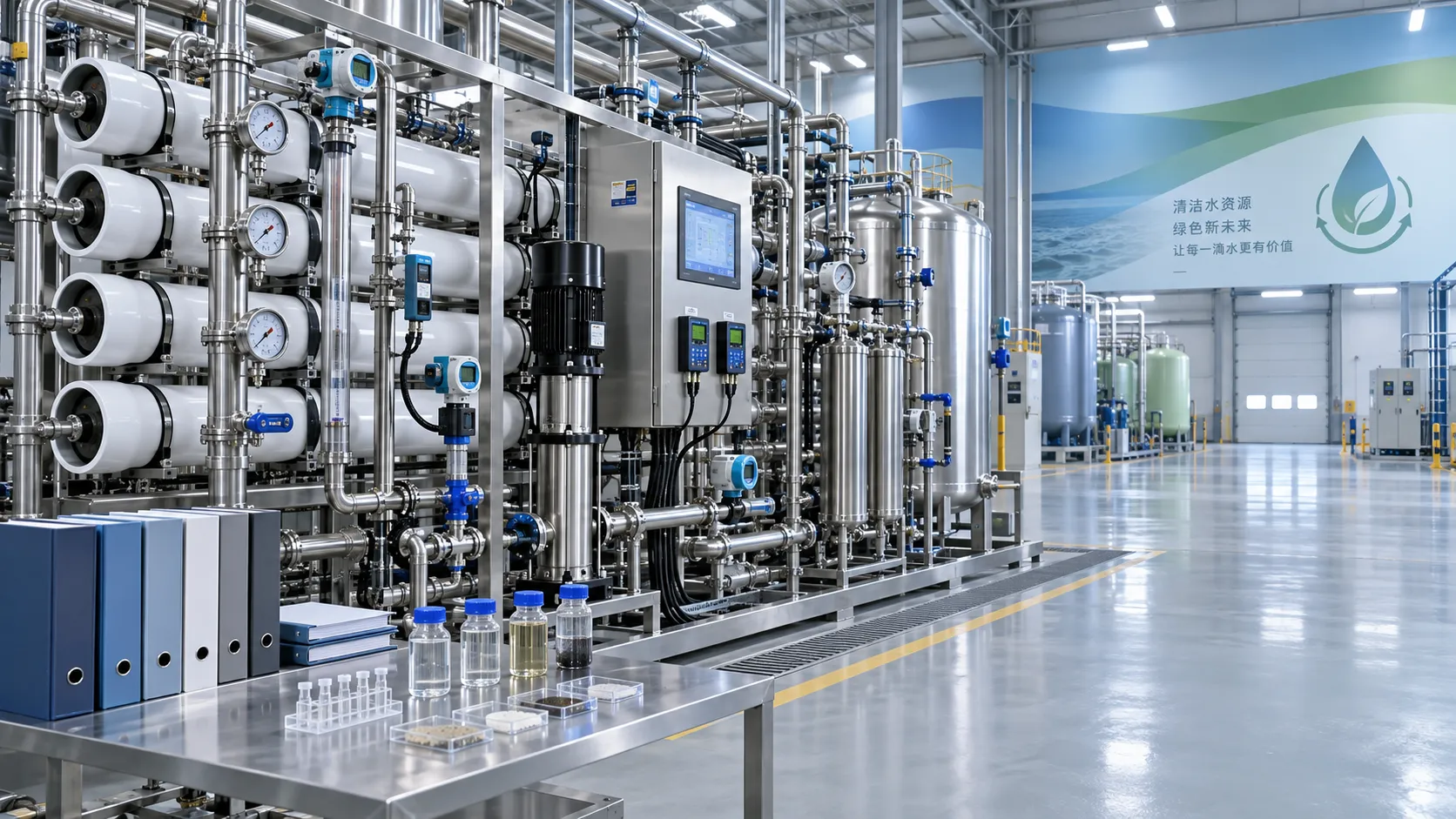
How to verify standards in an environmental equipment directory
environmental equipment directory standards reference: learn to verify certifications, performance evidence, scope, and project fit for confident, compliant equipment selection.
When high flux membrane water treatment justifies a larger footprint
High flux membrane water treatment can justify a larger footprint when variable feedwater, fouling risk, and uptime demands require resilient, lower-flux operation.
RO vs MED desalination: which is more energy-efficient at scale?
Desalination technology comparison: RO vs MED at scale. See how energy use, waste heat, feedwater, carbon, and flexibility determine the best choice.
Which ISO standards apply to flue gas treatment systems?
Flue gas treatment systems ISO standards: explore key requirements for emissions testing, CEMS, safety, fabrication, corrosion control, and compliant project evaluation.

When corrosion resistant purification systems are needed for brine treatment
Corrosion resistant purification systems for brine treatment: assess chloride, heat, scaling, materials, and lifecycle reliability for demanding water projects.