
Industry News
Curation by industry experts
Hot Articles
Popular Tags
What Are the Main Compliance Risks in Industrial Wastewater Discharge?
The Highest-Risk Failures Are Usually Operational, Not Theoretical
Industrial wastewater discharge compliance can fail even when a facility has a treatment plant, a valid permit, and written operating procedures. The main risks arise when the actual wastewater produced by changing processes no longer matches the assumptions behind the permit, treatment design, sampling plan, or reporting system.
For most industrial operators, the exposure falls into four connected areas: exceeding discharge limits, missing or unreliable monitoring data, mishandling hazardous or difficult-to-treat pollutants, and losing control during abnormal operating conditions. Any one of these can lead to enforcement action, increased inspection, production constraints, contract risk, and reputational damage. In more serious situations, a discharge issue can also create liability for harm to a receiving water body, a municipal sewer system, or downstream treatment infrastructure.
The practical question is therefore less about whether a site has wastewater treatment equipment and more about whether its compliance controls remain reliable when production volume, raw materials, water chemistry, staffing, weather, and regulatory expectations change.
1. Permit Exceedances: The Most Visible Compliance Risk
Exceeding a permit limit is the clearest and often the most consequential wastewater compliance failure. Limits may apply to parameters such as pH, suspended solids, organic loading, temperature, oil and grease, nutrients, metals, salts, toxic compounds, or microbiological indicators. The relevant parameters depend on the industry, the treatment destination, and the receiving environment.
A permit exceedance does not always mean that a treatment system has completely failed. A short-term spike can result from a process upset, a batch discharge, an equipment malfunction, poor equalization, chemical dosing error, or contamination from a previously unrecognized stream. Yet regulators and sewer authorities generally evaluate the discharge itself, along with the operator’s ability to detect, report, investigate, and correct the cause.
Several conditions make exceedances more likely:
- Production changes that increase pollutant loading without a matching review of treatment capacity.
- Batch operations that release concentrated wastewater over a short period.
- Inadequate segregation of high-strength, toxic, oily, saline, or metal-bearing streams.
- Equalization tanks that are undersized, poorly mixed, or operated outside their intended range.
- Biological treatment systems exposed to shock loads, toxic compounds, temperature shifts, or unstable pH.
- Membrane, filtration, evaporation, or ion-exchange systems operating with declining performance that is recognized too late.
- Stormwater infiltration, cross-connections, or accidental discharge routes that bypass normal treatment.
Permit compliance should therefore be assessed against peak and variable conditions, not only against average daily wastewater quality. A treatment train may perform adequately during steady production while remaining vulnerable to a cleaning event, raw-material substitution, maintenance washdown, or end-of-shift batch release. Facilities that focus only on average influent values can miss the events most likely to cause a violation.
There is also a recurring misunderstanding around safety margins. Designing treatment capacity close to a discharge limit may appear efficient, but it leaves little room for sensor drift, variable influent chemistry, reagent quality changes, equipment fouling, or temporary loss of one treatment unit. The tighter the discharge limit, the more valuable operational redundancy and upstream control become.
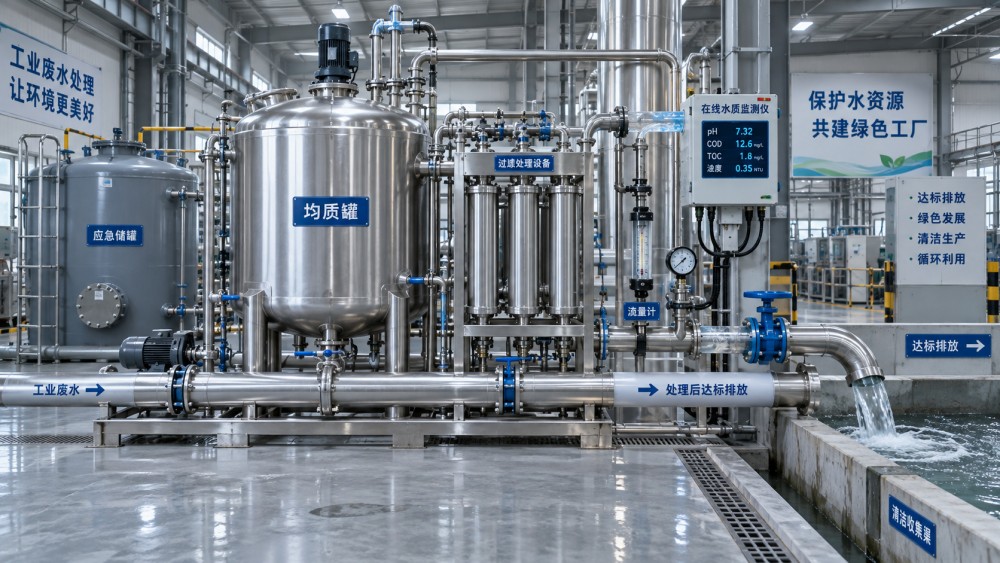
2. Monitoring and Sampling Failures Can Create Liability Even When Water Quality Is Acceptable
Compliance depends on evidence. If a facility cannot demonstrate what was discharged, when it was discharged, and how the result was obtained, it may face compliance exposure even where the underlying treatment process appears sound.
Monitoring risk begins with the sampling point. A sample collected from a convenient location may not represent the final regulated discharge. Similarly, grab samples can miss short-duration pollution peaks that a composite sampler would capture. The appropriate approach depends on permit language and discharge behavior, but the method must reflect the regulated stream and be consistently applied.
Common weaknesses include poorly maintained flow meters, unattended automatic samplers, uncalibrated online analyzers, missing chain-of-custody records, inconsistent sample preservation, and laboratory methods that do not align with the required analytical procedure. Data transcription errors also matter. A correct laboratory result can become a reporting problem if units, dates, sample identifiers, detection limits, or discharge volumes are entered incorrectly.
Continuous monitoring introduces a separate set of challenges. Online pH, conductivity, turbidity, dissolved oxygen, chemical oxygen demand proxies, and flow instruments can provide valuable early warning, but they are not self-validating. Probe fouling, calibration drift, air bubbles, scaling, temperature effects, and communication faults can produce false confidence or false alarms. Operators need defined responses for both conditions.
Monitoring systems should answer three questions
- Is the discharge within the permitted range? This requires appropriately located and reliable measurement.
- Can the site prove the result? This depends on traceable sampling, calibration, laboratory quality controls, records, and reporting discipline.
- Can the site react before a violation becomes a discharge? This requires alarms, diversion capability, storage capacity, operator authority, and clear escalation procedures.
A useful compliance system treats wastewater data as an operating input rather than as paperwork assembled at the end of the month. When laboratory results arrive after the wastewater has already left the site, they may confirm performance, but they cannot prevent an incident. Real-time or near-real-time indicators, combined with conservative operating limits, help provide the time needed to isolate a problem stream or adjust treatment.
3. Hazardous Contaminants Create Risks Beyond Standard Treatment Performance
Industrial wastewater often contains contaminants that require more scrutiny than routine organic or solids removal. Metals, solvents, persistent organic compounds, highly acidic or alkaline streams, cyanide-bearing wastewater, fluoride, toxic surfactants, concentrated brines, PFAS-related concerns where applicable, and process-specific chemicals can create distinct regulatory and operational risks.
The problem is not simply whether a contaminant is present. Compliance risk depends on concentration, volume, chemical form, variability, interactions with other wastewater streams, and the treatment or disposal route. A metal may be removable through precipitation under stable pH conditions, for example, while chelating agents or fluctuating influent chemistry make that removal far less predictable. Oily wastewater may appear manageable until emulsifiers prevent effective separation. A stream that is compatible with biological treatment at low concentration may inhibit biological activity during a concentrated discharge event.
Hazardous contaminants also raise the stakes for waste classification. Treatment does not eliminate liability if it merely transfers pollutants from water to sludge, spent media, concentrate, filter cake, or brine. These residuals may require controlled storage, testing, transport documentation, and disposal through appropriate channels. A facility can achieve compliant effluent quality while creating a separate compliance failure through poor residual-waste management.
Procurement and process teams should be involved whenever a new raw material, cleaning chemical, additive, inhibitor, coating, resin, or solvent is introduced. Environmental teams are often informed after a purchasing decision has been made, when the new chemical has already changed the wastewater profile. A pre-use review should examine likely wastewater pathways, treatability, interactions with current chemistry, monitoring needs, and whether the discharge permit still covers the resulting pollutants.
4. Unplanned Events and Bypasses Often Reveal the Weakest Control Point
Many discharge compliance programs are built around normal operation. Enforcement risk increases sharply when conditions become abnormal: a pump fails, a neutralization tank overflows, a power interruption stops aeration, a valve is left in the wrong position, a storage tank reaches capacity, or heavy rainfall changes site drainage.
Bypass events deserve particular attention. Some bypasses are deliberate and visible, such as routing wastewater around an overloaded treatment step during maintenance. Others are hidden in plant layout: floor drains connected to stormwater systems, emergency overflows without containment, temporary hoses used during cleaning, or drain networks altered during expansion work. These pathways can create releases that are not represented in routine wastewater monitoring.
Resilience depends on physical and procedural controls working together. Secondary containment, isolation valves, emergency storage, backup power for critical equipment, high-level alarms, spare parts, and preventive maintenance all reduce the chance that an upset becomes a discharge event. However, equipment alone does not establish a reliable response. Operators must know which tank can accept diverted flow, who can authorize shutdown or diversion, which authorities require notification, and how to preserve records after an incident.
The compliance value of an emergency tank is often misunderstood. Storage capacity helps only when it is available, correctly connected, and large enough for the expected duration and flow. A tank that is routinely kept near full for operational convenience offers little protection during an upset. Facilities should assess emergency volume against realistic failure scenarios, including delayed repairs, off-hours staffing, and periods of elevated production.
Why Paper Compliance Can Fail During an Inspection
Written procedures, discharge logs, and training records are necessary, but they cannot compensate for a mismatch between documents and site conditions. Inspectors may compare permits, monitoring records, chemical inventories, drainage plans, maintenance history, laboratory reports, manifests, and actual operating practices. Inconsistencies can draw attention even where a specific numeric exceedance has not yet been identified.
Examples include a new production line with no documented wastewater review, chemical inventory items absent from the treatment operating plan, analyzer calibration records with unexplained gaps, wastewater flows that do not align with production and water-use records, or sludge disposal documents that do not match the treatment process. These signals suggest that control systems may be incomplete.
Record retention also matters because wastewater problems are frequently reconstructed after the fact. When a facility cannot show when an alarm occurred, how it responded, what sample was taken, or why a deviation was reported late, its ability to demonstrate due diligence becomes weaker. Clear records should connect the operational event to the corrective action, subsequent verification, and any required notification.
A More Useful Way to Review Wastewater Compliance Risk
Facilities often review compliance by asking whether recent test results met permit limits. That review is necessary, but it is too narrow on its own. A stronger review looks at the pathway from industrial activity to final discharge: what enters the wastewater system, how it is segregated, how treatment capacity is managed, how performance is monitored, where failures can bypass controls, and how residuals are handled.
The highest-priority questions are usually practical:
- Which process changes could alter pollutant loading without triggering an environmental review?
- Which wastewater streams are least characterized or most variable?
- How close does normal performance operate to permit limits?
- Can the facility identify a short-duration spike before it reaches the discharge point?
- What happens if one critical pump, analyzer, treatment unit, or chemical feed system fails?
- Are all drains, overflows, storage routes, and temporary connections mapped and controlled?
- Do waste residual handling practices reflect the contaminants removed from wastewater?
Industrial wastewater compliance is often treated as the responsibility of an environmental department or treatment-plant operator. In practice, it is a production, maintenance, procurement, engineering, and management issue as well. The most durable compliance programs connect process decisions to wastewater consequences before pollutants reach the treatment plant.
As discharge expectations become more stringent and traceability becomes more important, operators will need to place greater value on treatment resilience, defensible monitoring, and upstream pollutant control. The facilities best positioned to manage risk will be those that can show both compliant results and a credible ability to maintain control when operating conditions change.
Recommended News
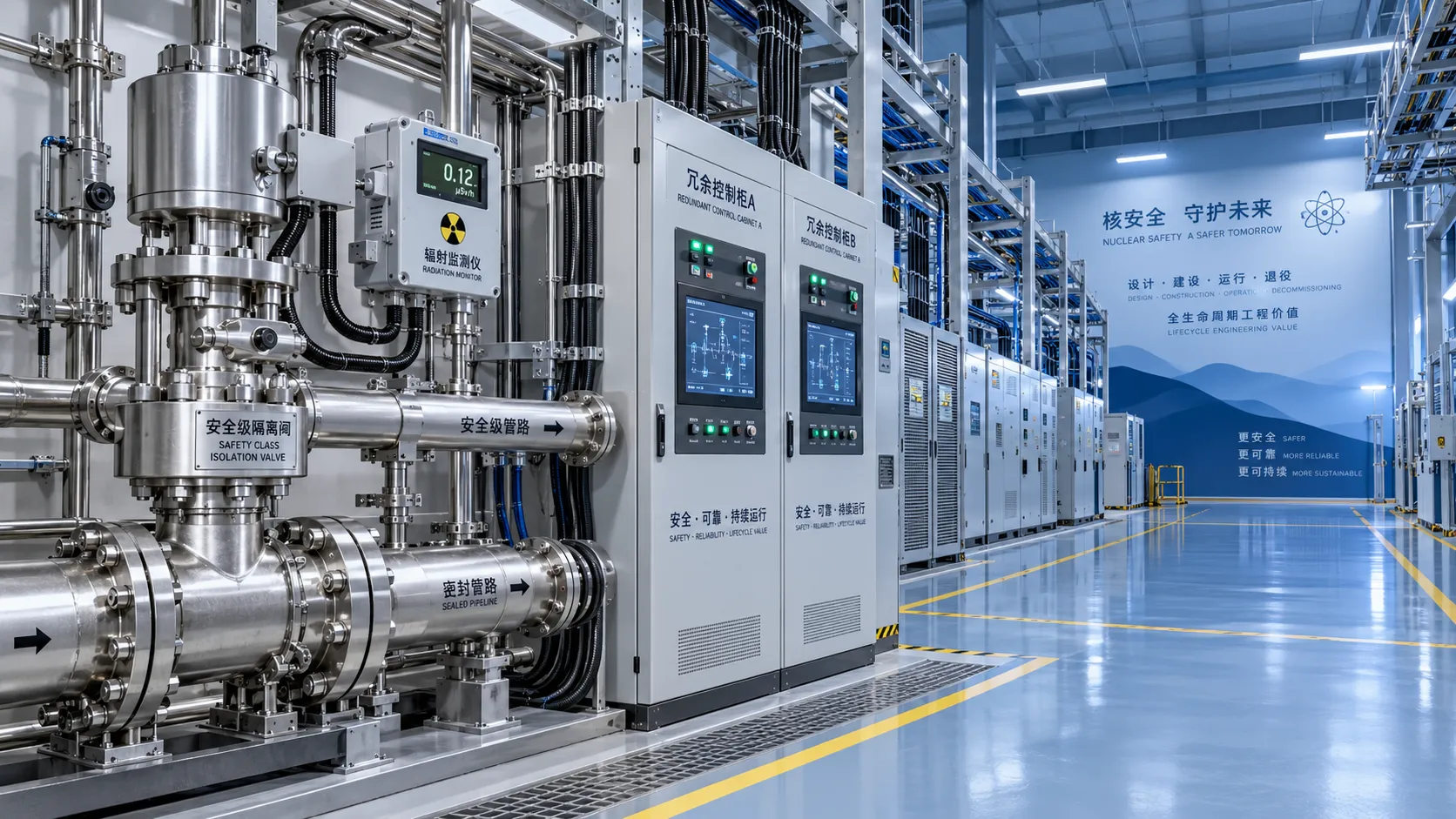
What drives nuclear safety solutions pricing for new facility projects?
Nuclear safety solutions pricing explained: uncover the key cost drivers for new facilities, from qualification and interfaces to lifecycle support.
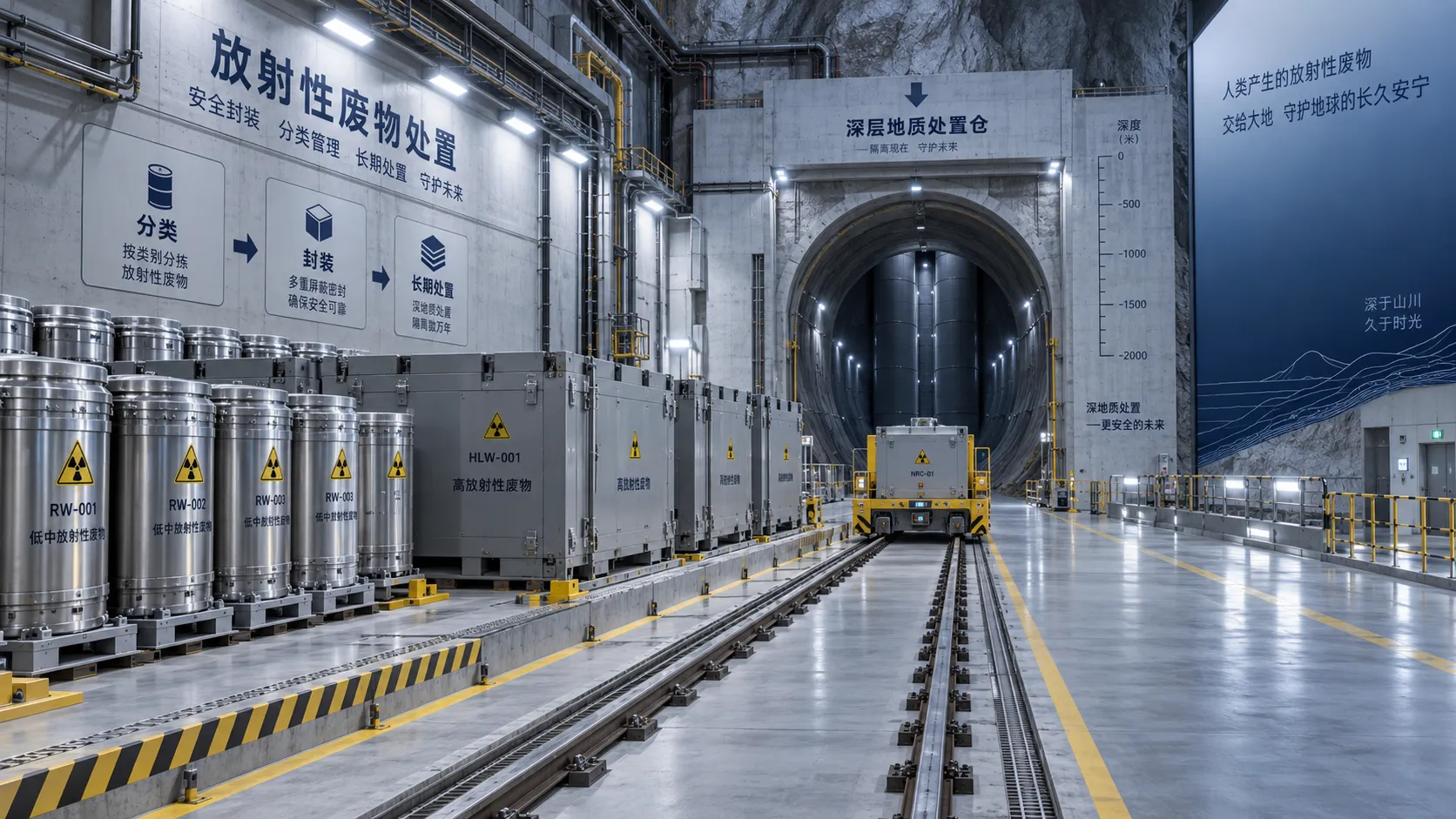
What drives radioactive waste cost over the life of a disposal project?
Radioactive waste cost depends on classification, treatment, transport, storage, disposal access, and long-term compliance. Explore the key lifecycle cost drivers.
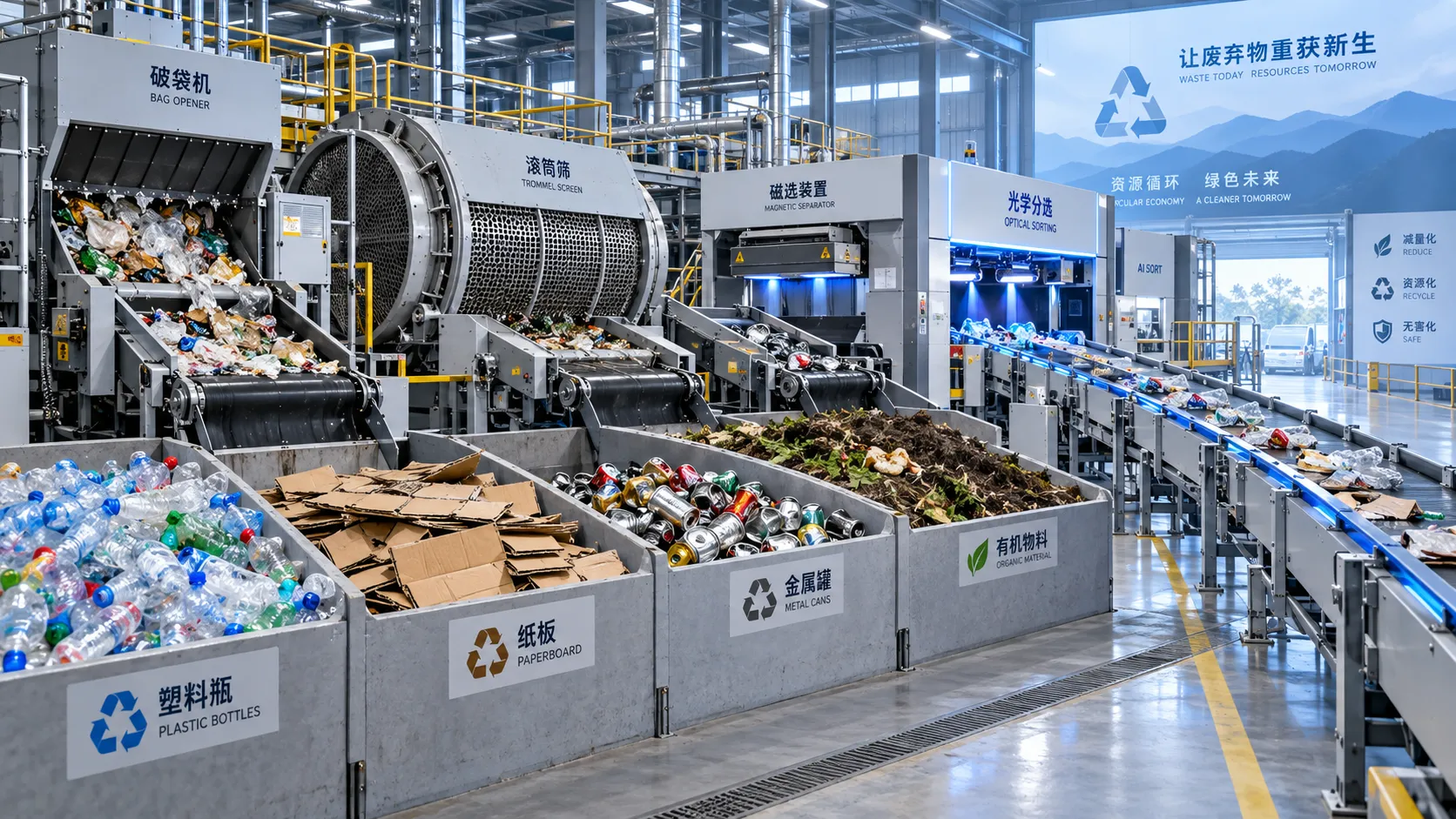
How to choose solid waste equipment based on waste stream characteristics
Environmental equipment guide for solid waste: discover how to match sorting, treatment, and recovery equipment to waste composition, moisture, contamination, and output goals.
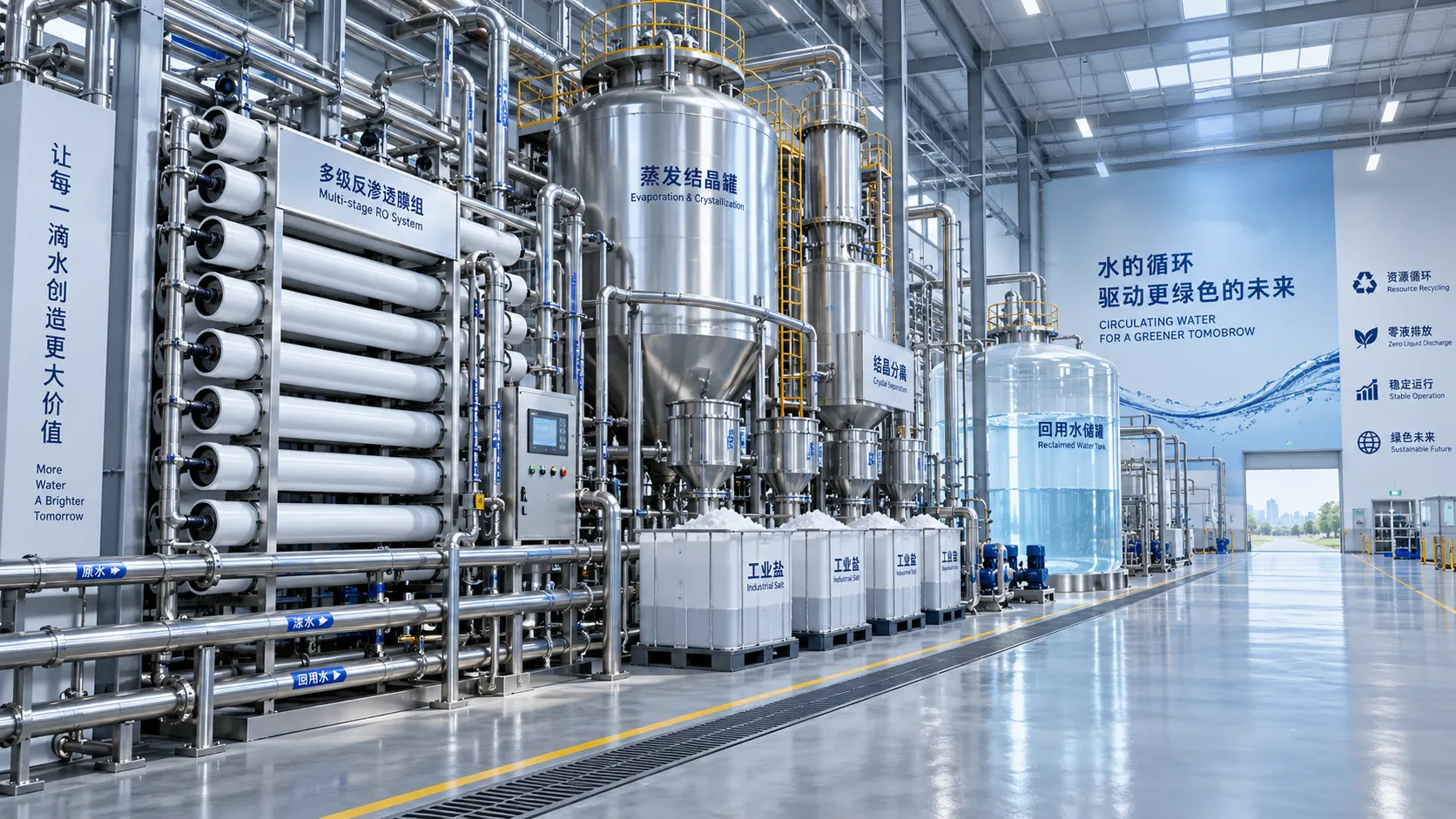
When does high recovery ZLD equipment justify its higher capital cost?
High recovery ZLD equipment can justify higher capital cost when water scarcity, discharge risks, brine disposal, and downtime threaten operations. Explore the decision factors.

How high purity heavy metal recovery affects recovered metal value
High purity heavy metal recovery boosts recovered metal value by improving payability, reducing penalties, and unlocking stronger buyer opportunities. Explore smarter netback strategies.
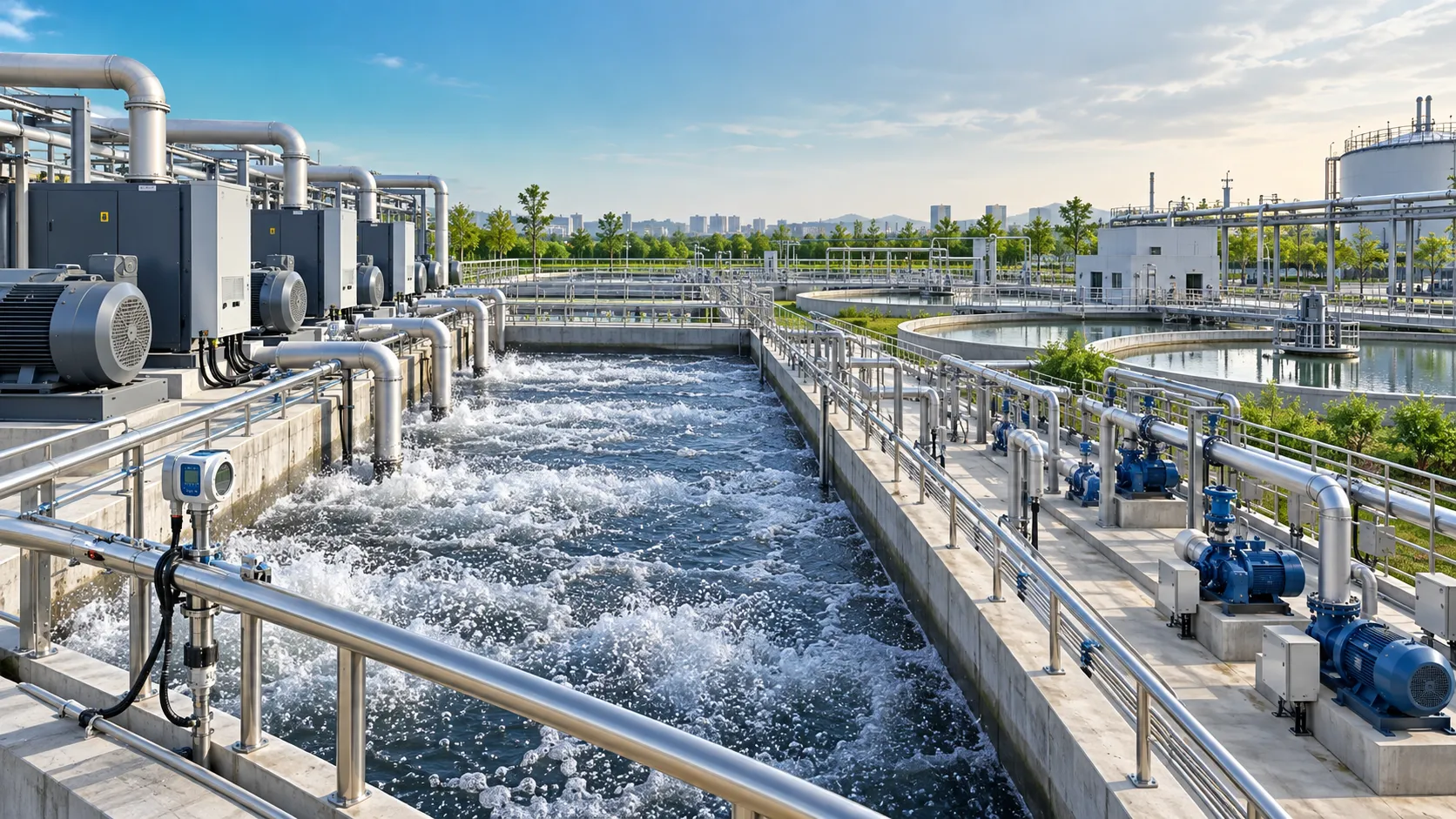
When does environmental equipment intelligence reduce wastewater plant energy use?
Environmental equipment intelligence for wastewater plants cuts energy use through smarter aeration, pumping, and data-driven controls—without compromising compliance. Discover when it delivers measurable savings.
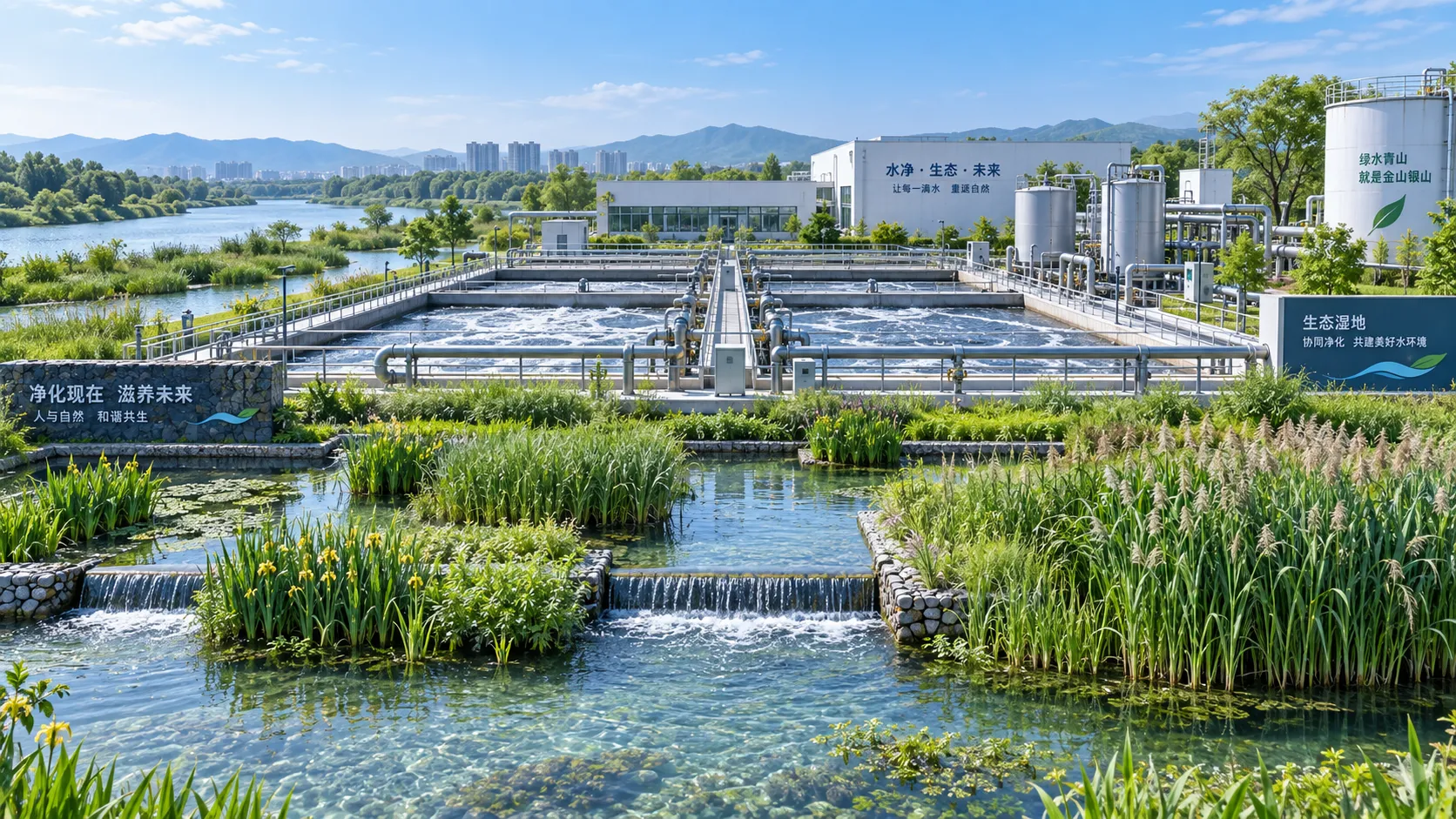
When Should Ecological Engineering Be Used Instead of Conventional Treatment?
When should ecological engineering be used instead of conventional treatment? Explore practical criteria, hybrid solutions, lifecycle value, and compliance-ready water strategies.
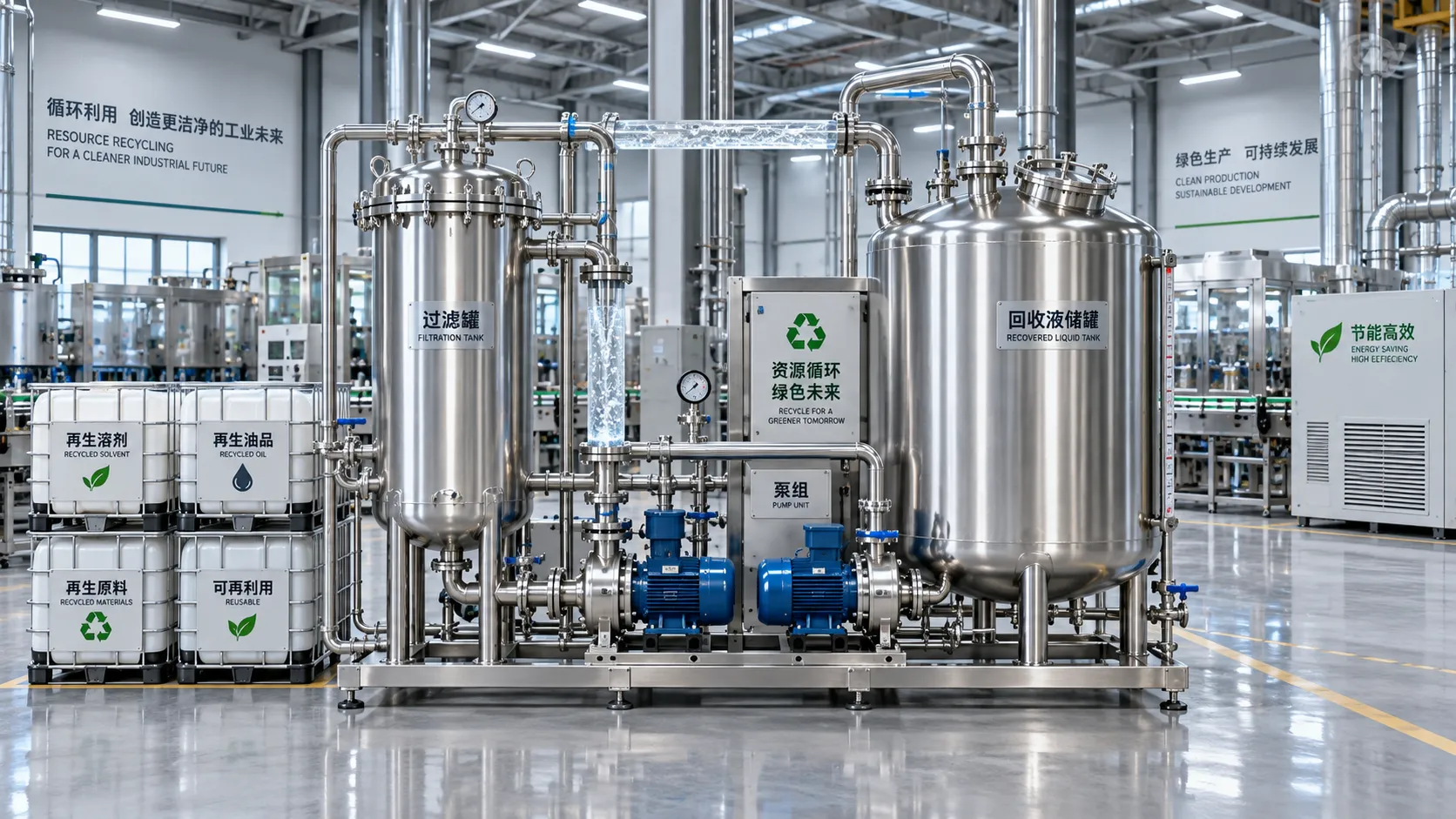
How to Calculate Product Recovery System Payback from Yield, Energy, and Labor Savings
Product recovery system payback: learn to model yield value, energy and labor savings, operating costs, and scenarios for a defensible capital approval case.
What Makes Metals Recovery Infrastructure Repeatable Across Multiple Plant Sites?
Repeatable metals recovery infrastructure: learn how standardized processes, modular design, data control, and compliance-ready systems enable scalable multi-site recovery plants.