
Industry News
Curation by industry experts
Hot Articles
Popular Tags
When Should Ecological Engineering Be Used Instead of Conventional Treatment?
“When should ecological engineering be used instead of conventional treatment?” is rarely a simple technology question. For a municipal utility facing nutrient limits, an industrial site managing variable wastewater, or an EPC team shaping a long-life infrastructure proposal, the real decision sits at the intersection of treatment reliability, land, energy, permitting, climate exposure, and public value.
Conventional treatment systems—such as activated sludge, membrane bioreactors, chemical precipitation, thermal treatment, and high-rate filtration—remain essential where pollutant loads are intense, space is limited, or discharge requirements are exceptionally tight. Ecological engineering is not a romantic substitute for engineered infrastructure. It is a disciplined way of using natural processes, often with built treatment assets, to remove pollutants, retain water, recover resources, and restore ecological function.
The strongest answer is usually not “nature versus technology.” It is often a carefully designed hybrid system: one that applies mechanical and physicochemical treatment where precision is non-negotiable, while allowing wetlands, biofilters, soil systems, vegetated channels, ponds, or coastal buffers to carry the parts of the job that living systems can perform reliably.
Use ecological engineering when the treatment goal is broader than meeting a discharge limit
Conventional treatment is commonly designed around a defined endpoint: achieve a specified effluent quality at a specified flow. Ecological engineering becomes more attractive when the project must also deliver outcomes that are difficult to obtain from a compact treatment plant alone.
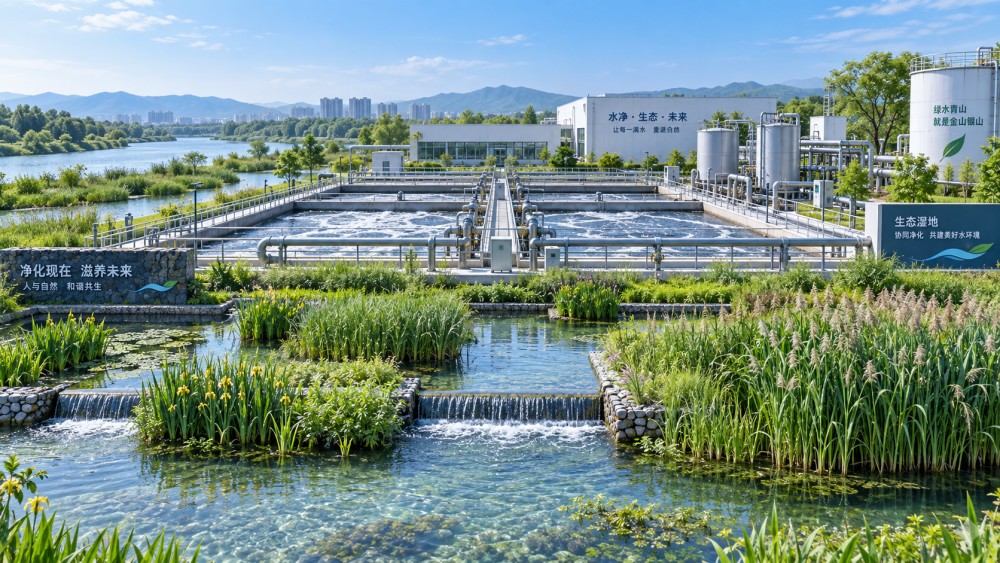
Those outcomes may include flood attenuation, groundwater recharge, habitat creation, urban heat reduction, nutrient retention across a catchment, erosion control, landscape integration, or improved water security for nearby communities. A constructed wetland polishing treated municipal effluent, for example, may reduce residual nitrogen and suspended solids while also buffering seasonal flows and creating a more resilient edge between the plant and the receiving waterbody.
This wider value matters especially where water infrastructure is being assessed over decades rather than only at commissioning. A conventional plant may meet the permit on day one. An ecological system, if properly designed and maintained, can help a region absorb climate-driven rainfall extremes, improve local environmental conditions, and reduce the vulnerability of downstream ecosystems over time.
Situations where nature-based treatment is a strong candidate
Ecological engineering should enter the feasibility discussion early when one or more of the following conditions apply:
- Land is available near the source or receiving environment. Constructed wetlands, treatment ponds, riparian buffers, and managed recharge systems need physical space. Where land is affordable or already controlled by a utility, industrial park, mine, or agricultural operator, lifecycle economics can become compelling.
- Pollutant loads are moderate, diluted, or variable rather than acutely toxic. Ecological systems can accommodate many municipal, agricultural, stormwater, and pretreated industrial streams, but they are not a first barrier for every concentrated waste.
- The primary concern is nutrients, sediment, organics, stormwater, or diffuse contamination. Natural treatment processes are particularly relevant for nitrogen, phosphorus, suspended matter, biodegradable organics, and runoff-borne pollutants.
- Energy reduction is strategically important. Aeration, pumping, membrane separation, evaporation, and advanced oxidation can be energy-intensive. Passive or low-energy polishing stages may reduce dependence on continuously powered equipment.
- Resilience and landscape function have material value. A wetland network or retention corridor can serve treatment, flood management, biodiversity, and public-realm purposes at once.
- The receiving environment needs restoration, not only protection. Degraded river margins, former industrial land, coastal zones, and urban drainage systems may benefit from interventions that rebuild ecological processes.
These conditions do not automatically justify a nature-based solution. They simply signal that conventional treatment should not be treated as the default without comparison.
Do not use ecological engineering as the only answer when failure margins are narrow
There are circumstances in which conventional treatment must lead the design. High-strength industrial wastewater containing toxic organics, persistent fluorinated compounds, heavy metals, radionuclides, extreme salinity, corrosive chemistry, or sharp shock loads generally requires robust containment and controlled physicochemical treatment before any ecological stage is considered.
The same is true when a facility must achieve near-zero liquid discharge, very low trace contaminant limits, or highly consistent effluent quality regardless of season. Reverse osmosis, ion exchange, evaporation, crystallization, activated carbon, advanced oxidation, and specialized precipitation processes exist because biological and ecological pathways cannot reliably solve every pollutant problem.
For nuclear waste management, ecological engineering may support site water control, habitat protection, stormwater management, or post-closure landscape stability. It cannot replace the engineered barriers, immobilization technologies, monitoring systems, and safety cases needed for radioactive waste. Likewise, seawater desalination depends on high-performance intake, pretreatment, membrane, energy recovery, and brine-management engineering; natural systems may complement coastal planning but cannot replace desalination physics.
A useful rule is this: if a contaminant remains hazardous at very low concentrations, has no dependable natural degradation pathway, or creates unacceptable consequences if treatment performance drifts, build the primary barrier around conventional technology. Ecological engineering can then improve the wider system rather than carry an unsuitable risk.
The hybrid approach is often the most defensible choice
Many real-world projects sit between two extremes. They need dependable treatment under permit conditions, yet they also face rising energy costs, carbon scrutiny, limited receiving-water capacity, and stakeholder expectations that extend beyond a pipe outlet. In these cases, a treatment train can be divided according to what each process does best.
This division is not merely technical. It helps project teams explain why capital is being spent where it is most needed. High-risk contaminants receive high-control treatment. Lower-risk residual loads and hydraulic variability are managed through systems that can provide added ecological and social value.
Five questions to ask before selecting the treatment pathway
1. What is actually in the water or waste stream?
Start with a detailed characterization, not a generic label such as “industrial wastewater.” Flow variation, temperature, salinity, pH, biodegradability, nutrients, metals, persistent compounds, pathogens, and sludge characteristics all change the decision. Ecological processes need a compatible feed. A wetland cannot compensate for inadequate source control, and vegetation should never become a disposal route for contaminants that need secure removal.
2. How stable are flows and loads?
Biological communities and hydraulic retention systems respond differently to a steady municipal flow than to intermittent batch discharges. Equalization tanks, source segregation, and pretreatment can sometimes make ecological polishing feasible. Without them, sudden toxicity, high salinity, or extreme pH can damage the system and compromise performance.
3. What performance must be guaranteed?
Permit language matters. Is the obligation a monthly average, a daily maximum, a percentile target, or a zero-discharge requirement? Is there a sensitive drinking-water intake, marine habitat, or protected wetland downstream? Where compliance leaves little room for seasonal variation, conventional barriers and online monitoring should form the backbone. Ecological assets may still add value, but they should not be assigned a duty they cannot verify consistently.
4. Is there enough land—and is it the right land?
Land availability is not just an area calculation. Site slope, soils, groundwater conditions, floodplain status, mosquito control, access for maintenance, winter climate, and distance from the treatment source all matter. A system that looks inexpensive on a map can become difficult if it needs extensive liners, pumping, excavation, or long transfer pipelines.
5. What does the lifecycle picture look like?
Compare capital expenditure, operating energy, chemical consumption, labor, residuals management, replacement cycles, monitoring, carbon exposure, and land stewardship. Ecological infrastructure may have lower power demand but higher land and vegetation-management requirements. Conventional equipment may offer a smaller footprint but require specialized maintenance and periodic renewal. The sound decision is based on whole-life performance, not the lowest initial price.
Common mistakes that weaken ecological treatment projects
Designing for an average instead of a peak. Stormwater systems, wetlands, and ponds are often judged by what happens during unusual rain events or influent shocks. Hydraulic bypasses, emergency storage, and realistic wet-weather modelling are essential.
Assuming “natural” means maintenance-free. Sediment removal, invasive-species control, inlet inspection, vegetation management, sampling, and hydraulic repairs remain part of responsible operation. Neglect can turn a functioning treatment landscape into an underperforming pond.
Ignoring pretreatment. Ecological engineering works best when upstream processes remove oils, toxic compounds, excessive solids, and pH extremes. Pretreatment protects the living system and makes its performance more predictable.
Counting co-benefits without defining them. Biodiversity, carbon, flood resilience, and community value should be identified with measurable indicators where possible. Vague claims can weaken permitting and investment discussions.
Overlooking regulations. Environmental compliance is changing quickly, from nutrient rules and water reuse standards to carbon reporting and procurement requirements. The treatment concept must be reviewed against current local obligations, not only against historical practice.
A practical decision sequence for utilities, industries, and EPC teams
Begin by mapping the pollution source, receiving environment, and compliance boundary. Then establish the non-negotiables: contaminant limits, required reliability, discharge or reuse destination, available land, and acceptable risk. Only after that should the team compare conventional, ecological, and hybrid process trains.
For large water treatment plants, this may mean testing whether wetlands can reduce the burden on tertiary nutrient removal or provide reuse storage after membrane treatment. For solid waste recovery facilities, it may involve integrating leachate control and stormwater landscapes without confusing them with the core treatment process. For flue gas treatment, the direct opportunity is smaller because emissions control must occur at the source; however, ecological restoration can still be relevant to site drainage, ash-area rehabilitation, and surrounding environmental buffers.
Decision-makers should request models that examine seasonal conditions, loading scenarios, maintenance assumptions, and failure modes. They should also ask how the system will be monitored after handover. A hybrid solution is only credible when responsibilities are clear: which unit guarantees compliance, which unit provides resilience, and what happens when either component is temporarily out of service?
When should ecological engineering be used instead of conventional treatment?
Use ecological engineering instead of, or more often alongside, conventional treatment when the wastewater or runoff is compatible with natural processes, sufficient land is available, compliance targets can be met with a sensible safety margin, and the project benefits from added outcomes such as flood control, nutrient reduction, habitat, water reuse, or lower operational energy.
Choose conventional treatment as the primary solution when contaminants are highly hazardous, concentrations are extreme, space is constrained, discharge limits are exceptionally strict, or treatment performance must remain tightly controlled under all operating conditions. In many strategic projects, the best answer is neither approach alone. It is an ecological immune system for infrastructure: precise engineered barriers where risk is concentrated, supported by living systems that strengthen the surrounding water, land, and resource cycle.
For organizations navigating this choice, the most valuable question is not whether nature-based treatment looks greener on paper. It is whether the full system can protect people, meet compliance obligations, withstand changing conditions, and create lasting value after the initial project is complete.
- water treatment
- industrial wastewater
- solid waste recovery
- flue gas treatment
- seawater desalination
- nuclear waste management
- radioactive waste
- ecological engineering
- environmental compliance
- ecological immune system
- zero liquid discharge
- water reuse
- When should ecological engineering be used instead of conventional treatment?
Recommended News
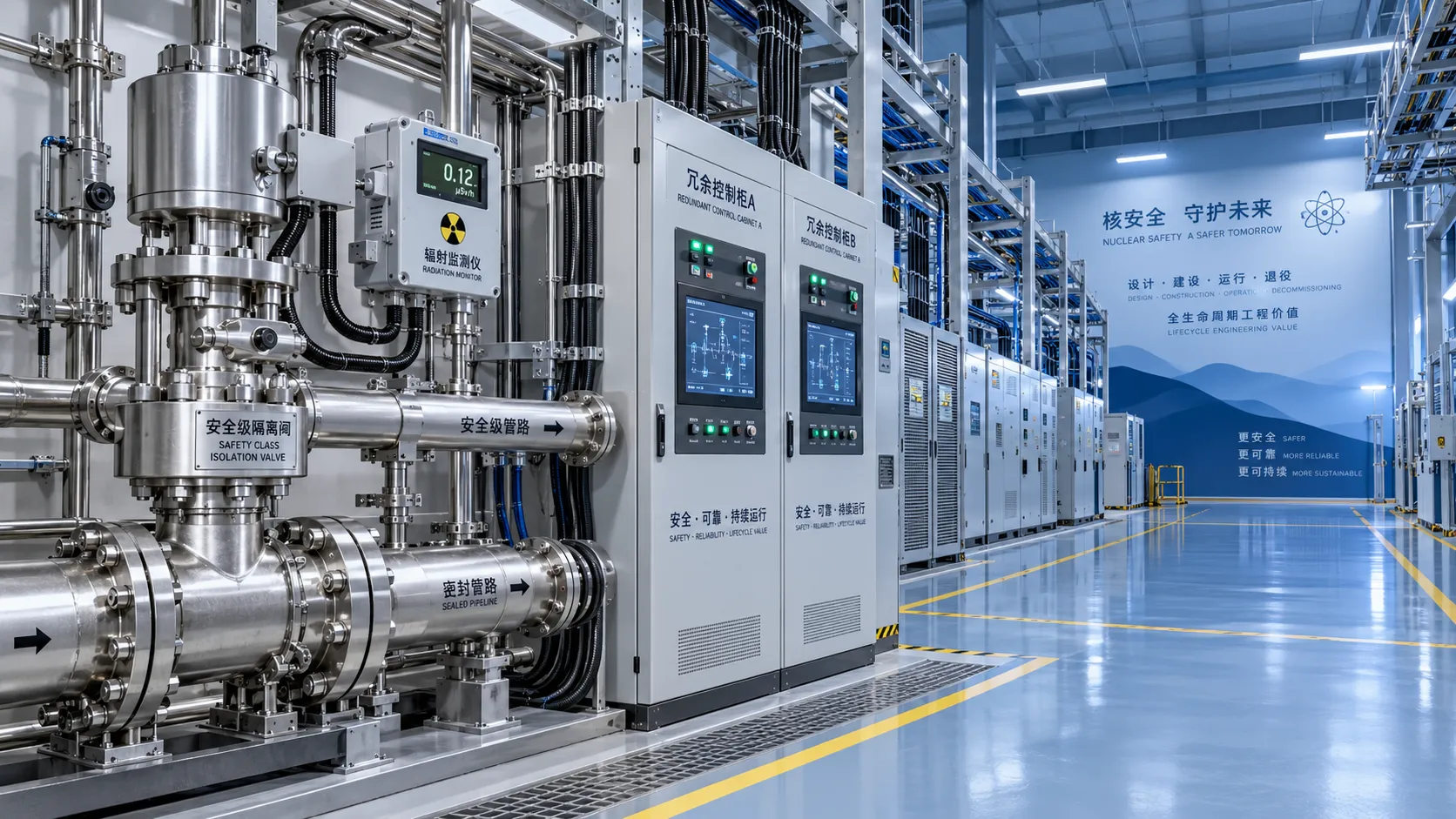
What drives nuclear safety solutions pricing for new facility projects?
Nuclear safety solutions pricing explained: uncover the key cost drivers for new facilities, from qualification and interfaces to lifecycle support.
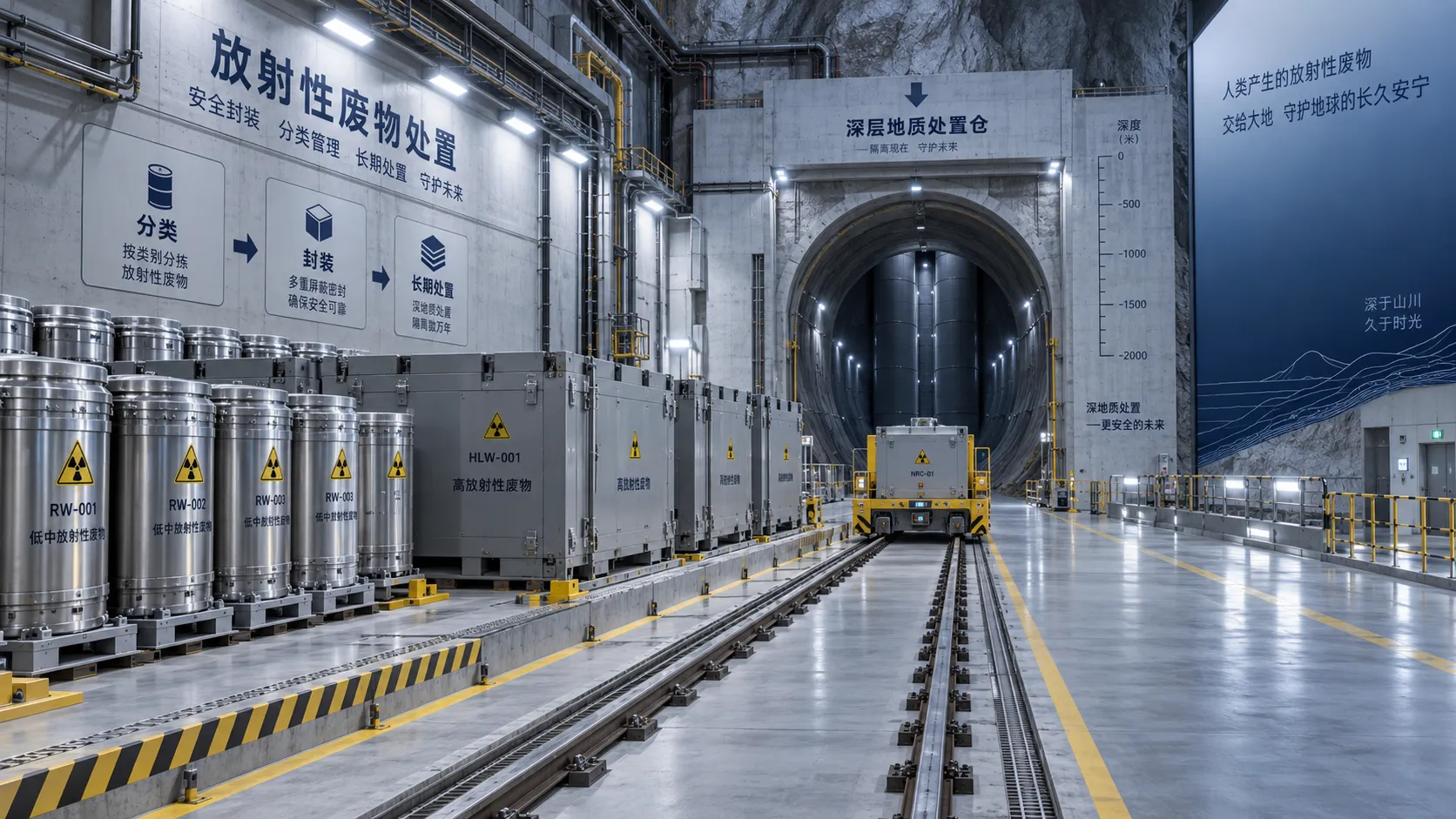
What drives radioactive waste cost over the life of a disposal project?
Radioactive waste cost depends on classification, treatment, transport, storage, disposal access, and long-term compliance. Explore the key lifecycle cost drivers.
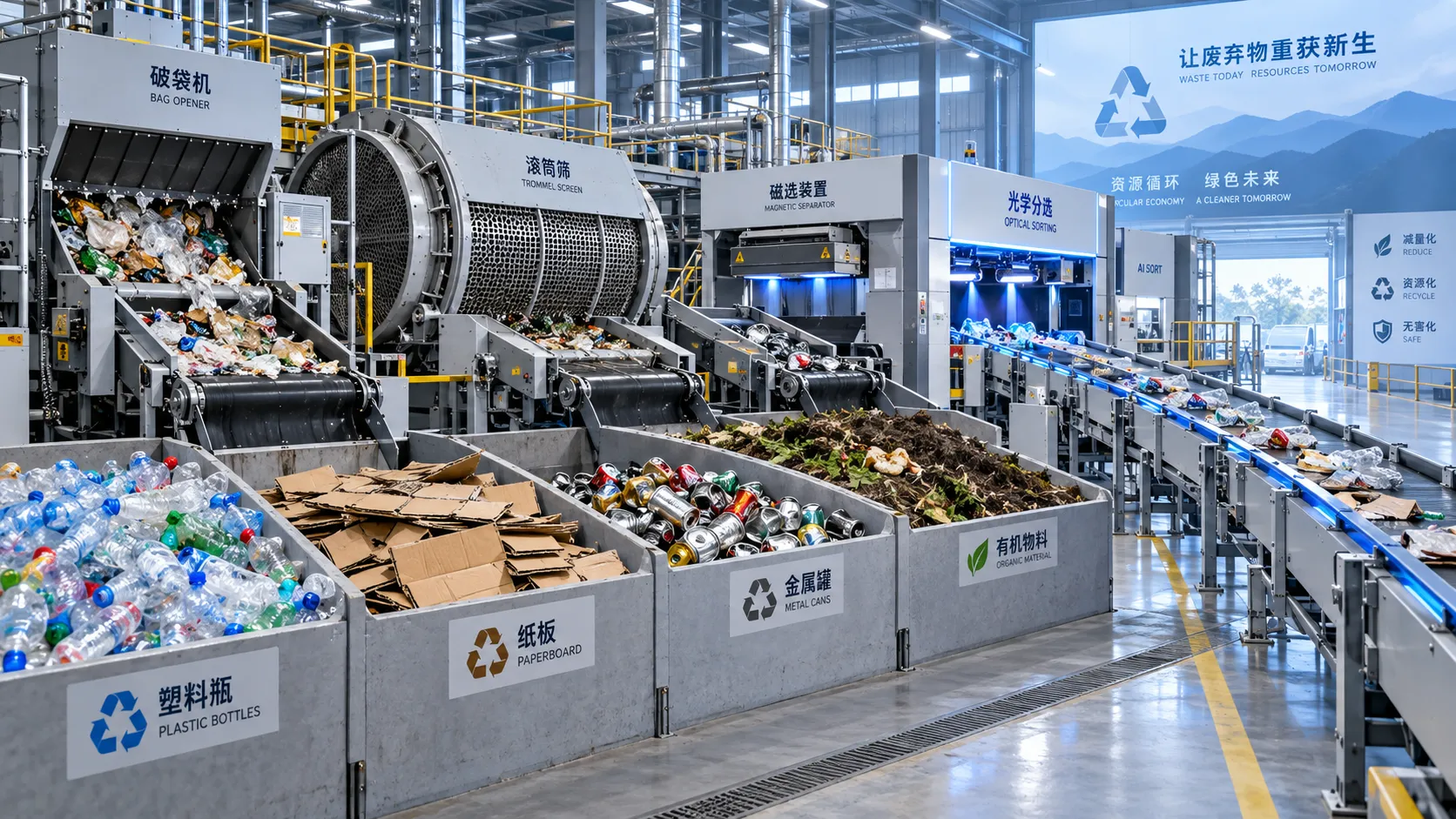
How to choose solid waste equipment based on waste stream characteristics
Environmental equipment guide for solid waste: discover how to match sorting, treatment, and recovery equipment to waste composition, moisture, contamination, and output goals.
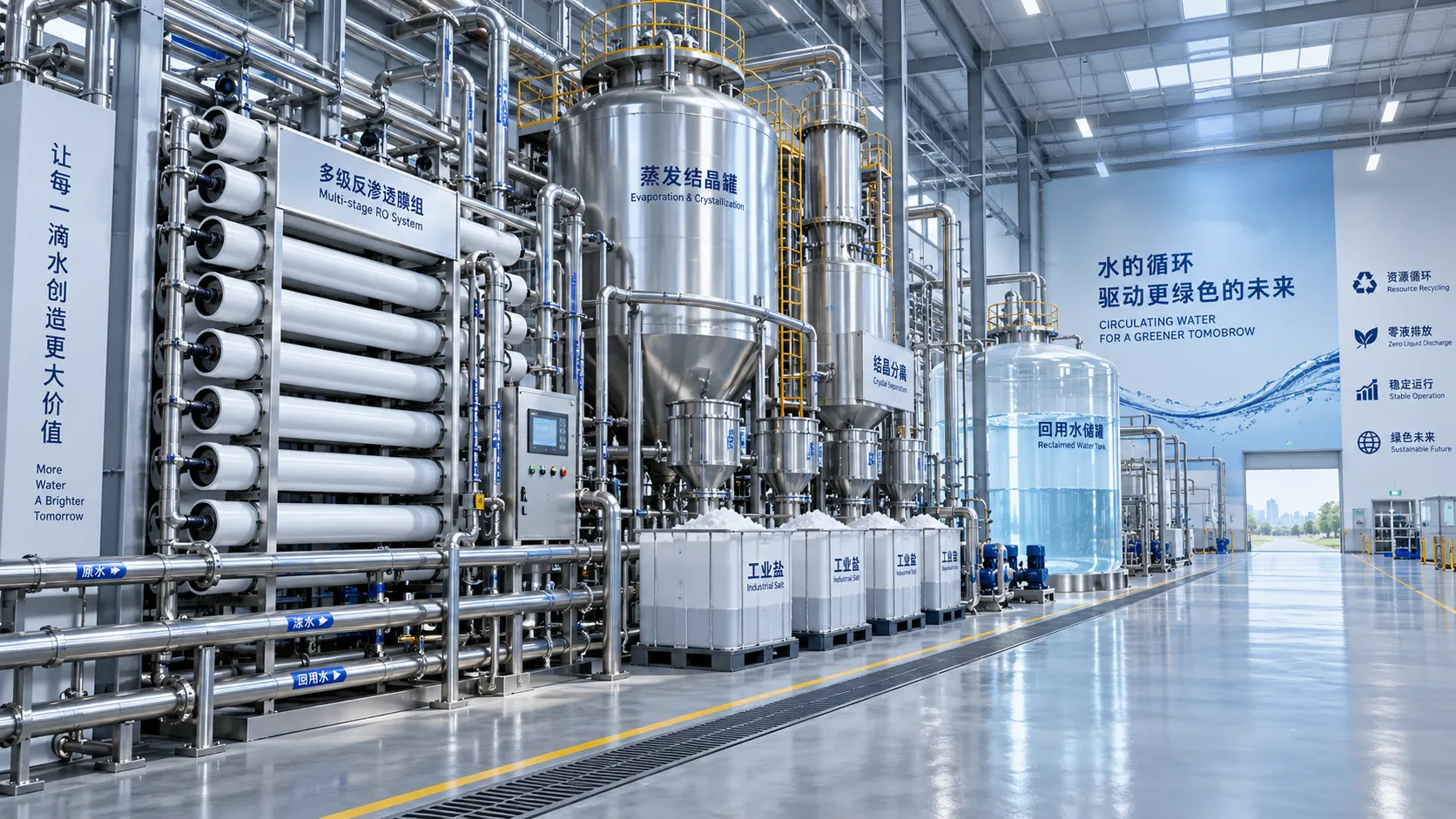
When does high recovery ZLD equipment justify its higher capital cost?
High recovery ZLD equipment can justify higher capital cost when water scarcity, discharge risks, brine disposal, and downtime threaten operations. Explore the decision factors.
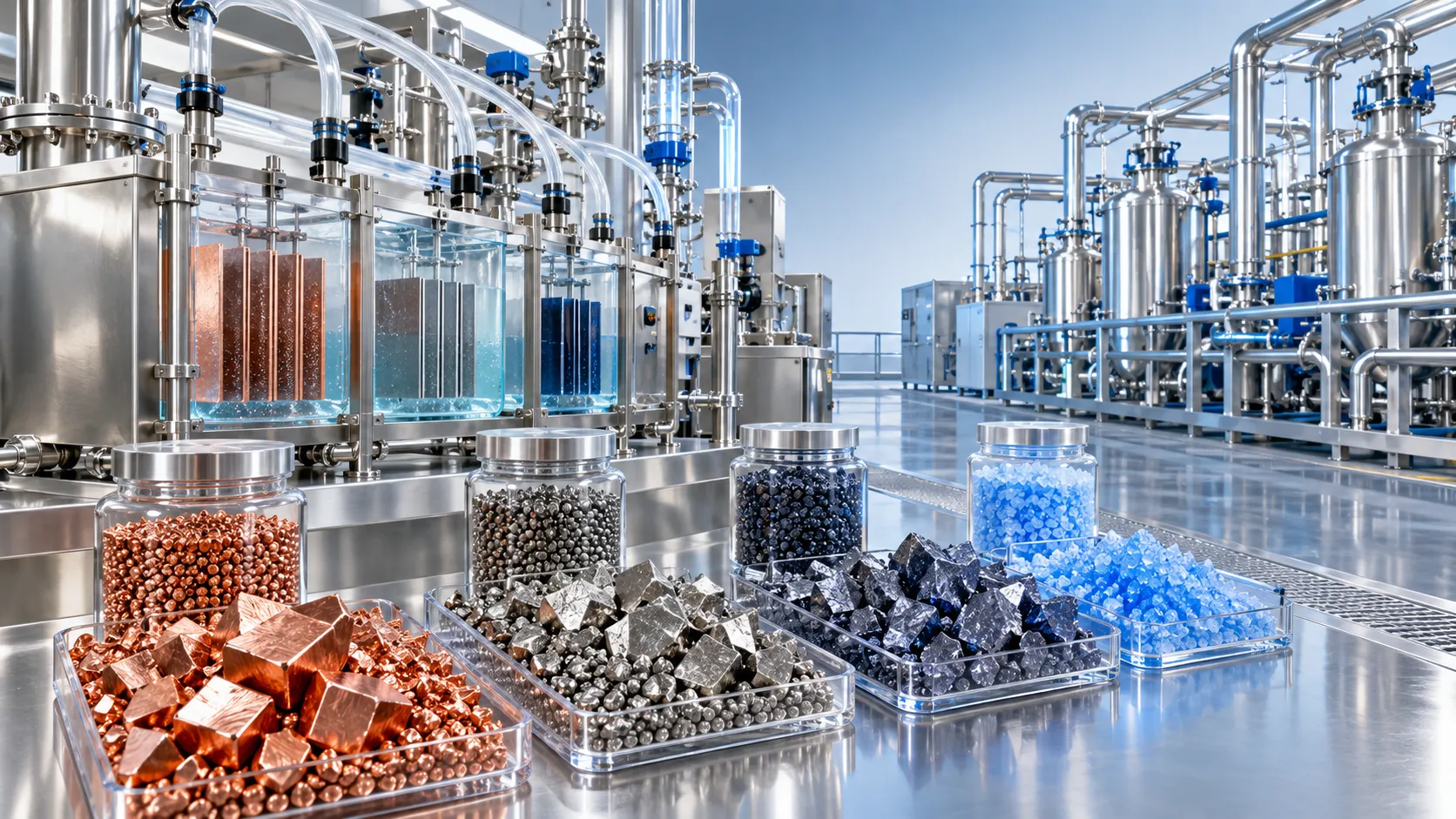
How high purity heavy metal recovery affects recovered metal value
High purity heavy metal recovery boosts recovered metal value by improving payability, reducing penalties, and unlocking stronger buyer opportunities. Explore smarter netback strategies.
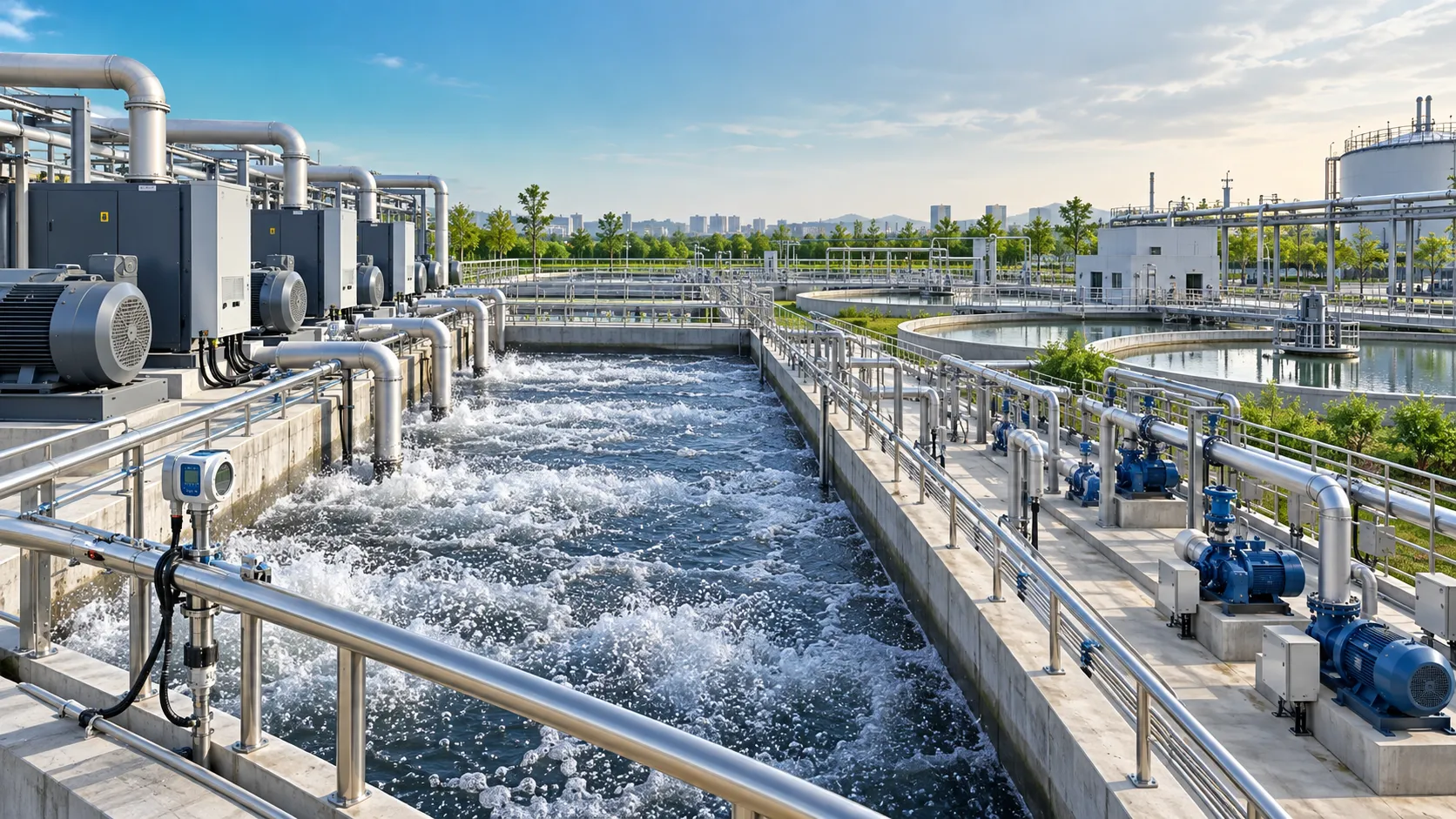
When does environmental equipment intelligence reduce wastewater plant energy use?
Environmental equipment intelligence for wastewater plants cuts energy use through smarter aeration, pumping, and data-driven controls—without compromising compliance. Discover when it delivers measurable savings.
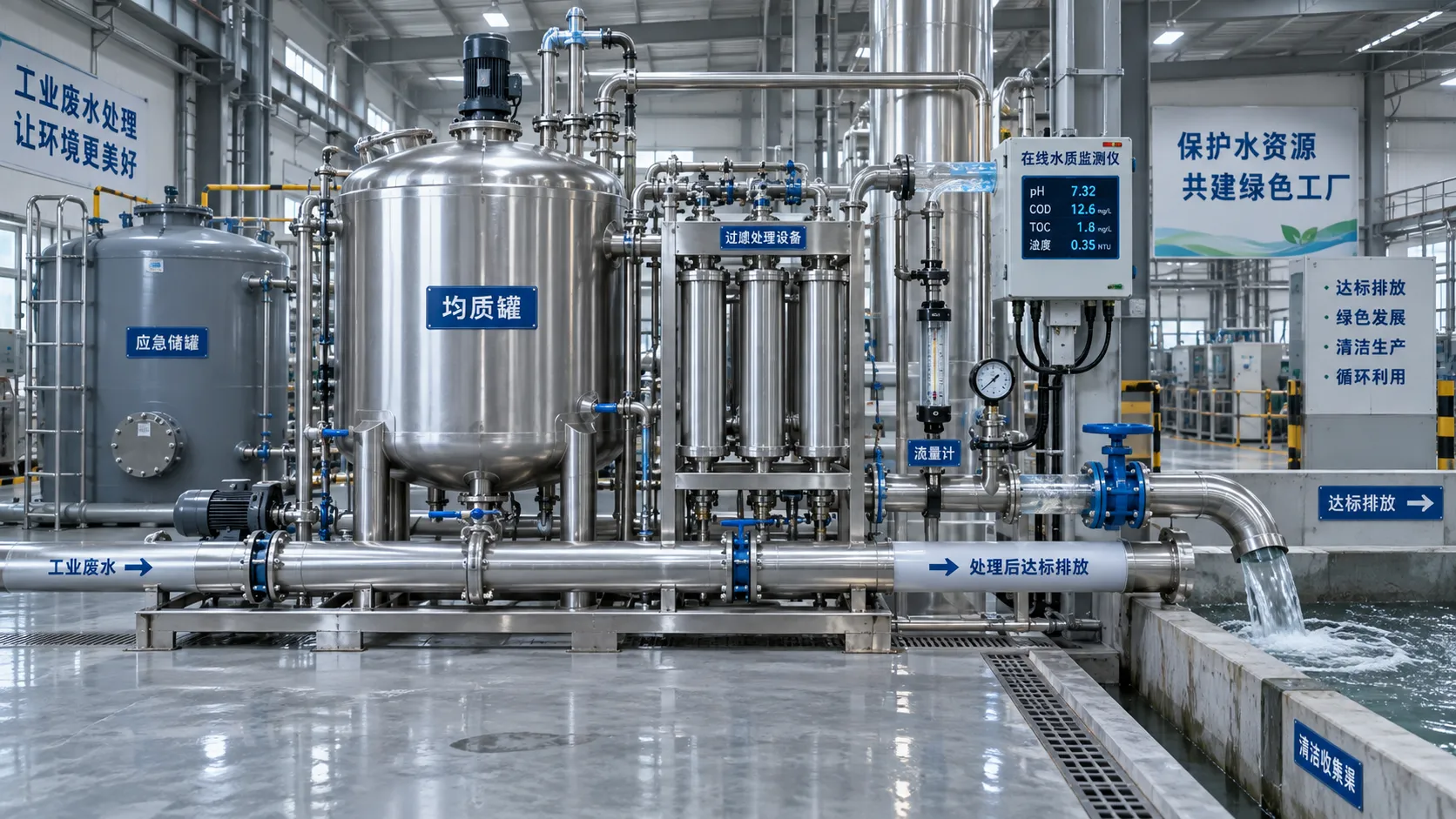
What Are the Main Compliance Risks in Industrial Wastewater Discharge?
What are the main compliance risks in industrial wastewater discharge? Explore permit exceedances, monitoring failures, hazardous contaminants, and practical controls to reduce liability.
How to Calculate Product Recovery System Payback from Yield, Energy, and Labor Savings
Product recovery system payback: learn to model yield value, energy and labor savings, operating costs, and scenarios for a defensible capital approval case.
What Makes Metals Recovery Infrastructure Repeatable Across Multiple Plant Sites?
Repeatable metals recovery infrastructure: learn how standardized processes, modular design, data control, and compliance-ready systems enable scalable multi-site recovery plants.