
Industry News
Curation by industry experts
Hot Articles
Popular Tags
What Makes Metals Recovery Infrastructure Repeatable Across Multiple Plant Sites?
A recovery line becomes repeatable when its performance does not depend on a particular feedstock, a single experienced operator, or a site-specific workaround. That is the real test of repeatable metals recovery infrastructure. The equipment may be proven, but a multi-site rollout will still struggle if material characterization, process control, maintenance standards, data definitions, and compliance practices change from plant to plant.
This distinction matters because metals recovery is moving beyond isolated recycling projects. Battery materials, electronic scrap, industrial residues, catalyst waste, incinerator ash, and metal-bearing wastewater are increasingly treated as feedstocks for distributed resource-recovery networks. The commercial opportunity is not simply to build more plants. It is to build plants that can be commissioned faster, operated predictably, and improved as a connected portfolio.
That requires a design philosophy closer to industrial productization than conventional one-off engineering. A repeatable platform leaves room for local feed variation and regulatory conditions, but it prevents each project from becoming a new technical invention.
Repeatability begins with a controlled process envelope
No metals recovery process can be copied blindly across locations. Feedstocks differ in particle size, moisture, contaminant load, mineralogy, metal concentration, organic content, and chemical reactivity. A line designed around one unusually clean stream may fail commercially when exposed to the broader input range available at the next site.
The practical answer is not to demand identical feedstock. It is to define a controlled operating envelope: the input conditions under which the core process can meet recovery, quality, throughput, safety, and environmental objectives. This envelope should identify both the expected range and the conditions that require diversion, blending, pre-treatment, or a slower operating mode.
For example, a recovery system handling mixed electronic fractions may tolerate variation in metal composition, yet still require strict controls over battery content, halogenated plastics, moisture, and fine dust. A hydrometallurgical circuit may accommodate a range of metal concentrations but not uncontrolled shifts in acidity, chloride loading, or organic carryover. The process architecture must make those boundaries visible before material reaches the most sensitive stage.
Plants become hard to replicate when each site solves feed variability inside the main recovery circuit. They become scalable when variability is managed upstream through sampling, receiving rules, stockpile segregation, blending logic, physical pre-treatment, and clear rejection pathways.
Characterization must be operational, not merely laboratory-based
Initial laboratory assays are necessary, but they are not enough to support a fleet of plants. The useful question is whether the organization can classify incoming material consistently during daily operations. That usually requires a tiered approach: supplier declarations and acceptance specifications before delivery, rapid checks at the gate, routine production sampling, and deeper analysis when results fall outside the normal range.
The data model matters as much as the sampling equipment. Sites need the same material categories, contaminant definitions, units of measure, sample retention rules, and escalation triggers. Without this common language, portfolio performance cannot be compared honestly. A site may appear to have lower recovery when it is actually processing a more difficult material mix, or it may appear efficient because it rejects material that another site accepts.
Modular design is useful only when interfaces are standardized
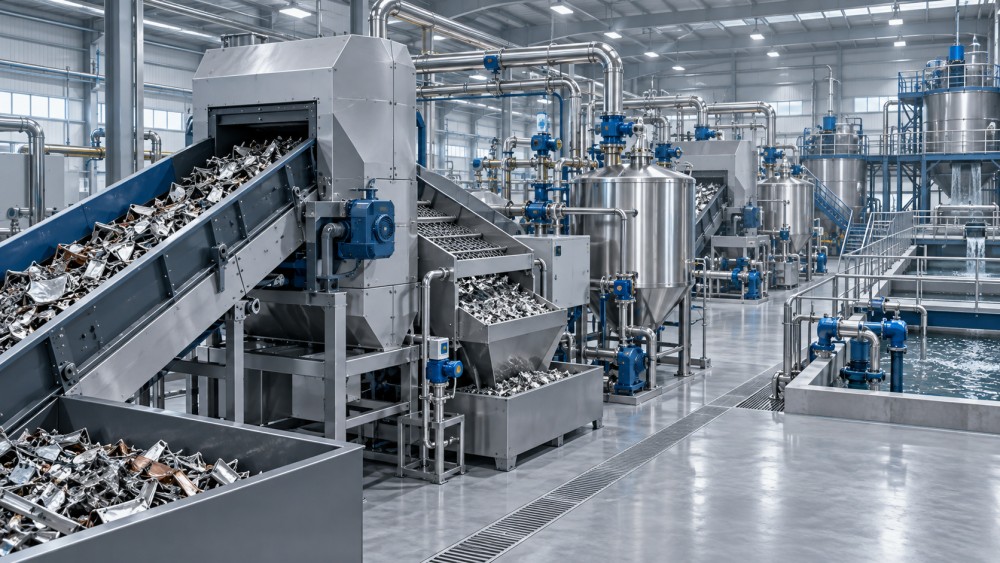
Modularity is often described as a route to faster deployment. That is true only when modules have stable interfaces. A containerized, skid-mounted, or packaged unit is not automatically repeatable if every project requires new pipe routing, electrical changes, controls integration, civil redesign, or manual operating logic.
A scalable metals recovery platform normally separates the system into three layers:
- Core process modules that perform the central separation, leaching, precipitation, refining, thermal treatment, or concentration function.
- Feed preparation modules that can be selected or adjusted according to local material conditions, such as sorting, shredding, drying, screening, washing, or blending.
- Site adaptation packages for utilities, emissions control, water treatment, building layout, local permitting conditions, and logistics constraints.
The core should change slowly. Feed preparation and site adaptation should absorb most variation. This principle avoids a common error: calling a project “standardized” while repeatedly modifying the recovery heart of the plant. Each modification creates a new set of control limits, spare-parts requirements, commissioning risks, and maintenance procedures.
Standardization should reach beyond process equipment. It includes instrument locations, tag naming, utility connection points, safety interlocks, spare-parts lists, control-panel architecture, documentation formats, and maintenance access. These details may seem secondary during project development, but they determine whether teams can transfer knowledge and whether procurement can create real leverage.
The most valuable standard is often the operating model
Two plants with matching process flow diagrams can deliver very different results. Metal losses often emerge from operating practice: inconsistent sampling, delayed reagent adjustment, poor stockpile management, inadequate cleaning between campaigns, or manual decisions that are never recorded.
Repeatable infrastructure therefore needs a defined operating model alongside the engineering package. This model should specify which decisions are automated, which remain under operator authority, and when a deviation must be escalated. It should also distinguish a process upset from an acceptable shift in feedstock conditions. Treating every deviation as a local judgment prevents learning from becoming transferable.
Automation is particularly valuable where it reduces variation in routine control tasks. Online measurement, automated dosing, level control, equipment condition monitoring, recipe management, and material tracking can stabilize performance when they are based on reliable measurements and a well-understood process response. Adding sensors without a decision framework creates data volume, not operational control.
Plants should also retain the ability to operate safely under imperfect data. Field instruments drift, samples are delayed, and unusual materials arrive. A resilient control strategy has fallback modes, conservative alarm limits, manual verification steps, and clear shutdown or diversion rules. Fully automated operation is not the same as robust operation.
Portfolio data should identify causes, not just rank plants
As more recovery assets are connected, the market is placing greater value on operational intelligence. The goal is not a dashboard that labels one site as the best performer. It is a system that explains why performance changes and what can be reproduced elsewhere.
Comparable metrics should connect material input to commercial output. Useful measures may include feed grade and composition, recovery by metal stream, product purity, reagent consumption, energy intensity, water use, unplanned downtime, residue generation, and the value or cost associated with off-spec material. These measures need common boundaries. A recovery rate calculated before final refining is not comparable with one calculated after all downstream losses.
Leading organizations also separate controllable loss from unavoidable loss. A metal reporting to a planned residue stream may be an inherent process tradeoff. A metal lost through poor classification, dust handling, filter failure, or delayed corrective action is a different problem. This distinction directs investment toward the part of the system that can actually improve.
Central engineering teams can use portfolio data to maintain a governed “design baseline.” When a plant modifies equipment, control logic, or a process recipe, the change should be evaluated for its effect on the baseline. Some local improvements deserve to become the new standard. Others solve a temporary site problem and should remain local. Without this discipline, a network gradually fragments into incompatible versions.
Supply-chain resilience is part of process reliability
Recovery plants are often assessed through CAPEX, recovery potential, and expected product quality. Multi-site execution adds another question: can the organization build, commission, and maintain the system without repeated procurement surprises?
Critical equipment should be chosen with lifecycle availability in mind. A highly specialized component may offer an attractive technical result at one plant but undermine a broader rollout if lead times are long, service capability is narrow, or substitutes require extensive requalification. This does not mean selecting generic equipment at the expense of process performance. It means identifying where proprietary capability truly creates value and where common, serviceable components reduce risk.
Standard bills of materials, approved equivalents, strategic spares, and supplier quality requirements should be developed early. The same applies to consumables such as reagents, filters, resins, liners, electrodes, membranes, and protective materials. A process that depends on a narrowly available consumable should have an explicit continuity plan before it is replicated.
Local sourcing can lower logistical exposure, but uncontrolled substitutions can alter performance. The practical balance is to standardize functional specifications and qualification methods, then allow local suppliers only within that controlled framework.
Compliance cannot be treated as a final project-stage task
Metals recovery sits at the intersection of waste handling, chemical processing, water management, air emissions, product stewardship, and transport. Requirements differ by jurisdiction, but the operational pattern is consistent: compliance affects layout, storage time, containment, ventilation, residue routing, wastewater treatment, sampling, documentation, and emergency response.
When compliance is added after the recovery process is fixed, the result is frequently expensive retrofitting or operational compromise. A more repeatable approach includes a compliance-ready base design from the start. This does not mean every plant uses identical permitting documents. It means the technical package has defined provisions for secondary containment, dust and vapor control, wastewater segregation, mass balance, traceability, residue characterization, and auditable operating records.
Water deserves particular attention. Many recovery routes generate wash waters, bleed streams, spent solutions, and contaminated condensate. A site may have a technically effective metal circuit but a weak water-management strategy. The recovery plant then becomes constrained by wastewater capacity or disposal costs. Integration with industrial water treatment, selective reuse, concentration systems, and appropriate residue handling should be evaluated as part of the overall material balance, not as an auxiliary utility issue.
This is one reason the broader environmental-equipment perspective matters. Platforms such as Global Eco-Shield Dynamics track how resource recovery, industrial water treatment, emissions control, and circular-economy requirements increasingly influence one another. For multi-site planning, these connections are often more useful than evaluating the metals circuit in isolation.
Where replication usually breaks down
The most frequent failure is copying equipment while failing to copy the conditions that made the original plant work. A pilot or first commercial facility may benefit from exceptional feedstock, an unusually capable commissioning team, nearby downstream processing, or informal operator knowledge. Those advantages must be converted into documented design and operating requirements before the next site is approved.
Another weak approach is excessive customization in the name of optimization. A bespoke change can be justified when it addresses a durable local constraint, such as a distinct feed class, a mandated utility arrangement, or a genuine logistics limitation. It is not justified merely because a project team prefers a familiar supplier or wants to maximize a single-site performance metric. Local optimization can reduce the value of the network.
Underestimating residue management is equally risky. Recovery economics depend on what happens to non-product streams: slags, leach residues, filter cakes, dusts, brines, spent media, and off-spec fractions. A repeatable facility needs an approved route for each significant stream, including the material information required to manage it safely and consistently. Leaving this to post-commissioning negotiations can stall throughput even when the core equipment performs as expected.
A practical investment sequence for multi-site expansion
Before committing to a broad rollout, it is useful to test whether the first site has become a transferable reference rather than simply a successful plant. The following sequence exposes gaps early:
- Define target feedstock families and the acceptable operating envelope for each one.
- Document the reference process, including control limits, interfaces, sampling methods, maintenance tasks, and required operator actions.
- Separate non-negotiable core modules from site-specific adaptation packages.
- Build a common mass-balance and performance-data structure across present and planned sites.
- Qualify supply, consumables, downstream outlets, and residue routes at the network level.
- Use the next plant as a controlled replication test, measuring commissioning time, deviations from the baseline, and the reasons for any local changes.
The next decision should not be “Which equipment should be copied?” It should be “Which process assumptions, interfaces, operating practices, and commercial routes must remain stable for the equipment to deliver the same result?” Once that question is answered rigorously, additional plants can be adapted to local reality without losing the discipline that makes a recovery network scalable.
Recommended News
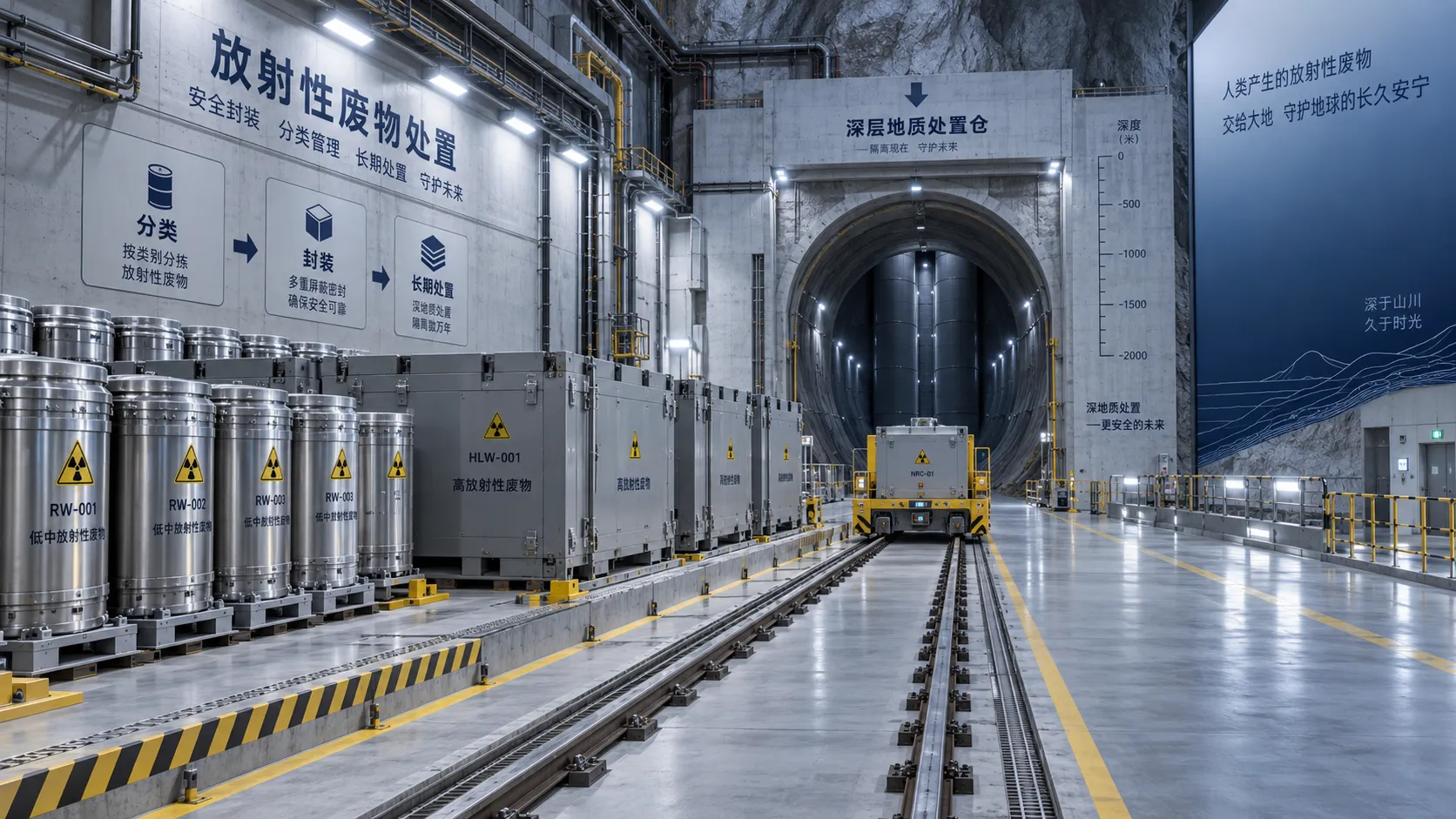
What drives radioactive waste cost over the life of a disposal project?
Radioactive waste cost depends on classification, treatment, transport, storage, disposal access, and long-term compliance. Explore the key lifecycle cost drivers.
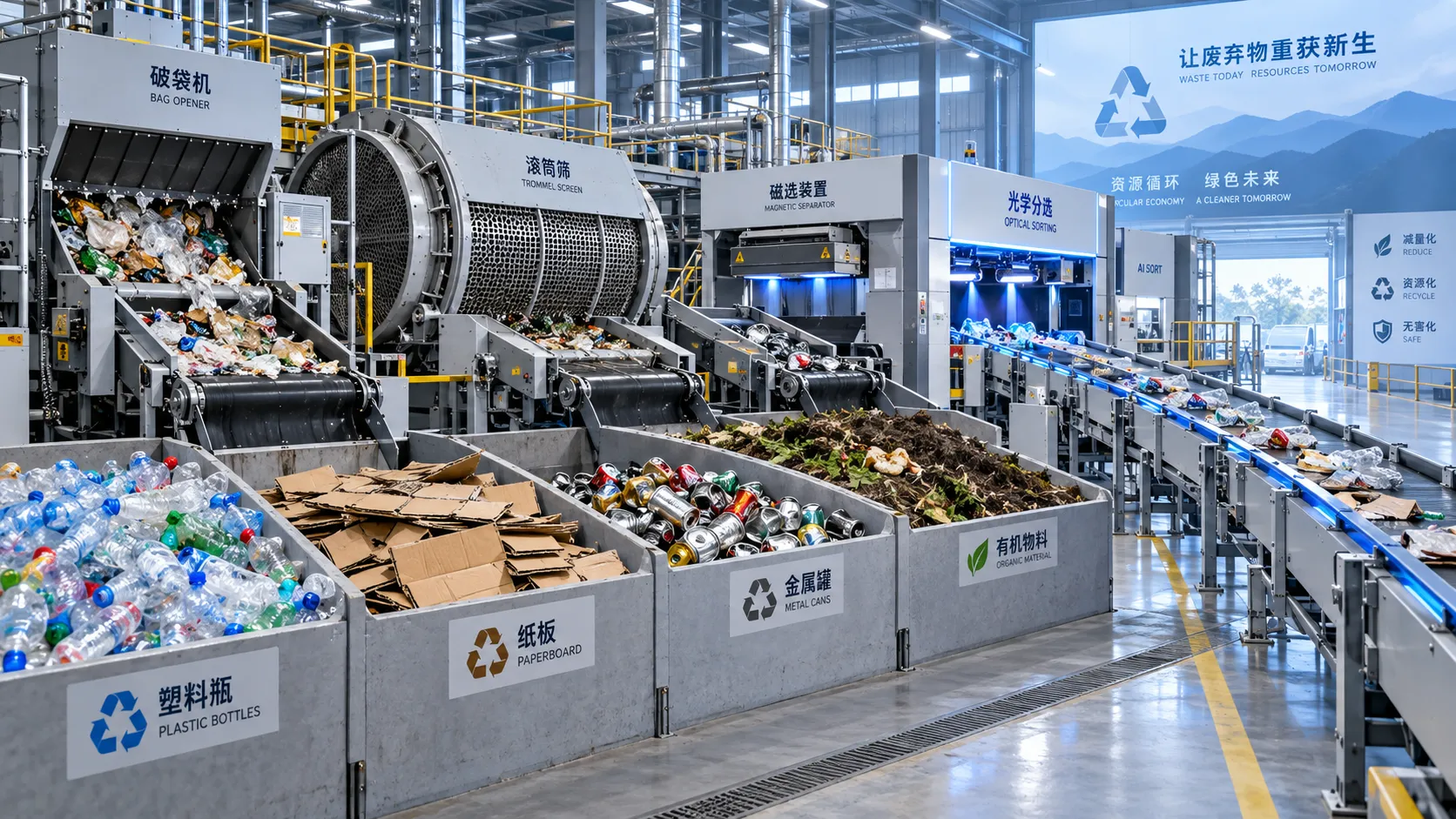
How to choose solid waste equipment based on waste stream characteristics
Environmental equipment guide for solid waste: discover how to match sorting, treatment, and recovery equipment to waste composition, moisture, contamination, and output goals.
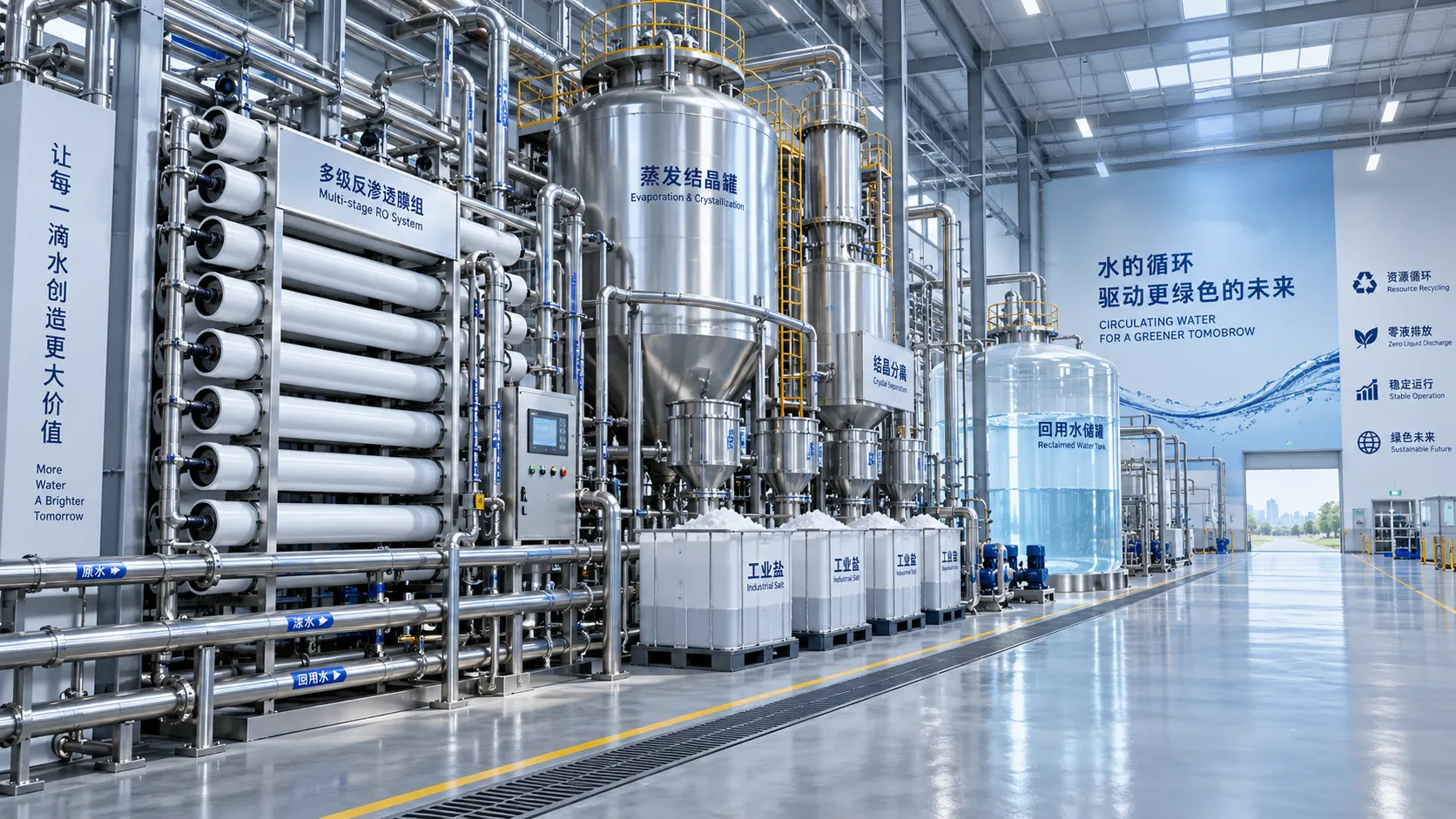
When does high recovery ZLD equipment justify its higher capital cost?
High recovery ZLD equipment can justify higher capital cost when water scarcity, discharge risks, brine disposal, and downtime threaten operations. Explore the decision factors.

How high purity heavy metal recovery affects recovered metal value
High purity heavy metal recovery boosts recovered metal value by improving payability, reducing penalties, and unlocking stronger buyer opportunities. Explore smarter netback strategies.
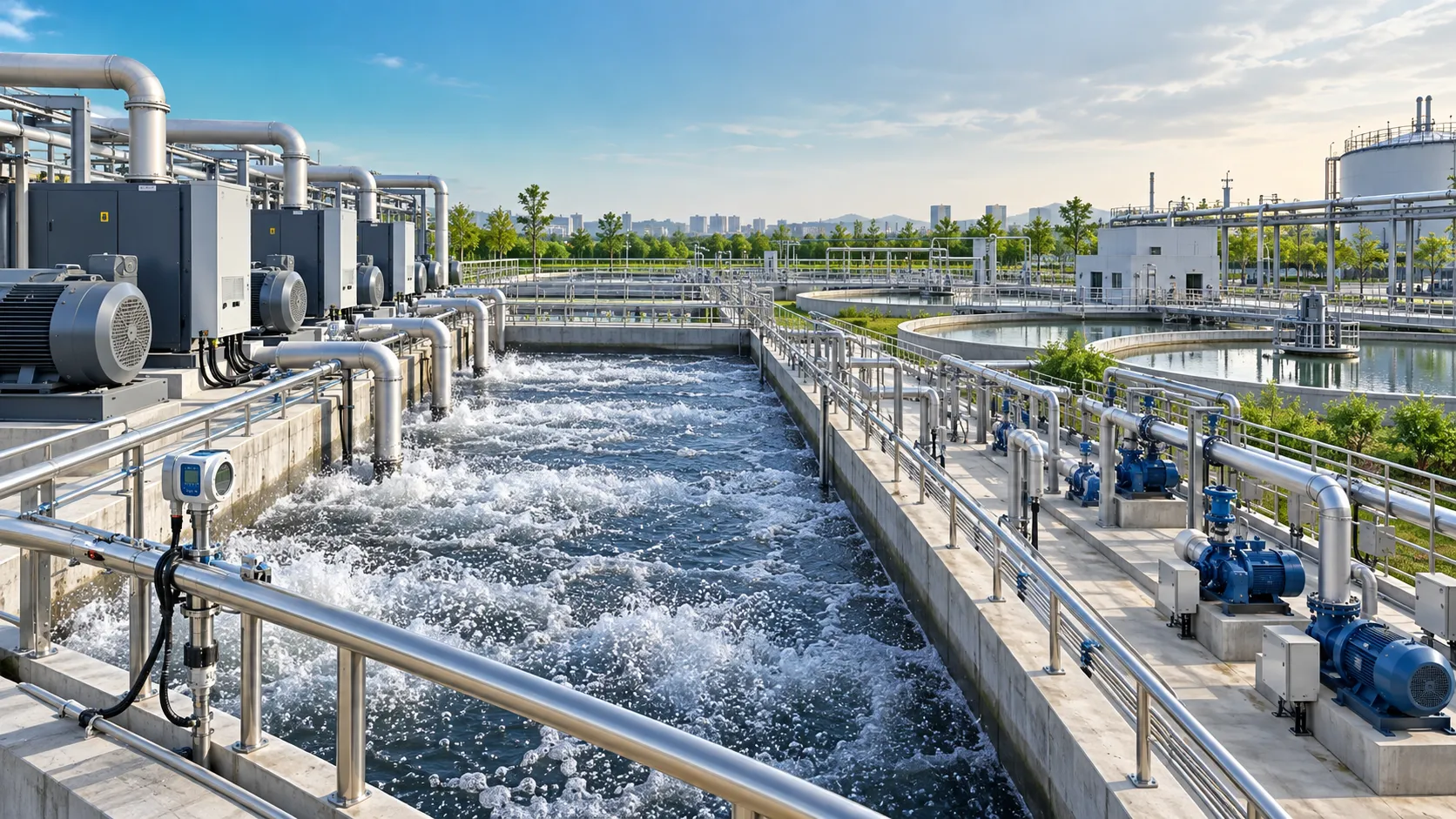
When does environmental equipment intelligence reduce wastewater plant energy use?
Environmental equipment intelligence for wastewater plants cuts energy use through smarter aeration, pumping, and data-driven controls—without compromising compliance. Discover when it delivers measurable savings.
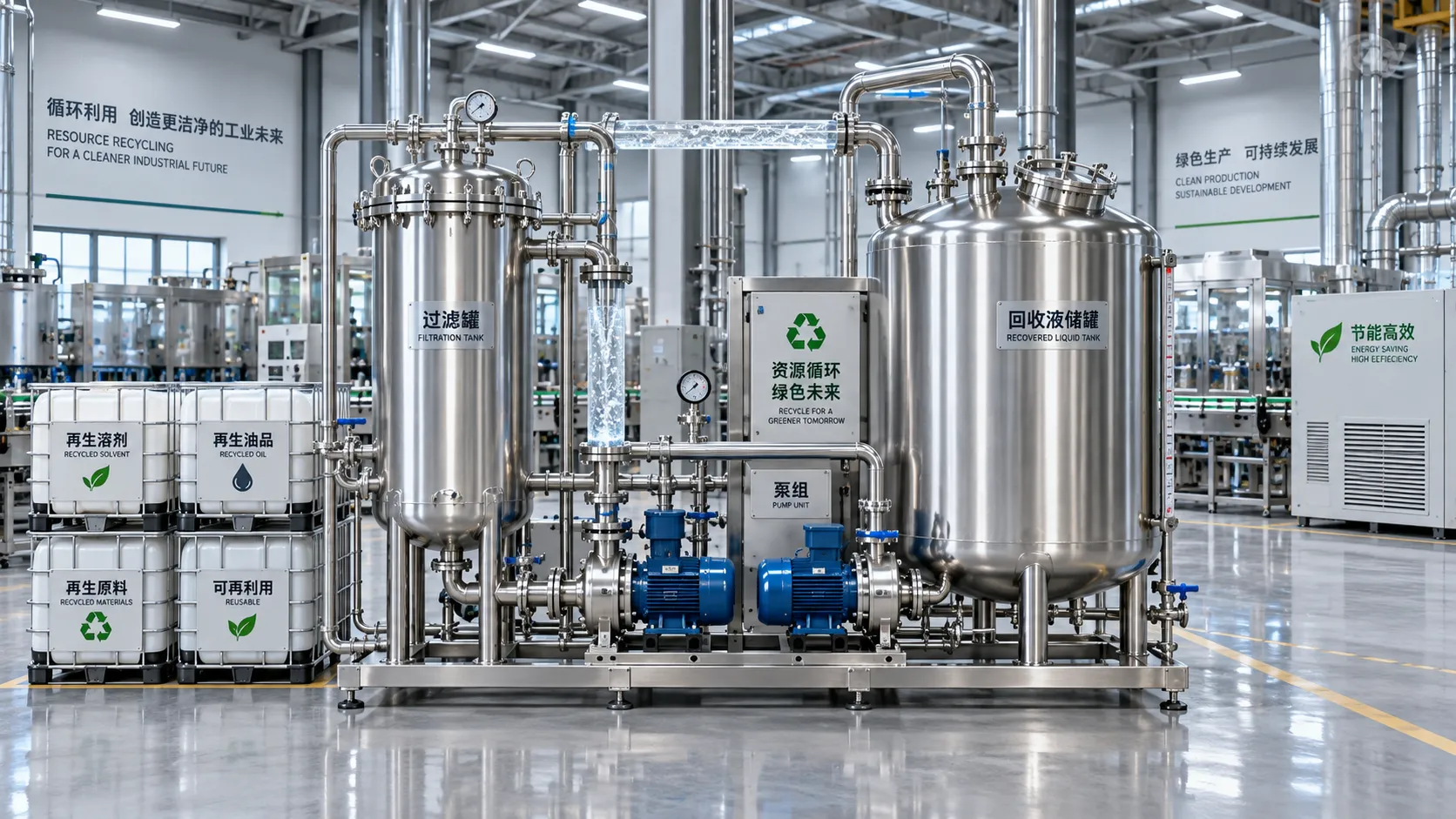
How to Calculate Product Recovery System Payback from Yield, Energy, and Labor Savings
Product recovery system payback: learn to model yield value, energy and labor savings, operating costs, and scenarios for a defensible capital approval case.
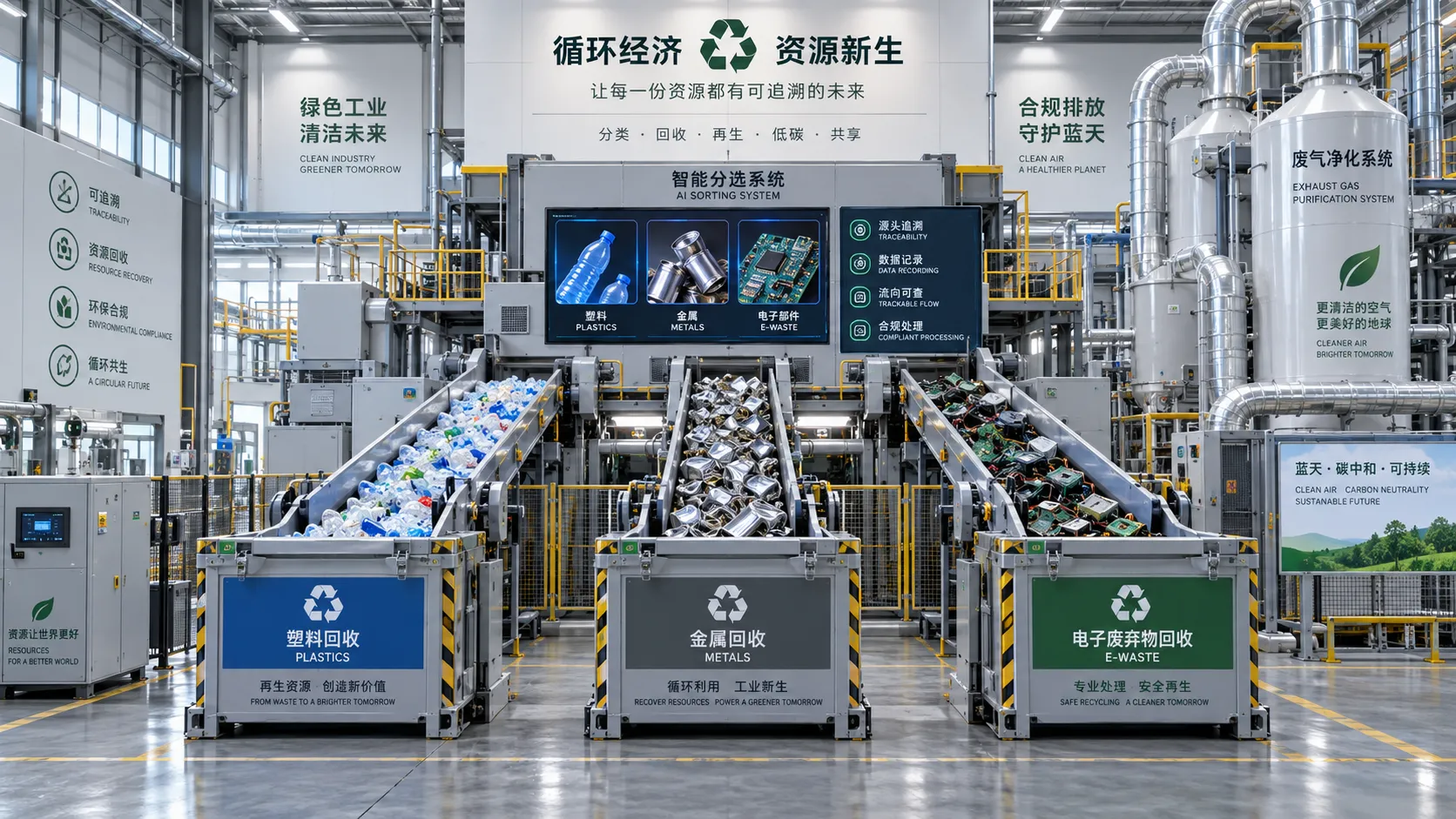
Waste Management and Circular Economy Regulations to Watch in 2025–2026
Recent regulatory updates in waste management and circular economy 2025-2026: explore PPWR, EPR, waste shipments, PFAS controls, and practical compliance steps.
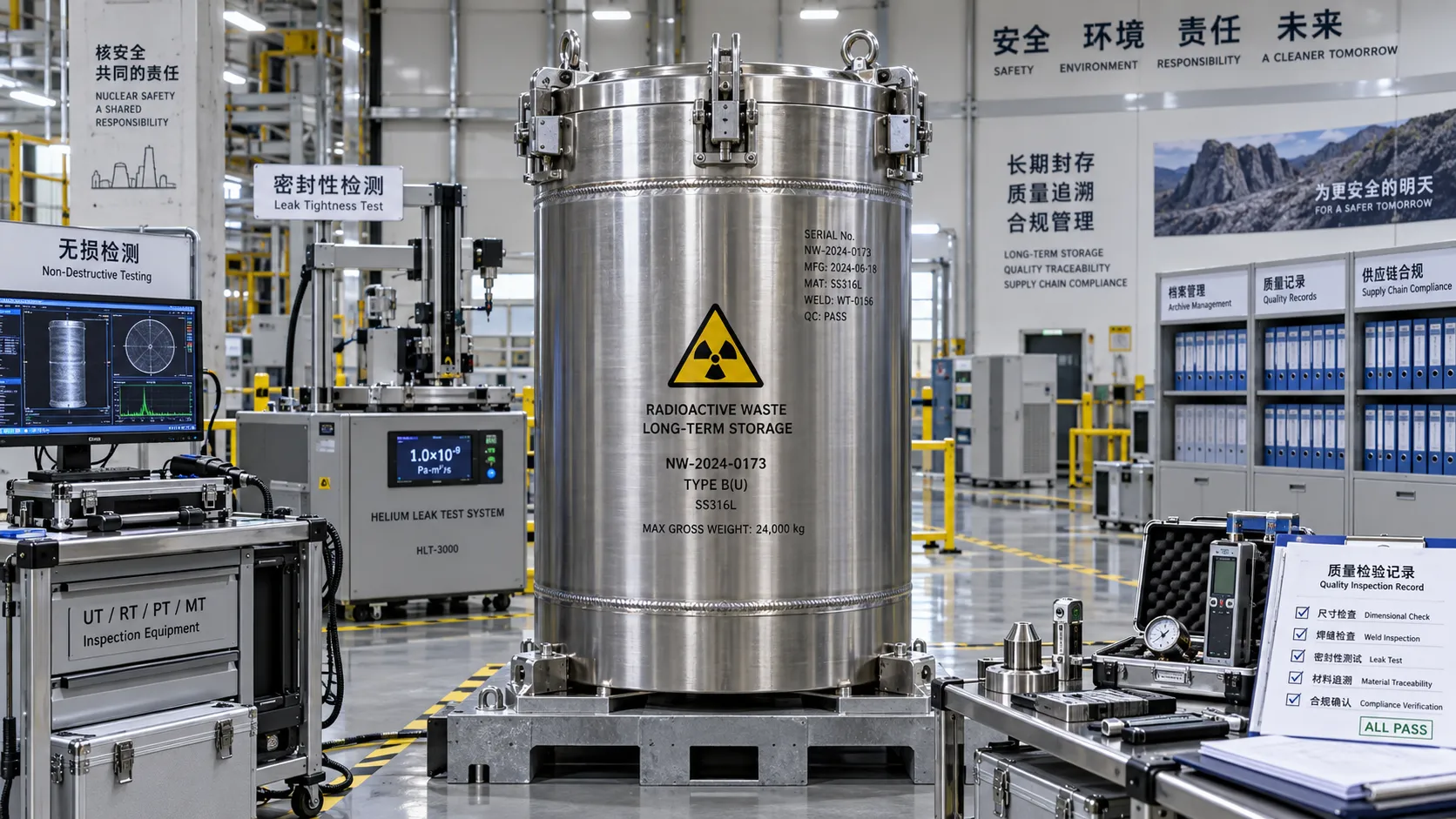
How to Qualify Nuclear Waste Supply Chain Partners for Long-Term Projects
Nuclear waste supply chain partner qualification: learn how to verify technical capability, compliance, traceability, resilience, and lifecycle support for long-term projects.
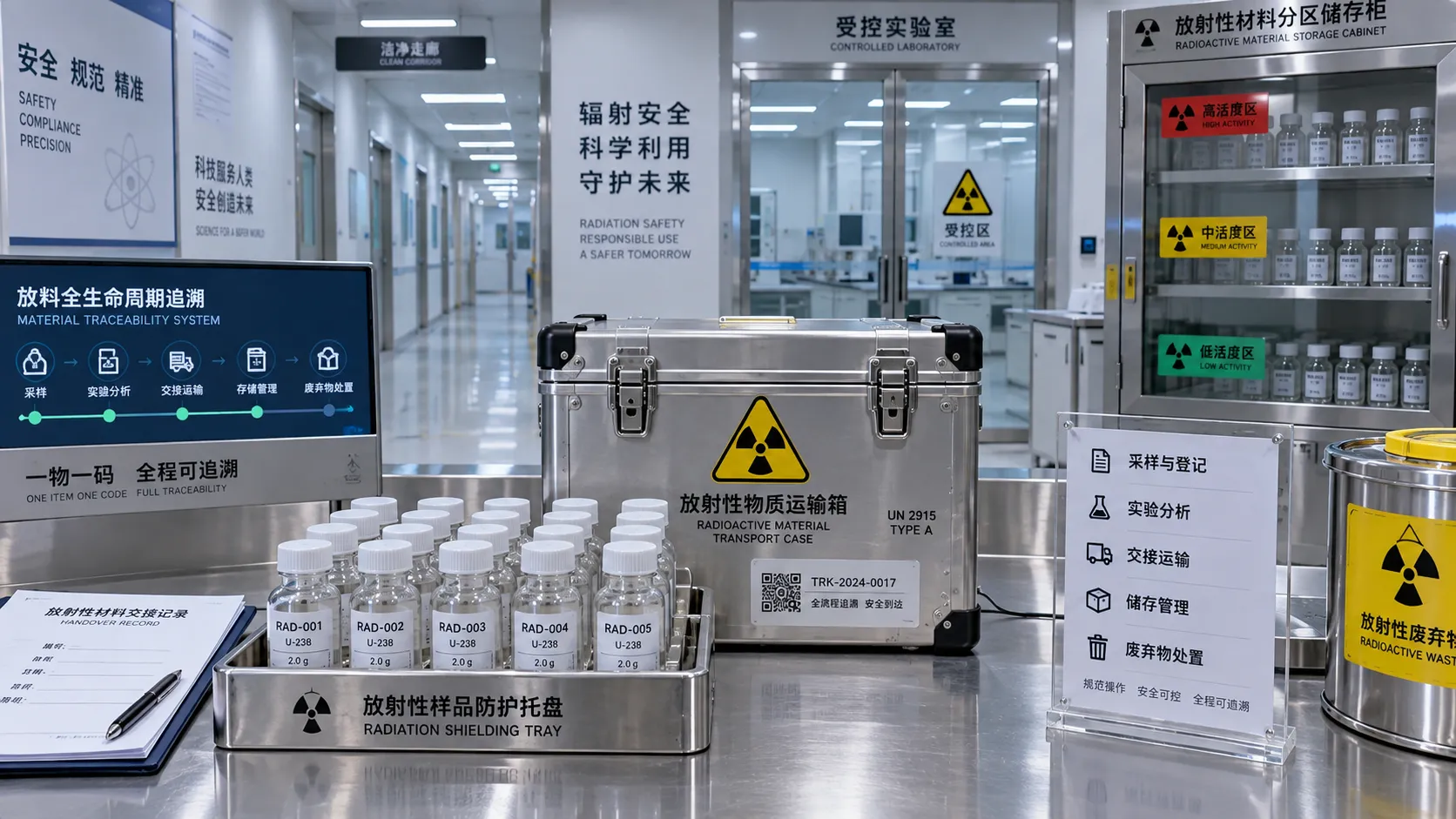
Choosing a Radioisotope Management System for Multi-Site Research Facilities
Radioisotope management system guide for multi-site research facilities: compare traceability, chain of custody, waste controls, roles, and integrations.