
Industry News
Curation by industry experts
Hot Articles
Popular Tags
What Drives Circular Economy Technologies Cost in Large-Scale Projects?
If you are comparing bids for a major circular project, the biggest mistake is treating price as the cost story. In practice, circular economy technologies cost is driven by the hardness of the process, the variability of incoming material, utility demand, compliance exposure, and the realism of the recovery model. A cheaper system can become the most expensive option once energy use, downtime, reagent consumption, product off-spec risk, and retrofit obligations start showing up. That is why serious procurement work starts with process conditions and life-cycle economics, not vendor headline pricing.
A short answer is this: large-scale circular systems cost more when they must handle unstable feedstock, meet strict discharge or emissions limits, recover high-purity outputs, and operate continuously with low failure tolerance. Those four pressures tend to shape both capital cost and operating cost more than the equipment list itself.
Why equipment price rarely explains the full number
Many procurement teams begin with a line-by-line comparison of reactors, membranes, thermal units, sorting systems, or emission control modules. That helps, but only up to a point. In large water reuse projects, waste-to-resource plants, advanced desalination, or contaminated residue treatment, the real spending is often hidden in the supporting architecture: pretreatment, automation, corrosion control, redundancy, sludge or reject management, civil works, power integration, and environmental monitoring.
A pyrolysis line, for example, is not just a pyrolysis line. Its cost profile changes sharply depending on feedstock preparation, moisture control, off-gas treatment, char handling, odor control, and whether the recovered product must meet a downstream industrial specification. The same is true in desalination and ZLD projects. Buyers often focus on the core treatment train and underestimate concentrate management, scaling control, membrane fouling mitigation, or the cost of maintaining stable production under changing intake conditions.
This is where experienced buyers usually shift the conversation from “What is the unit price?” to “What must this system reliably do every day for the next 10 to 20 years?”
The main drivers of circular economy technologies cost
There is no single cost formula across all circular infrastructure, but the same drivers show up again and again.
1. Feedstock or influent variability
Stable inputs are cheaper to process. Mixed solid waste streams, high-salinity wastewater, seasonal municipal loads, industrial byproducts with fluctuating composition, and hazardous residues all force designers to add buffers, pretreatment, stronger controls, and more conservative material selection. Each layer protects performance, but it also raises cost.
2. Recovery target and output purity
Recovering “something usable” is one thing. Recovering a product that can enter a regulated industrial supply chain is another. If the project depends on saleable salts, metals, recycled polymers, reclaimed water, or energy products, quality consistency matters. Tighter purity targets usually mean more separation stages, more sensors, more testing, and more reject handling.
3. Energy intensity
A large share of circular economy technologies cost sits in power and thermal demand. Desalination, evaporation, drying, thermal conversion, advanced oxidation, and high-pressure separations can all be commercially sound, but only if energy assumptions are realistic. A procurement model that ignores local electricity price volatility or waste heat availability is incomplete from the start.
4. Compliance burden
Projects serving heavily regulated sectors carry a different cost structure. Discharge permits, air emission thresholds, residue classification rules, workplace safety requirements, and product certification can all reshape design choices. One compliance upgrade late in the project can wipe out the apparent savings from selecting a low-cost vendor.
5. Reliability requirements
Some facilities can tolerate planned downtime. Others cannot. Continuous industrial parks, municipal utilities, desalination assets serving strategic water supply, and nuclear-adjacent waste systems need a very different reliability standard. Redundancy, remote diagnostics, spare parts strategy, and maintainability all add cost, but they are often cheaper than production loss or non-compliance events.
6. Site conditions and integration complexity
Greenfield and brownfield economics are rarely comparable. Existing pipe racks, utility constraints, legacy SCADA systems, land limitations, and local labor capability can swing project cost substantially. A technically elegant technology can become expensive if it fits poorly into the plant around it.
Where buyers most often misread the cost picture
One common mistake is assuming that high recovery automatically means better economics. It does not. In some systems, pushing recovery from good to very high can trigger sharply rising energy use, fouling risk, chemical demand, and maintenance frequency. The final percentage points of recovery may look attractive in a presentation but weak in operating reality.
Another mistake is treating byproduct revenue as guaranteed. Recovered resources only create value if there is a dependable offtake market, acceptable quality, and manageable logistics. This matters in plastic recovery, waste-derived fuels, industrial salts, recovered metals, and even reclaimed water. A project that looks strong on paper can weaken quickly if the recovery product needs heavy post-processing or lacks buyers at scale.
There is also a procurement bias toward visible CAPEX and against hidden OPEX. Teams negotiate hard on equipment price, then accept vague assumptions on membrane replacement, catalyst life, refractory wear, consumables, labor, and shutdown frequency. That imbalance usually shows up later as budget pressure.
Different project types, different cost logic
It helps to stop talking about circular technologies as one category. The cost logic is different across sectors.
In large water treatment and ZLD, economics are heavily shaped by water chemistry, pretreatment requirements, brine management, energy demand, and scaling control. Projects become expensive when wastewater composition is unstable or when discharge limits are tight enough to require multi-stage polishing.
In solid waste recovery systems, the biggest cost swings often come from material heterogeneity, contamination rates, sorting accuracy, residue disposal, and product marketability. AI sorting, robotics, and thermal recovery can improve value capture, but only when the upstream collection and segregation reality supports them.
In seawater desalination, buyers often know to watch membrane and energy costs, but intake quality, pretreatment robustness, concentrate discharge design, and long-term asset durability deserve equal attention. The cheapest design on day one may be the least resilient under seasonal water quality stress.
In nuclear waste management and other high-consequence waste streams, the cost conversation is less about short-term savings and more about containment integrity, compliance certainty, traceability, and long-horizon risk. Procurement standards are naturally stricter, and attempts to “optimize” cost too aggressively can create unacceptable exposure.
How to evaluate circular economy technologies cost in procurement
The practical question is not whether one vendor is expensive. It is whether the proposed system is honest about the conditions it must survive.
A useful procurement review usually tests five things:
- Boundary conditions: What influent, feedstock, or contamination range is actually covered in the commercial offer?
- Performance guarantees: Are recovery rate, purity, uptime, energy use, and emissions tied to realistic conditions or idealized ones?
- Consumables and wear: What is the replacement cycle for membranes, catalysts, linings, filters, sensors, and critical mechanical parts?
- Failure economics: What happens financially if output quality drifts, recovery drops, or the unit cannot run continuously?
- End-market realism: Is the recovered product truly monetizable at the assumed volume and quality?
When these questions are answered clearly, bid comparison becomes much more useful. When they are vague, low price is often just deferred cost.
Some decision teams also benefit from a scenario model rather than a single base case. That means testing economics under different power prices, lower product offtake values, dirtier feedstock, or tighter regulation. A project that only works under perfect assumptions is not a strong procurement decision.
The role of regulation and strategic timing
Compliance pressure is no longer a side issue in circular infrastructure. It changes financing, technology selection, and supplier risk. Carbon policy, water reuse standards, landfill restrictions, industrial discharge rules, and cross-border environmental requirements can all alter project economics mid-cycle. In export-oriented industries, mechanisms such as CBAM may also influence how buyers justify cleaner recovery and treatment investments, even when the direct project P&L is not obvious on day one.
This is one reason intelligence matters as much as engineering. Platforms such as The Global Eco-Shield Dynamics (ESD), which track large-scale water treatment, resource recovery, desalination, flue gas treatment, and nuclear waste management, are useful not because they “sell a solution,” but because they help procurement and EPC teams read the moving parts around a project: technical evolution, compliance direction, and commercial demand signals. In billion-dollar environmental infrastructure, that context can change a sourcing decision more than a small equipment discount.
When the lowest-cost option is the right choice, and when it is not
There are cases where a lower-cost bid is perfectly rational. If the feedstock is stable, the site already has strong utilities, compliance margins are comfortable, and the recovered output does not require premium purity, then a simpler design may be the better business decision. Not every project needs the most advanced platform.
But a lower-cost option is usually the wrong choice when one of these is true: the plant faces variable inputs, permits are tight, downtime is expensive, integration risk is high, or project returns depend on selling a consistently high-quality recovered product. In those cases, underengineering has a habit of showing up later as retrofit cost, warranty disputes, weak throughput, or missed environmental targets.
That distinction matters because circular economy projects are often purchased under pressure: public timelines, board expectations, financing windows, or industrial decarbonization commitments. Pressure tends to reward simple narratives. The discipline is to keep asking whether the quoted system matches the physical and regulatory reality of the site.
What a sound buying decision looks like
A sound decision is usually less about finding the cheapest technology and more about finding the cost structure you can actually live with. That means understanding where cost is fixed, where it is variable, what assumptions can break, and which risks belong in the contract instead of your operating budget.
Before issuing final selection, buyers should confirm three things: first, that design assumptions match actual feedstock or influent data; second, that performance guarantees are tied to measurable plant conditions; and third, that the revenue side of resource recovery is not doing too much work in the investment case. If any of those points are weak, the project needs another round of scrutiny.
In large-scale infrastructure, circular economy technologies cost is ultimately a question of fit. The right system is the one that can meet technical targets, stay compliant, preserve bankability, and still make sense when conditions get less favorable than planned.
FAQ
Is circular economy technology always more expensive than conventional disposal or treatment?
Not always. It can be more capital-intensive upfront, but the comparison depends on disposal fees, water scarcity, energy price, compliance risk, and the value of recovered outputs.
What cost item is most often underestimated in large projects?
Usually integration and operating stability. Pretreatment, utility upgrades, maintenance burden, and performance loss under non-ideal feed conditions are frequent blind spots.
Should byproduct revenue be included in the business case?
Yes, but conservatively. Use verified quality assumptions, realistic offtake pathways, and downside scenarios. Revenue from recovery should strengthen a project, not rescue a weak one.
How can buyers compare vendors fairly?
Put all offers on the same basis: same feedstock assumptions, same compliance targets, same uptime expectation, same utility costs, and clearly defined consumables and replacement intervals.
When is advanced technology not the right fit?
When the site lacks utility support, local operating capability is limited, feedstock data is poor, or the recovery target does not justify the added complexity.
- Anchor text: Zero Liquid Discharge project cost drivers - Suggested page type/topic: in-depth guide on ZLD procurement and operating economics
- Anchor text: AI sorting systems for resource recovery - Suggested page type/topic: technology comparison page for sorting and recycling infrastructure
- Anchor text: seawater desalination lifecycle cost analysis - Suggested page type/topic: technical-commercial article on desalination CAPEX and OPEX
- Anchor text: industrial wastewater reuse compliance strategy - Suggested page type/topic: regulatory and engineering insight page
- Anchor text: environmental EPC bid intelligence - Suggested page type/topic: strategic intelligence or market insight hub
- External source direction: government environmental regulator pages covering discharge permits, waste classification, water reuse, and emission compliance
- External source direction: industry association reports on desalination, recycling, waste-to-energy, and industrial water treatment economics
- External source direction: official technical documentation from major equipment manufacturers for membranes, catalysts, thermal systems, and sorting platforms
- water treatment
- industrial wastewater
- solid waste recovery
- flue gas treatment
- seawater desalination
- nuclear waste management
- circular economy
- resource recovery
- decarbonization
- industrial decarbonization
- industrial water treatment
- waste recovery systems
- AI sorting systems
- circular economy technologies
- zero liquid discharge
- water reuse
- waste-to-resource
- circular economy technologies cost
- industrial wastewater reuse
Recommended News
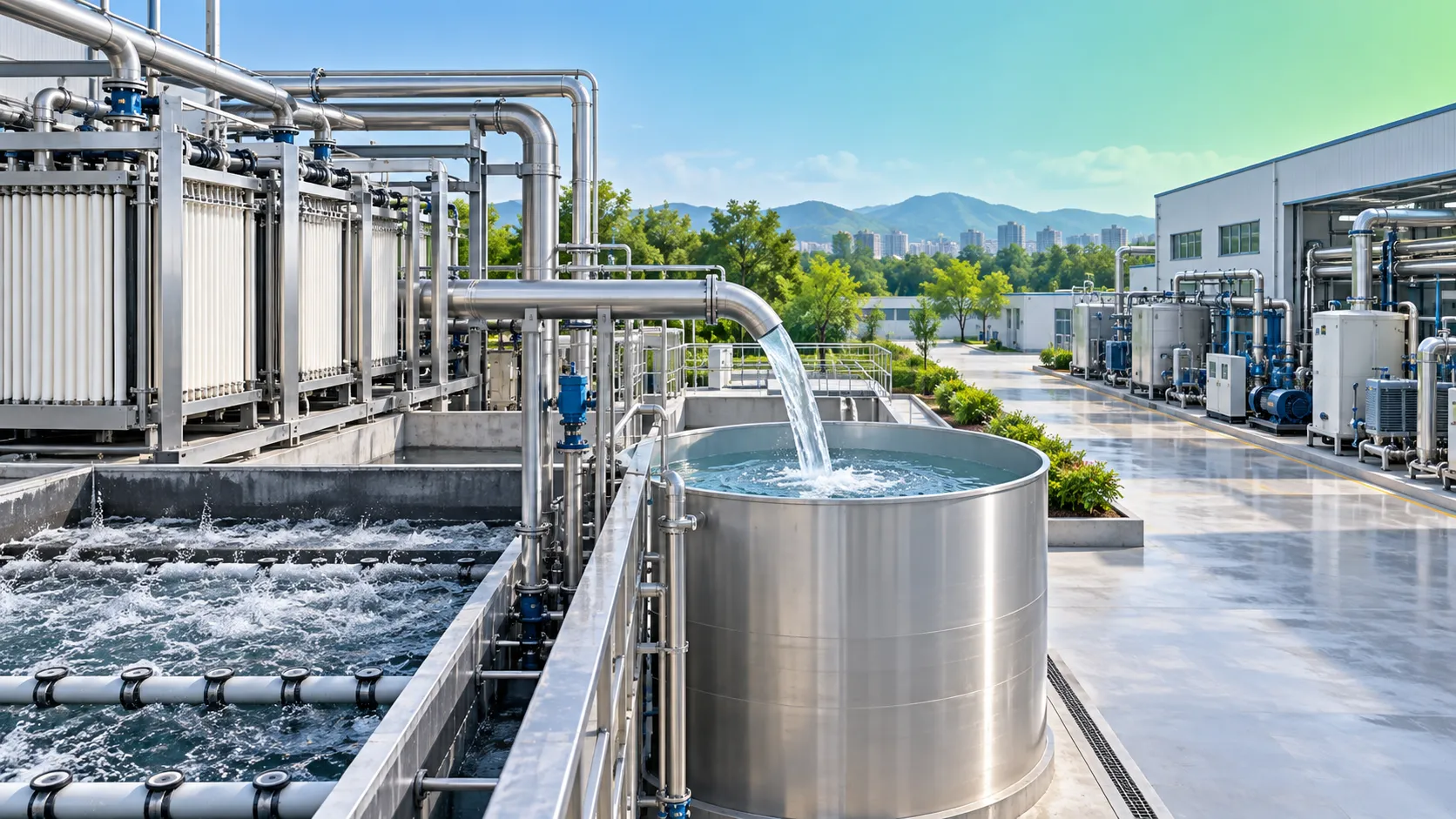
When does MBR equipment make sense for wastewater reuse?
Water treatment equipment for wastewater reuse: learn when MBR delivers compact, reliable low-solids effluent—and when alternative treatment trains offer better value.
How North America shapes global environmental governance standards
Global environmental governance North America: discover how regulation, finance, and procurement raise worldwide standards and reshape environmental projects.
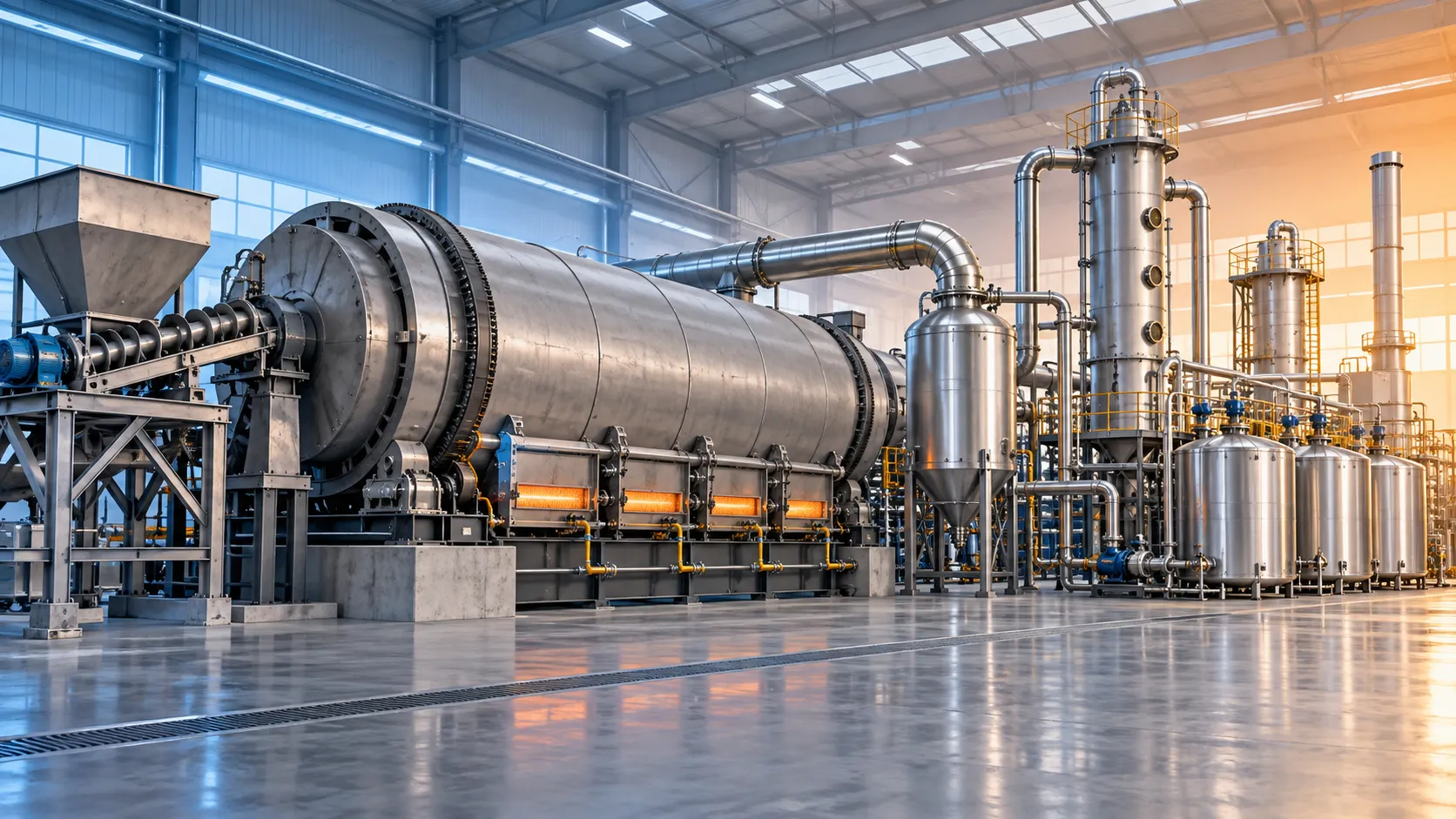
How reactor capacity affects throughput in pyrolysis systems
Pyrolysis systems reactor capacity explained: learn how heat transfer, residence time, feed quality, and emissions controls determine reliable throughput.
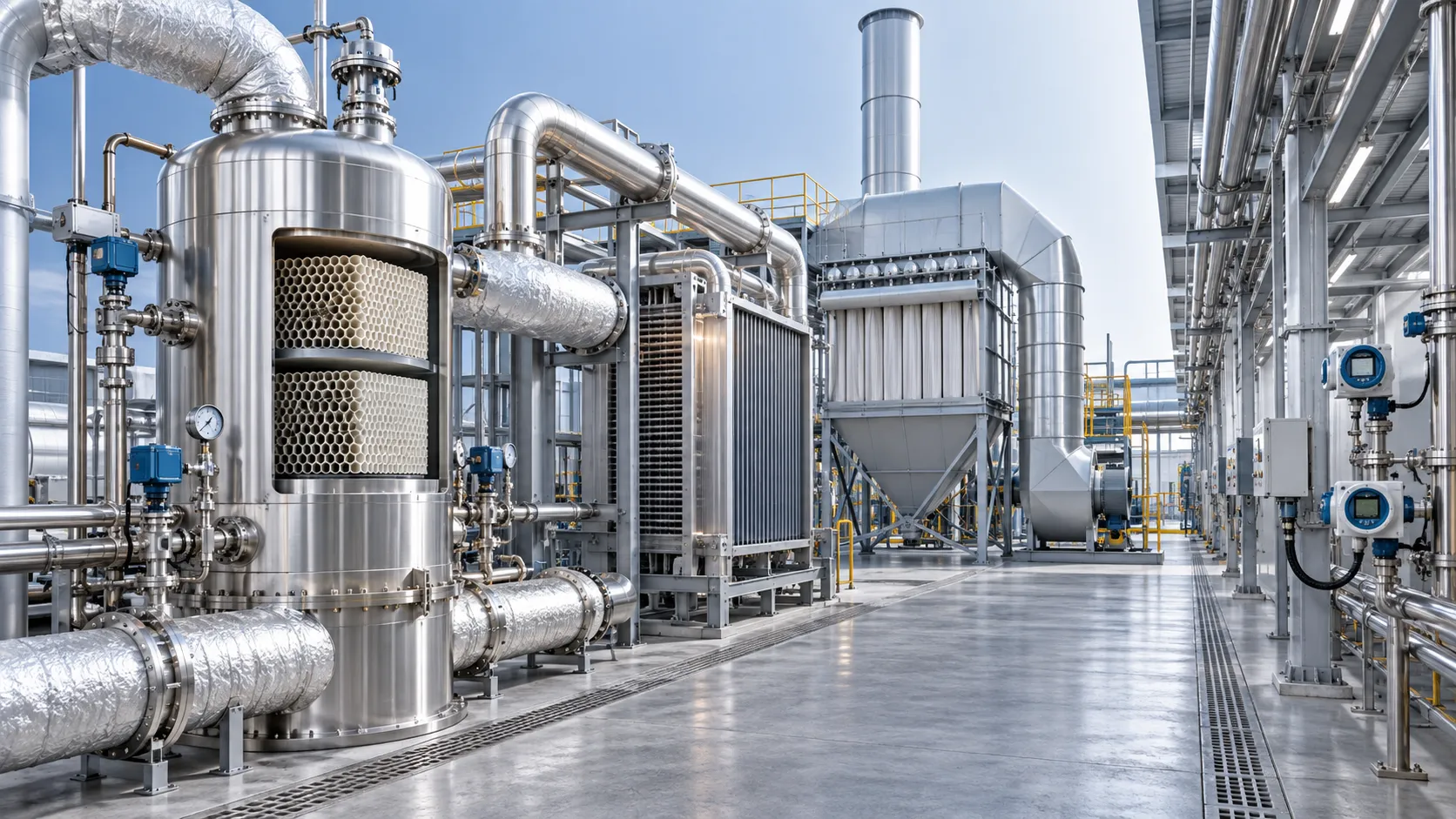
When low-temperature reaction equipment is the right fit for heat-sensitive processes
Low-temperature reaction equipment helps protect heat-sensitive streams, improve energy integration, and maintain reliable conversion. Explore key selection factors today.
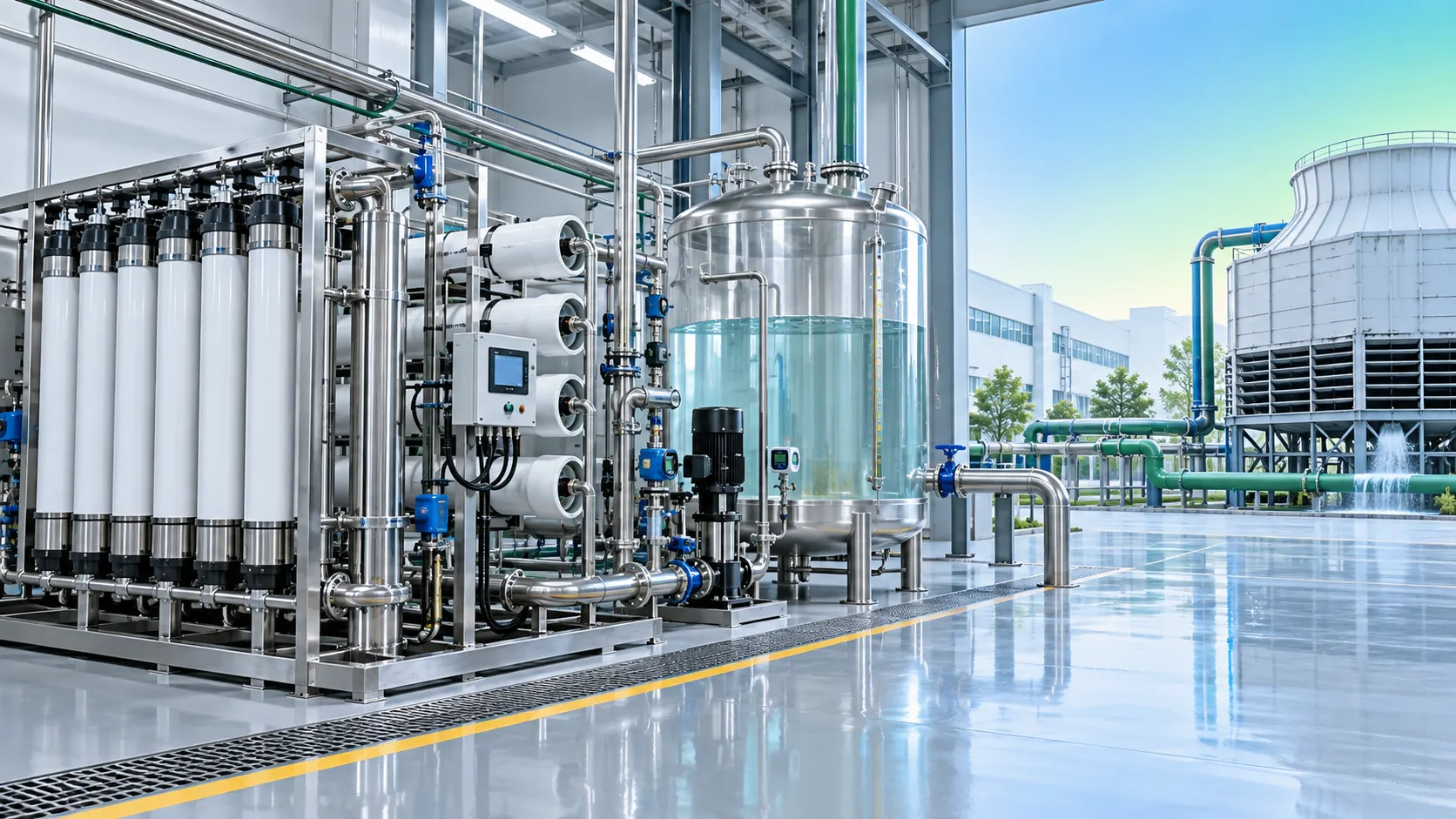
When do water reuse systems deliver a practical payback?
Water reuse systems deliver practical payback when they cut water, discharge, and downtime costs. Learn how to match treatment, recovery, and reuse quality for lasting ROI.
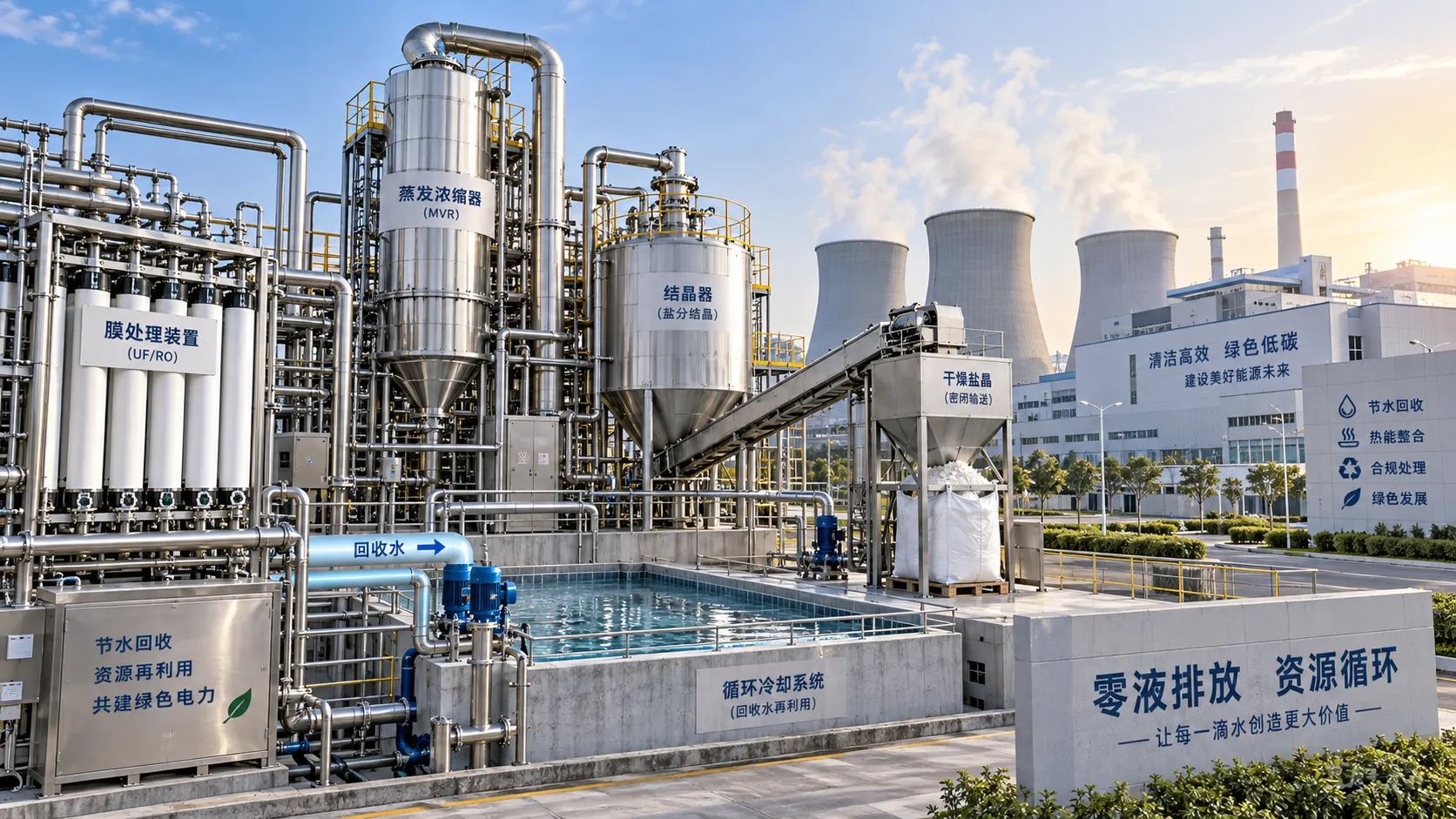
When do ZLD systems for power generation justify their energy use?
ZLD systems for power generation: learn when energy-intensive water recovery delivers stronger compliance, resilience, and long-term value.
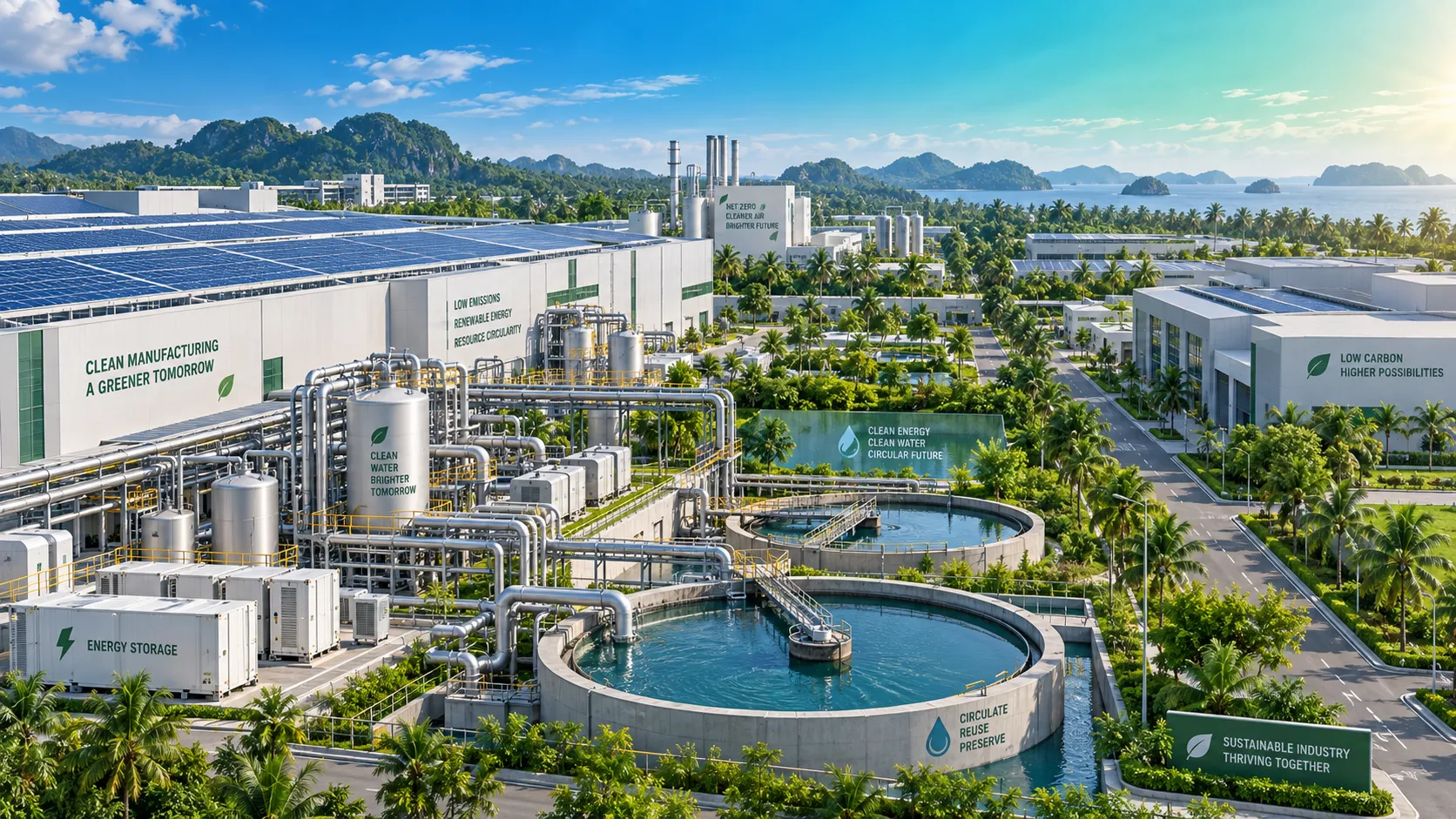
Which decarbonization pathways are most viable in Southeast Asia?
Decarbonization Southeast Asia: discover practical pathways for clean power, efficiency, electrification, circular recovery, and resilient industrial growth.
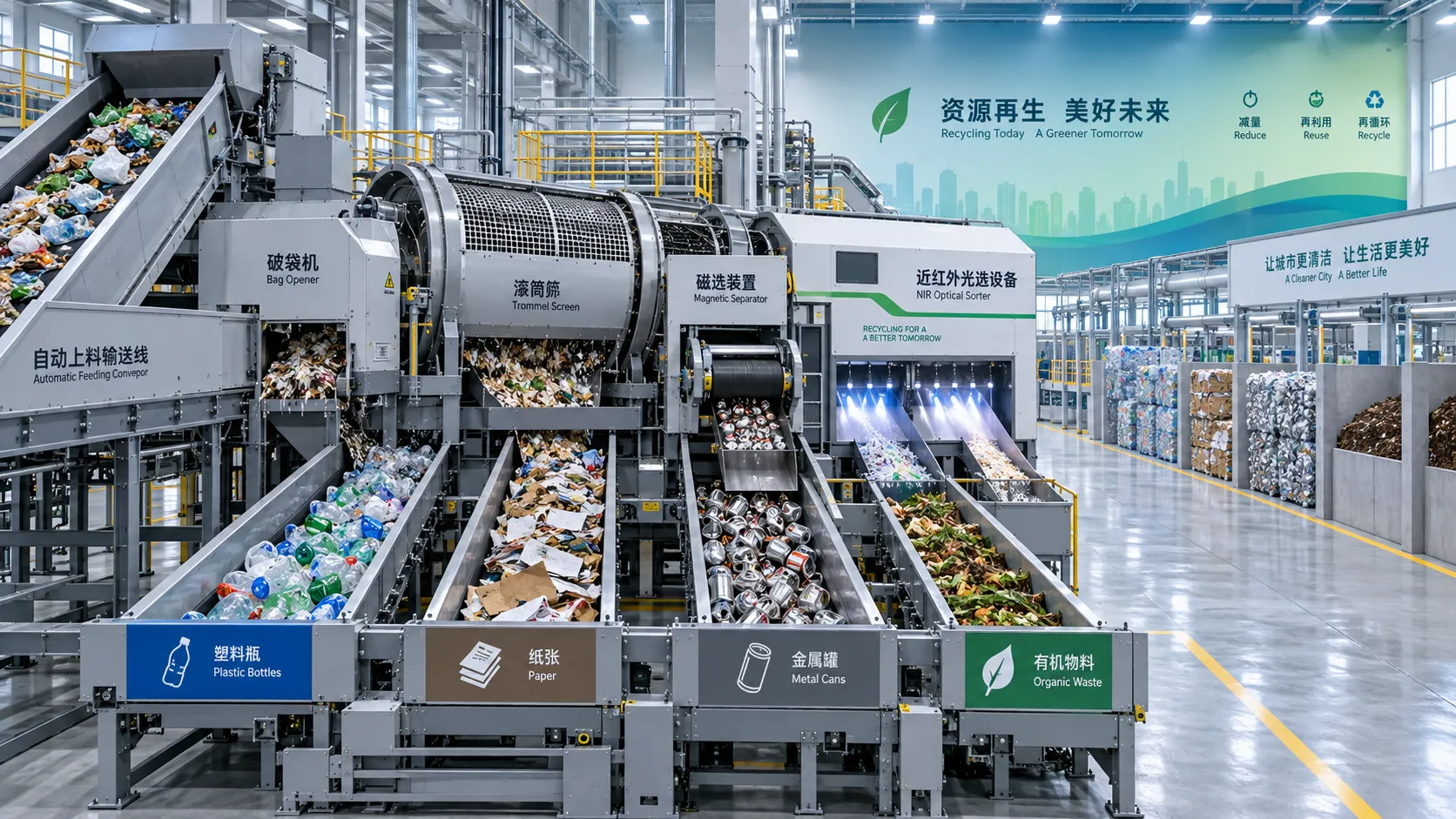
How to choose waste sorting equipment for mixed municipal waste
Waste sorting equipment selection guide for mixed municipal waste: compare technologies, improve recovery, reduce downtime, and build reliable output streams.
How to verify standards in an environmental equipment directory
environmental equipment directory standards reference: learn to verify certifications, performance evidence, scope, and project fit for confident, compliant equipment selection.