
Industry News
Curation by industry experts
Hot Articles
Popular Tags
How to Compare Membrane Water Treatment Options in North America
Choosing the right membrane water treatment option in North America is rarely a matter of selecting the membrane with the finest nominal pore size or the highest published salt rejection. For technical evaluation teams, the real challenge is matching membrane behavior to site-specific water chemistry, discharge or reuse targets, pretreatment limitations, operating philosophy, and regulatory exposure. In practice, the wrong comparison framework leads to expensive overdesign, unstable performance, accelerated fouling, or compliance risk that only becomes visible after commissioning.
That is especially true across North America, where membrane systems serve a wide range of duty profiles: municipal tertiary polishing, industrial process water, PFAS-related treatment trains, high-TDS wastewater concentration, desalination, food and beverage reuse, data center cooling support, and power sector water recovery. The same membrane category can perform very differently depending on recovery target, seasonal feed variability, cleaning regime, and concentrate management constraints.
A useful comparison method starts by treating membrane selection as a system decision, not a component decision. Reverse osmosis, nanofiltration, ultrafiltration, microfiltration, membrane bioreactors, and electrodialysis-related options each solve different separation problems. The technical evaluator’s job is not to find the “best membrane,” but to identify which separation mechanism, module format, and operating envelope create the lowest long-term project risk.
Start with the separation objective, not the membrane brand
Many selection errors begin with a vague project definition such as “we need higher purity water” or “we need a membrane solution for compliance.” That is not enough. Before comparing suppliers or pilot units, define the actual separation duty in measurable terms:
- What contaminants must be removed: suspended solids, turbidity, pathogens, hardness, dissolved organics, color, silica, nitrate, metals, boron, PFAS, TDS, or COD?
- What is the required product water quality under worst-case feed conditions?
- Is the main target discharge compliance, water reuse, boiler feed, cooling tower makeup, process stability, or volume reduction?
- Is the project designed for average operation or peak seasonal loading?
- What is the acceptable balance between recovery, energy use, and membrane life?
This first step often narrows the field quickly. Microfiltration and ultrafiltration are typically pretreatment or solids-removal tools, not dissolved salt removal technologies. Nanofiltration can be highly effective when divalent ion removal and organic reduction matter more than full desalination. Reverse osmosis is the primary option for broad dissolved solids rejection, but it brings higher pressure, more demanding pretreatment, and concentrate handling consequences. Membrane bioreactors combine biological treatment with membrane separation and are often evaluated when footprint, effluent consistency, or reuse objectives justify higher operating complexity.
If the separation objective is not clearly stated, technical comparisons become distorted by generic brochure values that do not reflect project reality.
Understand what North American conditions do to membrane choices
Any discussion of membrane water treatment in North America has to account for regional operating conditions and policy pressure. Projects are influenced not just by feedwater chemistry, but also by labor cost, chemical handling expectations, discharge permits, energy pricing, drought resilience planning, and the increasing value of reuse.
Several practical factors matter:
- Feedwater variability: Surface water systems can see major seasonal swings in turbidity, TOC, algal load, and temperature. Groundwater may bring hardness, iron, manganese, nitrate, arsenic, or silica challenges. Industrial wastewater can fluctuate even more sharply with batch production.
- Concentrate management pressure: In many inland locations, concentrate disposal can be more limiting than membrane performance itself. A technically elegant RO system may become commercially unattractive if brine disposal is costly or restricted.
- Regulatory tightening: Municipal and industrial users increasingly evaluate membranes within broader risk frameworks tied to contaminants of emerging concern, nutrient control, water reuse, and discharge minimization. PFAS-related treatment strategies are a notable example, though the exact regulatory landscape should be verified case by case because requirements continue to evolve.
- Workforce realities: High-skill membrane systems may be difficult to operate consistently where plants face staffing constraints. Automation helps, but it does not eliminate sensitivity to fouling, CIP quality, or pretreatment upsets.
For that reason, North American projects often reward robust and forgiving designs over aggressive performance claims. A membrane train that delivers slightly lower nominal recovery but better operational stability may outperform a more efficient design on lifecycle value.
Compare membrane categories by failure mode, not only by removal rate
Technical evaluators usually receive supplier data framed around rejection, flux, permeability, and energy demand. Those metrics matter, but they do not explain how a system fails in real operation. A more decision-useful comparison asks what conditions degrade performance, how quickly recovery can be restored, and what upstream controls are mandatory.
Microfiltration and ultrafiltration are generally chosen for suspended solids, bacteria, and colloidal removal. They are common in municipal surface water polishing, tertiary treatment, and pretreatment for RO. Their value lies in stable SDI reduction and improved downstream protection. Their main vulnerabilities are irreversible fouling from organics, biofouling, and solids overloading if pretreatment or backwash control is weak.
Nanofiltration is often underestimated because it sits between softening and RO in many minds. In reality, NF can be the better engineering choice when the goal is hardness reduction, color removal, partial TOC reduction, or selective ion removal with lower pressure than RO. Its limitation is that it does not provide full desalination, so it is a poor fit when low conductivity or high monovalent ion rejection is essential.
Reverse osmosis remains the default for high-purity and desalination applications because of its broad dissolved constituent rejection. But RO comparisons must go deeper than salt rejection percentages. Fouling tendency, scaling margin, boron behavior, temperature sensitivity, staging requirements, and cleanability often matter more than nominal membrane performance. In many industrial settings, the best RO membrane is the one that can tolerate imperfect pretreatment without a rapid decline in normalized flux.
Membrane bioreactors should be evaluated as integrated treatment platforms rather than standalone membranes. They are often selected for consistent effluent quality, compact footprint, and downstream reuse compatibility. Their strengths can be offset by energy demand, membrane aeration requirements, sludge behavior, and sensitivity to operational discipline.
Electrodialysis and related selective separation approaches can be relevant in niche cases, especially where selective ion removal or brine management strategy differs from standard pressure-driven membranes. They are not universal substitutes for RO, but they may improve economics in specific salinity windows or resource recovery applications.
When evaluating options, ask each supplier to describe the expected dominant fouling mechanism and the recovery strategy. That answer is often more valuable than a peak design flux figure.
Feedwater chemistry should drive the shortlist
A membrane system is only as good as the assumptions made about the feedwater. One of the most common mistakes in early-stage evaluation is using incomplete or averaged water data. Technical teams should insist on a representative dataset that captures seasonal extremes, upset conditions, and trace foulants that may not appear in basic screening.
At minimum, the assessment should include:
- TSS, turbidity, SDI or fouling potential indicators
- TOC, COD, BOD where relevant
- Hardness, alkalinity, calcium, magnesium, barium, strontium
- Sulfate, chloride, silica, iron, manganese, aluminum
- Temperature range and pH variability
- Oil and grease, surfactants, solvents, or oxidants in industrial streams
- Biological load where biofouling risk is material
For industrial reuse or wastewater concentration projects, one-time grab samples are rarely enough. Composite sampling and operating-context review are far more informative. A membrane that performs well in pilot conditions may still fail commercially if periodic CIP residues, shock biocide doses, or intermittent solvent carryover were not represented during testing.
This is also where pretreatment strategy becomes inseparable from membrane selection. If the raw water contains high organics, variable colloidal load, or scaling precursors, the membrane comparison must include pretreatment options such as coagulation, clarification, media filtration, activated carbon, oxidation control, softening, or upstream UF. Comparing membranes without comparing pretreatment is not a real comparison.
Look beyond capital cost to process stability and operator burden
In procurement-driven discussions, membrane options are often compared on skid price, membrane replacement interval, and specific energy consumption. Those are legitimate factors, but they can be misleading if the plant’s operating reality is ignored.
A lower-cost membrane train may require:
- More frequent CIP
- Tighter chemical control
- Higher antiscalant dependence
- More operator intervention during feed swings
- Greater vulnerability to shutdown and restart events
- More conservative recovery to maintain stable performance
In North America, where labor and unplanned downtime are expensive, operator burden should be treated as a core cost variable. Technical evaluators should ask a simple question: what does the system look like after twelve months of ordinary plant behavior, not ideal plant behavior?
That includes membrane cleaning frequency, restoration success after CIP, normalized permeability decay, spare parts dependence, and instrument reliability. It also includes whether the plant team can realistically maintain pretreatment quality every day. Systems that depend on narrow operating discipline can work very well in highly managed facilities, but they may struggle in decentralized or staffing-constrained environments.
Recovery targets can distort decision-making
High recovery is attractive because it reduces feedwater demand and concentrate volume. But in practice, many membrane projects are damaged by unrealistic recovery expectations set too early in the design phase.
Recovery should be evaluated against:
- Scaling margin under worst-case chemistry
- Cleaning frequency and membrane aging
- Concentrate disposal cost
- Pretreatment robustness
- Plant tolerance for performance drift
For some inland reuse applications, pushing RO recovery higher may be economically justified if brine management costs dominate. In other cases, a slightly lower recovery with longer membrane life and fewer cleanings produces a better lifecycle result. Technical evaluators should be cautious when vendors present high recovery as a universal advantage. Recovery is only valuable if it is sustainable under real operating conditions.
Pilot testing is useful, but only if the test is designed honestly
Pilot studies are often treated as risk reduction tools, but many pilots answer the wrong question. A short, clean-water pilot conducted under stable conditions may confirm that a membrane can work. It does not prove that it will keep working.
A meaningful pilot for membrane water treatment in North America should reflect the project’s actual stress points:
- Seasonal feed variability where relevant
- Expected pretreatment quality, not best-case pretreatment quality
- Recovery targets consistent with commercial design
- CIP triggers and cleaning effectiveness
- Normalized flux decline over time
- Product water consistency under upset conditions
Where a full pilot is impractical, bench-scale fouling studies, membrane autopsy data from comparable sites, and reference plant operating histories may be more useful than a superficial demonstration unit. Technical teams should be willing to reject “successful” pilot results if the test conditions were too forgiving.
Do not separate compliance from technology selection
Compliance is often handled in parallel by environmental teams, but membrane selection should incorporate it from the start. Treatment technology affects concentrate composition, residual chemical use, cleaning waste generation, and reporting complexity. In some cases, the membrane option that produces the best permeate also creates the most difficult waste stream.
For municipal and industrial projects, relevant requirements may include discharge permits, potable or reuse standards, residual handling rules, chemical storage obligations, and state or provincial requirements that vary by jurisdiction. Because these differ significantly across North America, project-specific review is essential. Where emerging contaminants are part of the project rationale, current federal and local rules should be treated as dynamic and verified directly rather than assumed from outdated guidance.
This matters because compliance cost often migrates from the water line to the waste line. A technically strong membrane solution can lose its advantage if concentrate handling, cleaning waste neutralization, or residual disposal becomes the project bottleneck.
Questions that usually reveal the better option
When several membrane systems appear comparable on paper, the better decision often emerges from a narrower set of practical questions:
- Which option is least sensitive to the feedwater parameter we control the worst?
- What happens to performance after an upstream upset or missed maintenance window?
- How much of the published performance depends on ideal pretreatment?
- What is the expected normalized flux decline at one year, not day one?
- Can the plant staff diagnose fouling type and restore performance reliably?
- How constrained is the site by concentrate management?
- Which design assumption, if wrong, creates the largest financial or compliance consequence?
These questions shift the evaluation from theoretical efficiency to operational resilience. That is usually where the strongest option becomes visible.
What a sound decision looks like
A sound membrane selection is not the one with the highest rejection, the most advanced polymer chemistry, or the most aggressive recovery target. It is the option that can meet water quality objectives consistently within the site’s real constraints: actual feed variability, available operator skill, pretreatment reliability, energy tolerance, cleaning philosophy, and waste handling limits.
For technical evaluators, the discipline is straightforward but demanding. Define the separation duty precisely. Compare technologies by failure mode as much as by performance. Use representative feedwater data. Treat pretreatment and concentrate management as part of the membrane decision. Test under realistic operating conditions. And remain skeptical of any comparison that looks simple, because membrane treatment rarely is.
That approach does not guarantee a trouble-free project. It does, however, greatly improve the odds that the selected membrane system will remain technically and economically defensible long after commissioning—when the easy assumptions have disappeared and only operating reality remains.
Recommended News
How North America shapes global environmental governance standards
Global environmental governance North America: discover how regulation, finance, and procurement raise worldwide standards and reshape environmental projects.
How reactor capacity affects throughput in pyrolysis systems
Pyrolysis systems reactor capacity explained: learn how heat transfer, residence time, feed quality, and emissions controls determine reliable throughput.
When low-temperature reaction equipment is the right fit for heat-sensitive processes
Low-temperature reaction equipment helps protect heat-sensitive streams, improve energy integration, and maintain reliable conversion. Explore key selection factors today.
When do water reuse systems deliver a practical payback?
Water reuse systems deliver practical payback when they cut water, discharge, and downtime costs. Learn how to match treatment, recovery, and reuse quality for lasting ROI.
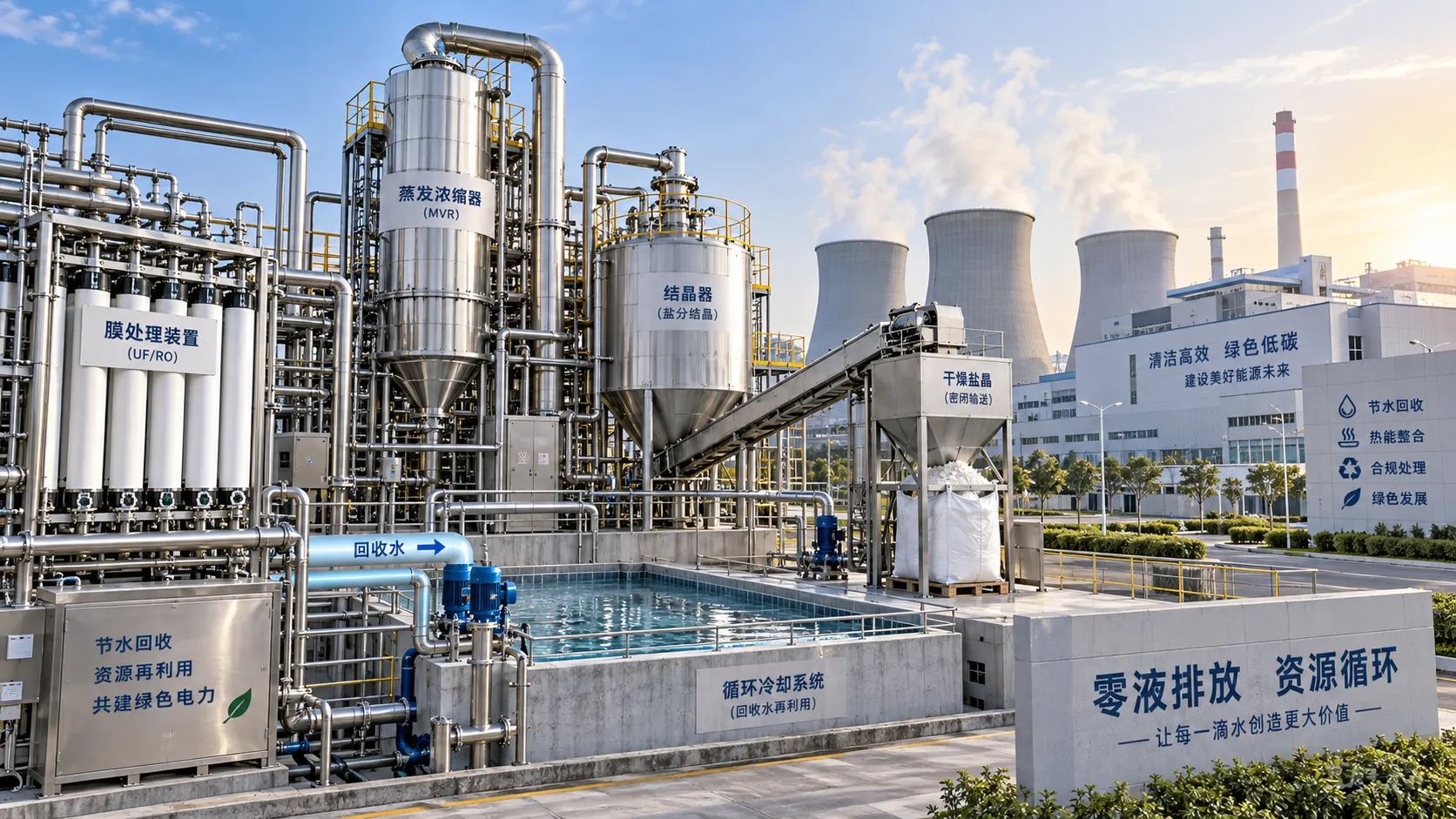
When do ZLD systems for power generation justify their energy use?
ZLD systems for power generation: learn when energy-intensive water recovery delivers stronger compliance, resilience, and long-term value.
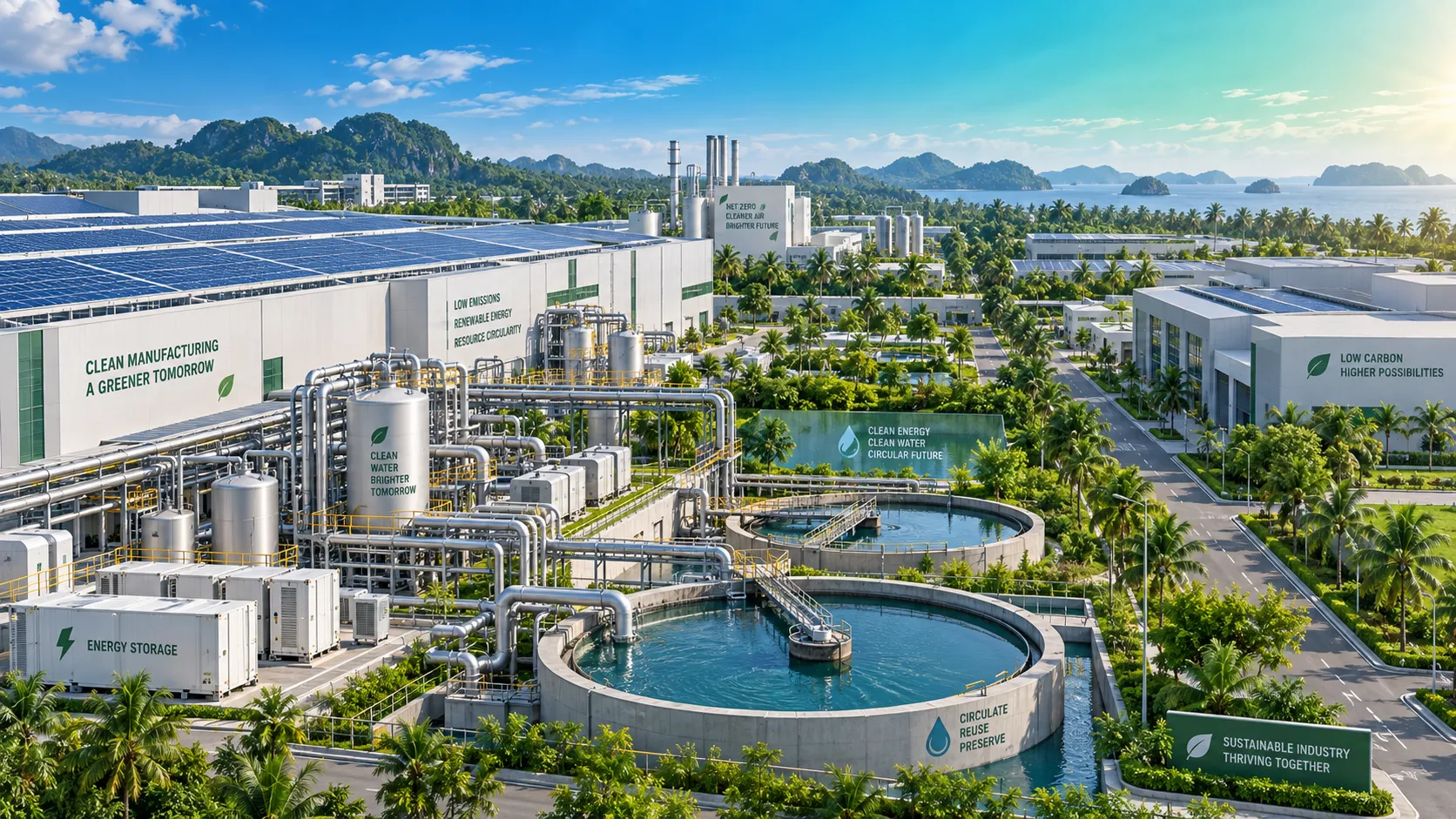
Which decarbonization pathways are most viable in Southeast Asia?
Decarbonization Southeast Asia: discover practical pathways for clean power, efficiency, electrification, circular recovery, and resilient industrial growth.
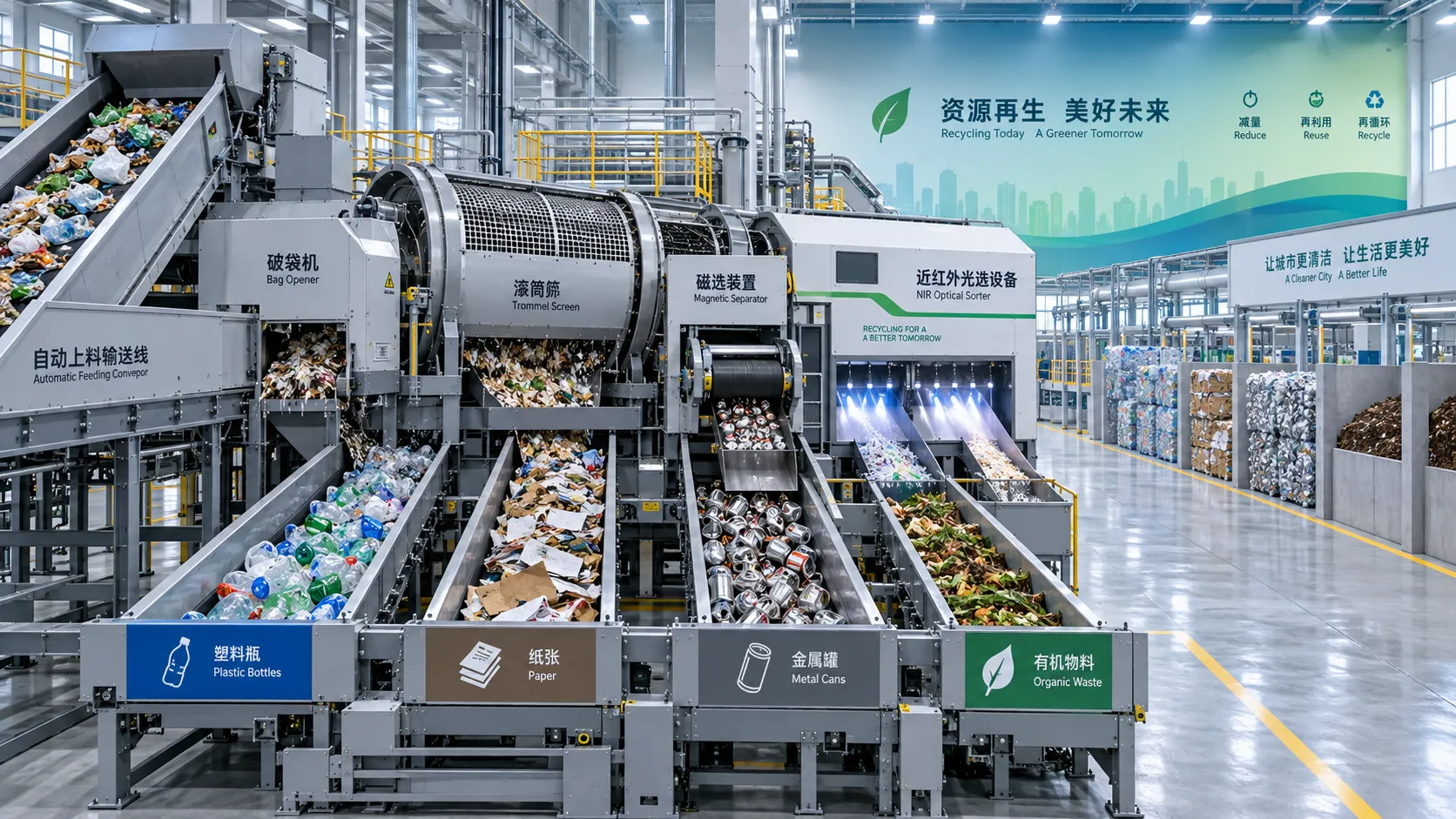
How to choose waste sorting equipment for mixed municipal waste
Waste sorting equipment selection guide for mixed municipal waste: compare technologies, improve recovery, reduce downtime, and build reliable output streams.
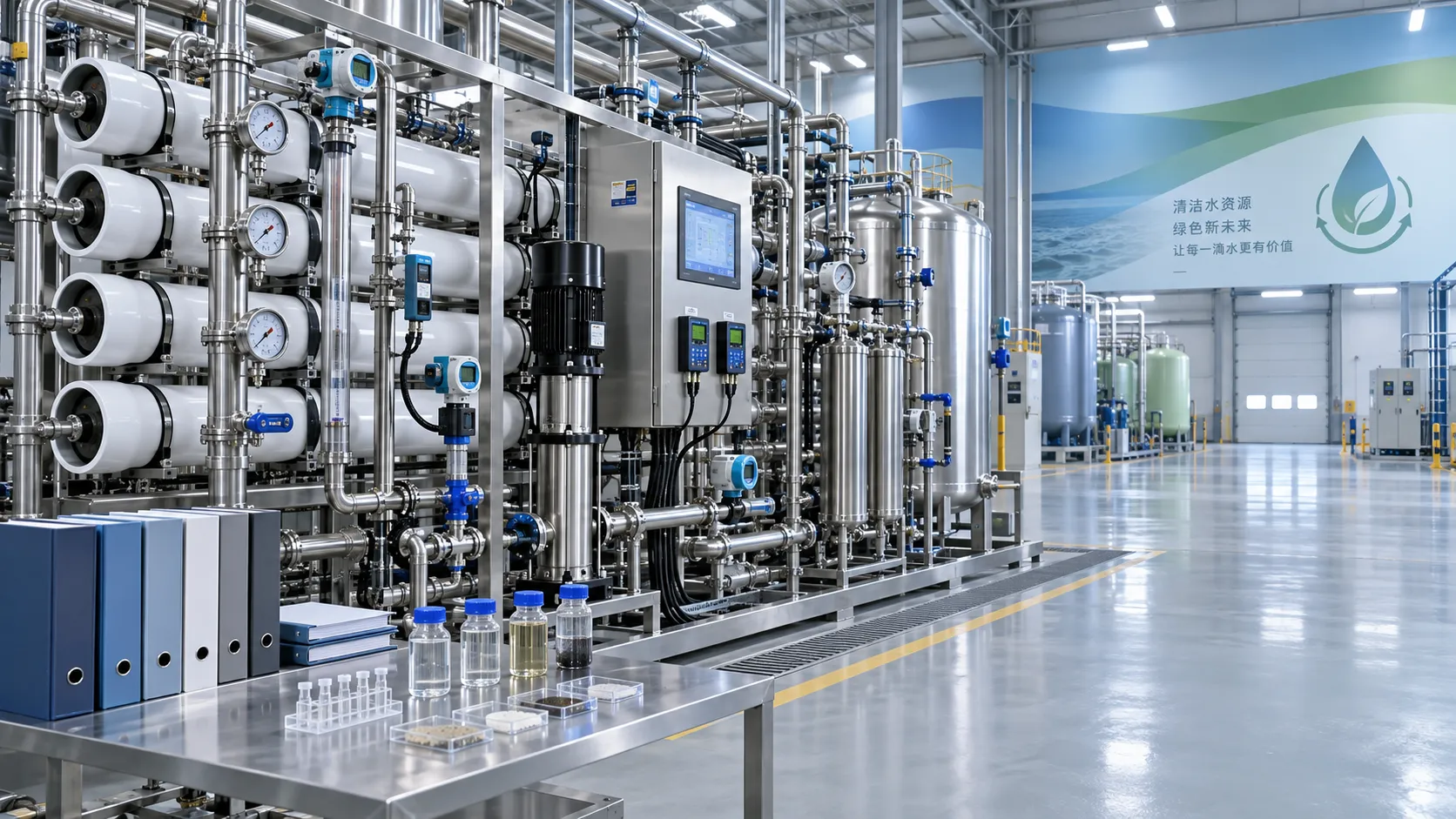
How to verify standards in an environmental equipment directory
environmental equipment directory standards reference: learn to verify certifications, performance evidence, scope, and project fit for confident, compliant equipment selection.
When high flux membrane water treatment justifies a larger footprint
High flux membrane water treatment can justify a larger footprint when variable feedwater, fouling risk, and uptime demands require resilient, lower-flux operation.