
Industry News
Curation by industry experts
Hot Articles
Popular Tags
What Drives the Cost of Wastewater System Upgrades in Industrial Parks?
What Drives the Cost of Wastewater System Upgrades in Industrial Parks?
For financial decision-makers, the costs of wastewater system upgrades in industrial parks rarely come down to the quoted price of a clarifier, membrane skid, or control panel. Equipment is visible and easy to compare. The more consequential costs are usually buried in influent uncertainty, civil constraints, sludge handling, utility demand, permitting exposure, and the operational choices that will be carried for years after commissioning.
That distinction matters. A lower-capex scheme may appear attractive during approval, yet become expensive if it requires frequent chemical correction, cannot tolerate tenant discharge swings, or leaves the park with insufficient compliance margin. Conversely, an upgrade with a larger initial budget may protect production continuity, defer another expansion, or create a viable route for water reuse. The right question is not simply “What will the plant cost?” It is “What risk, operating burden, and future constraint are we buying—or avoiding?”
Industrial parks are especially difficult because they are not single-facility wastewater systems. Their combined effluent may include food processing washwater in one zone, metal-bearing rinse water in another, textiles, electronics, chemical manufacturing, logistics operations, laboratories, or changing tenant profiles over time. A design that works on an average-day spreadsheet can fail badly when a high-strength batch arrives at the wrong hour.
The influent profile sets the project boundary
The first major cost driver is the wastewater itself: flow, pollutant concentration, variability, temperature, salinity, pH, solids, toxicity, biodegradability, and the presence of compounds that interfere with biological treatment or membrane performance. Financial reviews often focus on design flow, but flow alone says very little about treatment difficulty.
For example, a park may have adequate hydraulic capacity but still require substantial investment because peak loads of ammonia, oil, surfactants, heavy metals, fluoride, high COD, or dissolved salts exceed what its existing biology and downstream equipment can safely absorb. Another park may need no major process expansion but require equalization capacity, automated diversion, and better monitoring because the real issue is intermittent shock loading. Those are fundamentally different capital plans.
Before approving a technology path, it is worth asking whether sampling represents actual operating conditions. Composite samples, peak-event sampling, tenant discharge records, sewer inspections, and a review of planned tenant changes can be more valuable than a large number of routine grab samples. If the design basis is weak, every subsequent estimate has a false sense of precision.
A practical warning: “future-proofing” should not mean blindly designing for every theoretical industrial discharge. It should mean identifying credible load scenarios, defining acceptance limits for tenants, and deciding which risks the central plant will manage versus which must be controlled at source. Pretreatment obligations can materially change the park-wide upgrade cost, but they may be the most defensible way to prevent one tenant from imposing a permanent cost on everyone else.
The treatment train—not an individual machine—determines capital demand
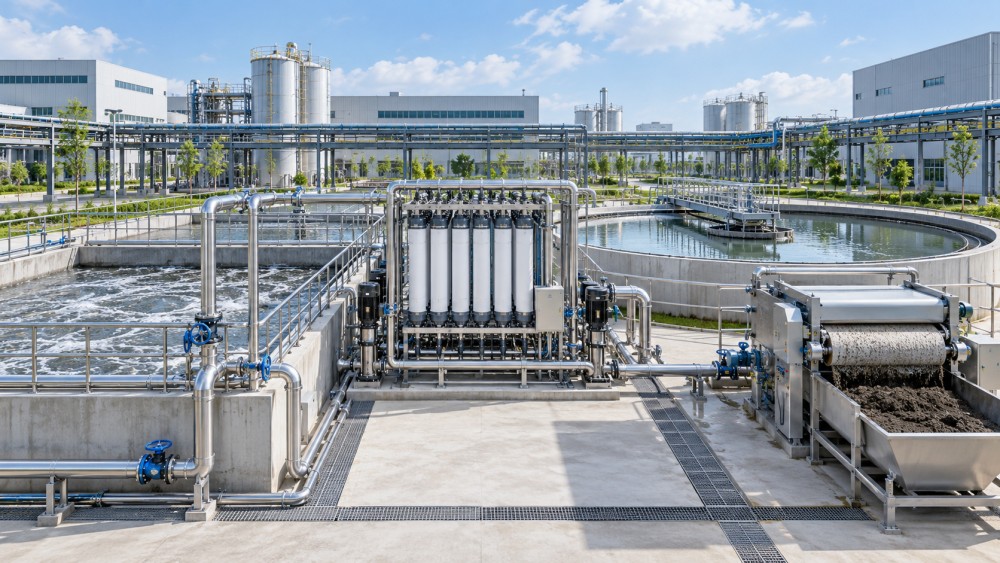
A wastewater upgrade is usually a chain of interdependent units: collection and conveyance, screening, equalization, pH adjustment, coagulation or precipitation where needed, biological treatment, clarification or membrane separation, tertiary polishing, disinfection, sludge dewatering, odor control, and instrumentation. The costs of wastewater system upgrades in industrial parks rise sharply when a new requirement affects several links in that chain.
Tighter limits on nutrients, trace contaminants, color, dissolved solids, or reuse-water quality may require more than a polishing add-on. They can force upstream changes to stabilize feed quality, protect membranes, remove scale-forming species, or reduce foulants. A reverse osmosis system, for instance, should not be evaluated as a standalone purchase. Its economics depend on pretreatment reliability, recovery targets, cleaning frequency, concentrate management, redundancy, power use, and whether the feedwater chemistry will shift as the tenant mix changes.
The same is true for biological upgrades. Increasing treatment capacity may involve aeration basin modifications, blower replacement, oxygen-transfer verification, nutrient dosing, secondary clarification capacity, sludge return systems, and control logic. Installing a larger blower without resolving diffuser condition, mixed liquor behavior, or hydraulic bottlenecks is a familiar example of spending money without fully buying capacity.
Financial approval should therefore request a process narrative, not only an equipment schedule. The narrative should explain what each unit protects, which unit becomes the bottleneck under peak conditions, and what happens if one critical item is offline. That is more revealing than a vendor comparison based solely on purchase price.
Civil works and brownfield constraints can outweigh the “treatment” budget
In an existing industrial park, construction constraints are often where estimates move. New tanks may require difficult excavation, groundwater control, pile design, utility relocation, traffic management, or structural reinforcement. Existing pipes may not have the elevation, diameter, or condition needed for a new process layout. Space may be limited by active roads, loading areas, power corridors, fire access, or buildings that cannot be shut down.
These factors are not peripheral. A compact membrane solution can reduce footprint but may increase electrical, controls, cleaning, and replacement obligations. A conventional expansion may have lower process complexity but demand more land and concrete. Neither option is universally cheaper. The decision turns on the park’s real constraints: available footprint, interruption tolerance, construction access, labor market, discharge deadline, and the cost of losing operational flexibility.
Phasing also matters. If the existing plant must remain in service throughout construction, temporary bypass treatment, temporary storage, tie-in planning, commissioning support, and contingency measures should appear clearly in the project budget. Omitting them does not eliminate the cost; it merely transfers it to a later change order or an operational crisis.
Sludge, brine, and residuals are where low-cost proposals often become incomplete
Wastewater treatment does not destroy every contaminant. It frequently transfers pollutants into sludge, spent media, concentrate, filter cake, or regeneration streams. An upgrade that improves liquid effluent quality can increase the volume or complexity of residuals requiring storage, testing, transport, and disposal or recovery.
For parks receiving metal-bearing or chemically variable wastewater, sludge classification and disposal routing deserve early attention. Similarly, high-recovery membrane systems produce concentrate that needs a compliant destination. Where discharge limits are especially strict or water scarcity drives reuse targets, zero liquid discharge may be discussed. ZLD can be appropriate in certain settings, but it is not simply a premium version of conventional wastewater treatment. It introduces significant energy, thermal or crystallization considerations, solids logistics, and operational sophistication. It should be justified by the actual water balance, discharge restrictions, brine options, and long-term operating capability—not by a desire to attach a fashionable label to the project.
This is an area where a lifecycle view is indispensable. A bid that excludes residual management, or treats it as someone else’s responsibility, is not a complete bid.
Energy, chemicals, and labor turn capex into a long-term commitment
Operating expenditure should be tested with the same discipline as capital expenditure. Aeration, pumping, high-pressure membrane systems, evaporation, mixing, dewatering, cooling, and odor control can all change the energy profile of a plant. Chemical demand may include pH reagents, coagulants, polymers, carbon sources, antiscalants, disinfectants, and cleaning chemicals. The actual requirement depends on wastewater chemistry and operating control, so generic consumption assumptions should be treated cautiously.
Labor is equally easy to underestimate. A process with narrow operating windows, frequent manual sampling, complex chemical handling, or difficult membrane cleaning will need competent operators and reliable maintenance practices. Automation can reduce routine workload and improve traceability, but it does not eliminate the need for process knowledge. A sensor network is only useful if instruments are maintained, alarms are actionable, and someone has authority to respond when an upstream tenant causes an excursion.
For investment approval, compare alternatives using a transparent total-cost model. It should include expected power, chemicals, consumables, residuals management, maintenance items, membrane or media replacement where relevant, staffing, laboratory work, and plausible downtime exposure. The model does not need to predict every variable perfectly. It does need to make assumptions visible so that management can challenge them.
Compliance risk has a financial value, even when it is not shown on a vendor quote
Discharge permits, receiving-water sensitivity, sewer acceptance conditions, water-reuse standards, reporting obligations, and local enforcement practice all shape upgrade scope. Requirements differ by jurisdiction and can evolve, so project teams should verify current obligations against applicable permits and local rules rather than rely on old design documents or informal assumptions.
The financial consequence is broader than potential penalties. A compliance failure can disrupt tenant operations, delay expansion approvals, damage relationships with local authorities, force emergency hauling, or trigger rushed temporary works at poor commercial terms. In parks serving export-oriented manufacturers, environmental performance can also become a commercial due-diligence issue as customers pay closer attention to supply-chain emissions, water management, and regulatory exposure.
A sensible design includes a defined compliance margin, but the margin should be tied to known variability and credible future loads. Oversizing every component “just in case” can immobilize capital. Underdesigning to hit a budget target often creates a fragile asset with no room for maintenance or growth.
How finance teams can challenge an upgrade proposal constructively
The strongest procurement process does not ask bidders to promise the lowest number. It asks them to expose their assumptions. A useful approval package should separate base scope from allowances and identify what is still uncertain: influent quality, civil conditions, power availability, disposal routes, permit interpretation, tenant expansion, and construction phasing. This makes comparisons far more honest.
- What influent data was used, and does it include peak loads rather than only averages?
- Which process unit limits capacity or compliance during upset conditions?
- What is included for sludge, concentrate, spent media, and off-spec water?
- Can the work be built and commissioned without interrupting critical park operations?
- Which operating-cost assumptions are based on site testing, and which remain estimates?
- What tenant-source controls are required for the proposed central treatment system to work as intended?
It is also worth distinguishing between a guaranteed performance boundary and a commercial aspiration. Vendors may offer process guarantees, but those guarantees are normally conditional on feedwater, utilities, operating procedures, and other defined inputs. Finance teams should read those conditions closely. A guarantee that does not match the actual risk profile of the industrial park may offer little protection.
Making a better investment decision
The most durable wastewater upgrades begin with a clear operating reality: what is entering the plant today, what may enter it tomorrow, what discharge or reuse quality is genuinely required, and what the owner can reliably operate. Only then should technology selection and budget optimization begin.
This is the kind of decision intelligence that matters across large water treatment, resource recovery, desalination, flue-gas control, and other environmental infrastructure systems. Global Eco-Shield Dynamics follows these linked questions because environmental equipment is rarely just equipment; it is part of an industrial park’s wider resilience, resource strategy, and compliance architecture.
For approvers, the practical takeaway is straightforward: do not judge the costs of wastewater system upgrades in industrial parks by installed equipment alone. Judge them by the entire treatment boundary, the residuals left behind, the operating obligations created, and the downside of being wrong. That is where a seemingly economical project either proves its value—or quietly becomes the next capital request.
Recommended News
When is cementation suitable for nuclear decommissioning waste?
Explore nuclear waste treatment technology for decommissioning: learn when cementation fits, which risks to assess, and how disposal criteria guide an effective treatment choice.
What determines payback for waste-to-resource systems in Europe?
Assess waste-to-resource systems Europe-wide: compare feedstock, recovery yields, costs and contracts to uncover payback drivers and make smarter investment decisions.
How to verify a water treatment system factory’s production capacity
Verify a water treatment systems factory’s production capacity through records, bottlenecks, component availability, and testing. Learn what to check before accepting a delivery promise.
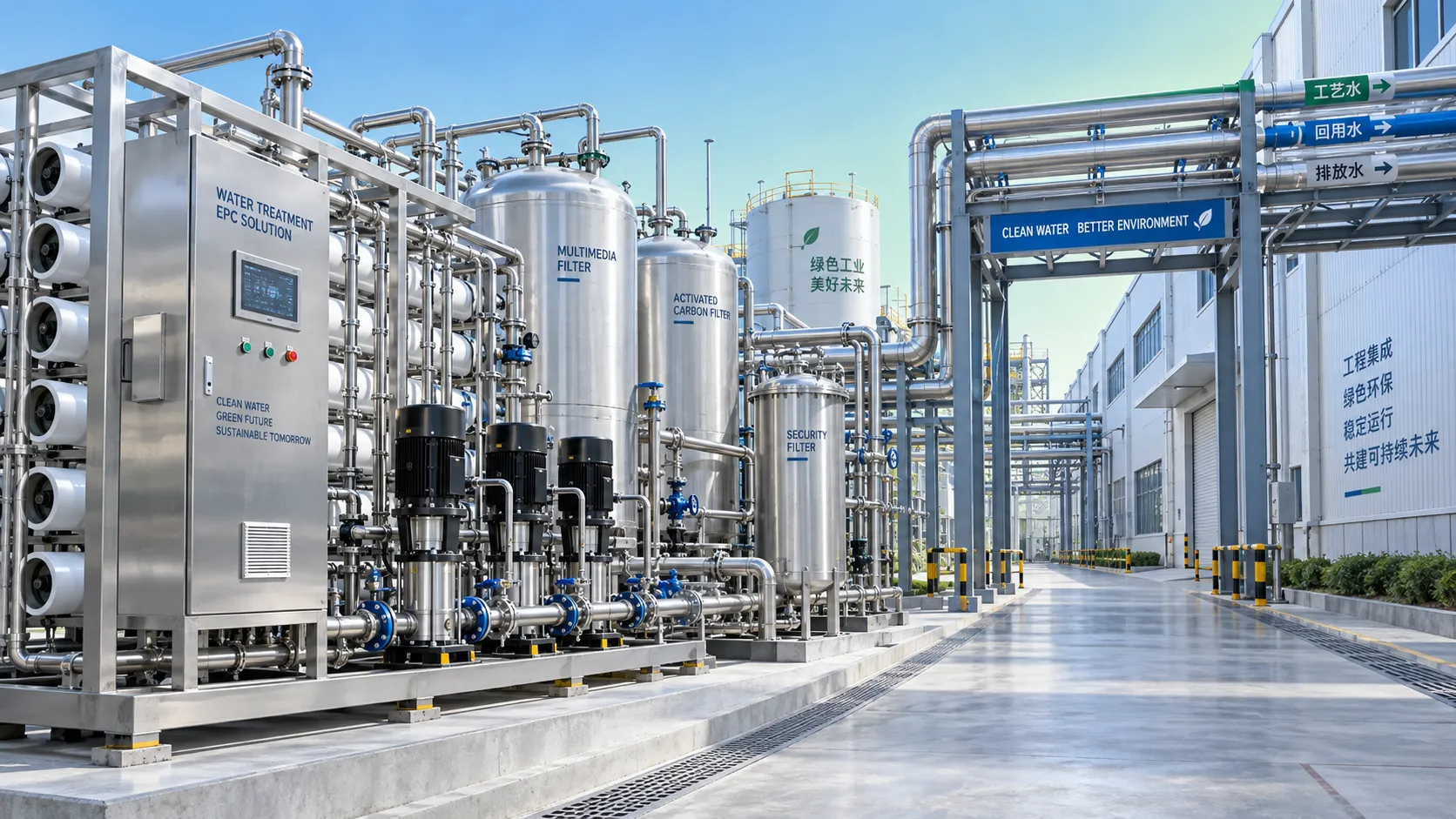
When does EPC environmental project support reduce delivery risk?
EPC environmental project support engineering reduces delivery risk by aligning design, procurement, compliance, construction, and commissioning decisions.
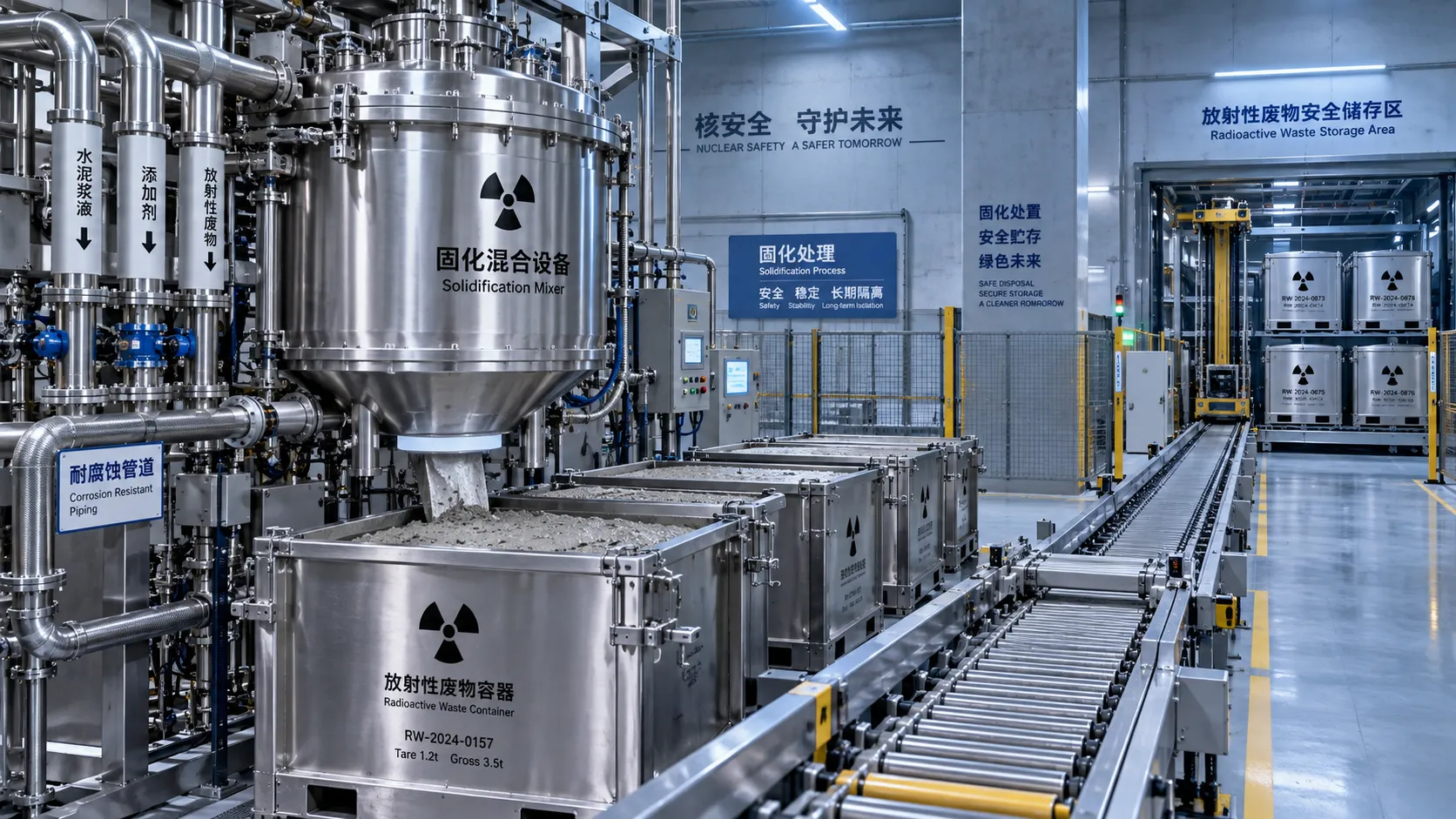
How nuclear plants select a radioactive waste solidification method
Radioactive waste management for nuclear plants: compare vitrification, cementation, polymers, and ceramics to select a compliant, durable solidification solution.
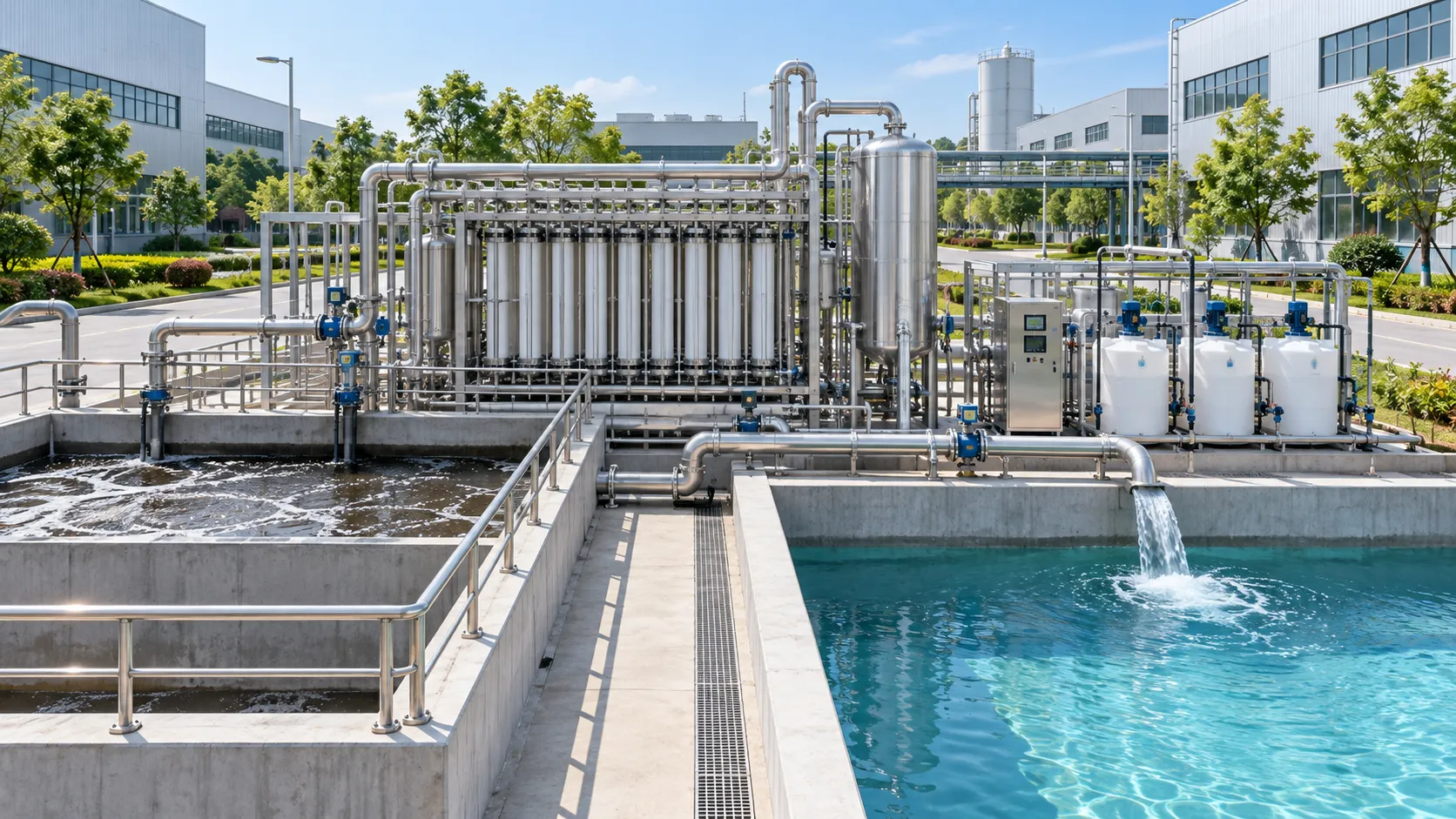
Comparing Upgrade Costs for Industrial Park Wastewater Treatment Systems
Compare costs for wastewater system upgrades in industrial parks with a lifecycle view of CAPEX, OPEX, compliance, resilience, and future expansion.
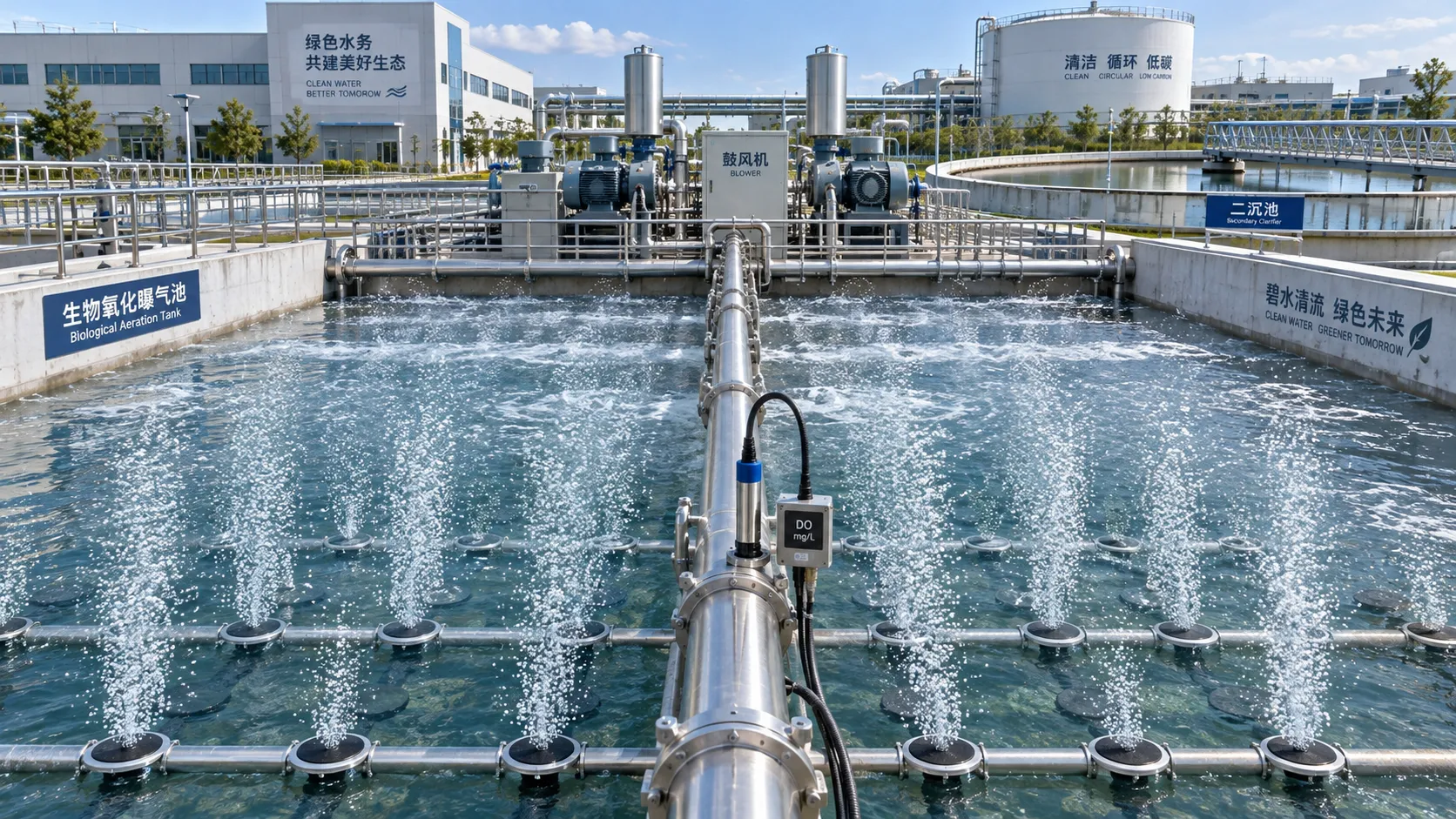
Biological Wastewater Oxidation Explained: Aeration Demand and Process Control
Biological wastewater oxidation explained: optimize aeration demand, DO control, nitrification, and sludge age for stable effluent quality and lower energy costs.
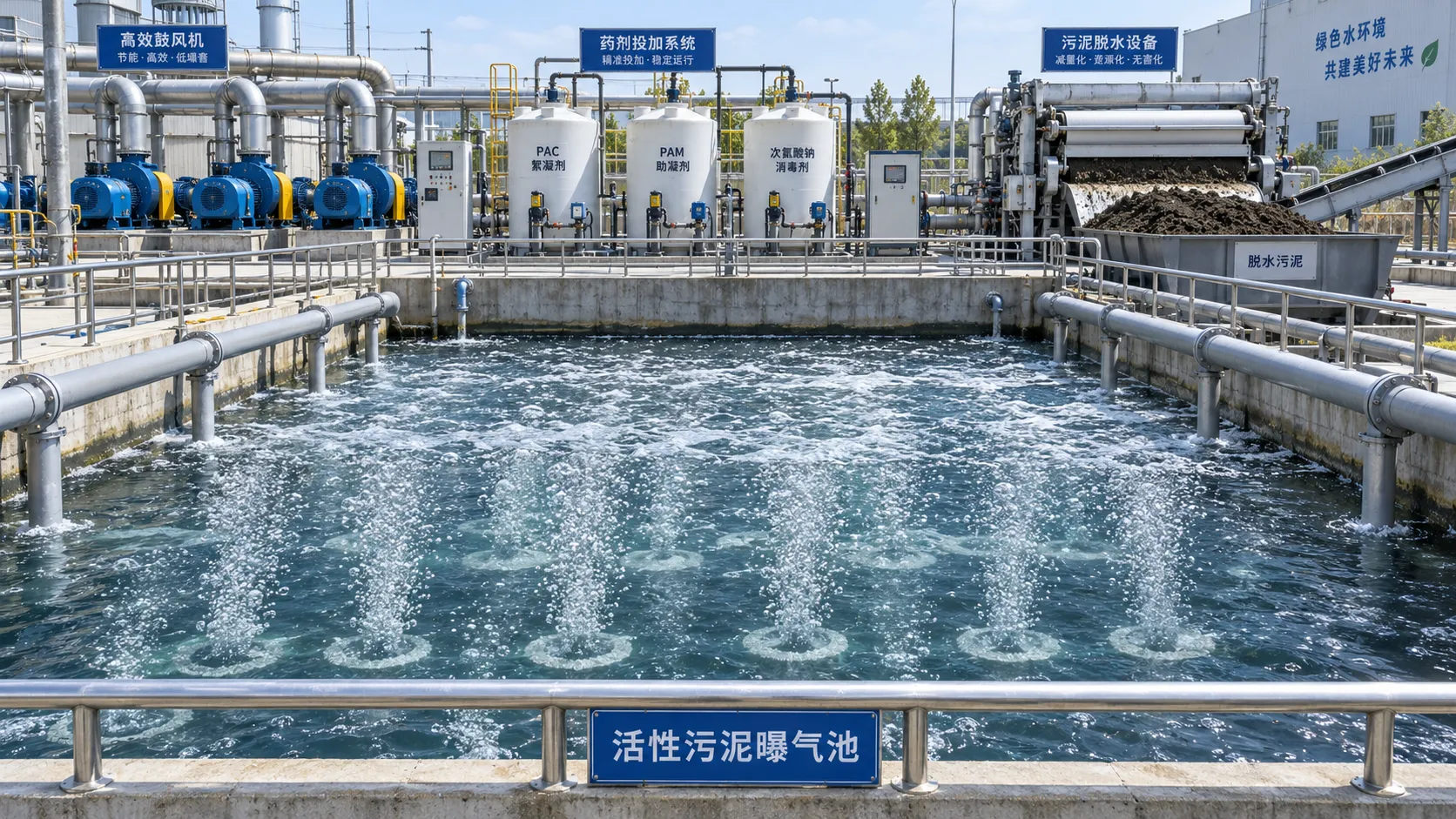
Activated Sludge Cost: Budgeting Energy, Chemicals, Sludge, and Labor
Activated sludge cost explained: compare energy, chemicals, sludge disposal, labor, and compliance risks to build a reliable lifecycle budget.
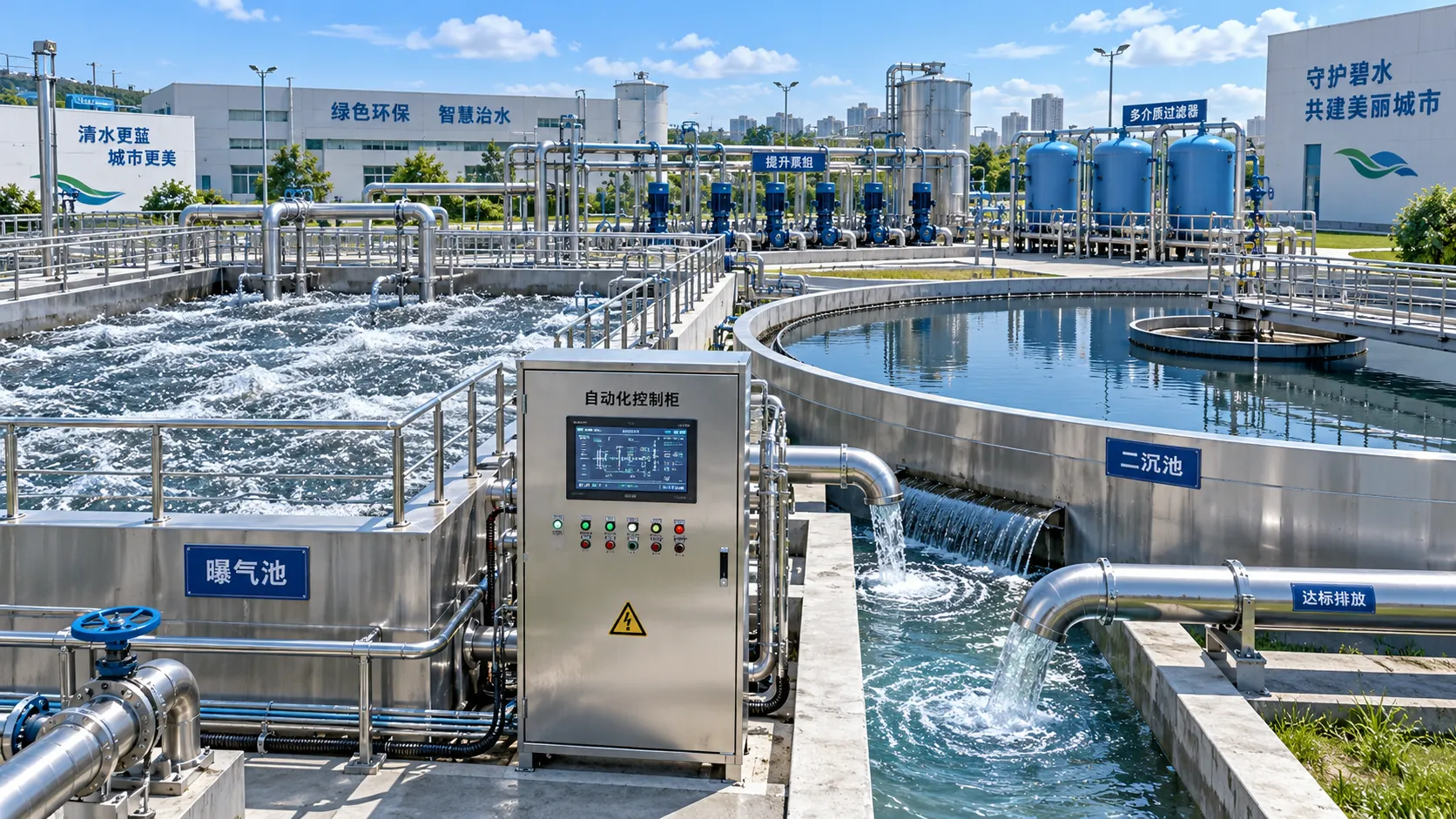
When Should Municipal Wastewater Plants Upgrade Treatment Capacity and Controls?
Municipal wastewater treatment upgrades: learn when capacity, controls, and resilient planning are needed to protect compliance and optimize plant performance.