
Industry News
Curation by industry experts
Hot Articles
Popular Tags
When is cementation suitable for nuclear decommissioning waste?
Cementation is suitable for many low- and intermediate-level nuclear decommissioning wastes when their chemistry, heat output, radionuclide inventory, and physical form are compatible with a cementitious matrix—and the finished package meets the receiving facility’s waste acceptance criteria. Typical candidates include certain aqueous residues, inorganic sludges, and solid items requiring encapsulation. It is not automatically suitable for every waste classified as low- or intermediate-level.
During decommissioning, washing residues, spent treatment media, demolition fines, and contaminated components may enter the same conditioning assessment despite behaving very differently in cement. A mixture that hardens successfully can still generate gas, release contaminants, or exceed package limits. When comparing nuclear waste treatment technology for decommissioning, the practical question is whether cementation produces an acceptable, reproducible package without creating avoidable processing risks or disposal volume.
Begin with the disposal route, not the binder
A credible receiving route is the first suitability gate. Waste acceptance criteria may constrain radionuclide inventory, free liquid, organic content, gas generation, package dimensions, mechanical properties, and chemical compatibility. Transport and interim storage requirements also matter, particularly when packages will remain on site before transfer.
Waste classification alone does not establish acceptance. A stream described as intermediate-level may require shielding or a disposal route different from one intended for short-lived low-level waste. Long-lived radionuclides, fissile material, or significant heat output can impose requirements that a conventional cemented package cannot satisfy.
Where the final destination is not yet available, an interim conditioning strategy should document the assumed future acceptance envelope and the consequences of those assumptions changing. Cementation is difficult to reverse: recovering material from a hardened package can create additional radioactive waste and exposure. Early solidification should therefore not substitute for resolving an uncertain disposal pathway.
Which decommissioning streams are credible candidates?
Cementation can immobilize dispersed waste within a binder or encapsulate larger objects in grout. These are different functions. Immobilization requires control of the waste–binder mixture; encapsulation additionally depends on filling voids, accommodating geometry, and preventing unacceptable interactions with the enclosed material.
Compatibility does not mean cementation is the preferred route. Dry rubble or metal may already satisfy an approved packaging pathway without added binder. Adding cement in that situation can consume disposal capacity while providing little additional benefit. Conversely, a mobile sludge may require immobilization even when cementation substantially increases its final volume.
Chemistry can overturn an apparently straightforward choice
The waste description “water-based” is not enough. Decontamination solutions may contain chelating agents, detergents, oils, dissolved salts, or residual cleaning chemicals. These constituents can alter hydration, affect contaminant retention, or produce a weak and nonuniform matrix. Characterization should represent the stream’s variability rather than only a convenient average sample.
Salts, organics, and variable moisture
High dissolved-salt concentrations can interfere with setting and create durability problems during storage or exposure to water. Sulfate-bearing wastes may present expansion concerns; borate-containing streams can retard hydration. The severity depends on composition and the binder system, so these constituents are screening flags rather than universal rejection criteria.
Organic liquids and oils can prevent reliable wetting and bonding. Chelating agents may keep certain radionuclides mobile even in an alkaline matrix. A hardened appearance cannot demonstrate that chemical immobilization has occurred. Where organics are significant, separation or another conditioning route may be needed before cementation is considered.
Moisture variation is equally important. A sludge sampled after settling may differ substantially from the material delivered during routine transfer. Uncontrolled water content can cause bleeding, segregation, low strength, or an unmanageable consistency. A suitable process needs a defined feed envelope and a reliable means of identifying material outside it.
Reactive metals and gas generation
Aluminium and some other metals can react in alkaline cementitious environments and generate hydrogen. Corrosion of embedded metals, radiolysis of water, and degradation of organic constituents can also contribute to package gas production. The assessment must cover curing, interim storage, transport, and disposal rather than only the mixing stage.
Cementation should not be used to conceal an unresolved reactivity problem. Metal-bearing fines or mixed debris require identification of reactive constituents and an assessment of gas generation against the package design and receiving facility’s limits. Swelling, pressure development, or cracking may make direct encapsulation unsuitable even where external contamination is relatively low.
Radioactivity changes the performance question
Cement provides physical containment and can chemically retain some radionuclides, but retention varies with radionuclide speciation, pore-water chemistry, and environmental conditions. Certain mobile species may be poorly retained by ordinary cement systems. A formulation with acceptable compressive strength may therefore fail a release-performance requirement.
Heat output must remain compatible with hydration, the container, and long-term waste-form stability. High-heat wastes generally require other management routes rather than routine cementation. For relevant streams, radiation effects should also be assessed, including potential gas generation and degradation of organic constituents.
The inventory assessment should include radionuclides that drive disposal restrictions, not merely those easiest to measure. Where fissile material is present, criticality safety remains a separate requirement; cementation does not remove the need for an approved assessment. Dose rate, shielding, and handling requirements likewise remain package-level issues.
What qualification needs to demonstrate
Laboratory work should answer whether a proposed formulation remains acceptable across the expected feed range. Testing only a nominal composition can miss the batches most likely to cause failure: wetter sludge, higher salt content, more organic carryover, or a different solids distribution.
A defensible qualification programme usually addresses the following areas, with test methods and acceptance limits established by the applicable facility requirements:
- Processing behaviour: mixing consistency, pumpability where relevant, working time, segregation, bleeding, setting, and heat evolution.
- Physical performance: mechanical integrity, dimensional stability, cracking, and compatibility with handling and stacking loads.
- Contaminant retention: release testing appropriate to the waste inventory and anticipated storage or disposal environment.
- Chemical and gas behaviour: reactive constituents, corrosion interactions, and gas generation where credible.
- Package performance: container compatibility, mass, void filling, closure, and any approved venting arrangements.
There is no single universal compressive-strength or leach-test threshold that establishes suitability for all nuclear waste packages. Limits should come from the receiving facility, applicable approvals, and the package safety basis. Borrowing a value from an unrelated waste route can create false confidence.
Non-radioactive simulants can support development, but they must reproduce the properties that control processing and performance. Representative radioactive testing may still be needed to confirm assumptions. Scale-up is another qualification step: full-size packages can develop temperature gradients, settling patterns, and mixing limitations absent from small laboratory specimens.
Qualification should finish with operational controls, not just test results. The production specification needs measurable feed limits, approved material substitutions, process monitoring, release criteria, and a disposition route for nonconforming packages. Otherwise, an acceptable trial formulation may become an unreliable production process.
Compare the whole route, including added volume
Cementation can be attractive where a robust conditioning process is needed and suitable infrastructure exists. However, its apparent simplicity can hide costs associated with binder addition, containers, shielding, curing space, secondary waste, and disposal volume. The comparison should use the final accepted package, not the untreated feed volume.
A dilute liquid illustrates the trade-off. Direct cementation may be technically feasible but create a large number of packages. An approved pretreatment route that concentrates contaminants could reduce the volume requiring immobilization, while introducing its own secondary residues and operating burdens. The better option depends on the complete material balance and acceptance pathway.
Alternative technologies are not automatic upgrades. Vitrification entails different feed and processing constraints; thermal treatment requires appropriate authorization and off-gas management; other binders require their own qualification. A route is preferable only when it resolves the limiting condition without creating a larger acceptance or safety problem elsewhere.
Turn the assessment into a selection decision
A useful technical decision separates a promising candidate from an approved production route. Cementation can proceed to qualification when characterization indicates manageable chemistry, acceptable heat output, no unresolved reactivity, and a plausible disposal pathway. It becomes a selected route only after formulation and package performance have been demonstrated against that pathway.
- Establish the feed envelope. Define waste families, composition variability, radionuclide inventory, physical properties, and credible contaminants from decontamination or dismantling.
- Identify binding acceptance limits. Record the storage, transport, and disposal requirements that could reject the package regardless of its apparent solidity.
- Resolve limiting constituents. Determine whether segregation or pretreatment can address incompatible material without creating disproportionate secondary waste.
- Qualify representative packages. Demonstrate processing and performance across the approved envelope, including relevant scale effects.
- Compare lifecycle consequences. Evaluate package numbers, operational exposure, curing capacity, inspection requirements, and the consequences of off-specification production.
The decision should remain on hold if the disposal route is unresolved, characterization cannot bound feed variability, or testing reveals uncontrolled gas generation, persistent free liquid, unacceptable release, or instability. These are reasons to change the feed strategy or treatment route—not merely to add more binder.
For a stream that passes those gates, the final selection record should state exactly what is approved: the waste family, permitted composition range, package configuration, process controls, and acceptance evidence. New dismantling areas or decontamination chemicals can change that basis. Keeping those changes within formal review is what makes cementation a repeatable conditioning route rather than a one-time successful solidification test.
Recommended News
What determines payback for waste-to-resource systems in Europe?
Assess waste-to-resource systems Europe-wide: compare feedstock, recovery yields, costs and contracts to uncover payback drivers and make smarter investment decisions.
How to verify a water treatment system factory’s production capacity
Verify a water treatment systems factory’s production capacity through records, bottlenecks, component availability, and testing. Learn what to check before accepting a delivery promise.
When does EPC environmental project support reduce delivery risk?
EPC environmental project support engineering reduces delivery risk by aligning design, procurement, compliance, construction, and commissioning decisions.
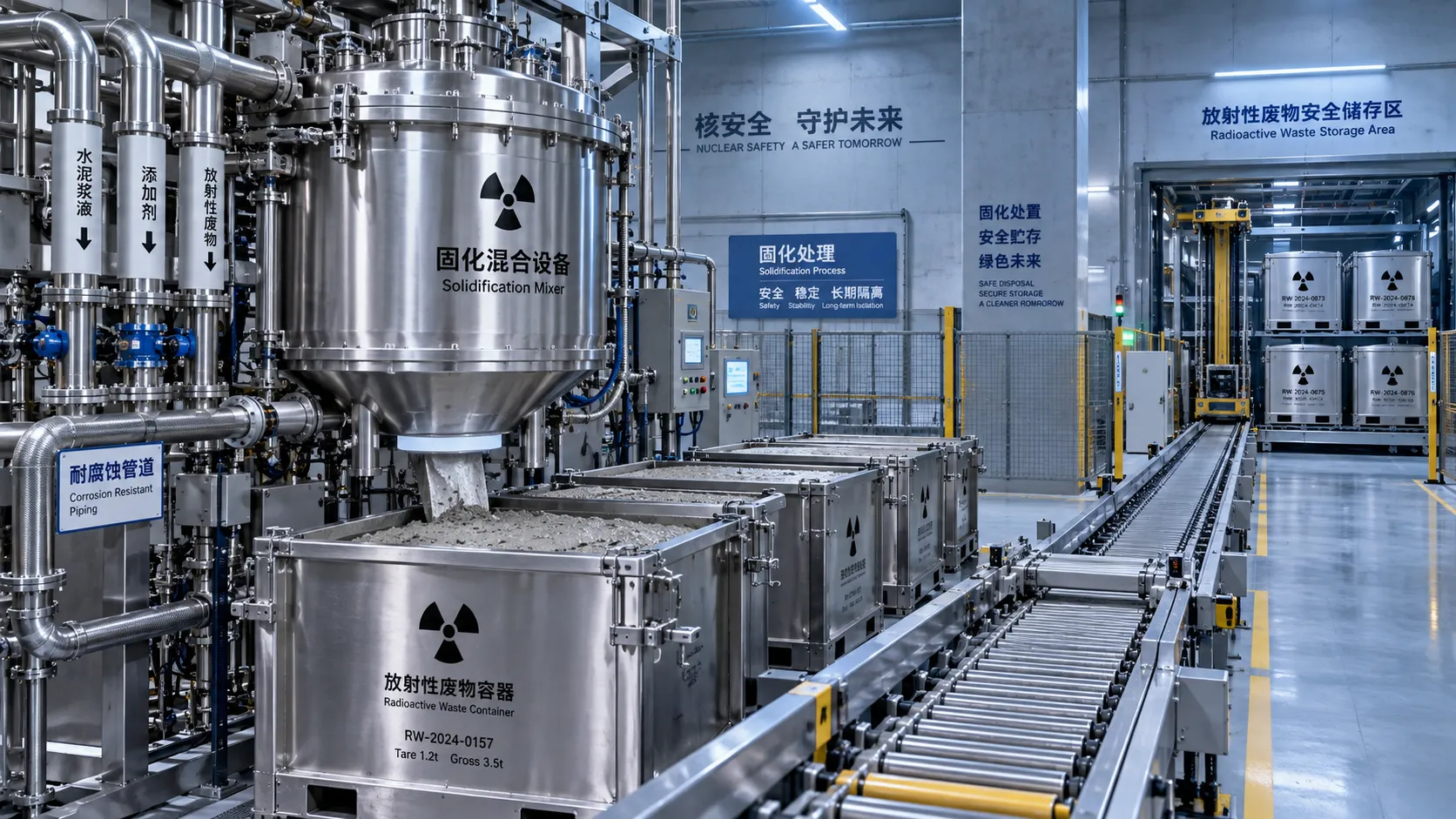
How nuclear plants select a radioactive waste solidification method
Radioactive waste management for nuclear plants: compare vitrification, cementation, polymers, and ceramics to select a compliant, durable solidification solution.
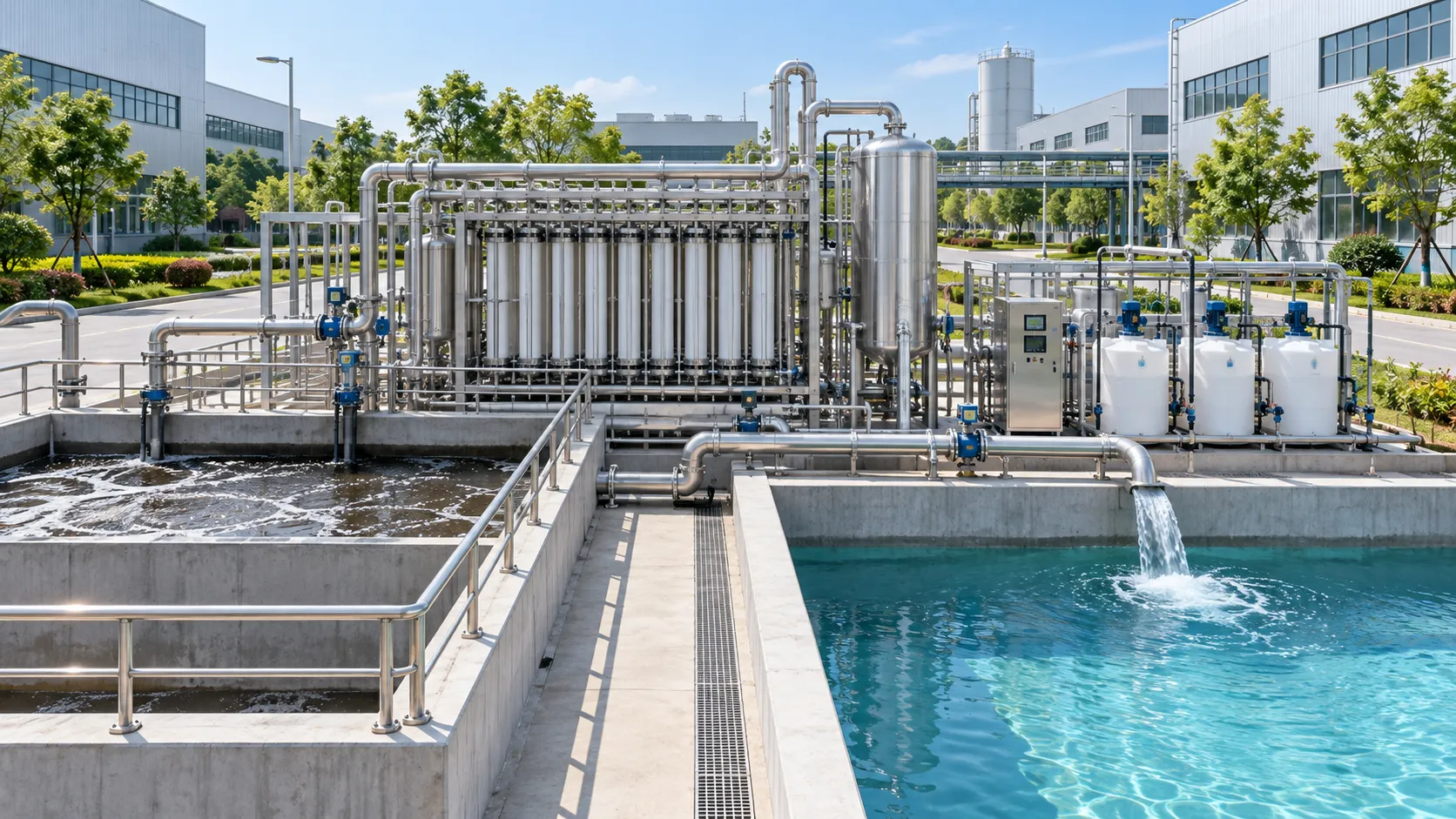
Comparing Upgrade Costs for Industrial Park Wastewater Treatment Systems
Compare costs for wastewater system upgrades in industrial parks with a lifecycle view of CAPEX, OPEX, compliance, resilience, and future expansion.
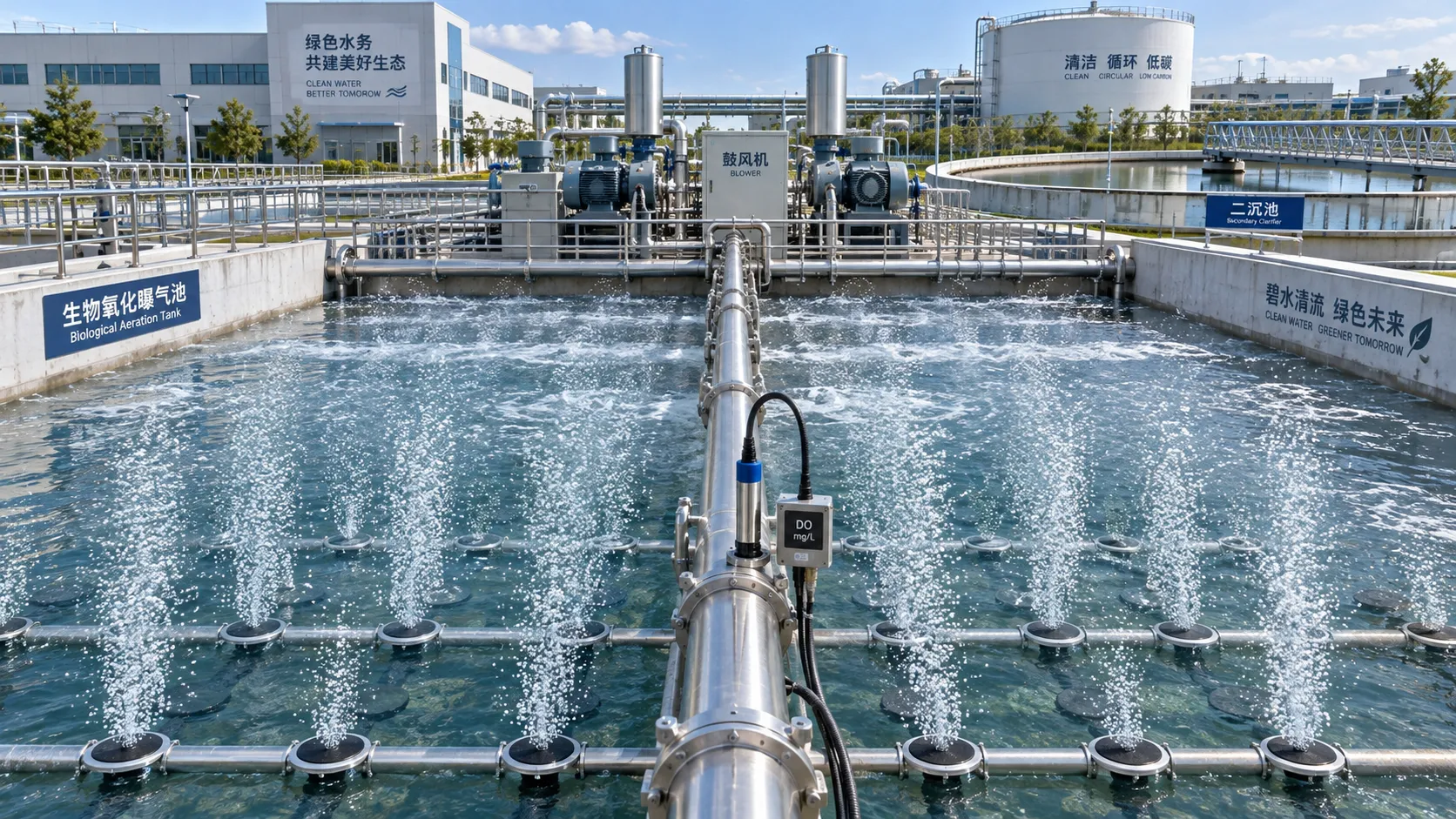
Biological Wastewater Oxidation Explained: Aeration Demand and Process Control
Biological wastewater oxidation explained: optimize aeration demand, DO control, nitrification, and sludge age for stable effluent quality and lower energy costs.
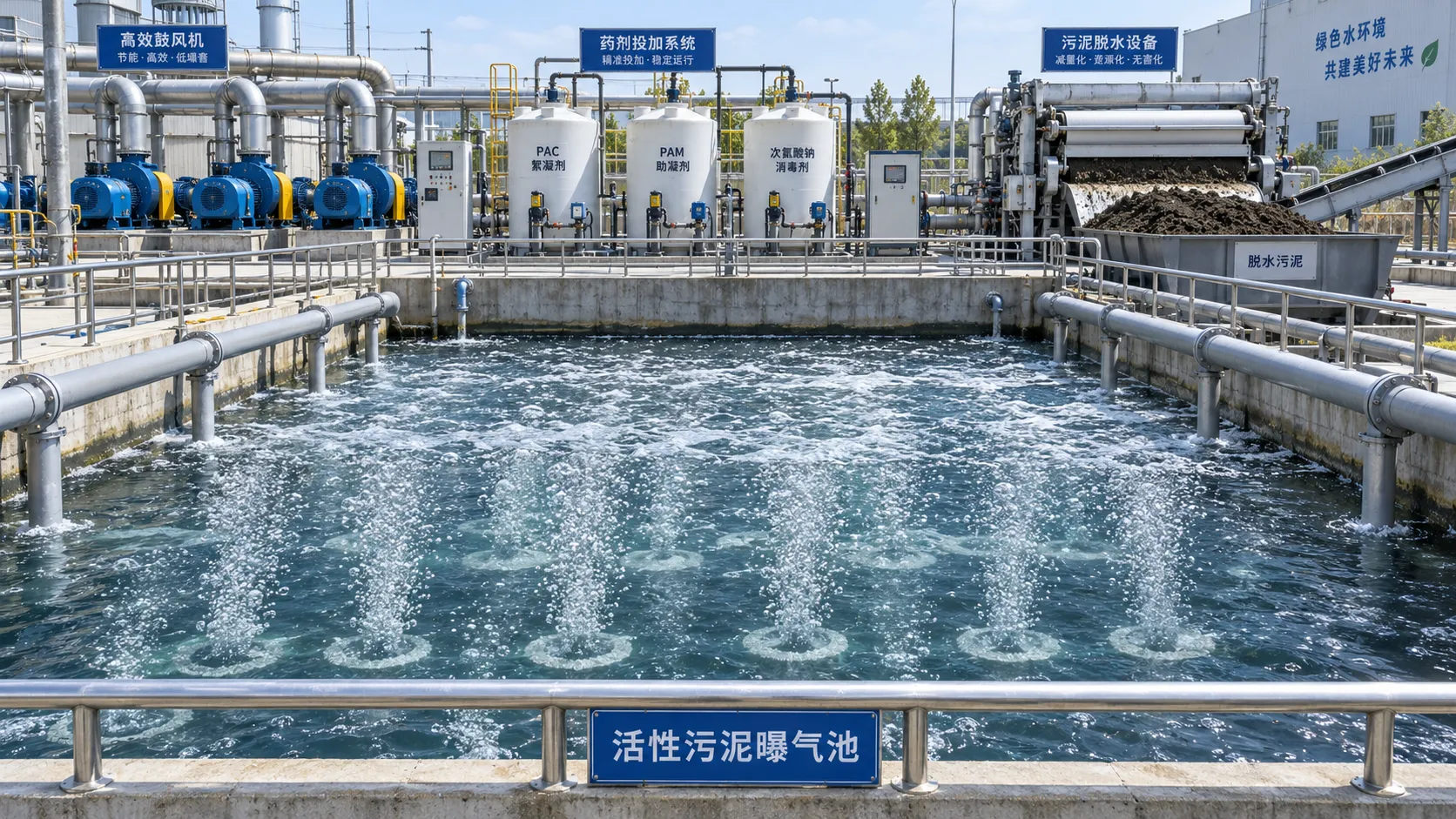
Activated Sludge Cost: Budgeting Energy, Chemicals, Sludge, and Labor
Activated sludge cost explained: compare energy, chemicals, sludge disposal, labor, and compliance risks to build a reliable lifecycle budget.
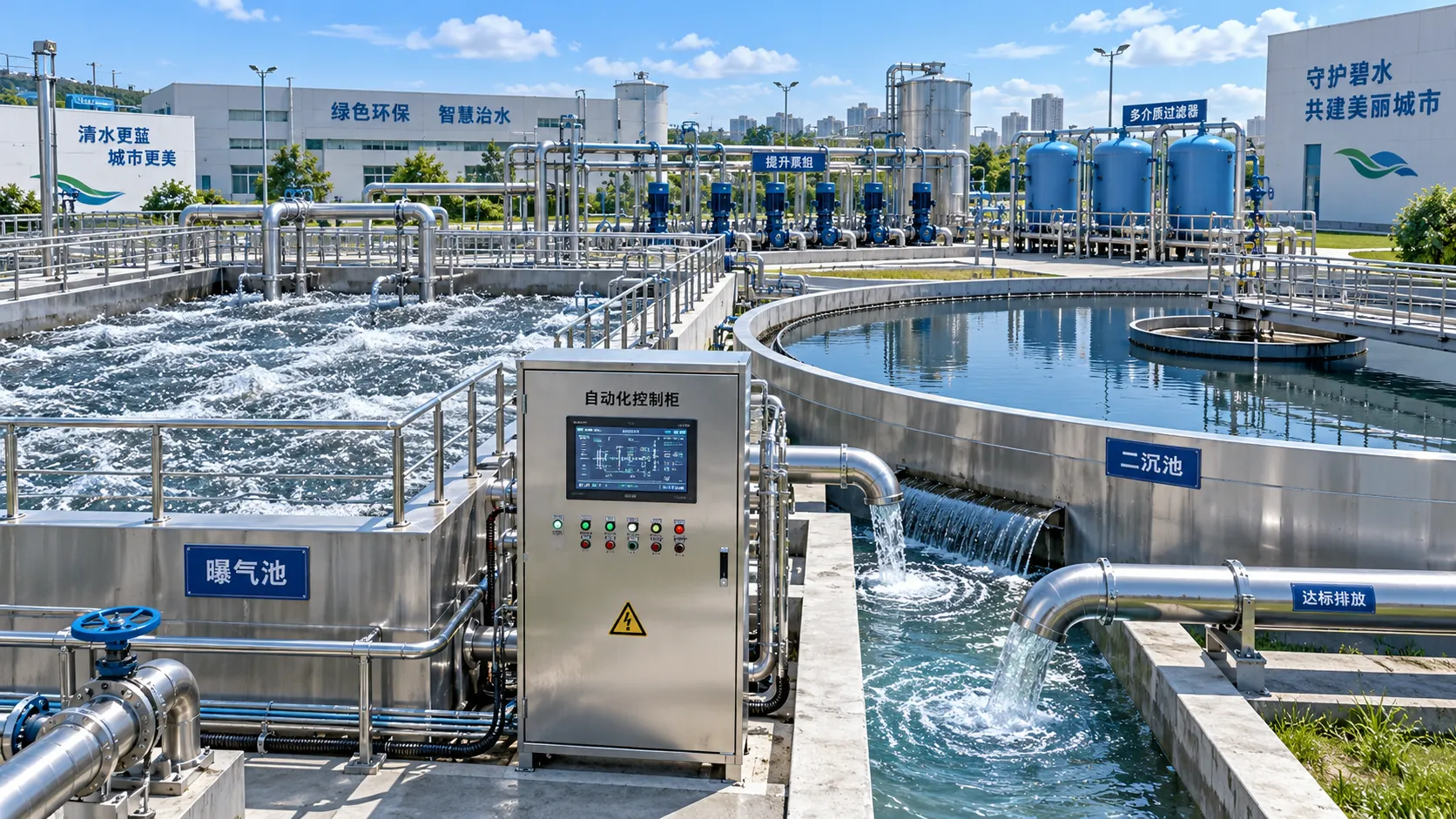
When Should Municipal Wastewater Plants Upgrade Treatment Capacity and Controls?
Municipal wastewater treatment upgrades: learn when capacity, controls, and resilient planning are needed to protect compliance and optimize plant performance.
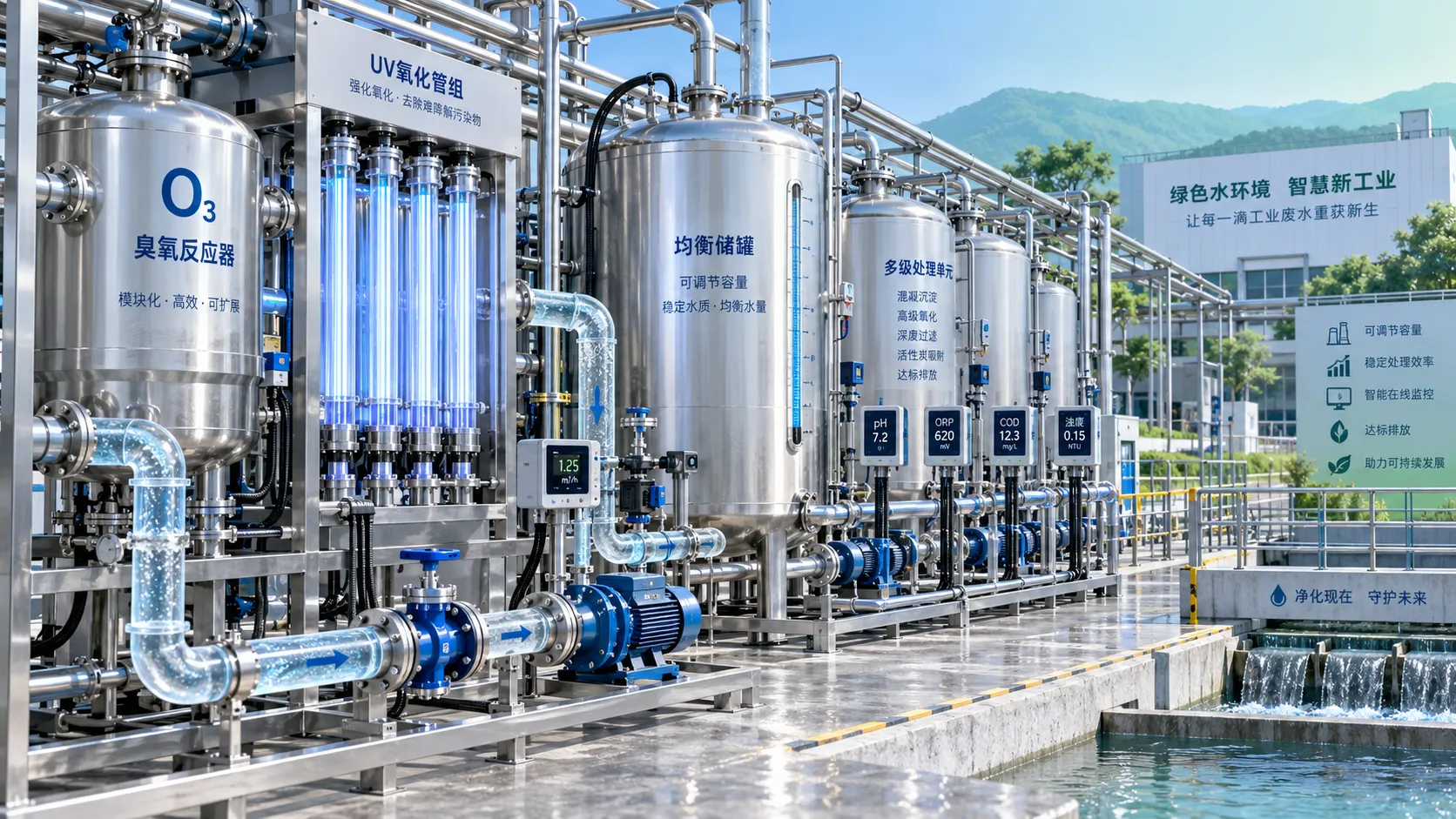
How to size advanced oxidation equipment for variable wastewater loads
Advanced oxidation equipment guide for sizing AOP systems under variable wastewater loads, improving compliance, efficiency, and lifecycle cost control.