
Industry News
Curation by industry experts
Hot Articles
Popular Tags
Building a Decarbonization Roadmap: What to Prioritize First in 2026
In 2026, building a practical decarbonization roadmap is no longer a branding exercise. It is a capital allocation decision shaped by energy prices, tighter disclosure rules, CBAM exposure, and the operating realities of heavy environmental infrastructure.
That matters across water treatment, waste recovery, flue gas control, desalination, and nuclear waste management, where emissions are tied to electricity load, thermal demand, process chemistry, uptime, and compliance risk.
A useful decarbonization roadmap starts with what moves both carbon and business performance. The early priorities should reduce cost volatility, protect project bankability, and improve resilience without weakening technical reliability.
What a decarbonization roadmap really means in 2026
A decarbonization roadmap is not just a long emissions target with annual percentages. It is a sequence of decisions that connects emissions sources, process constraints, investment timing, and regulatory exposure.
In capital-intensive sectors, this sequence matters more than ambition alone. A poor order creates stranded equipment, weak payback, and compliance gaps. A good order turns carbon strategy into an operating model.
For industrial environmental systems, the core question is simple. Which interventions cut emissions fastest without disrupting throughput, water quality, safety margins, or permit performance?
This is why intelligence-led planning has become central. Platforms such as ESD track not only technology trends, but also the regulation, equipment evolution, and project signals that determine whether a roadmap works in practice.
Why the first priorities have changed
The decarbonization conversation has matured. In earlier years, many plans focused on broad commitments, renewable procurement headlines, and selective pilot projects. That is no longer enough for 2026.
Three shifts are driving the new agenda. First, compliance is becoming more operational. Carbon data now affects procurement, financing, exports, and project qualification, especially where CBAM or equivalent mechanisms apply.
Second, electricity and fuel economics have become less predictable. Energy-intensive assets such as SWRO systems, thermal treatment lines, and advanced air pollution control cannot rely on static cost assumptions.
Third, many high-emission processes now have clearer technical pathways. Better membranes, smarter sorting, heat recovery, electrified auxiliaries, digital controls, and process optimization offer measurable improvements before major asset replacement.
Start with the emissions that are measurable and material
The first step in a strong decarbonization roadmap is not to attack every emission source at once. It is to rank sources by materiality, controllability, and financial consequence.
In environmental infrastructure, the biggest sources often come from purchased power, thermal energy, chemical consumption, transport intensity, and process inefficiency. Those drivers vary by facility type.
This ranking prevents a common mistake. Teams often spend time on visible but low-impact actions while the real carbon and cost burden remains inside core process equipment.
Prioritize efficiency before full asset replacement
In most facilities, the first wave of decarbonization should come from efficiency and control upgrades. This is usually faster, cheaper, and less disruptive than replacing major assets immediately.
That can include variable speed drives, advanced process controls, membrane performance tuning, leak reduction, blower optimization, heat integration, and predictive maintenance tied to energy intensity.
The value is larger than energy savings alone. Better control reduces off-spec events, protects consumable life, lowers maintenance stress, and improves data quality for the next stage of the decarbonization roadmap.
For example, in desalination, membrane fouling and pretreatment drift can quietly raise specific energy consumption. In waste recovery, poor sorting purity can push more material into higher-carbon downstream treatment.
Where efficiency upgrades often deliver early returns
- Electrical systems with continuous baseload demand
- Thermal loops with recoverable waste heat
- Chemical-intensive processes with dosing variability
- Assets suffering from fouling, scaling, or catalyst degradation
- Plants with weak instrumentation or fragmented operational data
Treat data quality as an emissions priority
A decarbonization roadmap fails quickly when emissions data is broad, delayed, or inconsistent with plant operations. In 2026, measurement discipline is part of strategy, not a back-office reporting task.
Facilities need source-level visibility into electricity, fuel, throughput, reject streams, consumables, and maintenance events. Without this, marginal abatement cost estimates are often misleading.
This is especially important where technical variables drive carbon intensity. SWRO membrane condition, SCR catalyst efficiency, pyrolysis yield, sludge moisture, and vitrification stability all affect the real emissions picture.
The better approach is to link carbon accounting with process intelligence. That is where sector-specific analysis becomes useful, because generic reporting frameworks rarely capture the physics of industrial environmental systems.
Focus on projects that improve both compliance and competitiveness
Not every carbon project deserves first priority. The strongest early moves are those that lower emissions while strengthening permit confidence, bid competitiveness, or lifecycle economics.
That is particularly relevant for EPC-led projects and infrastructure tenders. Increasingly, technical proposals are judged through a wider lens that includes carbon intensity, resource circularity, and long-term operating resilience.
In this context, a decarbonization roadmap can improve commercial positioning. Lower energy intensity, higher recovery rates, cleaner compliance data, and stronger reliability assumptions can shape project scoring and financing confidence.
This is one reason industry observers follow intelligence platforms such as ESD. Technology performance, regulatory direction, and procurement signals increasingly move together rather than separately.
A practical screening lens for 2026
- Does the project reduce a major emission source rather than a marginal one?
- Can the savings be verified through plant data and reporting rules?
- Will it improve uptime, recovery rate, or compliance performance?
- Does it avoid locking the site into a weak technology pathway?
- Is the payback resilient under different power and carbon cost assumptions?
Sector-specific priorities deserve different timing
A credible decarbonization roadmap cannot treat all environmental systems the same. The right sequencing depends on process intensity, safety boundaries, and how much operational flexibility a facility actually has.
Large water treatment plants often begin with aeration optimization, pumping efficiency, sludge energy recovery, and chemical reduction. These measures usually offer clear savings without changing permit outcomes.
Solid waste recovery systems often gain more from better material separation, AI-assisted sorting, transport redesign, and residue minimization. The carbon benefit is tied closely to circularity performance.
For flue gas treatment, the first priorities may sit in fan loads, reagent efficiency, and catalyst effectiveness under real operating temperatures. Carbon and air compliance are tightly linked here.
In seawater desalination, energy recovery devices, membrane condition management, and cleaner pretreatment logic often come before larger generation or storage decisions. The operational base must be optimized first.
Nuclear waste management requires the most caution. The decarbonization roadmap has to respect absolute safety and containment priorities, which means reliability-led optimization comes before aggressive redesign.
What to avoid when setting first priorities
Several recurring errors weaken decarbonization efforts. One is copying generic roadmaps from unrelated industries. Another is overcommitting to future technologies before fixing present operational losses.
A third mistake is separating sustainability teams from engineering and commercial planning. Emissions decisions affect procurement, maintenance, finance, and project development at the same time.
There is also a timing problem. Some organizations wait for perfect data before acting, while others move ahead with unrealistic baselines. A workable decarbonization roadmap balances precision with momentum.
How to move from roadmap to execution
The next step is to convert the roadmap into a rolling decision framework. That means ranking actions by abatement value, capital intensity, implementation risk, and operational dependency.
A sensible 2026 plan usually begins with a verified baseline, then a shortlist of no-regret efficiency actions, followed by targeted process upgrades, and only then larger structural investments.
This sequence keeps the decarbonization roadmap grounded in engineering reality. It also creates better evidence for future decisions on electrification, renewable integration, resource recovery expansion, or major process redesign.
For organizations navigating complex environmental assets, the most useful next move is often comparative evaluation: which systems carry the highest combined burden of carbon, cost, and compliance exposure, and which interventions improve all three.
That is where roadmap quality is decided. Not by how broad the ambition sounds, but by how clearly the first priorities align emissions reduction with durable industrial performance.
Recommended News
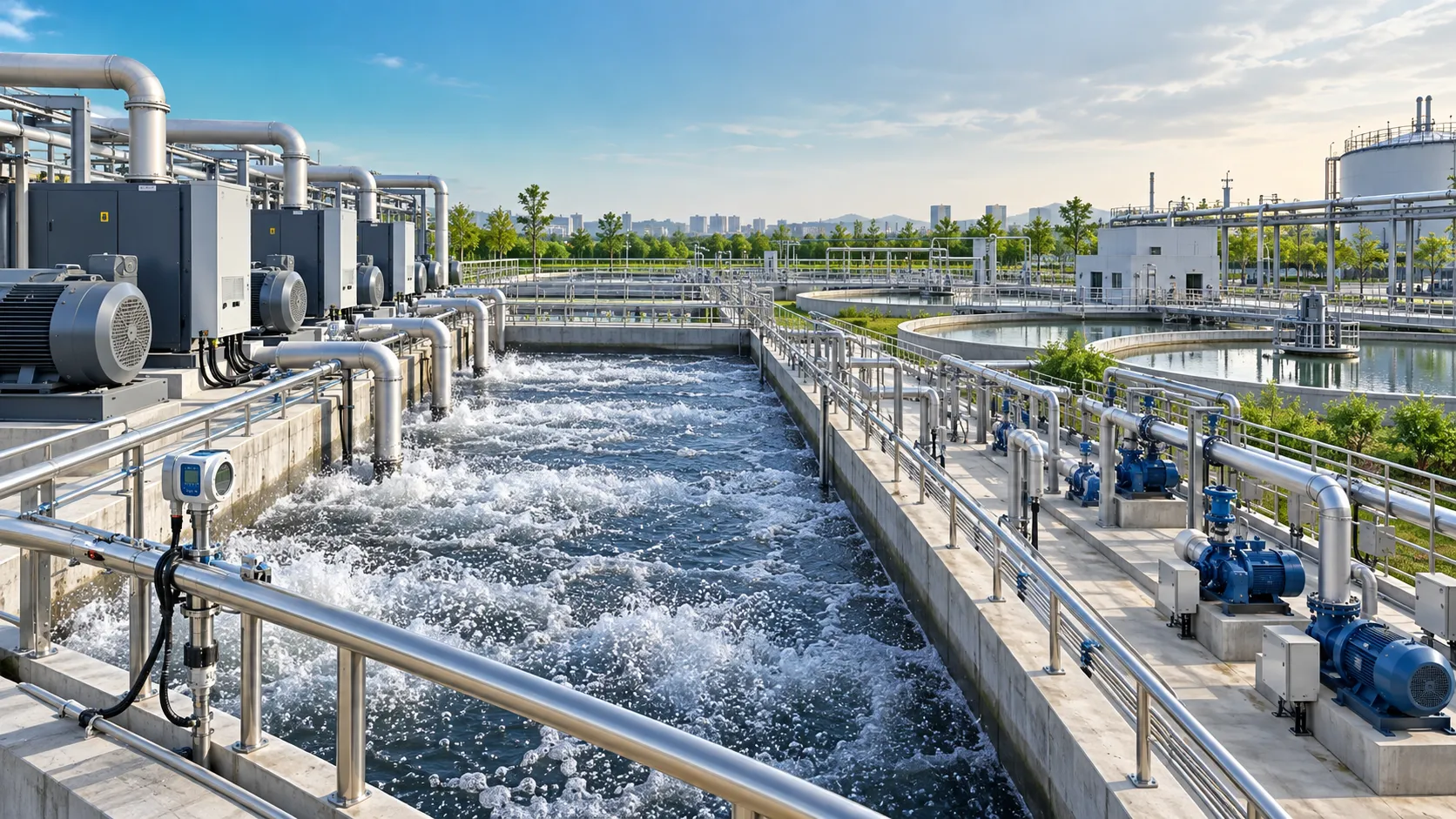
When does environmental equipment intelligence reduce wastewater plant energy use?
Environmental equipment intelligence for wastewater plants cuts energy use through smarter aeration, pumping, and data-driven controls—without compromising compliance. Discover when it delivers measurable savings.
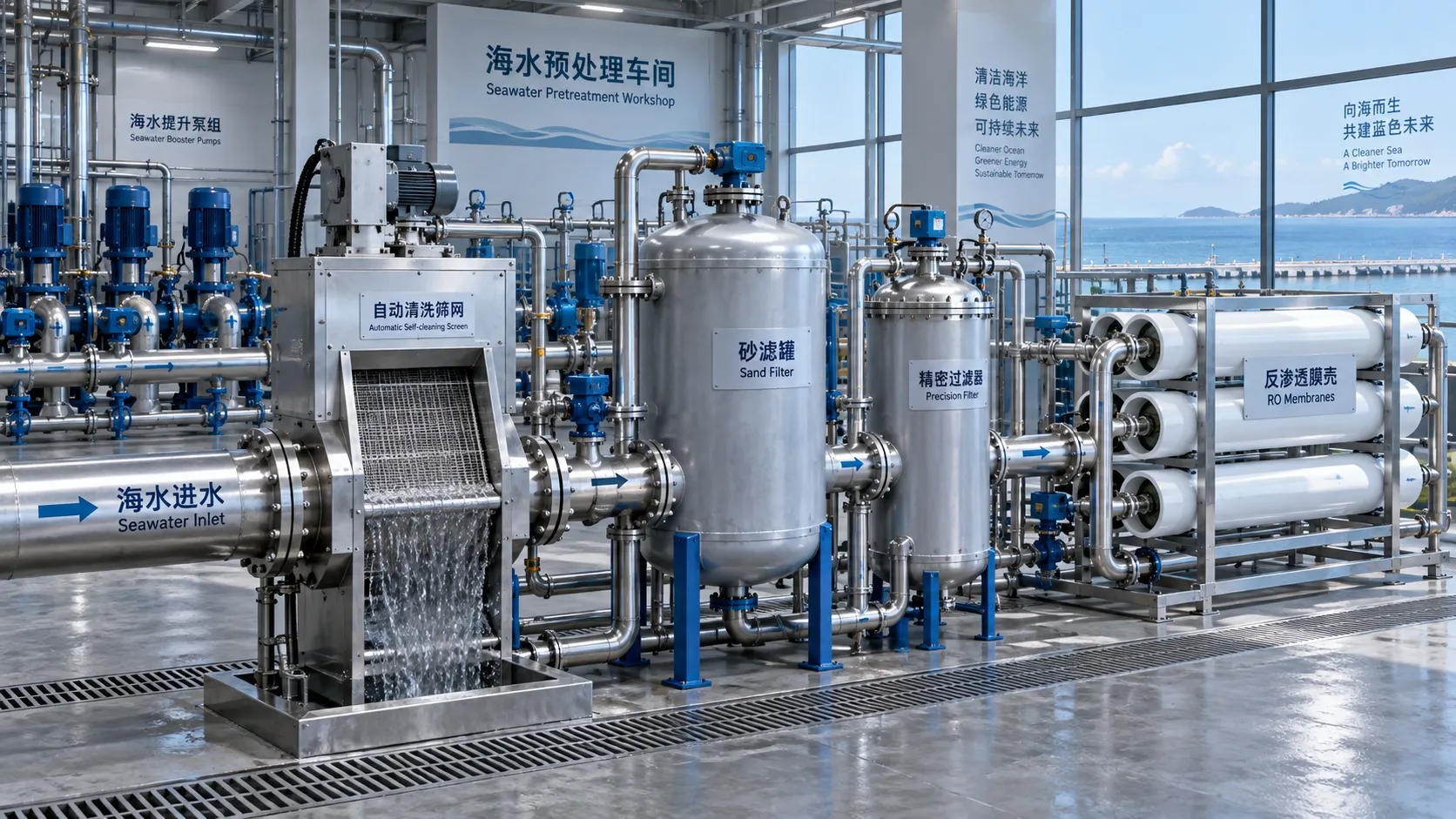
How to Improve Industrial Seawater Quality Before Cooling or Membrane Treatment
How can I improve the quality of seawater used for industrial processes? Explore proven pretreatment strategies for cooling systems and RO membranes.
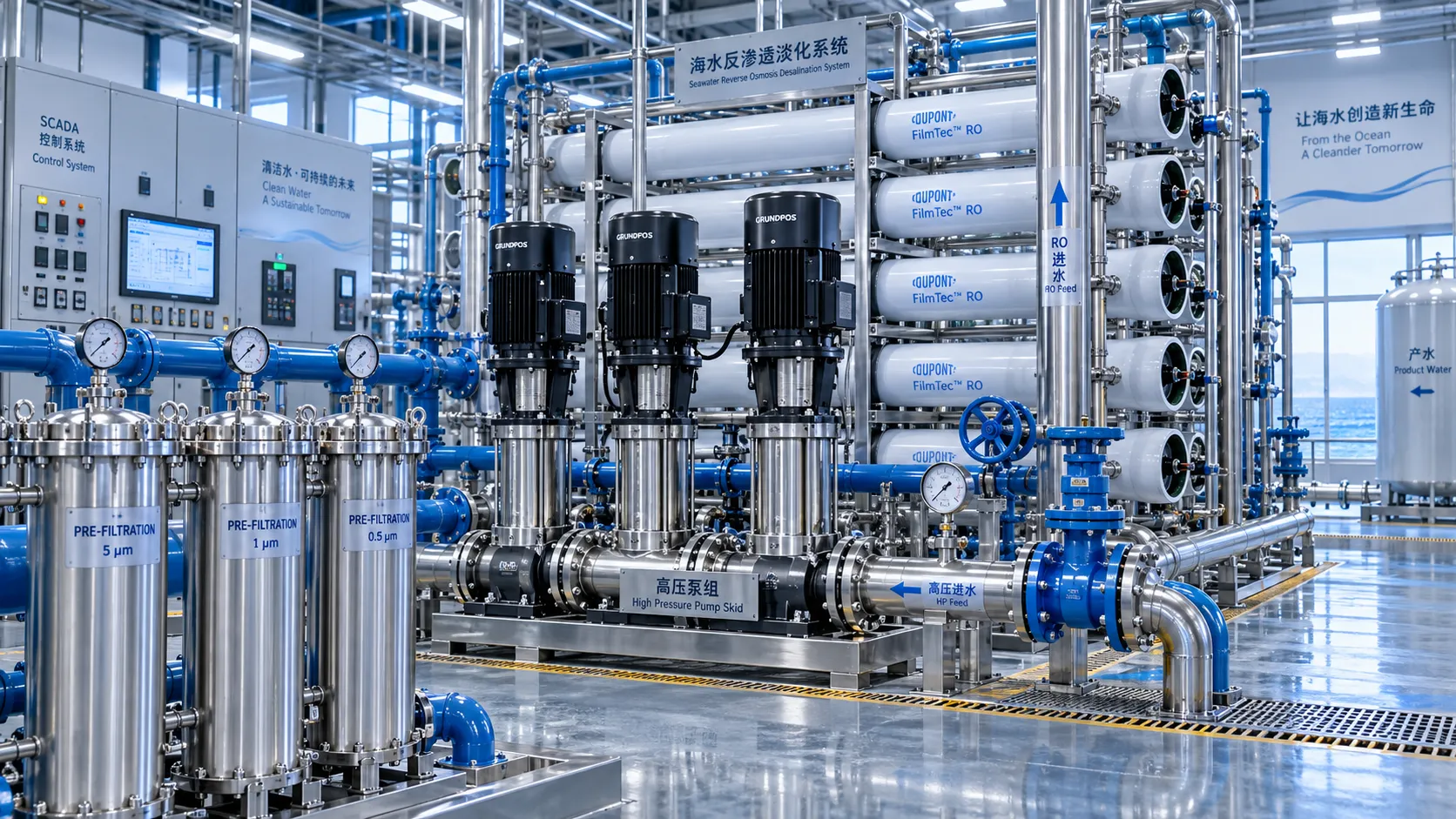
Desalination Plant Maintenance Priorities That Prevent Unplanned Downtime
Desalination plant maintenance priorities that reduce unplanned downtime: protect pretreatment, RO membranes, pumps, chemical dosing, and critical controls.
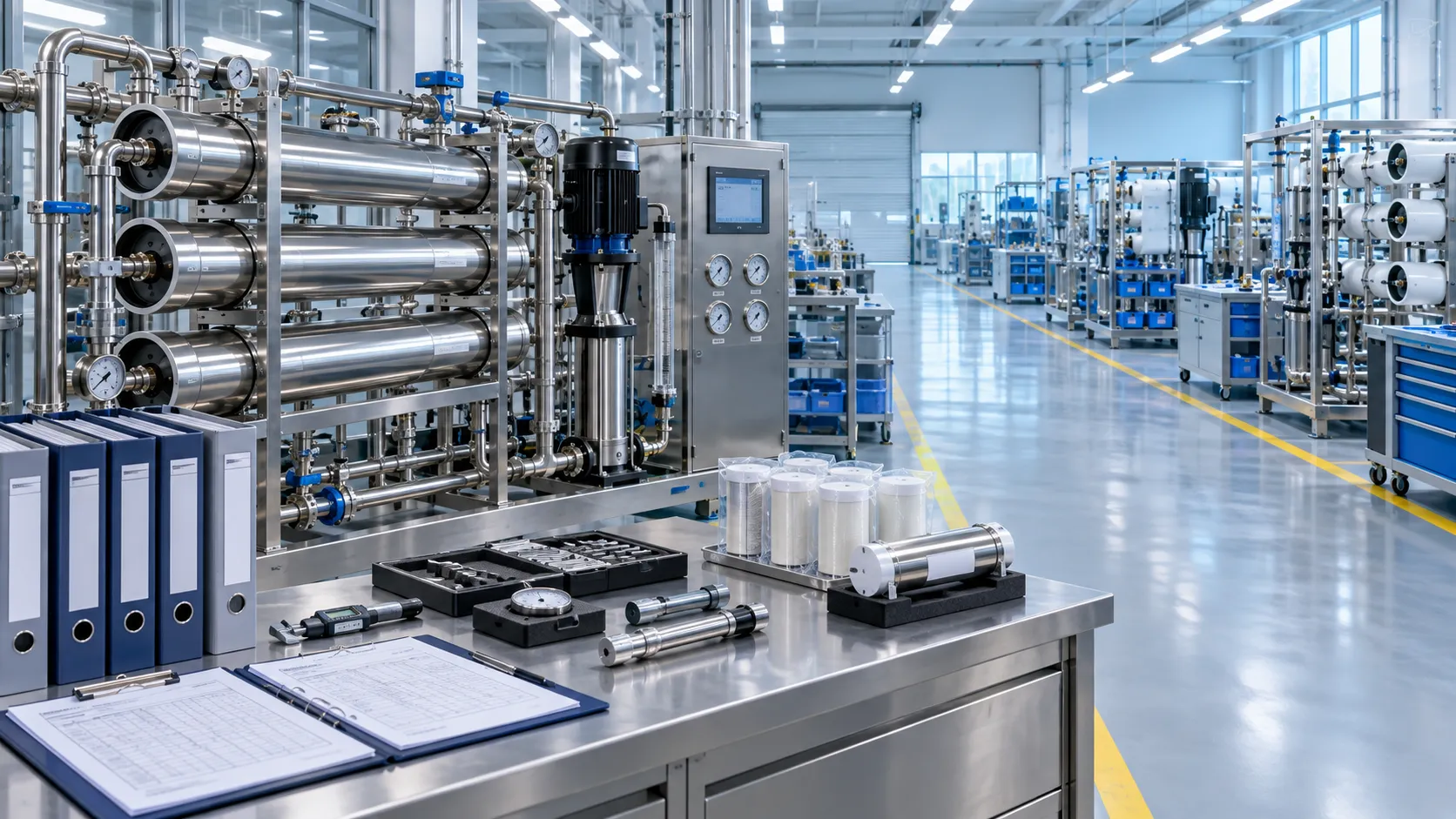
Which supplier evaluation support tools improve audit consistency?
Supplier evaluation support tools improve audit consistency with controlled checklists, evidence capture, risk scoring, CAPA workflows, and traceable approvals. Explore the essentials.
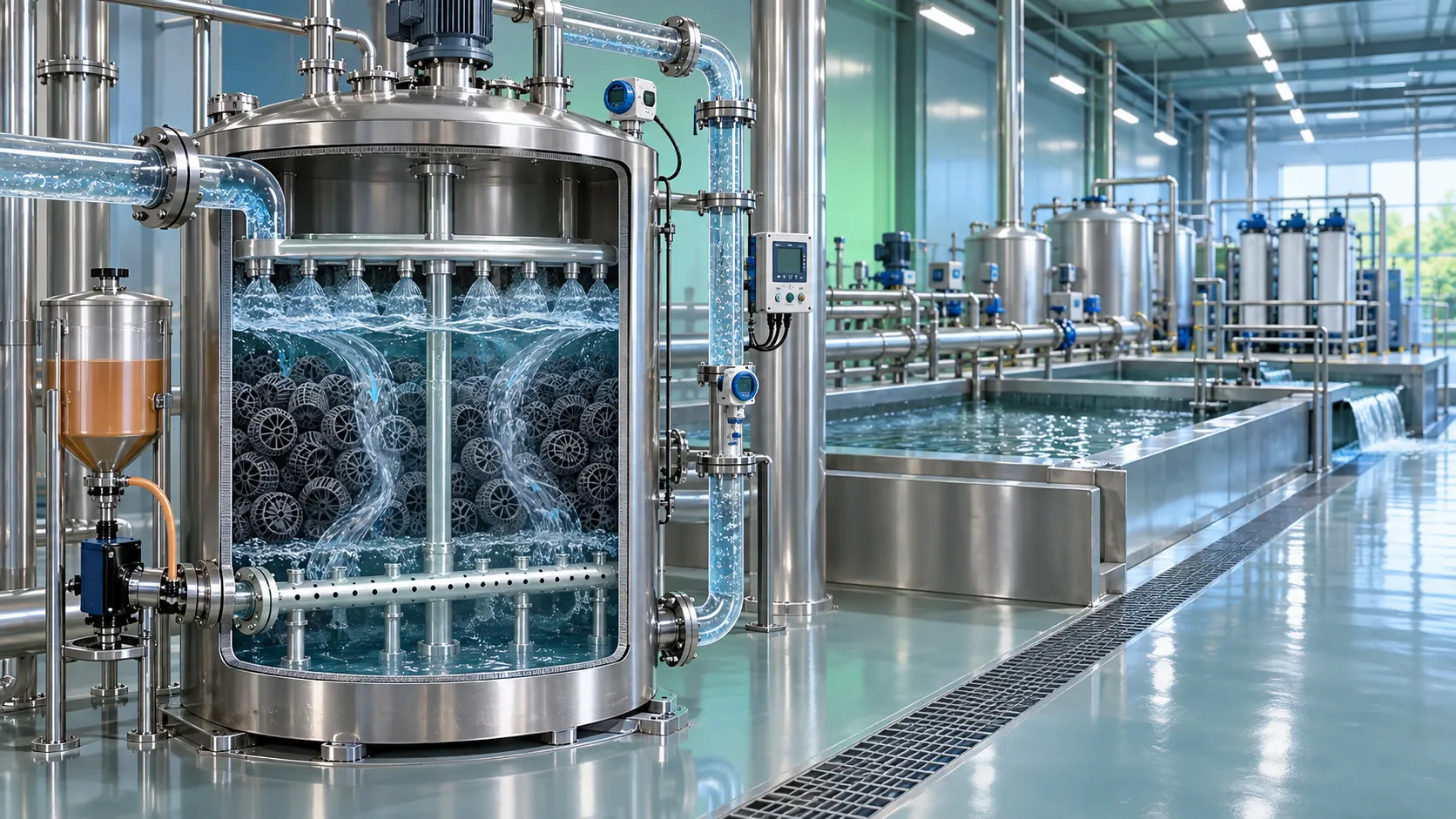
How reactor retention time affects denitrification equipment performance
Denitrification equipment reactor performance depends on retention time, carbon, mixing, and load control. Explore practical insights for reliable nitrogen removal.
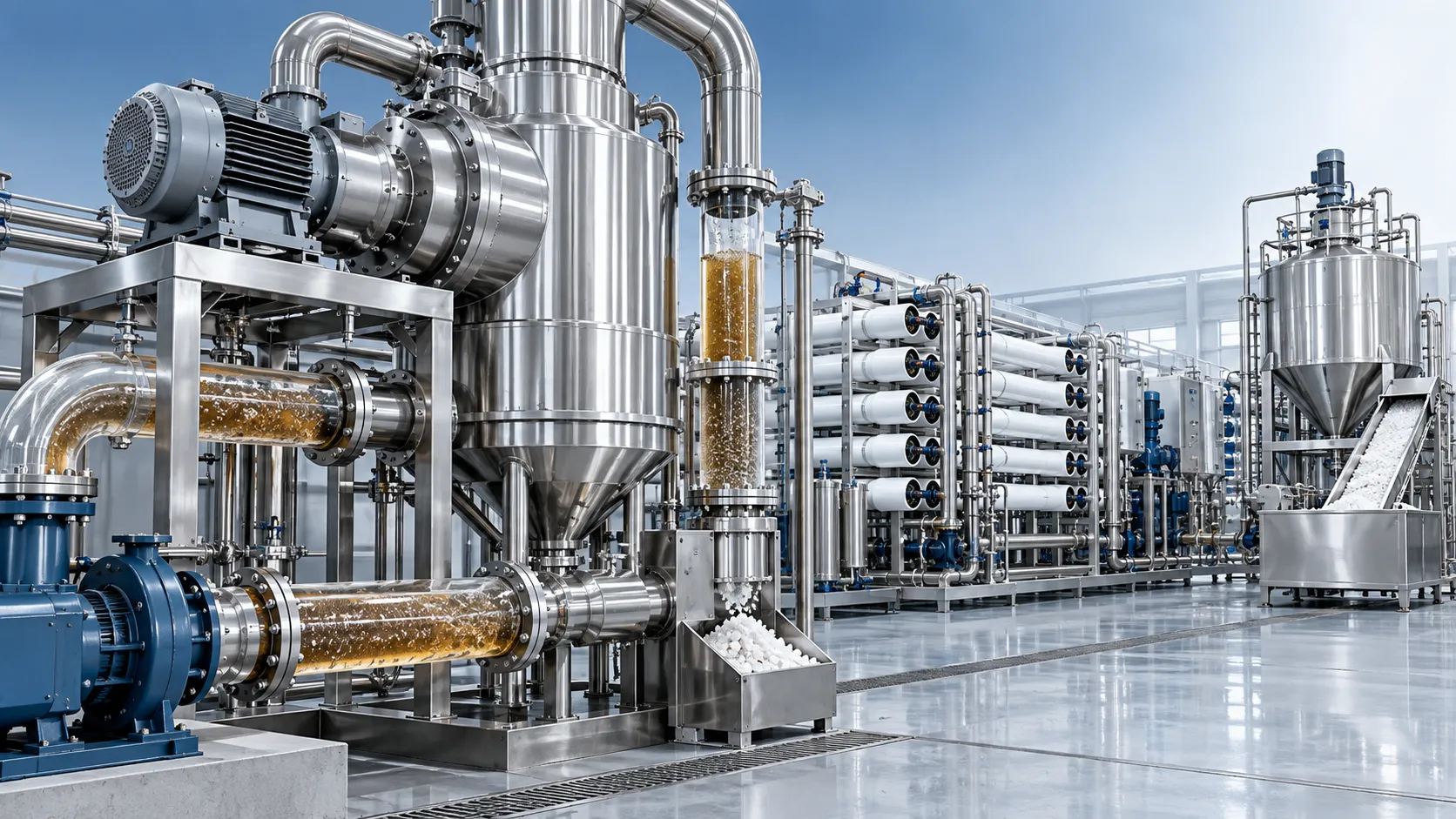
How feed salinity affects energy use in ZLD system brine treatment
ZLD system brine treatment: discover how feed salinity drives energy use, scaling risk, and technology choices for efficient, reliable zero liquid discharge.
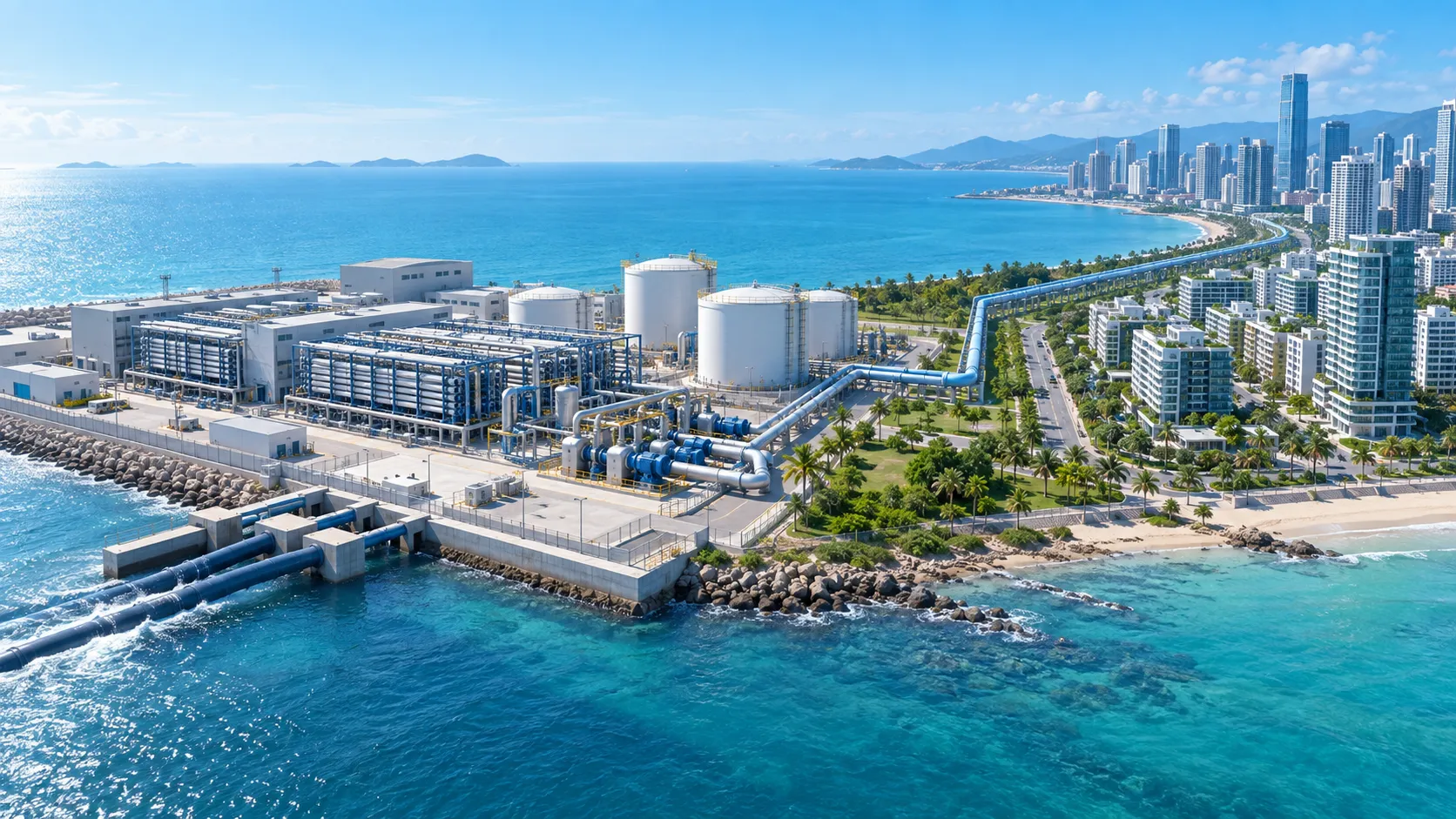
How coastal cities can select desalination solutions for peak demand
Seawater desalination solutions for coastal cities: compare firm peak capacity, intake risk, energy resilience, and lifecycle value to secure reliable water supply.
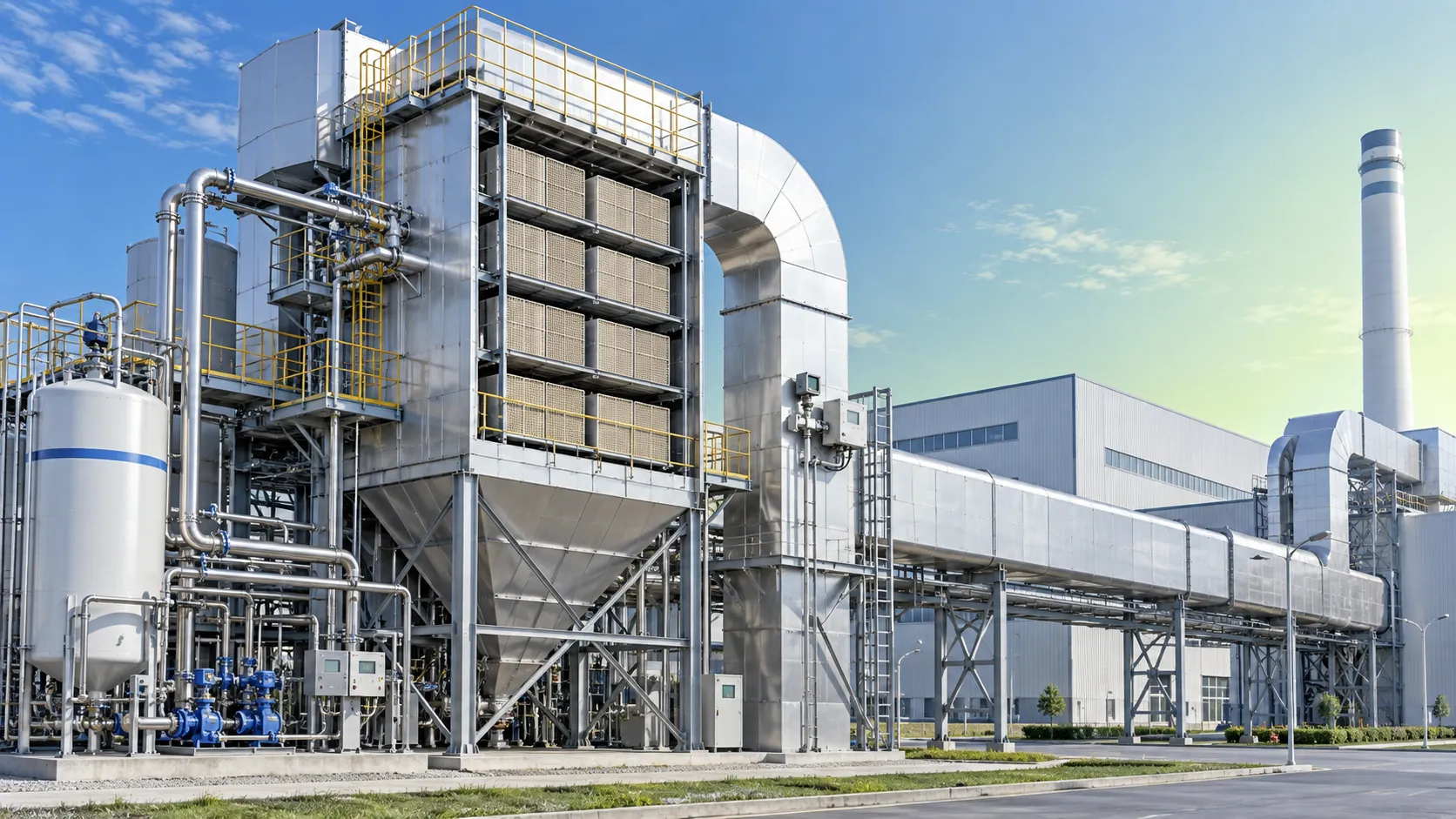
How SCR denitrification systems in Europe meet Industrial Emissions rules
SCR denitrification systems Europe: learn how permit-led design, ammonia-slip control, catalyst management and monitoring support Industrial Emissions compliance.
When does MBR equipment make sense for wastewater reuse?
Water treatment equipment for wastewater reuse: learn when MBR delivers compact, reliable low-solids effluent—and when alternative treatment trains offer better value.