
Industry News
Curation by industry experts
Hot Articles
Popular Tags
What EPC environmental project support services cover in plant upgrades
EPC environmental project support services are often described as a “back-office function,” but in plant upgrades they usually decide whether the job stays under control or turns into a chain of delays, redesigns, and compliance surprises. For project managers, the real value is not a broad promise of support. It is the set of practical services that help an upgrade move from concept to commissioning without breaking production, budget, or permit conditions.
In environmental projects, that matters more than in many other industrial upgrades. A water treatment plant may need new process trains while still supplying the network. A desalination facility may have to improve energy efficiency without reducing water output. A flue gas treatment retrofit may be tied to shutdown windows. A solid waste recovery line may need to be integrated into an operating facility with limited space. Nuclear waste management work raises an entirely different level of safety and documentation control. In all of these cases, EPC environmental project support services are the mechanism that keeps design intent, procurement reality, and site execution aligned.
What these support services actually cover
The phrase can mean different things depending on the EPC contractor, but in plant upgrades it usually includes five connected layers of support.
Engineering coordination is the first layer. This is where the support team helps translate the upgrade goal into a buildable scope. That may include site surveys, tie-in verification, process integration review, utility load assessment, constructability checks, and interface management with existing equipment. In retrofit work, this is where many hidden problems appear: outdated drawings, undocumented modifications, corrosion damage, or space constraints that never showed up in the original design package.
Procurement support comes next. Environmental plant upgrades often depend on equipment with long lead times and strict technical matching requirements, such as membranes, pumps, blowers, scrubbers, filters, control systems, instrumentation, or waste handling units. Support services here are not just about placing orders. They include vendor prequalification, technical bid evaluation, material compliance review, delivery sequencing, and spare parts planning. For project managers, this is critical because a technically acceptable item can still be wrong if it cannot be integrated on time or maintained locally.
Construction and installation support focuses on field execution. This may involve method statements, lift planning, temporary works, shutdown planning, quality inspections, welding and coating control, electrical and instrumentation checks, and commissioning preparation. In plant upgrades, construction support has to account for live operations, restricted access, and safety isolation. The better the support team understands operating plant conditions, the lower the risk of rework.
Compliance and permitting support is especially important in environmental projects. Upgrades often trigger new discharge limits, air emissions conditions, waste handling rules, or safety reviews. Depending on jurisdiction, an upgrade may require environmental impact review, permit amendments, or document updates before startup. The exact requirements vary widely, so project teams should verify local obligations rather than assume a standard EPC package covers everything. This is one of the most common blind spots in retrofit schedules.
Commissioning and performance support closes the loop. The job is not complete when equipment is installed. The plant must demonstrate that the upgraded system meets performance targets under real conditions. Support at this stage includes functional testing, performance run planning, troubleshooting, operator training, and handover documentation. In some sectors, acceptance depends on stable performance over a defined period, not just a short test run.
Why plant upgrades are harder than new builds
Many teams underestimate retrofit complexity because they assume an upgrade is simply a smaller version of a new project. In practice, the opposite is often true. A new plant is designed around a clean layout, known utilities, and a single execution sequence. An upgrade must work inside constraints created years earlier by different engineers, different vendors, and sometimes different regulatory assumptions.
That changes the role of EPC environmental project support services. They are not just helping deliver a project; they are helping manage uncertainty. The major uncertainties are usually physical, operational, and regulatory.
Physical uncertainty includes inaccurate as-built information, hidden obstructions, undocumented cable routes, degraded structures, or incompatible tie-in points. Operational uncertainty comes from the need to keep the plant running while work is being performed. Regulatory uncertainty appears when an upgrade changes the emissions profile, effluent quality, waste classification, or emergency response obligations.
For project managers, the consequence is clear: a retrofit can fail even if the equipment itself is technically strong. The failure often happens at the interfaces.
Where projects usually run into trouble
The most frequent problem is scope drift. A plant owner asks for a capacity increase or environmental performance improvement, but once the engineering team starts opening up the site, more deficiencies are found. Without strong support services, the project can expand silently into a larger replacement program. That is not always bad, but it must be recognized early, or the budget and schedule will be unrealistic from the start.
Another common issue is fragmented responsibility. In some projects, engineering, procurement, construction, operations, and compliance sit in separate workflows with weak coordination. If procurement orders equipment before final site verification, the project may inherit fit-up problems. If construction starts before shutdown windows are locked, the plant may lose production time. If compliance review is left late, the design may need rework after purchase commitments have already been made.
Documentation gaps are also underestimated. Environmental upgrades often involve evidence: drawings, test records, material certificates, calibration reports, operating procedures, and handover files. If those records are incomplete, the project can be physically finished but administratively unfinished. That delays acceptance, audit readiness, and sometimes payment milestones.
What good support looks like in practice
Strong EPC environmental project support services do not try to replace the project team. They make decisions easier by reducing ambiguity.
One sign of maturity is early site validation. Before final design freezes, the support team confirms actual dimensions, interface points, utility availability, access routes, and shutdown constraints. This reduces the chance of expensive field changes.
Another sign is disciplined interface management. In plant upgrades, the most difficult problems usually sit between packages: new control systems and old instrumentation, new process equipment and existing foundations, new treatment units and discharge systems, new waste handling equipment and plant logistics. A good support structure maps these interfaces clearly and assigns ownership.
Good support also includes realistic commissioning planning. Many projects underestimate the time needed for drying, flushing, calibration, process stabilization, and operator familiarization. In environmental systems, “mechanical completion” does not mean “operational success.” The support team should plan for the behavior of the full system, not just individual components.
Finally, strong support recognizes operating economics. An upgrade should not only meet a permit condition; it should also be maintainable, energy-aware, and spare-parts sensible. A solution that performs well for three months but becomes a maintenance burden is usually a poor outcome for the owner.
How project managers should evaluate support capability
For project managers, the key question is not whether a contractor offers support services. It is whether those services are relevant to the project’s real constraints.
Ask whether the support team has retrofit experience in similar operating environments. A team that excels in greenfield delivery may still struggle with live-plant tie-ins, phased shutdowns, or permit-linked commissioning. Ask how they manage as-built verification and design changes. Ask how procurement decisions are connected to constructability reviews. Ask who owns compliance deliverables and when they are reviewed. Ask how they handle performance testing if process conditions fluctuate during startup.
The answer should show a working system, not a collection of generic promises. If the response is vague, support may exist in name but not in execution discipline.
It is also worth checking whether the contractor can coordinate across specialties. Environmental upgrades combine process engineering, civil, mechanical, electrical, instrumentation, automation, safety, and regulatory documentation. If support is organized in silos, the project may appear well staffed but still suffer from coordination losses.
The business value is usually in risk reduction, not just speed
Plant owners sometimes look at support services as a cost added on top of engineering. That view is too narrow. In environmental retrofits, the biggest savings often come from avoiding failure modes that are expensive to correct later: missed shutdown windows, unplanned redesign, compliance rework, equipment incompatibility, commissioning delays, or poor acceptance testing.
That does not mean every project needs the same level of support. A straightforward equipment replacement may require limited coordination. A multi-unit upgrade tied to emissions reduction, wastewater polishing, or residue handling will need a far stronger support structure. The more constrained the site and the tighter the compliance target, the more valuable the service becomes.
For project managers, the practical takeaway is simple: EPC environmental project support services are not a decorative add-on. They are the framework that makes plant upgrades executable in the real world. In projects where the margin for error is small, that framework can determine whether an upgrade becomes a controlled transformation or a costly interruption.
Recommended News
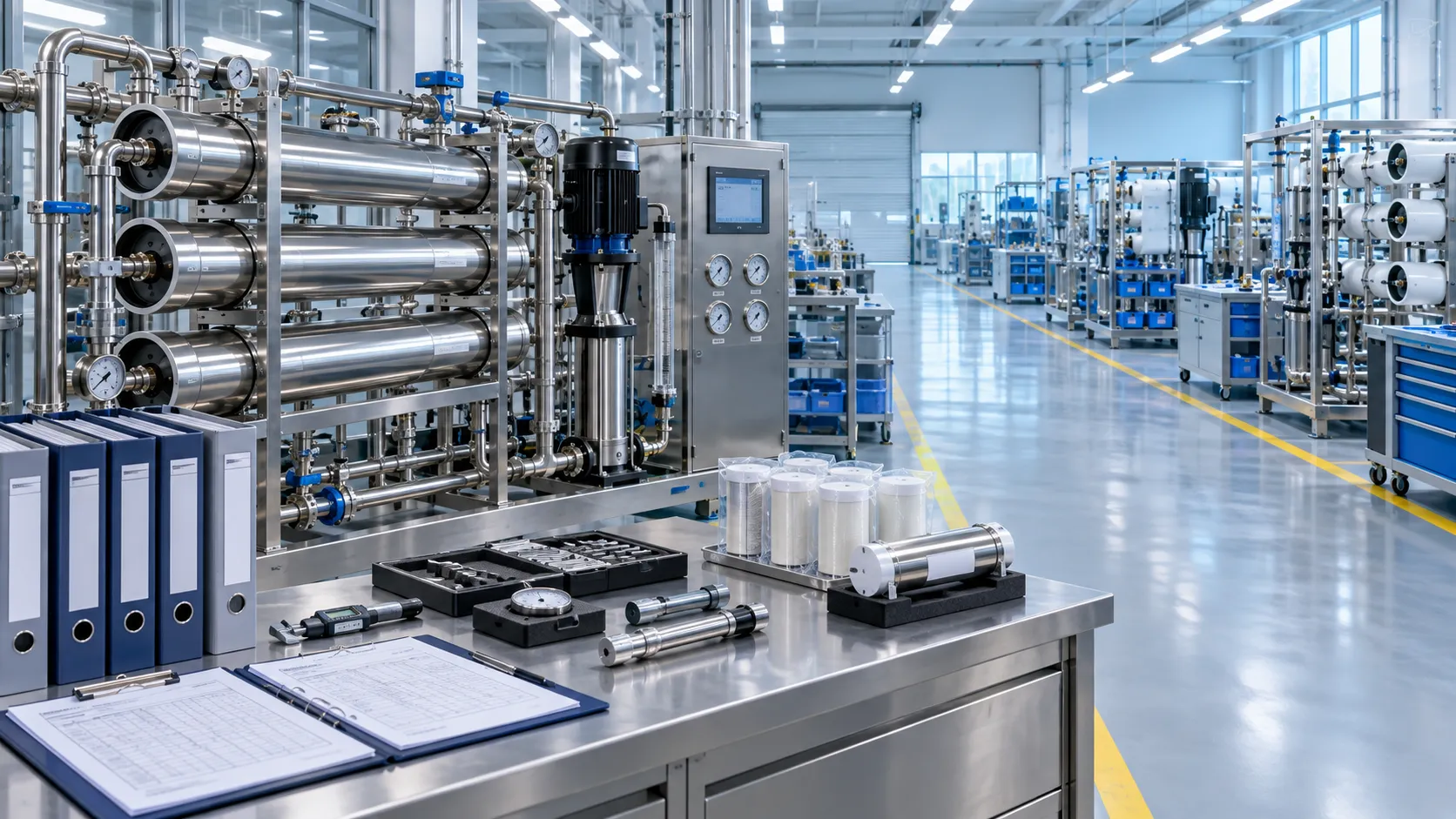
Which supplier evaluation support tools improve audit consistency?
Supplier evaluation support tools improve audit consistency with controlled checklists, evidence capture, risk scoring, CAPA workflows, and traceable approvals. Explore the essentials.
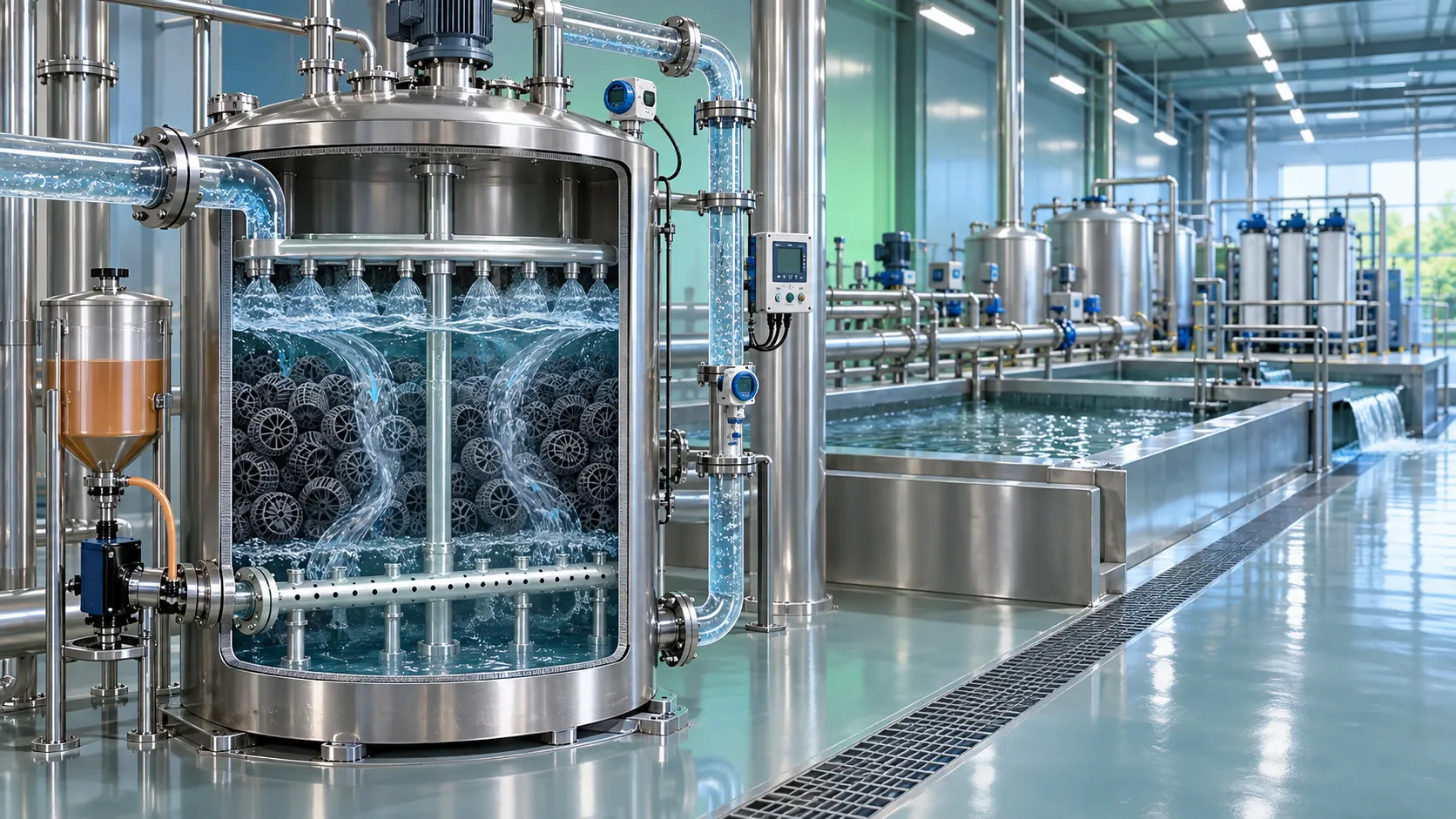
How reactor retention time affects denitrification equipment performance
Denitrification equipment reactor performance depends on retention time, carbon, mixing, and load control. Explore practical insights for reliable nitrogen removal.
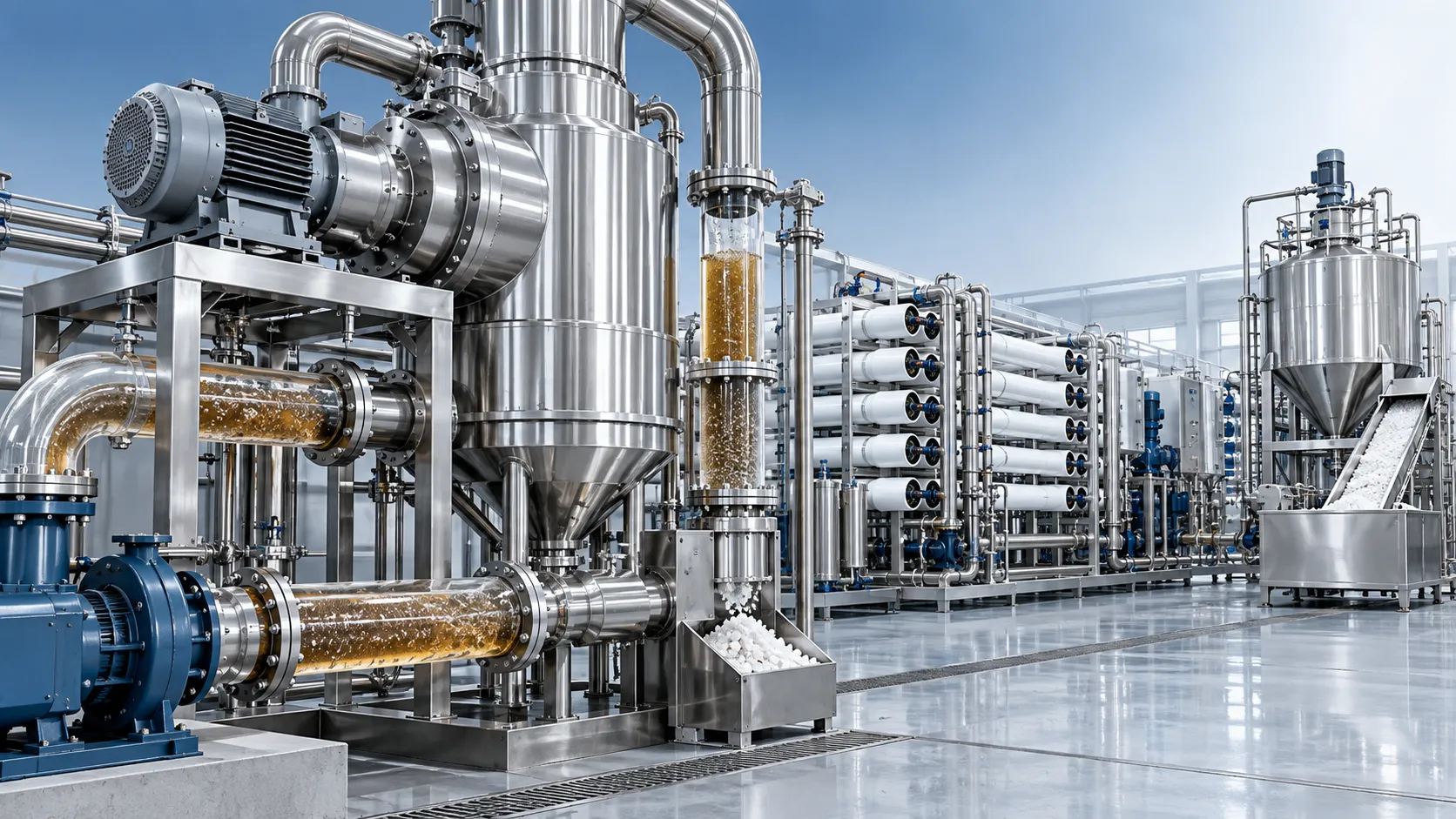
How feed salinity affects energy use in ZLD system brine treatment
ZLD system brine treatment: discover how feed salinity drives energy use, scaling risk, and technology choices for efficient, reliable zero liquid discharge.
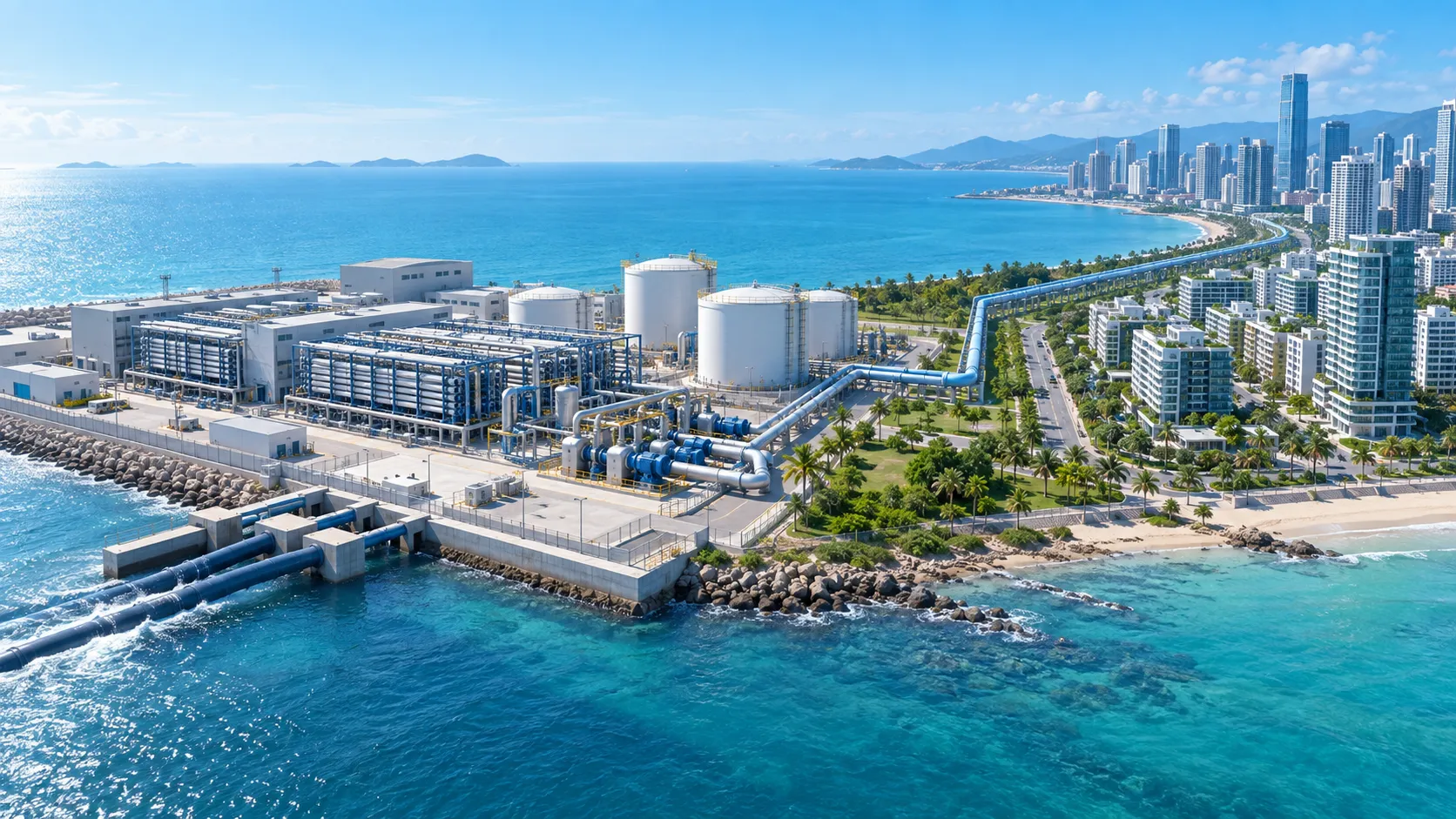
How coastal cities can select desalination solutions for peak demand
Seawater desalination solutions for coastal cities: compare firm peak capacity, intake risk, energy resilience, and lifecycle value to secure reliable water supply.
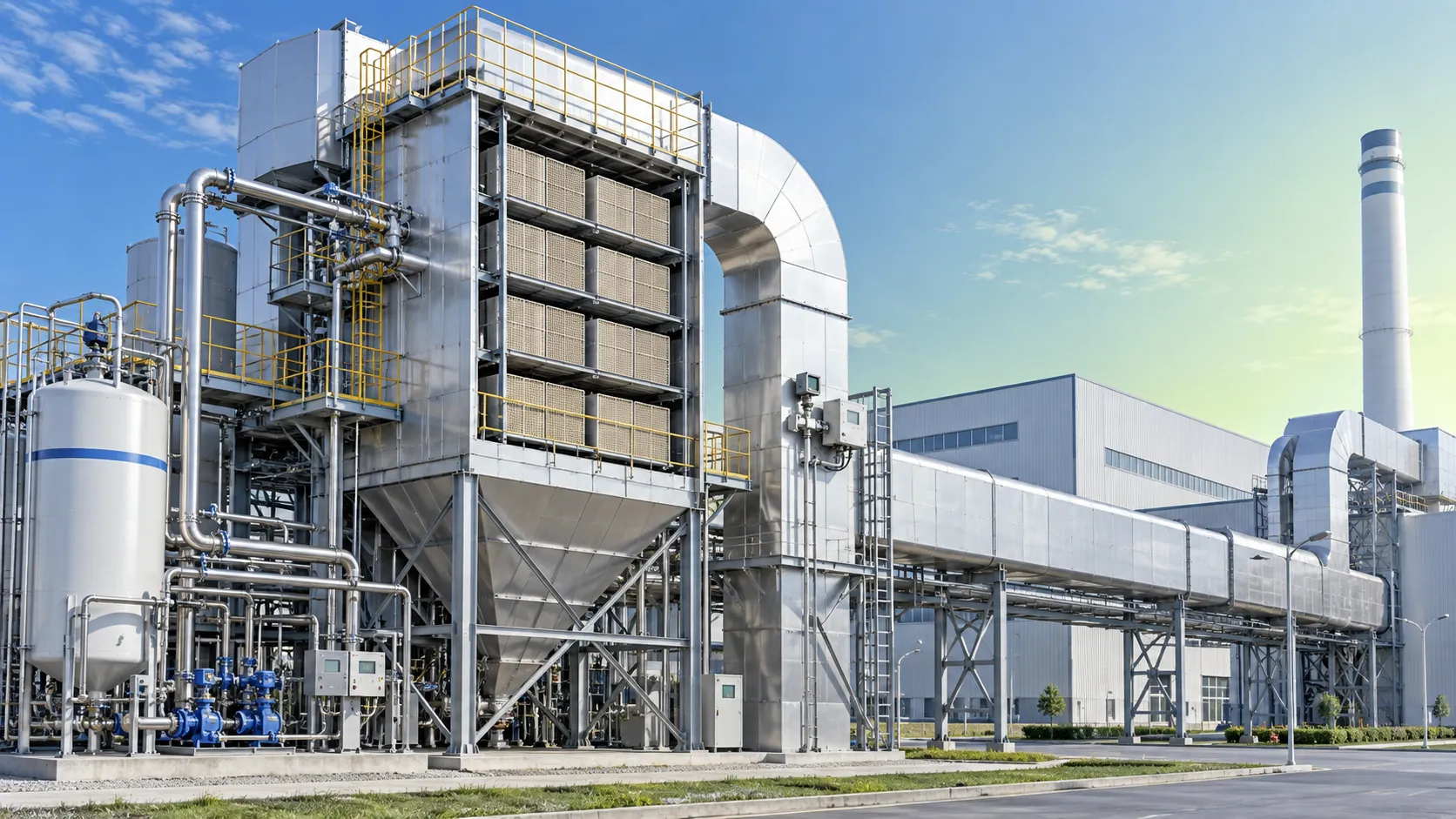
How SCR denitrification systems in Europe meet Industrial Emissions rules
SCR denitrification systems Europe: learn how permit-led design, ammonia-slip control, catalyst management and monitoring support Industrial Emissions compliance.
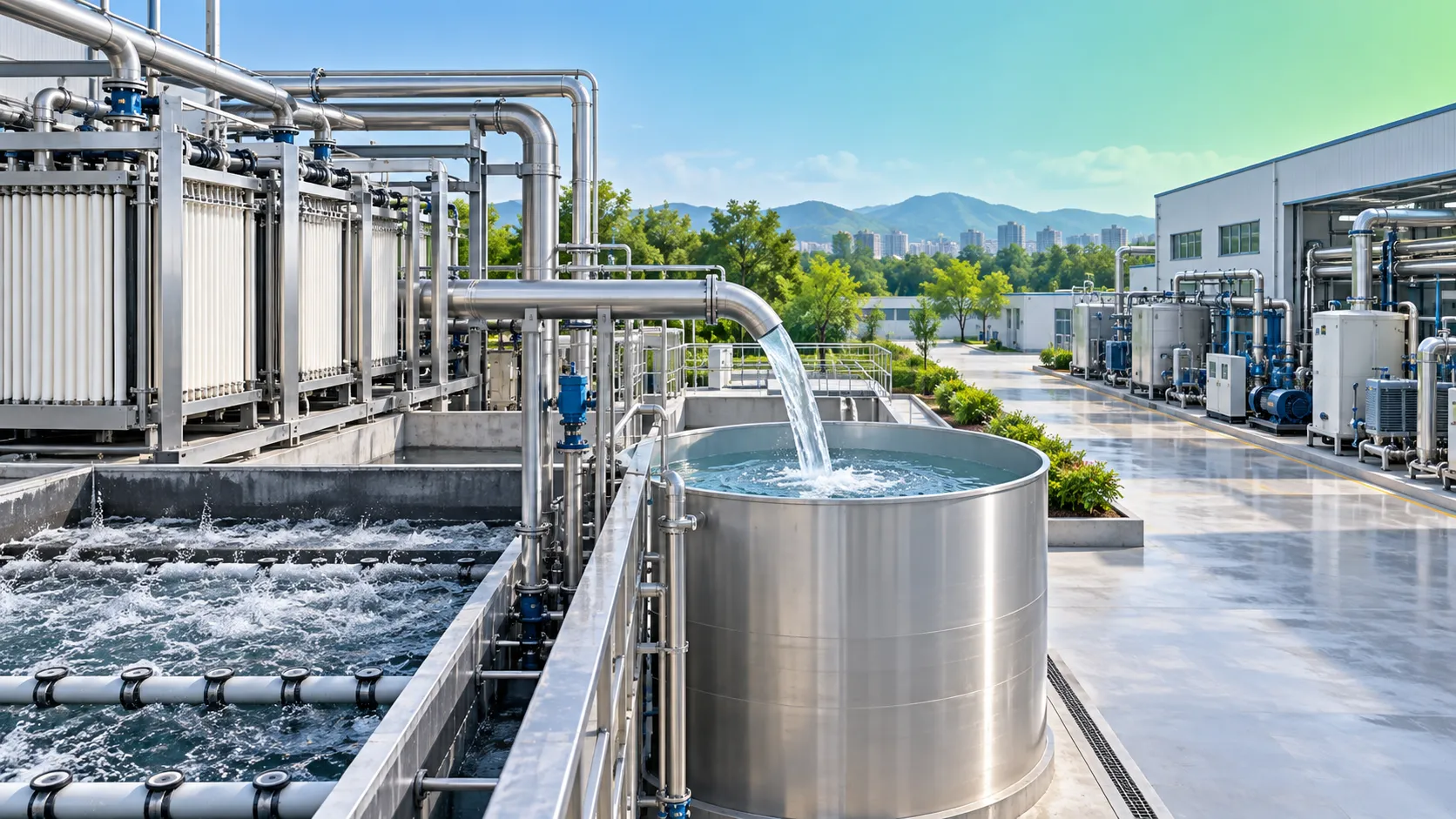
When does MBR equipment make sense for wastewater reuse?
Water treatment equipment for wastewater reuse: learn when MBR delivers compact, reliable low-solids effluent—and when alternative treatment trains offer better value.
How North America shapes global environmental governance standards
Global environmental governance North America: discover how regulation, finance, and procurement raise worldwide standards and reshape environmental projects.
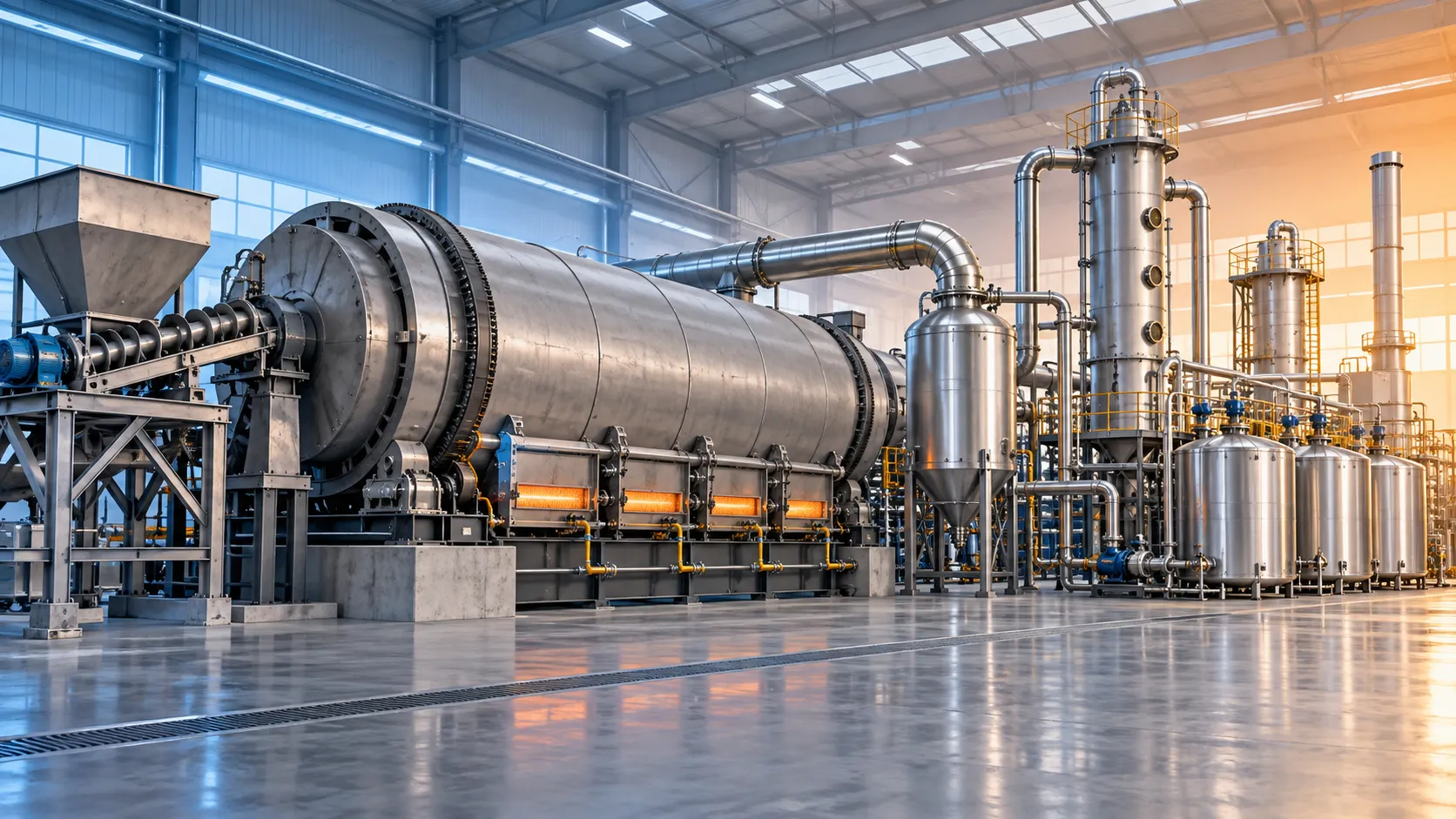
How reactor capacity affects throughput in pyrolysis systems
Pyrolysis systems reactor capacity explained: learn how heat transfer, residence time, feed quality, and emissions controls determine reliable throughput.
When low-temperature reaction equipment is the right fit for heat-sensitive processes
Low-temperature reaction equipment helps protect heat-sensitive streams, improve energy integration, and maintain reliable conversion. Explore key selection factors today.