
Industry News
Curation by industry experts
Hot Articles
Popular Tags
How to size wastewater treatment systems for metal finishing lines
Sizing wastewater treatment systems for metal finishing lines is fundamentally a design-basis problem. Technical evaluators searching this topic usually want to know how to translate production data, chemistry, discharge limits, and operating variability into a treatment capacity that is neither undersized nor wastefully oversized.
What matters most to this audience is not a generic explanation of wastewater treatment. They need a practical method for estimating hydraulic load, pollutant load, equalization volume, reaction tank residence time, solids handling demand, and compliance margin under real production conditions.
The most useful content, therefore, is decision-oriented guidance: what data to collect, how to classify waste streams, which design scenarios to test, how line scheduling changes peak flow, and where sizing errors usually appear in metal finishing projects.
The article should emphasize engineering judgment, regulatory fit, and lifecycle consequences such as sludge generation, chemical consumption, and future expansion. Broad background on wastewater treatment principles should be kept brief unless it directly supports sizing decisions.
How to Size Wastewater Treatment Systems for Metal Finishing Lines
Sizing wastewater treatment systems for metal finishing lines requires more than matching equipment to an average daily flow. In most facilities, the true design challenge is handling fluctuating rinse volumes, mixed chemistries, intermittent dumps, and stringent discharge targets without creating instability downstream.
For technical evaluators, the best overall rule is this: size the system from the worst credible operating case, not from nameplate production alone. That means combining flow peaks, contaminant peaks, batch events, and compliance requirements into one defensible design basis.
If that basis is weak, everything downstream suffers. CAPEX rises in the wrong places, OPEX becomes unpredictable, sludge handling is underestimated, and the plant may pass factory acceptance but struggle under live operating conditions.
This guide explains how to size wastewater treatment systems for metal finishing using an engineering-focused approach that aligns process data, treatment chemistry, and risk tolerance.
Start with the Right Design Basis, Not the Equipment List
Before evaluating reactors, clarifiers, filters, or membrane units, define the wastewater envelope the system must actually manage. In metal finishing, this usually means mapping every wet process step and every discharge pathway, not just taking a single composite sample.
A credible design basis starts with production throughput by line, operating hours, shift pattern, bath turnover frequency, rinse cascade arrangement, drag-out losses, and cleaning events. It should also include planned shutdowns, maintenance dumps, and abnormal but foreseeable upset conditions.
Technical evaluators should request at least three categories of source data: hydraulic data, chemistry data, and operating pattern data. Average flow by itself is not enough, because treatment trains fail more often on peaks and incompatibilities than on annualized averages.
The goal is to turn plant behavior into sizing inputs: average flow, peak hourly flow, peak short-term flow, equalization requirement, contaminant mass loading, sludge production potential, and required treated-water quality.
Map the Metal Finishing Waste Streams Before Combining Anything
One of the most common sizing mistakes is treating all metal finishing wastewater as a single stream from the beginning. In reality, segregating streams often reduces both treatment volume and treatment complexity.
Typical streams include acidic rinses, alkaline rinses, cyanide-bearing wastewater, chromium-containing wastewater, electroless nickel wastes, phosphating effluent, floor washdown, spent baths, and concentrated maintenance dumps. Each has different implications for reaction chemistry and equipment sizing.
Hexavalent chromium reduction, cyanide destruction, heavy-metal precipitation, fluoride removal, oil separation, and chelate breaking may require separate front-end treatment zones. If these streams are blended too early, chemical demand rises and process control becomes less predictable.
For sizing purposes, evaluators should distinguish between continuous low-strength rinse flows and intermittent high-strength concentrated streams. Equal treatment capacity for both is rarely economical. Separate handling of concentrated wastes can materially reduce reactor volume and sludge generation.
Calculate Flow on Production Reality, Not Theoretical Water Use
Flow is the first sizing variable, but in metal finishing it needs to be developed carefully. Rinse system configuration, line speed, workpiece geometry, drag-out control, and operator practices often matter more than nominal tank dimensions.
Start with each source: rinse overflow, countercurrent cascade discharge, conductivity-controlled bleed, scrubber blowdown, floor cleaning, filter backwash, and any regeneration waste. Convert each source into hourly and shift-based profiles rather than a single daily number.
Then identify the peak coincidence scenario. Two lines may each have moderate flow alone but create a hydraulic peak when shift overlap, rinse refresh, and dump events occur together. That coincidence factor is often where undersizing begins.
Equalization can absorb part of this variability, but only if the tank is sized from the real inflow curve. A treatment system designed on average flow with a token equalization tank is usually a hidden peak-flow problem.
As a practical screen, evaluators should ask for average flow, maximum sustained hourly flow, and short-duration surge flow. If only one value is available, the design basis is not mature enough for equipment selection.
Pollutant Mass Loading Often Drives Size More Than Flow
In many wastewater treatment systems for metal finishing, reactor volume and chemical systems are constrained less by flow than by contaminant load. Heavy metals, complexing agents, oils, surfactants, fluorides, and pH extremes can dominate design capacity.
Mass loading should be calculated for key parameters such as total suspended solids, dissolved metals, chromium, nickel, copper, zinc, cyanide, COD, oil and grease, and fluoride where applicable. Use concentration multiplied by flow, but do so by stream and by event type.
Spent baths and maintenance dumps deserve special treatment in the model. Even if they contribute a small share of total annual volume, they may represent a large share of daily metal load or neutralization demand on certain days.
Where chelating agents or electroless nickel are present, conventional hydroxide precipitation may perform poorly. In those cases, sizing cannot be separated from treatment chemistry selection, because larger tanks do not solve a fundamentally unsuitable reaction pathway.
Size Equalization First if Variability Is High
For many finishing plants, equalization is the most important volume in the entire treatment system. It smooths flow, dampens concentration shocks, stabilizes pH adjustment, and allows downstream units to be sized for controlled throughput rather than raw plant variability.
Equalization volume should reflect more than a rule-of-thumb retention time. It should be based on an inflow-versus-outflow balance using the actual production schedule, rinse discharge pattern, and concentrated waste discharge events.
A larger equalization tank can often reduce the size and complexity of downstream reactors, clarifiers, and filters. That tradeoff is frequently favorable when production peaks are sharp or when multiple finishing lines discharge into one central plant.
Evaluators should also check whether equalization requires mixing, aeration, corrosion-resistant construction, fume control, or pH guard bands. These factors affect both usable volume and operating reliability.
Match Reactor Sizing to the Actual Treatment Chemistry
Chemical treatment stages in metal finishing are not interchangeable. Reduction, oxidation, neutralization, precipitation, coagulation, and flocculation each have different kinetic behavior and therefore different volume and retention-time needs.
For example, chromium reduction requires sufficient reaction time at the correct pH and oxidation-reduction conditions before metal precipitation begins. Cyanide destruction similarly demands controlled reaction conditions, often in a segregated step for safety and performance reasons.
Heavy-metal precipitation systems must be sized for both reaction time and mixing quality. If metals are complexed, additional oxidation or specialty chemistry may be needed, which can increase residence time and chemical storage requirements.
Technical evaluators should not accept generic residence-time assumptions without confirming the wastewater matrix. A vendor may size tanks from clean benchmark chemistry, while the actual plant contains surfactants, chelants, and intermittent concentrated loads that slow or disrupt treatment.
Clarification, Filtration, and Sludge Handling Need Their Own Sizing Logic
Once metals precipitate, solids-liquid separation becomes the next limiting step. Clarifiers, lamella settlers, dissolved air flotation units, and polishing filters should be sized from solids loading as well as hydraulic loading.
If the upstream chemistry creates fine or poorly settling solids, a clarifier that appears adequate on paper may underperform in practice. Evaluators should review expected sludge characteristics, polymer use, overflow rate, and peak solids formation during high-load events.
Sludge handling is especially important in metal finishing because hydroxide sludge volumes can be substantial. Filter presses, sludge thickeners, and storage hoppers must be sized from actual solids production, moisture targets, and haul-off frequency.
Underestimating sludge is a recurring project failure. It affects not only disposal cost but also plant uptime, operator labor, and emergency storage risk when dewatering equipment cannot keep pace with solids generation.
Discharge Targets and Reuse Goals Change the Sizing Outcome
Wastewater treatment systems for metal finishing can be designed for sewer discharge, surface-water discharge, internal reuse, or near-ZLD strategies. Each target changes how conservative the sizing basis needs to be and which unit operations become critical.
If the plant must meet low dissolved-metal limits with variable influent, polishing stages such as media filtration, ion exchange, membranes, or specialty adsorption may be required. Those units should be sized from breakthrough risk and influent variability, not only average treated flow.
Water reuse introduces another layer of sizing logic. Recovery systems must account for conductivity, hardness, silica, residual organics, and operational redundancy, because reused water can feed back into plating quality and rinse performance.
Evaluators should therefore link the treatment plant design basis to the final water-quality objective early in the review. A system sized for compliance discharge may be fundamentally different from one sized for stable rinse-water reuse.
Build in Compliance Margin, Operability, and Expansion Space
The right design size is rarely the mathematical minimum. Technical evaluators should examine how much margin is built in for permit changes, product mix shifts, stricter local enforcement, and future line additions.
That does not mean arbitrary oversizing. Excessive tankage can create its own problems, including poor mixing, stale wastewater, sulfide or odor formation in certain streams, and unnecessary capital cost. The point is controlled flexibility, not bulk for its own sake.
Useful questions include whether the system can handle one line being upgraded to a higher-output program, whether equalization can absorb a dump event without bypass, and whether chemical and sludge systems can be expanded modularly.
Redundancy also matters. Standby pumps, dual pH probes, bypass logic, and spare filter capacity may have more practical value than simply enlarging every tank.
What Technical Evaluators Should Ask Vendors Before Approving a Size
A strong evaluation process focuses on assumptions. Ask vendors which stream data they used, what peak-flow case they assumed, how they treated concentrated dumps, and whether treatment chemistry was validated for the expected wastewater matrix.
Request a mass balance, not just a process flow diagram. The design should show flow by stream, load by contaminant, reagent consumption, sludge generation, and expected treated-water quality across normal and peak cases.
It is also worth asking what happens when influent conditions deviate from target values. A reliable system should have a defined response to pH shocks, metal spikes, line restarts, and temporary loss of one treatment step.
When pilot data or jar testing exists, check whether the samples represent real production variability. Data taken during unusually stable operation can hide the conditions that actually determine treatment-system size.
Conclusion
To size wastewater treatment systems for metal finishing lines correctly, start with production reality, not catalog capacity. The most defensible design basis integrates segregated stream mapping, peak hydraulic analysis, contaminant mass loading, equalization strategy, reaction chemistry, solids handling, and discharge risk.
For technical evaluators, the central question is simple: can this system maintain compliance and operability under the worst credible plant condition? If the answer is based on detailed data and transparent assumptions, the sizing is likely sound.
If the answer depends on average flow, ideal chemistry, or vague vendor safety factors, the project still needs work. In metal finishing, correct sizing is less about buying larger equipment and more about correctly defining the wastewater problem the plant must solve.
Recommended News
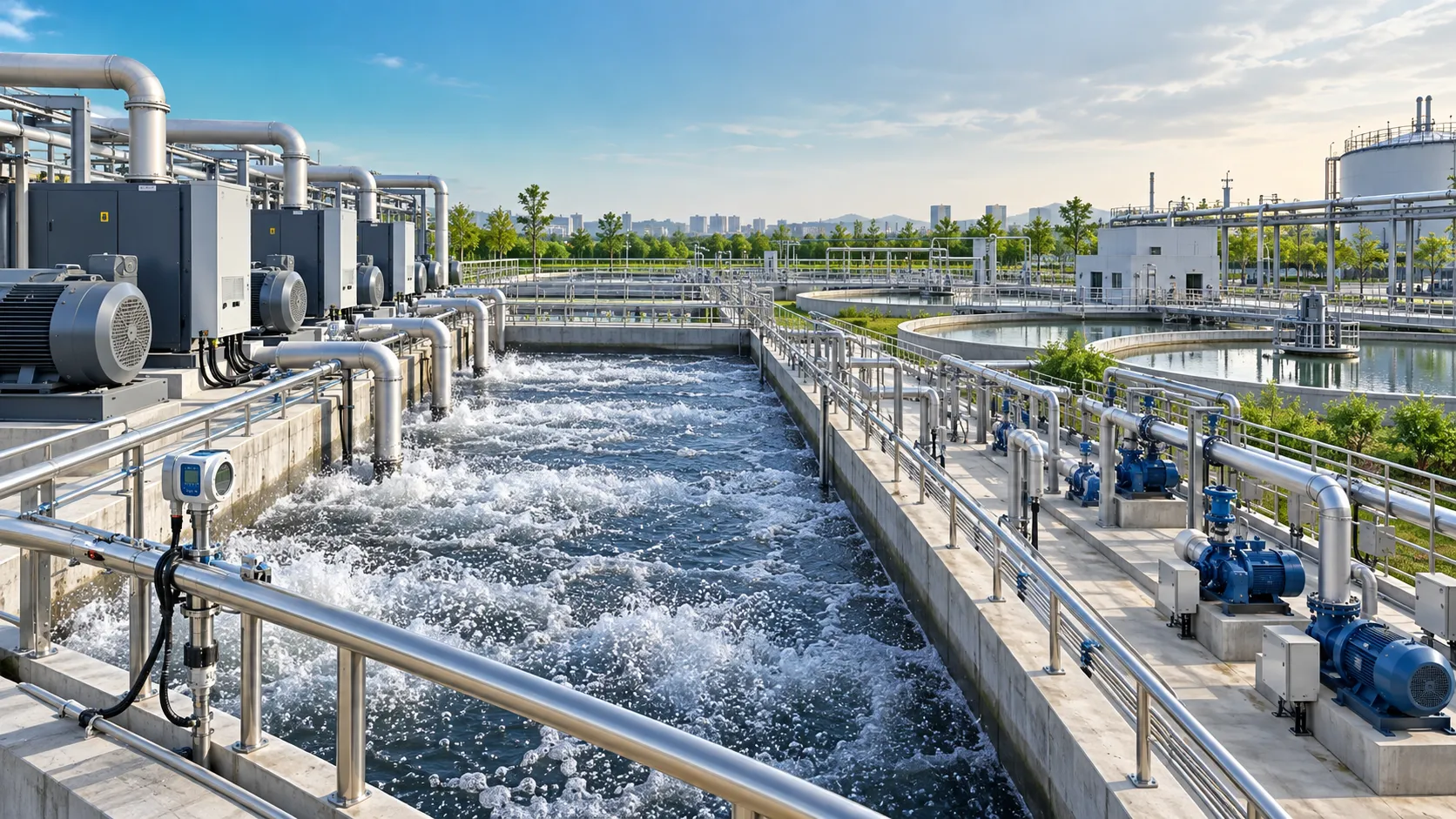
When does environmental equipment intelligence reduce wastewater plant energy use?
Environmental equipment intelligence for wastewater plants cuts energy use through smarter aeration, pumping, and data-driven controls—without compromising compliance. Discover when it delivers measurable savings.
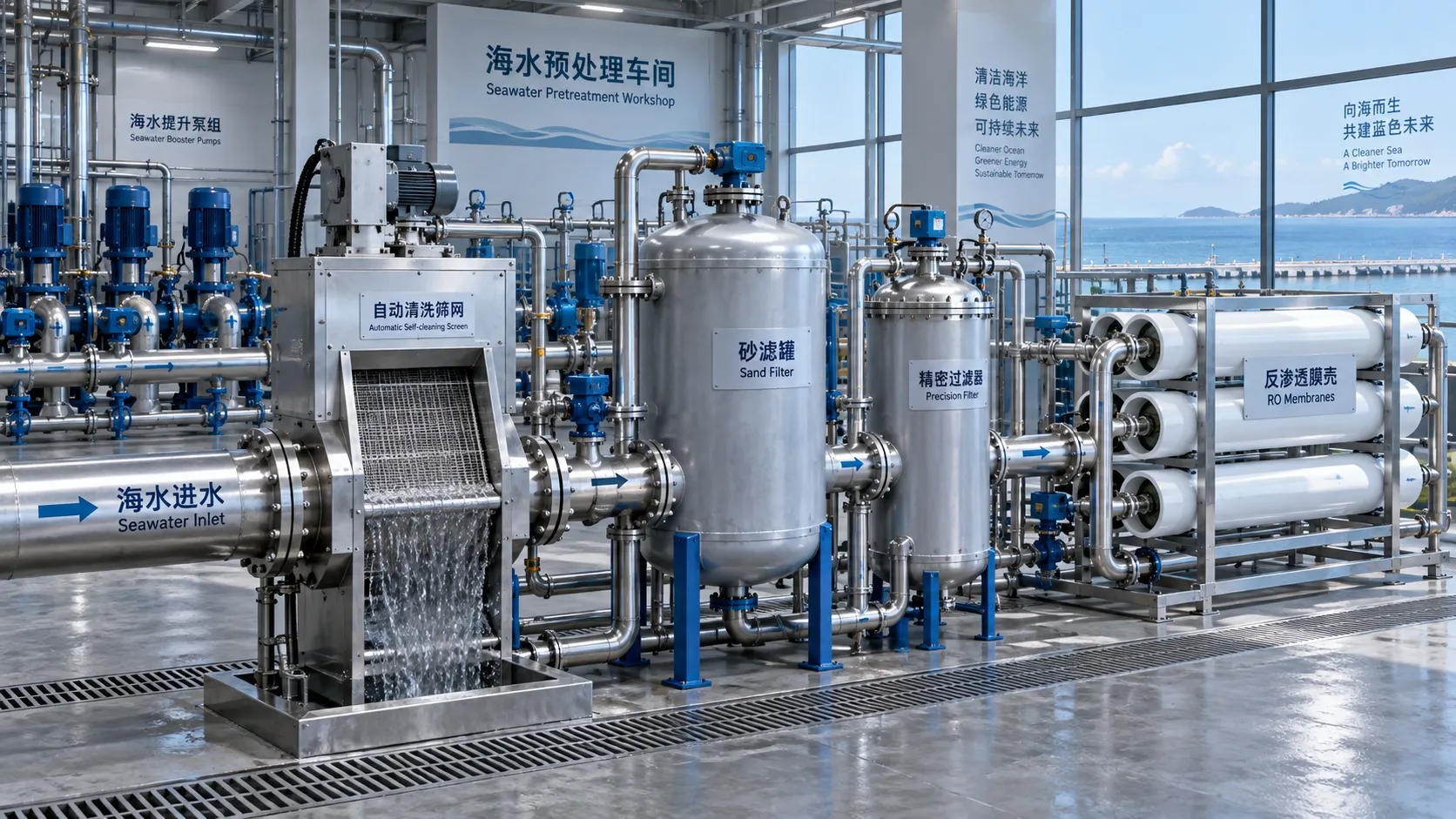
How to Improve Industrial Seawater Quality Before Cooling or Membrane Treatment
How can I improve the quality of seawater used for industrial processes? Explore proven pretreatment strategies for cooling systems and RO membranes.
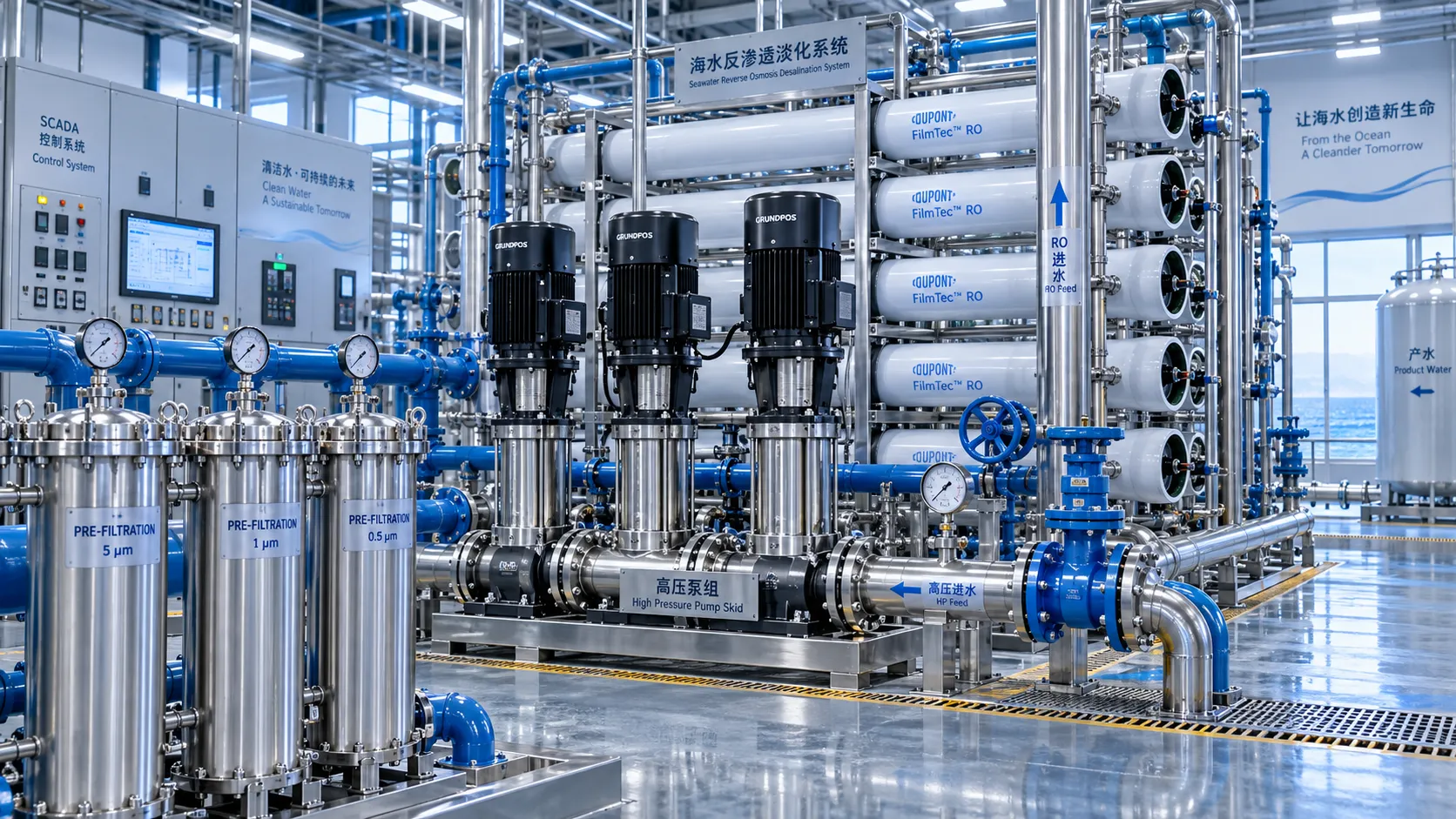
Desalination Plant Maintenance Priorities That Prevent Unplanned Downtime
Desalination plant maintenance priorities that reduce unplanned downtime: protect pretreatment, RO membranes, pumps, chemical dosing, and critical controls.
Which supplier evaluation support tools improve audit consistency?
Supplier evaluation support tools improve audit consistency with controlled checklists, evidence capture, risk scoring, CAPA workflows, and traceable approvals. Explore the essentials.
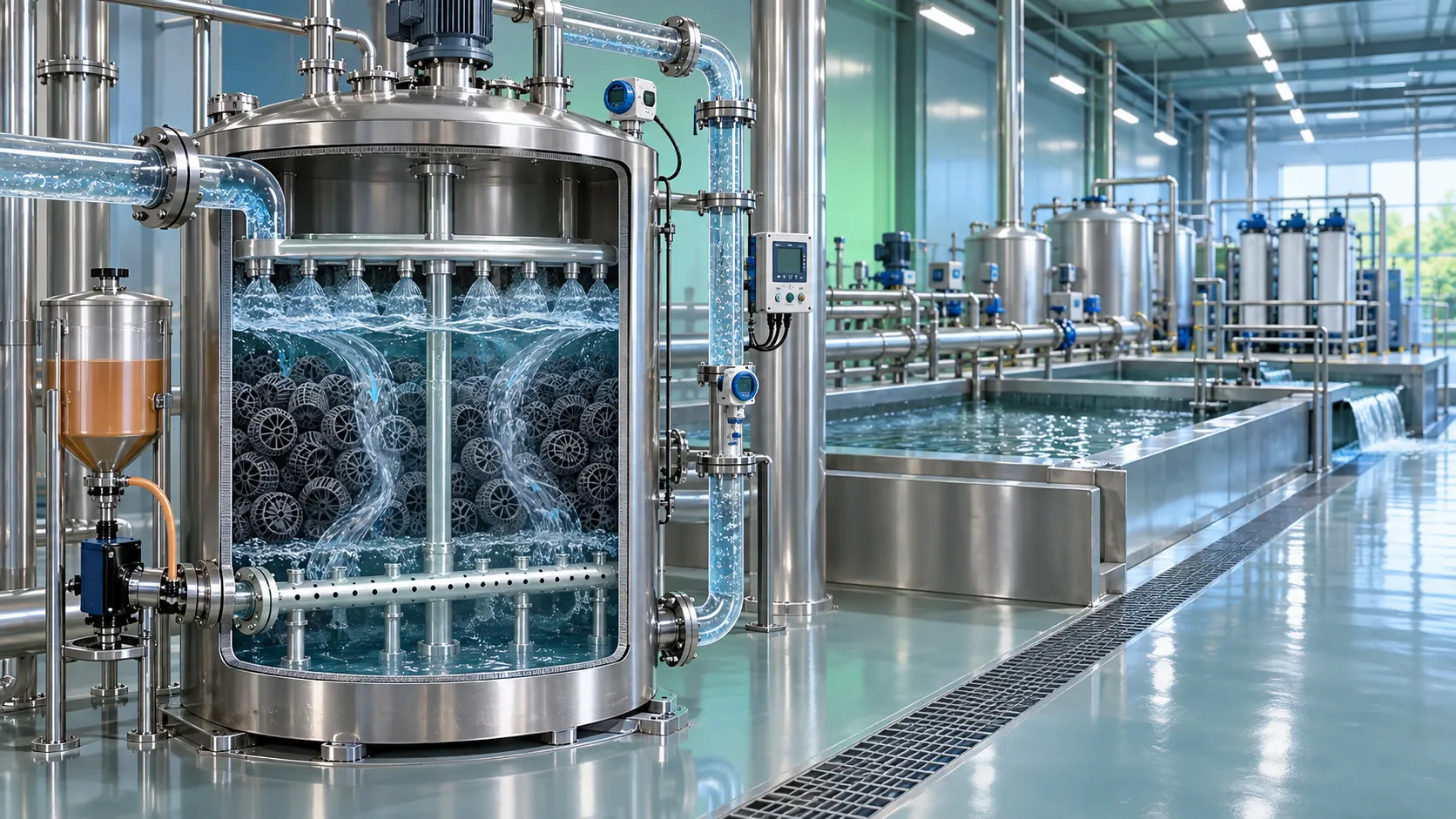
How reactor retention time affects denitrification equipment performance
Denitrification equipment reactor performance depends on retention time, carbon, mixing, and load control. Explore practical insights for reliable nitrogen removal.
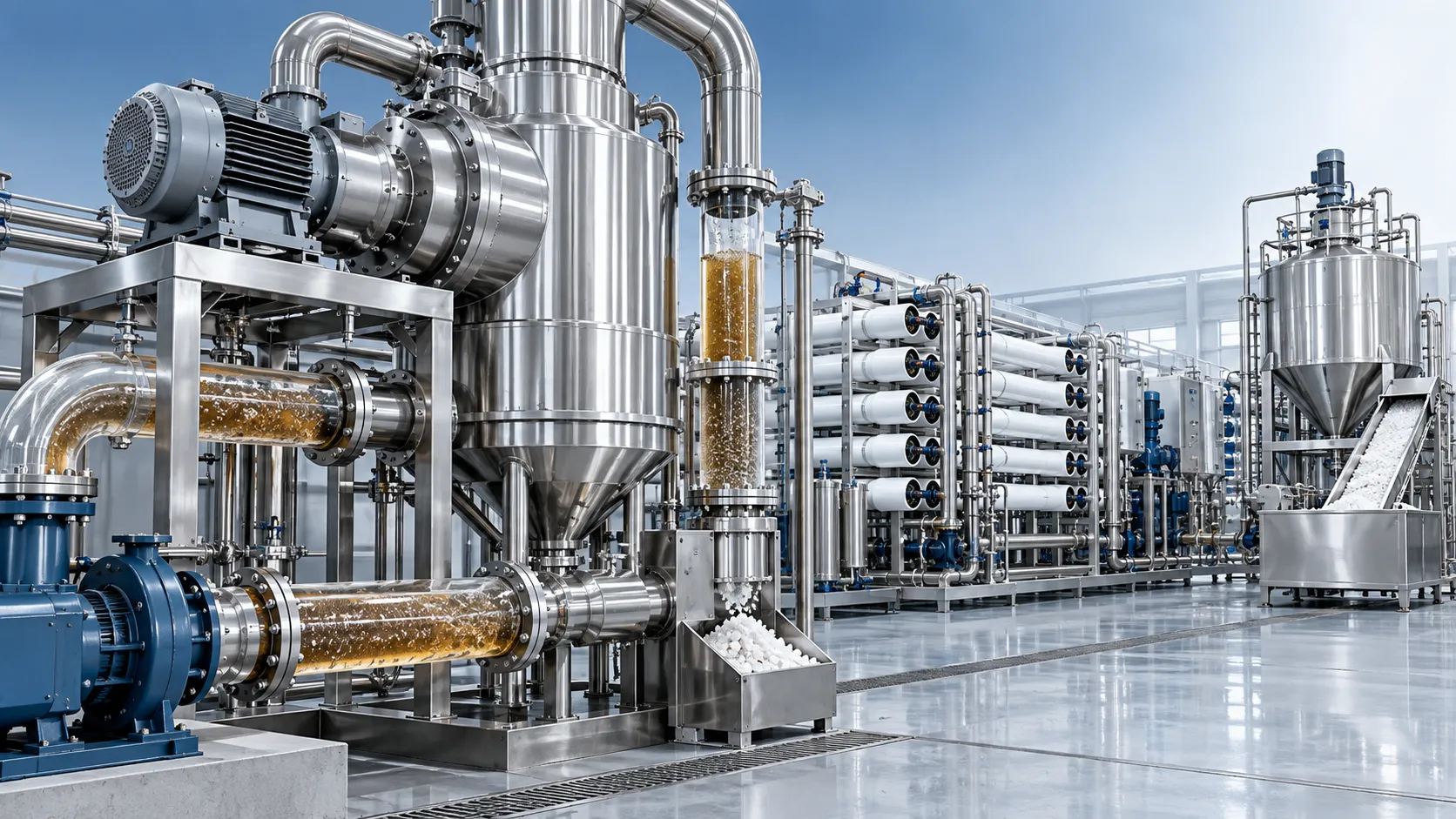
How feed salinity affects energy use in ZLD system brine treatment
ZLD system brine treatment: discover how feed salinity drives energy use, scaling risk, and technology choices for efficient, reliable zero liquid discharge.
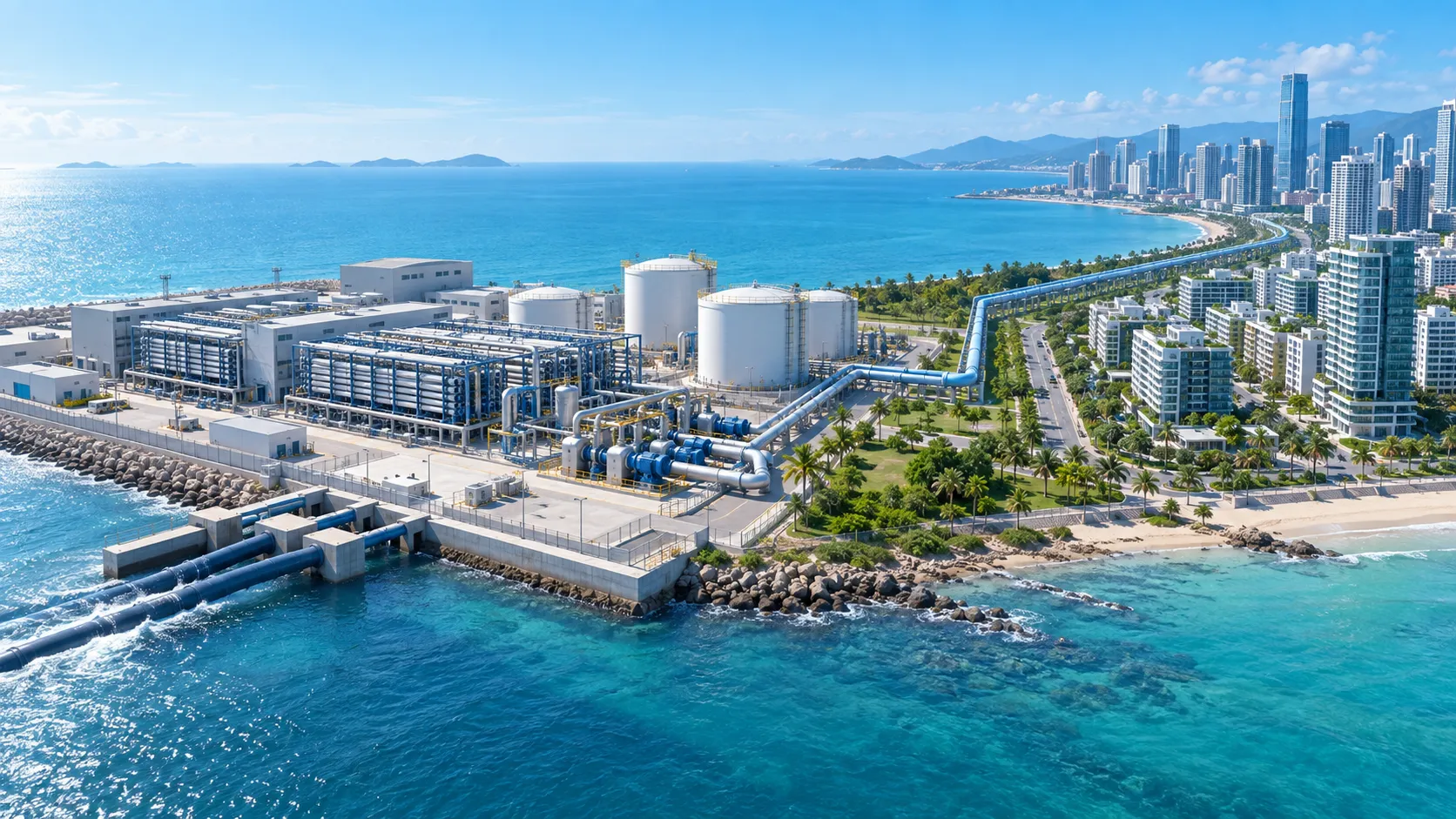
How coastal cities can select desalination solutions for peak demand
Seawater desalination solutions for coastal cities: compare firm peak capacity, intake risk, energy resilience, and lifecycle value to secure reliable water supply.
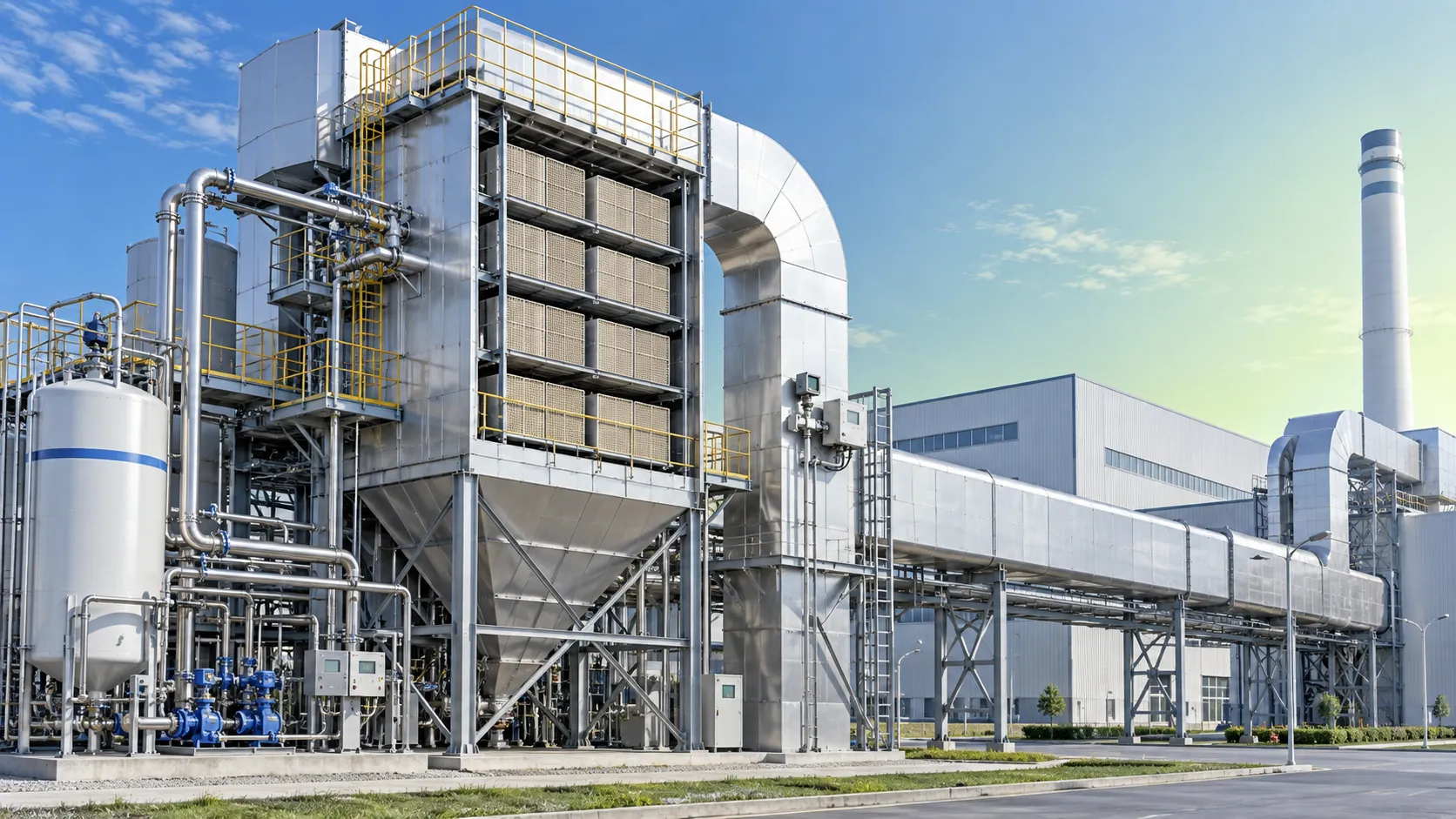
How SCR denitrification systems in Europe meet Industrial Emissions rules
SCR denitrification systems Europe: learn how permit-led design, ammonia-slip control, catalyst management and monitoring support Industrial Emissions compliance.
When does MBR equipment make sense for wastewater reuse?
Water treatment equipment for wastewater reuse: learn when MBR delivers compact, reliable low-solids effluent—and when alternative treatment trains offer better value.