
Industry News
Curation by industry experts
Hot Articles
Popular Tags
How to Compare Environmental Compliance Equipment in North America by Permit Risk and Lifecycle Cost
Comparing environmental compliance equipment North America requires more than checking specs or price tags. For technical evaluators facing strict permits, regional regulatory differences, and long asset lifecycles, the real decision hinges on permit risk, operating stability, retrofit complexity, and total cost of ownership. This guide outlines a practical framework to help teams assess equipment options with greater confidence, lower compliance exposure, and stronger long-term project value.
Why Permit Risk Should Come Before Sticker Price
For technical evaluators, the first question is rarely which system is cheapest. It is which system can reliably meet permit conditions under real operating variability.
In North America, environmental compliance equipment is purchased into a regulatory landscape shaped by federal baselines, state or provincial rules, local discharge requirements, and site-specific permit limits.
That means two systems with similar nameplate capacity can carry very different compliance outcomes. A lower-capex option may become expensive if it performs poorly during peak loading, startup cycles, or seasonal shifts.
Permit risk should therefore be treated as a design and procurement variable, not a legal issue to review after technical selection is complete.
For environmental compliance equipment North America projects, the strongest candidates are usually those with stable performance margins, good control flexibility, and documented operating history under comparable permit conditions.
Start with the Real Compliance Exposure at the Site
Before comparing vendors, evaluators need a clear map of the site’s actual compliance exposure. That means translating the permit into operational stress points rather than simply listing regulated parameters.
Key questions include whether the permit has narrow discharge limits, short averaging windows, continuous monitoring obligations, upset reporting triggers, or future tightening risk linked to local enforcement trends.
It is also important to identify whether the facility is exposed to one dominant compliance variable or several interacting ones. For example, flow swings, salinity changes, solids content, and reagent quality can compound risk.
In practice, this step helps teams avoid a common mistake: selecting equipment optimized for average conditions instead of worst credible operating scenarios.
Technical evaluators should build a permit risk profile that scores each pollutant or compliance metric by exceedance consequence, variability sensitivity, monitoring visibility, and recovery time after upset events.
How to Compare Equipment by Compliance Reliability
Once permit exposure is defined, the next task is comparing equipment by compliance reliability. This is more useful than comparing isolated efficiency claims from brochures or single-point pilot results.
Compliance reliability means the system’s ability to stay within permit limits across real disturbances, not just under ideal feed conditions or during acceptance testing.
Start with removal consistency, turndown ratio, automation maturity, sensor redundancy, and control response speed. These factors often matter more than peak theoretical treatment efficiency.
For example, in water treatment and flue gas control, a unit with slightly lower headline performance may still be the better choice if it handles shock loads more predictably.
Similarly, in waste recovery or desalination applications, membrane fouling tolerance, wash frequency, and restart behavior may directly affect whether the site remains in compliance during unstable operations.
Ask vendors for performance data under upset conditions, partial-load operation, feed variability, cold-weather conditions, and maintenance transitions. If they only provide ideal-case data, the comparison is incomplete.
Technical teams should also examine alarm philosophy, control logic transparency, and the operator actions required to keep the system compliant. Highly sensitive systems can shift hidden risk onto operations staff.
Regional Differences in North America Change the Right Answer
There is no single best equipment category for all environmental compliance equipment North America decisions because regulatory and operating conditions vary widely across the region.
In the United States, state agencies may apply stricter interpretations or more aggressive enforcement priorities than the federal baseline suggests. In Canada, provincial frameworks and sector-specific expectations can also reshape selection criteria.
Climate matters as well. Freeze-thaw cycles, ambient humidity, source water quality, and energy pricing all influence lifecycle performance and operating cost.
Industrial mix is another factor. Equipment suitable for municipal treatment may not be resilient enough for mining, refining, power generation, chemical processing, or high-strength industrial wastewater.
For that reason, evaluators should prioritize references from similar jurisdictions, feed chemistry, throughput scale, and enforcement environments rather than relying on broad North American case lists.
A vendor with fewer total installations but stronger relevance to the specific compliance context may offer lower practical risk than a larger supplier with less comparable field history.
Lifecycle Cost Means More Than Energy and Maintenance
Many teams say they evaluate total cost of ownership, but in practice they often reduce lifecycle cost to energy use, consumables, and annual maintenance.
That is too narrow for compliance equipment. True lifecycle cost must include the cost of permit failure, process instability, retrofit complexity, spare parts risk, operator burden, and future regulatory adaptation.
A lower-priced system can become the most expensive option if it requires frequent manual intervention, causes production interruptions, or cannot absorb likely permit tightening over a fifteen-year asset life.
Technical evaluators should model lifecycle cost under at least three operating cases: normal load, stressed load, and degraded condition such as fouling, reagent drift, or component aging.
This approach is especially important in high-consequence segments such as ZLD systems, flue gas treatment, seawater desalination pretreatment, and nuclear-adjacent waste handling, where failure costs escalate quickly.
Useful lifecycle categories include power demand, chemicals, media replacement, membrane or catalyst life, labor intensity, calibration and monitoring costs, downtime impact, compliance reporting effort, and decommissioning or retrofit cost.
What Technical Evaluators Should Ask Vendors
Strong equipment comparison depends on disciplined questions. Generic requests for efficiency, footprint, and capex will not reveal enough about real compliance and lifecycle performance.
Ask how the system behaves when influent or feed conditions move outside nominal design values. Require specific ranges, not general statements about robustness.
Request documented evidence for startup time, shutdown recovery, bypass scenarios, maintenance-related performance dips, and operator skill assumptions required to maintain permit compliance.
Ask which components are most likely to create compliance failure modes. These may include analyzers, dosing systems, blowers, pumps, membrane trains, controls, or ash and sludge handling interfaces.
It is also valuable to ask how the design supports future permit changes. Can stages be added? Can controls be upgraded? Is the system compatible with tighter monitoring and reporting expectations?
For North American projects, spare parts location, service response time, and local commissioning capability should be evaluated as risk variables, not just service conveniences.
Finally, ask for customer references that specifically experienced feed variability, permit pressure, or enforcement scrutiny. Those conversations usually reveal more than polished case studies.
A Practical Scoring Model for Side-by-Side Evaluation
To make vendor comparison defensible, technical teams should use a weighted scoring model that reflects compliance reality instead of equal weighting across unrelated criteria.
A useful framework starts with four primary categories: permit risk, lifecycle cost, operability, and retrofit or integration complexity.
Permit risk can include performance margin to permit limit, upset resilience, monitoring compatibility, control maturity, and recovery time after excursions.
Lifecycle cost should include direct opex, major replacement intervals, expected downtime, labor burden, and probable compliance-related cost exposure.
Operability should cover automation quality, maintenance accessibility, training burden, troubleshooting transparency, and dependence on specialized vendor support.
Retrofit complexity should measure footprint fit, civil modifications, tie-in difficulty, utility demand changes, commissioning risk, and disruption to existing plant operations.
Most teams benefit from giving permit risk the highest weighting, especially when noncompliance can trigger fines, production disruption, reputational damage, or permit renegotiation.
This model also improves internal alignment. Engineering, operations, EHS, and procurement can debate weightings openly instead of arguing later over a decision made on incomplete assumptions.
Common Comparison Mistakes That Distort the Decision
Several recurring mistakes weaken equipment selection. The first is comparing design-point performance as though it represents lifecycle behavior.
The second is treating all compliance exceedances as equal. In reality, some exceedances are quickly correctable, while others trigger reporting obligations, shutdown risk, or extended liability exposure.
Another mistake is underestimating retrofit friction. Equipment that looks efficient on paper may require complex civil work, utility upgrades, or control integration that erodes both schedule and value.
Teams also often overlook operator dependency. If stable compliance depends on frequent manual tuning, the system may perform well during vendor demonstrations but inconsistently in daily plant operation.
One more issue is ignoring future tightening. Across North America, environmental expectations are not becoming simpler. Equipment with no adaptation path can become stranded earlier than expected.
A disciplined comparison process reduces these errors by forcing teams to examine resilience, not just specification compliance.
What a Strong Final Decision Usually Looks Like
The best choice is often not the highest-efficiency unit or the lowest-capex package. It is the option with the most credible path to long-term compliance at manageable total cost.
For technical evaluators, that usually means choosing equipment with proven field stability, visible performance margin, maintainable controls, and a realistic upgrade path for future permit pressure.
In environmental compliance equipment North America decisions, credibility matters more than optimistic modeling. Verified operating data from similar applications should carry more weight than aggressive theoretical projections.
When teams compare options through permit risk and lifecycle cost together, they make decisions that are easier to defend internally and safer to live with operationally.
That is especially important in sectors where environmental performance, production continuity, and public accountability are tightly linked.
Conclusion
To compare environmental compliance equipment effectively in North America, technical evaluators should begin with permit exposure, then test each option against real operating variability and full lifecycle cost.
This shifts the decision away from simplistic price comparison and toward a more reliable understanding of compliance durability, operating burden, and long-term asset value.
The most useful framework is straightforward: define the site’s compliance stress points, examine performance under upset conditions, price the hidden cost of instability, and score vendors against future adaptability.
When that discipline is applied early, teams reduce compliance risk, avoid costly retrofits, and select equipment that remains defensible well beyond commissioning.
Recommended News

How North America shapes global environmental governance standards
Global environmental governance North America: discover how regulation, finance, and procurement raise worldwide standards and reshape environmental projects.

How reactor capacity affects throughput in pyrolysis systems
Pyrolysis systems reactor capacity explained: learn how heat transfer, residence time, feed quality, and emissions controls determine reliable throughput.
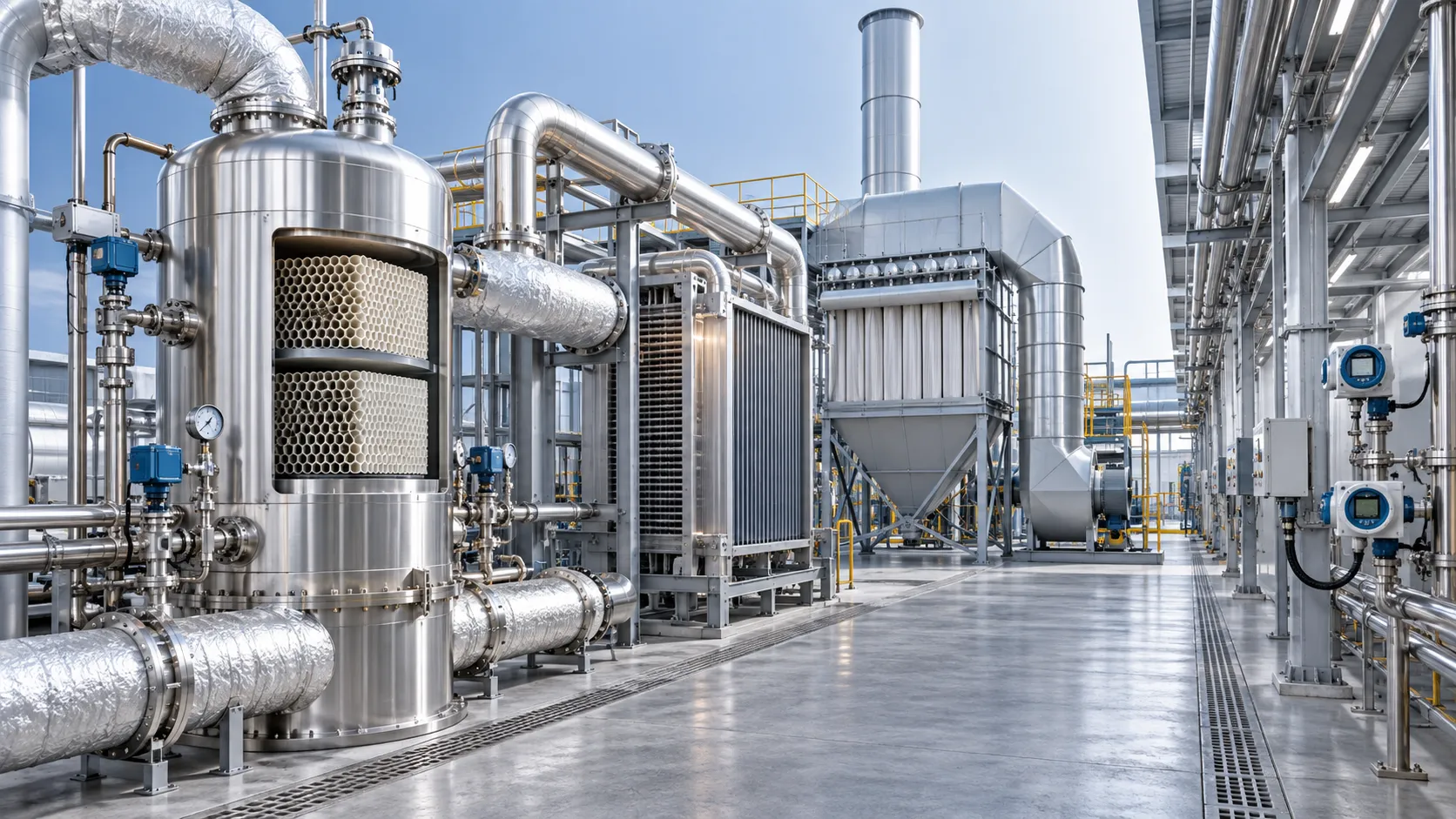
When low-temperature reaction equipment is the right fit for heat-sensitive processes
Low-temperature reaction equipment helps protect heat-sensitive streams, improve energy integration, and maintain reliable conversion. Explore key selection factors today.
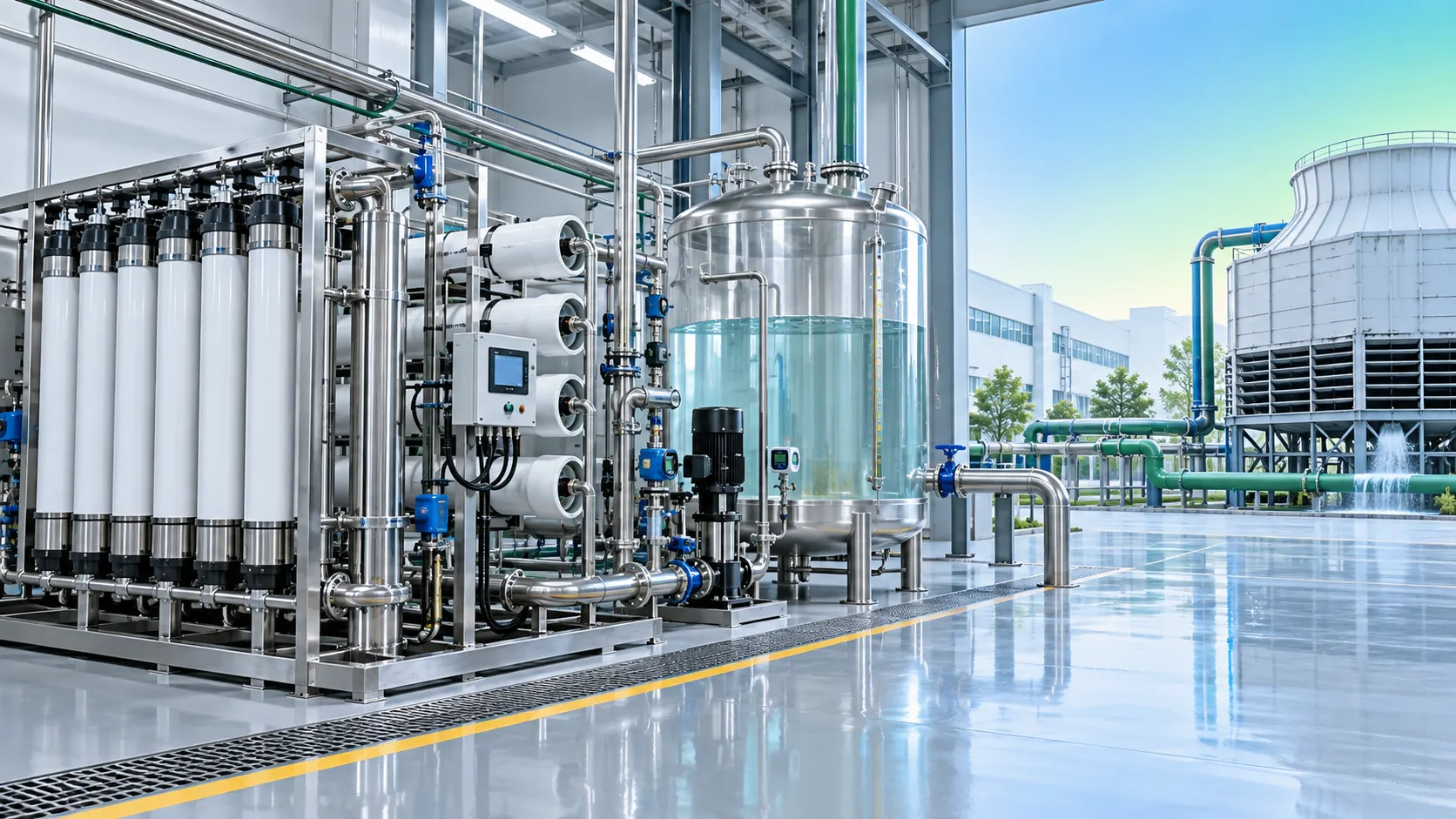
When do water reuse systems deliver a practical payback?
Water reuse systems deliver practical payback when they cut water, discharge, and downtime costs. Learn how to match treatment, recovery, and reuse quality for lasting ROI.
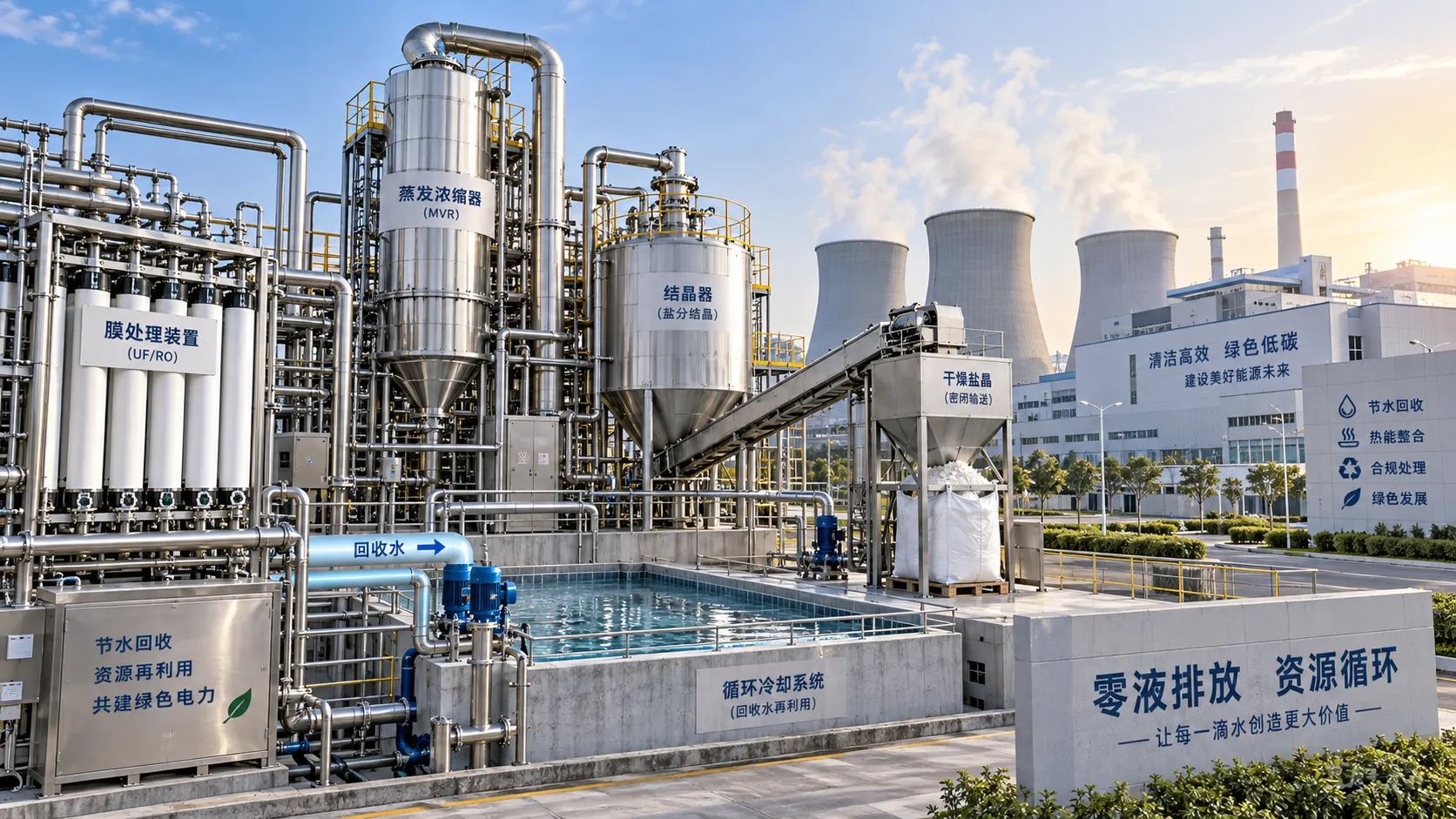
When do ZLD systems for power generation justify their energy use?
ZLD systems for power generation: learn when energy-intensive water recovery delivers stronger compliance, resilience, and long-term value.
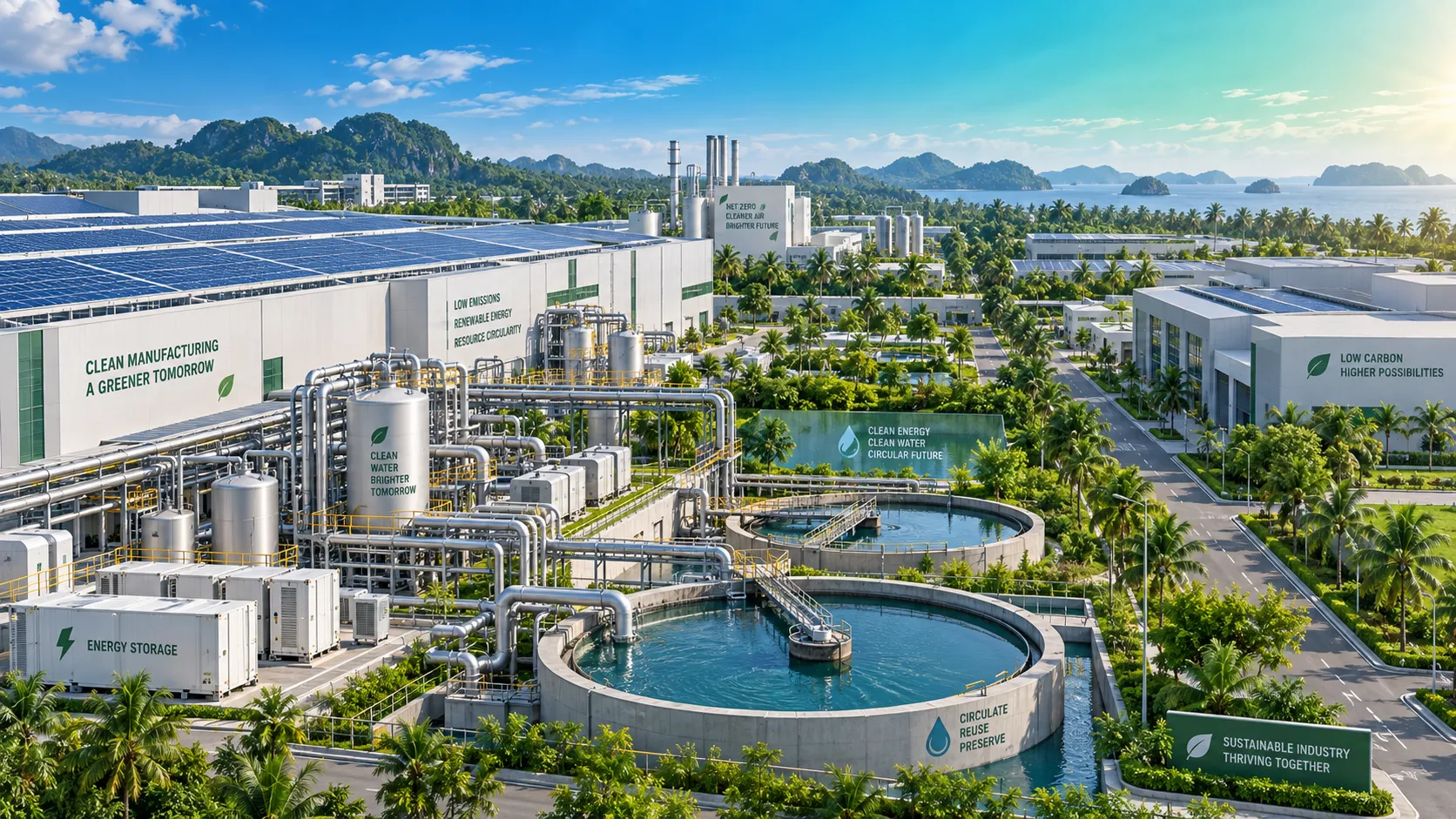
Which decarbonization pathways are most viable in Southeast Asia?
Decarbonization Southeast Asia: discover practical pathways for clean power, efficiency, electrification, circular recovery, and resilient industrial growth.
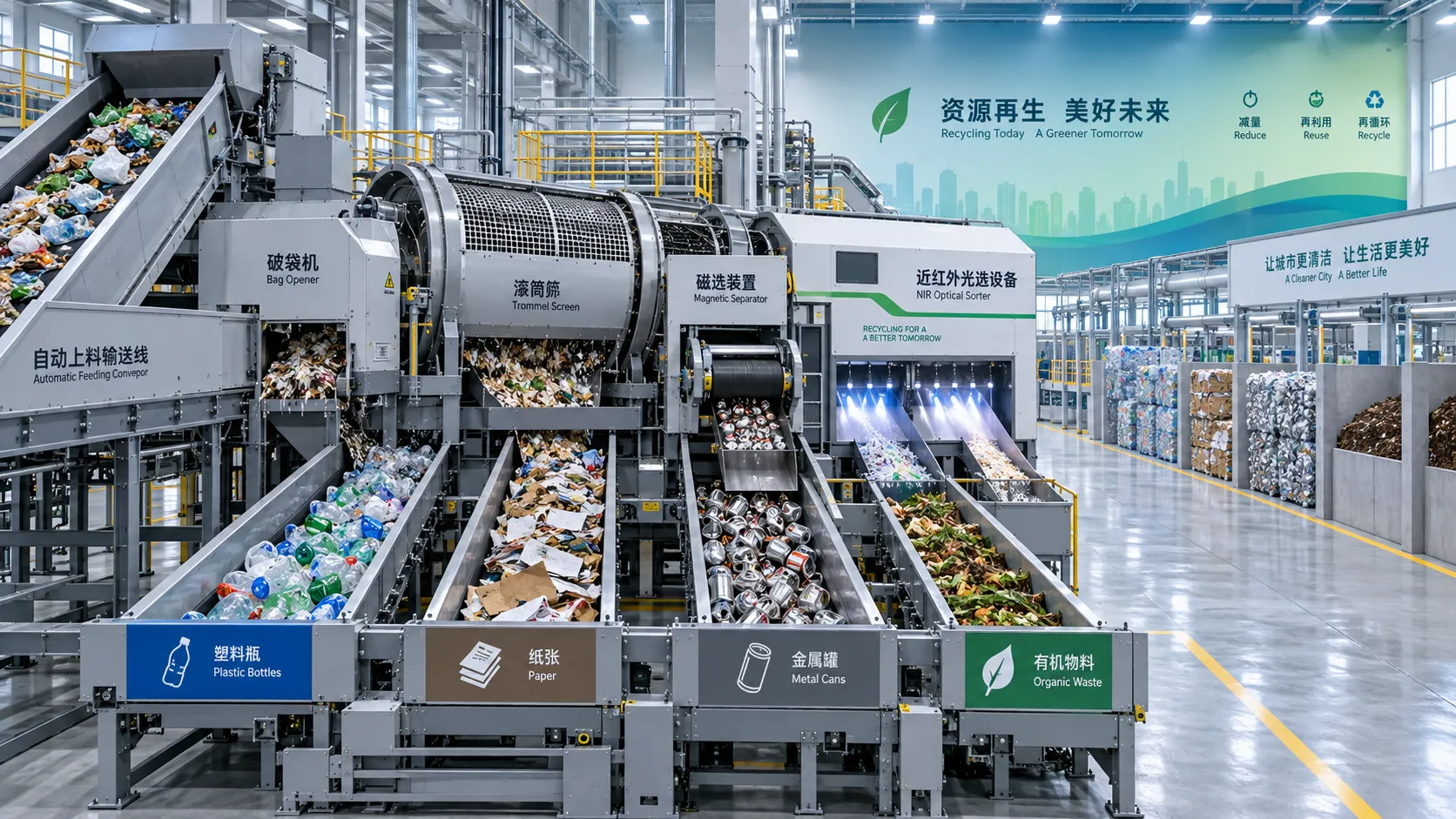
How to choose waste sorting equipment for mixed municipal waste
Waste sorting equipment selection guide for mixed municipal waste: compare technologies, improve recovery, reduce downtime, and build reliable output streams.
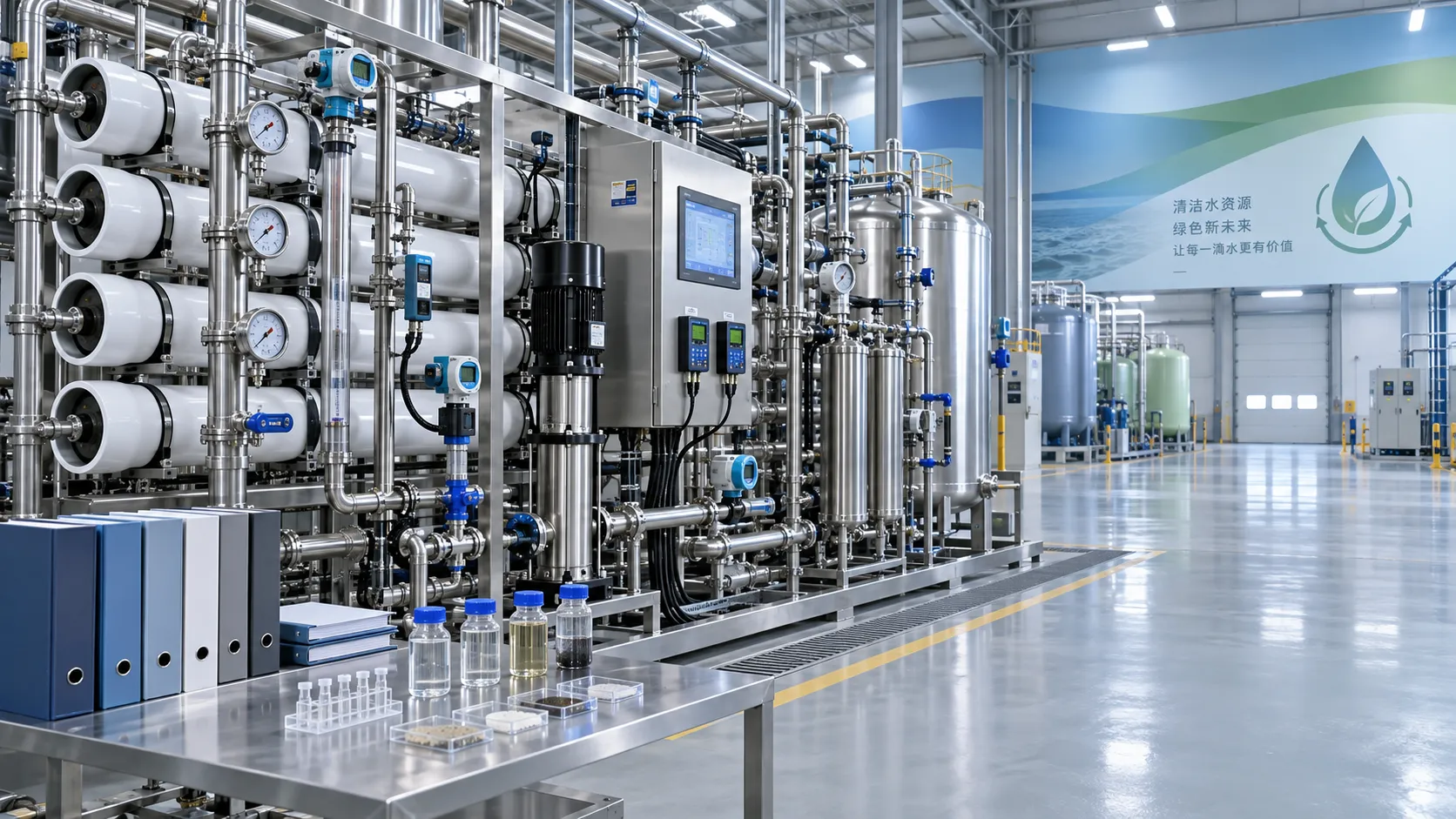
How to verify standards in an environmental equipment directory
environmental equipment directory standards reference: learn to verify certifications, performance evidence, scope, and project fit for confident, compliant equipment selection.
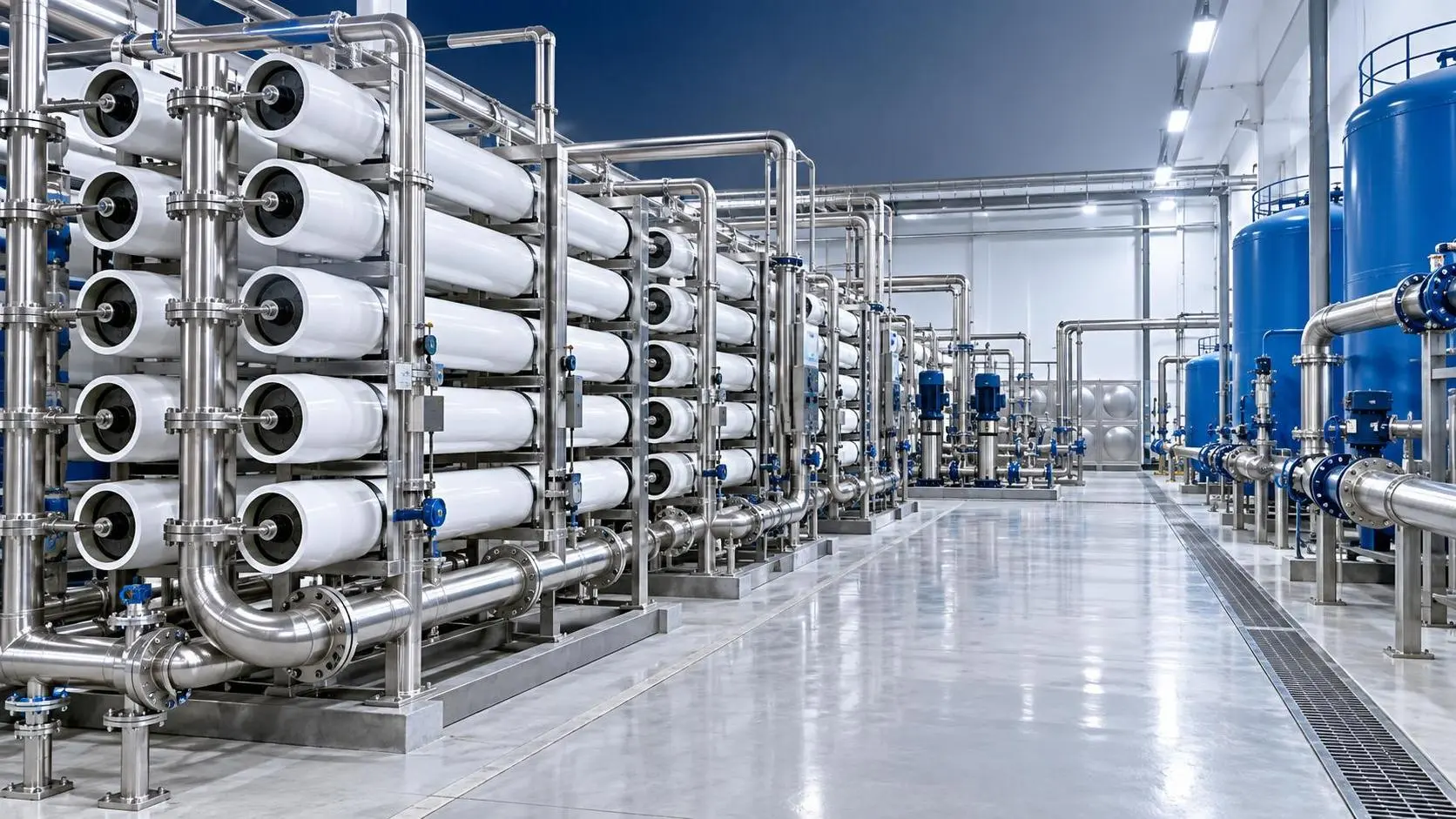
When high flux membrane water treatment justifies a larger footprint
High flux membrane water treatment can justify a larger footprint when variable feedwater, fouling risk, and uptime demands require resilient, lower-flux operation.