
Industry News
Curation by industry experts
Hot Articles
Popular Tags
How to Choose a Wastewater Purification Plant Builder for Tight Compliance Projects
How to Choose a Wastewater Purification Plant Builder for Tight Compliance Projects
Choosing the right wastewater purification plant builder is critical for tight compliance projects where permitting, performance, and risk control leave no room for error. Project managers and engineering leaders must evaluate not only technical capability, but also regulatory experience, process reliability, and delivery discipline across complex industrial environments. For high-stakes water treatment initiatives, the ideal partner should align engineering precision with long-term compliance strategy, ensuring every stage—from design to commissioning—supports safe, efficient, and audit-ready operation.
That sounds straightforward until the project gets real. A wastewater plant built for one sector can fail badly in another if the influent is different, the discharge limits are tighter, or the local authority expects a level of documentation the contractor has never handled before. In tight compliance work, the builder is not just a fabricator or installer. It is part engineer, part risk manager, part translator between process reality and regulatory language.
Start with the compliance context, not the equipment list
The most common selection mistake is to start with pumps, membranes, tanks, or control systems before the project’s compliance frame is clear. A wastewater purification plant builder should be assessed against the actual permitting path, discharge target, and monitoring burden of the site. For some projects, the issue is meeting a stable effluent limit. For others, it is proving performance under variable loading, handling seasonal flow swings, or supporting zero liquid discharge (ZLD) logic where water recovery, brine management, and residue handling all matter together.
This is where a builder’s experience across large water treatment plants becomes relevant. ESD’s strategic intelligence work often links extreme physicochemical purification parameters with global compliance strategies because those two things cannot be separated in real projects. A system that looks strong on paper may still be a poor fit if it cannot support the documentation, sampling points, alarm logic, or operational safeguards that auditors and regulators expect.
Look for process judgment, not just EPC confidence
Many builders can produce a tidy proposal. Fewer can explain why one treatment train is safer than another under your actual influent profile. That distinction matters. If the wastewater contains high salinity, heavy metals, organics, fluctuating COD, or temperature-sensitive compounds, the builder should be able to discuss process sequencing, resilience to upset conditions, and how each unit operation affects downstream compliance risk.
Good builders usually ask uncomfortable questions early: What happens when inlet quality drifts? Which parameters must be continuously monitored? What is the operator’s response when one barrier fails? How much redundancy is necessary for compliance, not just uptime? If those questions never come up, the proposal may be too generic for a regulated project.
Project managers should also watch for builders who understand the difference between designing for average performance and designing for worst-case behavior. In compliance-heavy environments, the second one is the real test. A builder that has worked across industrial water treatment, desalination, or resource recovery often brings a more disciplined view of hydraulics, fouling, sludge handling, and instrumentation because those systems are unforgiving when assumptions are loose.
What to verify in the builder’s delivery record
Credentials matter, but not in the abstract. Ask for project types that are close to yours in influent complexity, regulatory pressure, and delivery environment. A wastewater purification plant builder serving municipal sewage is not automatically strong in industrial wastewater, and a builder experienced in standard discharge projects may not be ready for ZLD or high-recovery systems.
Reference checks should be practical, not promotional. Ask what happened during startup, how deviations were handled, and whether the builder’s documentation matched what operators actually needed. Tight compliance projects often fail in the gap between commissioning and steady operation, so that gap deserves as much attention as design itself.
Engineering depth should show up in the documents
A serious builder does not rely on a neat concept diagram alone. The submission package should reflect process logic, control philosophy, utility demands, maintenance access, safety interlocks, and sampling strategy. If the project is complex, the builder should be able to explain why a certain train was chosen, how it behaves under off-design conditions, and which parts require operator attention versus automatic control.
This is also where cross-sector intelligence becomes useful. ESD’s coverage of water treatment, seawater desalination, solid waste recovery, and even nuclear waste management points to the same underlying idea: compliance depends on precision at the boundary conditions. Whether the issue is membrane stability, reaction kinetics, resource recovery logic, or long-term containment, the system must be designed with what can go wrong in mind. Wastewater projects are no different.
If a builder cannot clearly describe the monitoring points, alarm thresholds, sampling frequency, and contingency response, the design may still be immature. In regulated environments, vague language usually hides unresolved risk.
Delivery discipline can make or break compliance
Even a strong process design can be undermined by poor execution. Tight compliance projects often run on fixed windows, coordinated shutdowns, or synchronized civil and mechanical handoffs. The builder must show control over procurement, fabrication quality, FAT/SAT planning where applicable, site sequence, and change management. Delays are costly, but unrecorded changes are worse because they create traceability problems later.
Ask how the builder manages substitutions. Ask who signs off on revisions. Ask how deviations are documented. These are not administrative details; they are part of the compliance system. A plant that is technically sound but poorly documented can become difficult to defend during inspection, warranty review, or future expansion.
The same applies to commissioning. A builder should not treat startup as a short handover event. In high-stakes water treatment, commissioning is where the plant proves whether the design assumptions hold under actual site conditions. If the team has no clear plan for testing, tuning, operator training, and temporary bypass handling, the project remains exposed.
A useful way to compare builders
When comparing candidates, do not let price dominate too early. A lower bid can hide weaker process assumptions, thinner documentation, or a shorter view of lifecycle risk. Instead, compare builders on how they think about three things: compliance resilience, operational simplicity, and handover readiness.
- Can the design keep meeting limits when influent changes?
- Will operators understand the system without constant vendor dependence?
- Does the builder provide enough evidence for permitting, inspection, and future audits?
- Are maintenance access and spare parts reality-based, or only shown in drawings?
- Is the control strategy practical for the site’s staffing level?
These questions usually reveal more than a polished proposal. The right wastewater purification plant builder should reduce uncertainty, not simply repackage it.
The best partner is the one that can defend the project later
In tight compliance work, the builder is ultimately judged long after the contract is signed. Can the plant be explained to regulators? Can the operating team run it without guesswork? Can the owner trace why a design decision was made? If the answer to any of those questions is weak, the project is carrying hidden risk.
That is why project leaders should favor builders who think beyond construction. The strongest firms tend to combine process engineering, compliance awareness, and disciplined delivery into one working method. They also know when a project needs deeper intelligence before design freezes—especially where industrial wastewater, ZLD logic, or strict discharge monitoring is involved.
For teams preparing a selection decision, the next step is usually not another brochure. It is a hard review of influent data, local requirements, operating expectations, and handover responsibilities. The builder who can discuss those items clearly is usually the one worth taking to the next stage.
Recommended News
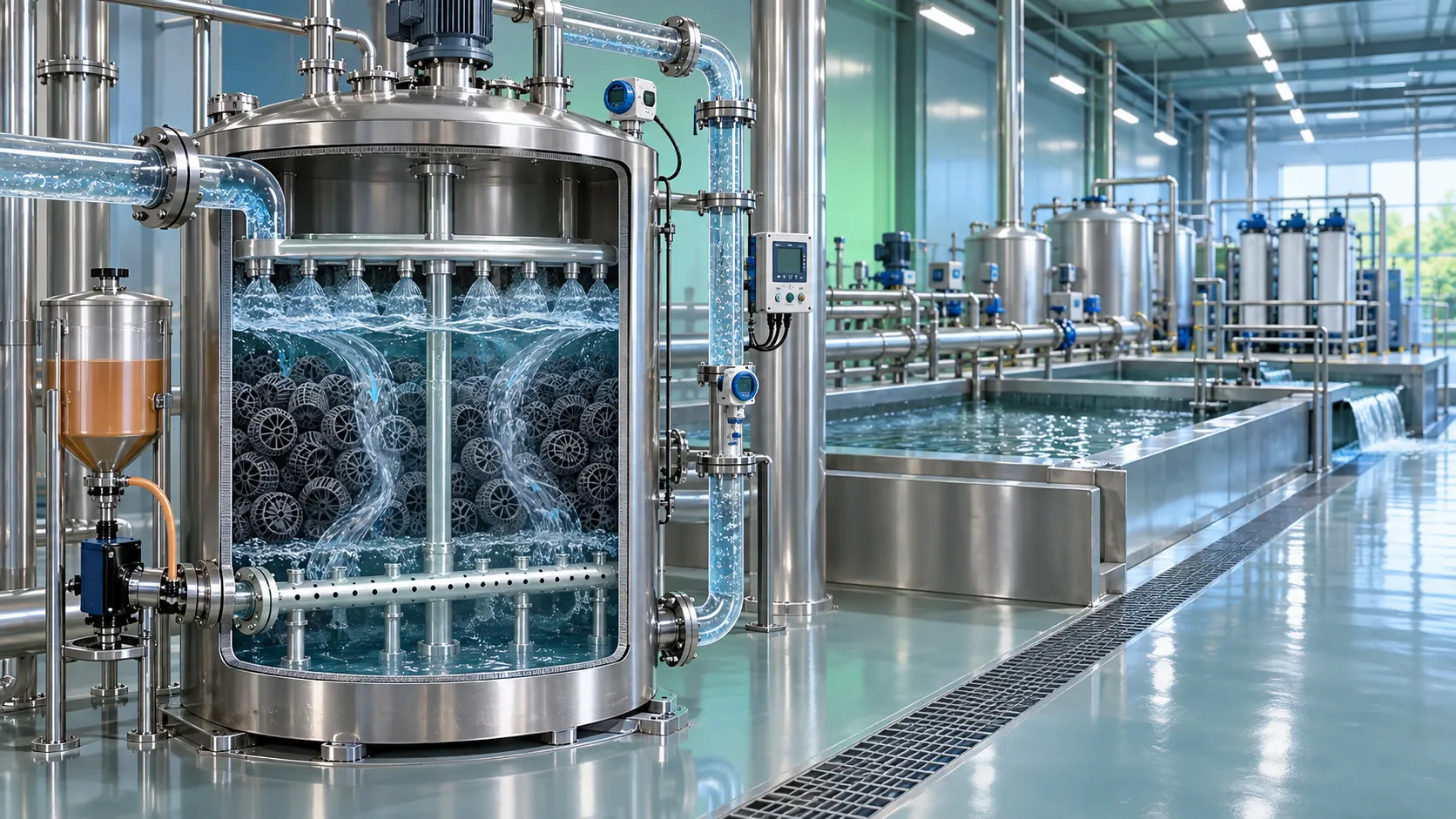
How reactor retention time affects denitrification equipment performance
Denitrification equipment reactor performance depends on retention time, carbon, mixing, and load control. Explore practical insights for reliable nitrogen removal.
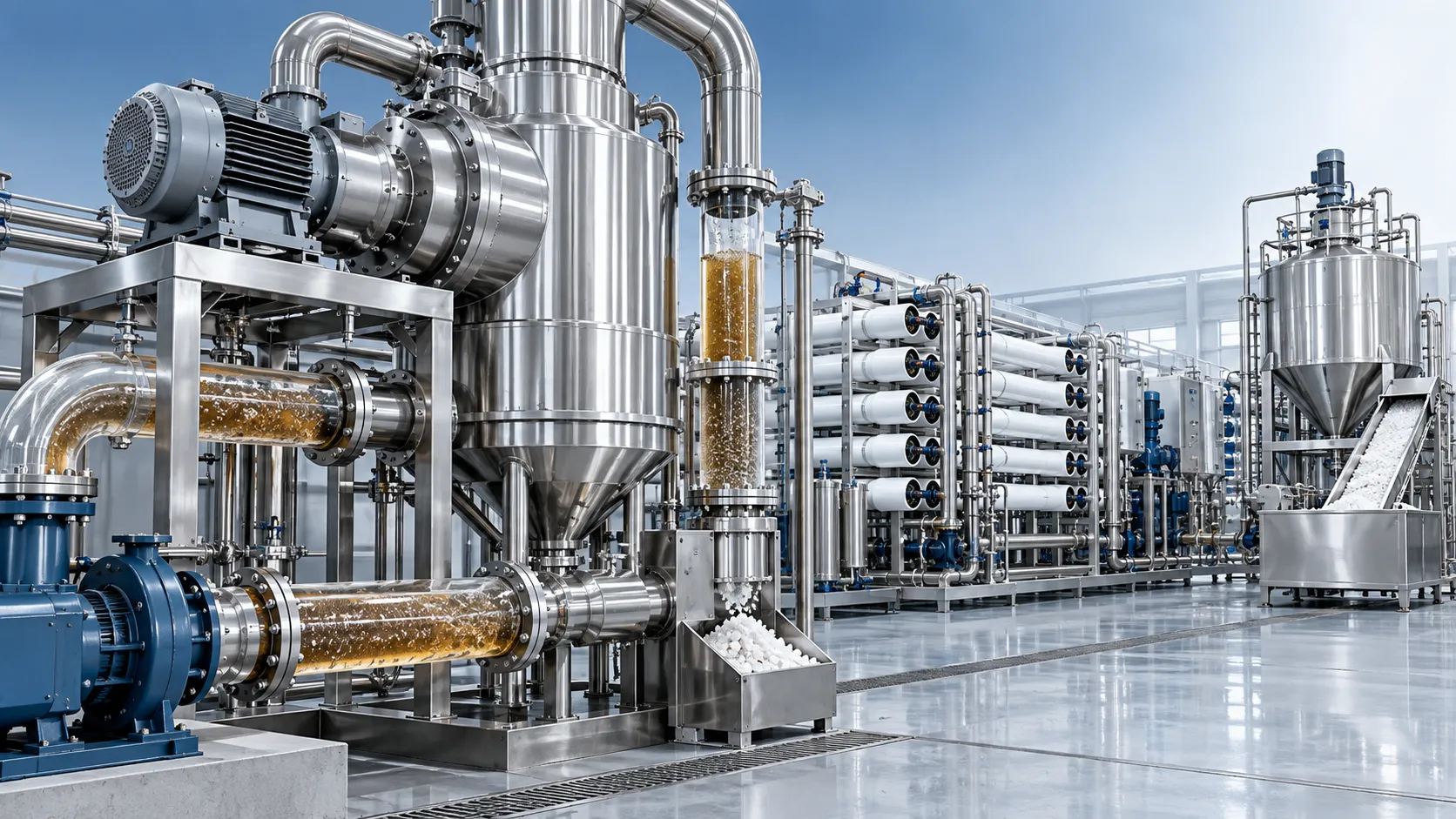
How feed salinity affects energy use in ZLD system brine treatment
ZLD system brine treatment: discover how feed salinity drives energy use, scaling risk, and technology choices for efficient, reliable zero liquid discharge.
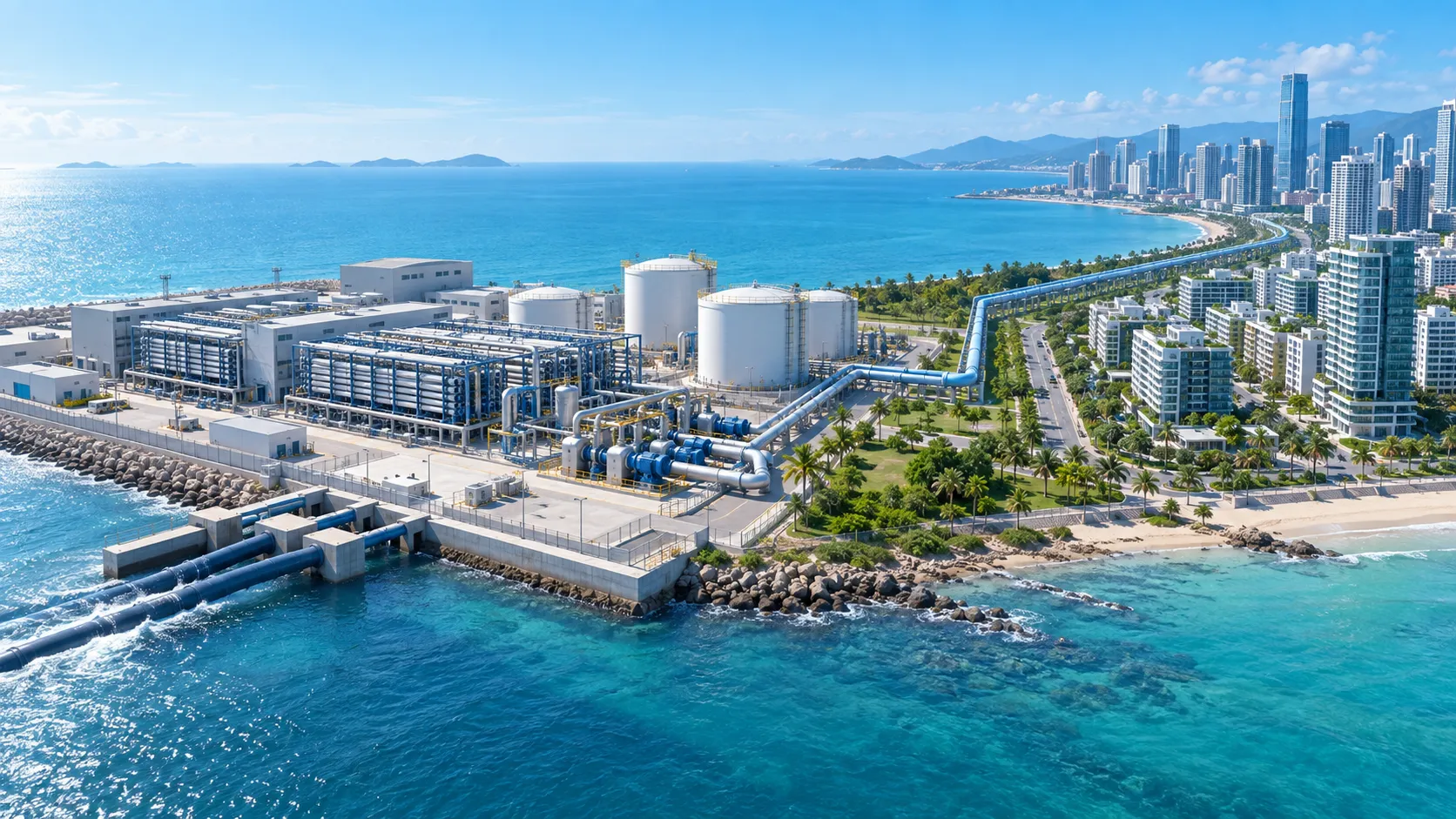
How coastal cities can select desalination solutions for peak demand
Seawater desalination solutions for coastal cities: compare firm peak capacity, intake risk, energy resilience, and lifecycle value to secure reliable water supply.
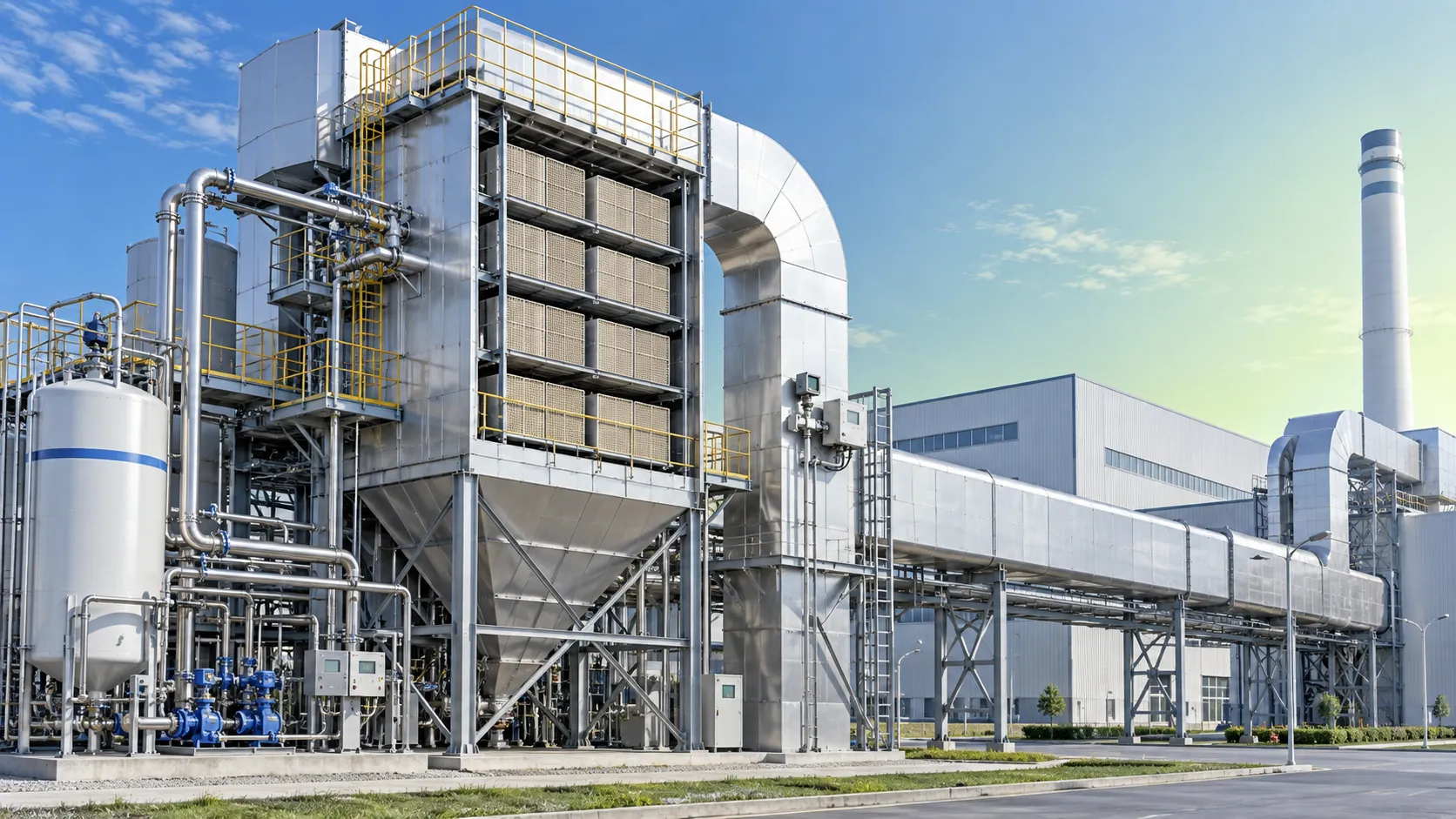
How SCR denitrification systems in Europe meet Industrial Emissions rules
SCR denitrification systems Europe: learn how permit-led design, ammonia-slip control, catalyst management and monitoring support Industrial Emissions compliance.
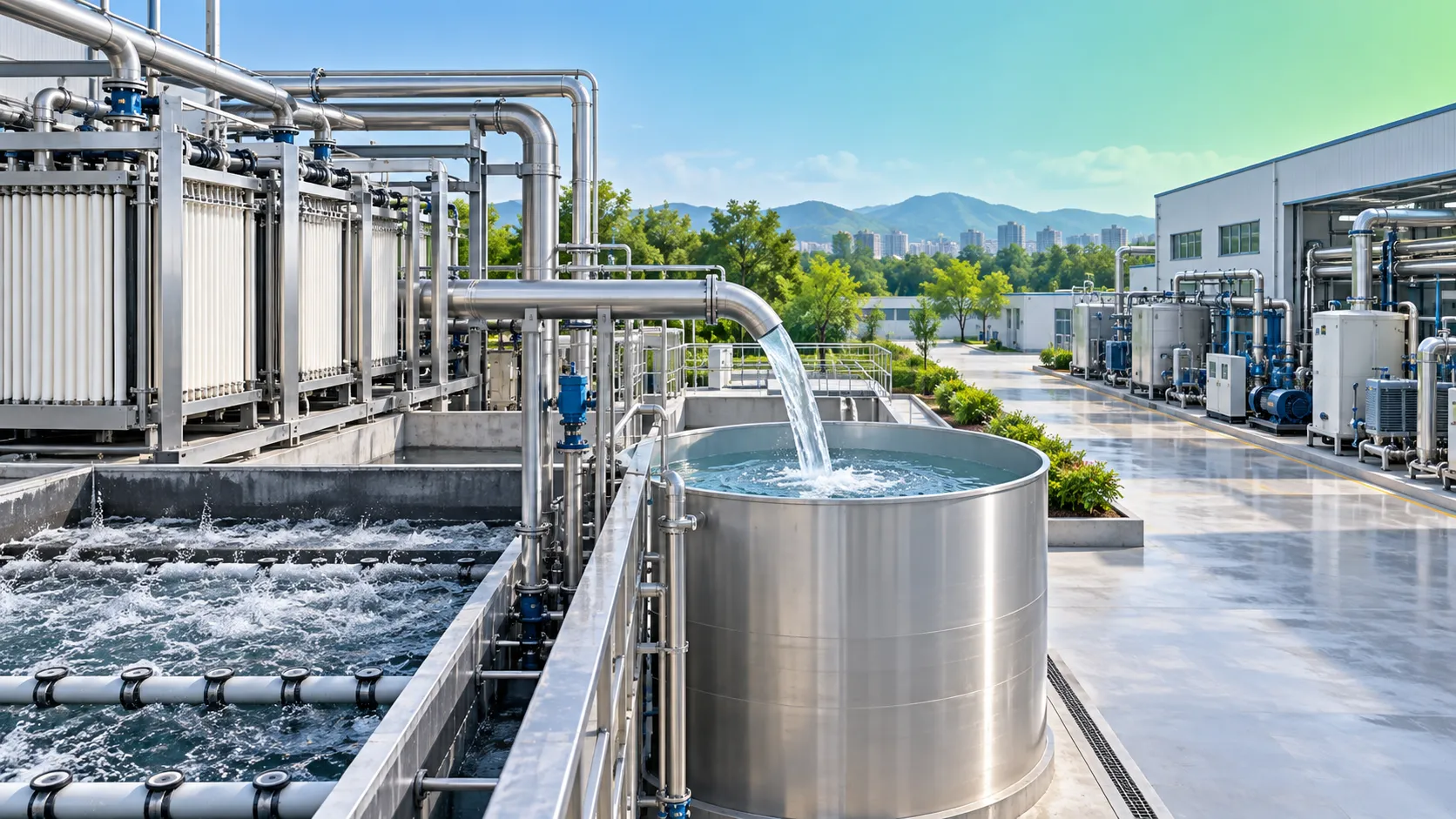
When does MBR equipment make sense for wastewater reuse?
Water treatment equipment for wastewater reuse: learn when MBR delivers compact, reliable low-solids effluent—and when alternative treatment trains offer better value.
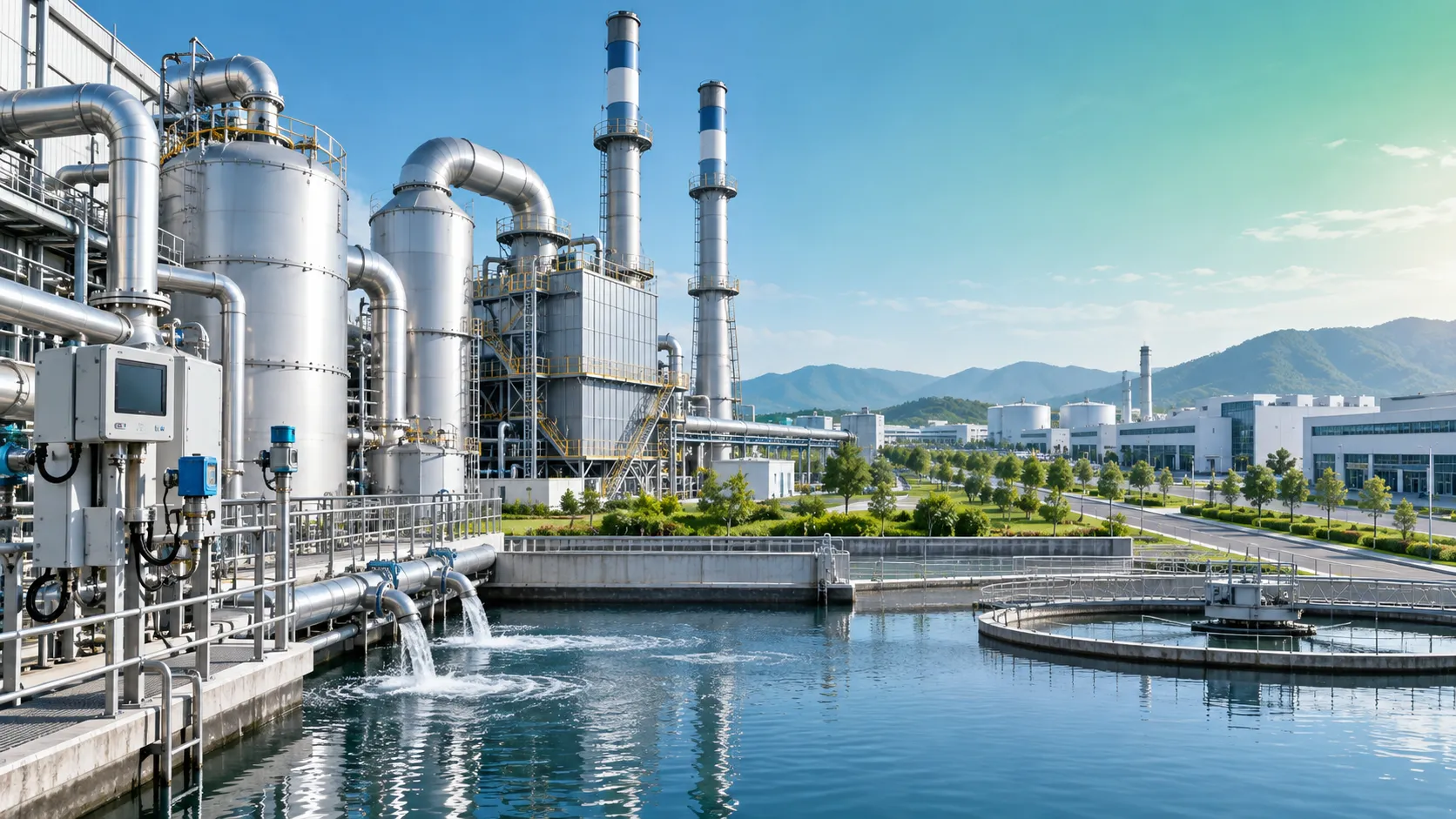
How North America shapes global environmental governance standards
Global environmental governance North America: discover how regulation, finance, and procurement raise worldwide standards and reshape environmental projects.
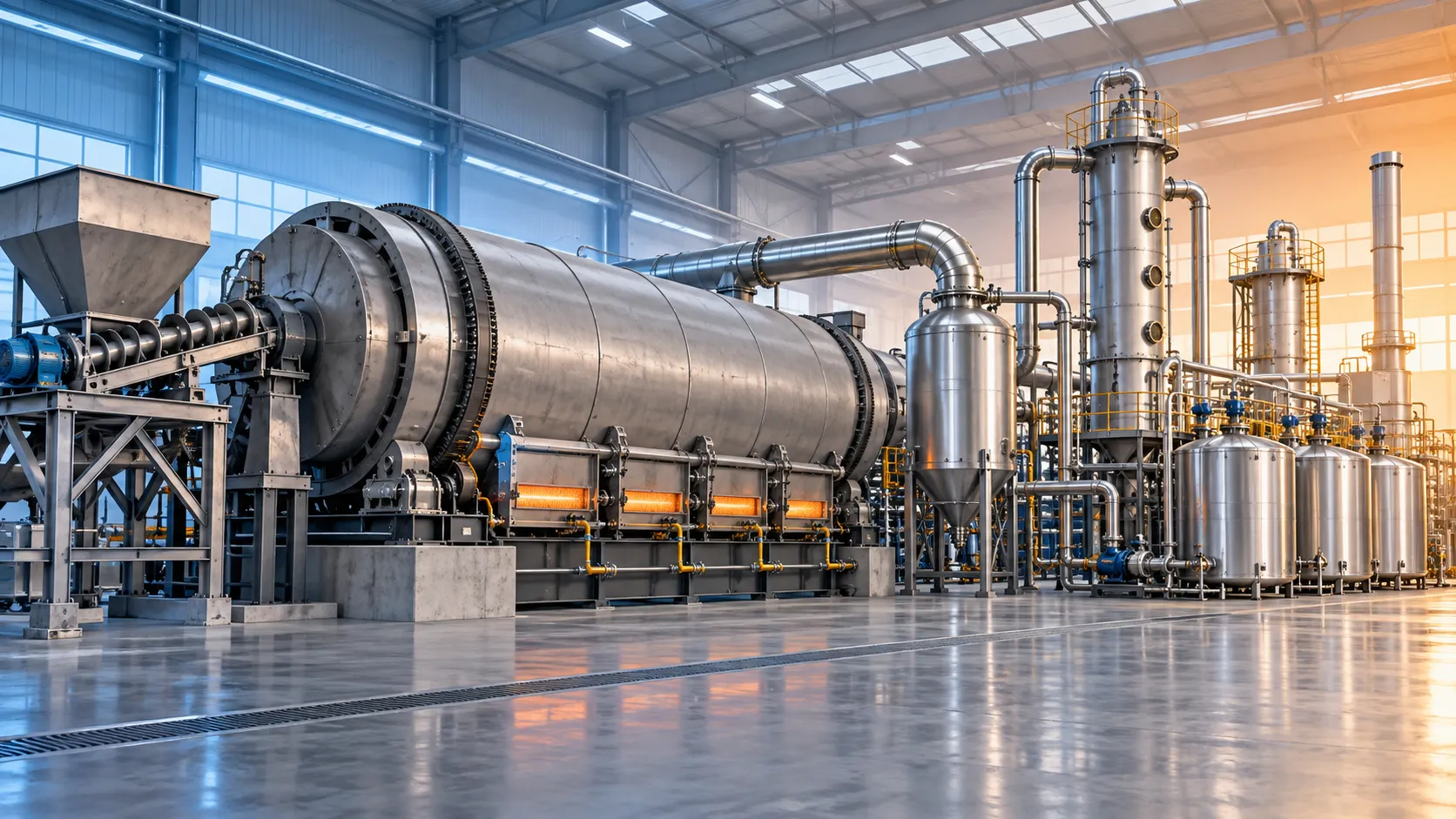
How reactor capacity affects throughput in pyrolysis systems
Pyrolysis systems reactor capacity explained: learn how heat transfer, residence time, feed quality, and emissions controls determine reliable throughput.
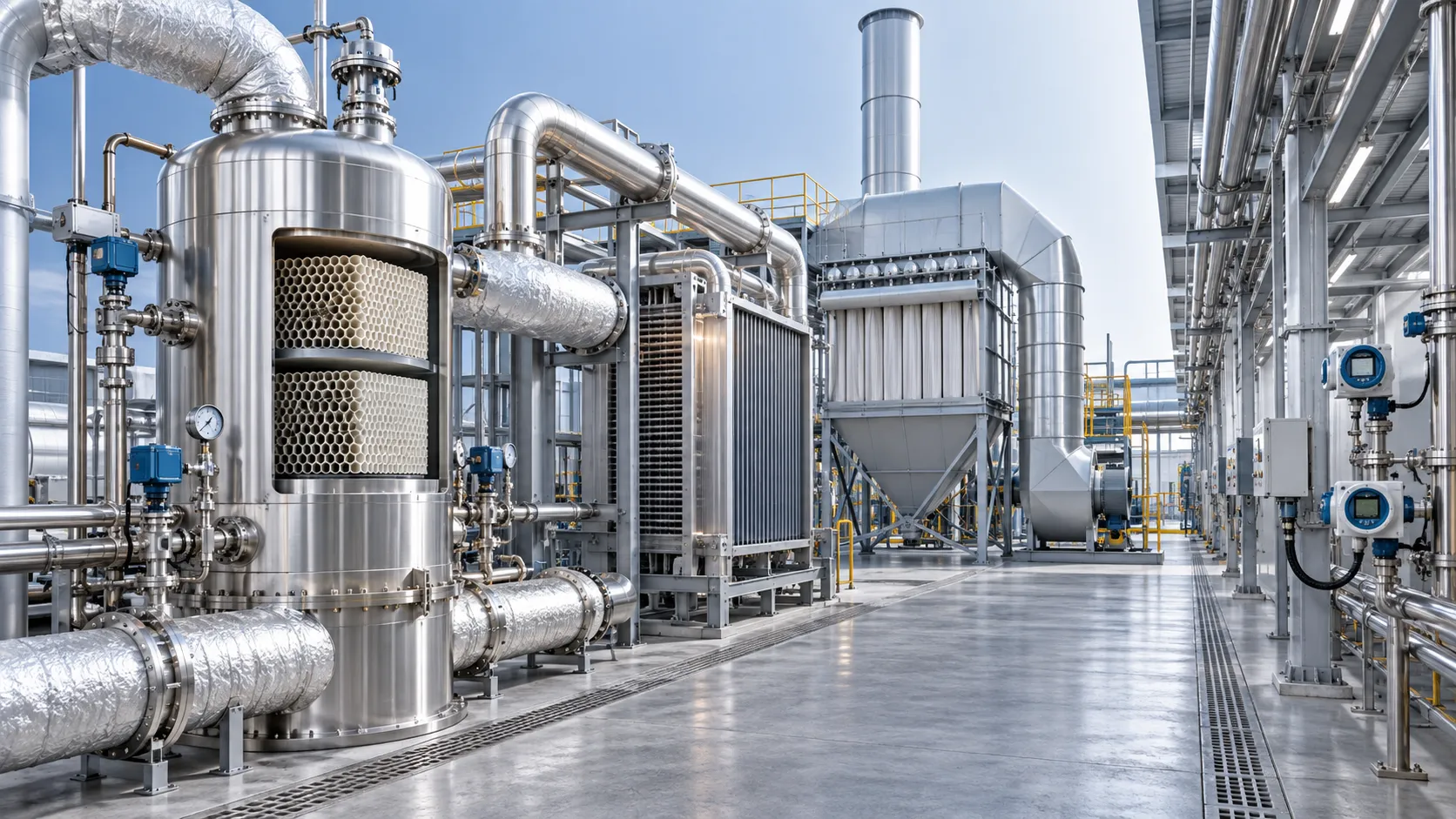
When low-temperature reaction equipment is the right fit for heat-sensitive processes
Low-temperature reaction equipment helps protect heat-sensitive streams, improve energy integration, and maintain reliable conversion. Explore key selection factors today.
When do water reuse systems deliver a practical payback?
Water reuse systems deliver practical payback when they cut water, discharge, and downtime costs. Learn how to match treatment, recovery, and reuse quality for lasting ROI.