
Industry News
Curation by industry experts
Hot Articles
Popular Tags
What circular economy models actually work in industry?
For industrial leaders, the real question is not whether the circular economy matters, but which models deliver measurable value under tight regulatory, energy, and capital constraints. From water reuse and waste-to-resource systems to desalination and hazardous waste management, the most effective approaches combine compliance, resilience, and commercial return. This article examines what circular economy models actually work in industry and why decision-makers should care now.
What does a circular economy actually mean in industrial practice?
In boardroom discussions, the term circular economy is often treated as a broad sustainability slogan. In industrial reality, it is much narrower and more demanding. A model works only when materials, water, energy, or by-products are kept in productive use at a lower total risk and better economic outcome than disposal or linear replacement. That means the real test is operational: can a plant reduce virgin input, cut waste treatment cost, improve compliance, and protect uptime at the same time?
For decision-makers in heavy industry, utilities, processing, infrastructure, and environmental services, the circular economy is not one thing. It can take the form of closed-loop water reuse, solvent recovery, metal extraction from waste streams, waste heat valorization, industrial symbiosis, membrane concentration linked to Zero Liquid Discharge, AI-enabled sorting, pyrolysis-based feedstock recovery, or secure treatment pathways for hazardous and nuclear-related residues. The important distinction is this: a circular model is not defined by recycling alone, but by whether the loop is technically stable, regulation-ready, and commercially defensible.
That is why some circular economy projects scale and others stall. The successful ones are designed around process chemistry, contamination risk, logistics, offtake certainty, and lifecycle cost. The unsuccessful ones often begin with a public narrative but lack enough attention to purity thresholds, energy intensity, or market demand for recovered outputs.
Which circular economy models are proving they work in industry today?
The most credible circular economy models are the ones already embedded in operating assets, not just pilot programs. Across sectors, several patterns stand out.
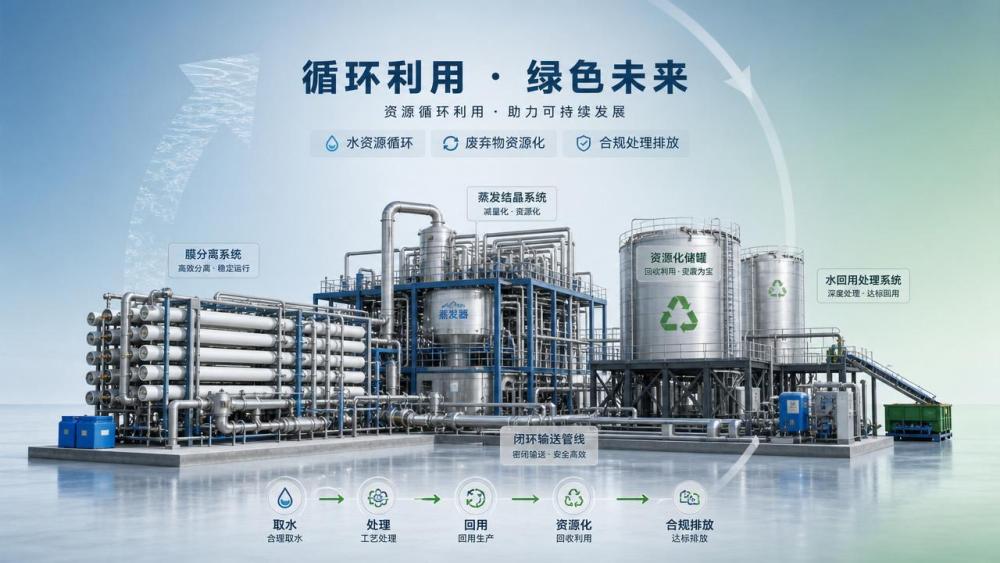
First, industrial water reuse and ZLD-linked systems work where water scarcity, discharge limits, or permitting pressure are high. In these cases, reuse is not only an environmental choice but a supply security strategy. Advanced treatment trains using membranes, evaporation, crystallization, and selective recovery can reduce freshwater intake while converting brines and sludge into manageable or recoverable streams. The economics improve when sites face rising intake tariffs, tighter effluent rules, or production losses from water disruption.
Second, waste-to-resource models work when recovered material quality matches a real downstream market. This is especially true in metals recovery, construction and demolition recycling, organics valorization, and certain plastics streams. AI sorting and thermal conversion can increase yield, but only if feedstock consistency is controlled. The circular economy succeeds here when the recovered output is treated like an industrial raw material, not a low-grade by-product no one wants to buy.
Third, industrial symbiosis works when co-located plants can exchange heat, water, steam, chemicals, or secondary materials. The benefit is lower transport cost and better integration of process conditions. However, symbiosis only works if contractual reliability is high. A steel, chemicals, desalination, or power cluster can create strong circular economy value, but only when one operator’s waste stream is predictable enough to become another operator’s feedstock.
Fourth, flue gas and residue treatment models work when pollution control is linked to materials recovery. In many sectors, the traditional view separates emissions control from resource value. That is changing. Gypsum from desulfurization, acid recovery from process gas treatment, and selective capture of usable compounds can support a more bankable circular economy pathway, provided contamination and specification risks are addressed from the start.
Fifth, high-integrity hazardous waste and nuclear waste pathways are circular only in a qualified sense. Here, the objective is not always direct reuse. In some cases, the best-performing model is a safety-first stabilization, segregation, volume reduction, or vitrification route that minimizes long-term liability while recovering what can be recovered safely. For strategic sectors, this is still part of the circular economy discussion because preserving environmental boundaries and reducing unmanaged externalities is essential to any credible industrial loop.
How can executives tell whether a circular economy model is commercially viable or just attractive on paper?
A practical way to assess any circular economy model is to test it against five questions: What problem does it solve, what input does it depend on, what output does it create, who buys or uses that output, and what happens when conditions change? If these answers are weak, the project may be more symbolic than strategic.
Executives should begin with the avoided-cost side of the equation. Many industrial circular economy projects create value first by reducing disposal fees, freshwater purchases, compliance risk, carbon exposure, import dependence, or plant interruptions. The revenue from recovered materials may matter, but in many cases it is the second lever, not the first. This distinction is important because leaders often overestimate commodity upside and underestimate the value of resilience and permit security.
The next step is to look at mass balance and purity. If a recovery process only works with unusually clean feedstock, or if contamination can destabilize quality, scale-up risk is high. The strongest circular economy systems are built around stable inputs, robust pretreatment, and clear quality specifications. This is especially true in desalination concentrate handling, industrial wastewater reuse, hazardous solids separation, and thermal recovery systems.
Leaders should also review the regulatory pathway early. A model may be technically sound but blocked by waste classification rules, transport restrictions, product certification, discharge permits, or cross-border compliance issues such as CBAM-related cost pressure. In practice, the circular economy works best when engineering, legal, procurement, and commercial teams evaluate the loop together rather than in sequence.
Which evaluation criteria matter most when comparing circular economy options?
The table below summarizes a decision screen that many industrial buyers and asset owners can use before funding a circular economy initiative.
Why do some circular economy projects fail even when the sustainability case seems strong?
The most common failure is confusing technical possibility with business feasibility. A recovery pathway may work in a demonstration unit, yet fail at plant scale because feedstock variability is wider, labor requirements are higher, or maintenance is more complex than expected. In water treatment and desalination, for example, concentrate management often becomes the hidden constraint. In solid waste recovery, contamination and inconsistent inbound streams can destroy output quality. In hazardous waste systems, safety and traceability obligations can sharply raise cost.
Another frequent mistake is relying on a single value claim. If the only reason a circular economy project makes sense is a favorable commodity price, the model is fragile. Stronger projects create stacked value: lower disposal cost, lower environmental liability, lower resource dependence, and stronger customer or regulatory positioning. This multi-benefit structure is especially important in sectors facing long procurement cycles and volatile input costs.
A third issue is poor ownership inside the organization. Circular economy initiatives often sit between operations, sustainability, EHS, procurement, and strategy. Without a clear sponsor and a shared KPI framework, projects become slow, underfunded, or politically contested. The best industrial examples treat circularity as a performance system, not a communications initiative.
Where should companies start if they want a circular economy strategy that delivers measurable results?
Start where waste, water, and compliance pressures are already material to earnings or continuity. For most industrial companies, the best first move is not an enterprise-wide circular economy roadmap. It is a site-level opportunity map built around the largest recurring losses: water discharge, brine management, landfill dependence, high-value residues, energy-intensive treatment steps, or emissions-related consumables. This grounds the strategy in asset reality.
Next, rank opportunities by three filters: strategic urgency, technical readiness, and offtake certainty. A wastewater reuse project with clear freshwater savings and permit benefits may outrank a more ambitious but uncertain recycling concept. Likewise, an AI sorting upgrade or thermal recovery step may make more sense after improving upstream segregation. In the circular economy, sequencing matters. Many failures come from trying to optimize the back end before stabilizing the front end.
It is also wise to distinguish between “internal loop” and “external loop” projects. Internal loops, such as process water reuse or solvent regeneration, are often easier to govern because quality standards and usage points are under one company’s control. External loops, such as selling recovered materials into the market or sharing utilities across industrial clusters, can create larger upside but require stronger contracts, logistics, and verification systems.
For sectors connected to advanced environmental infrastructure, the circular economy should be evaluated alongside technology intelligence. Membrane performance, catalyst behavior, corrosion risk, digital sorting accuracy, vitrification stability, and energy recovery efficiency all affect whether a model remains viable over time. Decision-makers should therefore combine financial screening with engineering diligence and regulatory tracking.
What questions should decision-makers ask before choosing partners, equipment, or projects?
Before moving to procurement, partnership, or pilot design, executives should ask a disciplined set of questions. What exact material, water, or energy loop is being closed? What are the variability limits of the input stream? What quality specifications must the recovered output meet? Which permits or classifications could delay deployment? How energy-intensive is the process under real operating conditions, not ideal assumptions? Who owns performance risk if recovery rates or compliance outcomes fall short?
They should also ask how success will be measured. A circular economy project should have clear KPIs such as freshwater reduction, waste diversion, avoided disposal cost, recovered material yield, net energy consumption, emissions impact, and compliance risk reduction. Without these metrics, it becomes difficult to compare options or defend investment decisions.
Finally, leaders should confirm the time horizon. Some circular economy investments deliver fast payback through avoided costs. Others are strategic infrastructure plays that improve long-term resilience, bidding strength, or license to operate. Both can be valid, but they should not be evaluated with the same expectations. If further assessment is needed, the first topics to clarify with technology providers or intelligence partners are feedstock data, treatment parameters, regulatory assumptions, integration points, project timeline, commercial model, and the likely balance between compliance value and direct return.
Recommended News
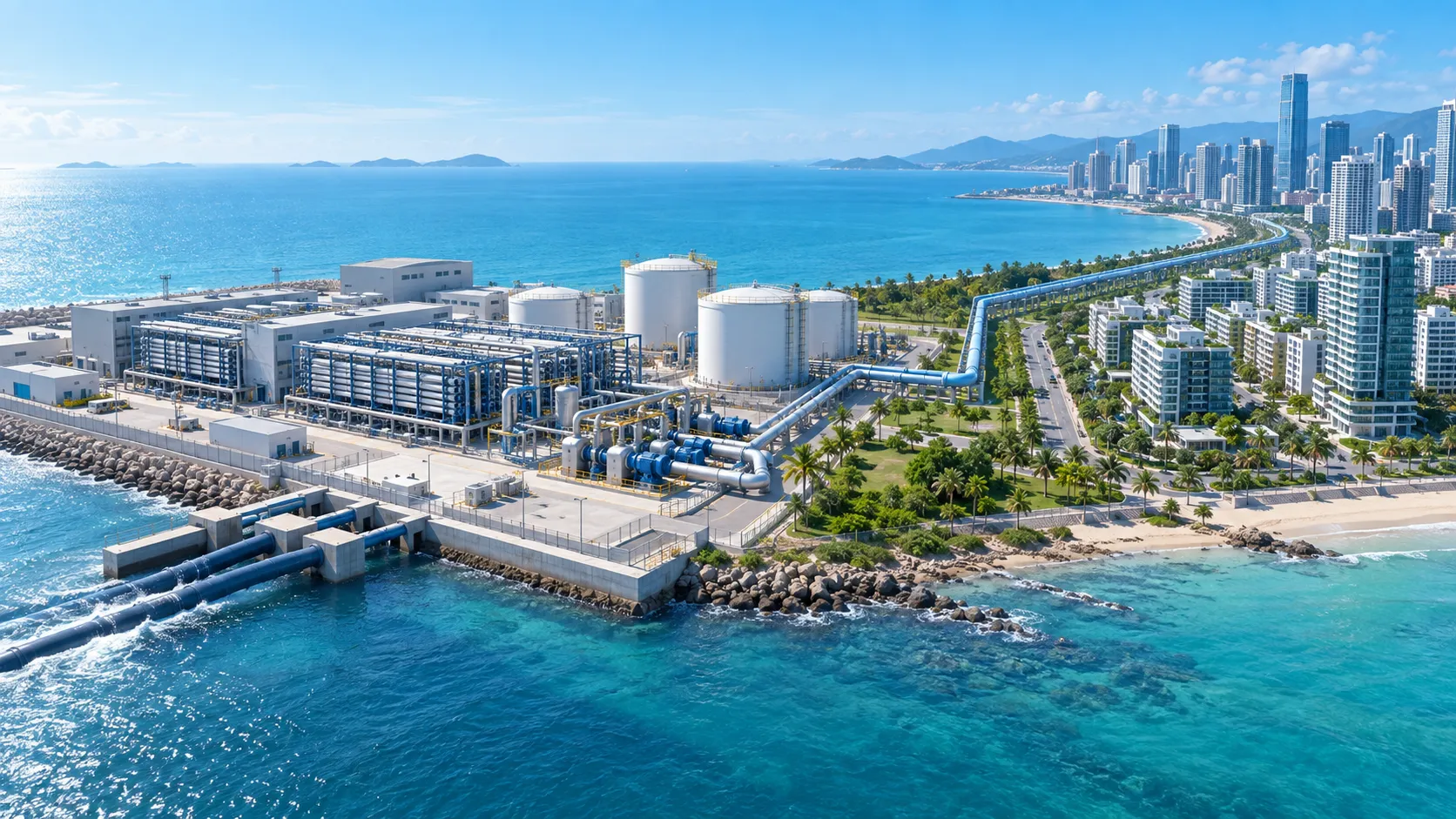
How coastal cities can select desalination solutions for peak demand
Seawater desalination solutions for coastal cities: compare firm peak capacity, intake risk, energy resilience, and lifecycle value to secure reliable water supply.
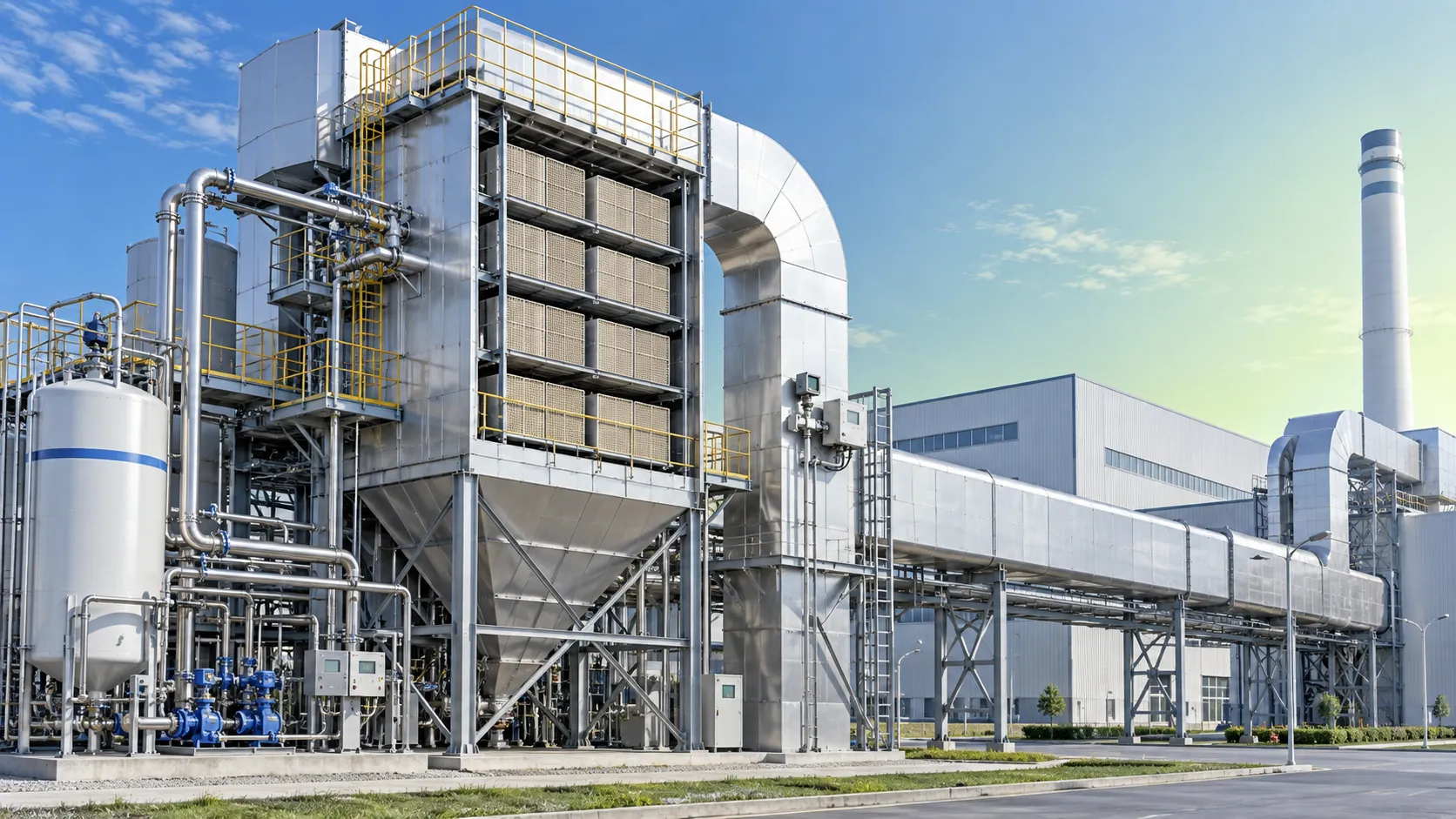
How SCR denitrification systems in Europe meet Industrial Emissions rules
SCR denitrification systems Europe: learn how permit-led design, ammonia-slip control, catalyst management and monitoring support Industrial Emissions compliance.
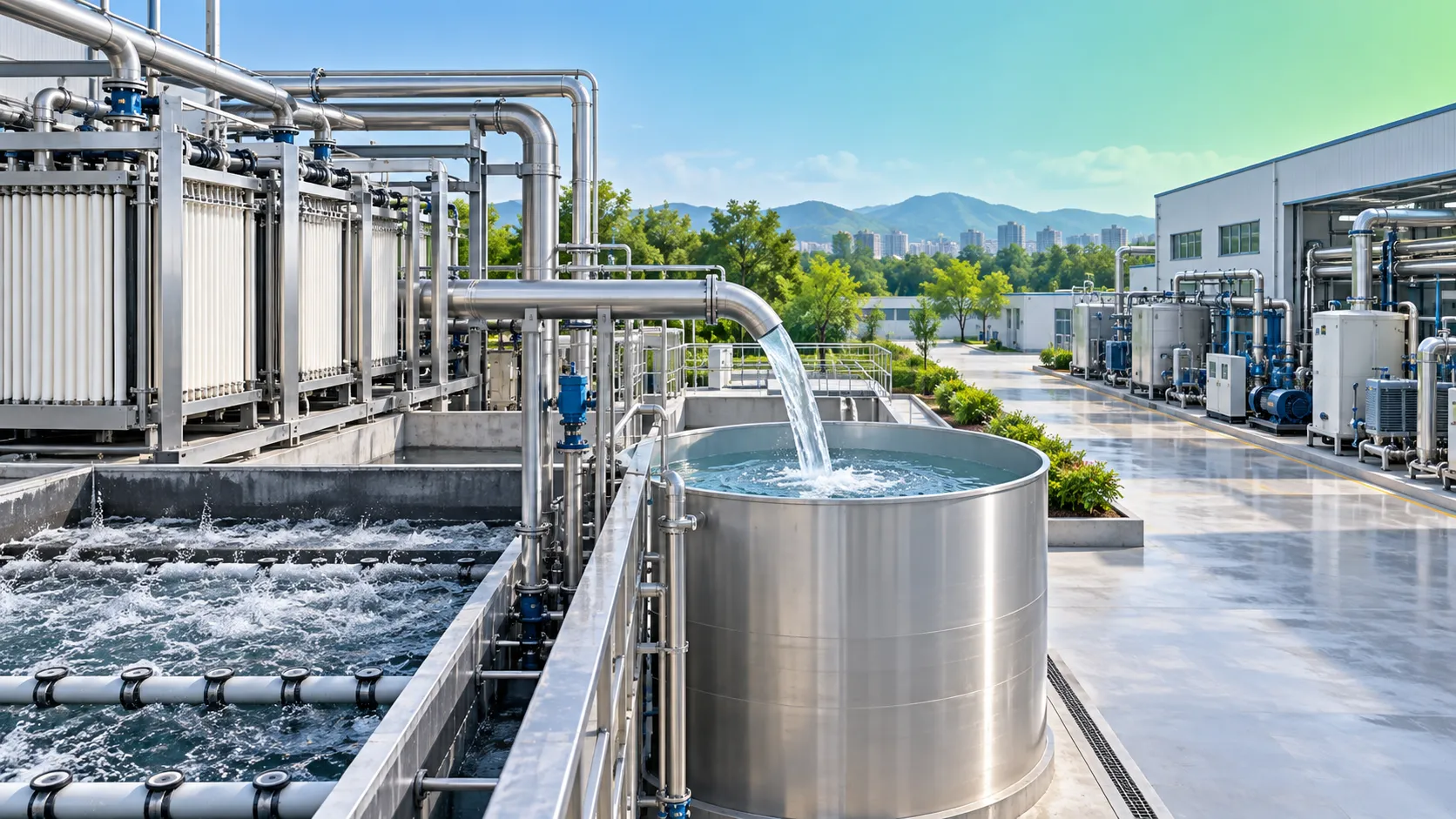
When does MBR equipment make sense for wastewater reuse?
Water treatment equipment for wastewater reuse: learn when MBR delivers compact, reliable low-solids effluent—and when alternative treatment trains offer better value.
How North America shapes global environmental governance standards
Global environmental governance North America: discover how regulation, finance, and procurement raise worldwide standards and reshape environmental projects.
How reactor capacity affects throughput in pyrolysis systems
Pyrolysis systems reactor capacity explained: learn how heat transfer, residence time, feed quality, and emissions controls determine reliable throughput.
When low-temperature reaction equipment is the right fit for heat-sensitive processes
Low-temperature reaction equipment helps protect heat-sensitive streams, improve energy integration, and maintain reliable conversion. Explore key selection factors today.
When do water reuse systems deliver a practical payback?
Water reuse systems deliver practical payback when they cut water, discharge, and downtime costs. Learn how to match treatment, recovery, and reuse quality for lasting ROI.
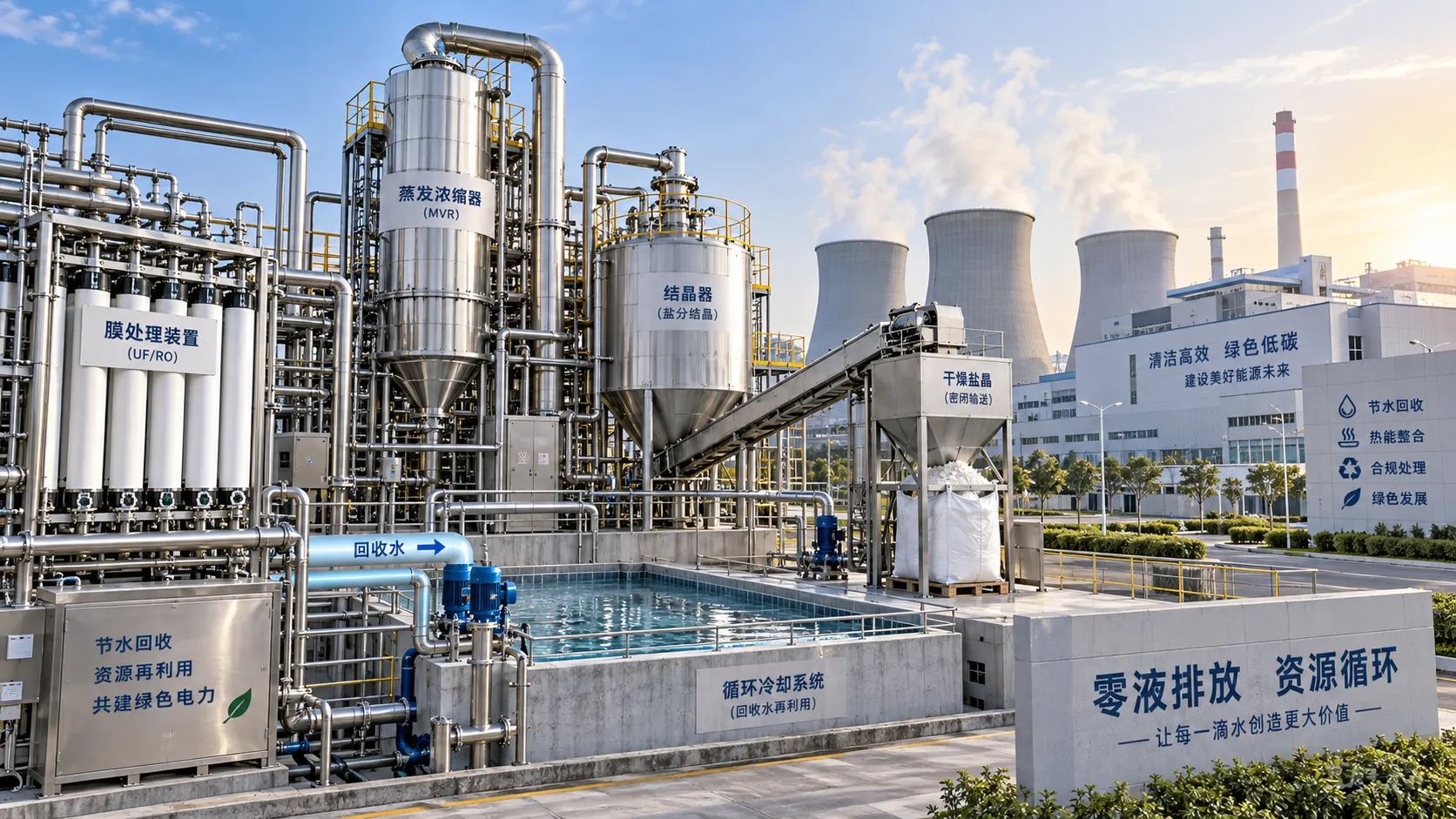
When do ZLD systems for power generation justify their energy use?
ZLD systems for power generation: learn when energy-intensive water recovery delivers stronger compliance, resilience, and long-term value.
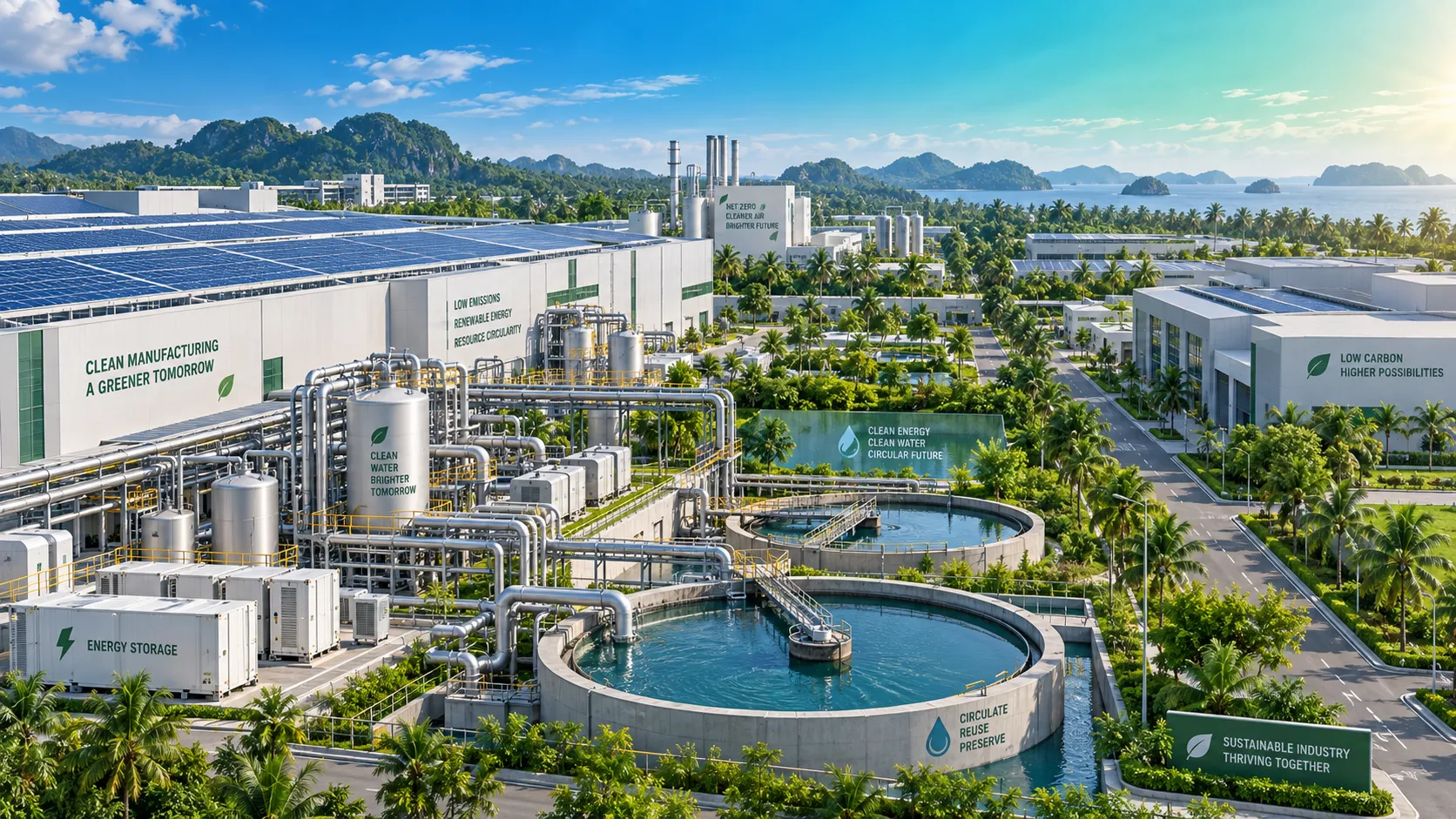
Which decarbonization pathways are most viable in Southeast Asia?
Decarbonization Southeast Asia: discover practical pathways for clean power, efficiency, electrification, circular recovery, and resilient industrial growth.