
Industry News
Curation by industry experts
Hot Articles
Popular Tags
Circular economy vs linear production: where the cost gap appears
For financial approvers, the debate around the circular economy is no longer philosophical—it is a capital allocation question. While linear production may appear cheaper at first glance, the real cost gap often emerges through volatile raw material prices, waste liabilities, compliance pressure, and missed recovery value. This article examines where those hidden costs surface and why long-term resilience increasingly favors circular models.
Why the cost conversation is changing now
Across industrial sectors, the comparison between the circular economy and linear production has moved from sustainability messaging into financial review. The reason is simple: the external conditions that once protected linear economics are weakening. Commodity markets are more volatile, disposal costs are rising, environmental regulation is tightening, and customers increasingly expect traceable resource efficiency. For finance teams, this means the traditional purchase-use-dispose model can no longer be assessed only through short-term unit cost.
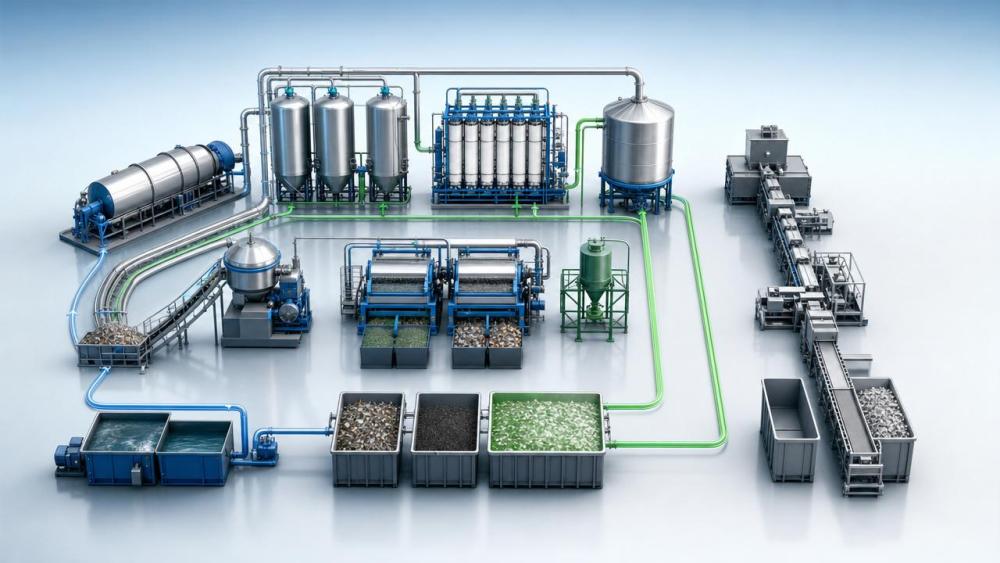
This shift is especially visible in resource-intensive systems such as water treatment, solid waste recovery, desalination infrastructure, flue gas control, and hazardous waste management. In these fields, material inputs, energy consumption, compliance documentation, and end-of-life handling all influence total cost. A circular economy model does not remove cost pressure, but it changes where value is captured: in recovery, reuse, process optimization, lower exposure to waste liabilities, and better alignment with future compliance.
For decision-makers approving budgets, the key issue is not whether circular systems always look cheaper on day one. The real question is where the cost gap appears over time, and which model creates fewer financial surprises under changing market conditions.
The first gap appears in input volatility, not in headline procurement price
Linear production often wins the first comparison because procurement teams see lower apparent upfront complexity. Virgin materials may be easier to source, equipment may be designed for one-way throughput, and accounting may treat waste as a later-stage operating issue. But this creates exposure to a cost category that many capital reviews underestimate: input volatility.
A circular economy approach reduces dependence on unstable primary inputs by increasing recovery rates, reuse loops, remanufacturing potential, or by-product valorization. In sectors linked to metals, chemicals, polymers, membranes, catalysts, and water-intensive treatment chains, that flexibility has real financial value. When raw material markets tighten, firms with circular capability can protect margins better than firms locked into linear replenishment.
For financial approvers, this means the cost gap often starts before waste is generated. It begins at the sourcing stage, where linear production concentrates risk in external supply markets, while the circular economy builds internal resilience through retained material value.
Waste is no longer an endpoint; it is where hidden liabilities become visible
The second major cost gap appears at the point where linear systems treat residuals as unavoidable disposal output. In many industrial environments, waste is not cheap to move out of sight. It requires transport, treatment, documentation, environmental controls, and long-tail liability management. Once these layers are included, the seemingly low-cost structure of linear production becomes less convincing.
This is highly relevant to the sectors covered by ESD. Concentrated brine, sludge, ash, recovered metals, exhausted media, spent catalysts, contaminated solids, and complex hazardous residues all carry differentiated cost profiles. A circular economy strategy may involve higher sorting precision, modular process redesign, digital monitoring, or recovery equipment investment. Yet these costs often replace less visible but recurring burdens embedded in disposal-heavy operations.
In practical terms, the cost gap shows up when waste tariffs rise, landfill access narrows, hazardous classifications expand, or recovery technology reaches commercial maturity. What was once booked as routine operating expense becomes a strategic margin issue.
Compliance pressure is pushing the circular economy from optional to investable
Another clear trend is the convergence of environmental compliance, carbon accountability, and resource traceability. Regulators are no longer focused only on emissions at the stack or discharge point. They increasingly examine product lifecycle, waste recovery rates, recycled content, hazardous material handling, and supply-chain transparency. This matters because linear production tends to perform poorly when rules extend beyond direct production output.
For financial approvers, regulation changes the timing of cost recognition. Under a linear model, many costs stay hidden until a permit condition changes, a disposal route is restricted, a reporting framework expands, or export requirements tighten. The circular economy, by contrast, often requires earlier investment but reduces future retrofit risk. The more uncertain the policy environment becomes, the more valuable that predictability is.
This is why sectors connected to CBAM, industrial decarbonization, wastewater reuse, and resource recovery are seeing stronger attention from boards and investment committees. The issue is not branding. It is balance-sheet resilience under compliance stress.
Technology is narrowing the execution gap that once favored linear production
One reason linear production held its advantage for so long was execution simplicity. Circular systems used to depend on inconsistent feedstocks, fragmented collection, weak sorting capability, and limited process control. That gap is narrowing. AI-based sorting, digital material tracking, better membranes, smarter process automation, more stable pyrolysis systems, and higher-performance recovery equipment are making circular operations more measurable and financeable.
In water and waste infrastructure, the pattern is especially important. Once process monitoring improves, recovered water, salts, metals, heat, and reusable materials become easier to quantify. That changes internal approval logic. Finance teams can compare avoided procurement cost, recovered value, lower disposal expense, and compliance benefit against capital expenditure with greater confidence.
The circular economy still demands operational discipline. Not every recovery stream is profitable, and not every reuse loop is technically justified. But technology is reducing uncertainty, which is exactly what financial approvers need before supporting non-linear investment cases.
Where different stakeholders feel the cost gap most strongly
The cost gap between the circular economy and linear production does not hit every role in the same way. Understanding who feels the pressure first helps prioritize investment evaluation.
The most overlooked gap is missed recovery value
Many financial comparisons still frame the circular economy as a cost-add. That is too narrow. In complex industrial systems, one of the biggest gaps is not excess spending but forgone value. Linear production destroys optionality by allowing usable materials, heat, water, or process by-products to exit the system without monetization or reuse.
This matters in sectors where recovery can support procurement savings, secondary revenue, lower treatment loads, or stronger bid competitiveness. For example, water reuse can reduce intake dependency; sorted waste streams can improve recycling yield; better residue handling can lower hazardous disposal intensity; and modular equipment design can extend asset life or improve refurbishment economics.
From a finance perspective, missed recovery value should be treated as an opportunity cost. It may not appear as a line item in legacy accounting structures, but it affects margin, asset productivity, and strategic flexibility just as clearly as direct expense does.
How financial approvers should test circular economy proposals
The strongest approval discipline is not to assume every circular economy project is superior, nor to reject it because initial capex is higher. The better approach is to test where linear assumptions are masking future cost. A robust review should compare lifecycle economics rather than invoice-level procurement cost alone.
Key questions include: How exposed is the current model to raw material volatility? Which waste streams are becoming more expensive to handle? What regulatory signals suggest future retrofit costs? How measurable is resource recovery? Can digital monitoring verify savings? Is the project improving resilience in critical utilities such as water, chemicals, or treatment media? And does it strengthen competitiveness in regulated or sustainability-sensitive bids?
For ESD-relevant industries, these questions are especially useful because environmental equipment decisions often combine engineering complexity with long asset lives. An approval decision made on narrow upfront cost can create ten years of avoidable exposure.
Signals worth watching over the next planning cycle
Several signals can help financial teams judge whether the circular economy is moving from pilot logic into mainstream capital logic. First, watch whether suppliers begin offering more recoverable, modular, or service-based equipment structures. Second, track whether waste treatment costs rise faster than production output. Third, monitor permit, reporting, and carbon-related requirements that extend into lifecycle accountability. Fourth, examine whether customers, especially public-sector or infrastructure buyers, score resource efficiency more directly in tender evaluations.
A fifth signal is internal: whether operating teams can now generate usable data on reuse rates, recovery yields, maintenance extension, or avoided disposal cost. Once these numbers become visible, the circular economy stops being an abstract sustainability theme and becomes a finance-grade operating model.
Practical decision direction for the next round of approvals
In the near term, the smartest approach is selective adoption. Financial approvers do not need to convert every process into a fully circular model at once. Instead, they should identify the places where the linear cost gap is already emerging: high-cost waste streams, unstable feedstock exposure, tightening compliance zones, water-stressed operations, and equipment chains with recoverable residual value.
The circular economy creates the strongest business case where three conditions overlap: measurable recovery potential, rising external cost pressure, and technology capable of delivering reliable operational control. When those conditions are present, the question is no longer whether circular systems cost more. The more useful question is how long a company can afford to keep paying for linear inefficiency.
If your organization wants to judge how this trend affects its own investment pipeline, focus on a short list of checks: which materials or utilities are most price-sensitive, which residues create the highest handling risk, which compliance changes could force redesign, and where recovery data is already strong enough to support a business case. Those answers will show where the real cost gap appears—and where circular economy investment is most likely to outperform linear production over time.
Recommended News
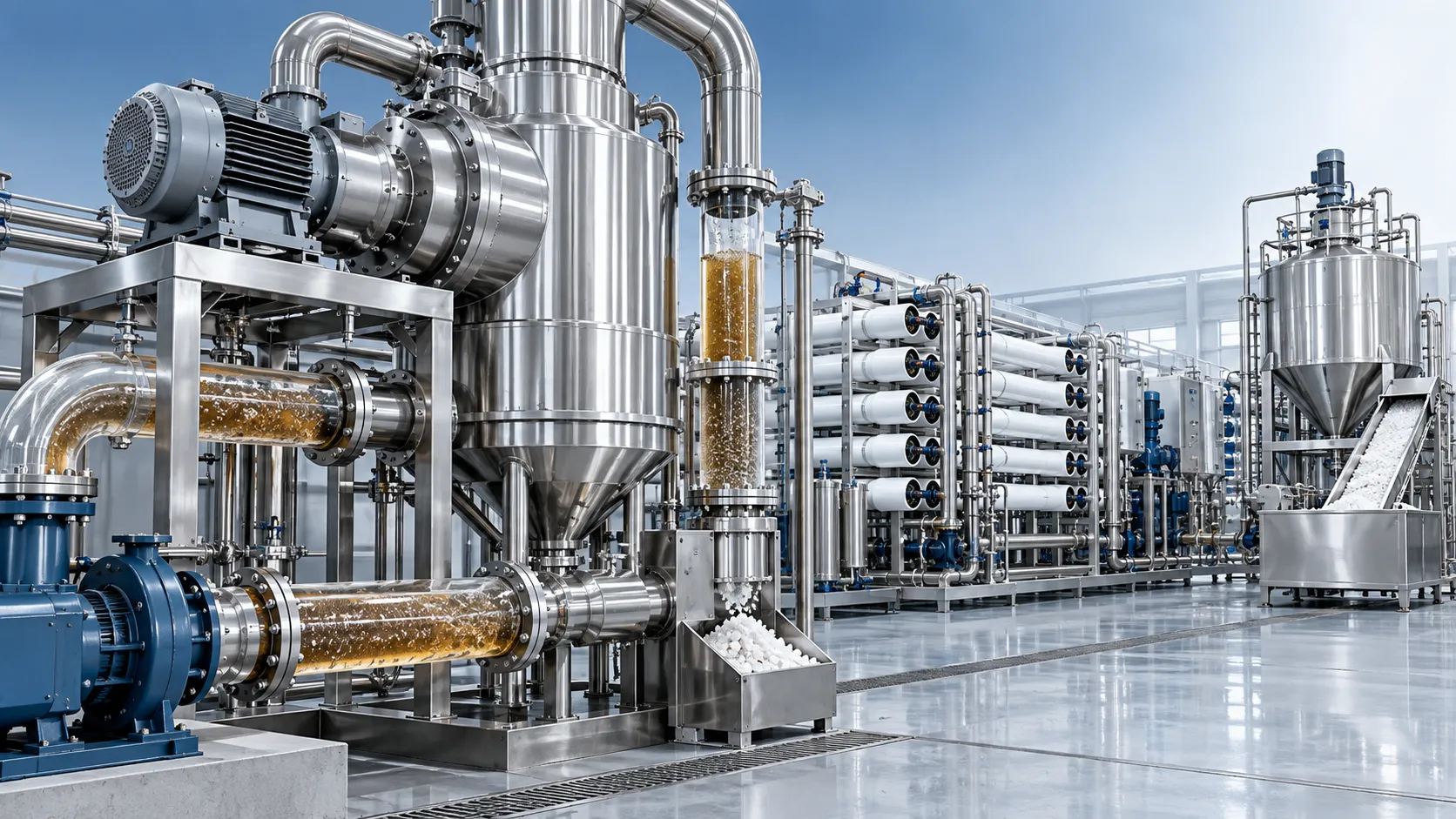
How feed salinity affects energy use in ZLD system brine treatment
ZLD system brine treatment: discover how feed salinity drives energy use, scaling risk, and technology choices for efficient, reliable zero liquid discharge.

How coastal cities can select desalination solutions for peak demand
Seawater desalination solutions for coastal cities: compare firm peak capacity, intake risk, energy resilience, and lifecycle value to secure reliable water supply.
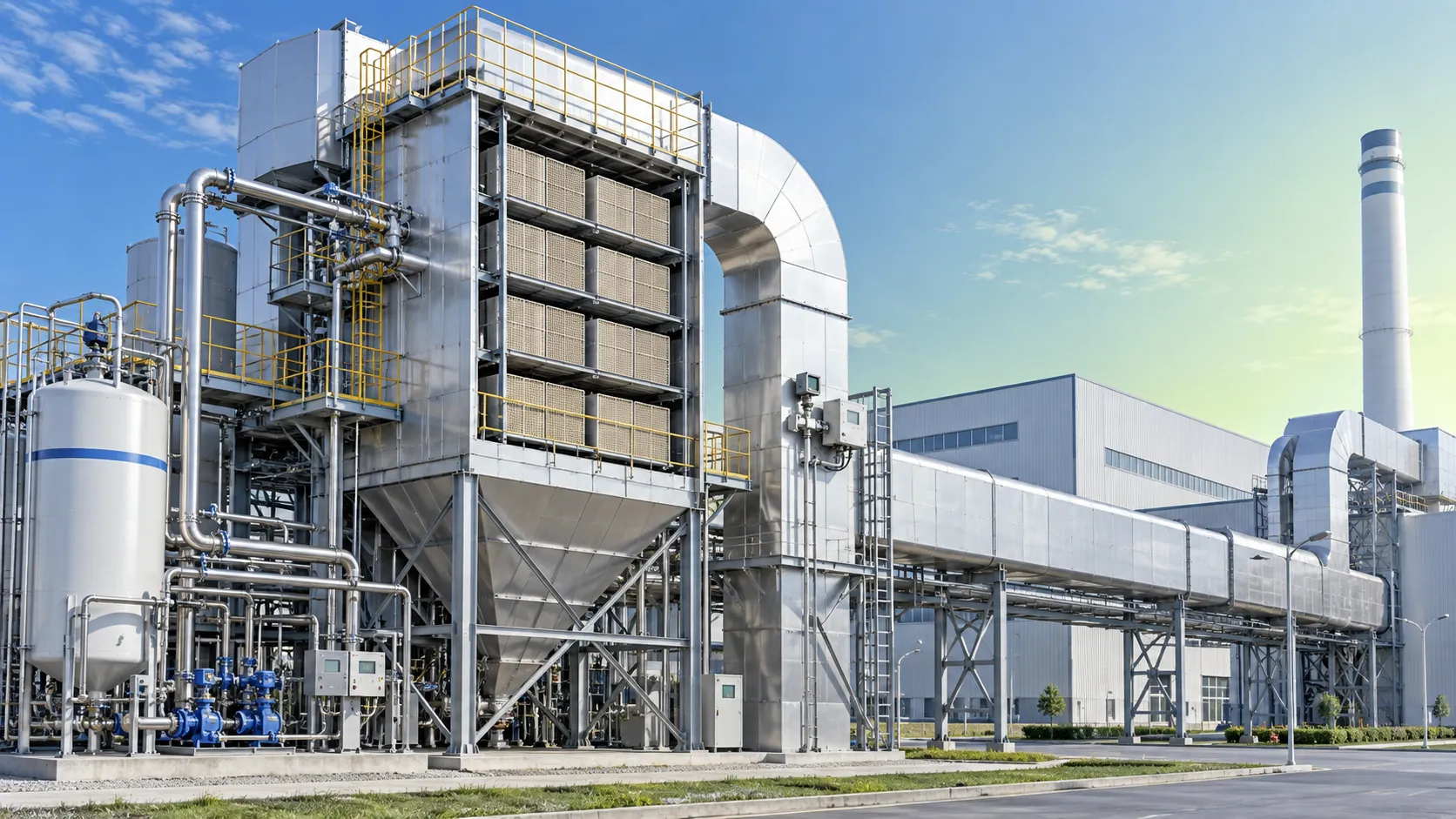
How SCR denitrification systems in Europe meet Industrial Emissions rules
SCR denitrification systems Europe: learn how permit-led design, ammonia-slip control, catalyst management and monitoring support Industrial Emissions compliance.
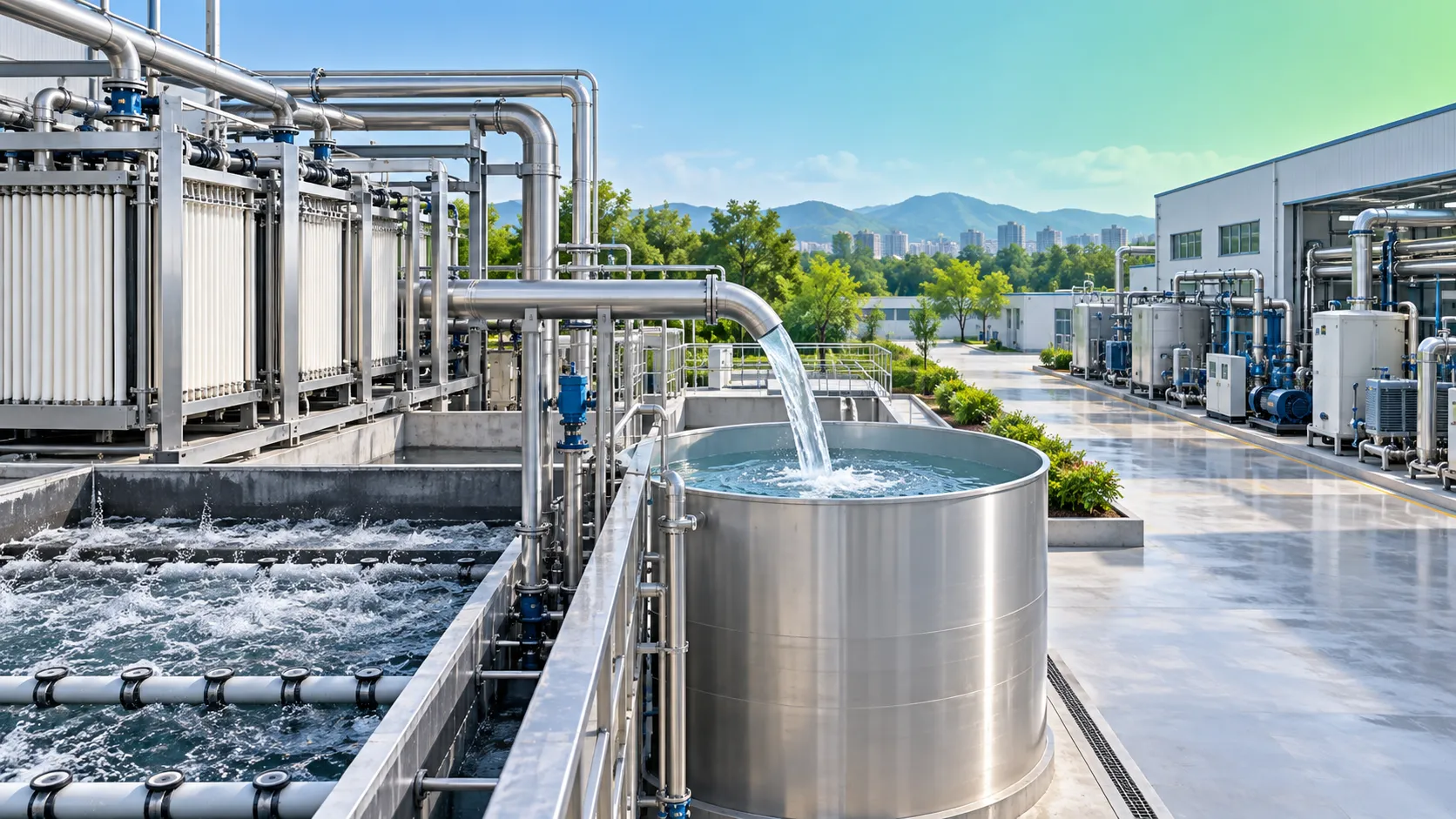
When does MBR equipment make sense for wastewater reuse?
Water treatment equipment for wastewater reuse: learn when MBR delivers compact, reliable low-solids effluent—and when alternative treatment trains offer better value.
How North America shapes global environmental governance standards
Global environmental governance North America: discover how regulation, finance, and procurement raise worldwide standards and reshape environmental projects.
How reactor capacity affects throughput in pyrolysis systems
Pyrolysis systems reactor capacity explained: learn how heat transfer, residence time, feed quality, and emissions controls determine reliable throughput.
When low-temperature reaction equipment is the right fit for heat-sensitive processes
Low-temperature reaction equipment helps protect heat-sensitive streams, improve energy integration, and maintain reliable conversion. Explore key selection factors today.
When do water reuse systems deliver a practical payback?
Water reuse systems deliver practical payback when they cut water, discharge, and downtime costs. Learn how to match treatment, recovery, and reuse quality for lasting ROI.
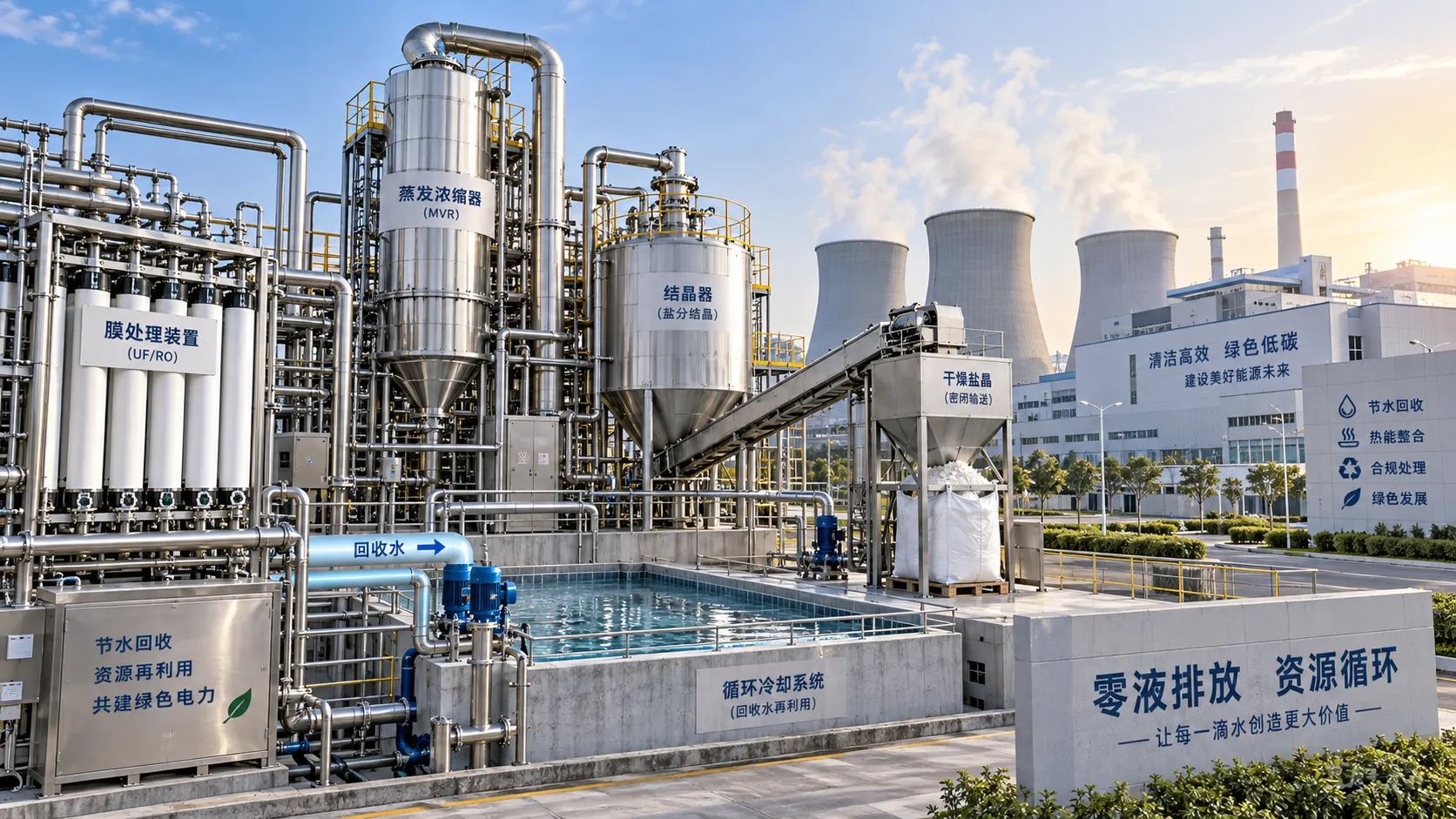
When do ZLD systems for power generation justify their energy use?
ZLD systems for power generation: learn when energy-intensive water recovery delivers stronger compliance, resilience, and long-term value.