
Industry News
Curation by industry experts
Hot Articles
Popular Tags
How to size a desulfurization equipment scrubber for variable gas flow
How to Size a Desulfurization Equipment Scrubber for Variable Gas Flow
Sizing a desulfurization equipment scrubber for variable gas flow is not a matter of selecting a vessel at the plant’s nominal exhaust volume and adding a generic safety factor. A scrubber that performs acceptably at one operating point can lose sulfur dioxide removal efficiency during high-load events, suffer poor liquid distribution at turndown, or impose an unsustainable draft penalty on the upstream process.
The right design starts with the operating envelope rather than a single “design flow.” Technical evaluation should connect flue-gas variability, inlet SO2 loading, required outlet concentration, reagent chemistry, fan capability, mist elimination, wastewater handling, and the likely evolution of permit limits. This is especially relevant in industrial systems with batch production, multiple combustion sources, fuel switching, kiln cycling, boiler load following, or seasonal ambient changes.
For Global Eco-Shield Dynamics (ESD), flue-gas treatment is one component of a wider ecological engineering system: the smokestack-side “respirator” must also be assessed against water use, solids recovery, corrosion risk, energy demand, and compliance exposure. That systems perspective is useful because an undersized absorber rarely fails in isolation; its consequences appear in induced-draft fan load, slurry chemistry, purge streams, maintenance outages, and emission reporting.
Begin with the real gas-flow envelope
A credible basis of design should define the minimum continuous, normal, maximum continuous, and credible short-duration peak gas flows. These values should be stated on both actual and normalized bases. Confusion between actual cubic metres per hour and dry normal cubic metres per hour is a recurring source of poor equipment comparisons, because scrubber hydraulics depend on actual volumetric flow at absorber inlet temperature, pressure, and moisture content.
The gas volume entering a wet scrubber may differ substantially from a process fan’s nameplate basis. Temperature, air infiltration, upstream quench operation, oxygen content, and water vapour all affect the volume that determines tower cross-sectional area and gas velocity. The vendor’s proposal should therefore identify the reference conditions used for every quoted flow, pressure drop, and performance guarantee.
Flow variability also needs a time dimension. A brief excursion caused by sootblowing or a process upset may call for different provisions than several hours of operation at elevated flow. If elevated flow is frequent, treating it as an occasional contingency can lead to recurring non-compliance or accelerated carryover from the mist eliminator. Trend data from the distributed control system, not only design documents, is often the best starting point for an existing facility.
Normalize sulfur loading, not only gas volume
The absorber does not remove cubic metres; it removes mass of pollutant. The required sulfur dioxide removal rate depends on gas flow and inlet concentration together. A lower gas flow can still represent the more demanding condition if fuel quality, feedstock sulfur, furnace oxygen, or process chemistry raises the inlet SO2 concentration. Conversely, a high-flow, low-sulfur period may be hydraulically limiting without being chemically limiting.
For each representative operating point, calculate the inlet SO2 mass rate and the removal efficiency needed to meet the applicable outlet limit. The design review should test at least the following combinations: maximum gas flow, maximum sulfur loading, the likely coincident high-flow/high-sulfur condition, normal operation, and minimum stable load. If there are multiple emission sources or bypass paths, their contribution must be explicit in the mass balance.
Set tower diameter from hydraulics, then test mass transfer
In a spray tower, packed absorber, tray scrubber, or venturi-based configuration, the available gas-liquid contact changes with gas velocity. Tower diameter is normally established from the maximum actual gas flow and an allowable superficial gas velocity for the selected internals. That allowable velocity cannot be chosen independently from droplet size, packing type, liquid loading, slurry solids, foaming tendency, and mist eliminator performance.
Driving velocity too high reduces vessel diameter and initial steelwork cost, but it can increase pressure drop, promote droplet entrainment, overload mist eliminators, and narrow the margin for future flow growth. In slurry systems, it may also make wash-water demand and solids deposition more difficult to manage. Driving velocity too low is not automatically conservative: at low flow, weak gas-liquid mixing or poorly loaded spray zones can produce uneven removal.
The mass-transfer check asks a different question: does the selected contact zone provide sufficient interfacial area and residence time for the required SO2 absorption under the most demanding chemical condition? A larger diameter may help manage high gas flow, yet not resolve insufficient contact height, inadequate liquid distribution, depleted reagent, or poor pH control. Proposals that show vessel dimensions without a stated removal-performance basis are difficult to evaluate meaningfully.
Liquid-to-gas ratio is a control variable, not a fixed design number
The liquid-to-gas ratio, often shortened to L/G, is central to wet desulfurization sizing. It influences reagent availability, droplet or packing wetting, heat removal, gas absorption, and solids transport. Yet it should not be treated as a universal value transferable between technologies. A limestone forced-oxidation FGD system, a caustic scrubber, a seawater-based system, and a regenerative process have different chemical and hydraulic constraints.
At maximum gas flow, the recirculation system must sustain sufficient liquid distribution without exceeding pump or nozzle limits. At low gas flow, reducing circulation saves energy, but reducing it too far can cause poor spray coverage, lower pressure at nozzles, deposits in headers, or unstable pH. A practical variable-flow design commonly uses parallel recirculation pumps, variable-speed drives where appropriate, and operating logic that preserves a minimum effective liquid flow through each active spray level.
Pump selection should be reviewed beyond the nominal duty point. Check the pump curve at expected slurry density and temperature, minimum and maximum system resistance, control-valve position if used, and the consequences of one pump being unavailable. Where solids-bearing slurry is involved, line velocity, dead-leg avoidance, agitation, and maintenance access deserve the same attention as the absorber’s gas-side geometry.
Choose the scrubber configuration around the variability pattern
No single desulfurization equipment scrubber is inherently best for variable flow. The fit depends on pollutant load, particulate burden, required removal, available reagent, water strategy, footprint, and the plant’s ability to operate a chemical process consistently.
- Open spray towers can offer tolerance to dirty gas and relatively accessible internals, but high removal requirements may demand substantial liquid circulation and carefully managed droplet separation.
- Packed-bed absorbers can provide high contact area in a compact footprint, but particulates, scaling, and uneven liquid distribution need close scrutiny, especially where load changes frequently.
- Venturi scrubbers are useful where particulate capture and rapid mixing are also priorities, although their pressure-drop demand can be material and must be compatible with the draft system.
- Multi-module arrangements may offer the clearest turndown strategy. Taking one module offline at low load can preserve effective gas velocity in the units that remain in service, provided ducting, isolation, and maintenance planning are properly designed.
A common error is designing one large absorber for maximum flow when the facility spends most of its time well below that point. Modularization has its own capital and control complexity, but it can be preferable where the turndown ratio is wide and emission performance must remain stable across that range.
Pressure drop must fit the whole draft system
The scrubber’s pressure drop is not just an auxiliary-power issue. If the induced-draft fan cannot overcome the combined resistance of ductwork, inlet devices, absorber internals, mist eliminators, stack, and fouling allowance, gas flow and furnace draft can become operational constraints. High pressure drop may also increase air leakage through negative-pressure equipment, further changing the gas volume that the scrubber must handle.
A robust evaluation compares the system resistance curve against the fan curve at clean, normal, and fouled conditions. It should include realistic allowances for mist eliminator plugging, slurry deposition, particulate accumulation, and changes in gas density. A supplier’s quoted “clean pressure drop” is not enough for a lifecycle decision. Confirm the maximum tolerable differential pressure, the washing approach for mist eliminators, and the alarm or shutdown logic that protects the plant before carryover becomes severe.
Build compliance margin without blindly oversizing
Compliance margin should reflect uncertainty in inlet sulfur, flow measurement, reagent quality, instrument accuracy, equipment aging, and regulatory averaging periods. It does not necessarily mean increasing every vessel dimension. In some projects, additional chemical buffering, spare pump capacity, a second absorber module, improved inlet monitoring, or better control of oxidation and pH will provide more dependable margin than a larger tower alone.
The outlet requirement must be interpreted precisely. Whether the permit basis is dry or wet, corrected to a reference oxygen concentration or not, expressed as a concentration limit or a mass-emission limit, and assessed as an instantaneous or averaged value changes the design calculation. These points should be reconciled among environmental, process, mechanical, electrical, and controls teams before performance guarantees are finalized.
The gas analyzer also belongs in the sizing discussion. Poorly located sample probes, wet-basis errors, slow analyzer response, or unreliable flow measurements can make a compliant scrubber appear unstable—or conceal an actual performance problem. Continuous emissions monitoring requirements vary by jurisdiction and project conditions, so the applicable monitoring architecture should be confirmed early rather than added as a late package.
Do not separate absorber sizing from water and solids management
Wet flue-gas desulfurization transfers sulfur from gas to liquid and, depending on reagent and oxidation conditions, creates a bleed stream or solid by-product requiring management. Higher liquid circulation, wash-water use, and purge rates can influence the water-treatment plant, particularly where chloride control, metals, suspended solids, or zero-liquid-discharge objectives are relevant.
This is where cross-disciplinary review matters. The same project may need to assess scrubber wastewater against clarification, dewatering, membrane treatment, evaporation, or reuse options. ESD’s broader intelligence focus on large-scale water treatment, resource recovery, and flue-gas control reflects a practical reality: equipment boundaries on a P&ID do not remove the need for an integrated material balance.
Questions that should be answered before technical bid comparison
- What are the actual minimum, normal, maximum, and peak gas flows, with temperature, pressure, moisture, and oxygen basis clearly stated?
- What inlet SO2 concentrations and mass rates are expected under each operating scenario, including fuel or feedstock variability?
- Which condition governs tower diameter, and which governs removal chemistry or liquid circulation?
- What pressure drop is guaranteed at the stated flow, and what fouling condition has been assumed?
- How will recirculation pumps, spray levels, reagent feed, pH, density, oxidation air, and mist-eliminator washing respond during turndown?
- What happens if one critical pump, fan, analyzer, or module is unavailable?
- Where do purge water, spent reagent, gypsum or other solids, and wash-water streams go under normal and upset conditions?
A technically defensible scrubber specification should require bidders to present performance across the full operating envelope, not simply at one favorable guarantee point. Requesting design assumptions, hydraulic calculations, reagent-consumption logic, pressure-drop curves, control narratives, and maintainability details will reveal whether the proposed system is sized for real variability or merely for a nominal flow on paper.
The final decision is usually strongest when the absorber is evaluated as part of the plant’s environmental control chain: source conditions, draft system, chemical supply, wastewater route, solids handling, monitoring, and future compliance risk. That is the level of technical stitching needed for a desulfurization equipment scrubber to remain reliable when the gas flow refuses to stay constant.
Recommended News
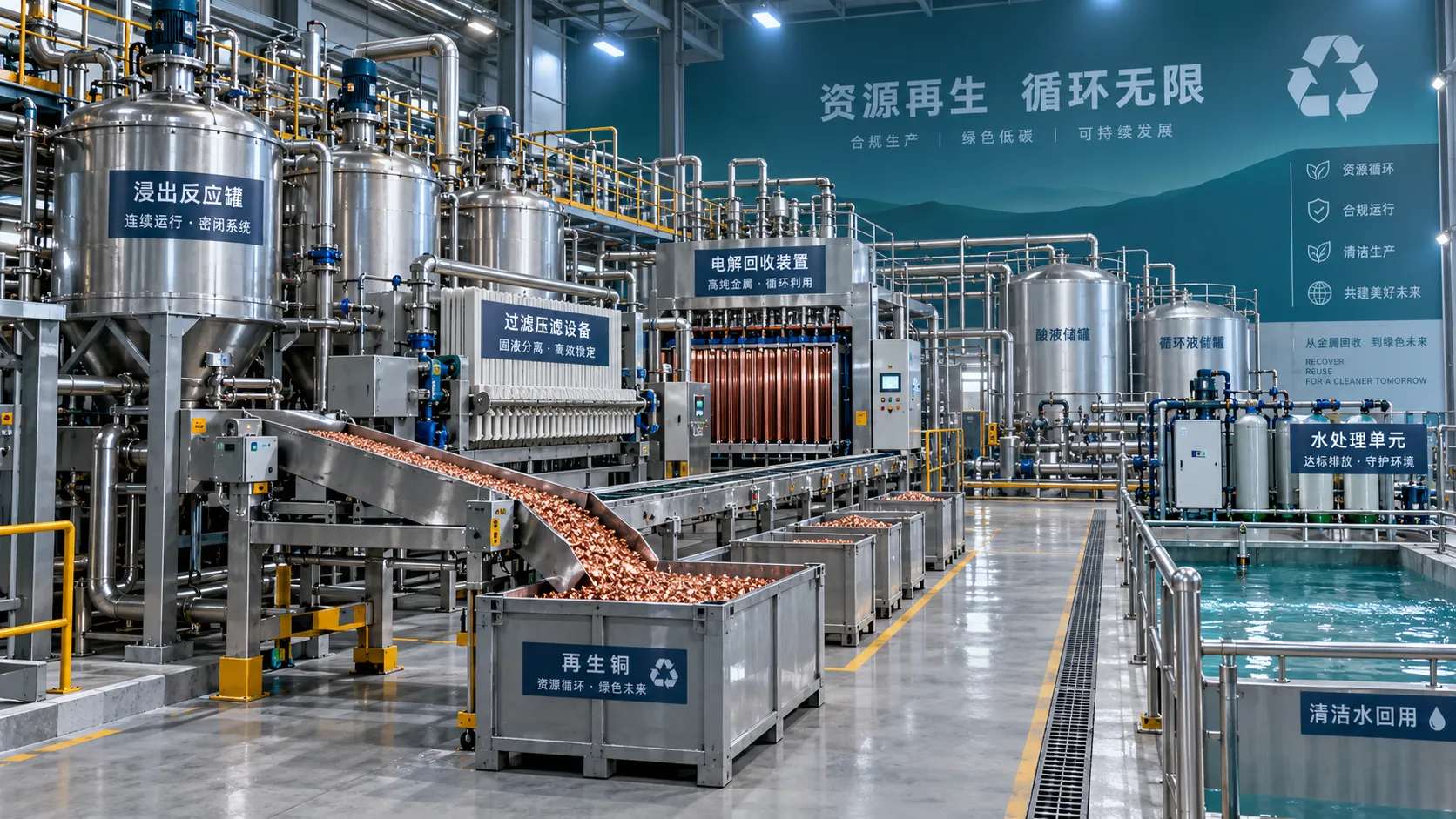
When does repeatable metals recovery infrastructure justify the investment?
Repeatable metals recovery infrastructure: discover when consistent feedstock, lower disposal costs, compliance control, and reliable offtake justify investment.
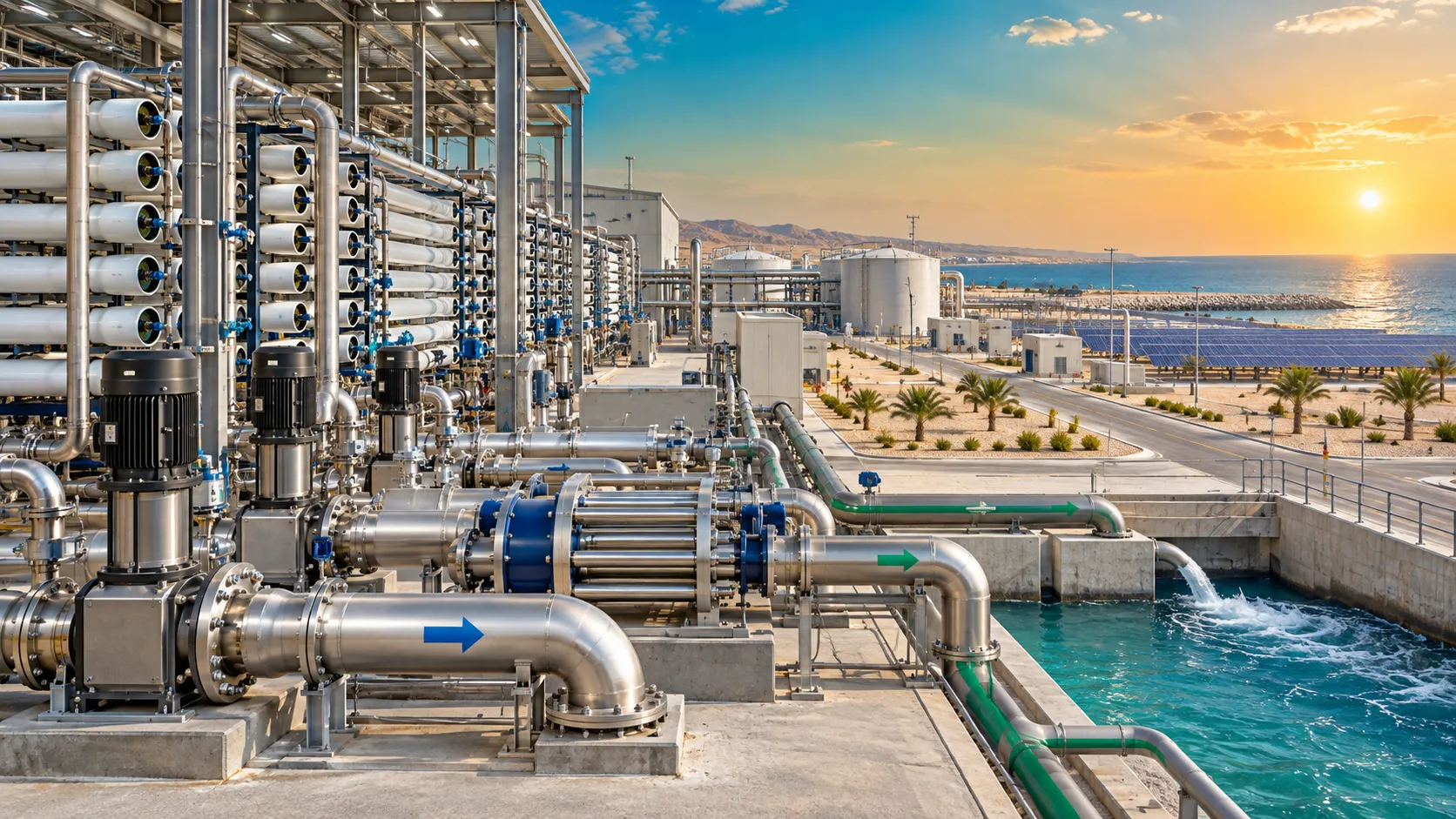
How energy recovery cuts the cost of seawater desalination in the Middle East
Seawater desalination Middle East projects can cut lifecycle costs with energy recovery. Explore savings, bankability, power-risk strategies, and smarter investment decisions.
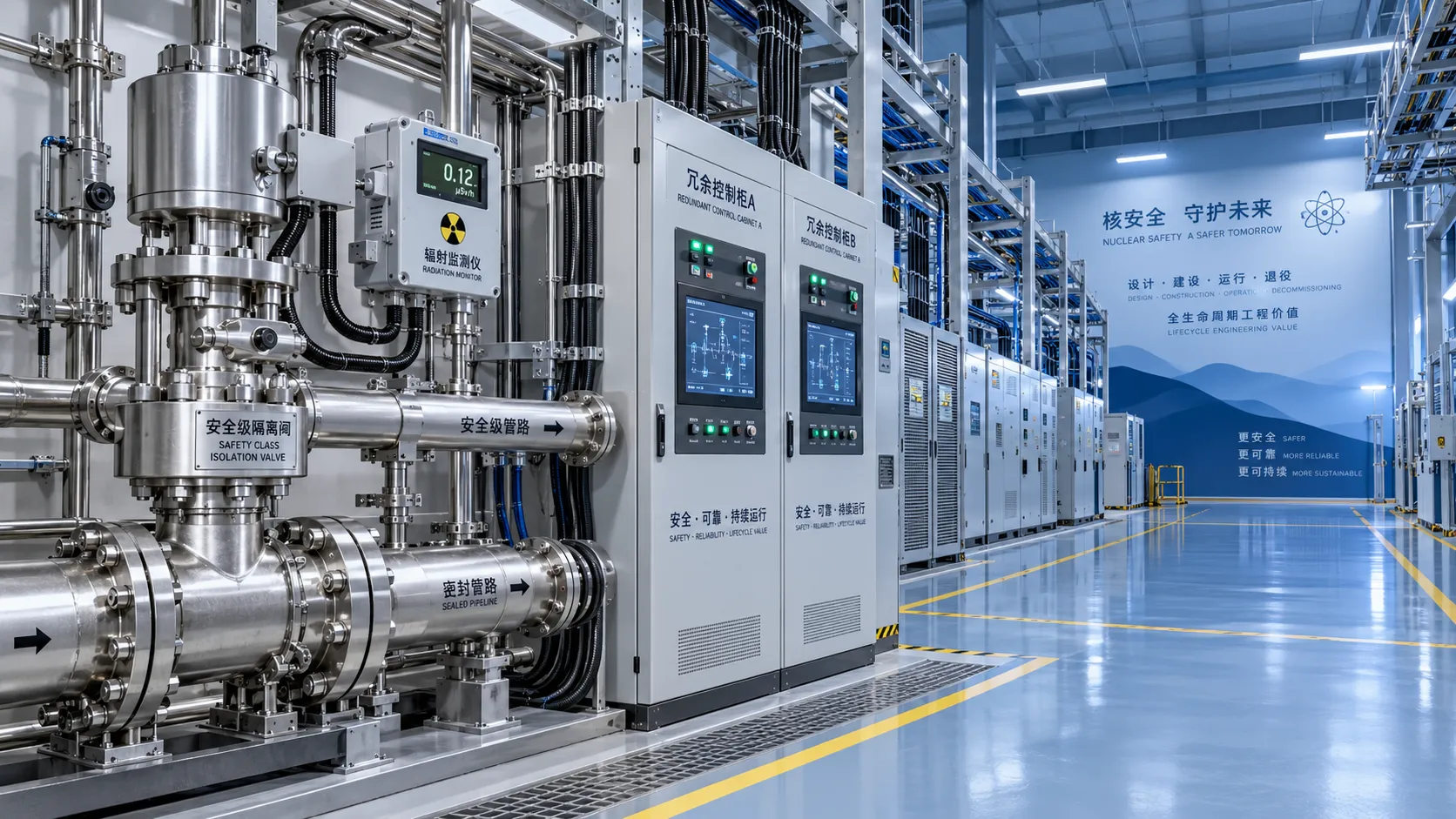
What drives nuclear safety solutions pricing for new facility projects?
Nuclear safety solutions pricing explained: uncover the key cost drivers for new facilities, from qualification and interfaces to lifecycle support.
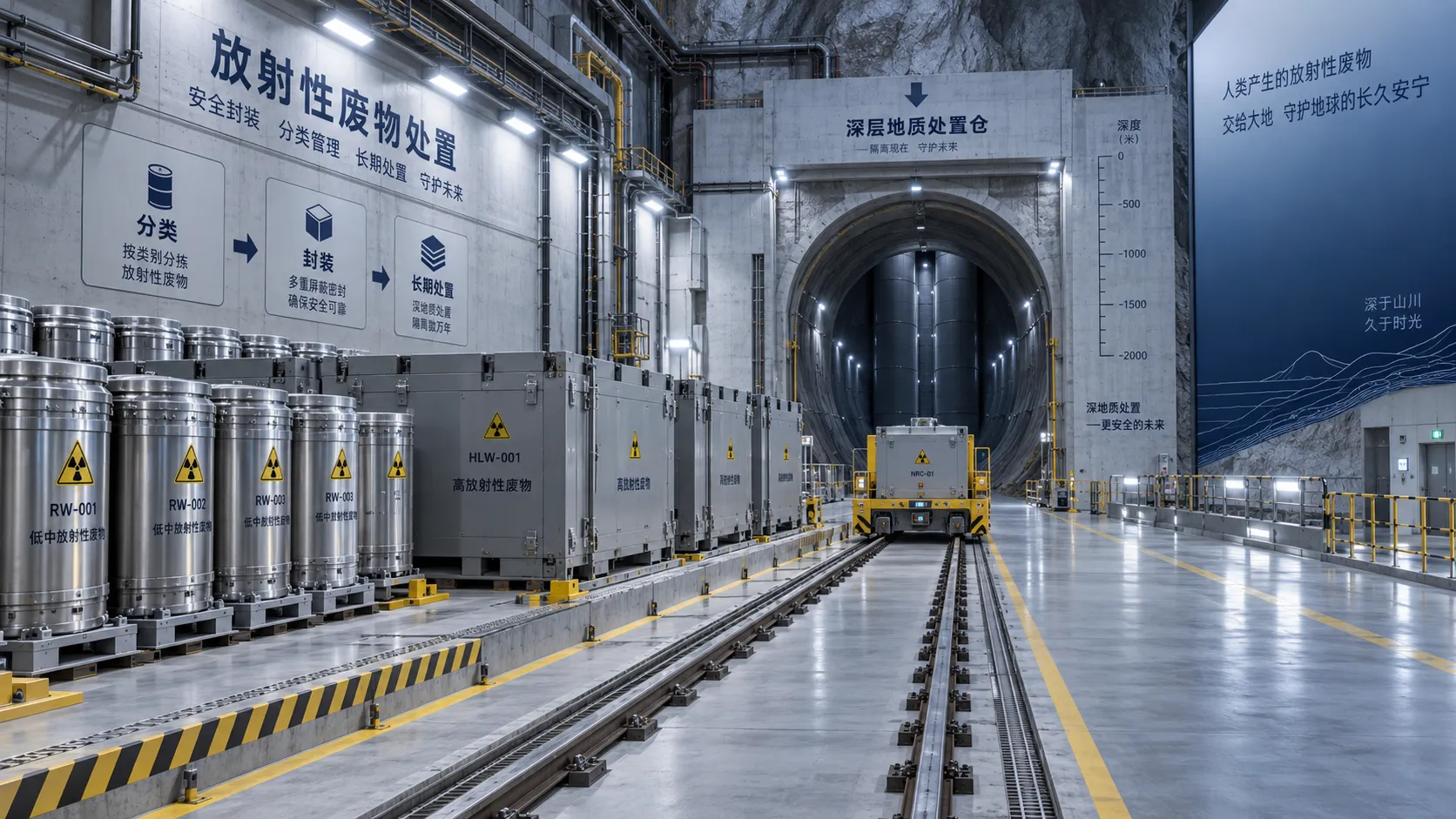
What drives radioactive waste cost over the life of a disposal project?
Radioactive waste cost depends on classification, treatment, transport, storage, disposal access, and long-term compliance. Explore the key lifecycle cost drivers.
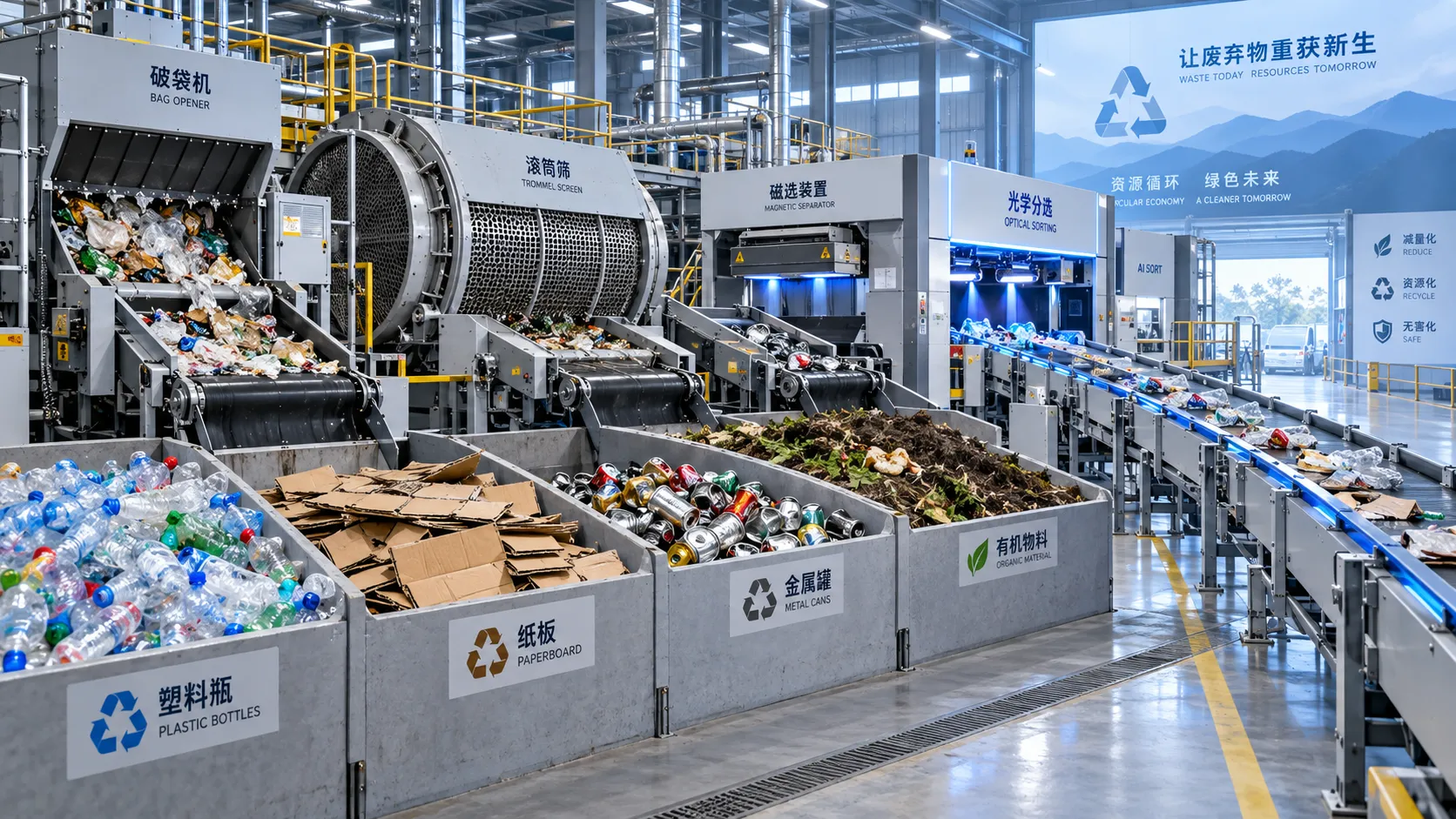
How to choose solid waste equipment based on waste stream characteristics
Environmental equipment guide for solid waste: discover how to match sorting, treatment, and recovery equipment to waste composition, moisture, contamination, and output goals.
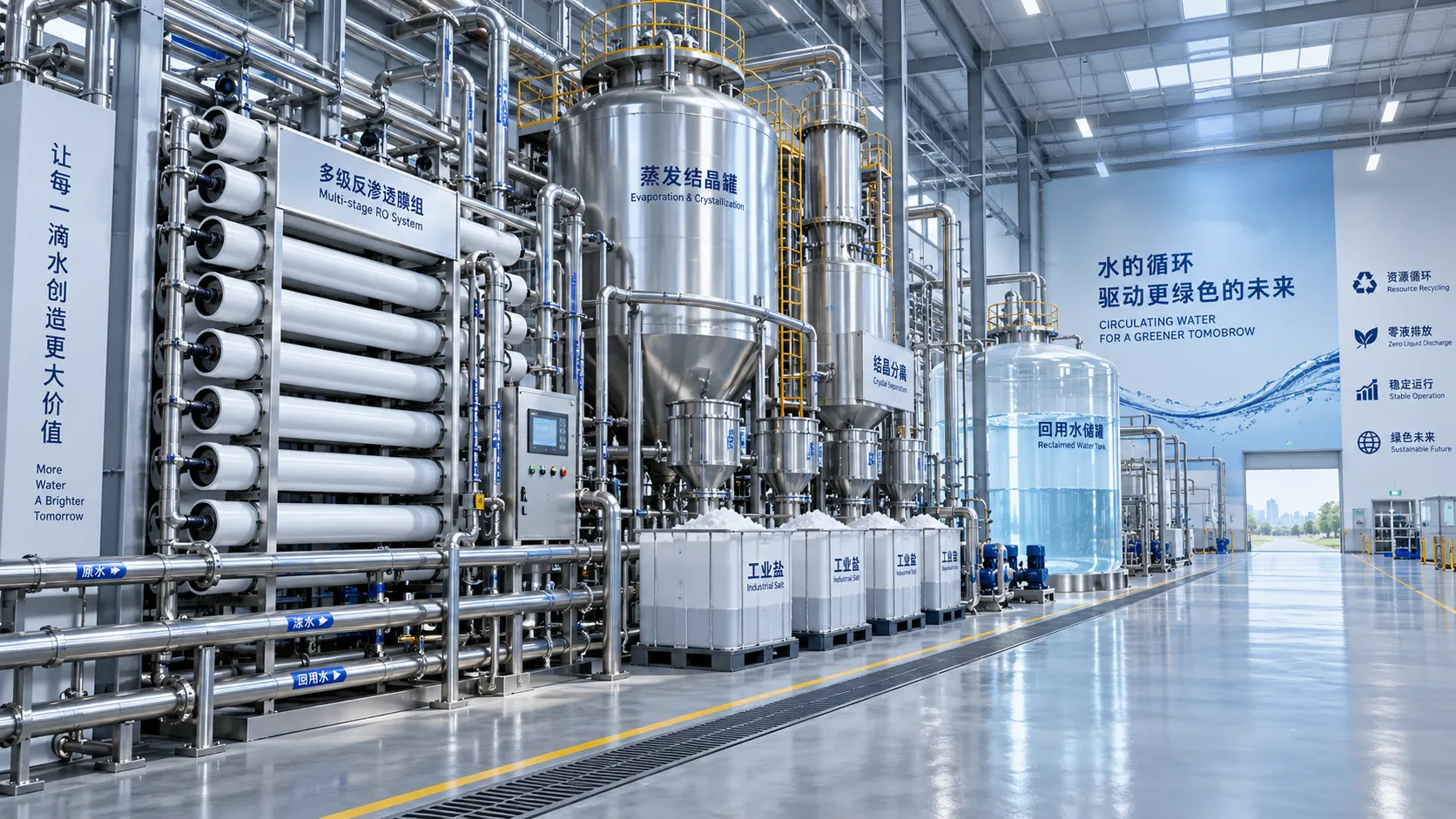
When does high recovery ZLD equipment justify its higher capital cost?
High recovery ZLD equipment can justify higher capital cost when water scarcity, discharge risks, brine disposal, and downtime threaten operations. Explore the decision factors.

How high purity heavy metal recovery affects recovered metal value
High purity heavy metal recovery boosts recovered metal value by improving payability, reducing penalties, and unlocking stronger buyer opportunities. Explore smarter netback strategies.
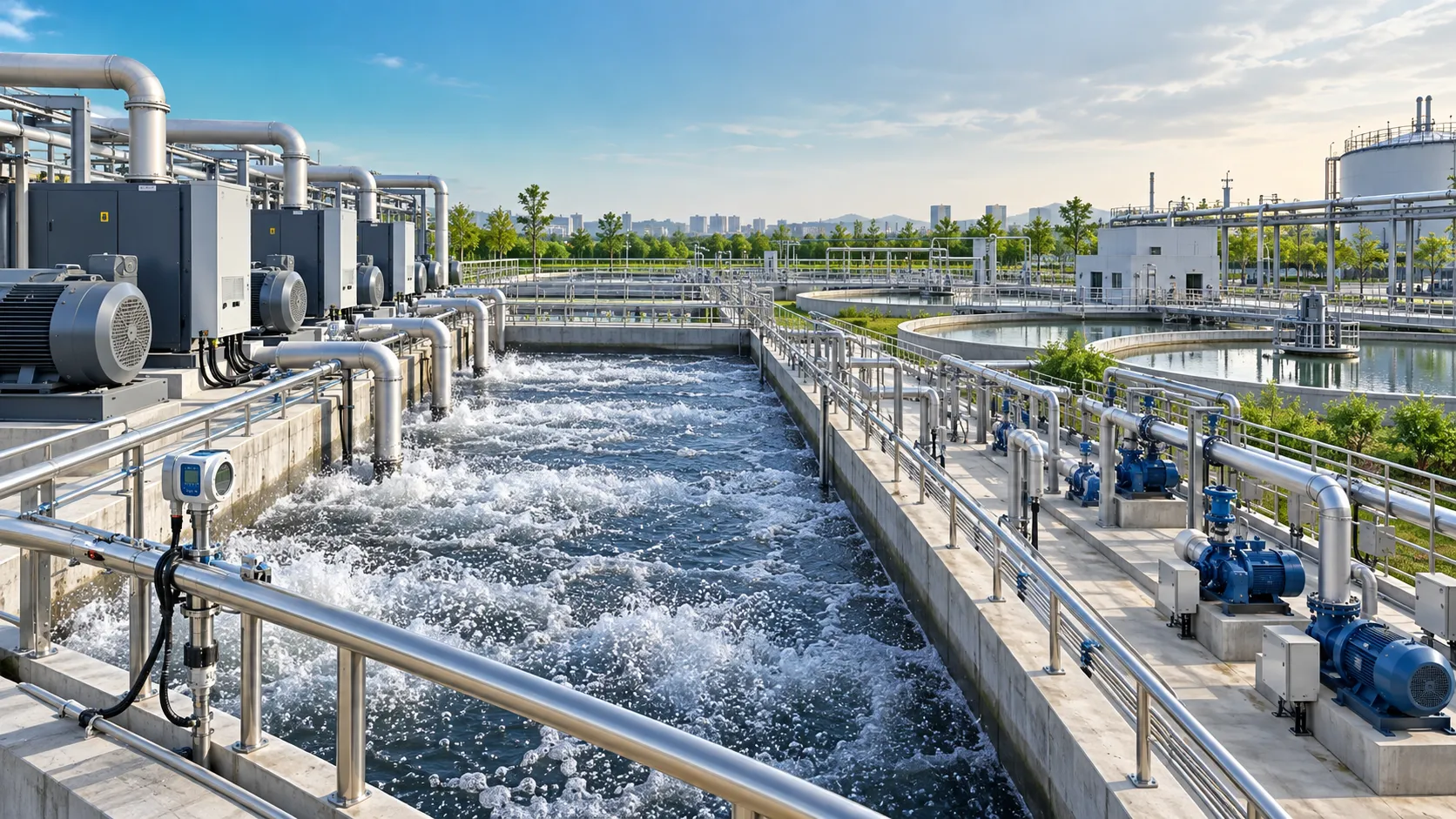
When does environmental equipment intelligence reduce wastewater plant energy use?
Environmental equipment intelligence for wastewater plants cuts energy use through smarter aeration, pumping, and data-driven controls—without compromising compliance. Discover when it delivers measurable savings.
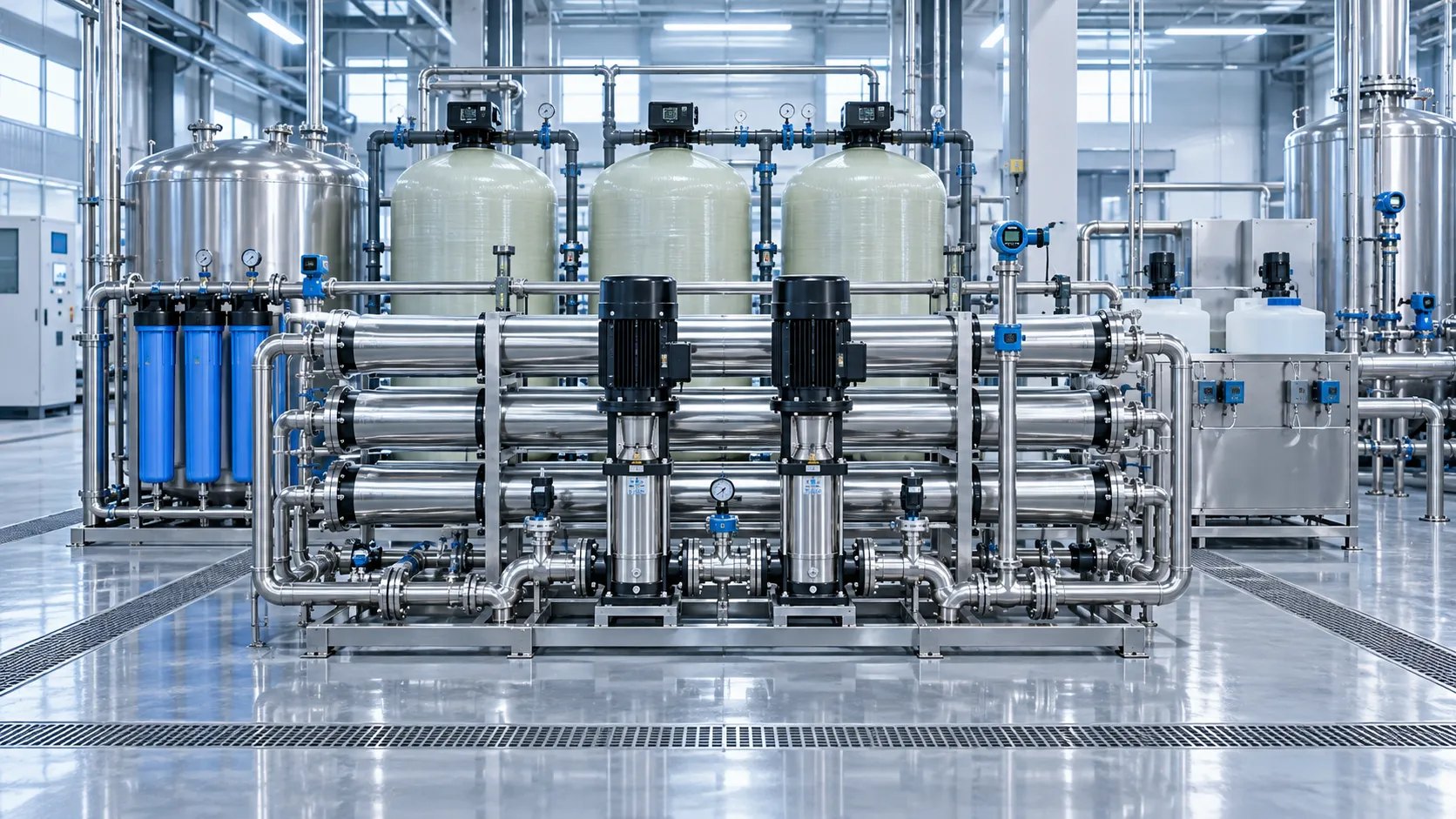
What Should EPC Teams Compare When Selecting a Water Treatment Supplier?
What should an EPC team compare when selecting a water treatment supplier? Explore key factors including process capability, guarantees, lifecycle cost, delivery risk, and support.