
Industry News
Curation by industry experts
Hot Articles
Popular Tags
Selecting Water Purification Technologies for Sustainable Factory Water Reuse
A factory water-reuse project rarely fails because a team chose a technology with poor removal performance on paper. It fails because the treatment train was selected around an average water sample, a generic “reclaimed water” specification, or a short-term capital-cost comparison. In operating reality, production shifts, cleaning cycles, seasonal temperature changes, accidental carryover, and discharge constraints all reshape the problem.
Selecting the top water purification solutions for sustainable water reuse in factories therefore requires a decision process, not a technology shopping list. Technical evaluators need to connect wastewater characterization with the intended reuse point, operational resilience, residuals handling, energy exposure, and the site’s longer-term environmental obligations. The right answer may be a compact biological and membrane system for cooling-tower makeup, a selective ion-removal train for boiler feed, or a staged route toward Zero Liquid Discharge (ZLD) where discharge options are narrowing.
The most useful question is not “Which system produces the cleanest water?” It is: Which treatment architecture can consistently produce the water this factory needs, from the water this factory actually generates, with risks the operating team can manage?
Begin at the reuse point, not at the treatment skid
“Water reuse” covers very different quality requirements. Water used for washdown or dust suppression can tolerate a level of dissolved solids, color, or residual organic matter that would be unacceptable in a high-pressure boiler circuit. Cooling systems may be more sensitive to hardness, silica, suspended solids, and microbiological growth than to low concentrations of many dissolved organics. Electronics, pharmaceutical, food-processing, and precision manufacturing facilities may require far more stringent controls over conductivity, trace ions, organics, and microbial load.
Before comparing equipment, define the reuse destination in practical terms:
- Utility reuse: cooling-tower makeup, scrubber supply, ash handling, floor washing, and irrigation may allow moderately treated reclaimed water, provided scaling, corrosion, and biological risks are controlled.
- Process-adjacent reuse: rinsing, washing, and non-product-contact applications often require stable turbidity, low suspended solids, and closely managed microbiological quality.
- High-purity reuse: boiler feed, semiconductor rinsing, specialty chemical production, and sensitive manufacturing generally require desalination and polishing beyond conventional secondary treatment.
- Internal recycle loops: recovery of segregated rinse streams, condensate, or relatively clean process water can be more economical than treating the entire plant effluent to one extreme standard.
Set a water-quality envelope rather than relying on a single target number. Include flow range, conductivity, total suspended solids, turbidity, COD or TOC, hardness, silica, nutrients, metals, oil and grease, microbiological limits, and temperature. Also establish acceptable variability. A design that meets a weekly average but fails during a cleaning-in-place event is not a reliable reuse solution.
Map the influent as a moving system
For technical evaluators, the most valuable early work is wastewater segregation and campaign-based sampling. Composite samples remain important, but they should be supported by samples taken during production peaks, changeovers, maintenance washes, and unusual operating conditions. Industrial wastewater often contains intermittent contaminants that disappear in an average sample yet determine membrane fouling, biological inhibition, or hazardous sludge classification.
Key questions include:
- Which streams are high-strength, high-salinity, oily, metal-bearing, solvent-containing, or biologically inhibitory?
- Can clean streams such as cooling condensate or final rinses be captured separately for lower-intensity treatment?
- Are pH swings, oxidants, surfactants, chelating agents, or temperature spikes likely to damage downstream biology or membranes?
- Will the composition change when the factory adds a product line, changes raw materials, or adopts water-saving production practices?
This step often reveals that one centralized plant is not automatically the best solution. Segregation can preserve high-quality streams for direct reuse, isolate difficult contaminants before they dilute the whole flow, and reduce the load reaching expensive reverse osmosis or evaporation equipment. It also makes troubleshooting more humane: operators can trace a disturbance back to a process area instead of searching through an entire blended wastewater system.
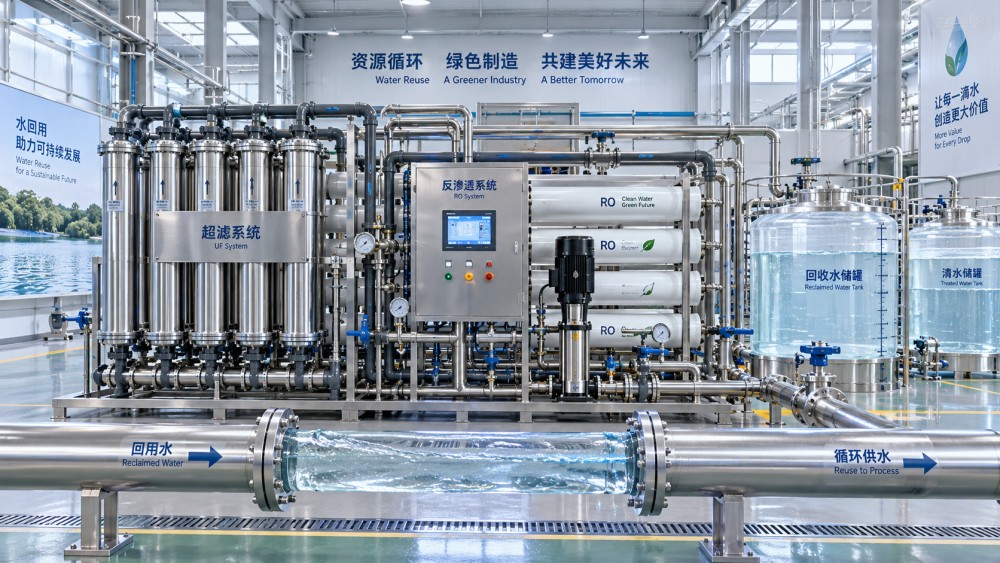
Choose technologies by the contaminants they must manage
No single purification technology is universally “top.” Sustainable factory reuse usually depends on a treatment train in which each stage protects the next one. The following comparison is more useful when read as a set of design roles rather than competing standalone products.
Physical separation and clarification: protect the downstream train
Screening, equalization, oil-water separation, dissolved air flotation (DAF), coagulation, flocculation, and clarification are often unglamorous but decisive. They remove debris, free oil, emulsified oil, colloids, and part of the suspended solids burden. For metal-finishing, machining, food, pulp, textile, and chemical facilities, robust pretreatment can determine whether advanced membranes operate predictably or become a recurring maintenance problem.
DAF is particularly relevant where oil, grease, algae-like solids, or low-density flocs are present. Chemical treatment can also precipitate metals, phosphorus, hardness, or selected inorganic contaminants. The trade-off is sludge generation. Evaluators should include dewatering, storage, transport, and disposal or recovery routes in the design basis rather than treating sludge as a secondary issue.
Biological treatment: reduce organics with a lifecycle view
Where biodegradable COD, BOD, ammonia, or nutrients dominate, biological treatment remains central to sustainable reuse. Conventional activated sludge can be appropriate for stable, sufficiently large flows and sites with available footprint. Moving bed biofilm reactors (MBBR) offer resilience and compactness in many retrofit scenarios. Membrane bioreactors (MBR) combine biological treatment with fine solids separation, producing lower-turbidity effluent that is well suited to downstream reverse osmosis or ultraviolet disinfection.
Biology is not a universal answer. Highly saline wastewater, toxic compounds, solvents, persistent surfactants, and dramatic pH excursions can undermine performance. Equalization, source control, or pre-oxidation may be essential. It is also important to assess aeration energy and sludge yield; a lower chemical demand does not automatically mean a lower total environmental footprint.
Media filtration, ultrafiltration, and microfiltration: control particles and microorganisms
Multimedia filters are practical for reducing residual solids after clarification. Ultrafiltration (UF) and microfiltration (MF) provide a more consistent barrier against fine suspended matter, colloids, and many microorganisms. Their value is often less about achieving final reuse quality and more about stabilizing the feed to reverse osmosis, nanofiltration, or advanced oxidation.
Membrane selection should examine more than nominal pore size. Consider flux under realistic water quality, backwash requirements, chemical compatibility, recovery after cleaning, integrity monitoring, and tolerance for temperature or pH variation. A membrane unit with impressive initial throughput may be a poor choice if fouling forces aggressive cleanings or frequent replacement.
Activated carbon, ion exchange, and advanced oxidation: target what biology cannot finish
Granular activated carbon can adsorb residual organics, odors, color, and certain trace compounds, though breakthrough behavior must be monitored and carbon regeneration or replacement planned. Ion exchange is effective for targeted removal of hardness, nitrate, selected metals, and specific ions, especially where feed quality is relatively controlled. Regenerant management is a critical constraint; it may create a concentrated waste stream that complicates an otherwise attractive process.
Advanced oxidation processes—using ozone, ultraviolet light with oxidants, or related approaches—can address refractory organics, color, and compounds that resist biodegradation. These systems deserve careful pilot testing because water matrix effects, scavenging demand, by-product formation, and energy consumption vary widely. They are typically precision tools, not a substitute for poor upstream control.
Nanofiltration and reverse osmosis: the backbone of high-quality reuse
Nanofiltration (NF) can reduce hardness, color, and larger dissolved organics while allowing some monovalent salts to pass. Reverse osmosis (RO) is the more comprehensive desalination option, reducing dissolved salts, many ions, and a broad range of dissolved contaminants. For factories seeking boiler-feed makeup, high-purity rinse water, or major reductions in freshwater intake, RO is often the pivotal stage.
Yet RO moves contaminants into concentrate; it does not eliminate them. Recovery targets must be balanced against scaling risk from calcium, sulfate, silica, barium, strontium, organics, or metals. Evaluate antiscalant compatibility, pH conditioning, cleaning strategy, membrane autopsy protocols, and concentrate disposition from the start. A high recovery rate may look attractive until it creates unstable operation or an unmanageable brine stream.
When ZLD is justified—and when it is not
Zero Liquid Discharge is increasingly considered where discharge permits are restrictive, water scarcity is acute, or industrial brines cannot be responsibly released to sewer or surface water. A typical ZLD pathway may include pretreatment, biological reduction of organics where appropriate, membrane concentration, thermal evaporation, and crystallization or solids recovery.
The appeal is clear: maximum water recovery and a closed-loop response to tightening compliance. The burden is equally clear: thermal energy demand, scaling control, complex solids management, and higher operator skill requirements. ZLD should not be selected simply because it is viewed as the most advanced option. It becomes defensible when its avoided freshwater costs, avoided discharge liabilities, business-continuity benefits, and regulatory value outweigh its lifecycle demands.
Many sites benefit from a phased approach: recover the easiest high-quality streams first, reduce contaminant loading through process changes, deploy membranes for the main reuse loop, then add concentrator or thermal steps only for the remaining brine. This sequence can prevent a factory from overbuilding before it understands its actual reuse performance.
A selection matrix that exposes hidden trade-offs
Technology comparison should be carried out against weighted project criteria, not vendor brochures alone. The weighting will differ by sector, but the matrix should normally cover:
Do not approve a design without piloting the difficult water
Pilot trials should reproduce the conditions most likely to challenge the full-scale system. That means testing representative wastewater variability, not only polished feed prepared for demonstration. For membrane systems, measure normalized permeability, differential pressure, salt rejection, cleaning recovery, and scaling tendency over a meaningful period. For biological systems, observe settling or membrane fouling behavior, oxygen demand, nutrient balance, toxicity response, and sludge characteristics. For oxidation and adsorption, verify removal of the actual compounds driving reuse risk.
Equally important, request a mass balance. It should account for influent, reclaimed-water output, backwash, chemical addition, reject streams, sludge, and evaporation losses. If a proposal reports a high “recovery” number without making the concentrate route explicit, the evaluation is incomplete.
Design for compliance, monitoring, and operational confidence
Water reuse sits at the intersection of production reliability and environmental responsibility. Discharge permits, local reuse guidelines, industrial pretreatment rules, chemical restrictions, and carbon-accounting expectations may all influence the project. Global supply-chain pressures are also changing the conversation: energy-intensive water treatment can affect the broader carbon profile of manufactured goods, particularly as environmental reporting becomes more rigorous.
Online monitoring should be selected according to operational decisions, not installed merely for dashboard visibility. Flow, pH, conductivity, turbidity, oxidation-reduction potential, dissolved oxygen, pressure, temperature, and TOC or COD proxies can provide early warning when connected to clear response procedures. Critical reuse applications may require redundant barriers, automated diversion of off-spec water, and storage capacity that gives operators time to investigate without interrupting production.
For evaluators building a business case, this is where intelligence becomes as valuable as equipment. Assess evolving water regulations, regional disposal options, power-price exposure, membrane supply resilience, and potential resource recovery routes alongside treatment performance. A robust factory reuse system is not only a purification plant; it is an operating strategy that protects water access under changing environmental and commercial conditions.
A practical decision path
The strongest projects usually follow a simple discipline: characterize and segregate streams; define fit-for-purpose reuse quality; identify treatment barriers required for each contaminant class; pilot the highest-risk stages; calculate lifecycle costs and residuals; and preserve flexibility for future expansion. This approach may lead to advanced filtration and RO, a biological-MBR route, targeted ion exchange, selective oxidation, ZLD, or a carefully integrated combination.
For factories evaluating the top water purification solutions for sustainable water reuse, the winning configuration is rarely the one with the most components. It is the one that turns variable wastewater into dependable reclaimed water while respecting the practical limits of energy, maintenance, compliance, and people. That balance is where circular water management becomes durable rather than merely aspirational.
Recommended News
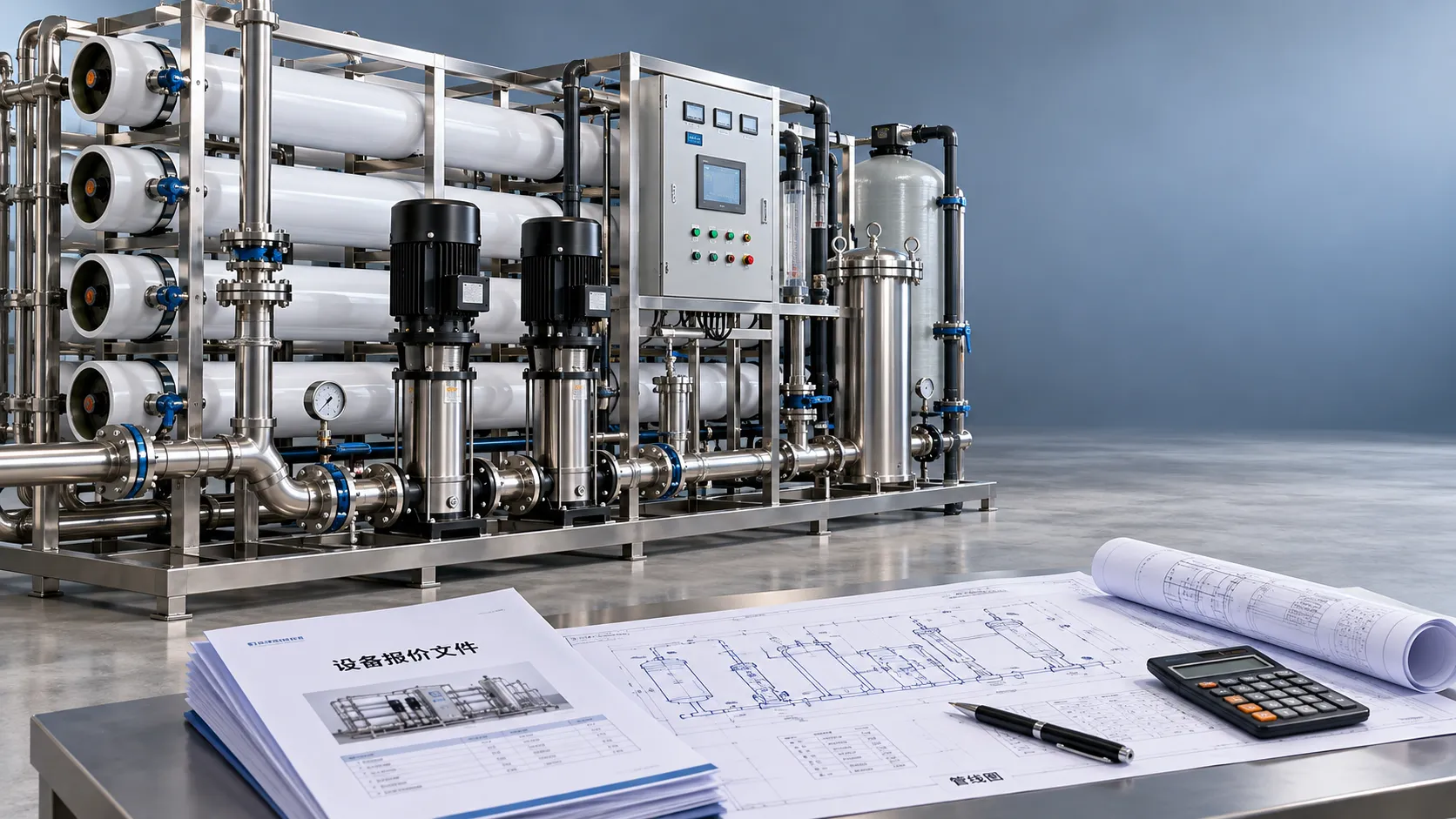
How to check a water treatment quotation for hidden project costs
Review your water treatment quotation for hidden costs, scope gaps, and operating expenses. Learn what to check before signing to protect your budget and avoid costly surprises.
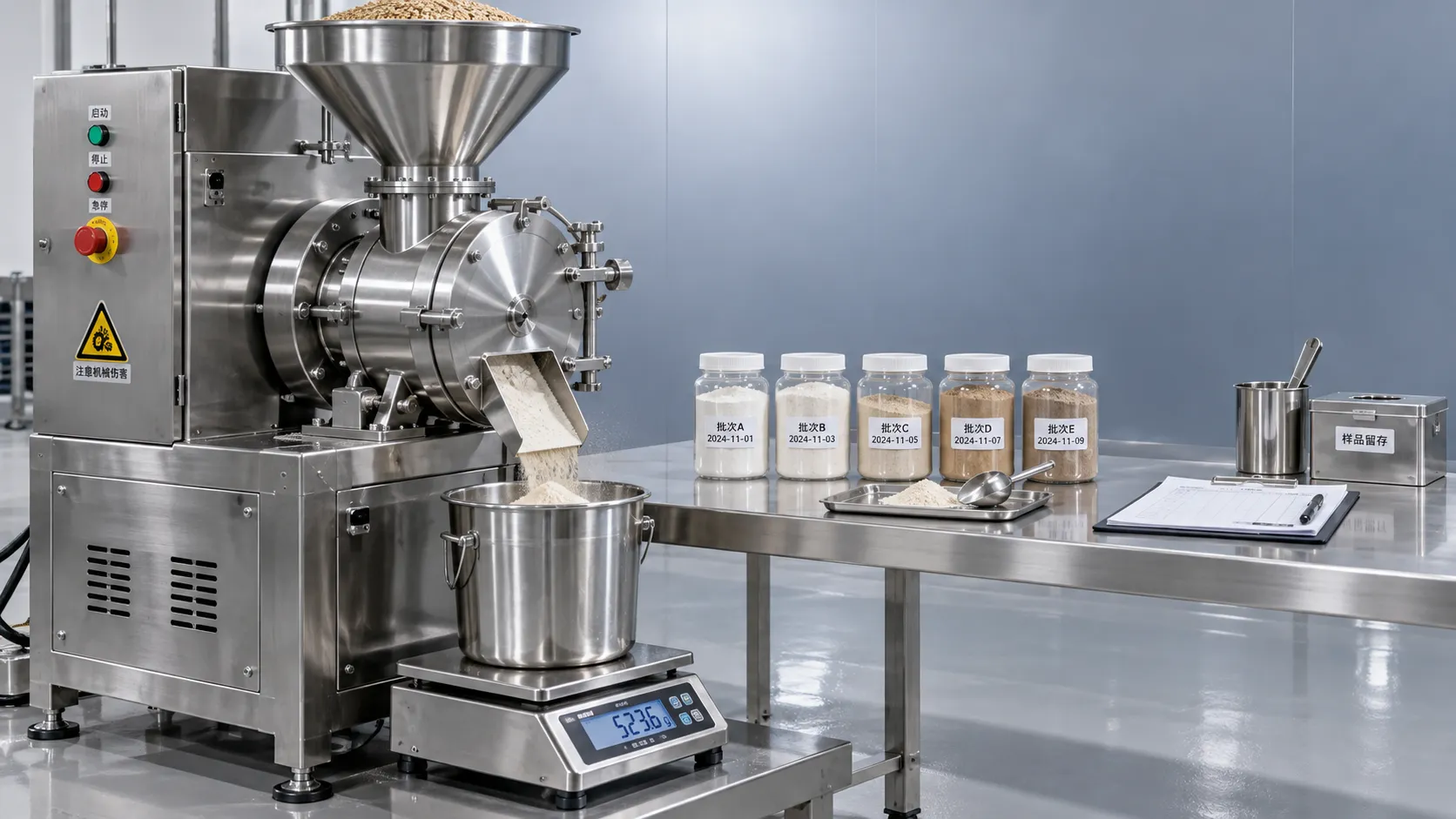
How to vet ingredient processing equipment manufacturers using trials
Vet ingredient processing equipment manufacturers with real-world trials. Learn how to verify yield, cleaning, energy use, and scale-up before you invest.
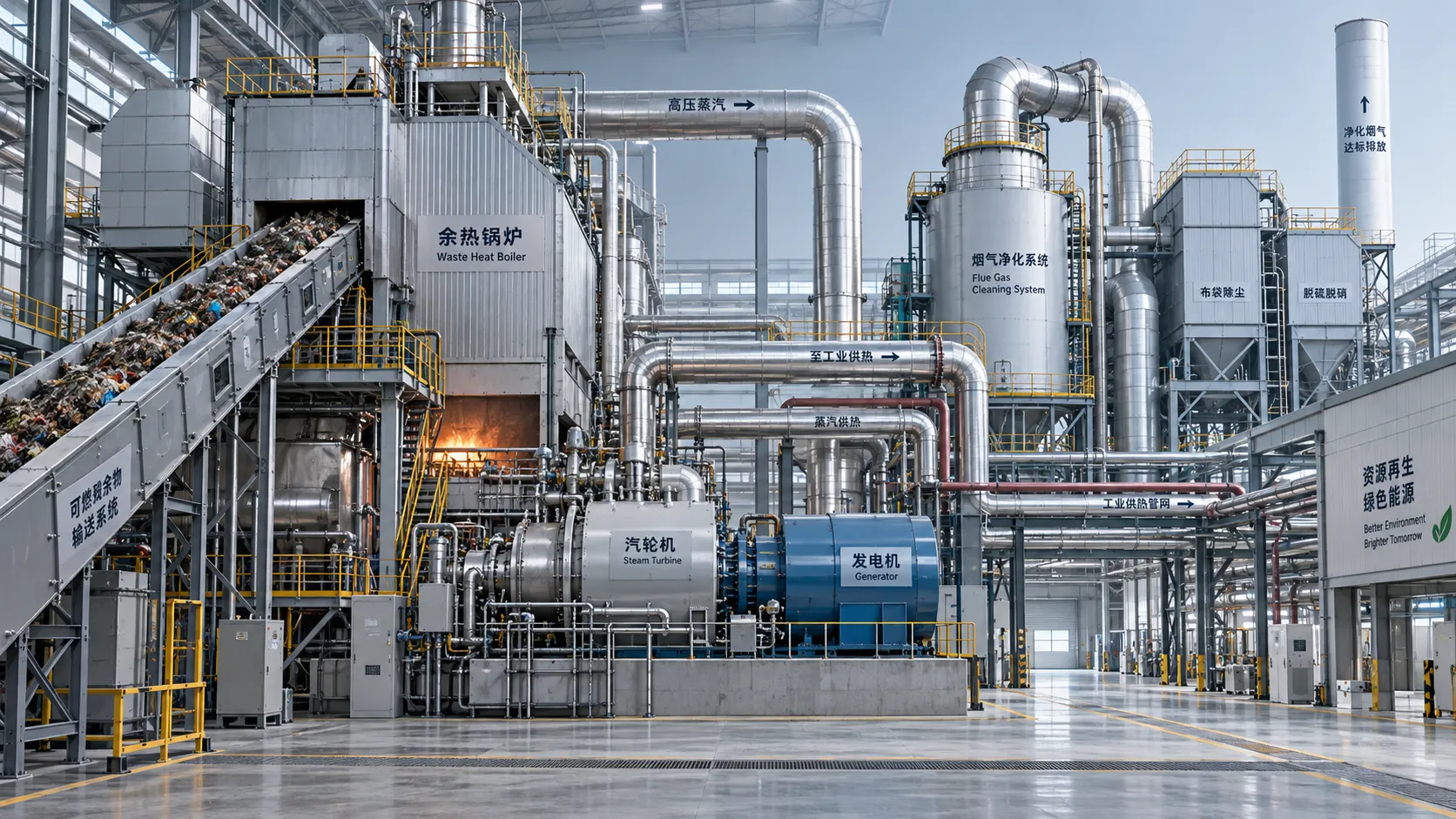
When is energy recovery viable in the solid waste recovery process?
When is energy recovery viable in the solid waste recovery process? Explore feedstock quality, net energy, emissions, and costs to assess feasibility and make smarter investment decisions.
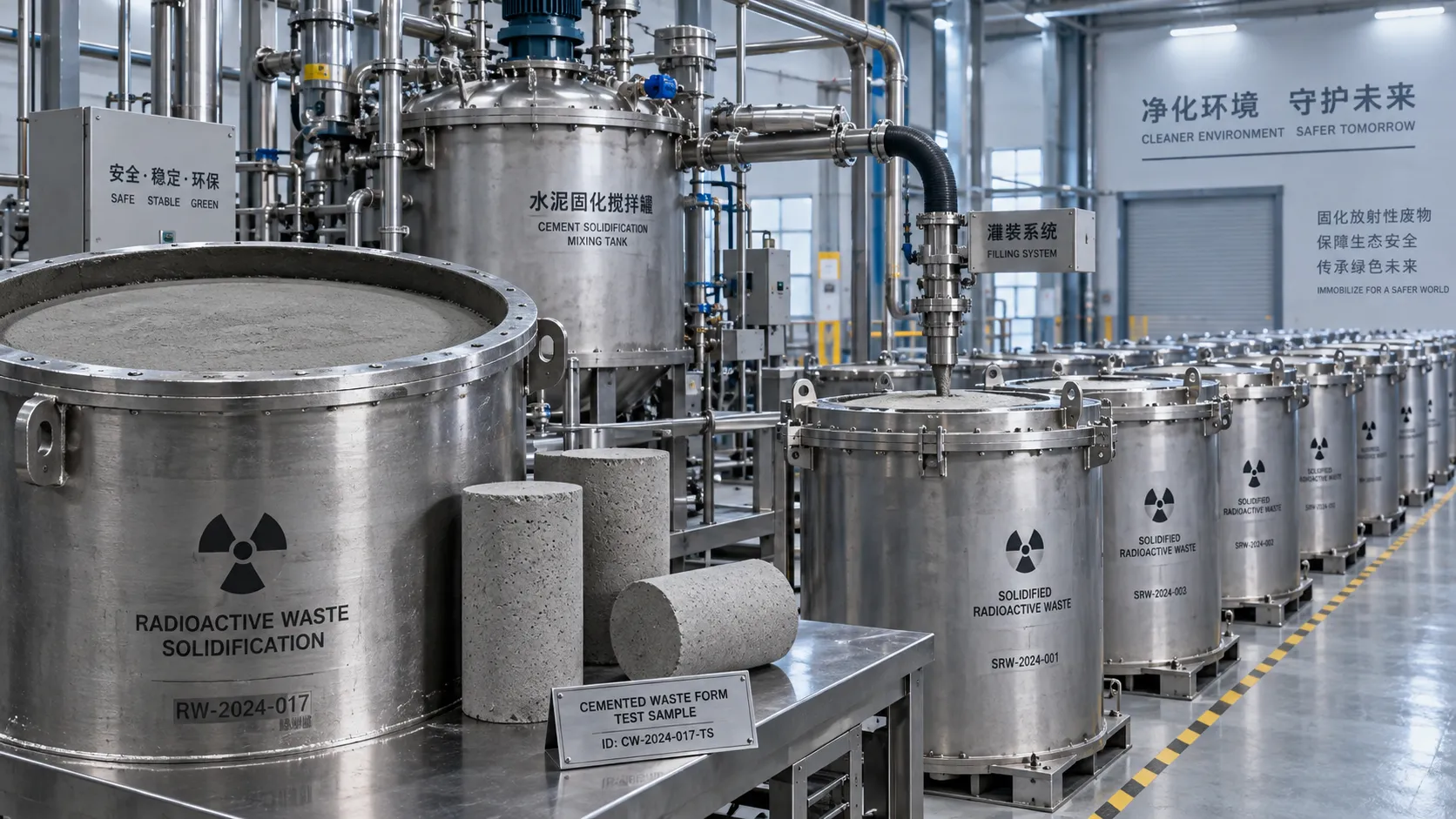
When is cementation suitable for nuclear decommissioning waste?
Explore nuclear waste treatment technology for decommissioning: learn when cementation fits, which risks to assess, and how disposal criteria guide an effective treatment choice.
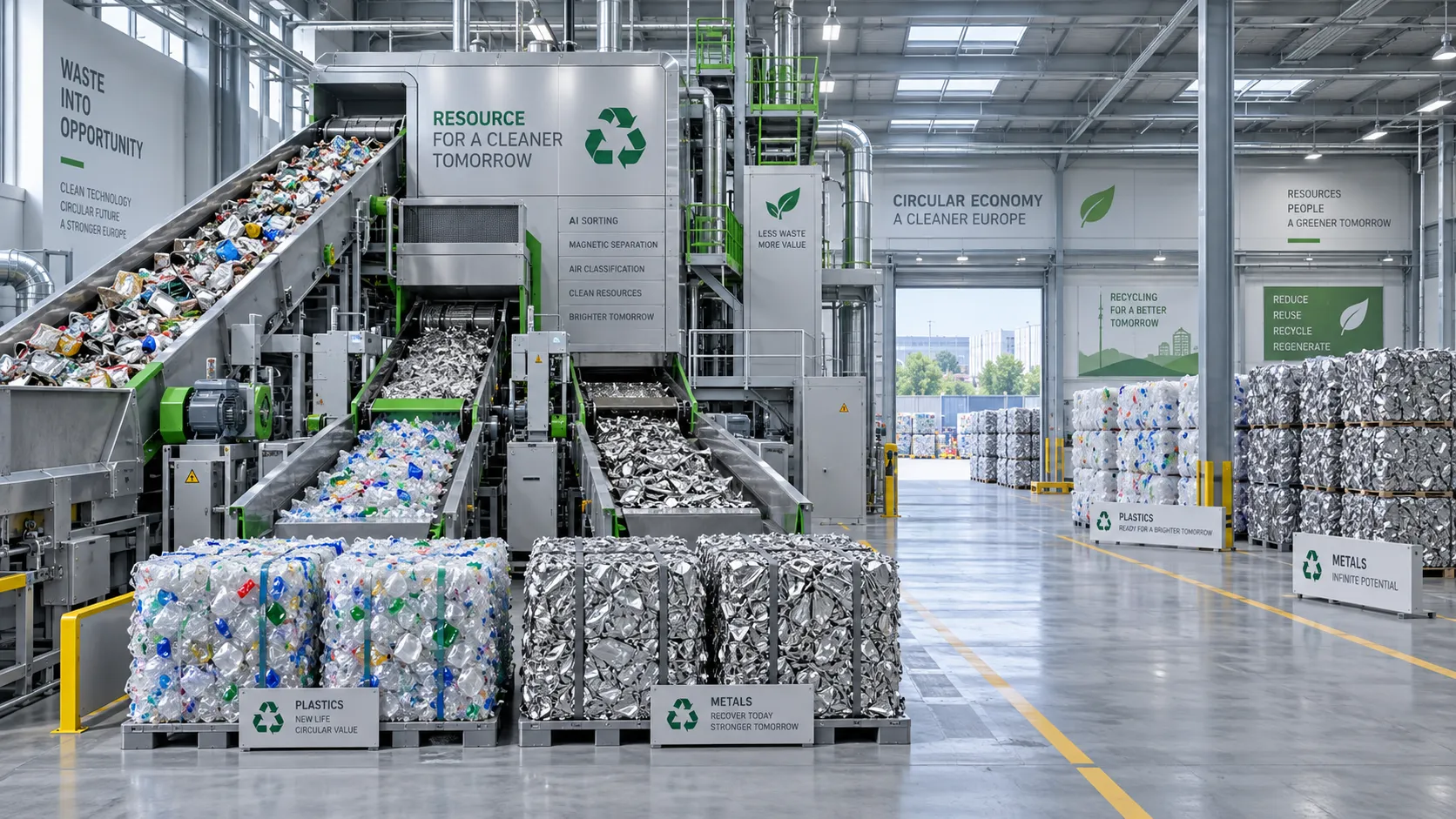
What determines payback for waste-to-resource systems in Europe?
Assess waste-to-resource systems Europe-wide: compare feedstock, recovery yields, costs and contracts to uncover payback drivers and make smarter investment decisions.
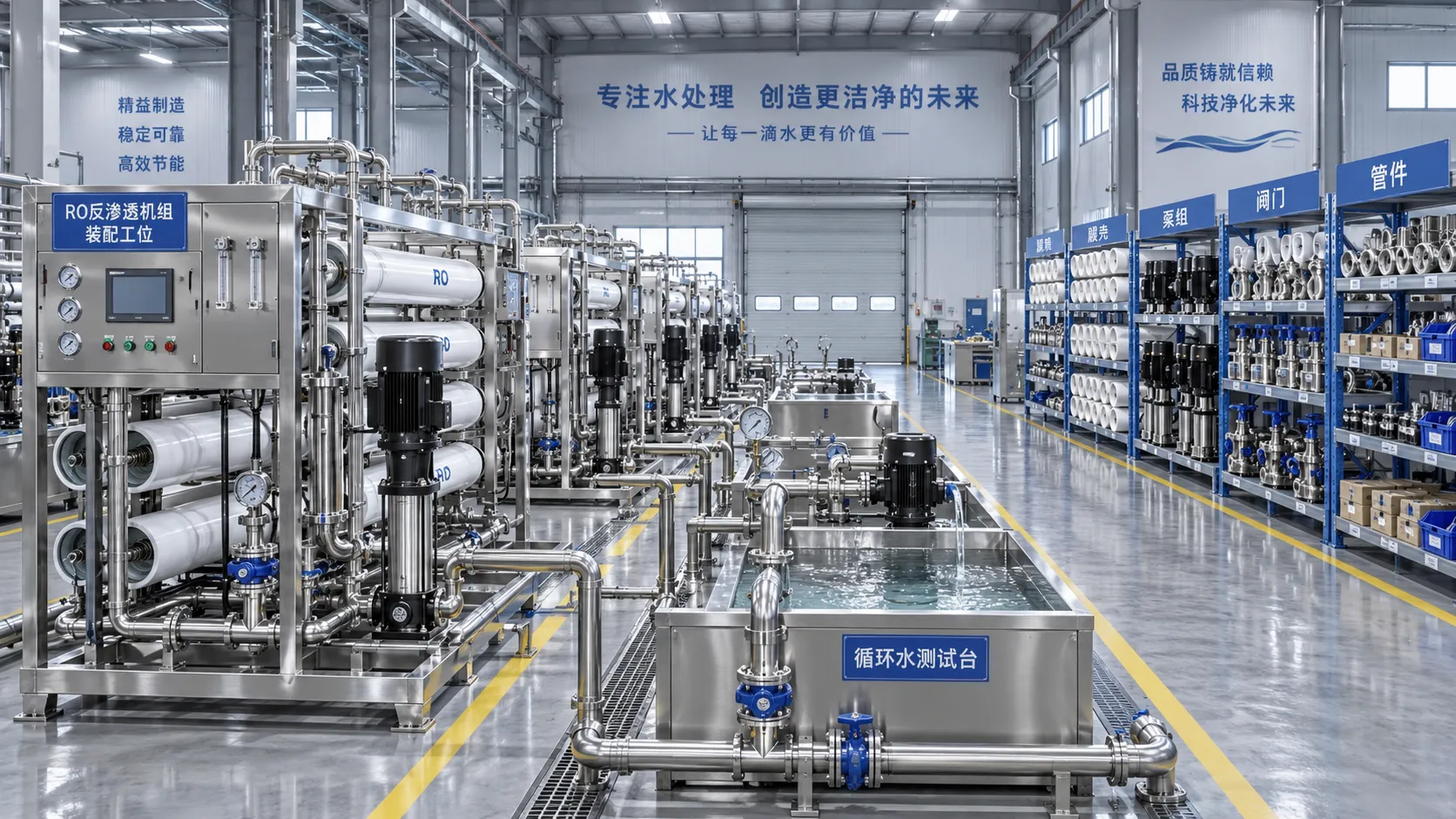
How to verify a water treatment system factory’s production capacity
Verify a water treatment systems factory’s production capacity through records, bottlenecks, component availability, and testing. Learn what to check before accepting a delivery promise.
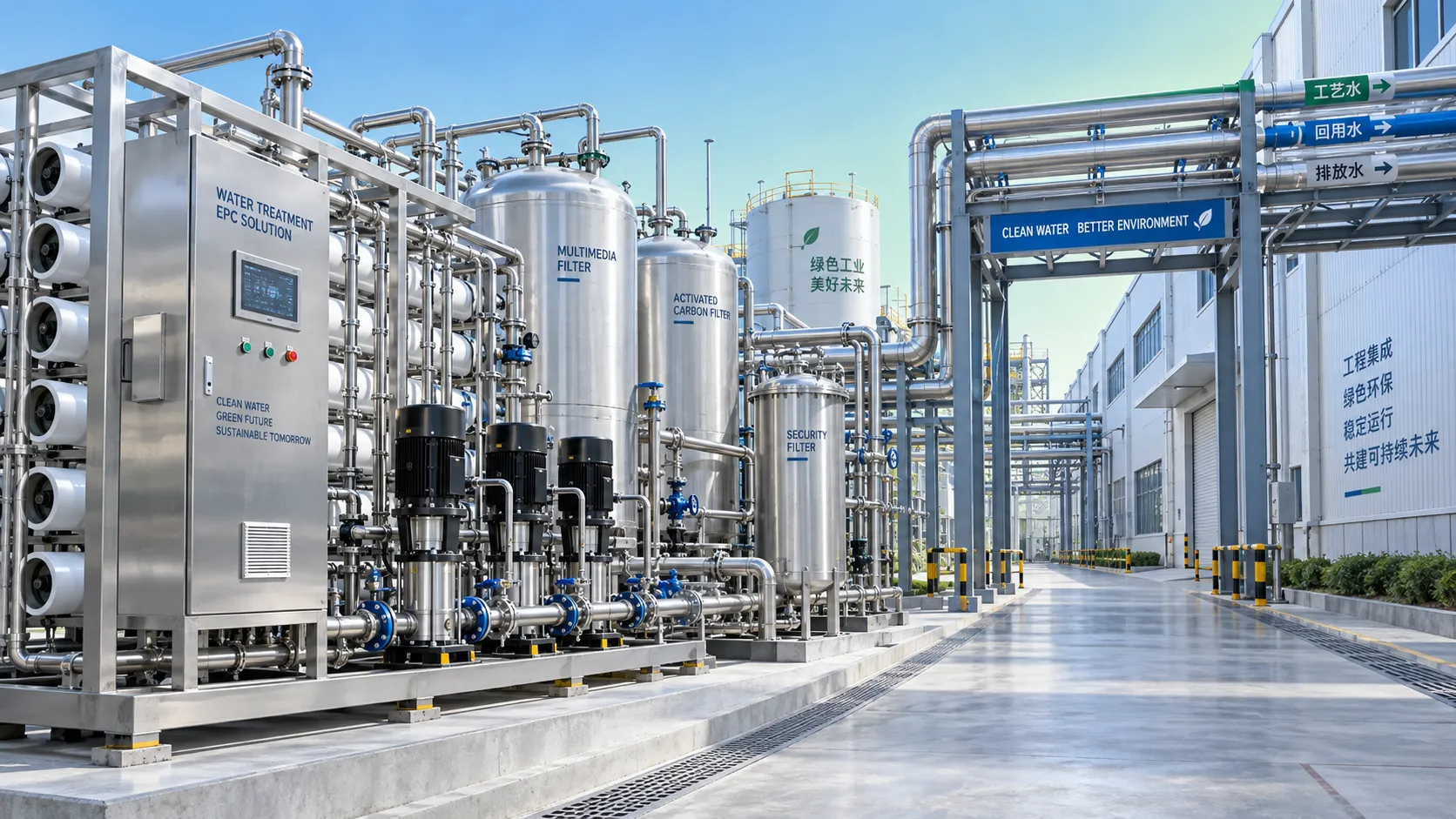
When does EPC environmental project support reduce delivery risk?
EPC environmental project support engineering reduces delivery risk by aligning design, procurement, compliance, construction, and commissioning decisions.
How nuclear plants select a radioactive waste solidification method
Radioactive waste management for nuclear plants: compare vitrification, cementation, polymers, and ceramics to select a compliant, durable solidification solution.
Water Treatment Options for Metal Finishing Rinse Water and Process Baths
Metal finishing water treatment solutions for rinse water and process baths—reduce costs, recover metals, improve reuse, and strengthen compliance.