
Industry News
Curation by industry experts
Hot Articles
Popular Tags
How to vet ingredient processing equipment manufacturers using trials
How to vet ingredient processing equipment manufacturers using trials
A polished equipment demonstration can hide the problems that emerge with variable feedstocks, extended operating hours, and demanding cleaning cycles. When evaluating ingredient processing equipment manufacturers, the useful question is not whether a machine can produce an acceptable sample. It is whether it can repeatedly deliver saleable output under conditions that resemble your plant.
That requires a trial designed around your process risks, not the supplier’s preferred demonstration. Product quality, throughput, cleaning, resource consumption, and scale-up assumptions need to be assessed together. A higher processing rate is not an improvement if it creates more off-spec material or pushes wastewater treatment beyond available capacity.
Write the acceptance protocol before shipping material
Start with a short, jointly approved trial protocol. Define the processing duty, feedstock envelope, required product attributes, and conditions under which results will count. Separate mandatory acceptance criteria from desirable improvements. Otherwise, an impressive result on one metric can distract from a failure elsewhere.
For a milling application, acceptance might depend on particle-size distribution, temperature rise, and usable yield at the required rate. A blending trial may instead hinge on uniformity, segregation during discharge, and residual material. For concentration or drying, moisture, thermal exposure, fouling, and energy demand may drive the decision. Use limits from your product specification and process requirements rather than generic supplier benchmarks.
- Record the exact machine configuration, including contact materials, tooling, screens, seals, controls, and auxiliary equipment.
- Define sampling locations, frequency, analytical methods, and responsibility for testing.
- Agree on stabilization criteria, test duration, repeat runs, and treatment of interruptions.
- Specify pass/fail rules, measurement uncertainty, and how deviations will be documented.
Agree on confidentiality, sample ownership, and access to raw results before the trial. If the supplier cannot release relevant operating data, establish what independently witnessed evidence will be available. A summary presentation is not a substitute for a traceable test record.
Choose materials that expose the real operating window
The easiest feedstock rarely tells you enough. Send material representative of normal production, then include credible difficult conditions: elevated moisture, higher viscosity, broader particle distribution, greater abrasiveness, or a tendency to bridge and adhere. Select these conditions from purchasing specifications, retained samples, and production history—not invented worst cases.
Characterize each lot before testing. Depending on the process, relevant properties may include bulk density, solids concentration, temperature, fat content, pH, or flow behavior. Record storage and transport conditions too. A powder that absorbs moisture in transit or a slurry that settles before testing may no longer represent the intended feed.
Keep reference samples and establish a feed preparation procedure. When comparing manufacturers, use equivalent lots and consistent analytical methods. If one supplier preconditions material by drying, screening, or dilution, that step belongs in the process evaluation, including its cost, utilities, and waste streams.
Ask the manufacturer to explain where performance is expected to deteriorate. A supplier who can identify a credible operating boundary is more useful than one who claims the same setup handles every formulation equally well.
Measure saleable output, not just feed rate
A capacity claim needs a defined basis. Incoming mass, discharged mass, and accepted product are different quantities. For processes that remove water or change solids concentration, comparisons also need a consistent moisture or dry-solids basis.
Build a material balance around the trial. Account for feed, conforming product, rejects, recovered material, retained inventory, and measurable losses. Investigate unexplained differences before accepting yield figures. Apparent losses may reflect sampling errors or equipment hold-up, but neither should remain hidden.
Report both stabilized performance and campaign performance. The former shows what the machine can do at a controlled operating point. The latter includes startup losses, stoppages, discharge, and cleaning, revealing how much usable product the equipment delivers over the complete production cycle.
Quality sampling must follow the process. A blended composite can conceal short excursions; one outlet sample cannot establish consistency across a run. Collect samples at agreed intervals and after relevant disturbances. Where quality changes during storage, retain samples for the appropriate follow-up assessment rather than relying only on immediate appearance.
Run long enough to reveal deterioration
Short demonstrations often miss progressive fouling, screen blockage, seal heating, product buildup, and drift in discharge behavior. Trial duration should reflect the failure mechanism you need to investigate. There is no universal number of hours that proves reliability.
Trend operating variables rather than recording only averages. Depending on the equipment, useful signals include motor load, differential pressure, product temperature, vibration, vacuum, and discharge rate. A stable average can conceal repeated intervention or a gradual approach to an operating limit.
Include controlled disturbances where safe: a feed-rate change, an approved stop-and-restart sequence, or operation near the lower production rate. Record every manual adjustment, including who made it and why. Equipment that needs an application specialist constantly tuning it may impose a different staffing burden than the quotation suggests.
Do not introduce unsafe conditions to test resilience. Dust hazards, pressure protection, hot surfaces, and incompatible materials require prior assessment. A successful processing trial does not replace machinery safety review or evidence of suitability for the installation environment.
Treat cleaning and environmental loads as part of performance
Observe cleaning on equipment that has actually processed the test material. Check access, drainability, retained pockets, disassembly requirements, and reassembly checks. Time should include cooling, isolation, opening, cleaning, inspection, and return to service—not merely the wash cycle.
For applications involving allergens, potent ingredients, or microbiological controls, visual cleanliness alone is insufficient. Agree on suitable residue or hygiene verification methods and detection limits. A supplier trial can support cleaning development, but it does not automatically validate the procedure for your facility, products, and operating conditions.
Measure utilities across an explicit boundary. Include relevant feeders, pumps, extraction, heating, cooling, and compressed air rather than quoting only the main drive. Normalize consumption to conforming output, while also reporting startup and cleaning demand separately.
This whole-system view aligns with Global Eco-Shield Dynamics’ focus on connecting equipment performance with water treatment, resource recovery, and environmental compliance. In ingredient processing, that connection is practical: less product left inside a machine can mean both higher yield and a lower load on the wastewater plant.
Capture washwater volume and characterize relevant discharge properties, such as pH, suspended solids, organic load, or cleaning chemical residues. Where powders or volatile materials are handled, assess extraction and treatment requirements as well. Whether a stream can be reused, discharged, or needs additional treatment depends on its composition and site-specific requirements; a low water-consumption figure alone cannot answer that question.
Challenge the jump from pilot trial to production
A successful pilot establishes feasibility under tested conditions. It does not, by itself, prove commercial-scale capacity. Ask the manufacturer for a written scale-up rationale identifying what remains comparable and what changes.
The relevant relationships depend on the process. Mixing can be sensitive to geometry, power input, and material rheology. Drying depends on heat and mass transfer as well as residence-time distribution. Filtration may be limited by cake behavior rather than nominal surface area. Simply multiplying pilot throughput by equipment volume is not an adequate explanation.
Check the surrounding plant assumptions too. Feed delivery, downstream transfer, utility quality, extraction capacity, and control integration can constrain an otherwise capable machine. Identify whether the trial used temporary equipment or unusually favorable utilities that will not exist at your site.
Where uncertainty remains material, consider a larger trial, a rental installation, or staged acceptance. Factory acceptance testing can verify fabrication, controls, and agreed functions; site performance testing is needed to demonstrate results under the installed conditions. Keep those purposes distinct in the purchase specification.
Judge the manufacturer by how it handles the evidence
The strongest trial package contains feed characterization, configuration records, calibration information, time-stamped operating data, laboratory results, intervention logs, and a clear account of unsuccessful runs. Ask for enough detail to reconstruct how each reported result was obtained.
Be cautious when a supplier excludes startup losses, changes feed conditions without documenting them, reports energy without auxiliary loads, or presents only selected samples. These gaps do not necessarily prove poor equipment, but they prevent a defensible comparison.
Compare ingredient processing equipment manufacturers against mandatory technical gates before weighing price and secondary benefits. Then assess cleaning labor, consumables, wear parts, maintenance access, service support, and the consequences of downtime. A short trial cannot establish component life; request the basis for maintenance estimates and identify which claims remain unverified.
Before committing, translate the evidence into a written performance envelope: approved feed properties, required output quality, guaranteed rate, utility conditions, exclusions, and the procedure if acceptance fails. The trial has done its job when both parties understand not only what the equipment achieved, but exactly what must be reproduced after installation.
Recommended News
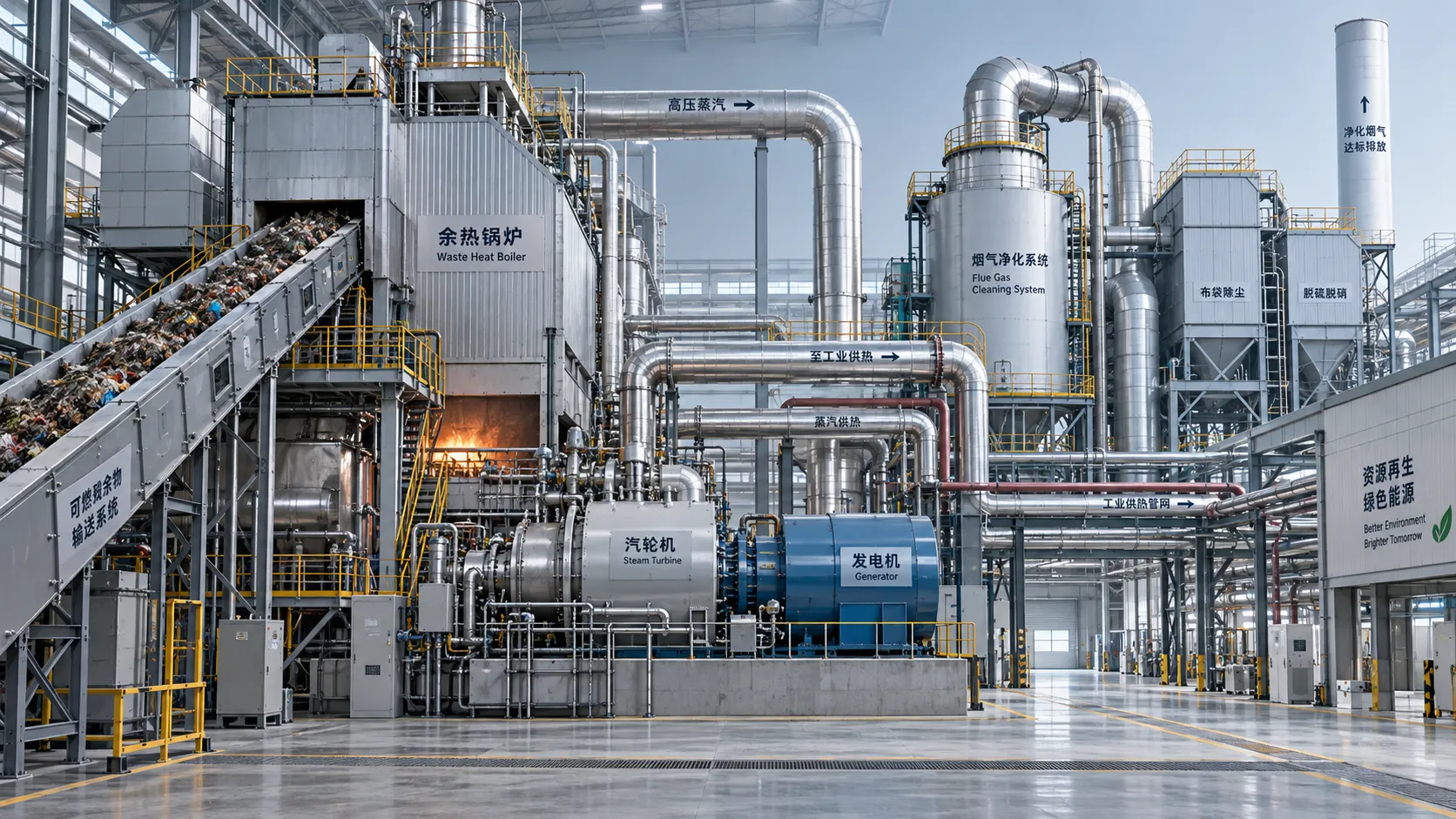
When is energy recovery viable in the solid waste recovery process?
When is energy recovery viable in the solid waste recovery process? Explore feedstock quality, net energy, emissions, and costs to assess feasibility and make smarter investment decisions.
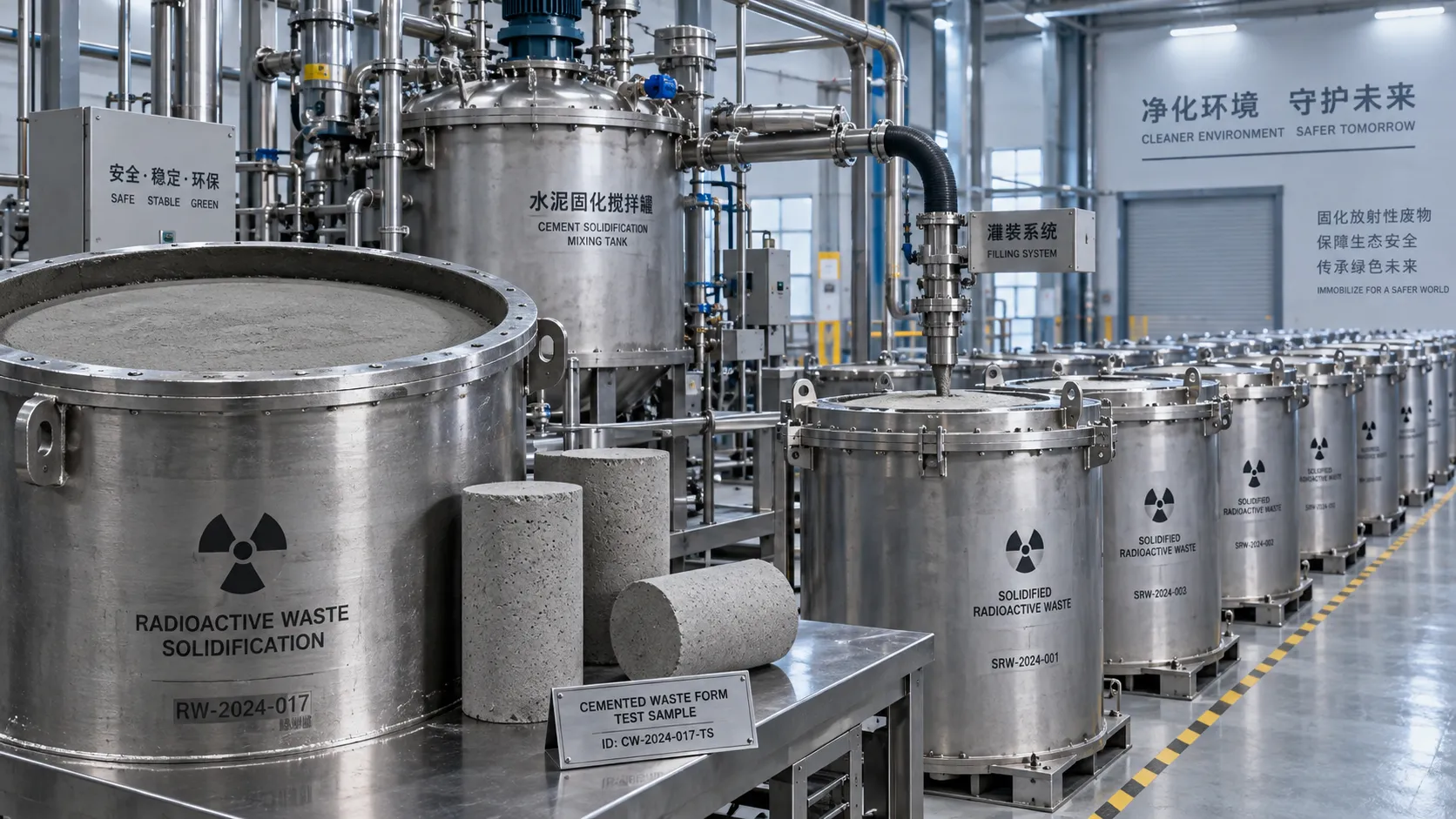
When is cementation suitable for nuclear decommissioning waste?
Explore nuclear waste treatment technology for decommissioning: learn when cementation fits, which risks to assess, and how disposal criteria guide an effective treatment choice.
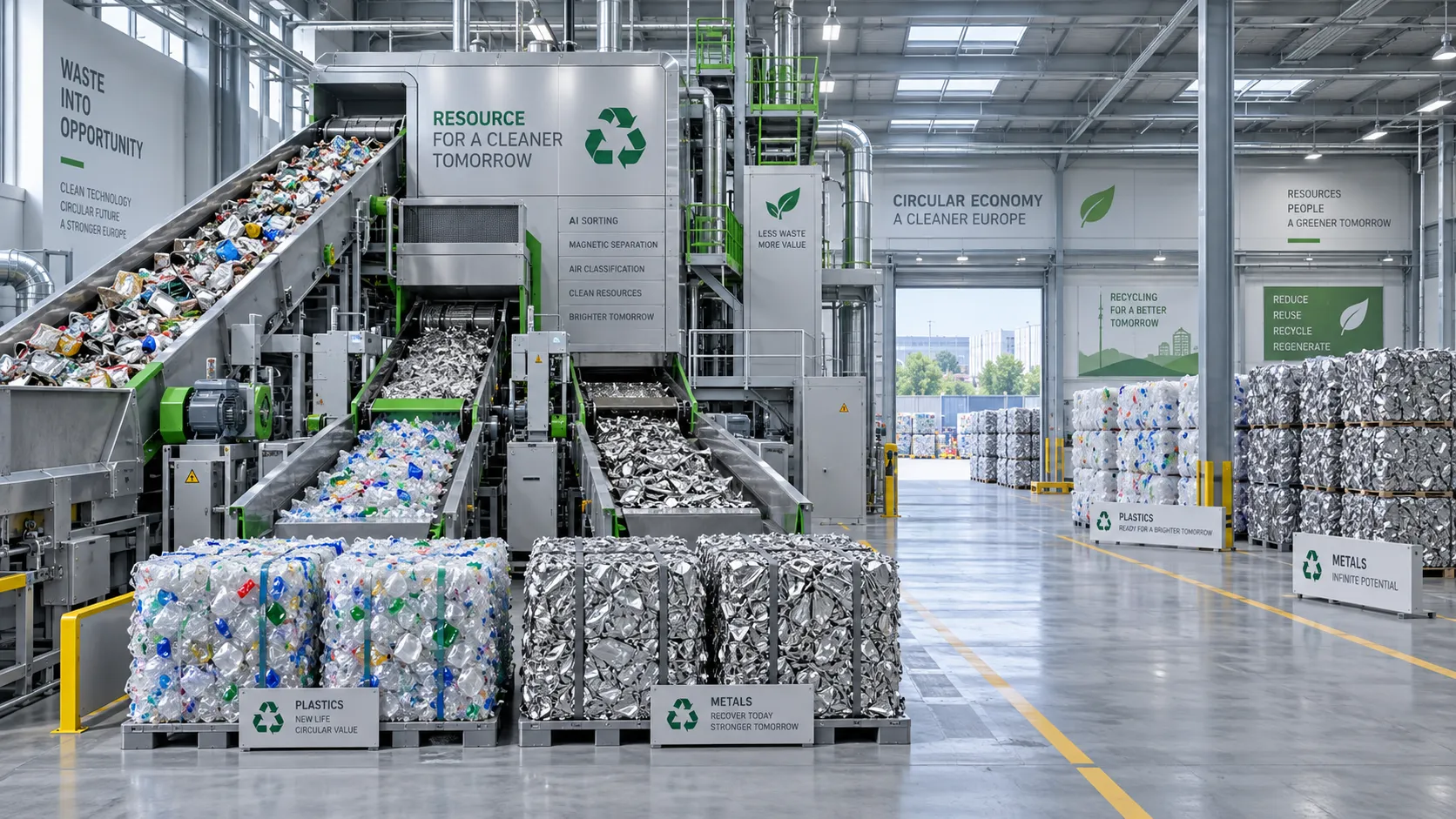
What determines payback for waste-to-resource systems in Europe?
Assess waste-to-resource systems Europe-wide: compare feedstock, recovery yields, costs and contracts to uncover payback drivers and make smarter investment decisions.
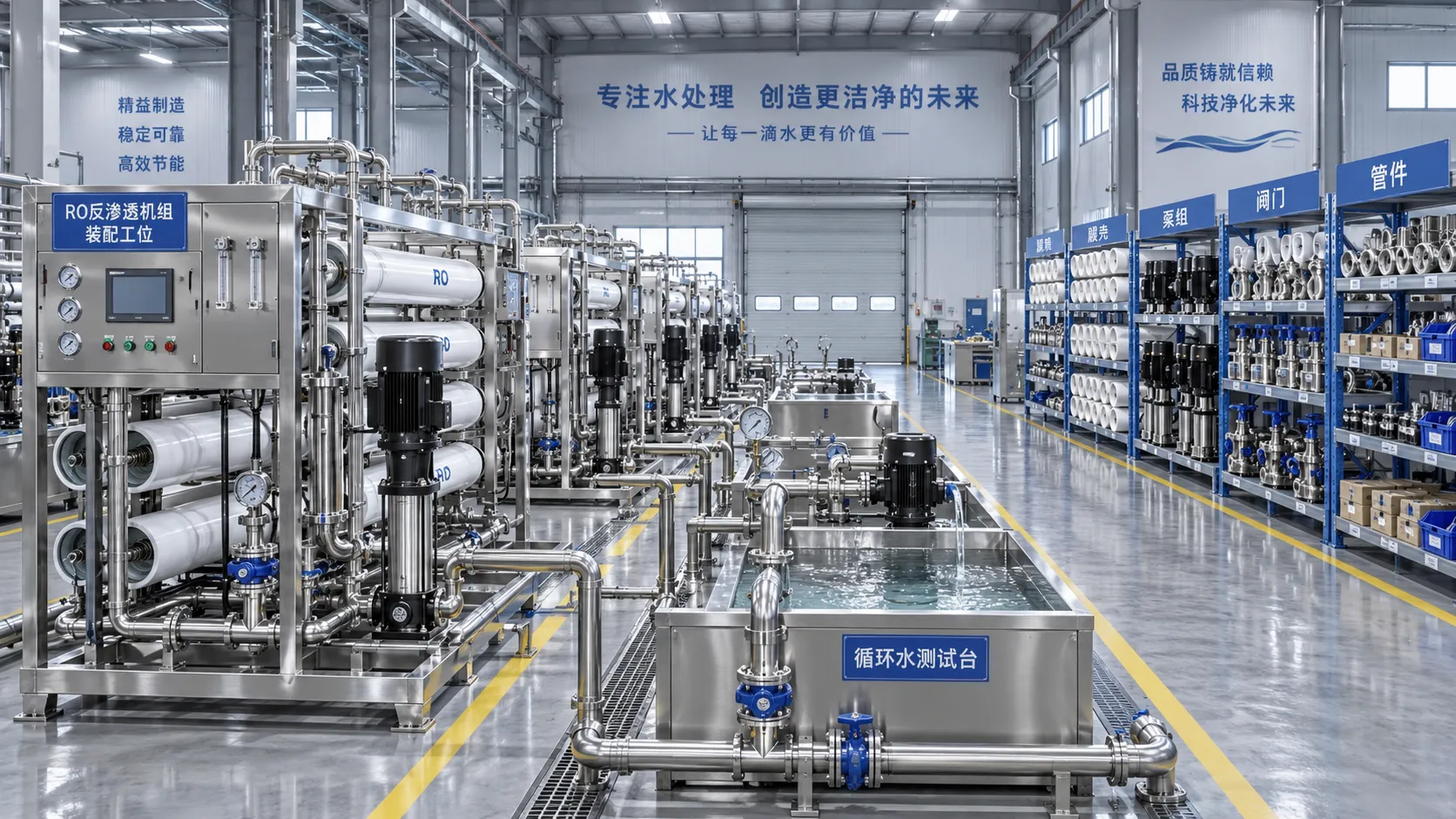
How to verify a water treatment system factory’s production capacity
Verify a water treatment systems factory’s production capacity through records, bottlenecks, component availability, and testing. Learn what to check before accepting a delivery promise.
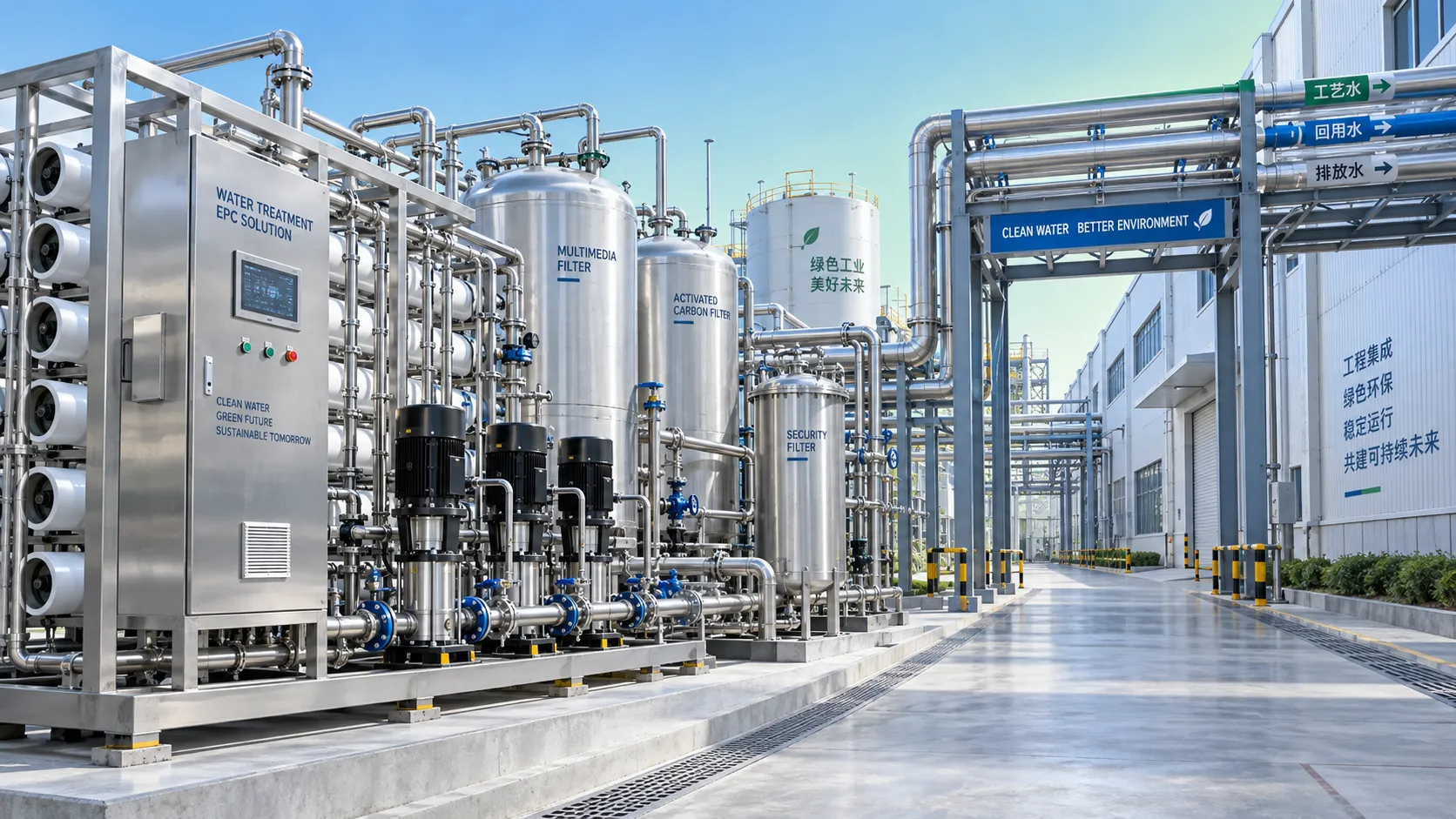
When does EPC environmental project support reduce delivery risk?
EPC environmental project support engineering reduces delivery risk by aligning design, procurement, compliance, construction, and commissioning decisions.
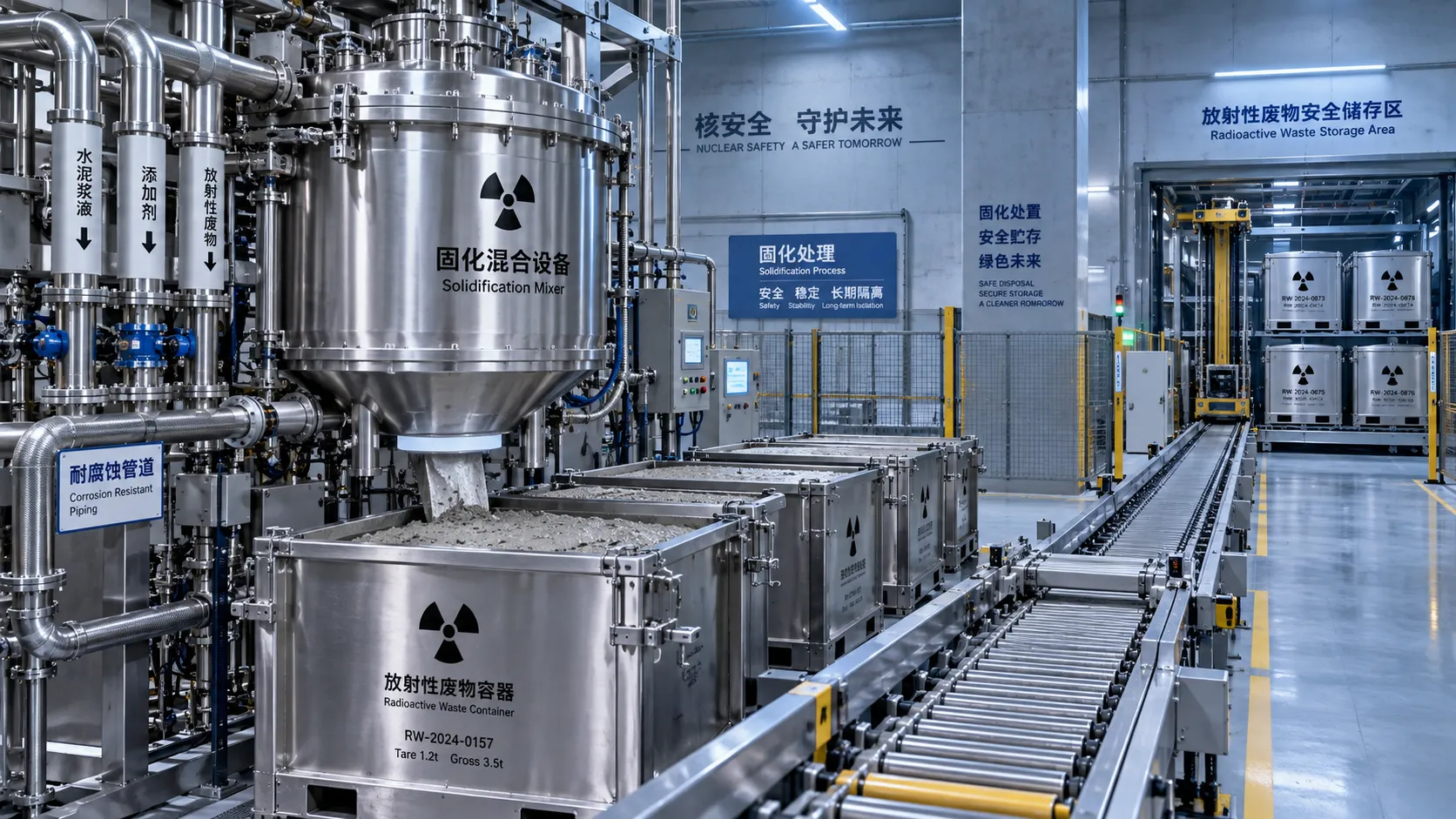
How nuclear plants select a radioactive waste solidification method
Radioactive waste management for nuclear plants: compare vitrification, cementation, polymers, and ceramics to select a compliant, durable solidification solution.
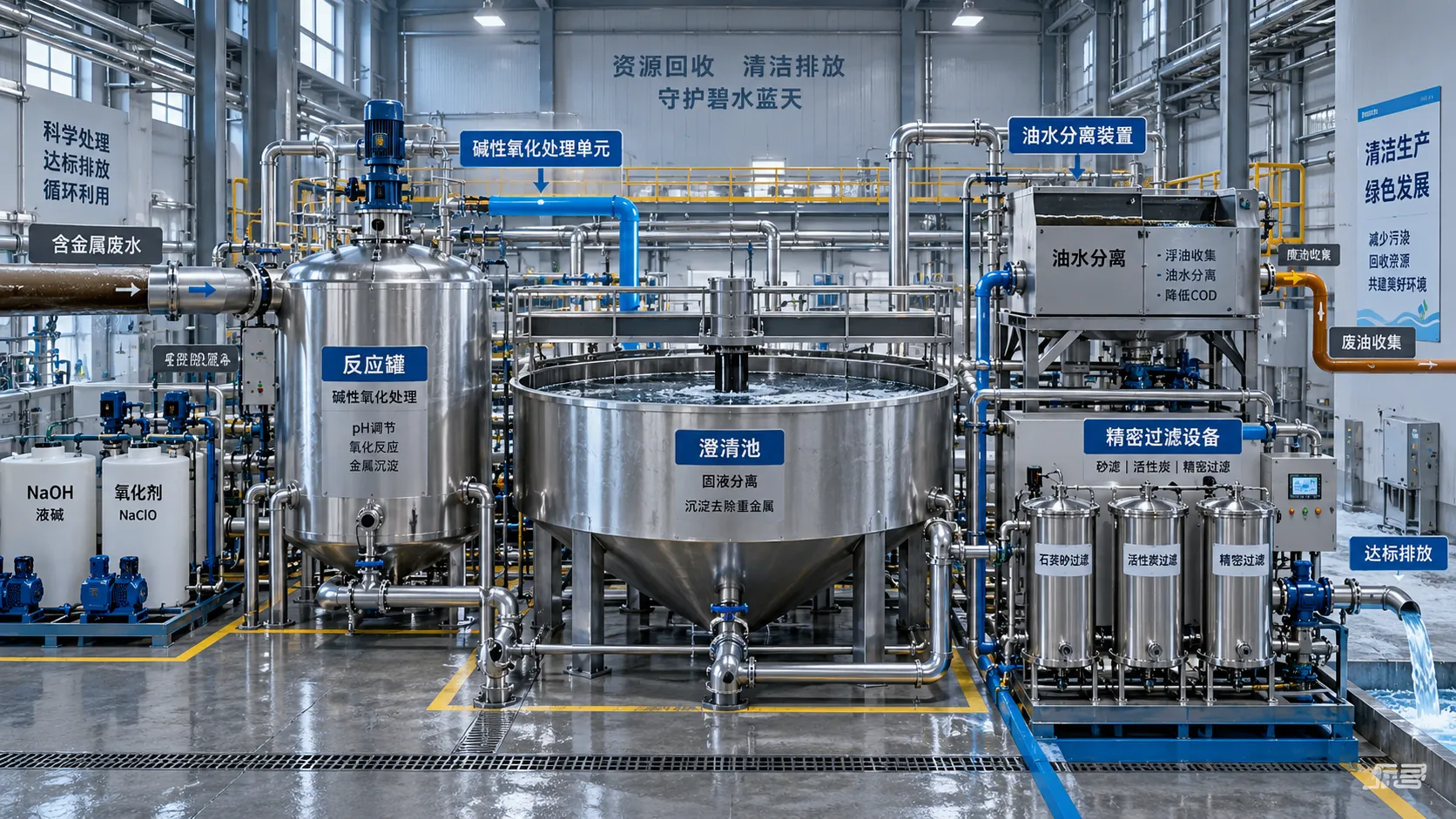
Treating Metal Finishing Wastewater: Removing Metals, Cyanide, and Oil Reliably
Metal finishing wastewater treatment made reliable: learn how to safely remove metals, cyanide, oil, and complex contaminants with proven stream segregation and control strategies.
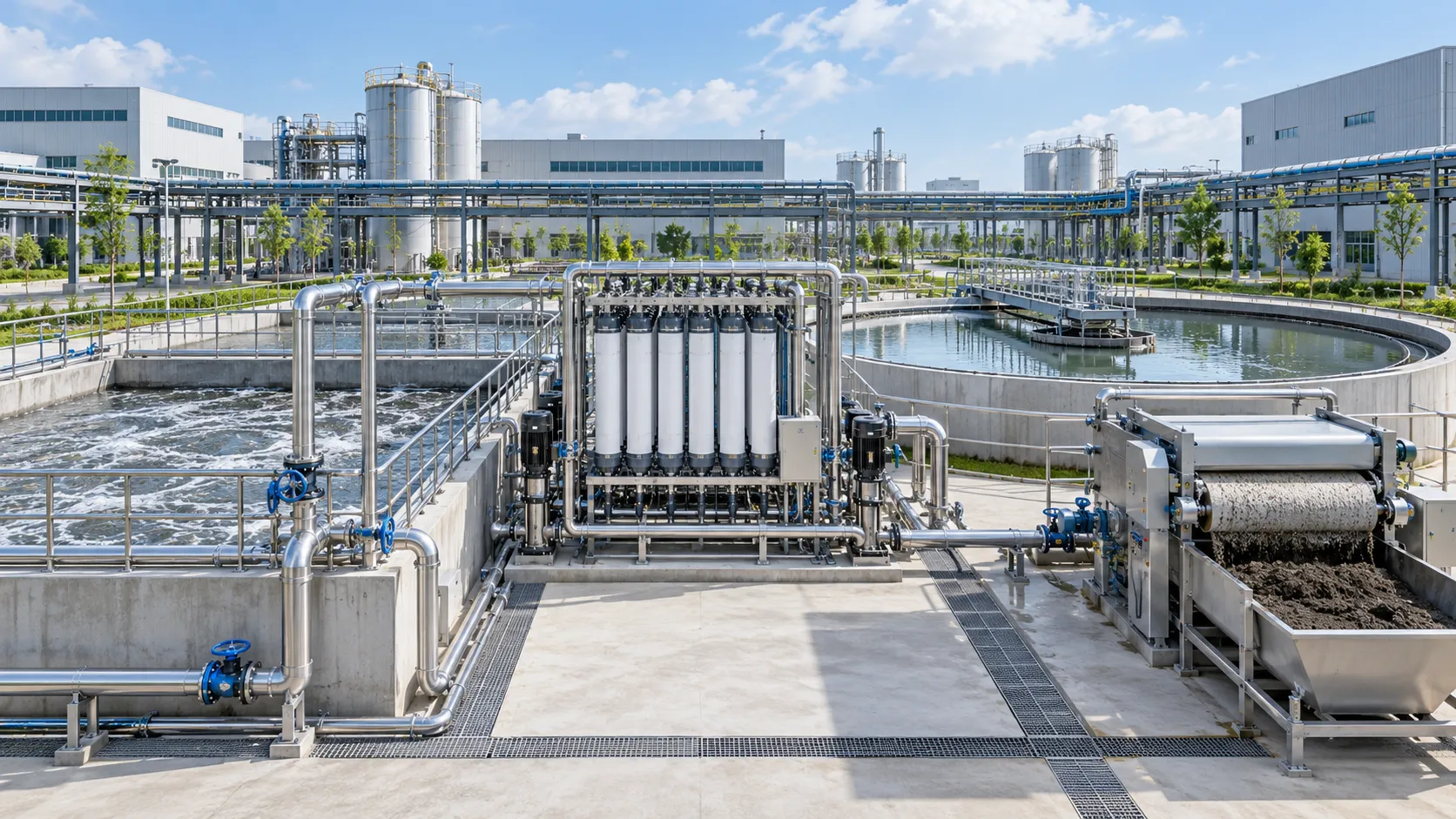
What Drives the Cost of Wastewater System Upgrades in Industrial Parks?
Costs of wastewater system upgrades in industrial parks: uncover key drivers from influent variability and civil works to sludge, energy, compliance, and lifecycle risk.
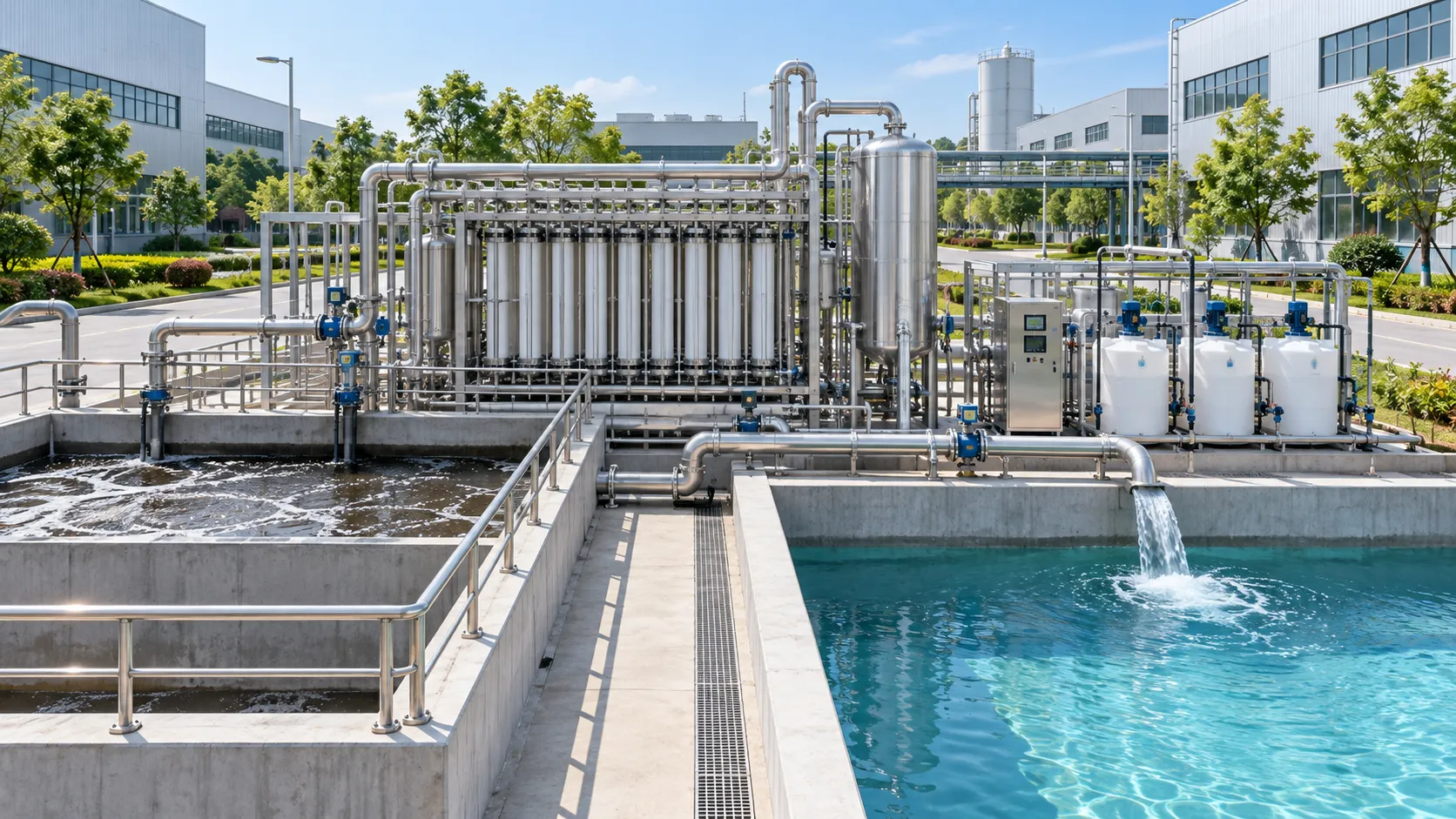
Comparing Upgrade Costs for Industrial Park Wastewater Treatment Systems
Compare costs for wastewater system upgrades in industrial parks with a lifecycle view of CAPEX, OPEX, compliance, resilience, and future expansion.