
Industry News
Curation by industry experts
Hot Articles
Popular Tags
When is energy recovery viable in the solid waste recovery process?
Energy recovery is viable in the solid waste recovery process when the waste remaining after practical material recovery can supply dependable net energy, meet environmental requirements, and support a credible operating business case. A combustible waste stream alone is not enough: moisture, contamination, treatment costs, and the availability of customers for electricity, heat, or fuel can turn an apparently attractive resource into a costly disposal obligation.
The decision often arises when a sorting facility still sends substantial residues to landfill, or when an industrial site wants to replace purchased fuel with its own waste. The first question is not which conversion technology to buy. It is whether the actual residual stream, after recycling and preprocessing, matches a proven treatment route and a reliable energy outlet without creating harder-to-manage emissions or residues.
Define the residual stream before assessing its energy value
Start with a mass balance showing what enters the recovery system, which materials are recovered, and what remains. Separate recyclable metals, glass, suitable paper and plastics, source-separated organics, and materials requiring specialized treatment. Energy recovery should be assessed against feasible recycling and biological treatment options, not against an assumption that every incoming tonne must be burned.
This distinction changes equipment sizing. A furnace sized around today's mixed waste may become oversized as organics collection and recycling improve. Conversely, removing wet food waste can improve the remaining stream's heating value while reducing its total tonnage. Both changes must appear in the design basis.
Characterization should capture seasonal changes and differences between collection routes or production campaigns. A single composite sample can hide wet loads, chlorine-rich batches, or high-inert material that creates operating problems. Establish ranges for:
- Available quantity: contracted deliveries, competing outlets, storage capacity, and expected changes in collection practices.
- Fuel properties: as-received lower heating value, moisture, ash, particle size, and bulk density.
- Problem constituents: chlorine, sulfur, heavy metals, alkalis, and materials that can cause slagging, corrosion, or emissions excursions.
- Excluded items: batteries, pressurized containers, hazardous chemicals, and other materials outside the facility's acceptance criteria.
The useful output is a feedstock envelope: acceptable operating limits supported by representative sampling and analytical methods. Vendors should guarantee performance within that envelope, rather than against an unusually clean reference fuel.
Use net usable energy, not calorific value alone
Lower heating value on an as-received basis is a useful starting point because it reflects the fuel delivered to the plant, including its moisture. Dry-basis figures can make wet residues appear more attractive than they are. Confirm that laboratory reports, vendor calculations, and financial models use compatible moisture and heating-value conventions.
There is no universal heating-value threshold that establishes viability across all technologies. Self-sustaining combustion depends on furnace design, excess air, heat losses, feed variability, and operating load. Anaerobic digestion requires biodegradable material and suitable biological conditions rather than a high combustion heating value.
For a thermal route, the basic calculation is:
Fuel energy input = accepted waste mass × as-received lower heating value.
Convert that input into net exported electricity and usable heat using the proposed plant's performance model. Deduct electricity and fuel consumed by sorting, shredding, drying, fans, pumps, pollution controls, and residue handling. Purchased start-up or support fuel must also be accounted for. Avoid applying a conversion efficiency that already includes these deductions and then subtracting them again.
Drying illustrates why this boundary matters. It can improve combustion stability or fuel quality, but evaporating water consumes energy. A dryer supplied with otherwise unused low-grade heat has a different balance from one using purchased fuel. Compare the complete treatment train with the undried alternative, rather than crediting only the improved heating value of the final fuel.
Match the conversion route to the material
Technology screening should eliminate unsuitable combinations before detailed procurement. Different processes solve different feedstock problems; they are not interchangeable ways of extracting the same energy yield.
A wet organic stream is generally a poor candidate for drying and combustion if digestion can recover useful biogas with lower preparation demand. However, packaging contamination, ammonia, salts, or inhibitory industrial constituents can undermine digestion. Evaluate biodegradable content and representative methane-potential testing alongside contaminant analysis.
Dry, non-recyclable commercial residues may support fuel preparation for an existing industrial user. The constraint then becomes the receiving plant's fuel specification: particle size, moisture, chlorine, ash chemistry, and delivery consistency. An apparent local fuel market is not bankable until acceptance requirements and rejection responsibilities are contractually defined.
For gasification and pyrolysis, examine the entire conversion chain. Producing combustible gas or oil does not demonstrate that it can be used reliably in the intended engine, burner, or upgrading system. Tar removal, gas cleaning, product stability, wastewater, and char classification can determine whether the route works commercially.
Secure the energy outlet before fixing plant capacity
A plant can recover substantial heat yet export little useful energy if no customer needs it. Assess demand profiles alongside waste supply: hourly and seasonal heat consumption, required temperature and pressure, electricity connection limits, and planned customer shutdowns.
Combined heat and power can strengthen a project where a nearby industrial process or heat network provides sustained demand. Its advantage weakens when heat is needed only intermittently or distribution losses and infrastructure costs are high. Do not treat all recoverable thermal energy as saleable heat.
An electricity-only plant may remain viable without a heat customer, but it needs a business case based on net electrical output and realistic revenues. Include connection works, export constraints, cooling requirements, and auxiliary consumption. Low throughput or variable operation can reduce both efficiency and availability.
For biogas, compare on-site heat and power with upgrading to biomethane where an accessible market exists. Upgrading introduces its own electricity demand, gas-quality obligations, methane-loss risks, and connection costs. The preferred route follows the available outlet, not simply the highest quoted product price.
Resolve emissions and residues as design inputs
Environmental control is part of the conversion system, not a downstream allowance to be finalized after equipment selection. Feed chlorine and sulfur affect acid-gas control demand. Metals influence emissions and residue quality. Ash chemistry can cause deposits that reduce boiler performance or force outages.
A thermal assessment should address the applicable limits and operating requirements for particulate matter, acid gases, nitrogen oxides, relevant metals, and organic pollutants such as dioxins. Confirm monitoring obligations, start-up and shutdown provisions, reagent supply, and the energy and maintenance burden of the proposed controls. Applicable requirements depend on jurisdiction, waste classification, and facility type.
Keep bottom ash separate from fly ash and air-pollution-control residues in the mass balance. They may have different classifications and treatment requirements. Potential metal recovery or use of mineral fractions must be supported by testing, processing requirements, and local acceptance rules; it should not be booked automatically as revenue.
Digestion has different constraints: digestate quality, wastewater, odors, and methane leakage. A gas yield estimate is incomplete without a permitted and dependable outlet for the remaining material. Likewise, pyrolysis char is not automatically a marketable carbon product.
Climate performance requires a separate comparison with the realistic alternative. Include fossil carbon in the waste, displaced energy, methane emissions where relevant, transport, and material-recycling effects. Renewable-energy eligibility or recovery status should not be assumed merely because a facility exports power.
Test the business case against conditions it cannot control
Energy recovery facilities often depend on treatment fees as well as energy sales. Evaluate the project as a waste-treatment service with energy outputs, rather than assuming electricity revenues will cover every cost.
The operating model should include labor, maintenance, consumables, auxiliary energy, residue disposal, insurance, compliance monitoring, and major component replacement. Add feedstock preparation and reject disposal when they fall outside the conversion package. Capital estimates need to cover civil works, connections, storage, fire protection, and environmental infrastructure.
Then test combinations of adverse conditions, not just isolated changes:
- Lower waste deliveries combined with reduced heating value.
- Loss of the principal heat customer during continued waste deliveries.
- Higher reagent and residue-disposal costs caused by changing contamination.
- Extended outages requiring alternative waste treatment and replacement energy.
- Lower energy prices combined with higher maintenance expenditure.
Supply contracts deserve particular scrutiny. Minimum-tonnage commitments can protect financing but create pressure to retain waste that could otherwise be prevented or recycled. Capacity and contract flexibility should accommodate credible improvements in upstream recovery. Reserve arrangements for rejected loads and outages are equally important: waste continues arriving when the energy plant stops.
Evidence needed before a technical approval
A defensible approval follows a sequence that progressively reduces uncertainty:
- Establish the baseline. Compare continued disposal, better sorting, biological treatment, external fuel use, and on-site conversion using consistent system boundaries.
- Validate the feed. Complete representative characterization and define acceptance limits, preprocessing requirements, and expected future quantities.
- Verify the process. Obtain operating evidence for comparable feedstock and scale, including availability, auxiliary consumption, emissions, and residue quantities.
- Close the outlets. Confirm energy offtake, grid access where needed, and lawful routes for every residue and wastewater stream.
- Allocate performance risk. Link guarantees and acceptance tests to net exports, throughput, feed quality, consumables, and emissions—not merely reactor capacity.
Proceed when conservative assumptions still support reliable treatment, useful energy exports, and manageable environmental obligations. Hold the decision when profitability relies on uncontracted heat sales, idealized feedstock, unproven cleanup performance, or assumed residue revenues. Where feed variability remains the central uncertainty, targeted sampling and representative trials provide more decision value than another comparison of nominal equipment efficiencies.
Recommended News
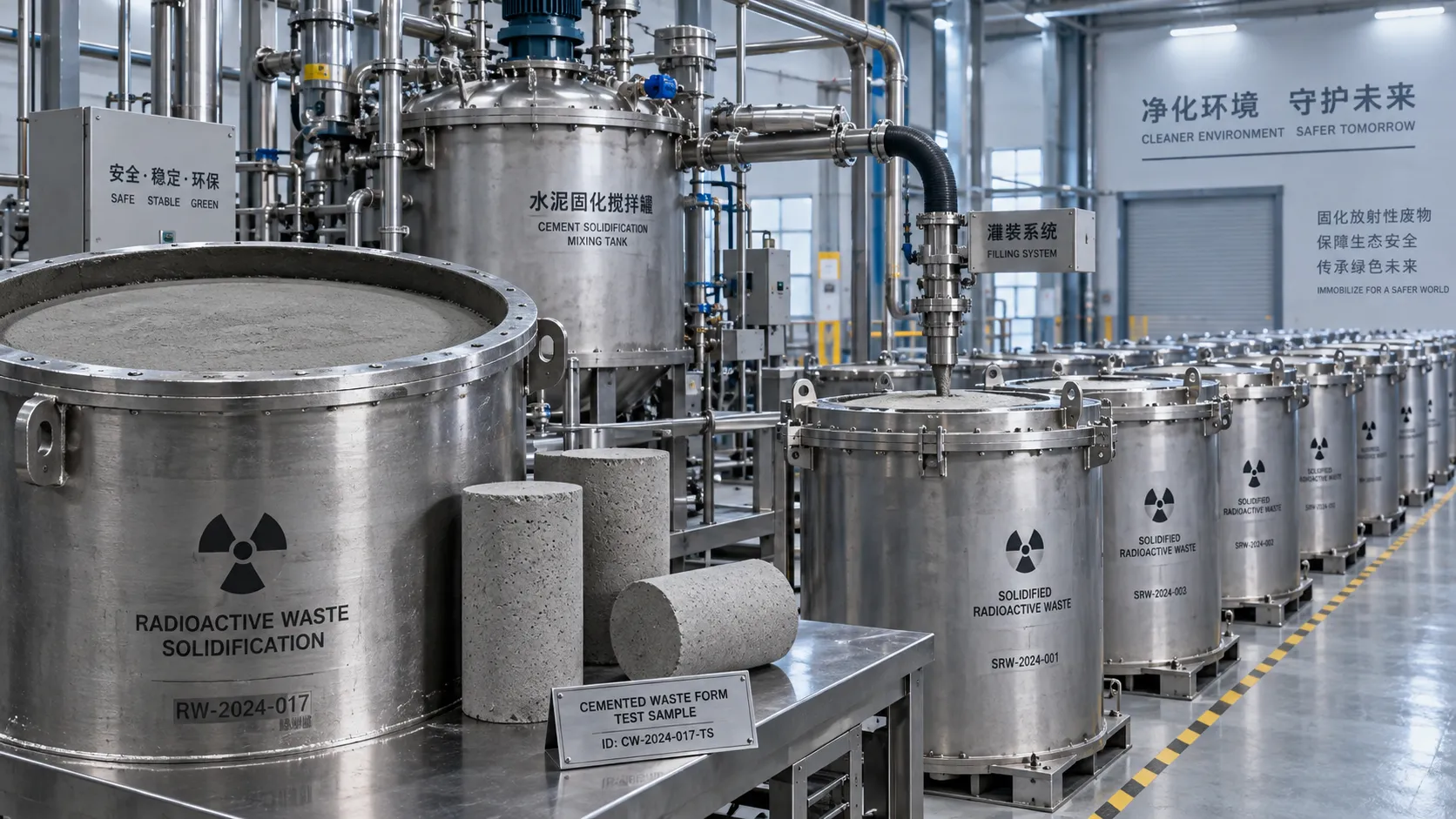
When is cementation suitable for nuclear decommissioning waste?
Explore nuclear waste treatment technology for decommissioning: learn when cementation fits, which risks to assess, and how disposal criteria guide an effective treatment choice.
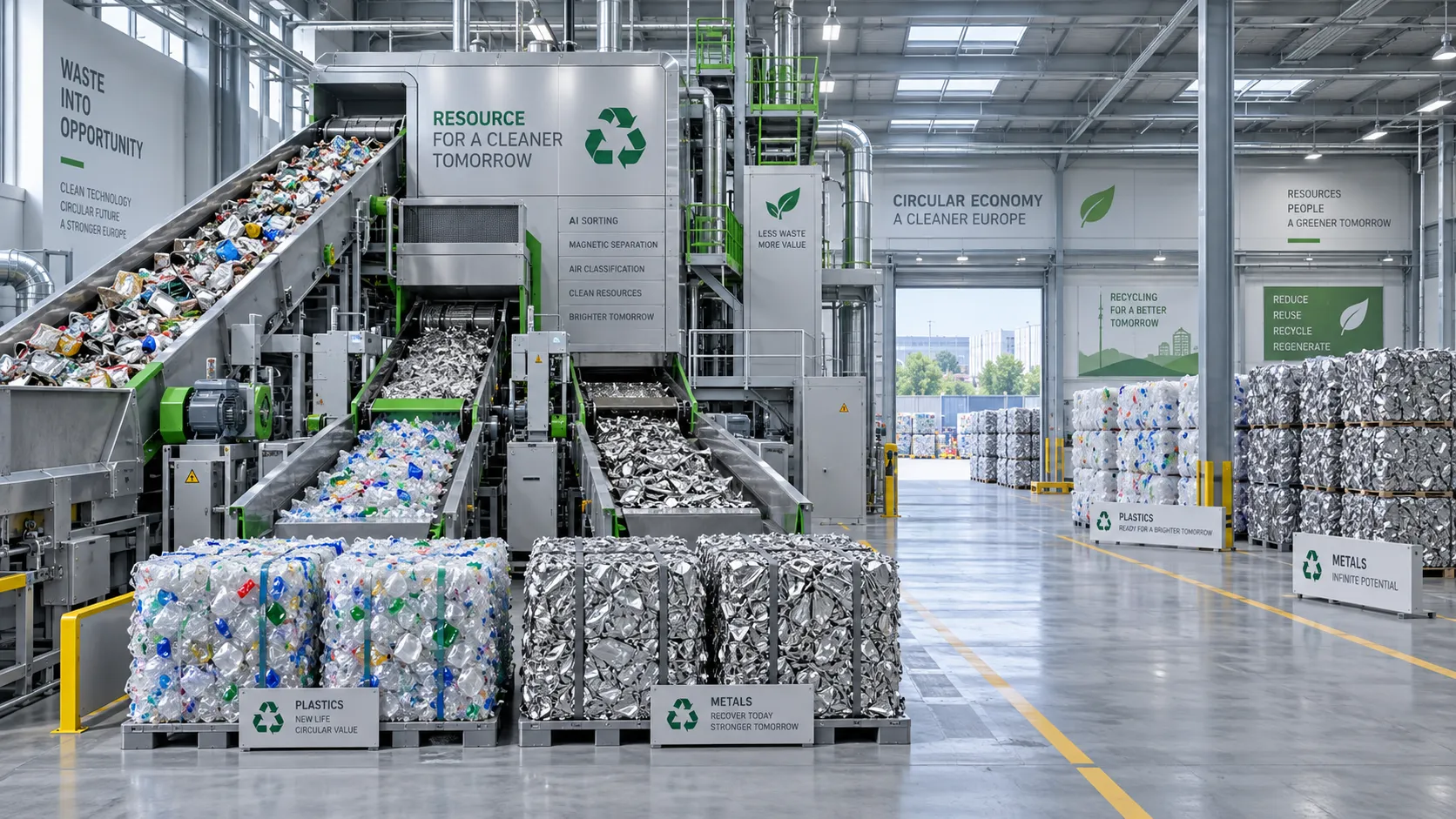
What determines payback for waste-to-resource systems in Europe?
Assess waste-to-resource systems Europe-wide: compare feedstock, recovery yields, costs and contracts to uncover payback drivers and make smarter investment decisions.
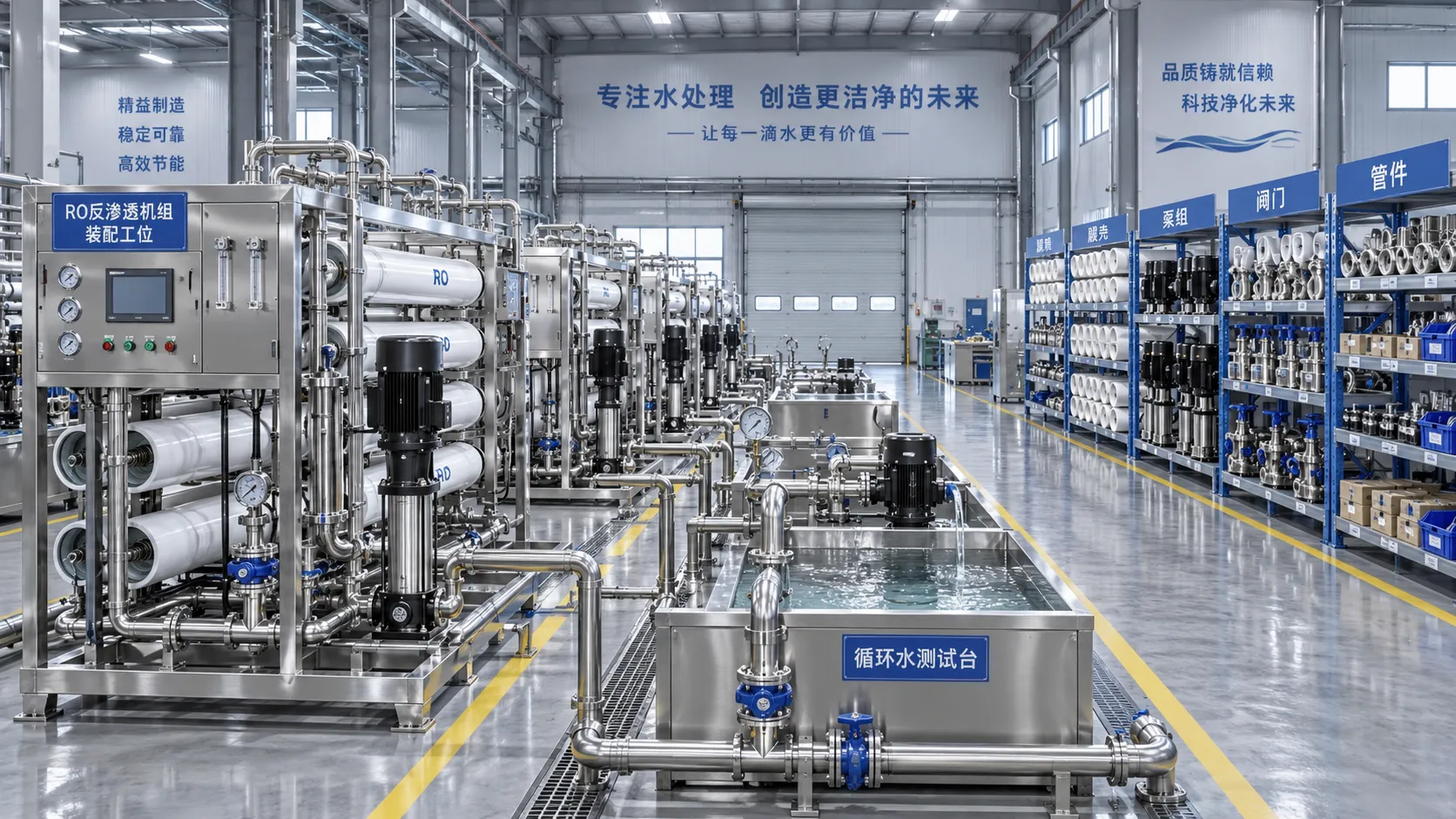
How to verify a water treatment system factory’s production capacity
Verify a water treatment systems factory’s production capacity through records, bottlenecks, component availability, and testing. Learn what to check before accepting a delivery promise.
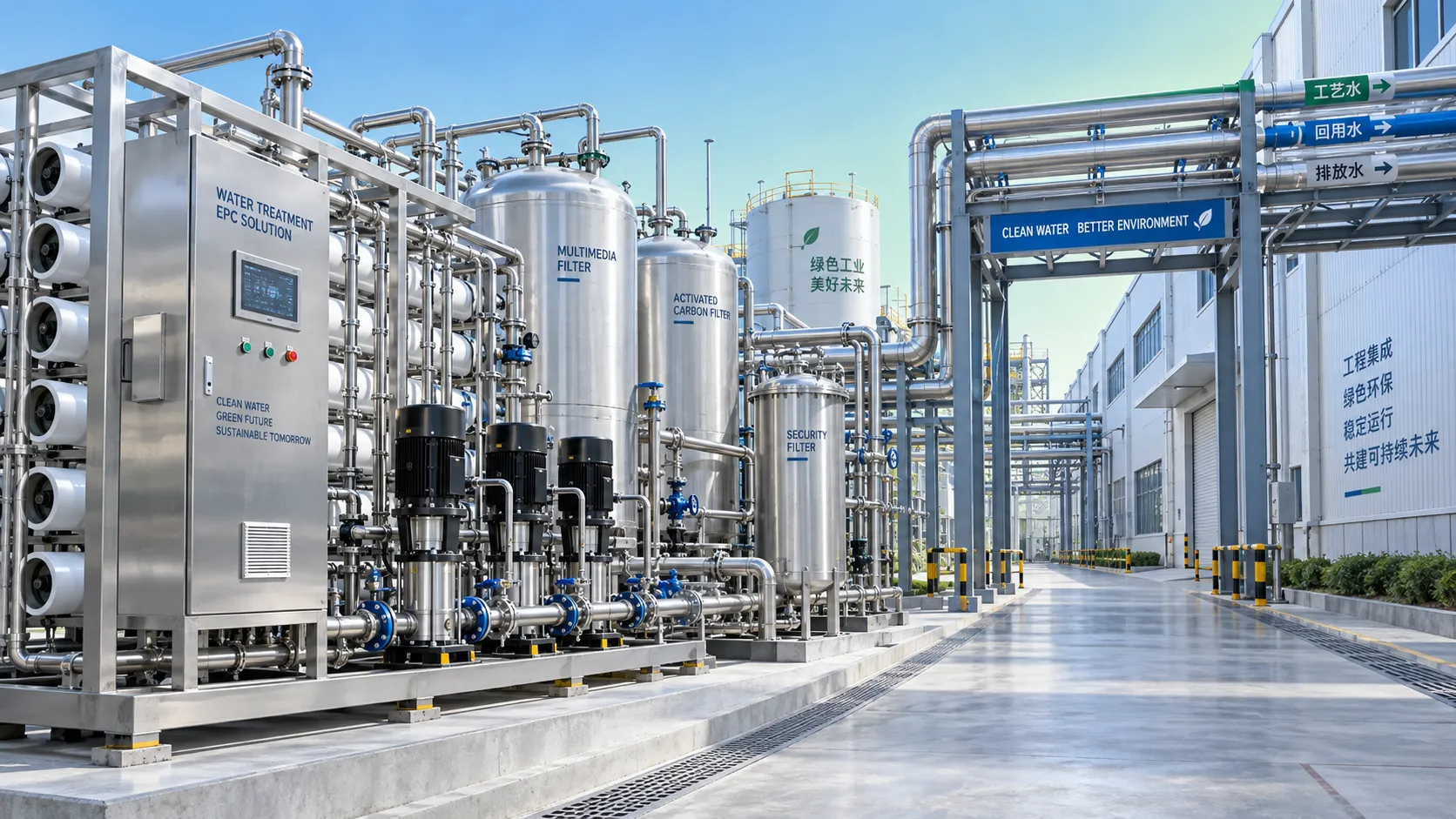
When does EPC environmental project support reduce delivery risk?
EPC environmental project support engineering reduces delivery risk by aligning design, procurement, compliance, construction, and commissioning decisions.
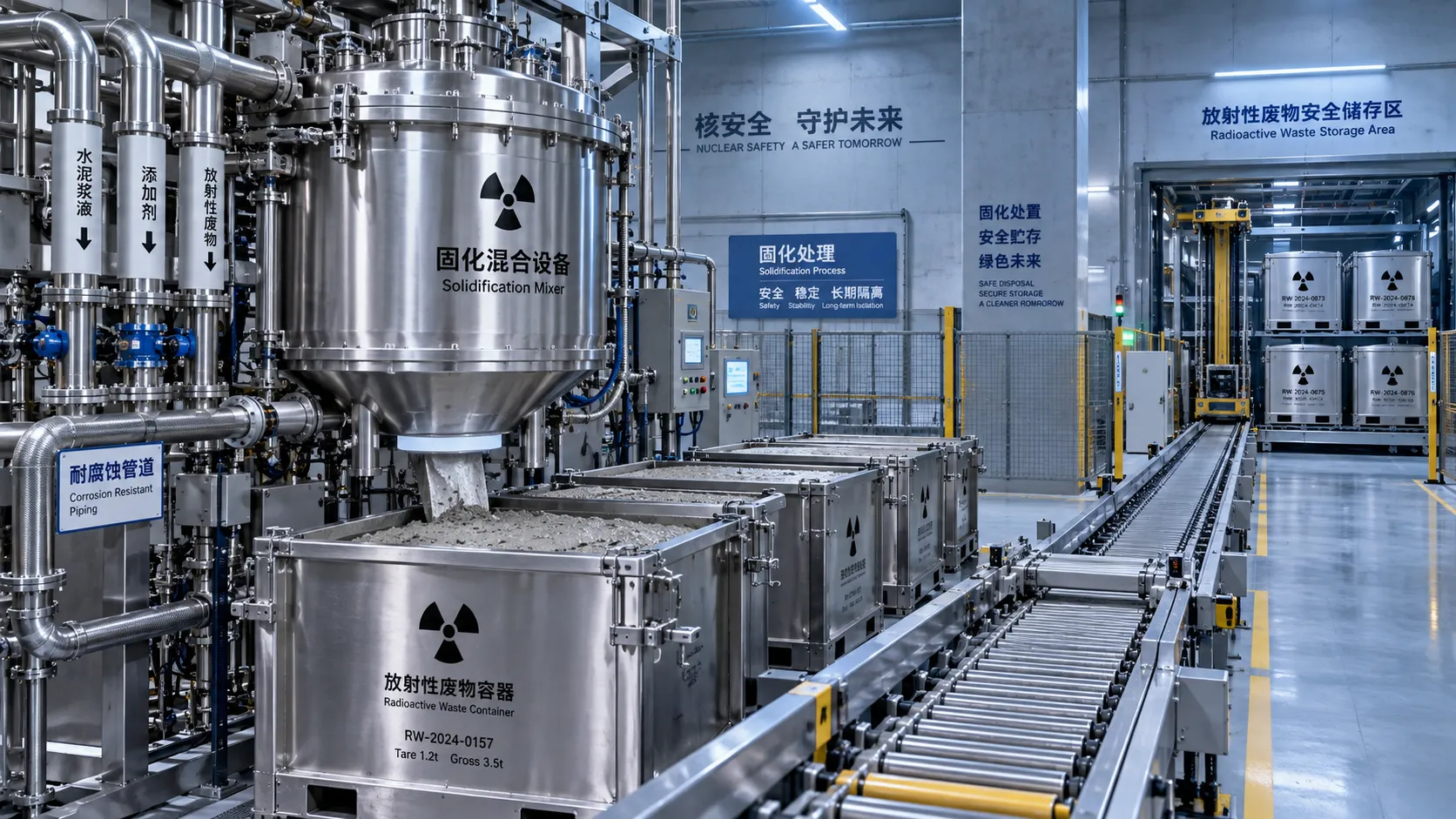
How nuclear plants select a radioactive waste solidification method
Radioactive waste management for nuclear plants: compare vitrification, cementation, polymers, and ceramics to select a compliant, durable solidification solution.
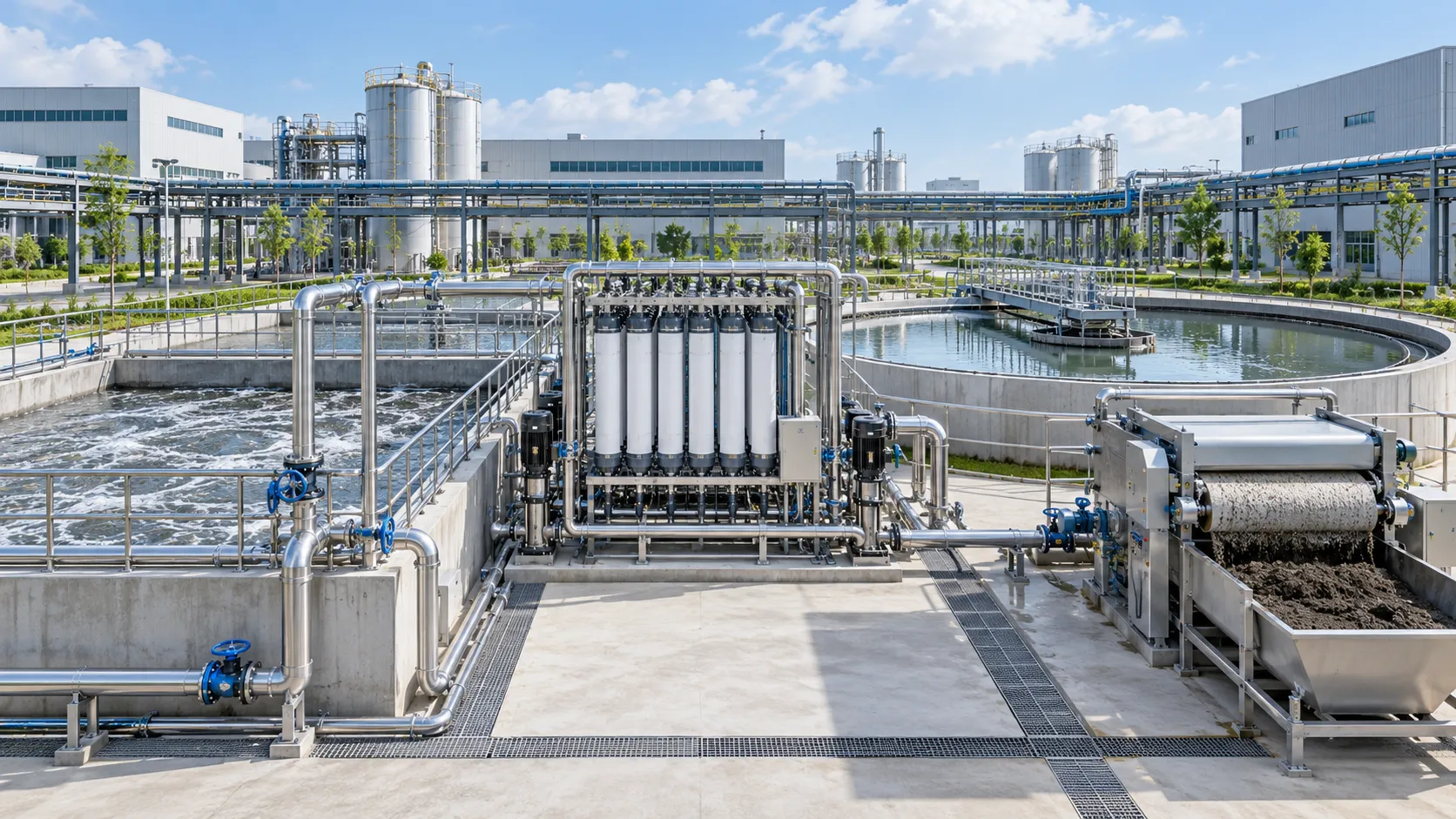
What Drives the Cost of Wastewater System Upgrades in Industrial Parks?
Costs of wastewater system upgrades in industrial parks: uncover key drivers from influent variability and civil works to sludge, energy, compliance, and lifecycle risk.
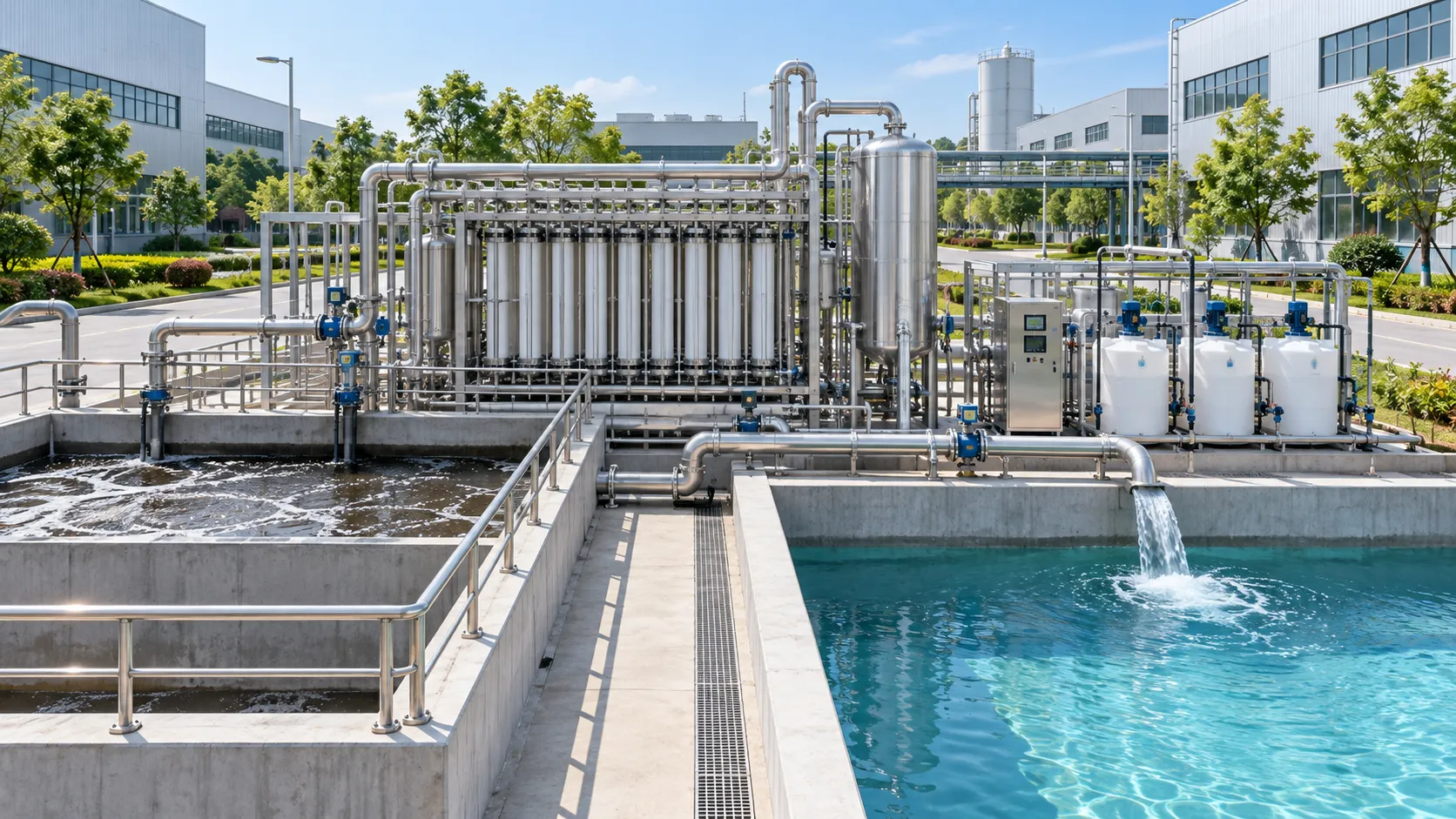
Comparing Upgrade Costs for Industrial Park Wastewater Treatment Systems
Compare costs for wastewater system upgrades in industrial parks with a lifecycle view of CAPEX, OPEX, compliance, resilience, and future expansion.
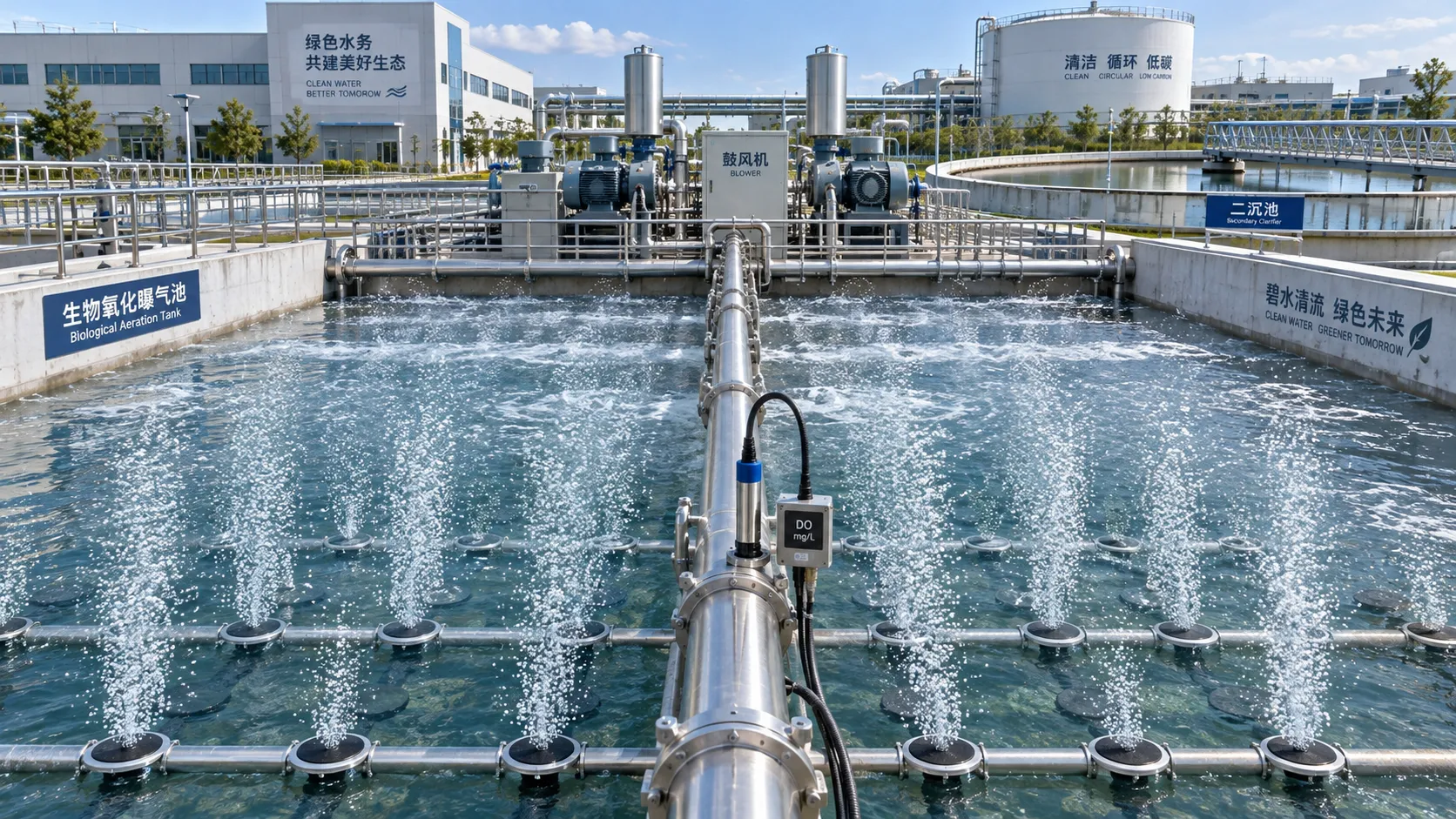
Biological Wastewater Oxidation Explained: Aeration Demand and Process Control
Biological wastewater oxidation explained: optimize aeration demand, DO control, nitrification, and sludge age for stable effluent quality and lower energy costs.
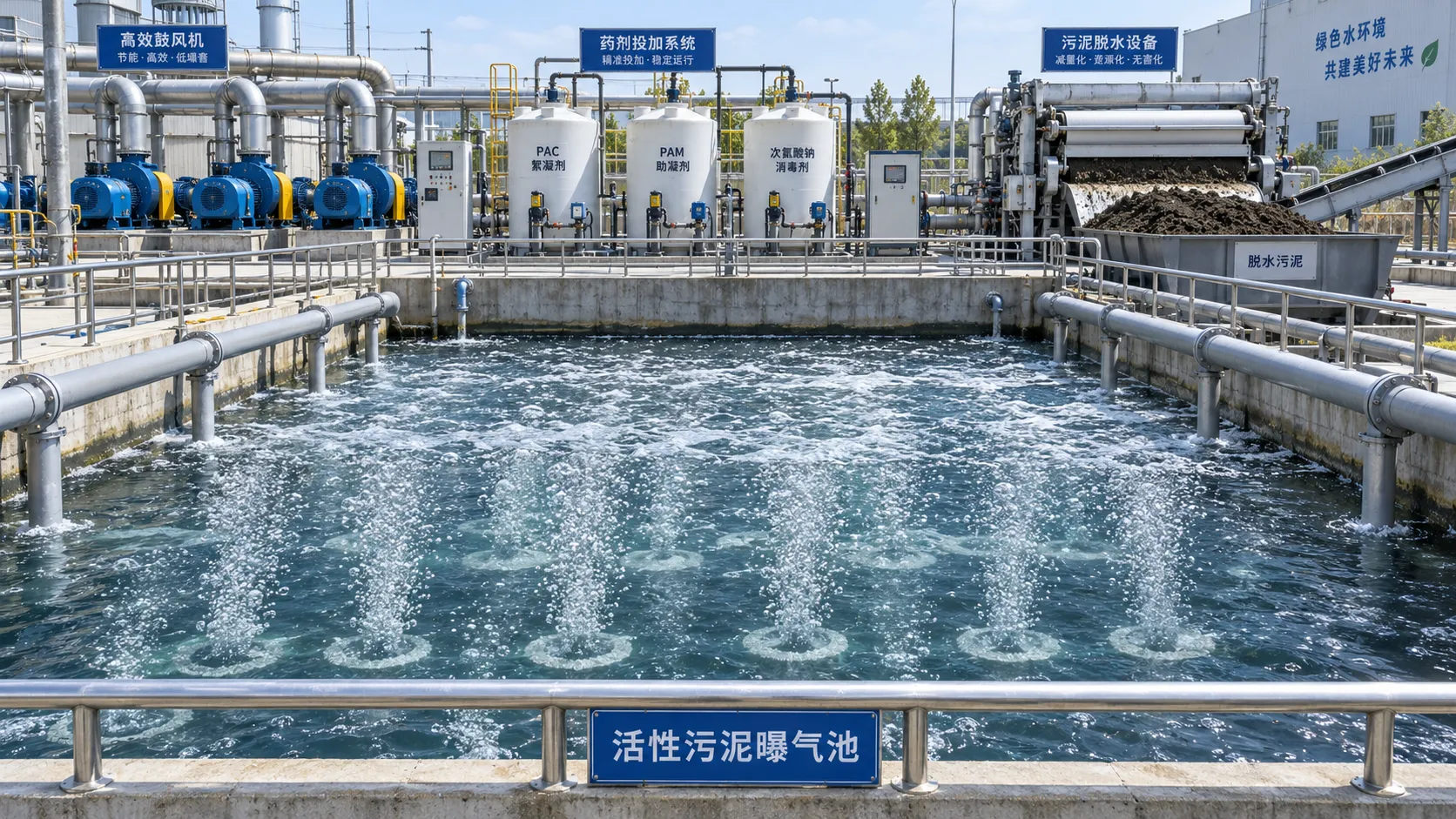
Activated Sludge Cost: Budgeting Energy, Chemicals, Sludge, and Labor
Activated sludge cost explained: compare energy, chemicals, sludge disposal, labor, and compliance risks to build a reliable lifecycle budget.