
Industry News
Curation by industry experts
Hot Articles
Popular Tags
Water Treatment Options for Metal Finishing Rinse Water and Process Baths
The right metal finishing water treatment approach is rarely a single piece of equipment. A plating or coating line produces streams with very different value and risk: concentrated drag-out, relatively clean counterflow rinse water, spent process baths, cleaner discharge from polishing or passivation steps, and intermittent maintenance dumps. Treating all of them as one wastewater stream usually raises chemical use, loses recoverable metal, and makes compliance harder to control.
The practical starting point is to separate streams by chemistry and by purpose. Ask two questions before comparing technologies: Does this stream still contain material worth returning to the process? and What water quality is actually required at its next destination? Those answers determine whether the appropriate solution is drag-out recovery, bath maintenance, conventional wastewater treatment, rinse-water recycling, or a higher-recovery system such as zero liquid discharge.
Start with the water and bath map, not the equipment list
Technical evaluations often begin with a request for a filter press, ion exchange skid, membrane unit, or evaporator. That is too late in the decision process. The more useful first step is a line-by-line map showing where water enters, where each chemical bath is used, how parts are rinsed, and where liquids leave the line.
For each stream, record its source, flow pattern, pH range, dissolved metals, salts, complexing agents, oils, suspended solids, oxidizers or reducers, and whether its composition is stable or changes with production. A rinse after nickel plating behaves very differently from a rinse after chromate conversion, electroless plating, anodizing, acid pickling, or alkaline cleaning. Combining incompatible wastes may create hazardous gases, excessive heat, unstable precipitation, or a mixed sludge that is more difficult to manage.
It is equally important to distinguish continuous rinse flow from periodic bath dumps. A treatment system sized around average daily flow can fail when a spent bath enters the system over a short period. Peak loading, shift patterns, production changes, and planned maintenance events should be considered during design.
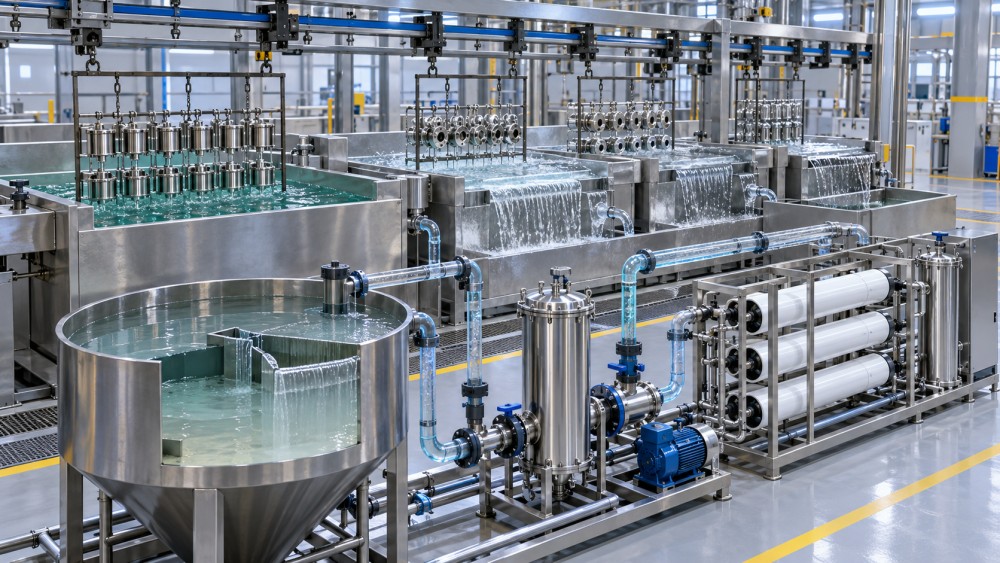
Recover drag-out before it becomes wastewater
Drag-out is the process solution carried out of a bath on racks, barrels, parts, and fixtures. It is often the most concentrated material leaving the process, so it is the first place to look for recovery. Reducing drag-out at the source can lower both chemical purchasing and downstream treatment demand.
Practical measures include allowing sufficient drain time over the process tank, using rack angles that promote drainage, maintaining fixtures, controlling solution temperature and viscosity where process limits allow, and installing drag-out recovery tanks ahead of the main rinse sequence. A recovery tank can return captured solution to the original bath, either directly or after controlled adjustment. This is generally most attractive when the chemistry remains usable and contamination is limited.
Recovery is not automatically appropriate. Returning a drag-out tank to a bath without checking contamination can gradually introduce incompatible ions, cleaners, or rinse-water dilution. In decorative and functional plating, small shifts in bath chemistry can affect deposit appearance, thickness distribution, adhesion, or corrosion performance. The return path therefore needs a defined quality check: concentration, pH, contaminant buildup, and any process-specific control parameters.
Rinsing strategy often determines the treatment burden
A once-through rinse may appear simple, but it creates a large wastewater volume with low concentrations of metals and salts. That volume can drive tank size, chemical consumption, sludge generation, and discharge cost. A well-designed rinse cascade reduces water use while maintaining part quality.
Counterflow rinsing is a common starting point. Fresh water enters the final rinse, then overflows toward earlier rinse stages, moving opposite to the direction of the work. The dirtiest rinse remains closest to the process bath and the cleanest rinse contacts the finished part. This arrangement can reduce the amount of fresh water needed without treating the final rinse as a separate utility.
However, more rinse stages are not automatically better. The sequence has to match the product requirement. Parts going into a sensitive conversion coating, precision coating, soldering operation, or high-specification final finish may need a cleaner final rinse than parts headed to a less demanding operation. Conductivity can be useful for monitoring rinse buildup, but it is not a complete measure of quality. A low-conductivity rinse may still contain a trace contaminant that matters to a subsequent process.
Flow control also deserves attention. Continuous high-flow rinsing is easy to operate but frequently wastes water. Conductivity-controlled makeup, timed flow, work-activated rinsing, or drag-out-based replenishment can be effective when matched to production conditions. The control method should remain understandable to operators and should not interrupt required rinsing during high-throughput periods.
Choose treatment based on the job each technology must do
Chemical precipitation remains a core treatment method because it is adaptable and familiar to many finishing operations. Metals are converted into insoluble compounds through pH adjustment and, where needed, reduction, oxidation, sulfide treatment, or other chemistry-specific steps. The resulting solids are settled, filtered, and managed as sludge.
Its limitation is equally important: precipitation is not a universal answer to all dissolved contaminants. Chelating agents can keep metals in solution. Ammonia, cyanide-bearing solutions, fluoride, hexavalent chromium, and certain organic additives require dedicated control strategies rather than casual blending with general metal-bearing wastewater. Oils and surfactants should also be removed or managed upstream because they interfere with separation and can foul later treatment equipment.
Ion exchange is most useful when the feed is reasonably clean and the target is water quality rather than bulk solids removal. It is often applied to final-rinse polishing or rinse reuse, where low dissolved mineral content is needed to avoid spotting or carryover. It may also support recovery applications, but resin selection must match the actual ions and process chemistry. A resin system that performs well on a clean, defined rinse can become unreliable when fed mixed wastewater with oils, suspended solids, or large swings in concentration.
Membrane systems, including reverse osmosis and related processes, are usually evaluated when water reuse is a priority. They can produce reusable permeate while concentrating salts and residual metals. The concentrate does not disappear; it becomes a smaller, stronger stream that needs recovery, further treatment, or disposal. Membranes should therefore be evaluated as part of a full train, not as a stand-alone promise of wastewater elimination.
Keep process-bath maintenance separate from wastewater treatment
Spent baths and active process baths need a different mindset from rinse water. The objective is often to extend useful bath life, remove contaminants selectively, and maintain production quality. Dumping a bath merely because it has become difficult to control can be expensive and can create a highly concentrated waste event.
Common maintenance tools include carbon treatment for selected organic contaminants, cartridge filtration for particulates, chemical adjustment, selective purification, and off-line treatment loops. The suitable method depends on the bath chemistry and the contaminant that is limiting performance. Removing particles from a plating bath is not the same task as removing breakdown products from an additive package or controlling metallic impurities in an anodizing solution.
A frequent mistake is applying a wastewater technology to a process bath without verifying what it removes besides the unwanted contaminant. Adsorption media, ion exchange, membranes, and oxidation methods can strip useful bath components as well as contaminants. The result may be a bath that looks cleaner analytically but performs less consistently. Any bath-treatment proposal should specify the contamination mechanism, the acceptable operating window, the expected impact on active constituents, and the return-to-service checks.
When closed-loop reuse is justified
Closed-loop rinse recycling is most compelling where water availability, discharge capacity, transport logistics, or internal sustainability targets make once-through rinsing unattractive. It can also improve operational resilience by reducing dependence on incoming water quality. Yet a closed-loop system should not be selected solely because it recycles a high percentage of water.
The relevant question is whether recycled water meets the quality requirement for the rinse point where it will be used. In many facilities, recovered water is better assigned to earlier rinse stages, scrubbers, or noncritical utility uses, while the final rinse receives more highly purified water. This staged approach avoids spending premium treatment capacity on water that does not need premium quality.
Zero liquid discharge has a place where concentrate discharge is not viable or where recovery of water and salts supports site objectives. It is a systems decision, not simply an add-on. Pretreatment, membrane concentration, thermal finishing, corrosion-resistant materials, cleaning strategy, energy use, and solid residue management all affect whether it is workable over time. Sites with widely varying chemistry usually benefit from segregation and upstream recovery before considering a centralized ZLD train.
Use a selection sequence that exposes weak assumptions
- Segregate before sampling. Identify streams that must never be mixed, including incompatible acids and alkalis, cyanide-bearing solutions, chromium-containing streams, strong oxidizers, oily cleaners, and concentrated bath dumps.
- Define the destination of each stream. Possible destinations include bath return, recovery, reuse in an earlier rinse, discharge treatment, off-site management, or further concentration.
- Characterize normal and upset conditions. Include production peaks, bath maintenance, changeovers, startup, shutdown, and accidental carryover. Average composition alone is not enough.
- Set treatment objectives in operational terms. Specify reuse quality, discharge limits, sludge characteristics, metal recovery goals, operator workload, and reliability expectations.
- Evaluate residual streams. Every separation process creates something: sludge, regenerant, spent media, membrane concentrate, spent carbon, or crystallized solids. The proposal is incomplete until those materials have a defined route.
- Check the control philosophy. pH probes, flow monitoring, conductivity, oxidation-reduction potential, level controls, alarms, and manual sampling should support stable operation rather than create an unmanageable burden.
Common choices that create avoidable problems
One problem is treating conductivity as a complete indicator of rinse cleanliness. It is useful for trend control, but it cannot identify every process-critical contaminant. Another is combining all wastewaters to simplify piping. This can sacrifice metal recovery, multiply treatment reactions, and turn manageable streams into a complex mixed waste.
Undersizing equalization is also costly. Equalization is not just storage; it dampens changes in flow and chemistry so downstream controls can respond predictably. A system that performs well on a stable test feed may struggle with a short, concentrated dump from a process tank.
Finally, do not compare options only by capital cost. The working comparison includes water use, chemicals, labor, analytical control, downtime, consumables, energy, sludge or concentrate handling, and the consequence of an off-spec rinse or unstable bath. Lower equipment cost can be justified for a simple line with stable discharge conditions. For a complex finishing operation, the lowest purchase price may shift expense and risk into daily operation.
Build the treatment train around the finishing line
A durable solution usually combines source reduction, stream segregation, recovery, treatment, and monitoring rather than relying on one “best” technology. Drag-out control and counterflow rinsing reduce the load. Bath maintenance preserves usable chemistry. Precipitation and filtration manage bulk metals. Ion exchange or membranes support reuse where water quality justifies them. High-recovery concentration becomes relevant only after the easier reductions and separations have been made.
For evaluators comparing larger industrial water-treatment pathways, the useful lens is the full material balance: where water, salts, metals, and additives enter; where they accumulate; and which streams can be returned, reused, recovered, or isolated. That systems view is central to the water-recovery intelligence tracked by Global Eco-Shield Dynamics, particularly where resource recovery and increasingly restrictive discharge conditions shape equipment decisions.
The next productive step is not to request a generic treatment package. Build a current stream inventory, identify the process quality requirements of each rinse, and isolate the concentrated streams that carry the greatest recovery value or treatment risk. Those three actions turn a broad wastewater question into an engineering decision that can be tested and operated with confidence.
Recommended News
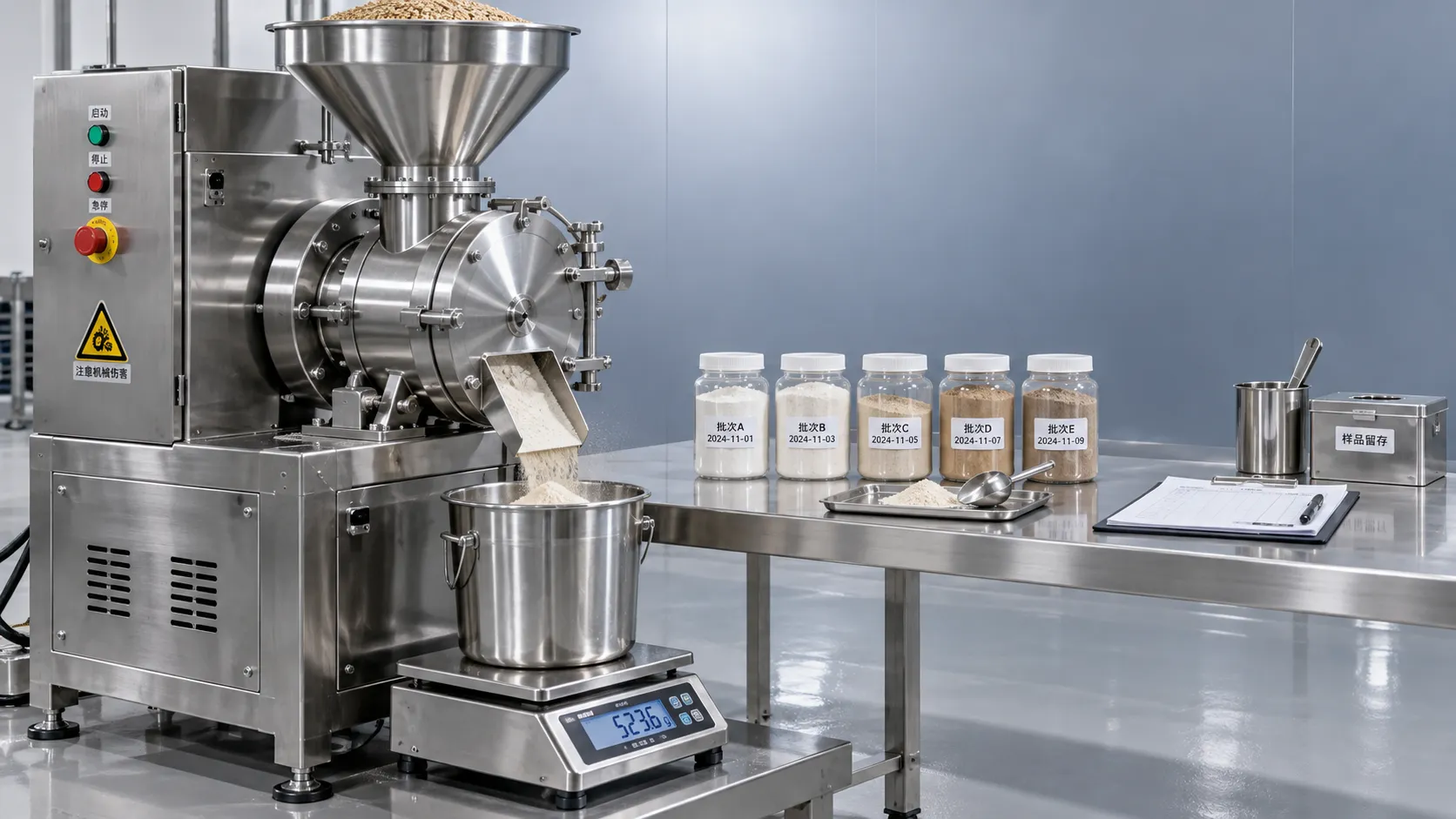
How to vet ingredient processing equipment manufacturers using trials
Vet ingredient processing equipment manufacturers with real-world trials. Learn how to verify yield, cleaning, energy use, and scale-up before you invest.
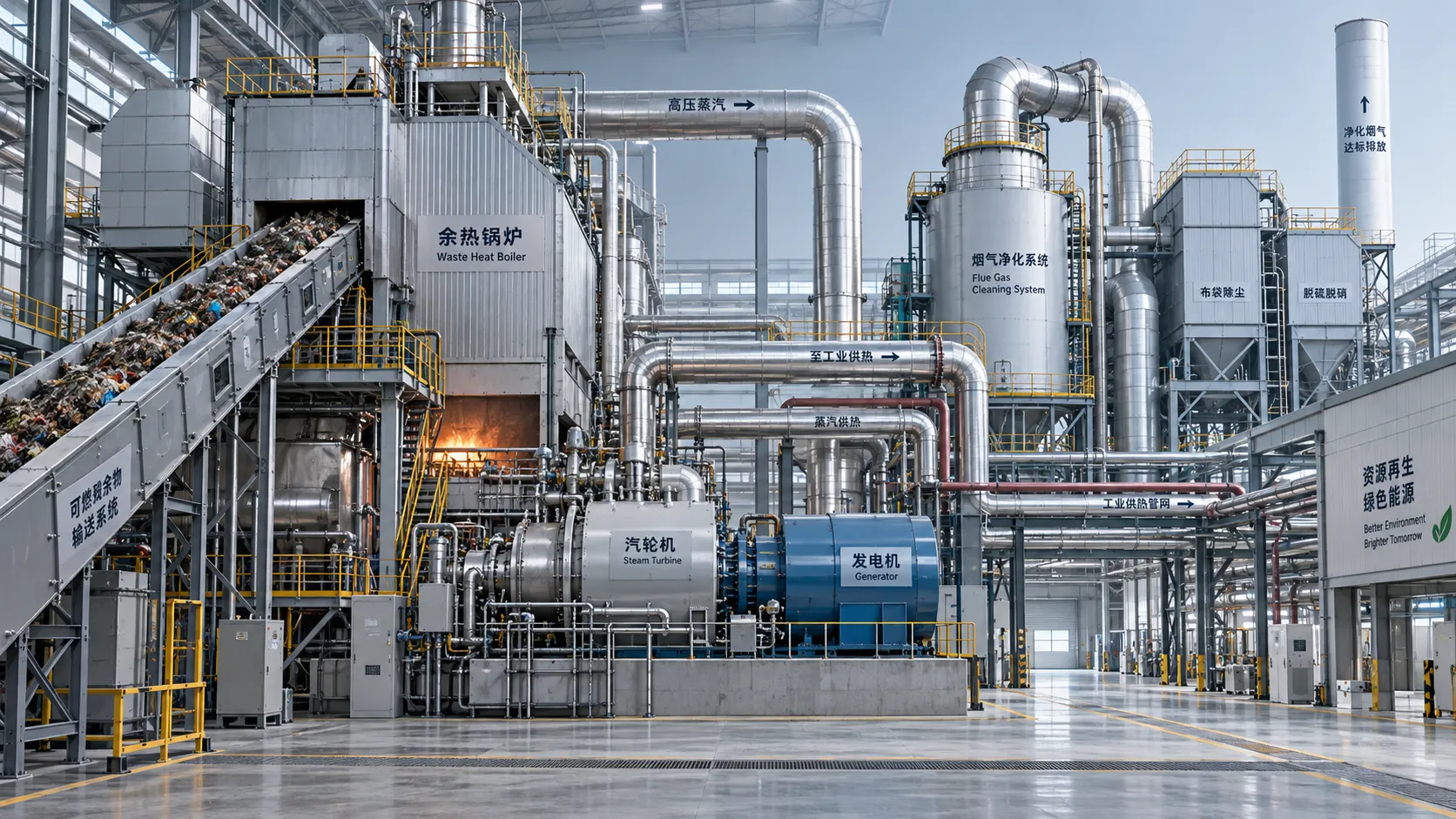
When is energy recovery viable in the solid waste recovery process?
When is energy recovery viable in the solid waste recovery process? Explore feedstock quality, net energy, emissions, and costs to assess feasibility and make smarter investment decisions.
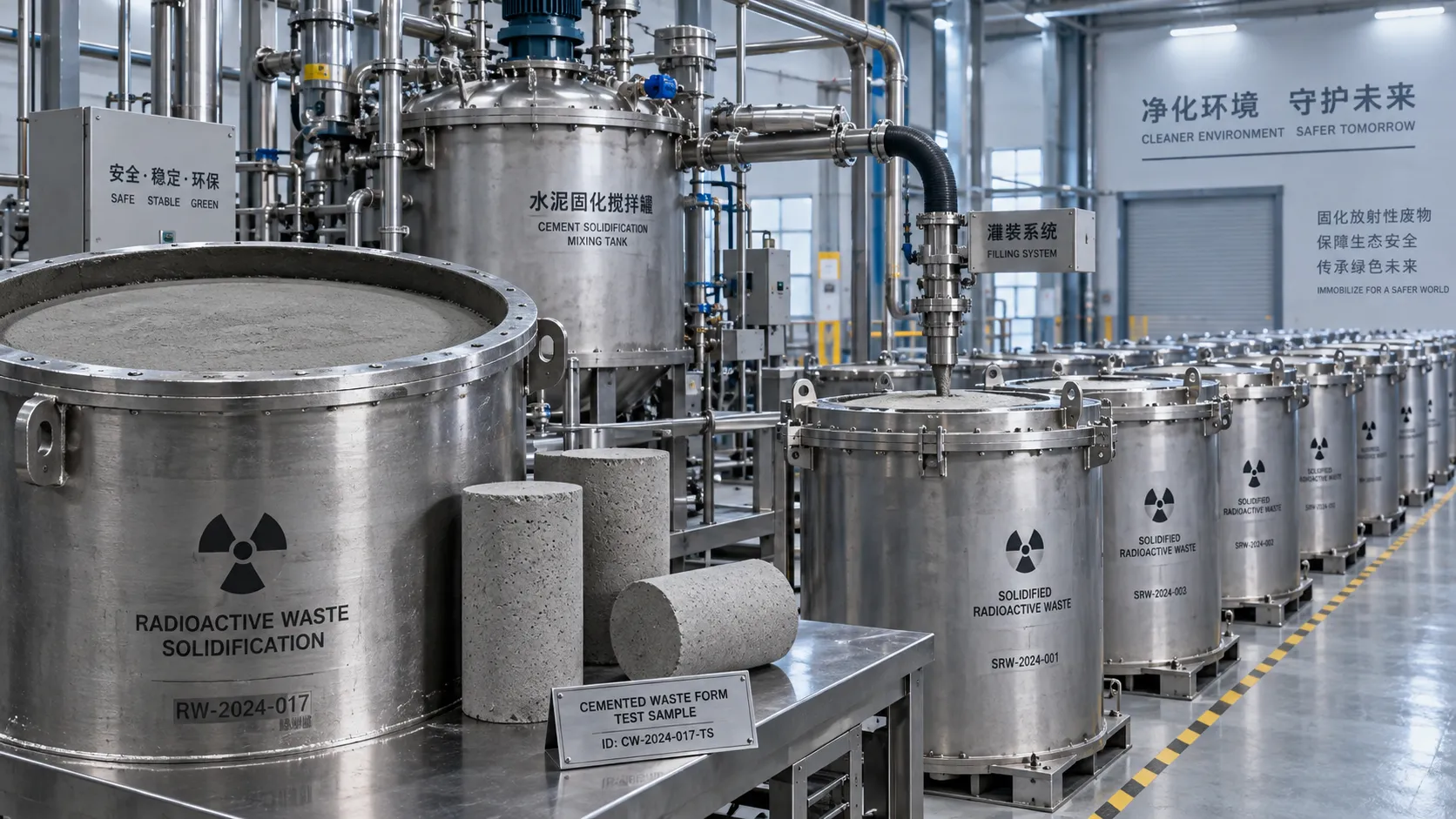
When is cementation suitable for nuclear decommissioning waste?
Explore nuclear waste treatment technology for decommissioning: learn when cementation fits, which risks to assess, and how disposal criteria guide an effective treatment choice.
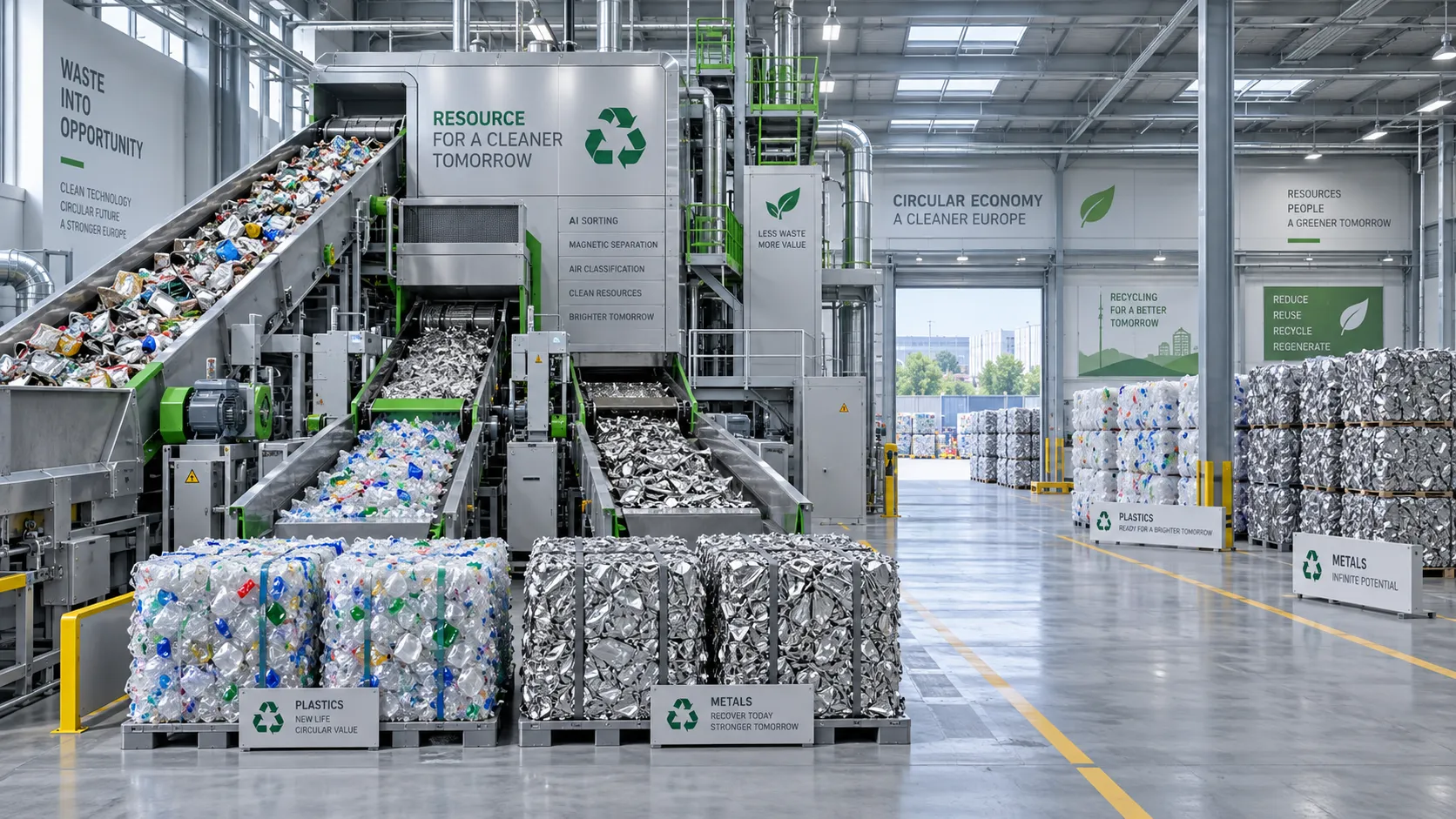
What determines payback for waste-to-resource systems in Europe?
Assess waste-to-resource systems Europe-wide: compare feedstock, recovery yields, costs and contracts to uncover payback drivers and make smarter investment decisions.
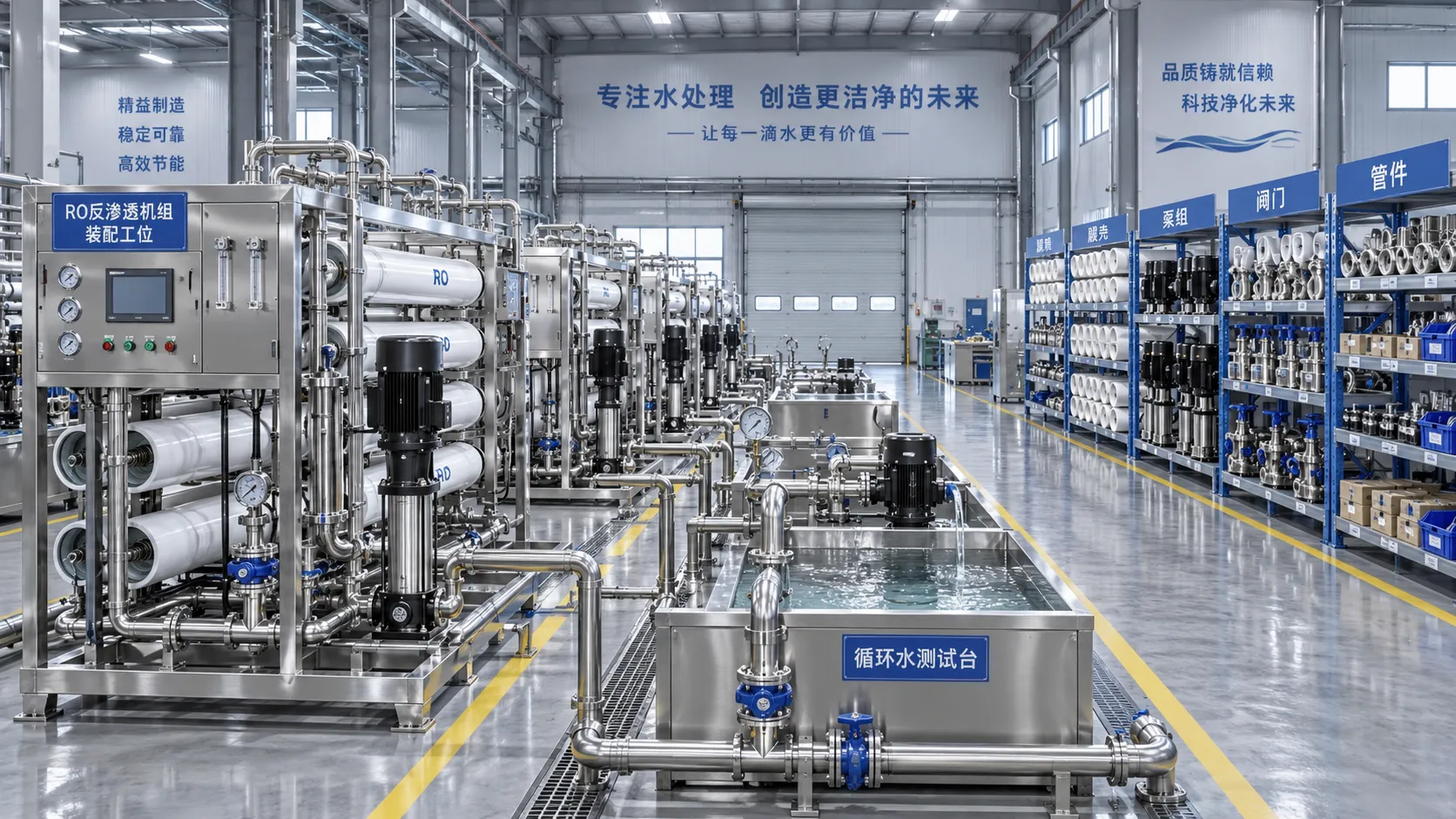
How to verify a water treatment system factory’s production capacity
Verify a water treatment systems factory’s production capacity through records, bottlenecks, component availability, and testing. Learn what to check before accepting a delivery promise.
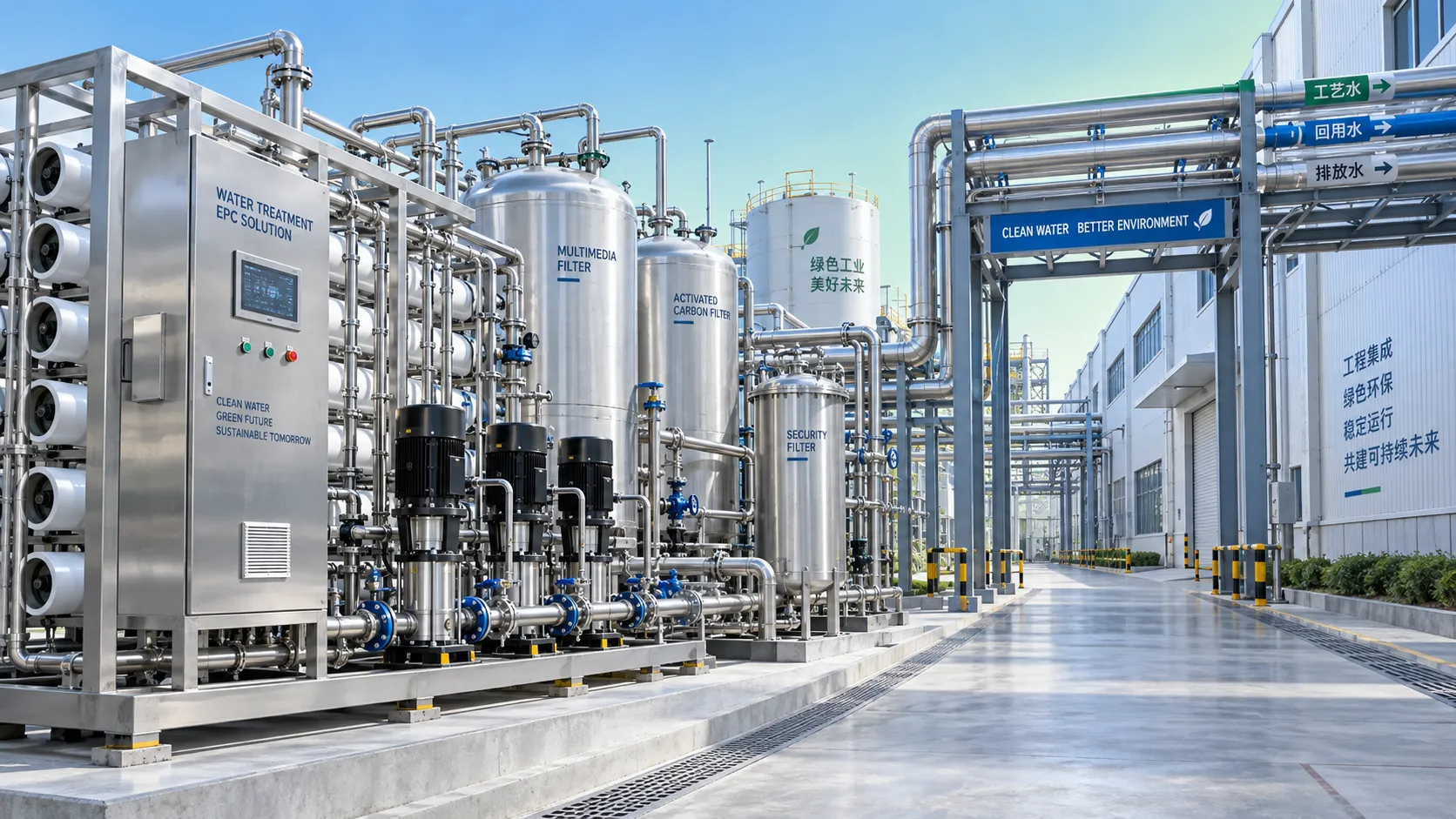
When does EPC environmental project support reduce delivery risk?
EPC environmental project support engineering reduces delivery risk by aligning design, procurement, compliance, construction, and commissioning decisions.
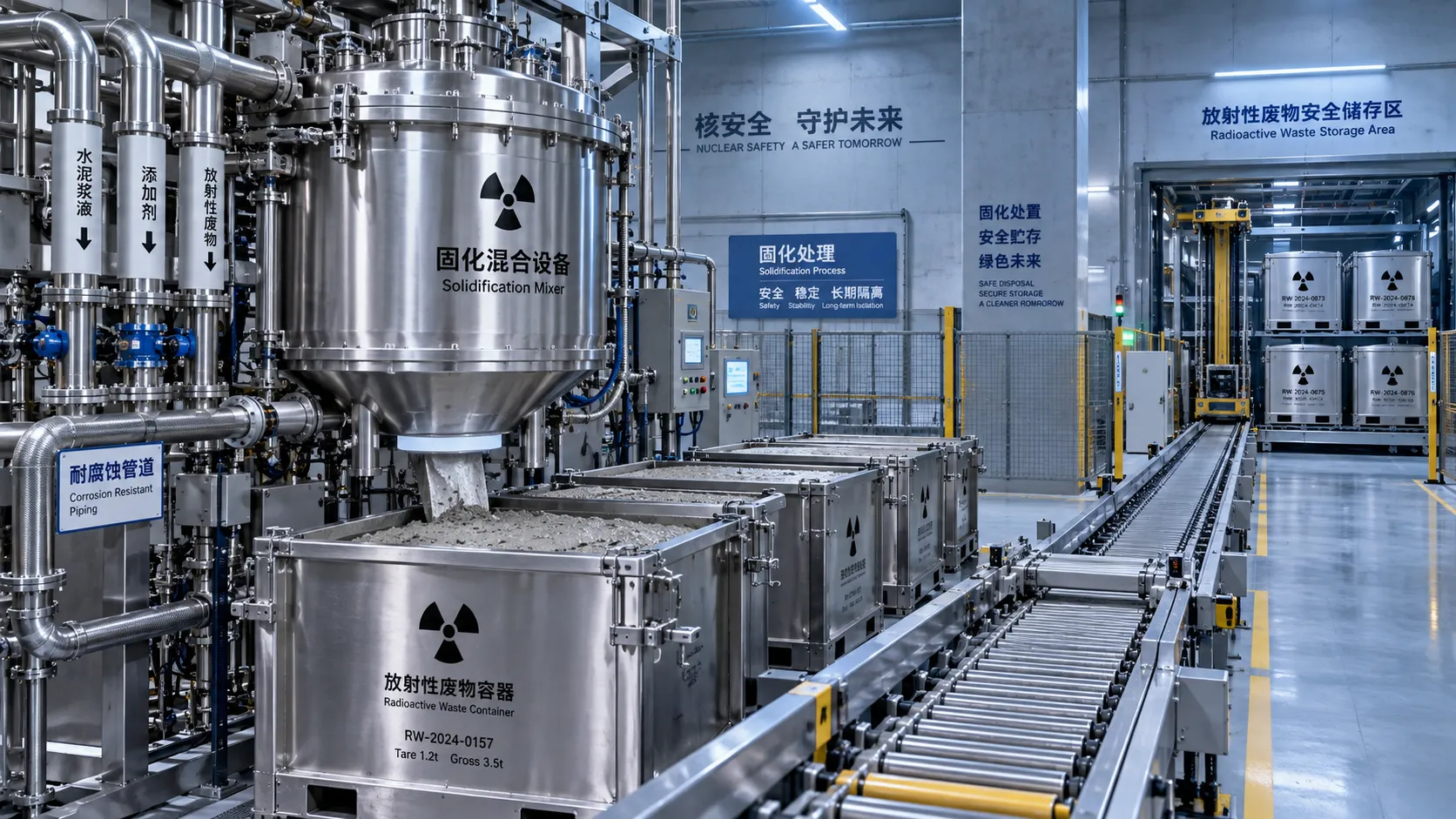
How nuclear plants select a radioactive waste solidification method
Radioactive waste management for nuclear plants: compare vitrification, cementation, polymers, and ceramics to select a compliant, durable solidification solution.
Treating Metal Finishing Wastewater: Removing Metals, Cyanide, and Oil Reliably
Metal finishing wastewater treatment made reliable: learn how to safely remove metals, cyanide, oil, and complex contaminants with proven stream segregation and control strategies.
What Drives the Cost of Wastewater System Upgrades in Industrial Parks?
Costs of wastewater system upgrades in industrial parks: uncover key drivers from influent variability and civil works to sludge, energy, compliance, and lifecycle risk.