
Industry News
Curation by industry experts
Hot Articles
Popular Tags
How to check a water treatment quotation for hidden project costs
A water treatment quotation is ready for comparison only when it shows what it will cost to deliver usable water under your site conditions. The equipment price alone cannot answer that question. Civil works, utility connections, reject handling, commissioning, and replacement parts may sit outside the quoted scope while remaining essential to operation.
Start by separating three amounts: the supplier’s price, the additional cost of making the installation operational, and the ongoing cost of meeting the required water quality. Then check whether the performance commitment covers the same conditions used to calculate those costs. This exposes the gaps that can turn an attractive offer into an expensive project.
Check what the quoted capacity actually delivers
Before reviewing exclusions, establish a common design basis. Two suppliers can quote the same nominal capacity while offering different amounts of usable water. One may state feed flow, another membrane permeate flow, and another final output after internal water use.
Ask each supplier to identify the following in its technical offer:
- Feedwater source, composition, temperature range, and expected variability.
- Required treated-water quality and the point where it must be achieved.
- Net usable output after backwashing, cleaning, and other internal consumption.
- Operating hours, planned downtime, and any standby equipment included.
- Recovery rate and the quantities of liquid and solid residuals produced.
For reverse osmosis, temperature and salinity affect operating pressure and achievable output. For biological wastewater treatment, organic loading, inhibitory substances, and load variation affect treatment performance. An average feed analysis may therefore be insufficient where seasonal changes or production discharges create more demanding conditions.
Look for assumptions that transfer treatment duties to the buyer. A quotation may require incoming water to meet limits that the existing supply cannot consistently achieve. In that case, pretreatment becomes an additional project cost. The same applies when the quoted outlet quality requires downstream polishing before the water can enter the intended process.
Turn the scope into a responsibility table
Descriptions such as “complete system,” “turnkey package,” and “ready for installation” do not establish contractual boundaries. Request an itemized scope showing who designs, supplies, installs, connects, tests, and approves each part.
These duties can belong to different parties. A supplier may include a chemical dosing skid while excluding its unloading arrangements, storage area, containment, ventilation, and connection to the treatment line.
Mark every line as included, excluded, allowance, or unresolved. Assign an owner to each exclusion and obtain an estimate. A blank line is an unresolved budget exposure.
Check the physical connection points—the boundaries often called “battery limits.” A pipe flange at the skid edge may leave a substantial connection to the site network outside the price. Drawings make this boundary clearer than a general statement that piping is included.
Follow every waste stream to its destination
Treatment does not make contaminants disappear. It separates, concentrates, transforms, or transfers them into streams that still require management. A quotation can describe the treatment equipment thoroughly while stopping short of an affordable disposal route.
Request a water and solids balance showing feed, product, reject, backwash, sludge, and cleaning discharges. Establish whether flows are continuous, intermittent, or produced in batches. An acceptable daily average can conceal a short discharge that exceeds the capacity of an existing drain or holding tank.
For sludge, distinguish dry solids production from the wet quantity requiring transport. The achievable solids concentration after dewatering affects storage, collection frequency, and disposal cost. Check whether conditioning chemicals, dewatering equipment, and loading arrangements are included.
For desalination and industrial reuse, examine the proposed destination of concentrate. An available drain is not evidence that it can accept the stream’s salinity, composition, or flow. Where the project requires zero liquid discharge, identify the complete route through concentration, final evaporation or crystallization, and solids handling. A membrane package alone does not establish a complete ZLD solution.
Residuals acceptance can also affect the process design. If the intended receiving facility cannot accept a waste stream, additional treatment may be necessary before the project can operate.
Rebuild operating costs using the same assumptions
Supplier operating-cost estimates are useful only when their boundaries match. One offer may include process electricity and routine chemicals; another may also include labor, replacement elements, and waste disposal. Comparing the totals without reconciling these differences can reverse the apparent ranking.
Use a common annual operating schedule, water demand, electricity tariff, chemical pricing basis, and evaluation period. Express unit costs per volume of usable treated water, with internal consumption and downtime reflected in the output.
Energy: check the whole treatment train
Ask what the stated power consumption covers. Feed pumps, transfer pumps, aeration, pretreatment, cleaning, compressed air, ventilation, and sludge handling may fall outside the main equipment figure. Distinguish installed electrical capacity from expected operating demand; they serve different purposes.
For thermal concentration processes, identify heat or steam requirements separately. If an offer relies on available waste heat, establish its temperature, continuity, and connection cost. A heat source that disappears during another plant’s shutdown can create a need for backup capacity.
Chemicals and replacement parts: check the basis
Chemical consumption should be linked to feed conditions, dose assumptions, and operating hours. Include cleaning and preservation chemicals where applicable. Initial chemical fills may be excluded even when dosing equipment is supplied.
Request replacement assumptions for membranes, filter media, cartridges, ultraviolet lamps where fitted, pump seals, and instrument consumables. A warranty period is not a replacement-life estimate. Service life depends on operating conditions, maintenance, fouling, and exposure to damaging substances.
Separate routine consumables from critical spares purchased before startup. Also identify proprietary components, software subscriptions, and service tools that may constrain future sourcing.
Build a base estimate and a credible adverse case using less favorable feedwater, higher utility prices, or shorter replacement intervals. This shows whether a modest equipment saving remains attractive when operating conditions change.
Read performance guarantees alongside their exclusions
A performance guarantee has practical value when its test conditions match the intended duty. Review capacity, water quality, recovery, and consumption commitments together. Achieving the required output by using more feedwater or chemicals than budgeted may still create a substantial cost increase.
The quotation should lead to a written acceptance procedure covering sampling locations, analytical methods, test duration, operating conditions, and responsibility for testing costs. Define how results will be assessed when feedwater varies within the agreed design range.
Examine the remedy if the system fails acceptance. Establish who pays for modifications, additional consumables, repeat testing, and extended attendance. Where full verification requires seasonal conditions unavailable at startup, agree how later testing and related payment obligations will work.
Keep equipment warranty and process performance obligations distinct. A component warranty may cover a defective pump while providing no remedy for a system that cannot consistently meet the specified treatment duty.
Check the commercial terms that can create extra charges
Commercial exclusions can be as consequential as technical omissions. Read the price schedule, delivery terms, payment conditions, and validity period together.
- Delivery: Identify the named delivery point and allocate freight, insurance, import charges, unloading, and storage responsibilities.
- Price adjustment: Check whether currency movements, delayed award, material changes, or freight changes can alter the amount payable.
- Site attendance: Establish included days, travel costs, working hours, and rates for additional commissioning or supervision.
- Delay: Allocate costs if site readiness, utility availability, or equipment delivery prevents work from proceeding.
- Payment: Link milestones to defined deliverables, including documentation, testing, and handover.
A commissioning allowance deserves particular attention. If the supplier’s engineer arrives before permanent power, feedwater, chemicals, or discharge arrangements are available, the included attendance may be consumed without achieving startup. Use an agreed readiness checklist before mobilization.
Define the handover documents as deliverables: operating manuals, maintenance schedules, drawings reflecting the installed arrangement, control backups where applicable, and spare-parts lists. Missing documentation can increase dependence on paid supplier support.
Compare the cost of a working installation
Build an evaluation sheet that adds each supplier’s quoted price to the estimated cost of excluded work, delivery-related charges, installation, startup, and initial spares. Then compare operating and replacement costs over the same evaluation period. If using discounted cash flow, apply one method consistently.
Keep unresolved items visible. An unpriced exclusion should not receive a zero value simply because the supplier has provided no amount. Use a supported internal estimate or identify the exposure separately until a price is available.
For example, a lower-priced membrane package may exclude feed storage, pretreatment, and concentrate handling that another offer includes. Adding those items may change the ranking. The lower-priced option could still suit a site with adequate existing infrastructure, provided its capacity and compatibility have been established.
A contingency can cover remaining uncertainty, but it should not conceal known omissions. Price identifiable work directly and record the reason for any remaining allowance.
Before award, issue a consolidated clarification schedule and have the agreed answers incorporated into the contract documents. Set the order of precedence between the final scope, drawings, technical schedules, exclusions, and earlier correspondence so that superseded assumptions do not remain active.
The final approval should rest on a clear scope, comparable costs, and an enforceable performance commitment. Any exclusion that can prevent startup, compliant discharge, or delivery of the required water deserves resolution before the purchase order is released.
Recommended News
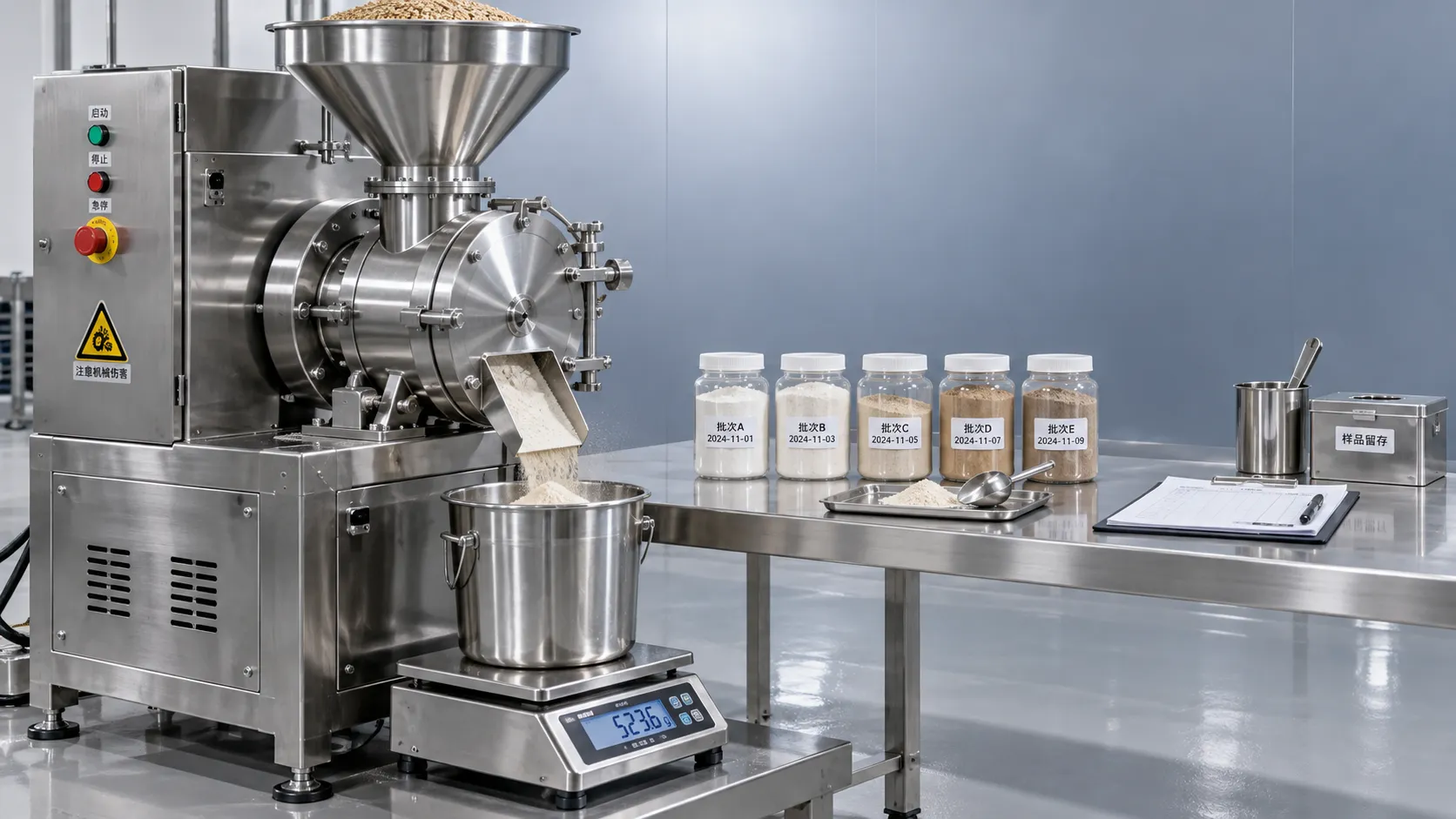
How to vet ingredient processing equipment manufacturers using trials
Vet ingredient processing equipment manufacturers with real-world trials. Learn how to verify yield, cleaning, energy use, and scale-up before you invest.
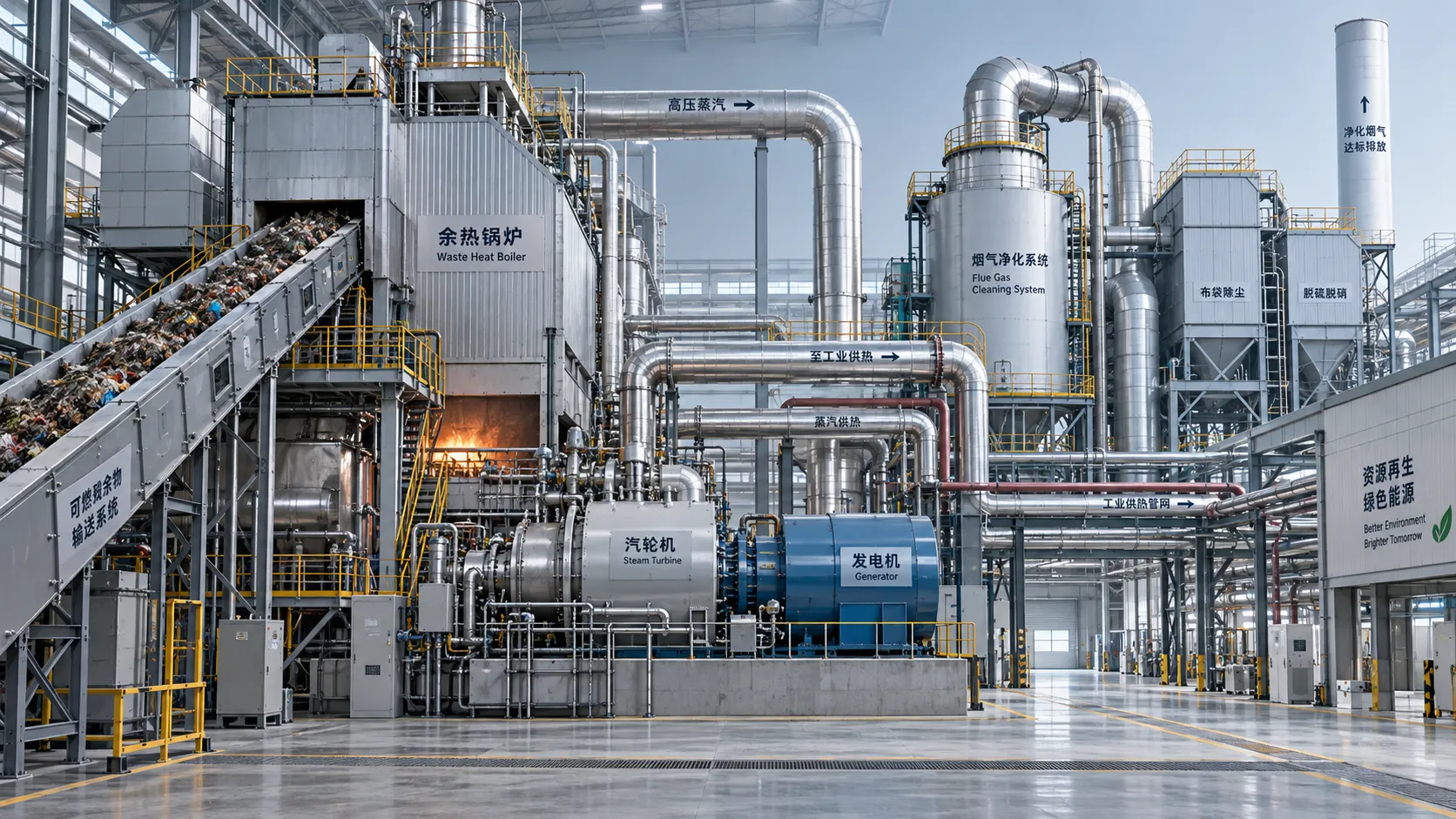
When is energy recovery viable in the solid waste recovery process?
When is energy recovery viable in the solid waste recovery process? Explore feedstock quality, net energy, emissions, and costs to assess feasibility and make smarter investment decisions.
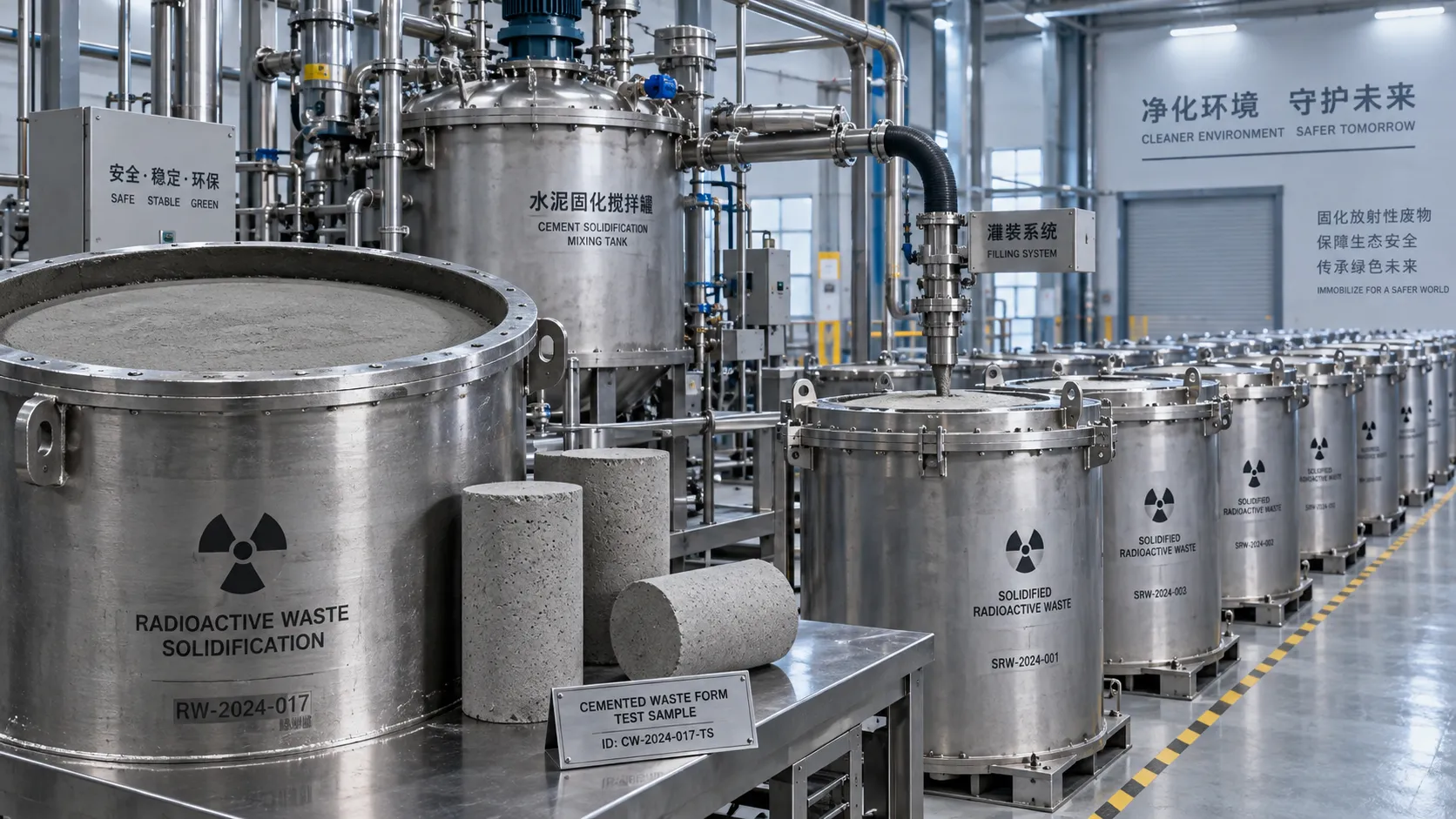
When is cementation suitable for nuclear decommissioning waste?
Explore nuclear waste treatment technology for decommissioning: learn when cementation fits, which risks to assess, and how disposal criteria guide an effective treatment choice.
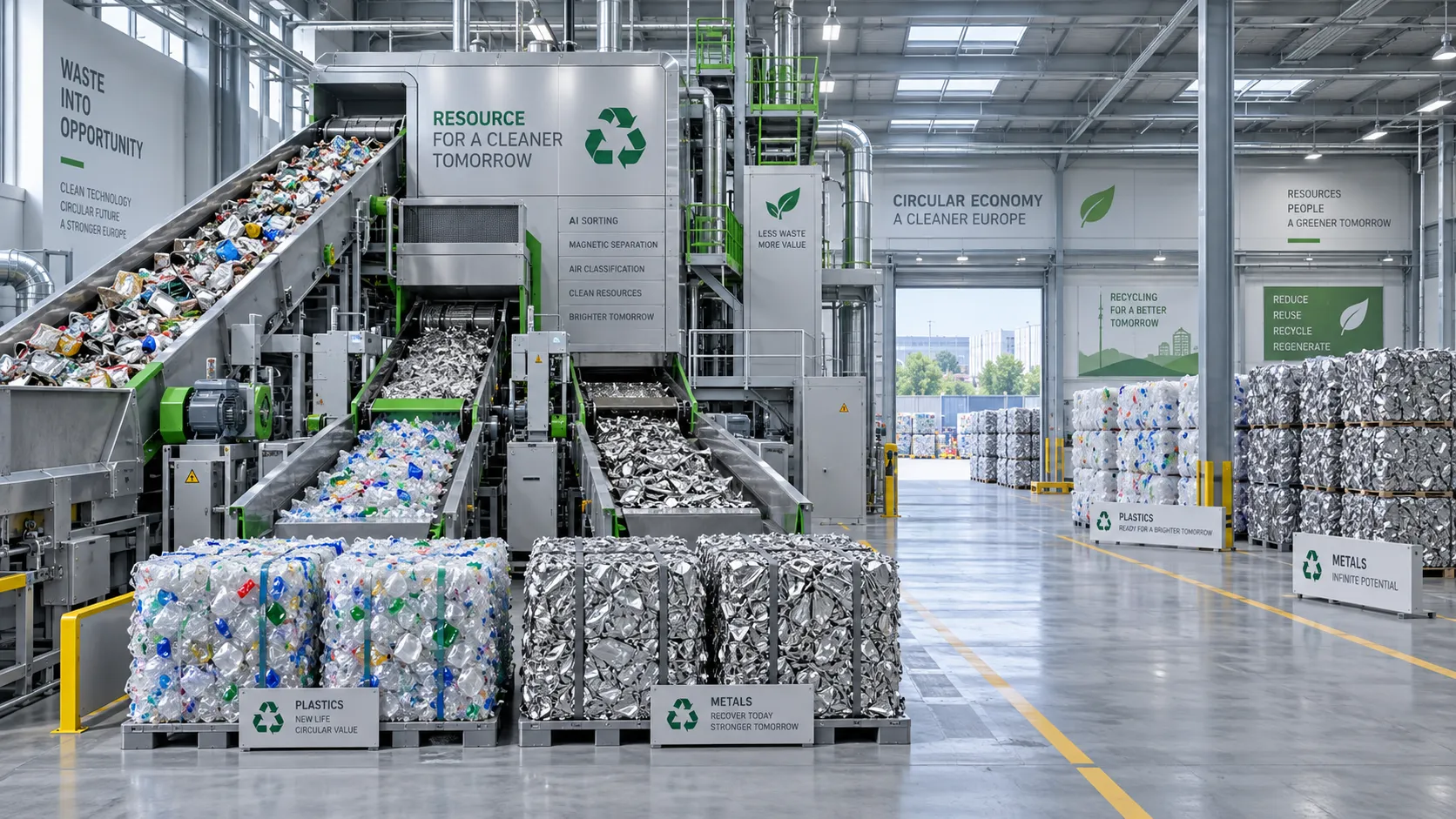
What determines payback for waste-to-resource systems in Europe?
Assess waste-to-resource systems Europe-wide: compare feedstock, recovery yields, costs and contracts to uncover payback drivers and make smarter investment decisions.
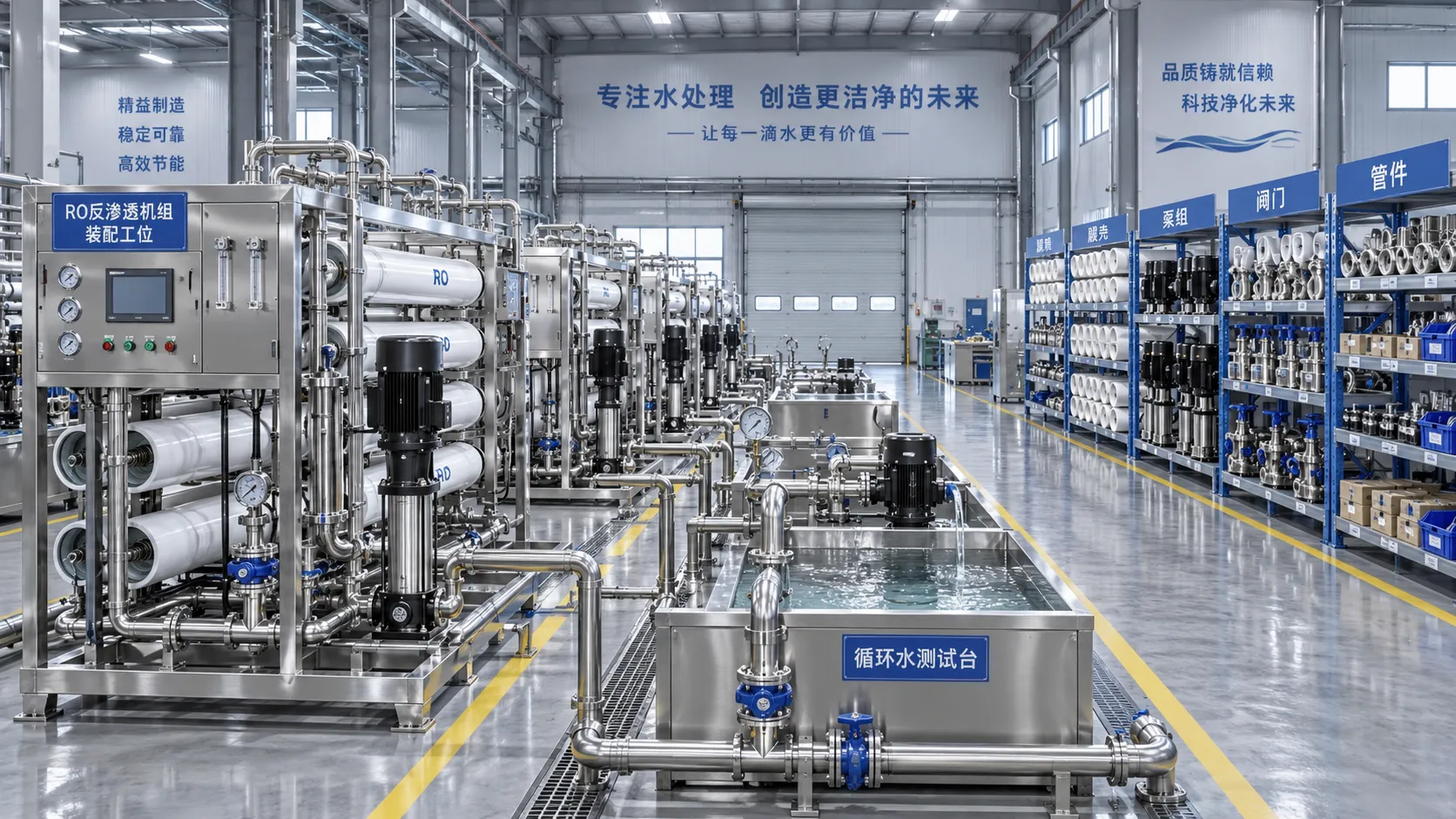
How to verify a water treatment system factory’s production capacity
Verify a water treatment systems factory’s production capacity through records, bottlenecks, component availability, and testing. Learn what to check before accepting a delivery promise.
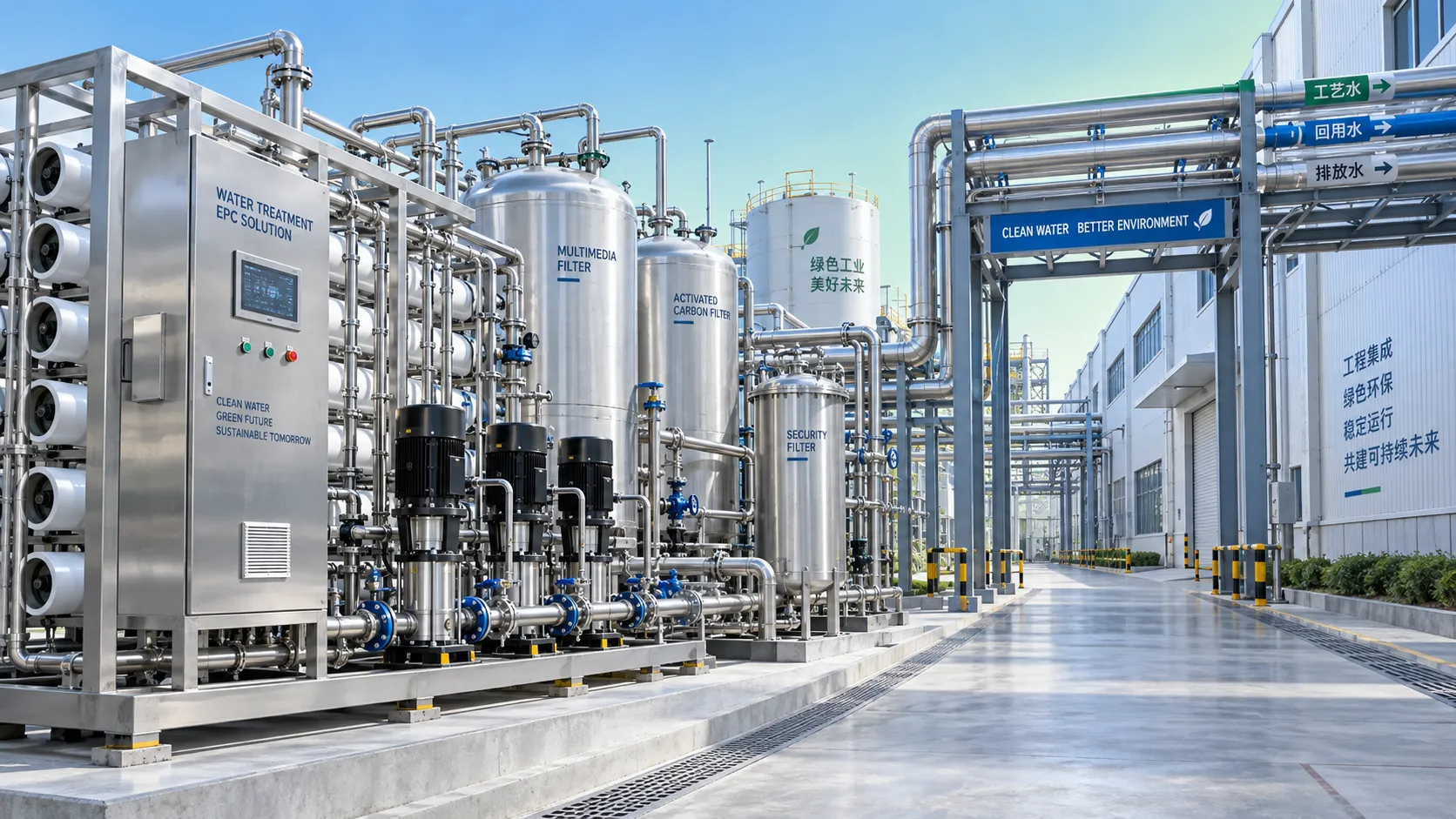
When does EPC environmental project support reduce delivery risk?
EPC environmental project support engineering reduces delivery risk by aligning design, procurement, compliance, construction, and commissioning decisions.
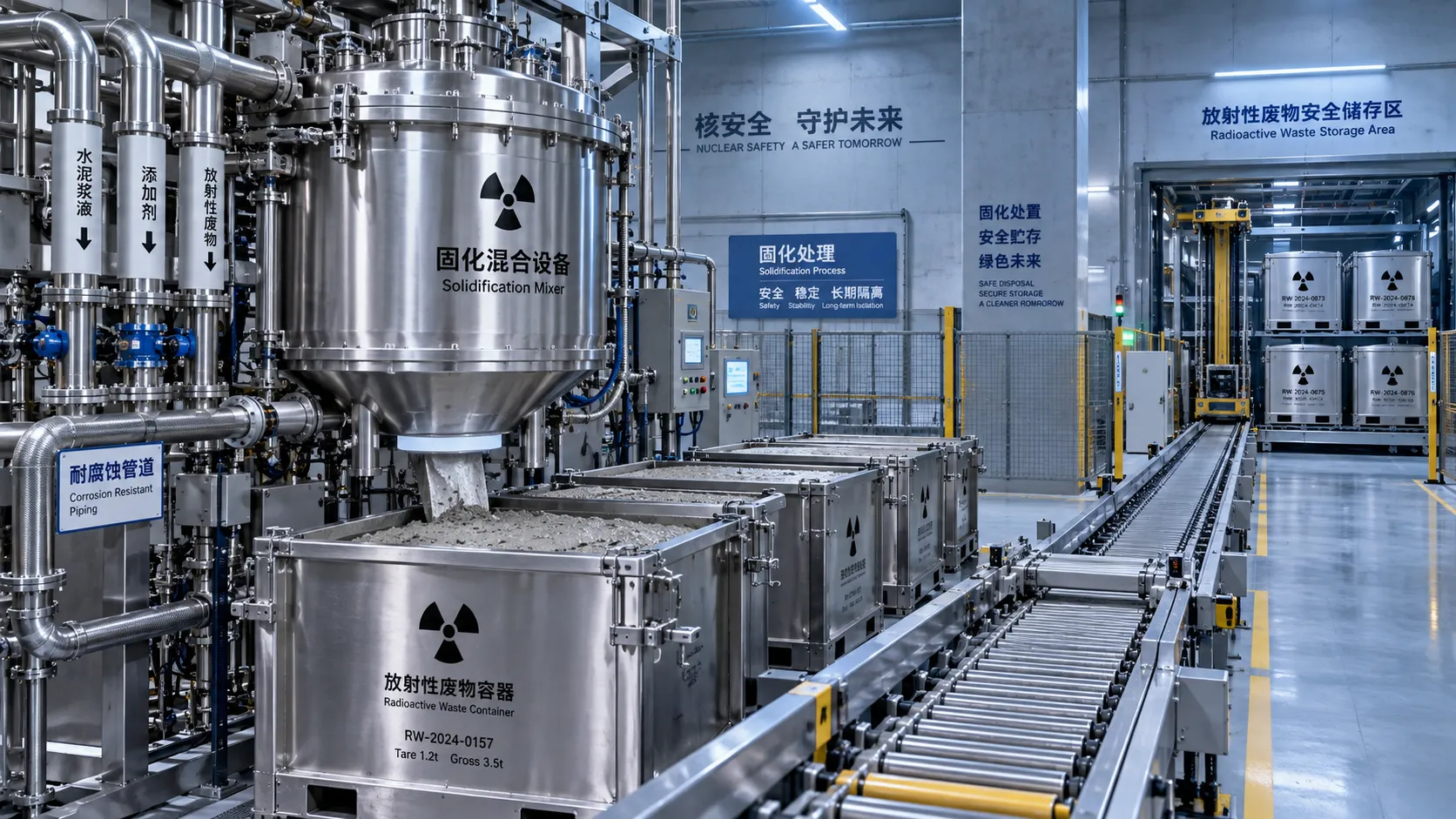
How nuclear plants select a radioactive waste solidification method
Radioactive waste management for nuclear plants: compare vitrification, cementation, polymers, and ceramics to select a compliant, durable solidification solution.
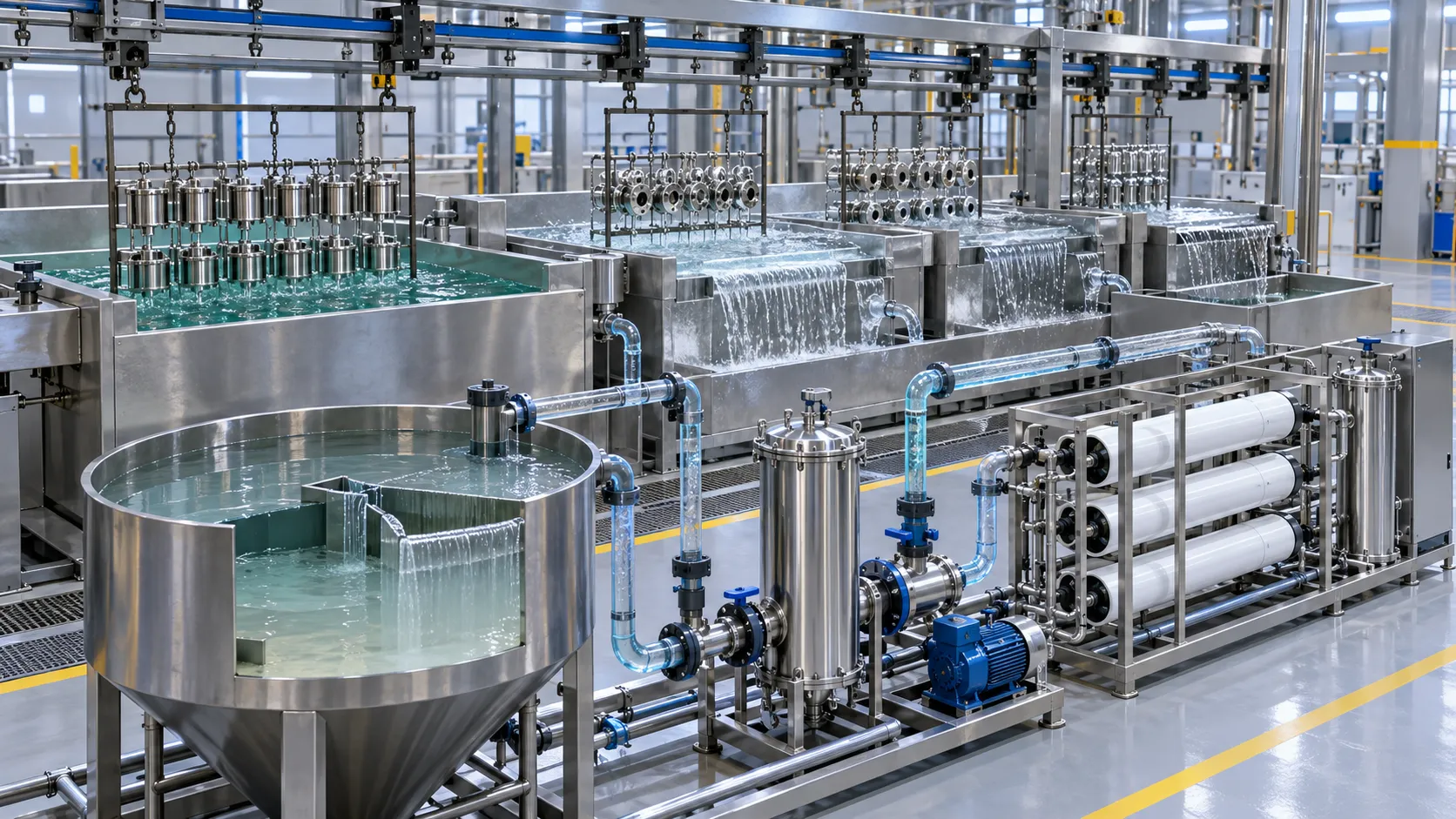
Water Treatment Options for Metal Finishing Rinse Water and Process Baths
Metal finishing water treatment solutions for rinse water and process baths—reduce costs, recover metals, improve reuse, and strengthen compliance.
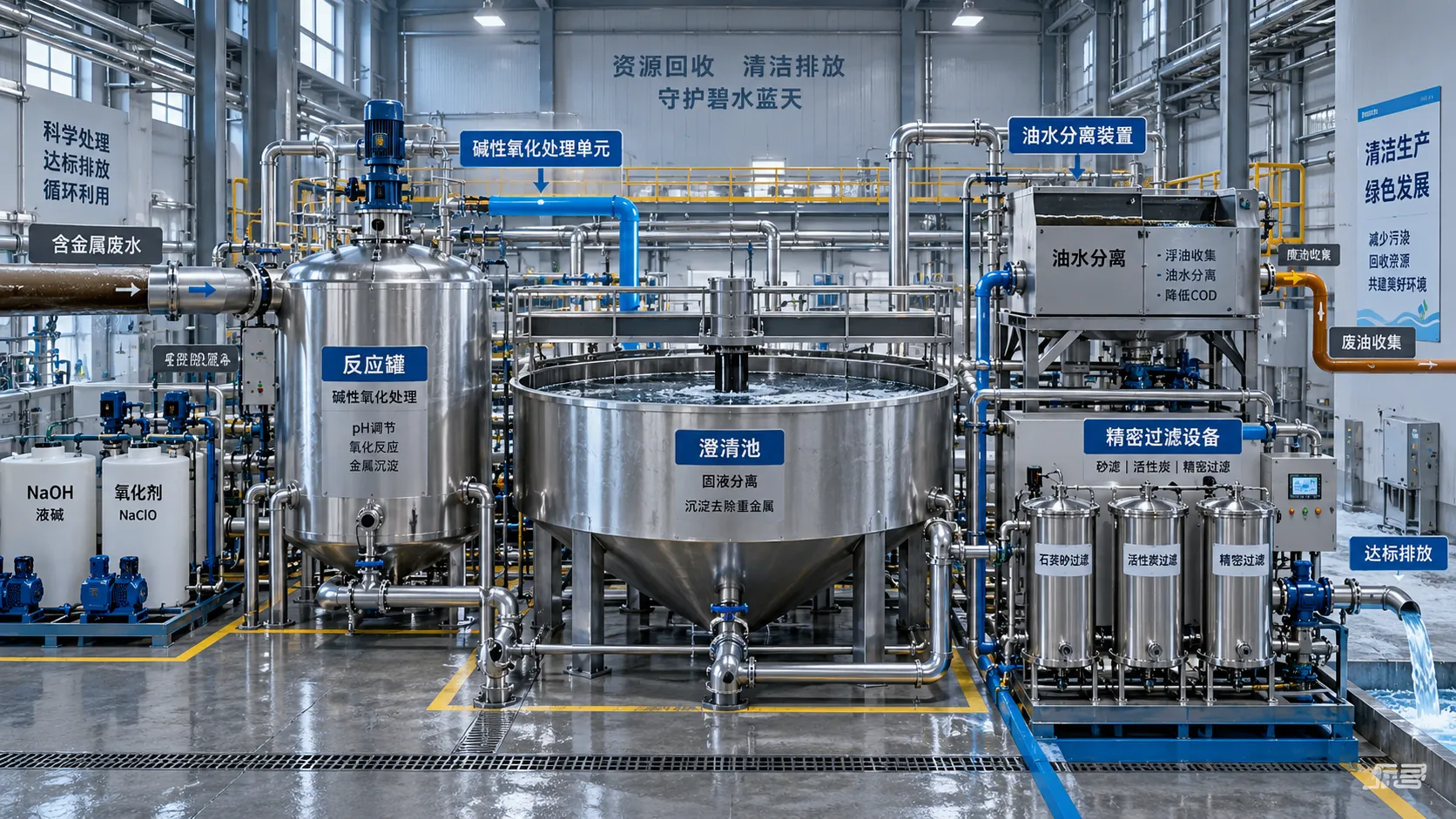
Treating Metal Finishing Wastewater: Removing Metals, Cyanide, and Oil Reliably
Metal finishing wastewater treatment made reliable: learn how to safely remove metals, cyanide, oil, and complex contaminants with proven stream segregation and control strategies.