
Industry News
Curation by industry experts
Hot Articles
Popular Tags
How to Evaluate a ZLD System Integrator for Complex Industrial Projects
Selecting a ZLD system integrator for a complex industrial project is rarely a simple procurement decision. It affects discharge compliance, energy use, uptime, concentrate handling, and the credibility of the entire project execution plan.
That matters even more now, as industrial water systems are being judged against tighter regulations, rising utility costs, and broader resource recovery expectations. In sectors watched closely by ESD, ZLD is no longer an isolated water treatment package. It sits inside a larger ecological and operational system.
A capable ZLD system integrator must therefore do more than assemble equipment. The real test is whether the integrator can connect chemistry, process control, solids management, commissioning discipline, and lifecycle economics into one reliable delivery model.
Why ZLD integrator selection has become more strategic
Zero Liquid Discharge projects are expanding across power, chemicals, mining, pharmaceuticals, textiles, semiconductors, desalination-linked reuse, and high-salinity municipal or industrial clusters.
The common driver is clear: reduce liquid effluent, recover water, and manage dissolved solids under stricter environmental frameworks. Yet the route to that outcome varies widely from one feedwater profile to another.
A site dealing with FGD blowdown faces very different scaling and corrosion risks than one handling RO reject, landfill leachate, or mixed chemical wastewater. This is why choosing a ZLD system integrator based on generic references alone is risky.
From ESD’s perspective, the industrial value of ZLD also reaches beyond compliance. It connects to closed-loop resource logic, resilient water supply planning, and the rising demand for extreme reliability in environmental infrastructure.
What a ZLD system integrator is actually responsible for
In practice, a ZLD system integrator is responsible for making multiple treatment stages function as one coherent plant. That usually includes pretreatment, membrane concentration, evaporation, crystallization, solids dewatering, and automation.
The role often extends into utility integration, heat balance review, material selection, hazardous stream segregation, and performance guarantee alignment. In difficult projects, those interfaces create more risk than the core equipment itself.
A good integrator understands where the real bottlenecks will appear. It may be upstream variability, not the evaporator. It may be mother liquor handling, not permeate recovery. It may be startup sequencing, not design capacity.
Start with process fit, not brochure strength
The first evaluation question is simple: has this integrator solved a chemically similar problem at an industrially relevant scale?
That means comparing feed composition, temperature range, silica behavior, organics load, calcium sulfate risk, heavy metals, foaming tendency, and expected operating fluctuations. Superficial references do not help much.
An experienced ZLD system integrator should be able to explain why one flowsheet was selected over another. They should justify membrane staging, evaporator type, antiscalant strategy, brine concentration limits, and crystallizer operating philosophy.
This explanation matters because many ZLD failures begin with an inaccurate design basis. If the chemistry envelope is misunderstood early, no amount of downstream optimization will fully correct it.
Signals of strong process understanding
- Clear discussion of limiting salts, fouling mechanisms, and recovery boundaries.
- Pilot data or treatability evidence linked to the actual wastewater matrix.
- Transparent assumptions for seasonal variation and future load changes.
- Specific cleaning, redundancy, and bypass philosophies.
Integration capability is where many projects are won or lost
A ZLD plant rarely operates as a standalone island. It connects with upstream equalization, wastewater segregation, steam systems, cooling water, power distribution, compressed air, chemical dosing, and solids disposal routes.
That makes integration capability central to evaluating a ZLD system integrator. The question is not only whether the process works on paper, but whether it can be built into the site without creating new operational conflicts.
For example, a technically sound thermal design may still fail commercially if steam demand destabilizes other utilities. A high-recovery membrane front end may look attractive until pretreatment complexity and operator burden are fully counted.
Stronger integrators usually show maturity in P&ID development, controls architecture, alarm philosophy, interlock logic, and tie-in planning. They also recognize that plant maintainability is part of integration, not an afterthought.
Look closely at risk allocation and guarantees
Many proposals appear comparable until the guarantees are examined line by line. Recovery rate, distillate quality, energy consumption, availability, and solids dryness can all be framed in ways that shift risk back to the owner.
A disciplined ZLD system integrator will define test conditions, excluded contaminants, feed assumptions, turndown limits, and performance verification methods with precision.
It is also worth checking how the integrator handles interface responsibility. If pretreatment, thermal systems, and dewatering packages are split among suppliers, who owns the final plant outcome?
Ambiguity here often leads to delay claims, disputed root causes, and expensive post-handover modifications. Strong integrators tend to reduce gray zones rather than rely on them.
Questions worth raising during evaluation
- Which assumptions are most likely to change after detailed engineering?
- What conditions would trigger derating or additional chemical consumption?
- How are startup failures, scaling events, or crystallizer instability addressed contractually?
- What operating data is required to preserve guarantees?
Past references matter, but only when read correctly
Reference lists can be misleading if they emphasize quantity over relevance. Ten generic wastewater projects do not outweigh one well-documented high-salinity installation with similar chemistry and operating pressure.
When reviewing a ZLD system integrator, it helps to separate installed capacity from proven outcomes. Ask what recovery levels are sustained after one year, what cleaning frequency was achieved, and how much operator intervention is required.
The most useful references reveal lessons learned. Mature firms can explain where a previous design underperformed, how the issue was corrected, and what design rule changed afterward.
That kind of transparency often says more about execution strength than a polished case study.
Lifecycle support should be part of the first decision
ZLD projects are capital-intensive, but long-term value is shaped by operation. Spare parts availability, digital monitoring, operator training, commissioning depth, and troubleshooting response all affect whether the plant remains stable.
This is especially relevant in ESD-tracked sectors, where compliance expectations evolve and water systems increasingly interact with broader decarbonization and resource recovery programs.
A capable ZLD system integrator should support optimization after startup, not disappear once performance testing is complete. That includes data review, membrane performance tracking, evaporator health analysis, and solids stream improvement.
Lifecycle thinking also helps when future expansion is likely. A plant designed only for present conditions may become expensive to adapt once production increases or discharge rules tighten further.
A practical way to compare candidates
A useful comparison method is to score each ZLD system integrator across six dimensions: process fit, integration depth, delivery record, guarantee clarity, operational support, and total lifecycle cost.
That scorecard works best when it is fed by evidence, not presentation quality. Lab data, pilot reports, energy models, reference operating history, and controls documentation should carry more weight than generic claims.
It is also useful to compare downside scenarios. Which proposal is more resilient if feed TDS rises? Which design is easier to clean? Which supplier has the stronger local commissioning network?
Those questions usually expose the difference between a package vendor and a true ZLD system integrator.
Where to focus next
The most reliable decisions begin with a sharper design basis. Validate feedwater characterization, define recovery and byproduct objectives, map utility constraints, and identify which performance risks are acceptable before comparing proposals.
From there, review each ZLD system integrator through the lens of real project delivery: chemical fit, interfaces, guarantees, operability, and post-startup support. In complex industrial work, that approach is far more useful than choosing on equipment list or headline capex alone.
For teams following ESD’s broader view of environmental infrastructure, the goal is not simply to install a ZLD plant. It is to secure a system that can hold compliance, protect uptime, and remain technically credible as industrial ecological standards keep rising.
Recommended News
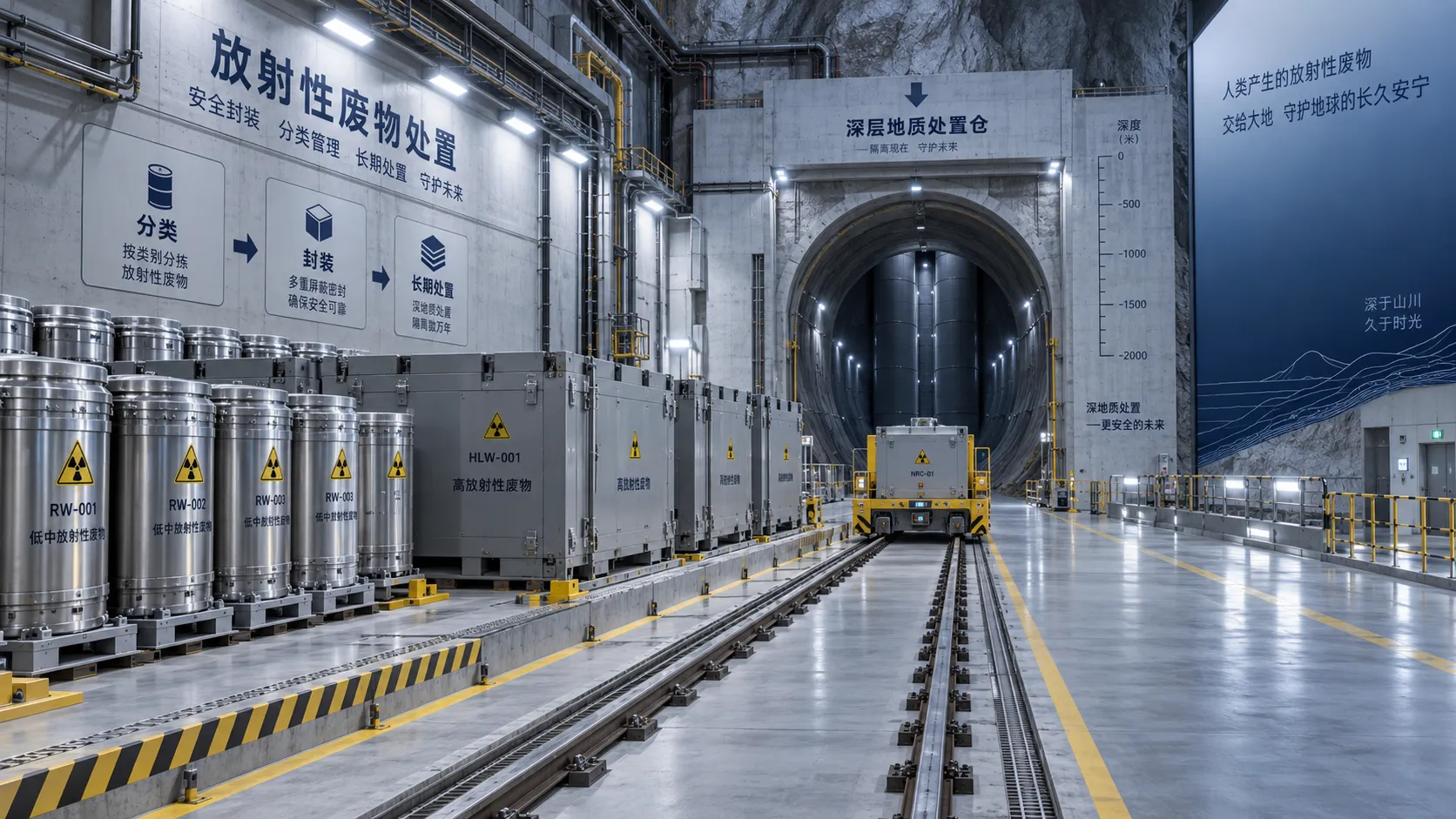
What drives radioactive waste cost over the life of a disposal project?
Radioactive waste cost depends on classification, treatment, transport, storage, disposal access, and long-term compliance. Explore the key lifecycle cost drivers.
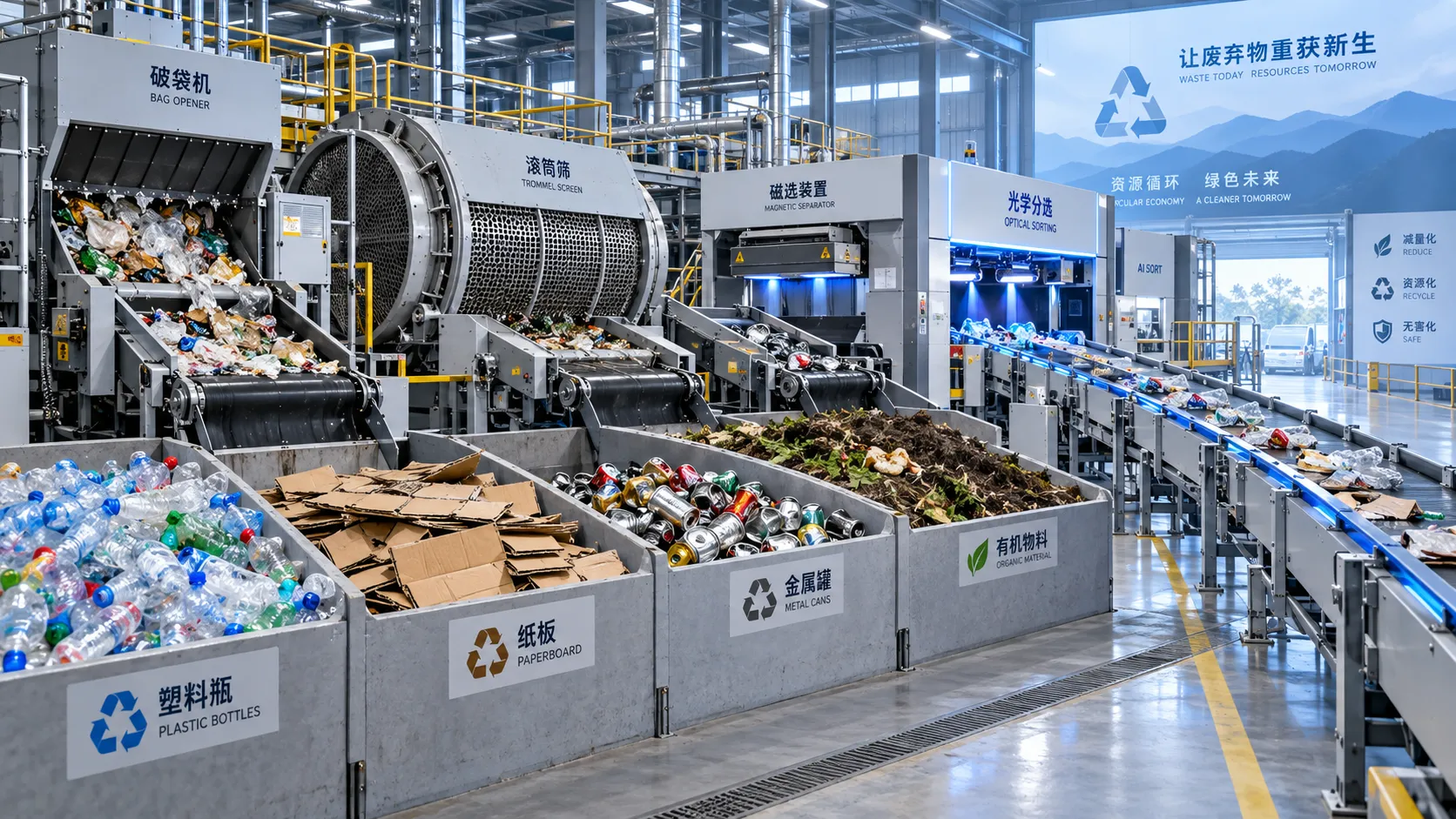
How to choose solid waste equipment based on waste stream characteristics
Environmental equipment guide for solid waste: discover how to match sorting, treatment, and recovery equipment to waste composition, moisture, contamination, and output goals.
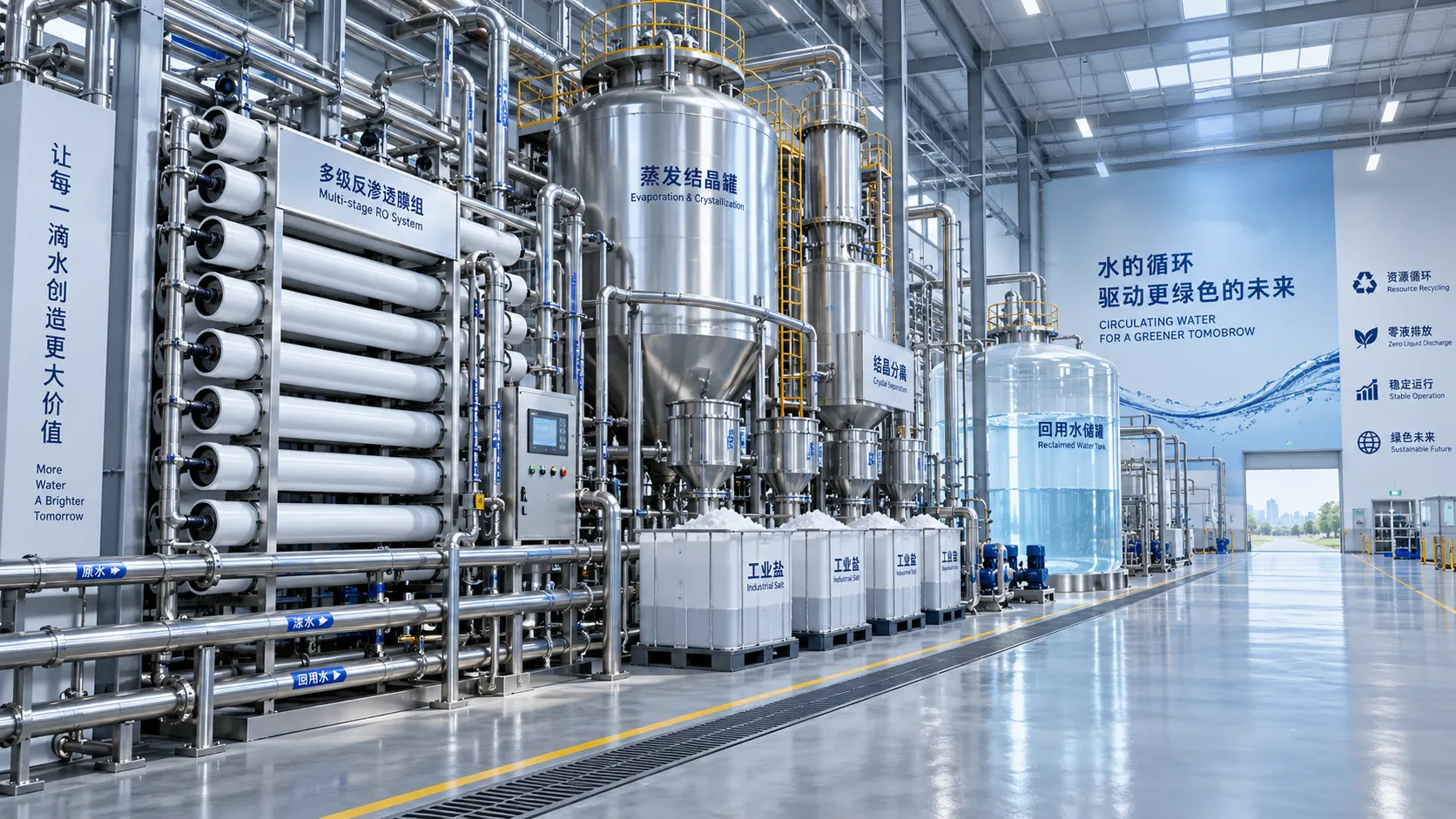
When does high recovery ZLD equipment justify its higher capital cost?
High recovery ZLD equipment can justify higher capital cost when water scarcity, discharge risks, brine disposal, and downtime threaten operations. Explore the decision factors.
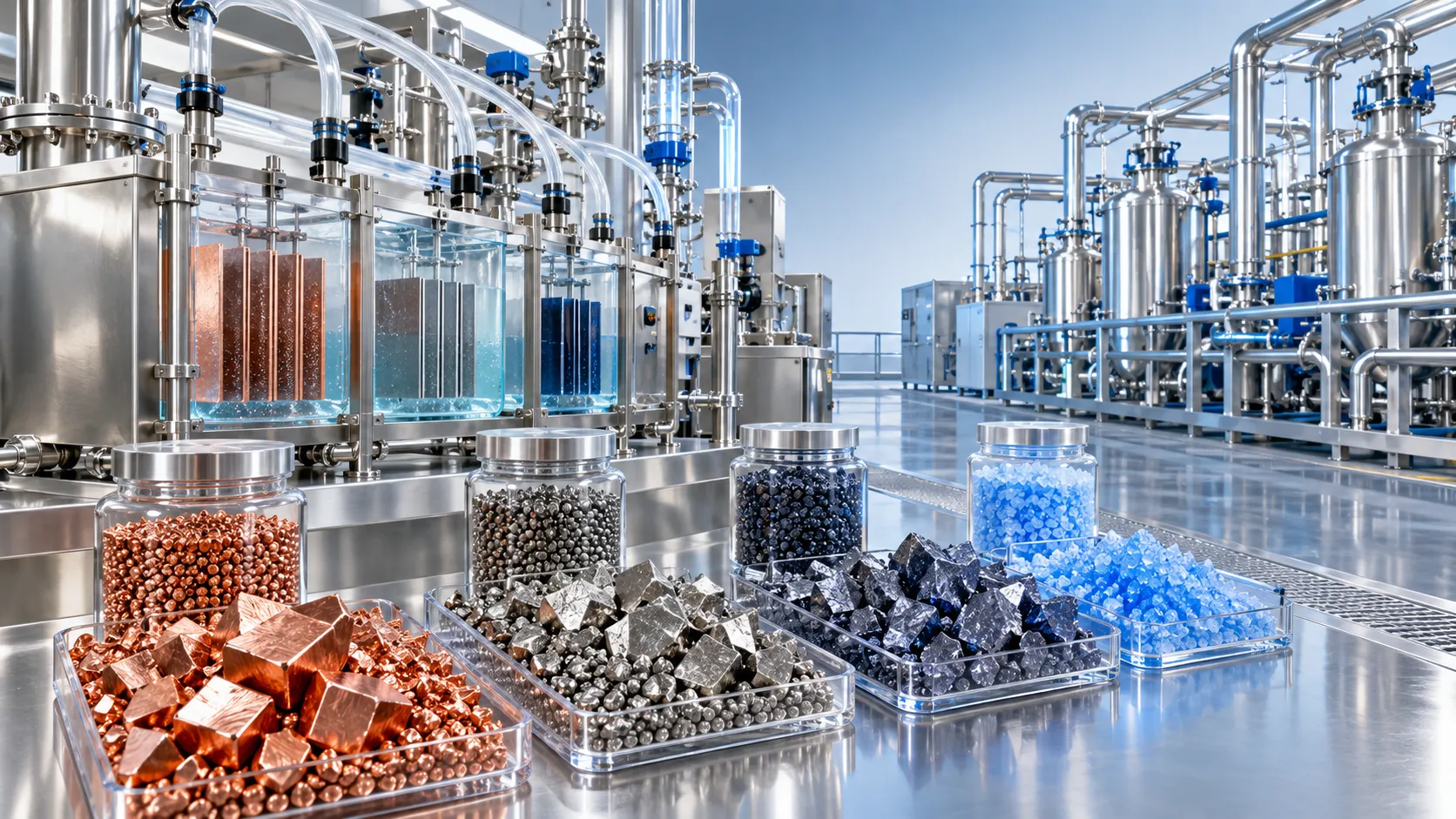
How high purity heavy metal recovery affects recovered metal value
High purity heavy metal recovery boosts recovered metal value by improving payability, reducing penalties, and unlocking stronger buyer opportunities. Explore smarter netback strategies.
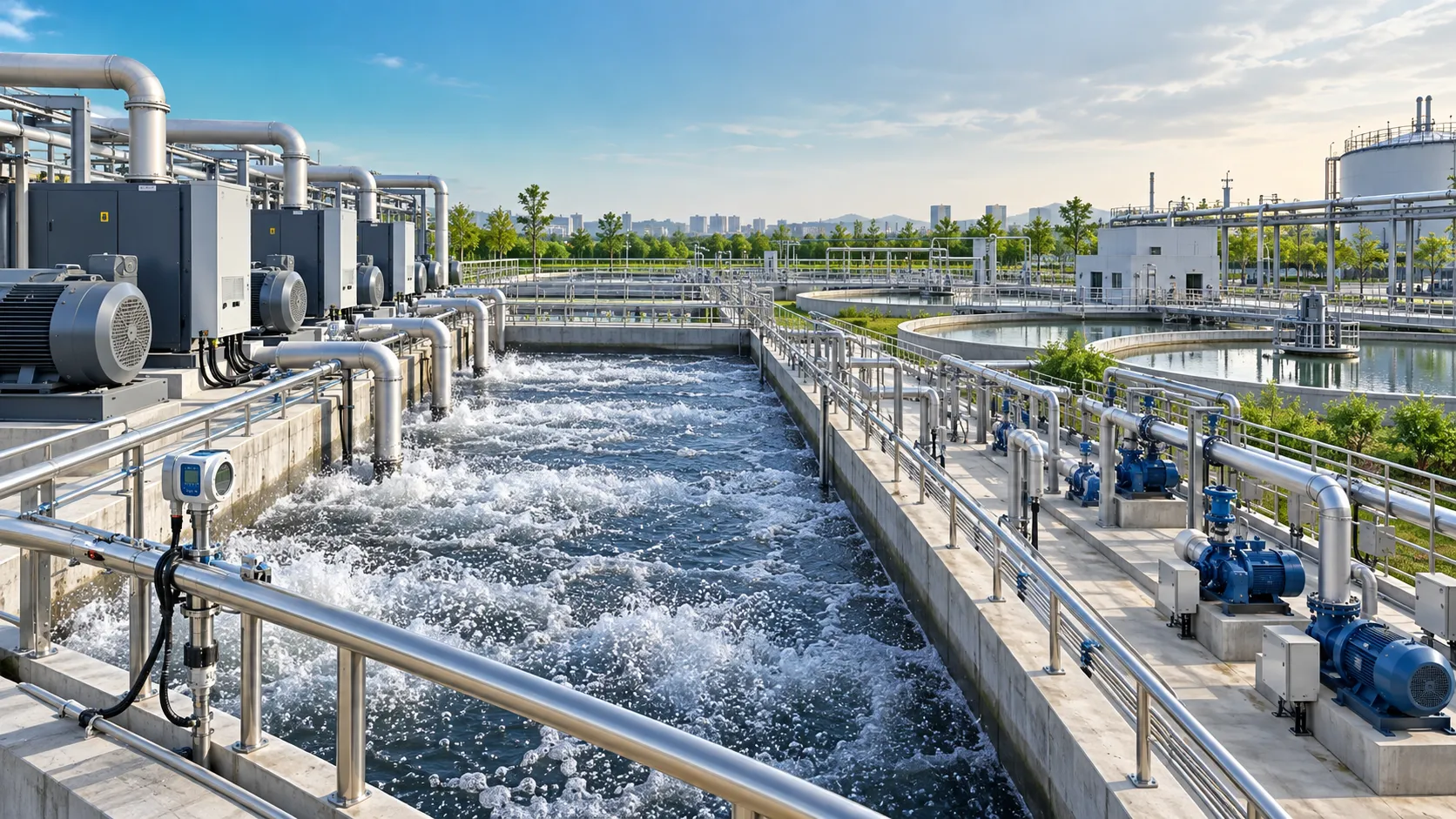
When does environmental equipment intelligence reduce wastewater plant energy use?
Environmental equipment intelligence for wastewater plants cuts energy use through smarter aeration, pumping, and data-driven controls—without compromising compliance. Discover when it delivers measurable savings.
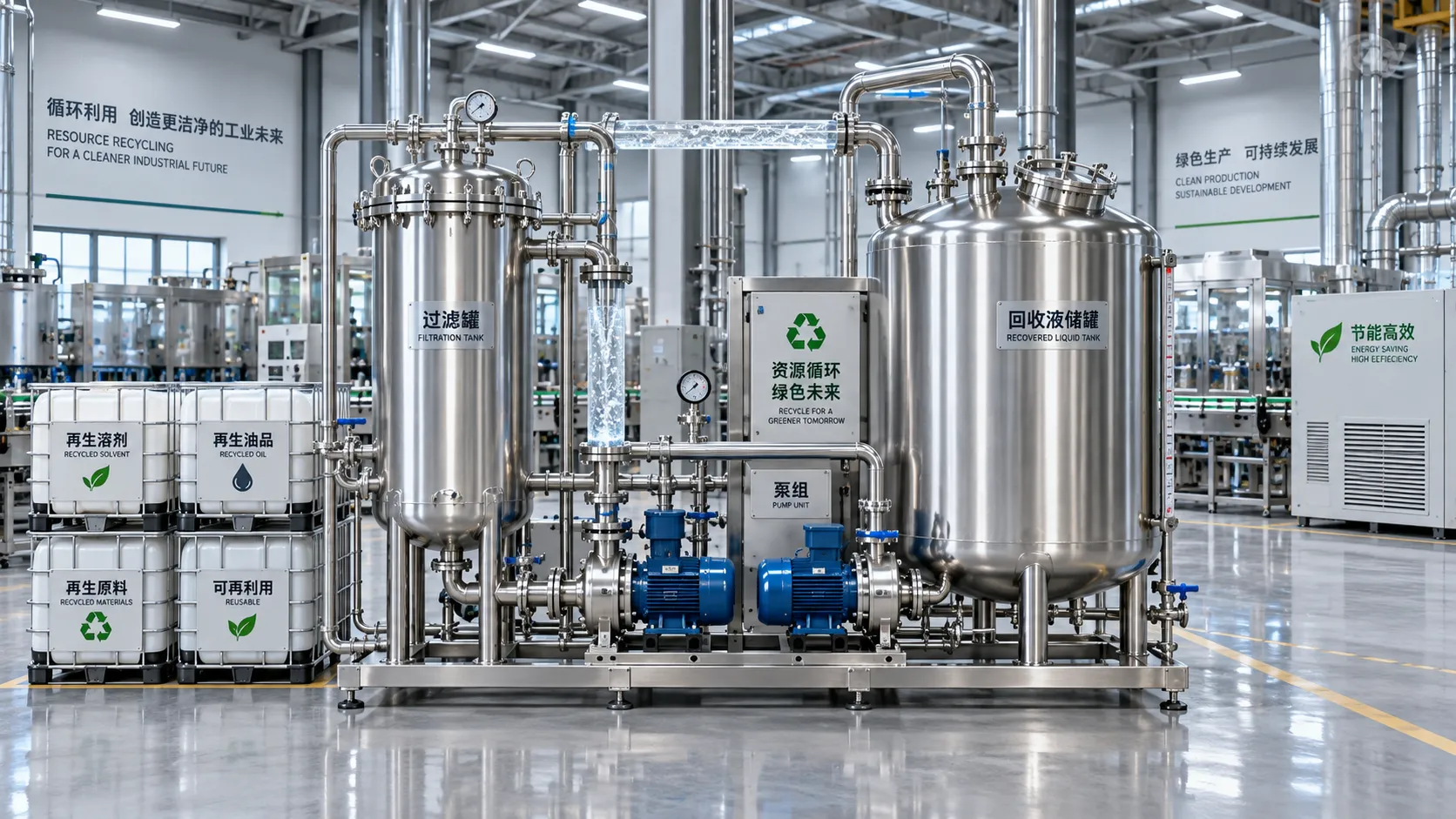
How to Calculate Product Recovery System Payback from Yield, Energy, and Labor Savings
Product recovery system payback: learn to model yield value, energy and labor savings, operating costs, and scenarios for a defensible capital approval case.
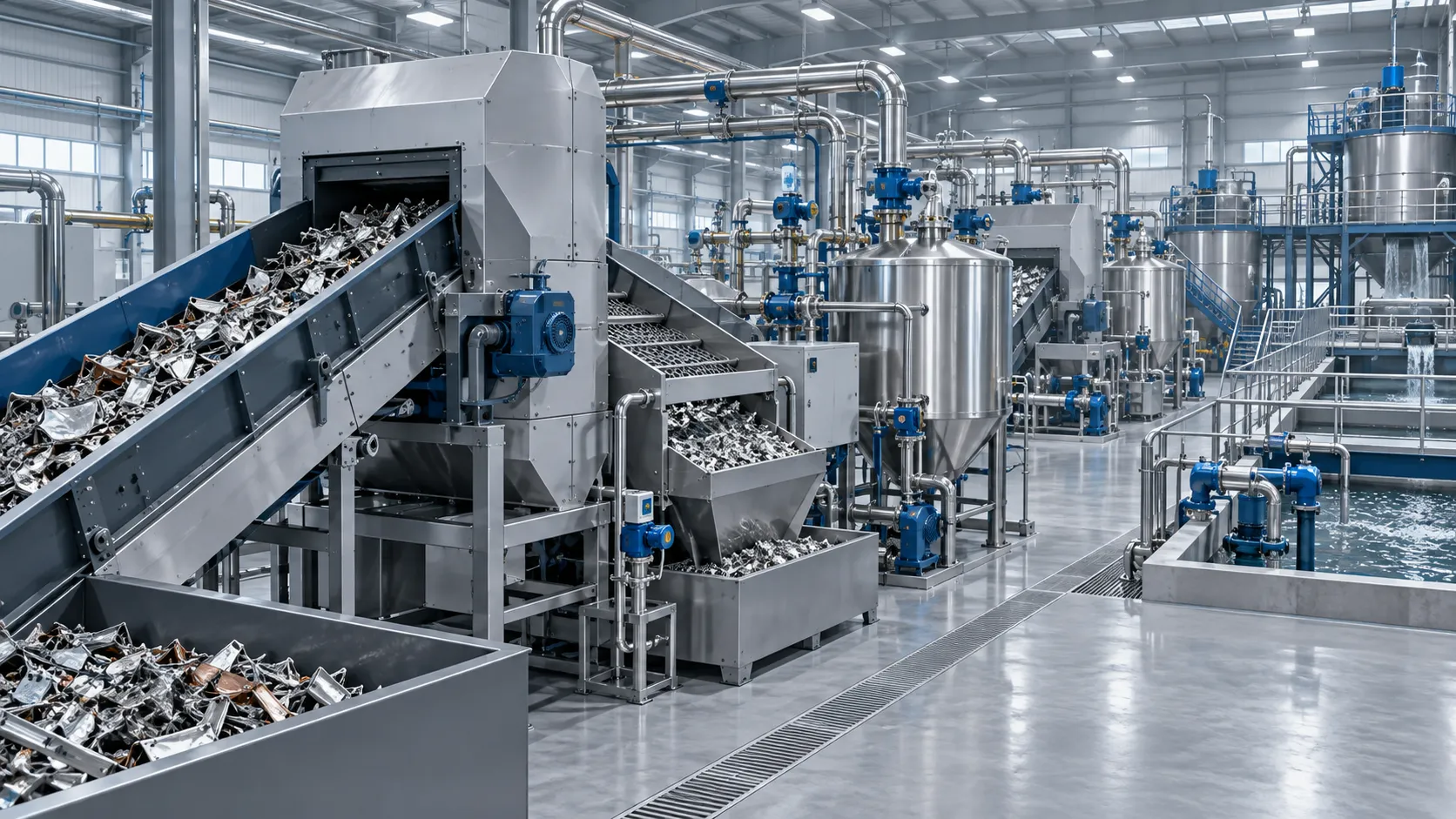
What Makes Metals Recovery Infrastructure Repeatable Across Multiple Plant Sites?
Repeatable metals recovery infrastructure: learn how standardized processes, modular design, data control, and compliance-ready systems enable scalable multi-site recovery plants.
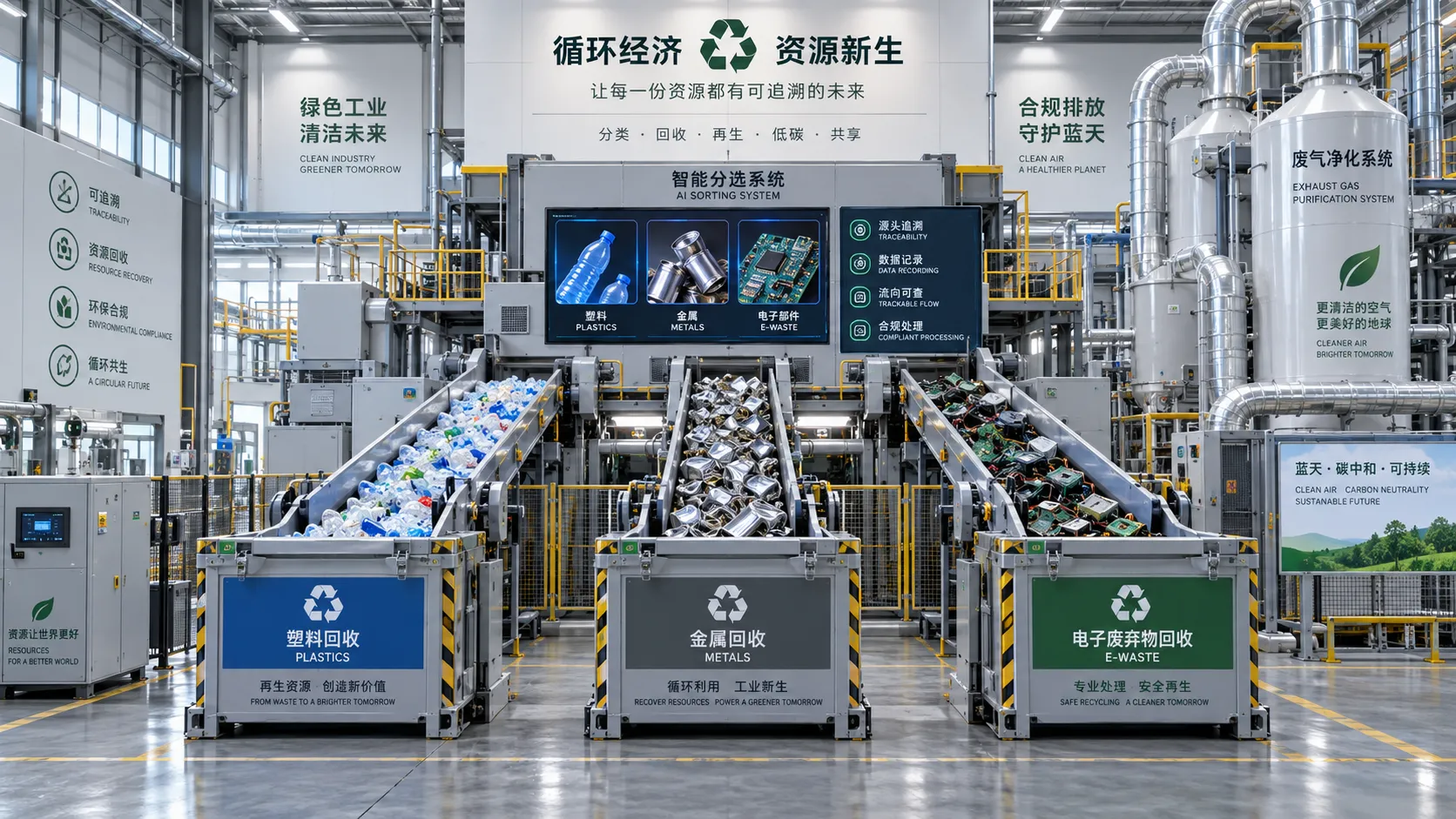
Waste Management and Circular Economy Regulations to Watch in 2025–2026
Recent regulatory updates in waste management and circular economy 2025-2026: explore PPWR, EPR, waste shipments, PFAS controls, and practical compliance steps.
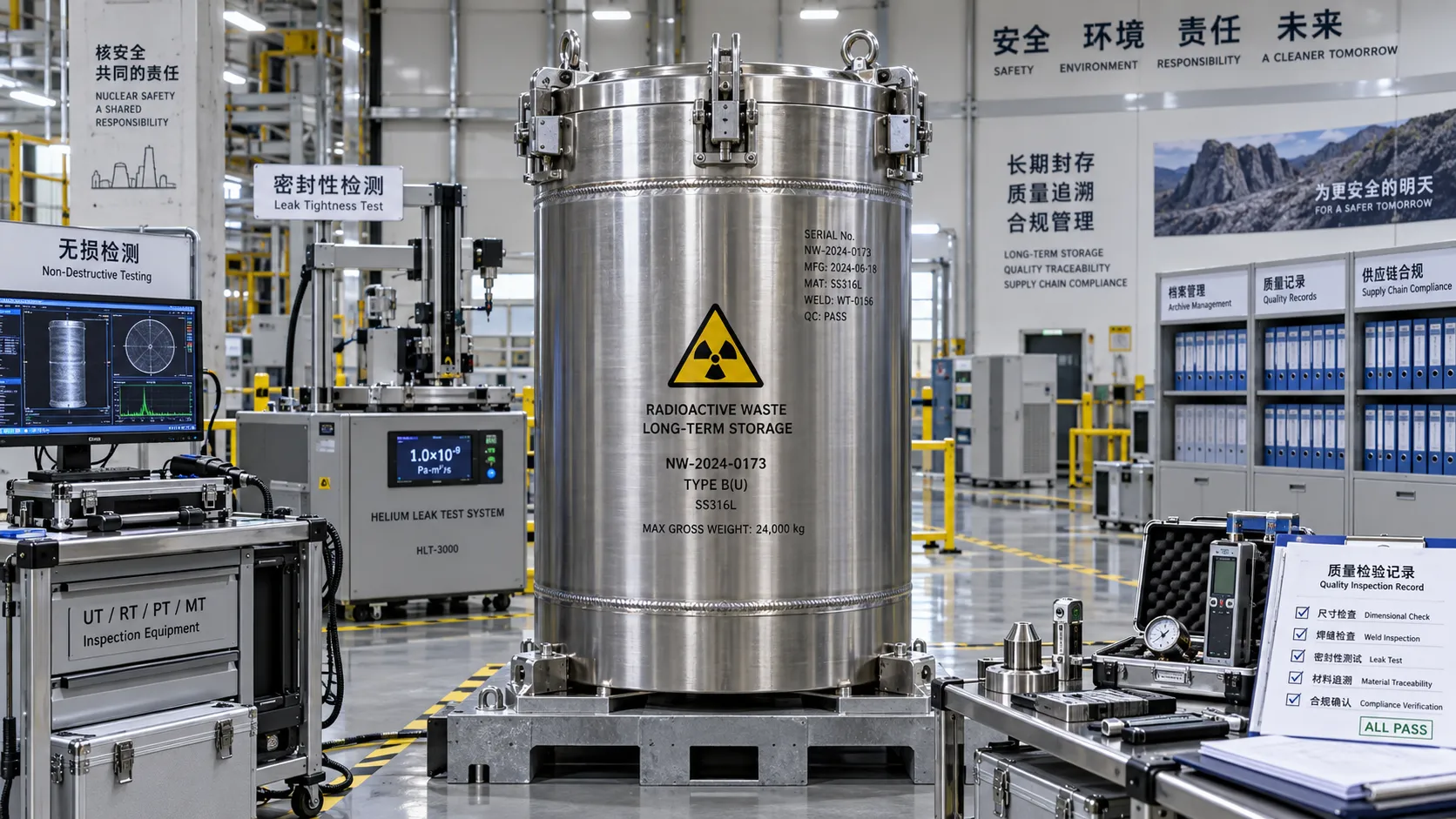
How to Qualify Nuclear Waste Supply Chain Partners for Long-Term Projects
Nuclear waste supply chain partner qualification: learn how to verify technical capability, compliance, traceability, resilience, and lifecycle support for long-term projects.