
Industry News
Curation by industry experts
Hot Articles
Popular Tags
Industrial Purification Systems for Water Reuse: Common Design Mistakes to Avoid
Industrial Purification Systems for Water Reuse: Common Design Mistakes to Avoid
Industrial purification systems for water reuse can cut freshwater demand, reduce discharge fees, and support tighter compliance goals.
Yet many systems underperform for one simple reason.
They are designed around nameplate targets, not around daily operating reality.
In practice, feedwater shifts, staffing varies, maintenance windows get delayed, and production loads rarely stay stable.
That is where common design mistakes start to show up.
For industrial purification systems for water reuse, the best design is not only efficient on paper.
It must also be stable, forgiving, and easy to run under pressure.
1. Designing for Average Feedwater Instead of Real Variability
One of the most common mistakes is sizing the system around average water quality.
Average values look clean in reports, but plants do not operate on averages.
Peak COD, TDS spikes, pH swings, oil carryover, and seasonal temperature changes drive actual performance.
When those conditions are ignored, industrial purification systems for water reuse become unstable very quickly.
Typical consequences include:
- Membrane fouling earlier than expected
- Resin exhaustion happening too fast
- Chemical dosing drifting out of control
- Reuse water quality missing production requirements
A stronger approach is to design using worst credible cases, not just median data.
Equalization tanks, blending logic, and flexible pretreatment stages often make the difference.
2. Underestimating Pretreatment Needs
Pretreatment is where many water reuse projects quietly succeed or fail.
Teams often focus on RO, UF, EDI, or advanced oxidation while treating pretreatment as a basic front end.
That usually becomes expensive later.
Industrial purification systems for water reuse depend on pretreatment that matches the real contaminant profile.
The gap often appears in streams containing:
- Suspended solids with changing particle size
- Emulsified oils and surfactants
- Silica, hardness, and scaling ions
- Biological growth potential
- Heavy metals or solvent traces
A cartridge filter alone will not protect downstream equipment from a badly characterized feed stream.
In actual operations, pretreatment needs layered barriers.
That may include screening, DAF, coagulation, pH adjustment, media filtration, activated carbon, or UF before RO.
3. Chasing Maximum Recovery Without Respecting Concentrate Risk
Higher recovery looks attractive because it lowers freshwater intake and discharge volume.
Still, pushing recovery too hard is a classic design error.
In industrial purification systems for water reuse, every extra percentage point can increase scaling, fouling, and cleaning frequency.
It can also make concentrate management much harder.
This is especially true when the project aims for ZLD or near-ZLD performance.
From a design standpoint, recovery should be based on full mass balance and scaling limits.
Before setting aggressive targets, check:
- Concentrate saturation risk across operating temperatures
- Antiscalant compatibility and limits
- Cleaning frequency at reduced flux margins
- Final disposal or further treatment options
A slightly lower recovery rate often gives better lifecycle economics than a system that constantly fights itself.
4. Ignoring Operator-Friendly Layout and Control Logic
Some systems look excellent in process diagrams and still frustrate every shift team.
That usually happens when operator workflow is not part of the design process.
Industrial purification systems for water reuse should be easy to inspect, isolate, clean, and restart.
Poor skid access, cramped valve placement, and confusing HMI screens turn routine work into avoidable risk.
Watch for these design gaps:
- No clear sample points before and after critical stages
- Instruments placed where calibration is difficult
- Alarm overload with little priority logic
- Manual interventions required for normal transitions
The better standard is simple.
If an operator cannot understand system status in seconds, the controls are not ready.
5. Leaving Out Redundancy Where It Actually Matters
Not every component needs full duplication.
But many projects cut redundancy in the wrong places to save upfront cost.
That decision usually returns later as unplanned downtime.
For industrial purification systems for water reuse, redundancy should follow criticality, failure frequency, and restart time.
High-priority items often include:
- Feed pumps and transfer pumps
- Critical analyzers and transmitters
- Chemical dosing systems
- CIP support equipment
- Control power and communication paths
A cheap single point of failure can shut down a much more expensive treatment line.
That is rarely a good trade once production losses are counted.
6. Weak Instrumentation and Limited Water Quality Visibility
You cannot protect what you cannot see.
Many industrial purification systems for water reuse still rely too heavily on periodic lab results.
Lab testing matters, but it cannot replace live process awareness.
Without reliable online data, fouling trends stay hidden until performance drops sharply.
At minimum, review whether the system includes:
- Differential pressure across filters and membranes
- Online conductivity, pH, and flow monitoring
- Tank level trends and chemical usage tracking
- Data history for recovery, flux, and rejection
Good instrumentation also supports root cause analysis.
When quality drifts, the team should know where the deviation started, not just where it was discovered.
7. Treating Maintenance as an Afterthought
A water reuse plant is not finished when commissioning ends.
Its long-term value depends on how maintainable it remains after months of real use.
Industrial purification systems for water reuse often suffer when maintenance access is limited from day one.
Common signs include:
- No room to replace membrane elements safely
- Poor access to pumps, seals, and analyzers
- CIP lines that are hard to isolate and verify
- Spare parts not aligned with local supply reality
Maintenance design should include space, drainage, lifting points, isolation valves, and realistic service intervals.
That reduces downtime and makes industrial purification systems for water reuse far more dependable over time.
A Practical Design Check Before Final Approval
Before freezing the design, run a short operational review.
Ask these questions:
- Can the system handle bad-day feedwater without immediate upset?
- Are pretreatment barriers matched to actual contaminants?
- Is recovery optimized for reliability, not only for appearance?
- Can operators sample, isolate, and troubleshoot quickly?
- Are critical failures covered by sensible redundancy?
- Will online data warn the team before quality failure occurs?
- Can maintenance be done safely within real shift conditions?
If several answers are unclear, the design still needs work.
That extra review step is usually cheaper than years of unstable operation.
Final Takeaway
Industrial purification systems for water reuse are no longer optional in many sectors.
They are becoming central to cost control, resilience, and environmental compliance.
But performance depends less on impressive specifications and more on disciplined design choices.
The most reliable industrial purification systems for water reuse are built around variability, maintainability, and operational clarity.
That means realistic feedwater assumptions, strong pretreatment, balanced recovery, useful controls, and maintenance-ready layouts.
When those basics are handled well, water reuse stops being a fragile project and becomes a dependable operating asset.
Recommended News
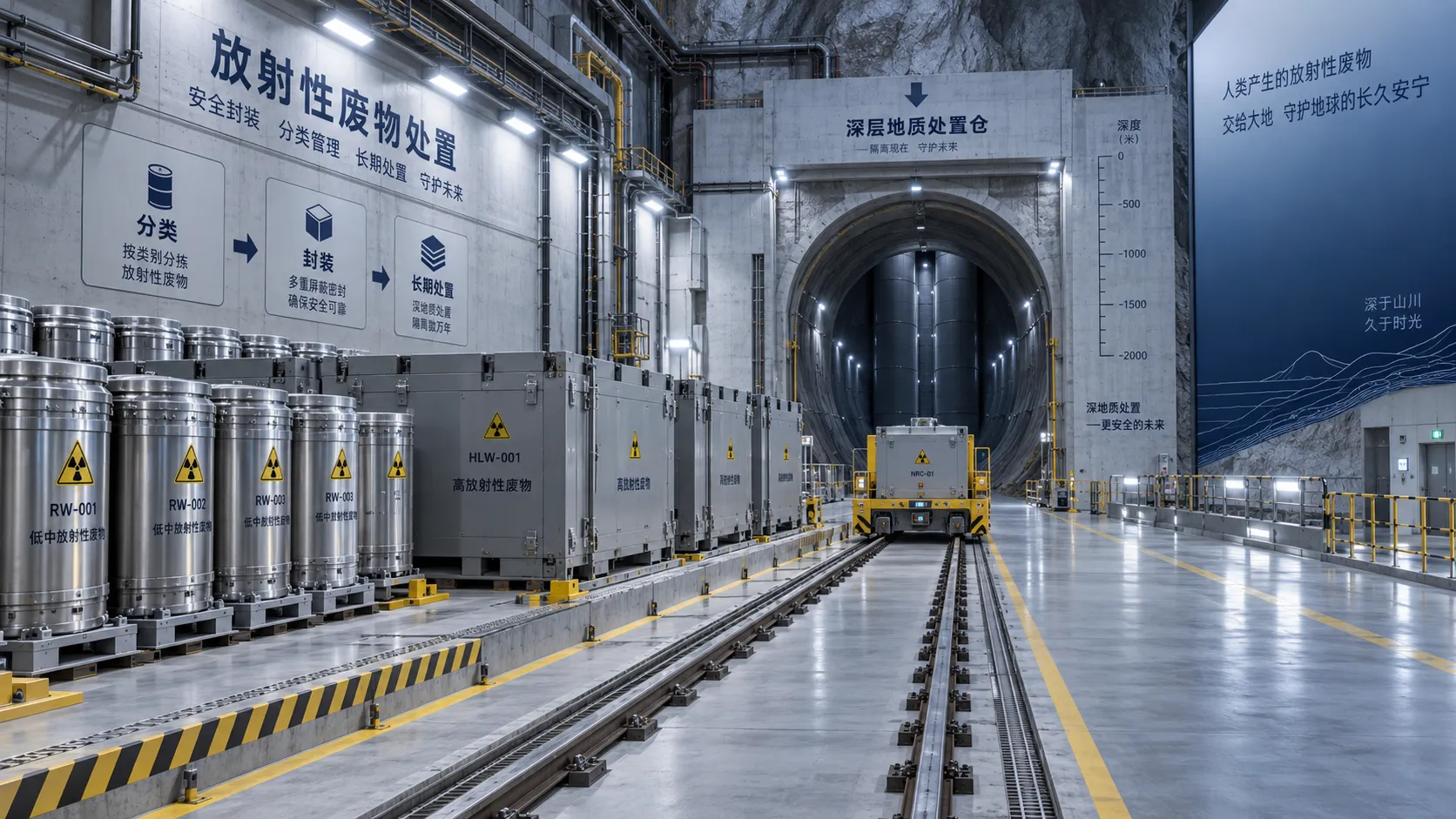
What drives radioactive waste cost over the life of a disposal project?
Radioactive waste cost depends on classification, treatment, transport, storage, disposal access, and long-term compliance. Explore the key lifecycle cost drivers.
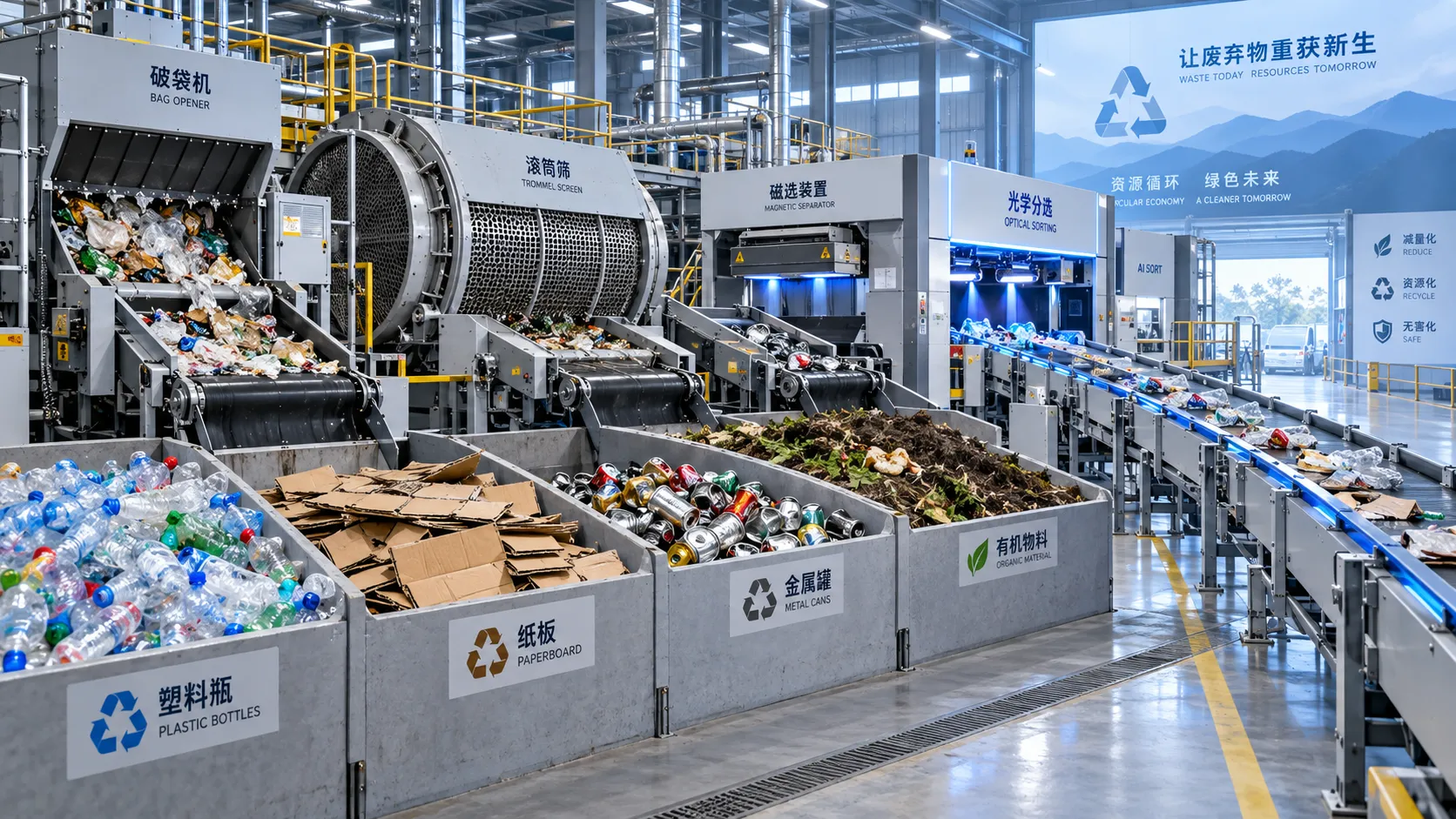
How to choose solid waste equipment based on waste stream characteristics
Environmental equipment guide for solid waste: discover how to match sorting, treatment, and recovery equipment to waste composition, moisture, contamination, and output goals.
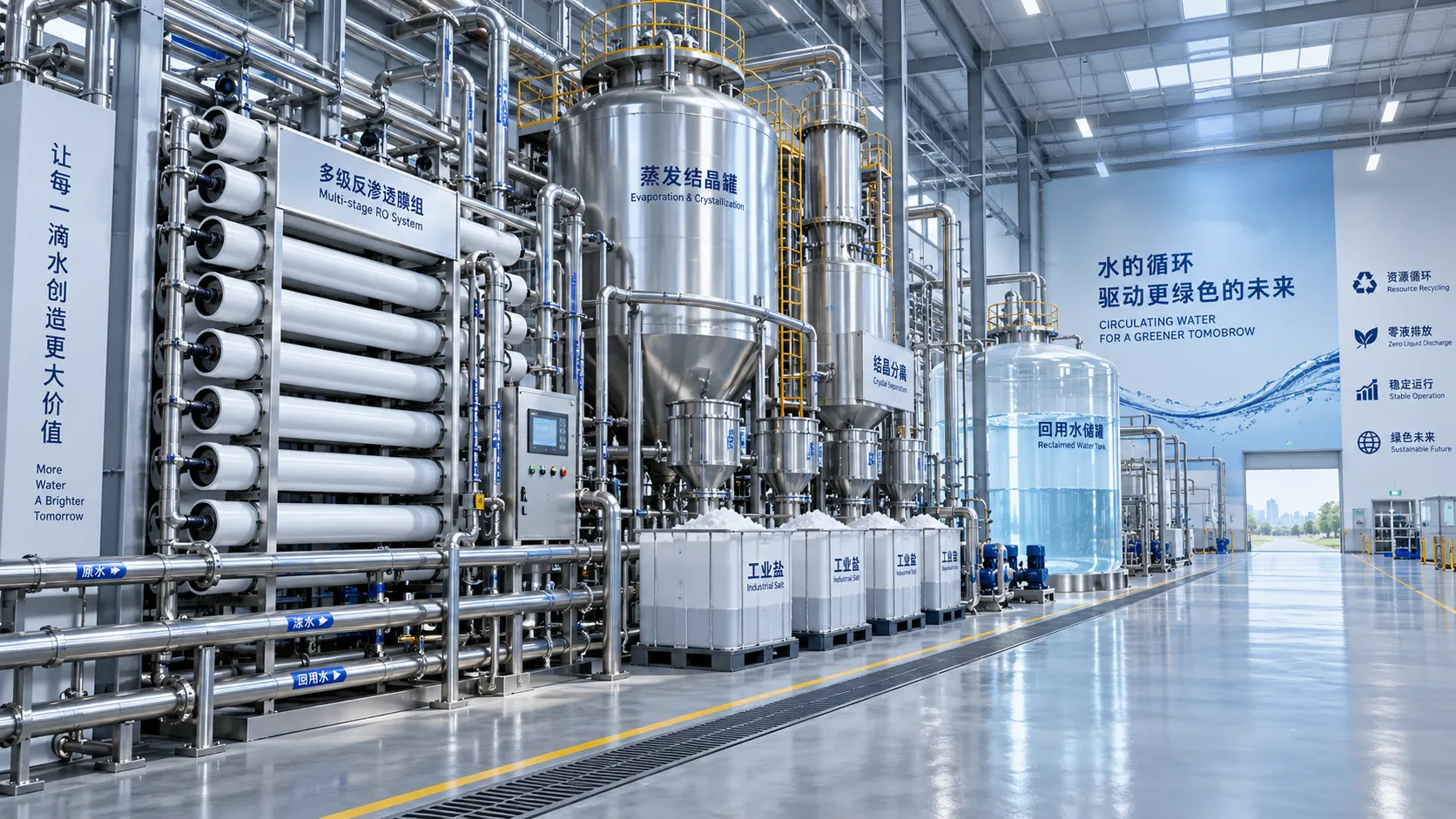
When does high recovery ZLD equipment justify its higher capital cost?
High recovery ZLD equipment can justify higher capital cost when water scarcity, discharge risks, brine disposal, and downtime threaten operations. Explore the decision factors.
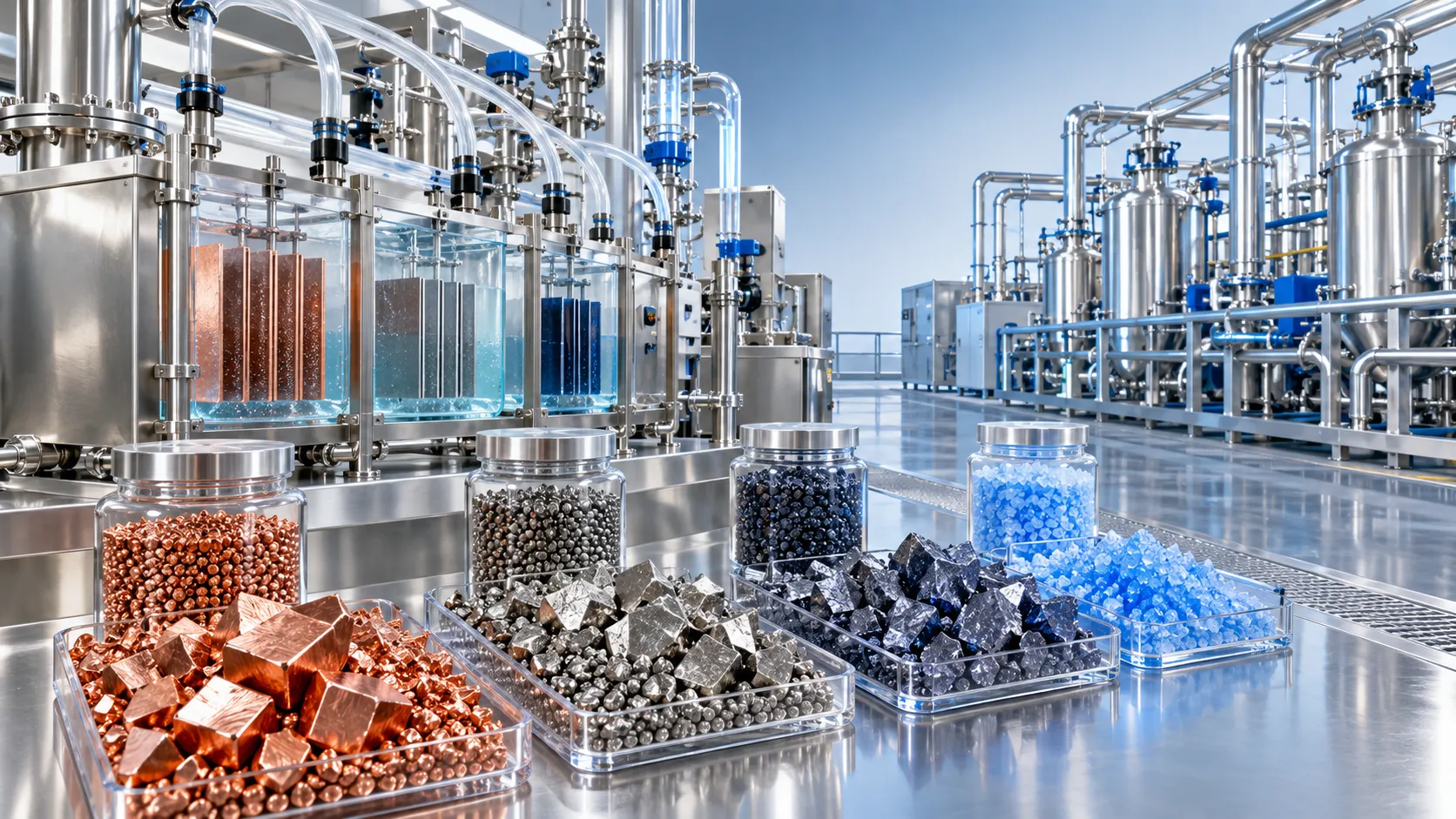
How high purity heavy metal recovery affects recovered metal value
High purity heavy metal recovery boosts recovered metal value by improving payability, reducing penalties, and unlocking stronger buyer opportunities. Explore smarter netback strategies.
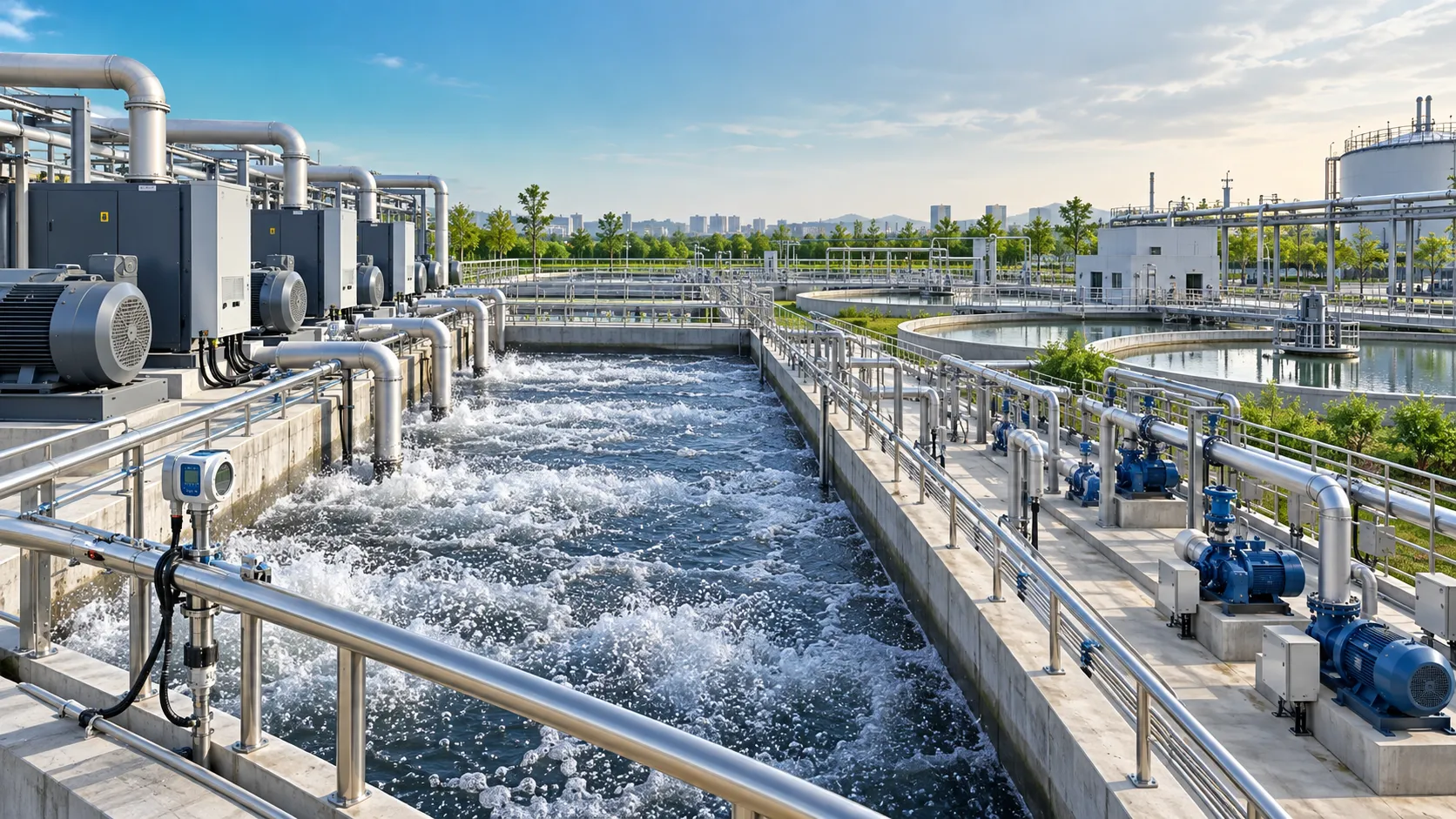
When does environmental equipment intelligence reduce wastewater plant energy use?
Environmental equipment intelligence for wastewater plants cuts energy use through smarter aeration, pumping, and data-driven controls—without compromising compliance. Discover when it delivers measurable savings.
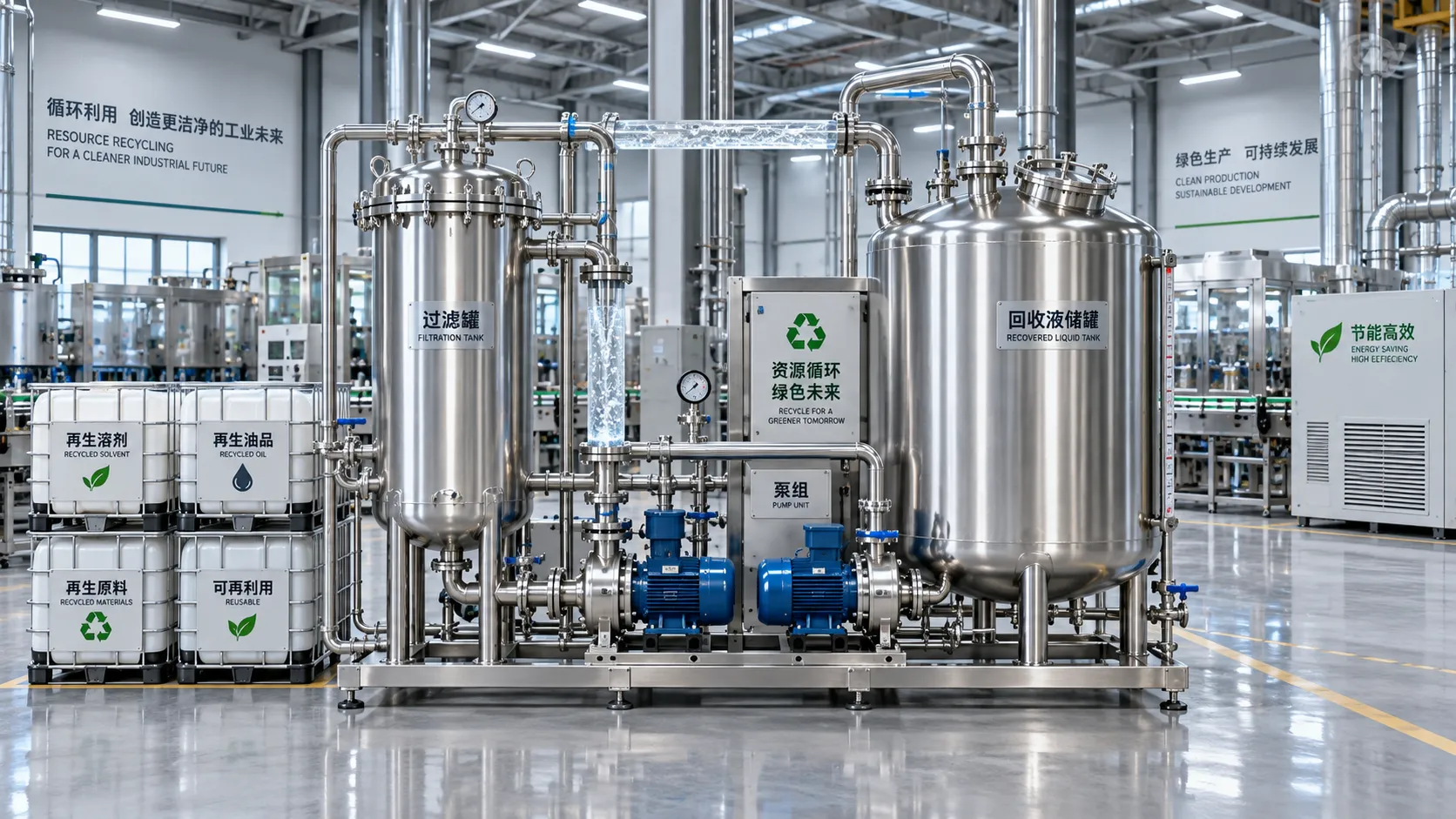
How to Calculate Product Recovery System Payback from Yield, Energy, and Labor Savings
Product recovery system payback: learn to model yield value, energy and labor savings, operating costs, and scenarios for a defensible capital approval case.
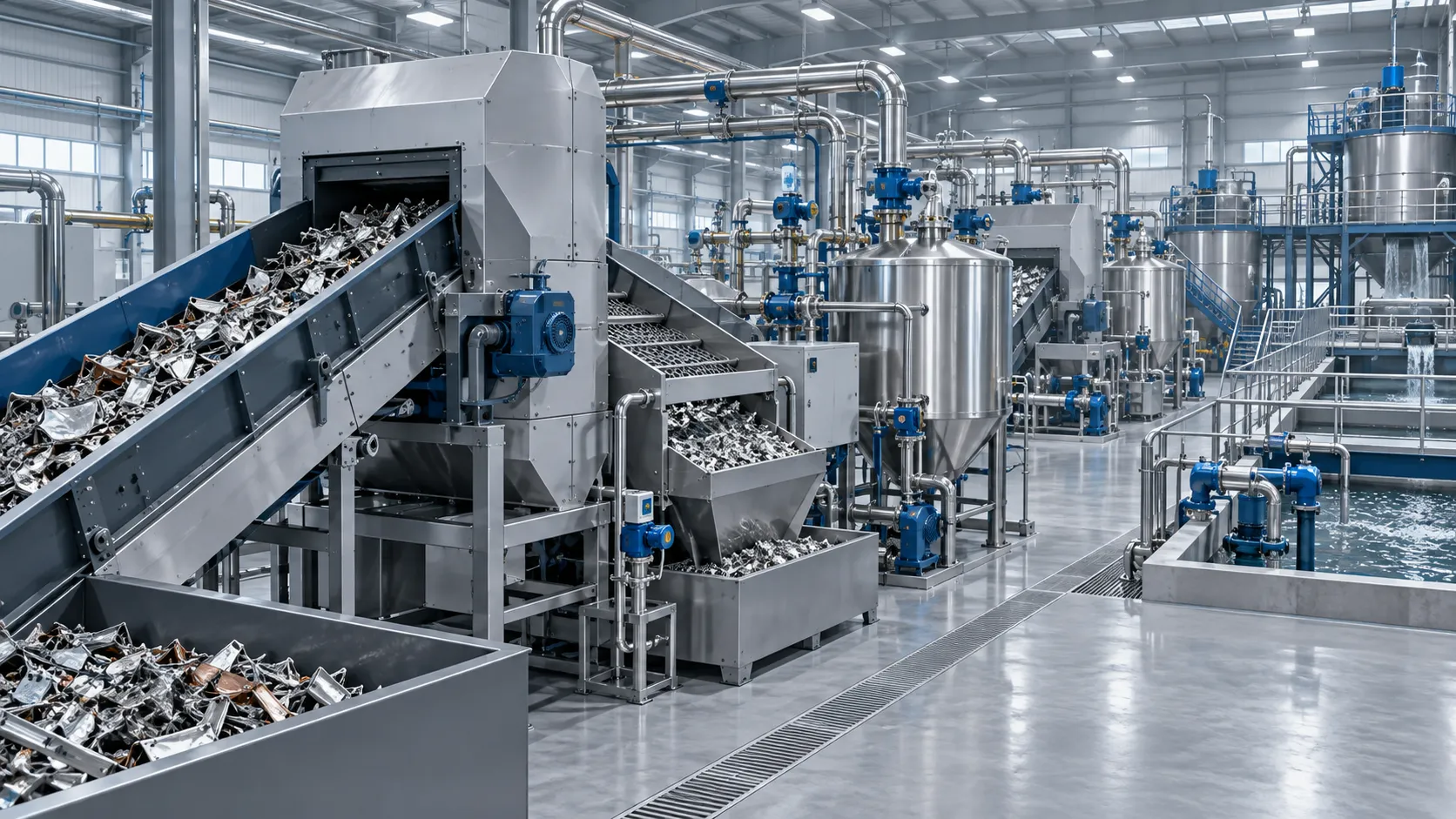
What Makes Metals Recovery Infrastructure Repeatable Across Multiple Plant Sites?
Repeatable metals recovery infrastructure: learn how standardized processes, modular design, data control, and compliance-ready systems enable scalable multi-site recovery plants.
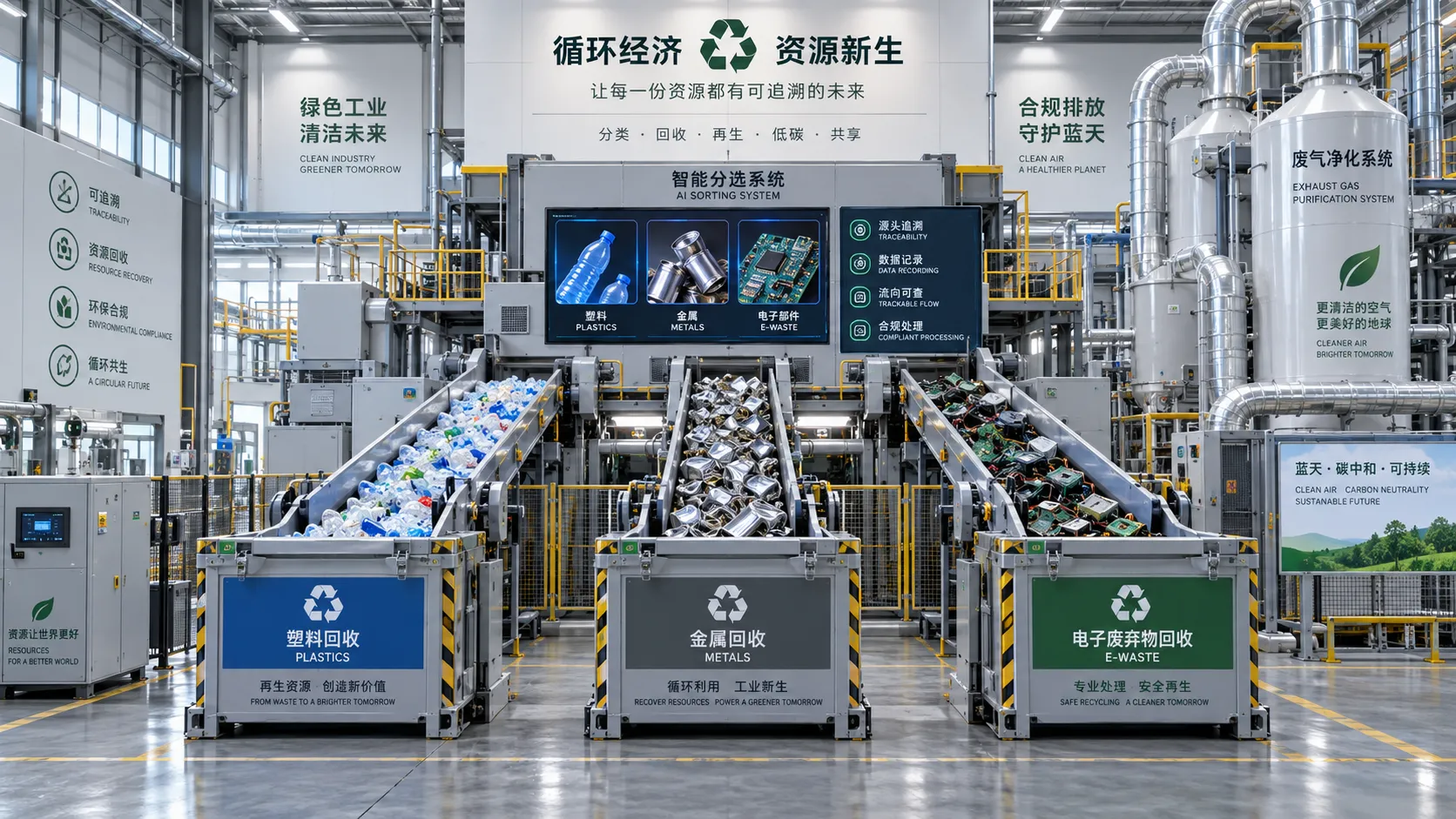
Waste Management and Circular Economy Regulations to Watch in 2025–2026
Recent regulatory updates in waste management and circular economy 2025-2026: explore PPWR, EPR, waste shipments, PFAS controls, and practical compliance steps.
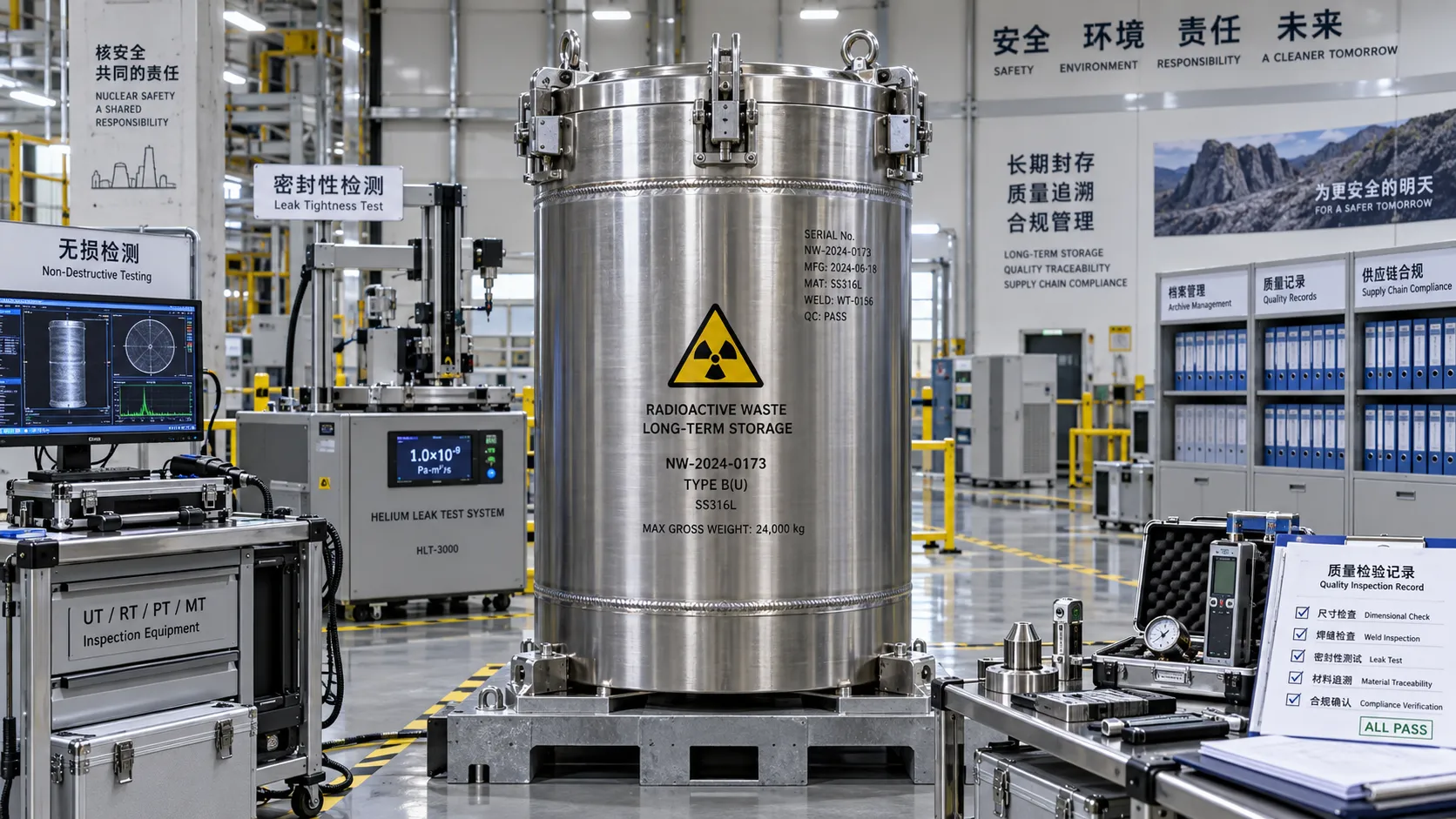
How to Qualify Nuclear Waste Supply Chain Partners for Long-Term Projects
Nuclear waste supply chain partner qualification: learn how to verify technical capability, compliance, traceability, resilience, and lifecycle support for long-term projects.