
Industry News
Curation by industry experts
Hot Articles
Popular Tags
Advanced Oxidation Equipment CE: Key Compliance Checks Before Installation
Before any reactor is energized, advanced oxidation equipment CE review sets the baseline for safe startup, lawful placement, and dependable long-term operation. In high-load environmental treatment projects, that review matters well beyond documentation, because installation errors, incomplete declarations, or mismatched protective components can turn a compliant design into a site-level risk.
That is why advanced oxidation equipment CE has become a practical checkpoint across water treatment, waste recovery, desalination support systems, and other process-intensive facilities tracked by ESD. The issue is not only whether a unit carries a mark, but whether the installed system actually aligns with the directives, hazards, and operating conditions behind that mark.
What advanced oxidation equipment CE really covers
Advanced oxidation systems destroy difficult pollutants through strong reactive species, often generated by ozone, UV, hydrogen peroxide, catalysts, or combined oxidation trains. These systems are common where conventional treatment cannot reliably remove refractory organics, color, odor, toxic residues, or trace contaminants.
In practice, advanced oxidation equipment CE is not a single technical test. It is a conformity framework tied to the product’s design, electrical safety, mechanical integrity, control logic, documentation, and intended use within the European market.
Depending on the configuration, the assessment may involve the Machinery framework, Low Voltage requirements, EMC controls, pressure-related obligations, chemical exposure protection, and site integration rules. The CE mark only has value when those dimensions are consistent and traceable.
Why the topic matters more now
Environmental projects are moving toward harsher influent profiles, tighter discharge permits, and more automated operation. As treatment intensity increases, oxidation equipment is being deployed in spaces where chemical dosing, off-gas handling, remote controls, and energy management interact closely.
That complexity raises the compliance stakes. A UV skid installed beside corrosive pretreatment lines, or an ozone package connected to an existing plant DCS, may face hazards not obvious from a standalone factory acceptance test.
ESD follows this shift across large water treatment plants, industrial resource recovery, and desalination-linked polishing systems. The broader trend is clear: buyers and operators are no longer satisfied with a label alone. They want evidence that advanced oxidation equipment CE remains valid after transport, assembly, and site customization.
The first check is scope, not paperwork
A frequent mistake is starting with the Declaration of Conformity before confirming what exactly was certified. Many systems reach site as skids, modules, or partly completed assemblies. The compliance scope may exclude external tanks, vent lines, cable routing, or customer-supplied safety interlocks.
This matters because the installed boundary determines responsibility. If a local integrator adds pumps, rewires alarms, changes cabinet ventilation, or revises dosing logic, the original advanced oxidation equipment CE basis may no longer reflect the final machine.
The practical review should answer three questions early:
- What equipment is covered by the supplier’s CE declaration?
- Which items are site-built or customer-provided?
- Does the installed configuration change the original risk profile?
Documents that should be checked before installation starts
The documentation package should be treated as an operating control, not as a filing exercise. Missing or vague records often point to deeper design gaps.
If any of these items conflict with the delivered hardware, advanced oxidation equipment CE should be treated as unresolved until the differences are closed.
Critical technical checks on site
Electrical safety and control integrity
Advanced oxidation units often combine high-energy components with humid, corrosive process areas. Check enclosure ratings, cable segregation, grounding continuity, overload protection, and lockable isolation points before power-up.
Control changes deserve special attention. Revised PLC logic, bypassed permissives, or field-added sensors can undermine the tested safety sequence. This is one of the most common ways advanced oxidation equipment CE compliance weakens after delivery.
Chemical and process hazard containment
Ozone leaks, peroxide decomposition, UV exposure, and off-gas accumulation are site risks that cannot be managed by paperwork alone. Ventilation, destruct units, bunding, drainage direction, and gas detection placement should match the actual room layout.
Where oxidation skids are linked to upstream equalization or downstream polishing, process upsets should also be reviewed. Overdosing, pressure spikes, or incompatible residuals may create hazards beyond the packaged unit.
Mechanical and pressure-related interfaces
Pipe supports, flexible connectors, valve accessibility, and pressure relief paths are often treated as construction details. In reality, they directly affect conformity, because vibration, dead legs, blocked vents, or incorrect materials can alter the safety envelope.
When the system includes pressurized ozone generation, contact vessels, or dosing loops, the installation should be reviewed against the declared pressure category and the specified operating range.
Where compliance failures usually appear
Most problems do not come from a missing CE mark. They appear in the gap between shipped equipment and field reality.
- Manuals describe indoor use, but the skid is installed outdoors.
- Supplier drawings show one earthing arrangement, while site wiring uses another.
- Emergency stops exist, but cannot be reached from chemical handling points.
- The declaration lists standards, yet protective devices differ from those specified.
- Customer modifications create a new assembly without updated conformity review.
These are not minor discrepancies. In regulated treatment infrastructure, they can delay handover, complicate insurance review, and weaken defensibility after an incident.
How to interpret advanced oxidation equipment CE across sectors
The same compliance logic applies differently across ESD’s tracked sectors. In municipal or industrial water treatment, the focus may be oxidation performance, operator exposure, and integration with ZLD or reuse systems.
In solid waste recovery, advanced oxidation may support leachate control, odor treatment, or contaminated water loops, where variable feed quality makes control stability more important. In desalination support lines, attention often shifts to pretreatment compatibility, brine-side materials, and remote coastal operating conditions.
Even where advanced oxidation is a secondary process, advanced oxidation equipment CE still affects procurement quality, startup readiness, and lifecycle reliability. That is why ESD’s intelligence lens connects equipment detail with broader compliance strategy, including cross-border project delivery and stricter environmental governance expectations.
A practical pre-installation review path
A workable review process is usually more valuable than a long checklist. The objective is to confirm that declared conformity survives contact with the actual site.
- Define the final equipment boundary, including utilities, ancillaries, and local modifications.
- Match the declaration and manuals to the delivered serial numbers and revision status.
- Review electrical, mechanical, and chemical safeguards against the real installation environment.
- Document deviations before energization, not during commissioning pressure.
- Require updated conformity evidence when design changes alter risk or function.
This approach keeps advanced oxidation equipment CE tied to operational reality. It also improves handover quality, because later maintenance and incident review depend on the same traceable decisions.
What to review next
Before installation proceeds, compare the equipment declaration, risk file, and site integration drawings as one package. That combined view usually exposes the real compliance picture faster than checking each document in isolation.
For projects involving customized oxidation trains, retrofit work, or high-consequence treatment duties, the next sensible step is to map every field modification against the original conformity scope. That is where advanced oxidation equipment CE stops being a label and becomes a usable control for safer, more reliable project delivery.
Recommended News
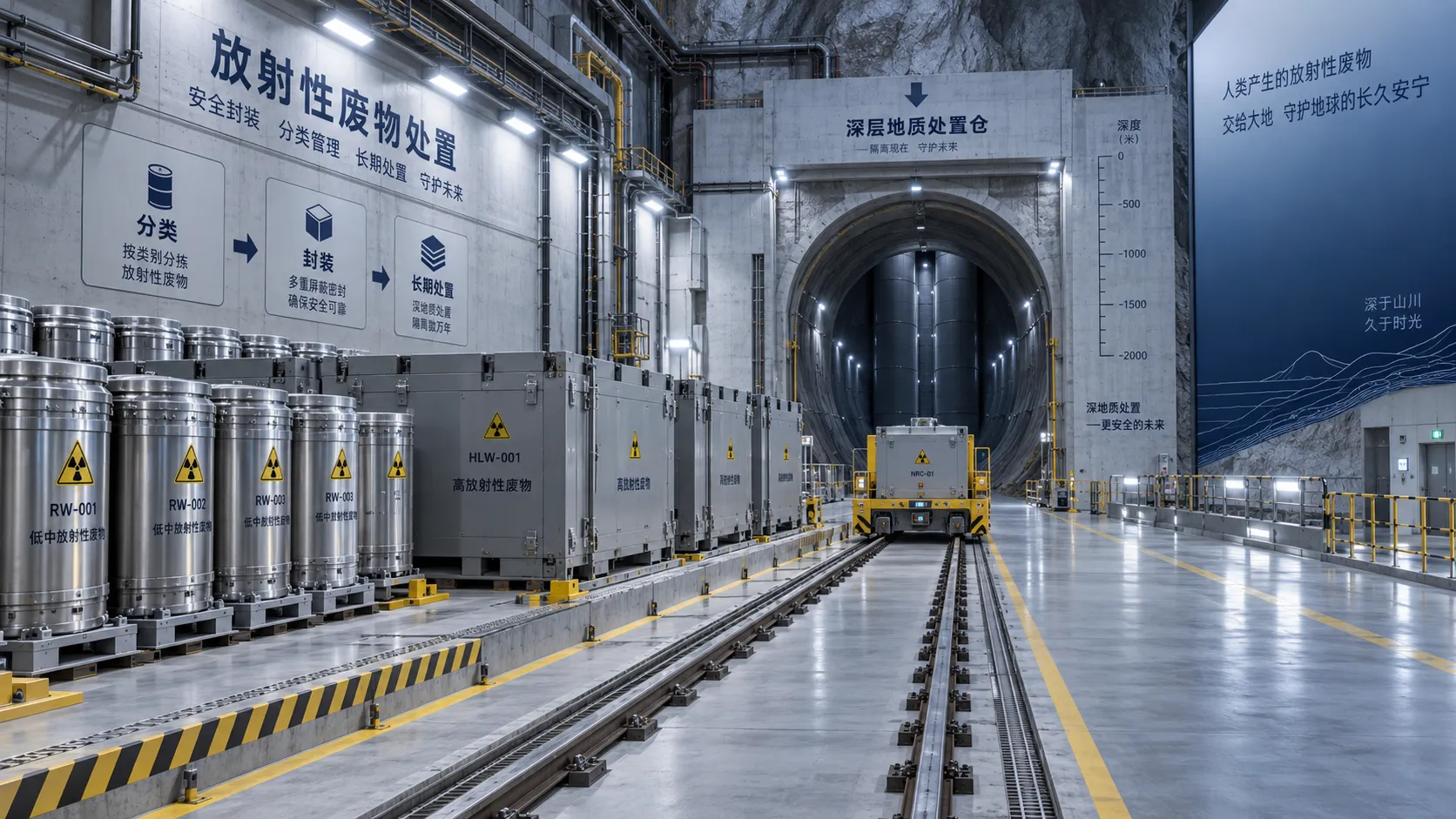
What drives radioactive waste cost over the life of a disposal project?
Radioactive waste cost depends on classification, treatment, transport, storage, disposal access, and long-term compliance. Explore the key lifecycle cost drivers.
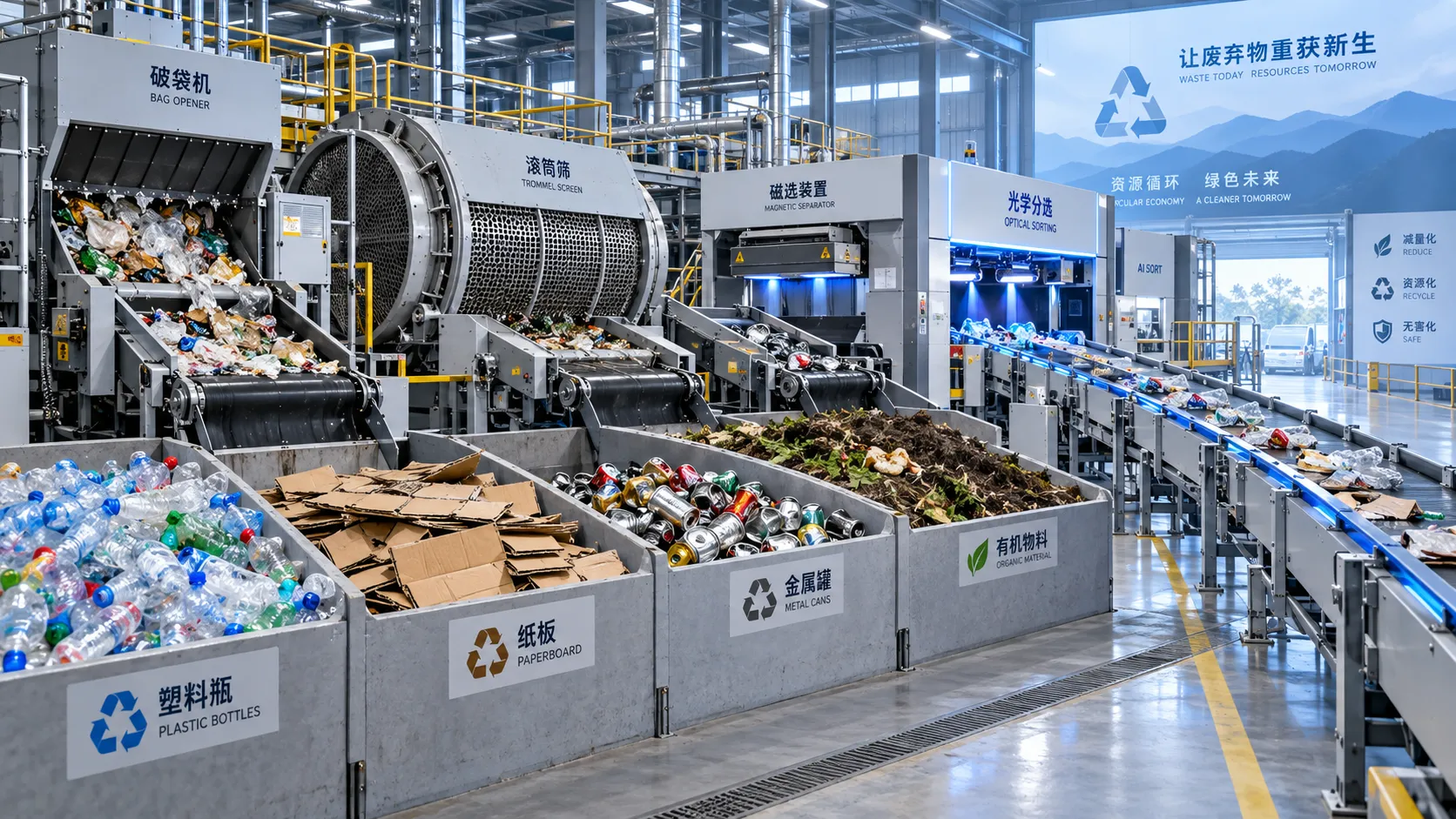
How to choose solid waste equipment based on waste stream characteristics
Environmental equipment guide for solid waste: discover how to match sorting, treatment, and recovery equipment to waste composition, moisture, contamination, and output goals.
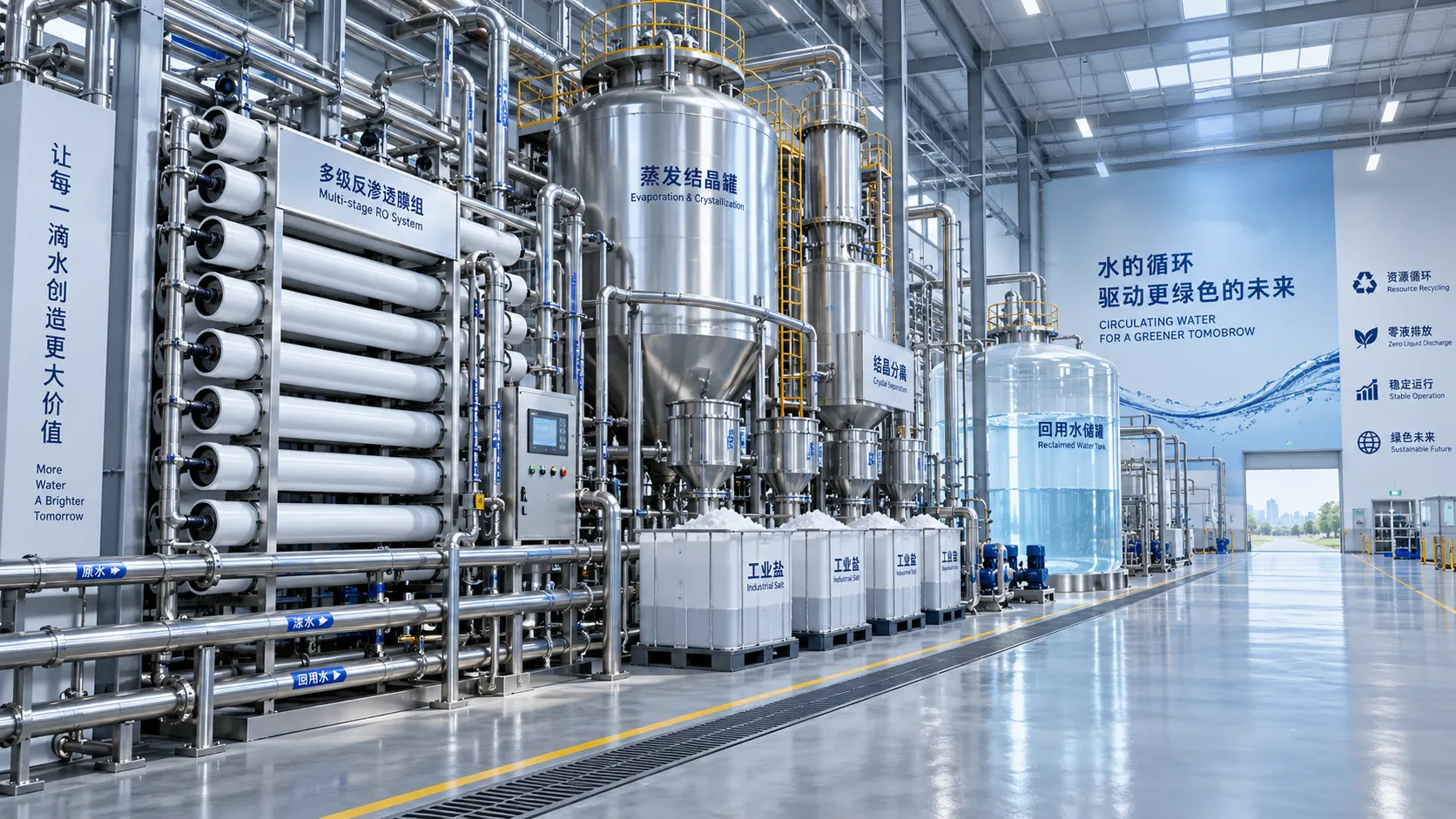
When does high recovery ZLD equipment justify its higher capital cost?
High recovery ZLD equipment can justify higher capital cost when water scarcity, discharge risks, brine disposal, and downtime threaten operations. Explore the decision factors.

How high purity heavy metal recovery affects recovered metal value
High purity heavy metal recovery boosts recovered metal value by improving payability, reducing penalties, and unlocking stronger buyer opportunities. Explore smarter netback strategies.
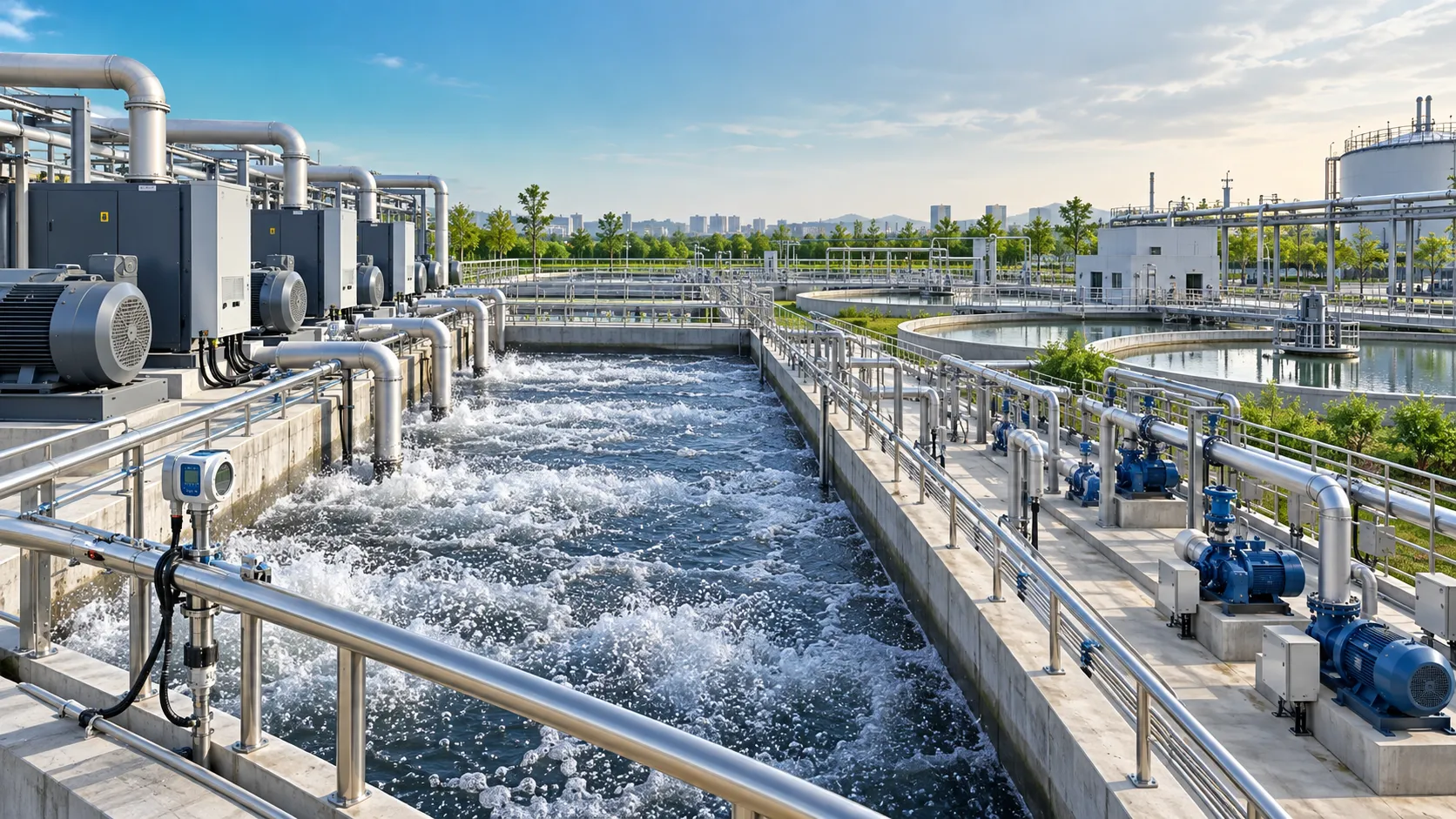
When does environmental equipment intelligence reduce wastewater plant energy use?
Environmental equipment intelligence for wastewater plants cuts energy use through smarter aeration, pumping, and data-driven controls—without compromising compliance. Discover when it delivers measurable savings.
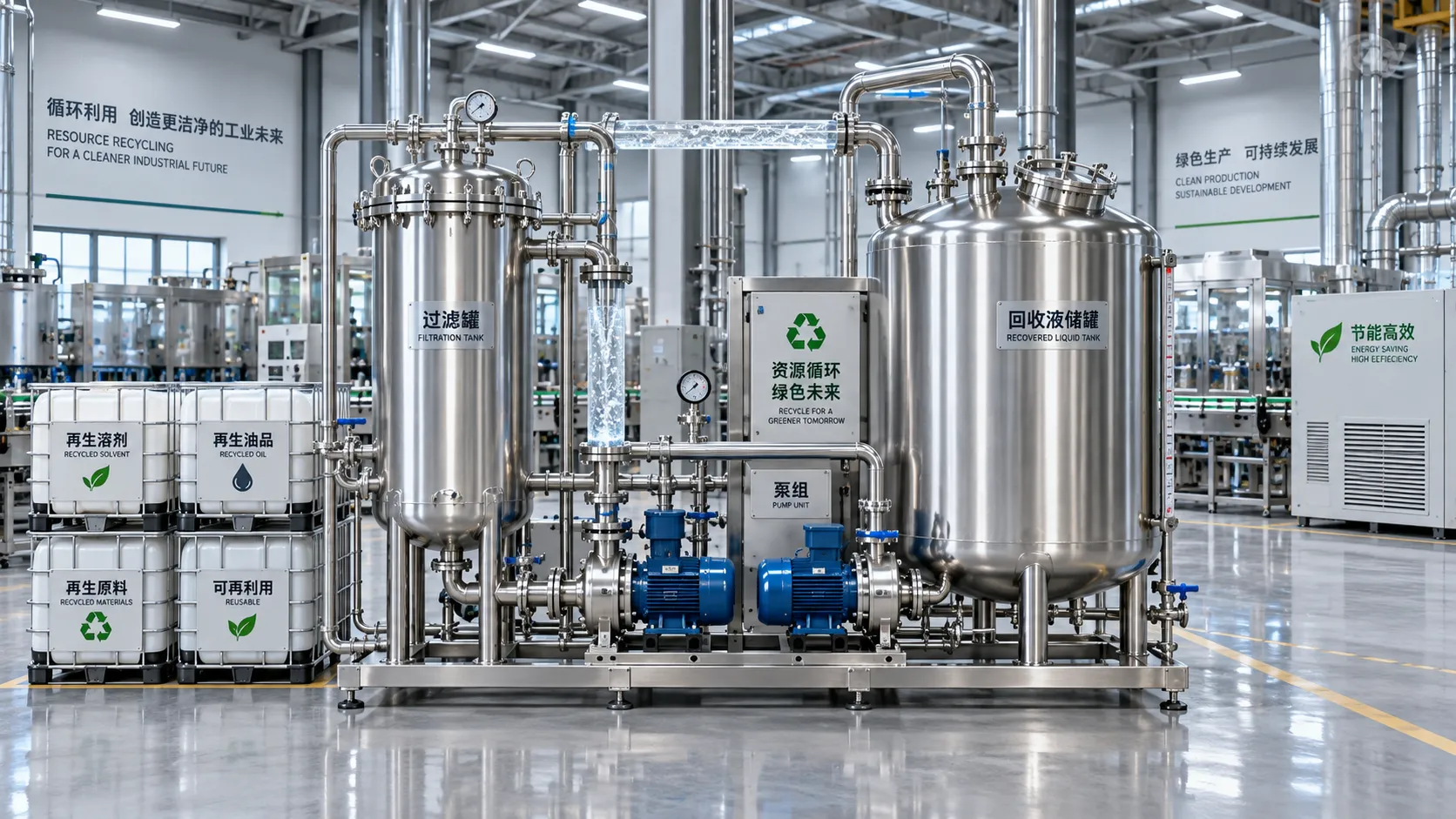
How to Calculate Product Recovery System Payback from Yield, Energy, and Labor Savings
Product recovery system payback: learn to model yield value, energy and labor savings, operating costs, and scenarios for a defensible capital approval case.
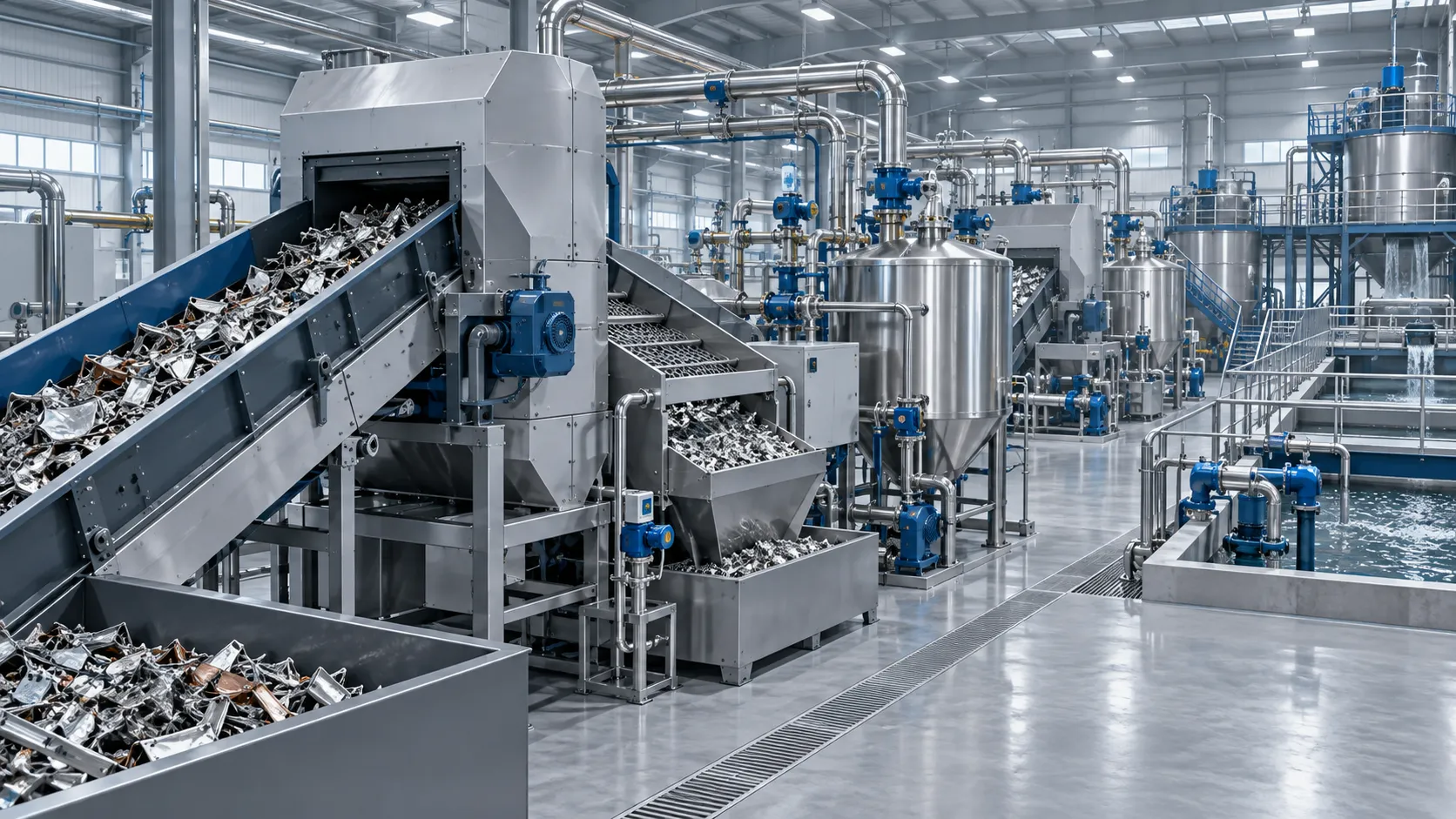
What Makes Metals Recovery Infrastructure Repeatable Across Multiple Plant Sites?
Repeatable metals recovery infrastructure: learn how standardized processes, modular design, data control, and compliance-ready systems enable scalable multi-site recovery plants.
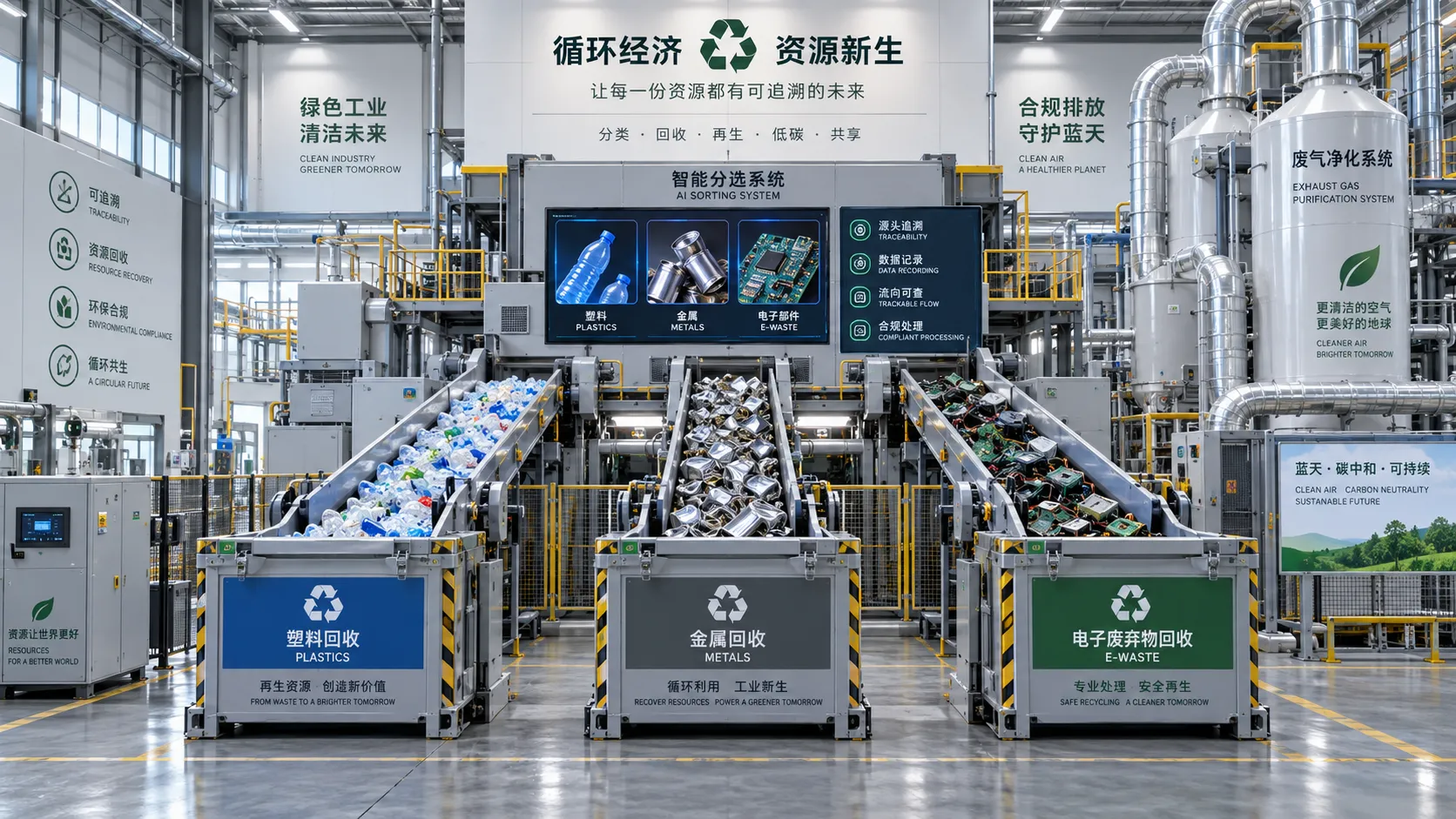
Waste Management and Circular Economy Regulations to Watch in 2025–2026
Recent regulatory updates in waste management and circular economy 2025-2026: explore PPWR, EPR, waste shipments, PFAS controls, and practical compliance steps.
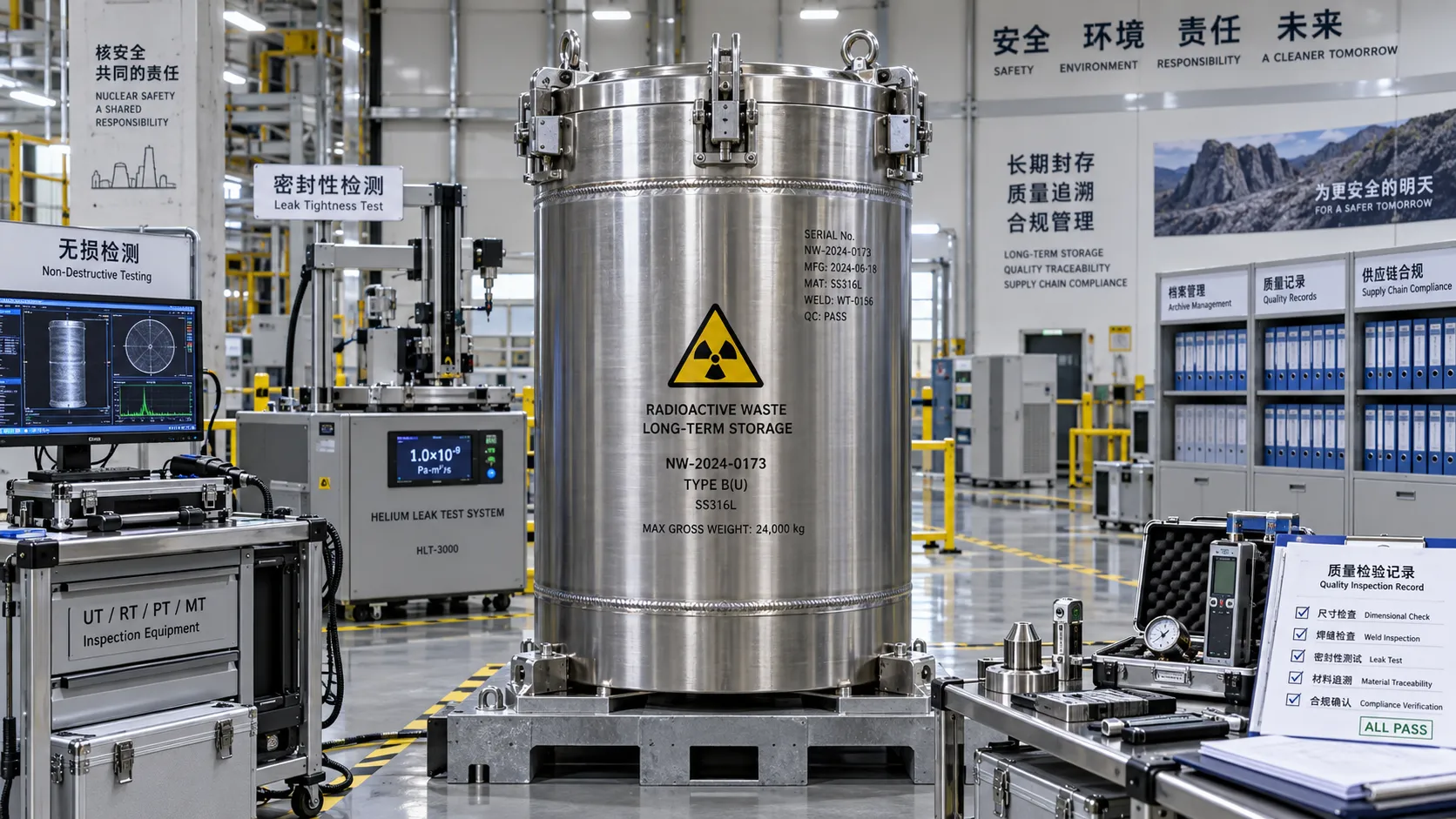
How to Qualify Nuclear Waste Supply Chain Partners for Long-Term Projects
Nuclear waste supply chain partner qualification: learn how to verify technical capability, compliance, traceability, resilience, and lifecycle support for long-term projects.