
Industry News
Curation by industry experts
Hot Articles
Popular Tags
Nuclear Waste Treatment Systems Price: What Drives Total Project Cost
Nuclear Waste Treatment Systems Price: What Drives Total Project Cost
For financial decision-makers, understanding the nuclear waste treatment systems price means looking far beyond equipment tags.
Total project cost is shaped by waste classification, shielding requirements, treatment technology, regulatory compliance, long-term monitoring, and site-specific engineering risks.
This guide explains the main cost drivers behind capital approval.
It also helps compare supplier proposals with more confidence and less guesswork.
Why Nuclear Waste Treatment Systems Price Is Never Just an Equipment Quote
The first mistake in cost review is treating the nuclear waste treatment systems price like a standard industrial package.
In reality, the quoted unit often covers only core process equipment.
The final budget usually expands through civil works, shielding, automation, validation, licensing, and long-term waste handling obligations.
That is why two offers with similar process capacity can show very different total installed cost.
From a procurement view, the right question is not only price per unit, but price per compliant outcome.
Waste Type Is the First Cost Multiplier
The nuclear waste treatment systems price changes quickly once waste characteristics become clear.
Low-level waste, intermediate-level waste, and high-activity streams require very different process routes.
Liquid waste may need evaporation, ion exchange, membrane separation, or chemical precipitation.
Solid waste may require compaction, encapsulation, thermal treatment, or vitrification support systems.
Mixed waste raises costs further because radiological hazards and hazardous chemicals must be handled together.
The more variable the waste profile, the less reliable a simple catalog quote becomes.
Questions that change budget assumptions
- What radionuclides are present, and at what activity levels?
- Is the waste liquid, slurry, resin, sludge, ash, or mixed solid?
- How stable is the feed composition over time?
- What final waste form is required for storage, transport, or disposal?
- Will the system process routine volumes or irregular peak loads?
Shielding, Containment, and Safety Layers Push Cost Up Fast
Safety design is one of the biggest reasons the nuclear waste treatment systems price rises beyond initial expectations.
Shielded cells, remote handling, sealed transfer lines, ventilation control, and contamination barriers add major capital cost.
These features also increase fabrication complexity, installation time, and commissioning effort.
In higher hazard applications, redundancy is not optional.
Backup power, duplicate monitoring points, fail-safe valves, and emergency isolation systems all expand the bill.
This also means the cheapest supplier proposal may simply be excluding essential safety scope.
Technology Choice Has a Direct Effect on Nuclear Waste Treatment Systems Price
Different process technologies create very different cost structures.
Some systems are cheaper to buy but expensive to operate.
Others have higher upfront cost but better lifecycle economics.
In practical procurement, technology selection should reflect total cost of ownership, not only bid price.
That includes consumables, downtime risk, labor intensity, and the cost of secondary waste treatment.
Compliance and Licensing Often Sit Outside the Initial Quote
A realistic nuclear waste treatment systems price must include the cost of proving compliance.
This is where many procurement reviews become too narrow.
Documentation, safety case support, environmental permits, quality assurance records, and regulator reviews consume both time and money.
Nuclear-grade traceability requirements also affect supplier qualification and material sourcing.
If a proposal looks unusually low, check whether licensing support is included or shifted back to the owner.
Typical hidden compliance costs
- Factory acceptance testing with nuclear documentation standards
- Site acceptance testing and performance verification
- Radiation monitoring calibration and certification
- Operator training and procedure validation
- Independent review, audit support, and regulatory response cycles
Site Conditions and Integration Scope Shape the Final Capital Number
Site-specific engineering can change the nuclear waste treatment systems price more than many buyers expect.
Retrofitting inside an operating nuclear facility is usually far more expensive than building into planned infrastructure.
Access limits, radiation zones, shutdown windows, and existing utility constraints all affect installation productivity.
Integration with plant control systems can also add cost.
The same applies to tie-ins for off-gas treatment, effluent handling, waste packaging, and secure material transfer.
A quote that excludes these interfaces may look efficient on paper but fail in total project comparison.
Operating Cost Matters as Much as Purchase Cost
For long-life assets, the nuclear waste treatment systems price should be reviewed alongside annual operating expense.
This includes utilities, chemicals, filter media, resin replacement, maintenance labor, spare parts, and analytical testing.
More importantly, it includes what the system leaves behind.
Secondary waste can become a large downstream liability if volume reduction is poor.
In actual business cases, this is often where a low-capex system loses its advantage.
The better proposal is often the one that lowers disposal cost over ten to twenty years.
How to Compare Vendor Proposals Without Missing Major Cost Risk
A disciplined review process makes the nuclear waste treatment systems price easier to evaluate.
- Separate equipment cost from full installed cost.
- Test whether the same waste assumptions were used by all bidders.
- Identify excluded scope for shielding, civil works, and compliance support.
- Model energy, consumables, and secondary waste disposal over asset life.
- Assign contingency based on licensing uncertainty and site integration complexity.
This approach shifts procurement from quote comparison to risk-adjusted capital planning.
That is usually where stronger approvals are built.
A Practical View of Budget Planning
From a budgeting perspective, the nuclear waste treatment systems price should be framed in layers.
- Core process package
- Shielding and containment infrastructure
- Site installation and integration
- Licensing, validation, and documentation
- Operating cost over the target planning horizon
- Contingency for regulatory and technical change
When those layers are visible, supplier discussions become more productive.
The review also becomes easier to defend internally.
That matters because nuclear projects are rarely delayed by price alone.
They are delayed by uncertainty hidden inside the price.
A stronger cost model starts with the right question: what does this system truly cost to own, approve, and operate compliantly?
Recommended News
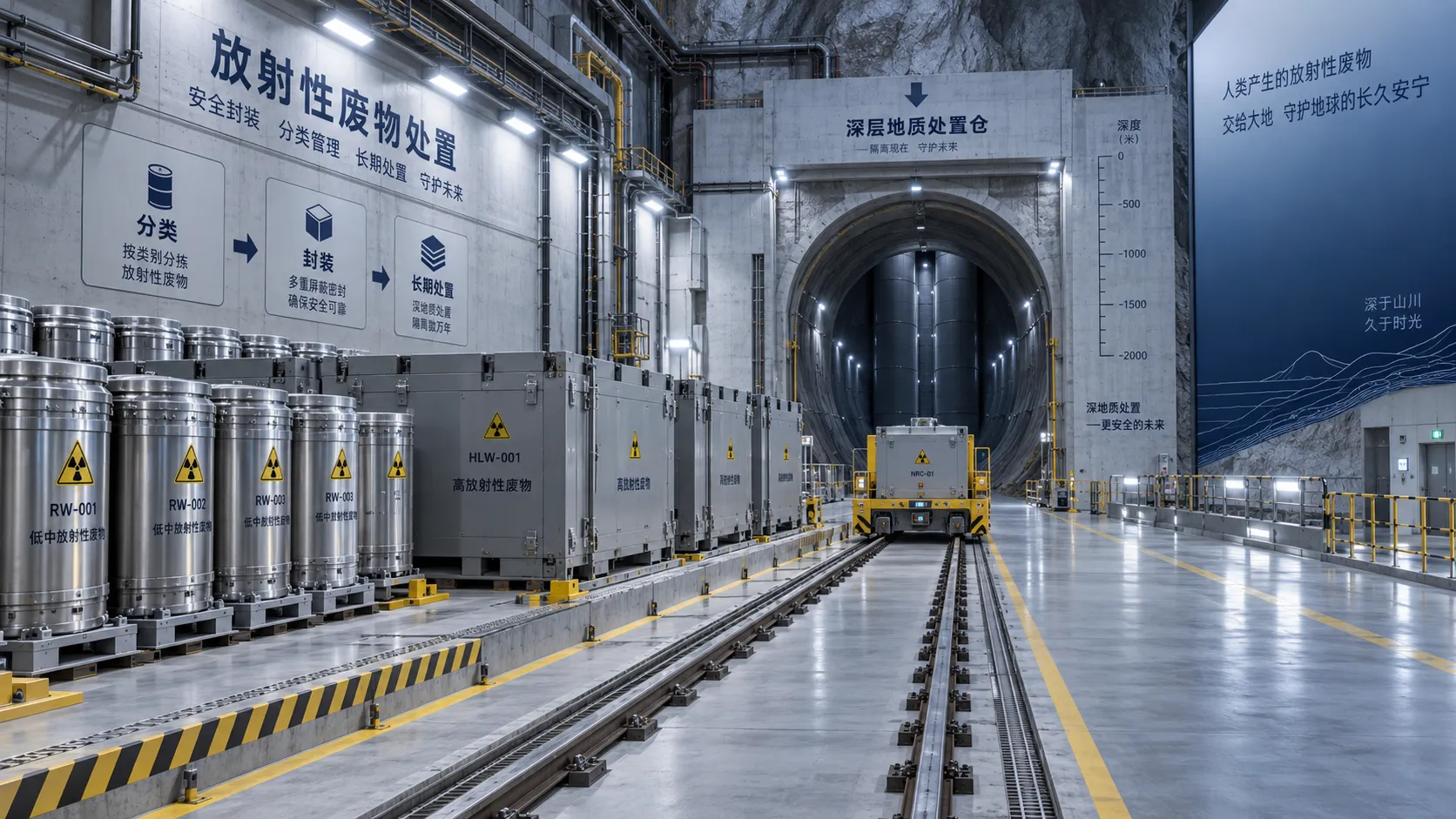
What drives radioactive waste cost over the life of a disposal project?
Radioactive waste cost depends on classification, treatment, transport, storage, disposal access, and long-term compliance. Explore the key lifecycle cost drivers.
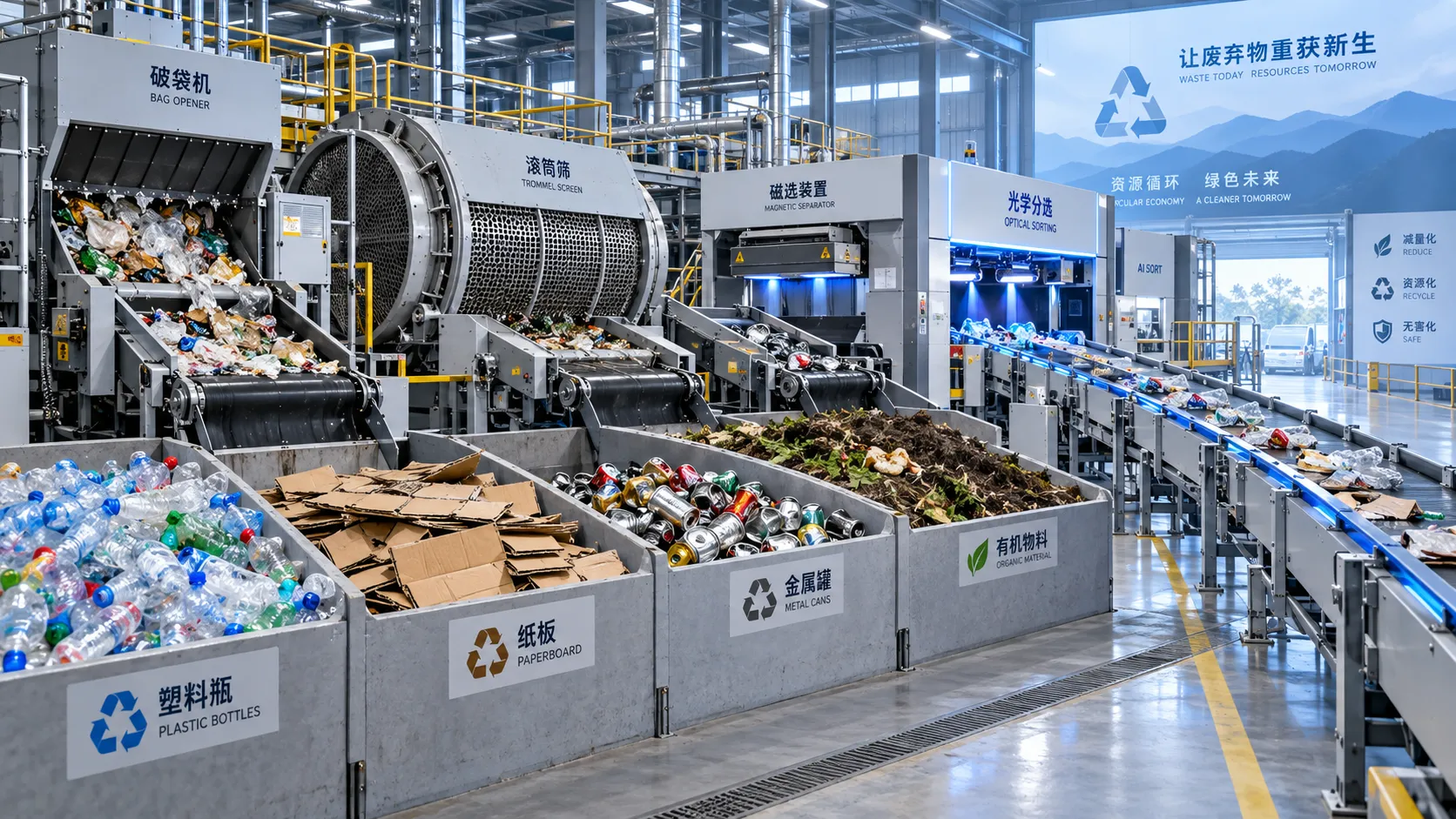
How to choose solid waste equipment based on waste stream characteristics
Environmental equipment guide for solid waste: discover how to match sorting, treatment, and recovery equipment to waste composition, moisture, contamination, and output goals.
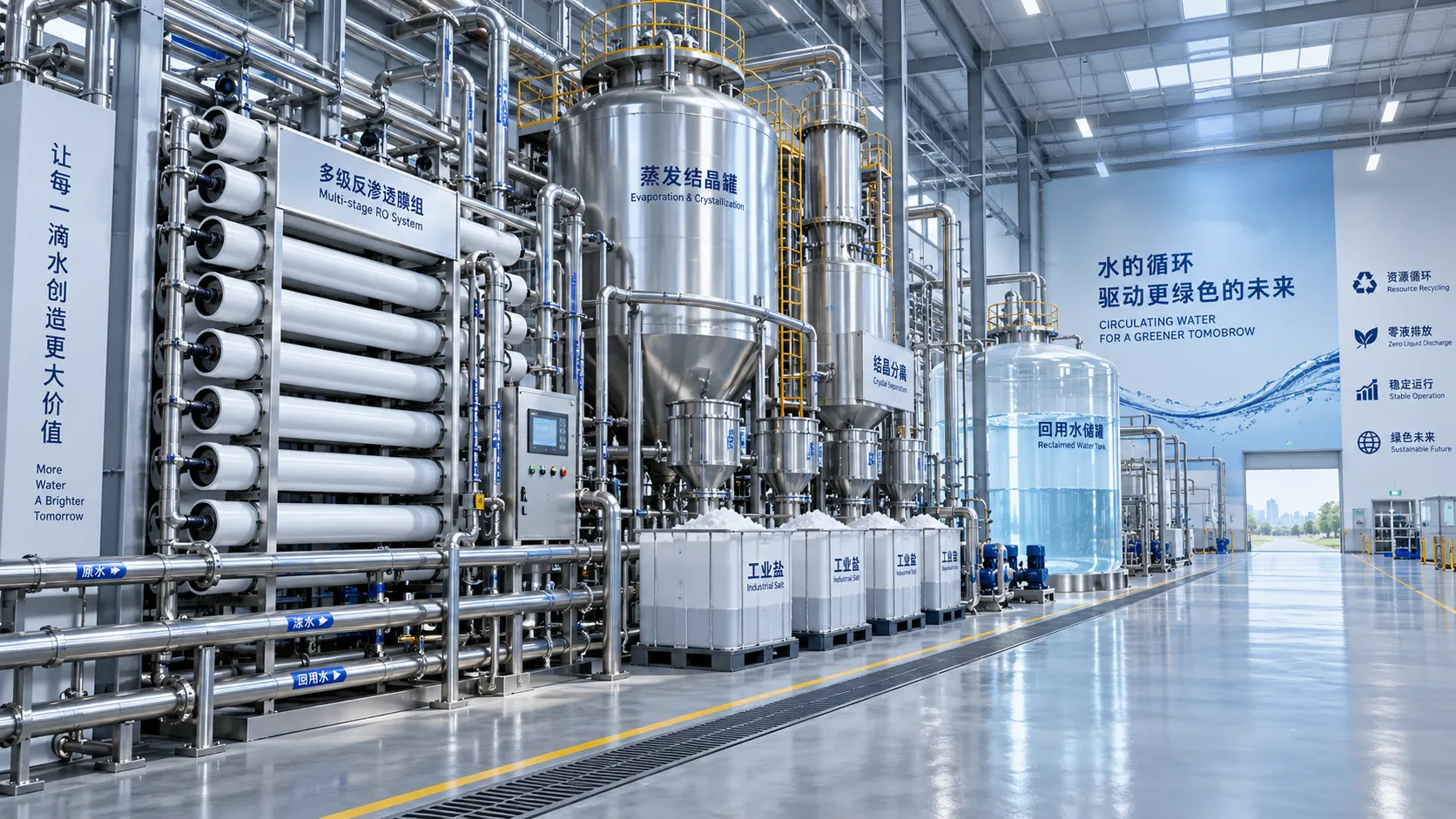
When does high recovery ZLD equipment justify its higher capital cost?
High recovery ZLD equipment can justify higher capital cost when water scarcity, discharge risks, brine disposal, and downtime threaten operations. Explore the decision factors.
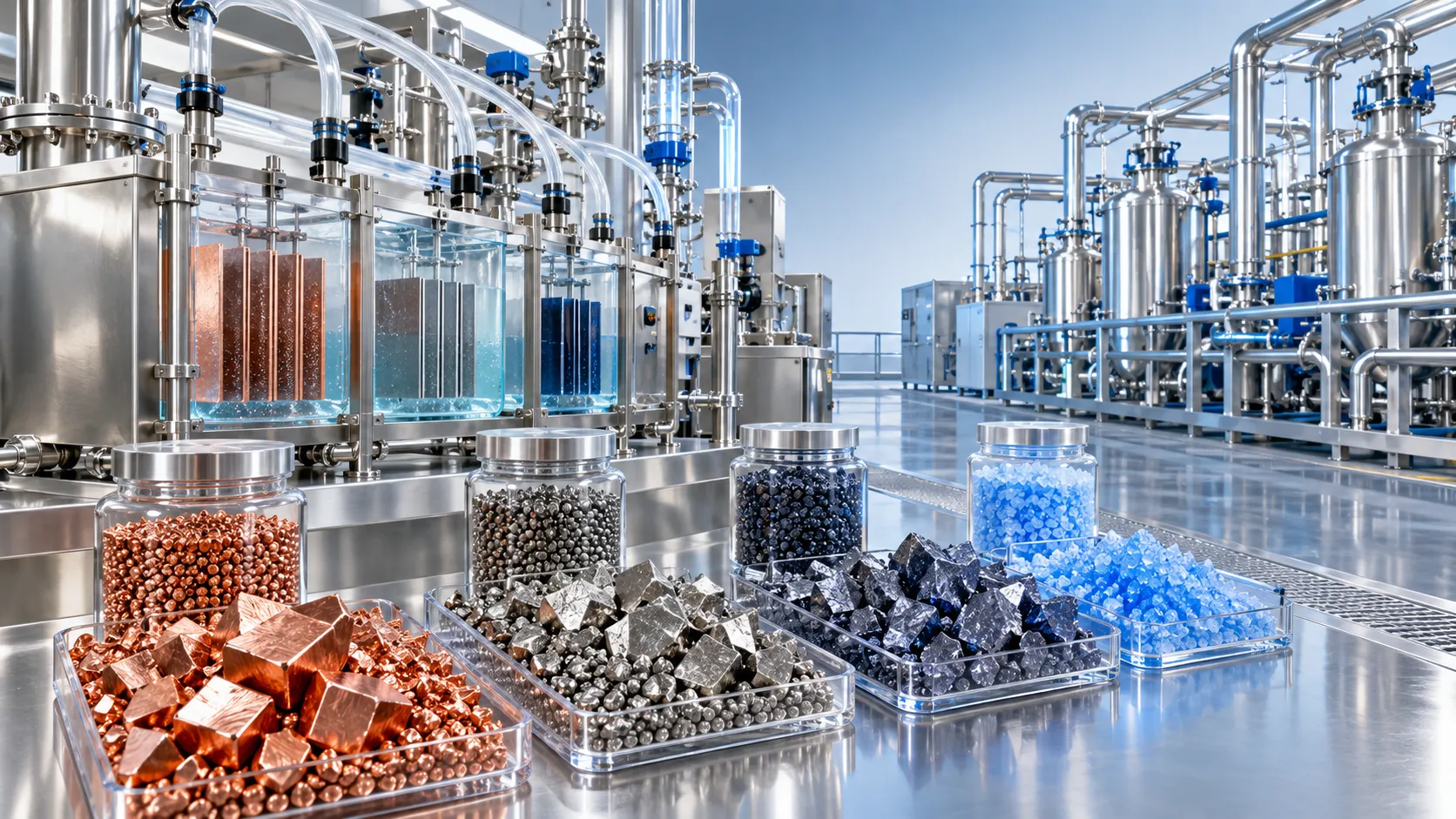
How high purity heavy metal recovery affects recovered metal value
High purity heavy metal recovery boosts recovered metal value by improving payability, reducing penalties, and unlocking stronger buyer opportunities. Explore smarter netback strategies.
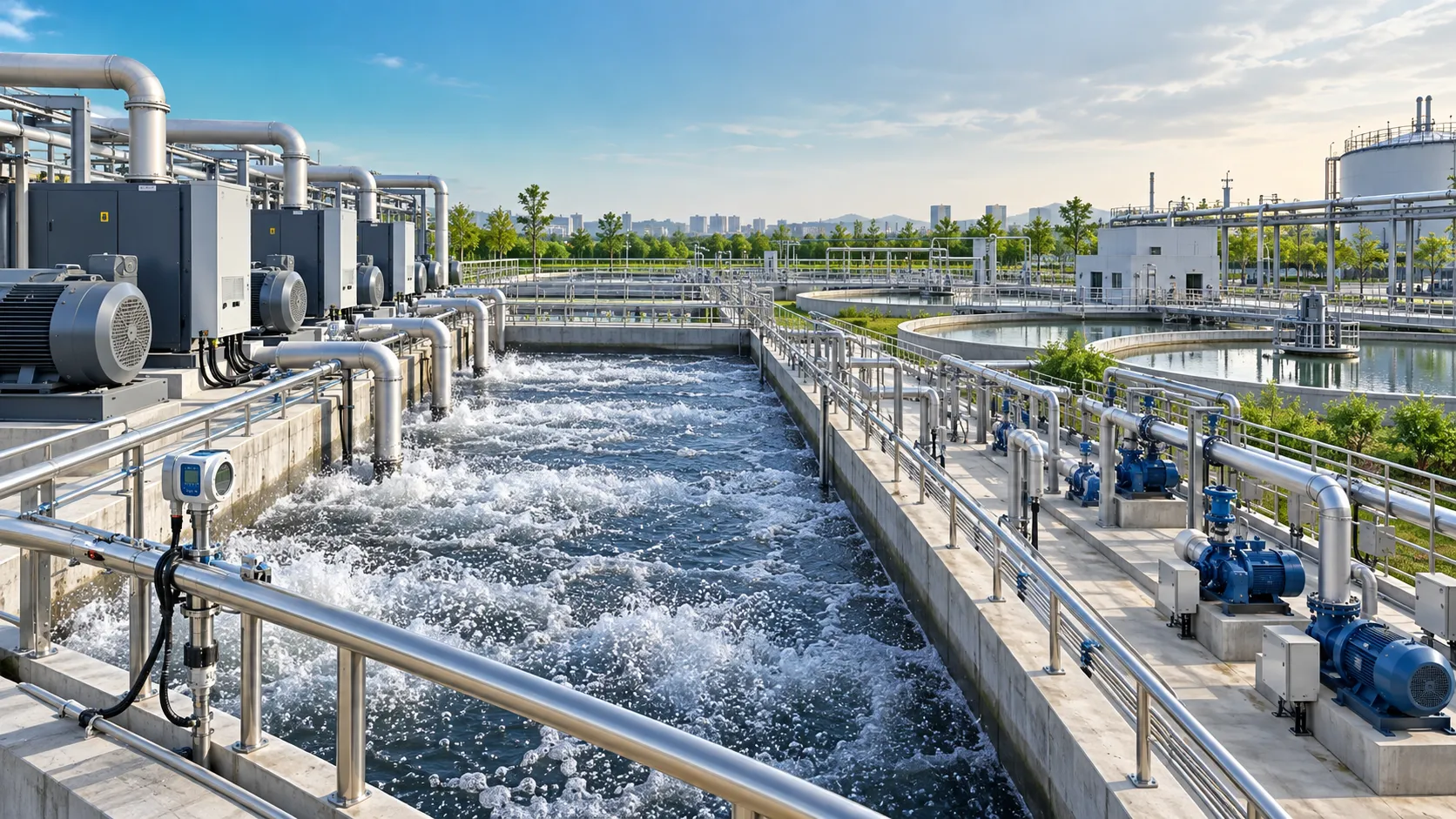
When does environmental equipment intelligence reduce wastewater plant energy use?
Environmental equipment intelligence for wastewater plants cuts energy use through smarter aeration, pumping, and data-driven controls—without compromising compliance. Discover when it delivers measurable savings.
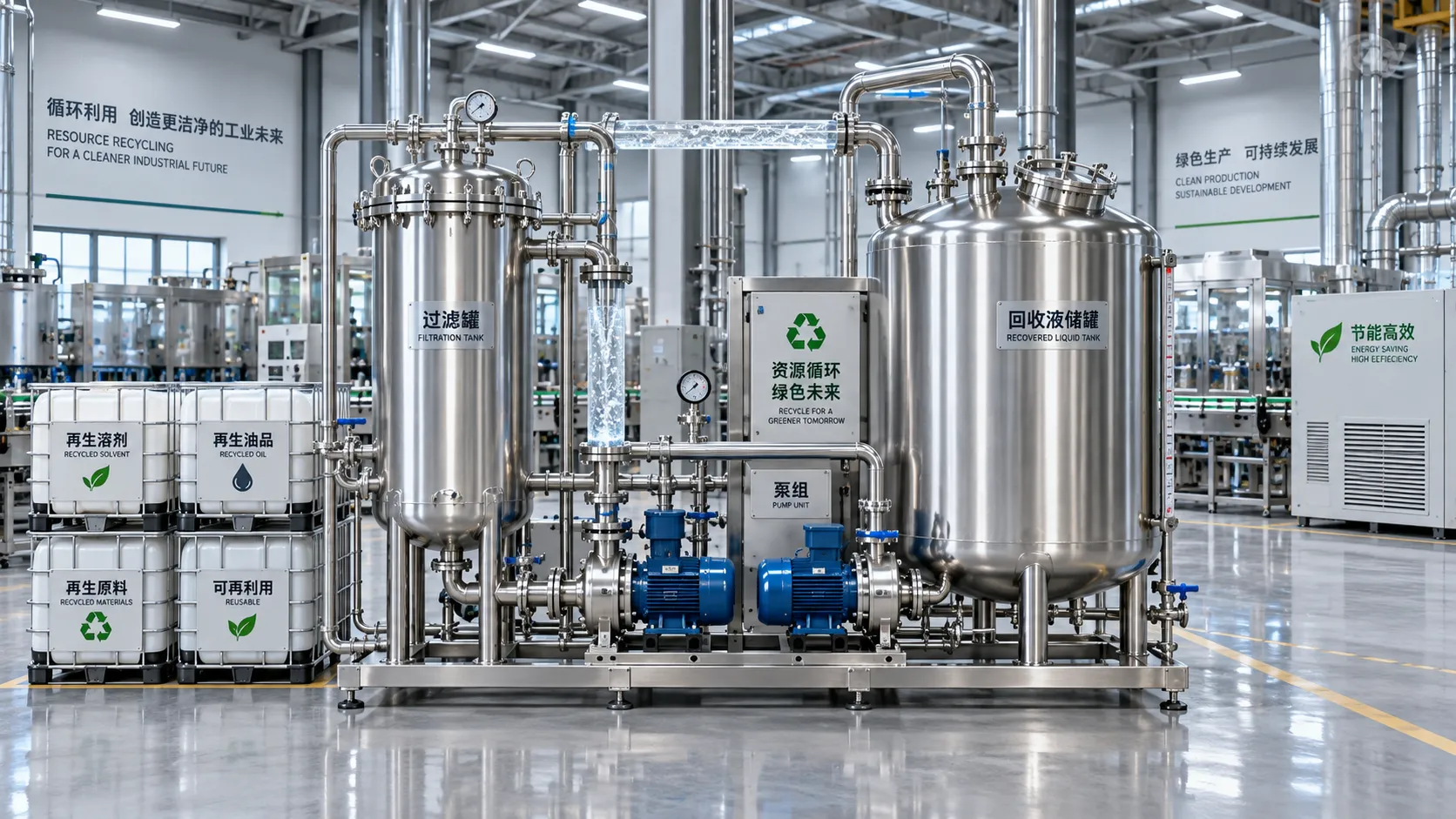
How to Calculate Product Recovery System Payback from Yield, Energy, and Labor Savings
Product recovery system payback: learn to model yield value, energy and labor savings, operating costs, and scenarios for a defensible capital approval case.
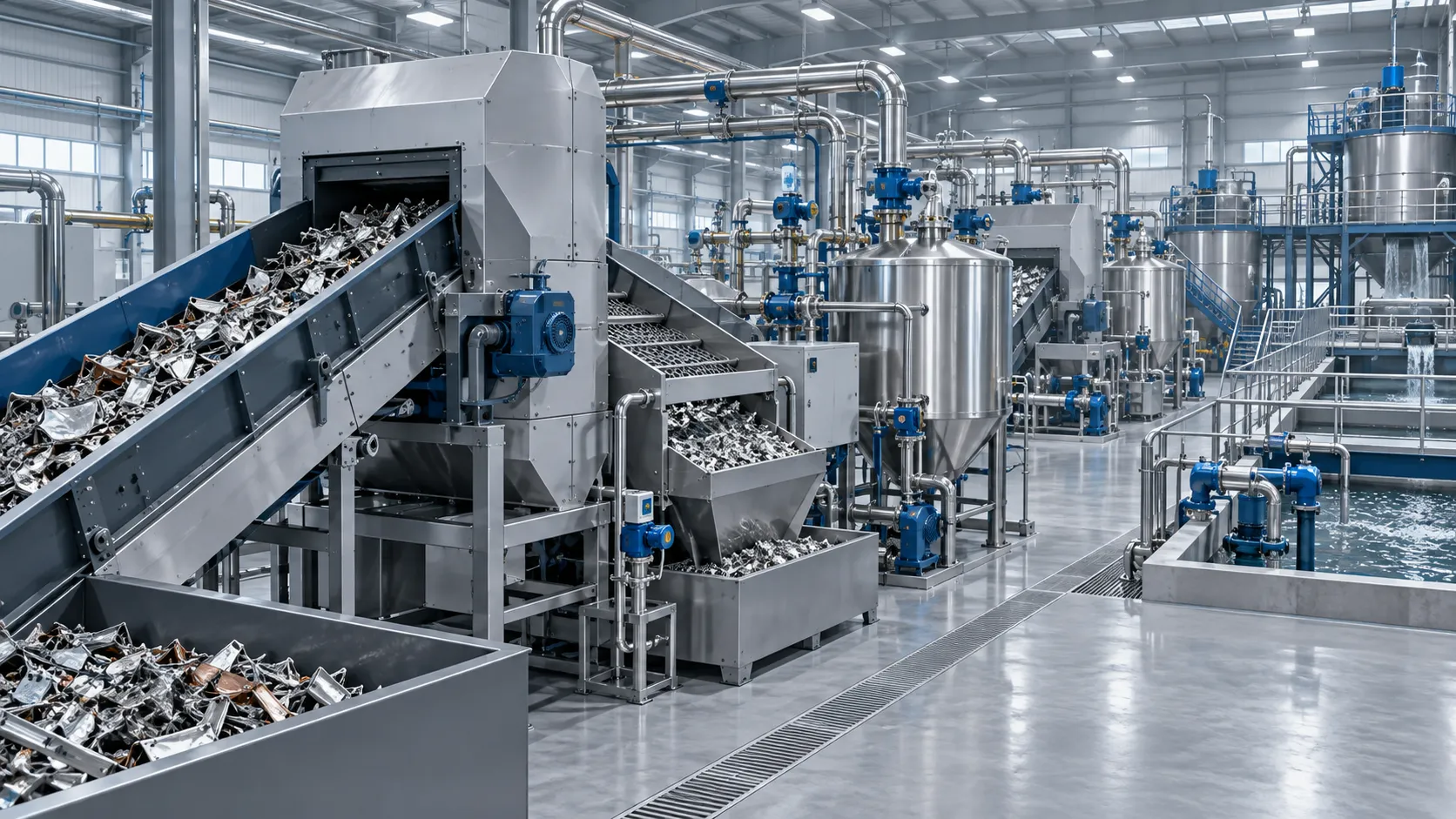
What Makes Metals Recovery Infrastructure Repeatable Across Multiple Plant Sites?
Repeatable metals recovery infrastructure: learn how standardized processes, modular design, data control, and compliance-ready systems enable scalable multi-site recovery plants.
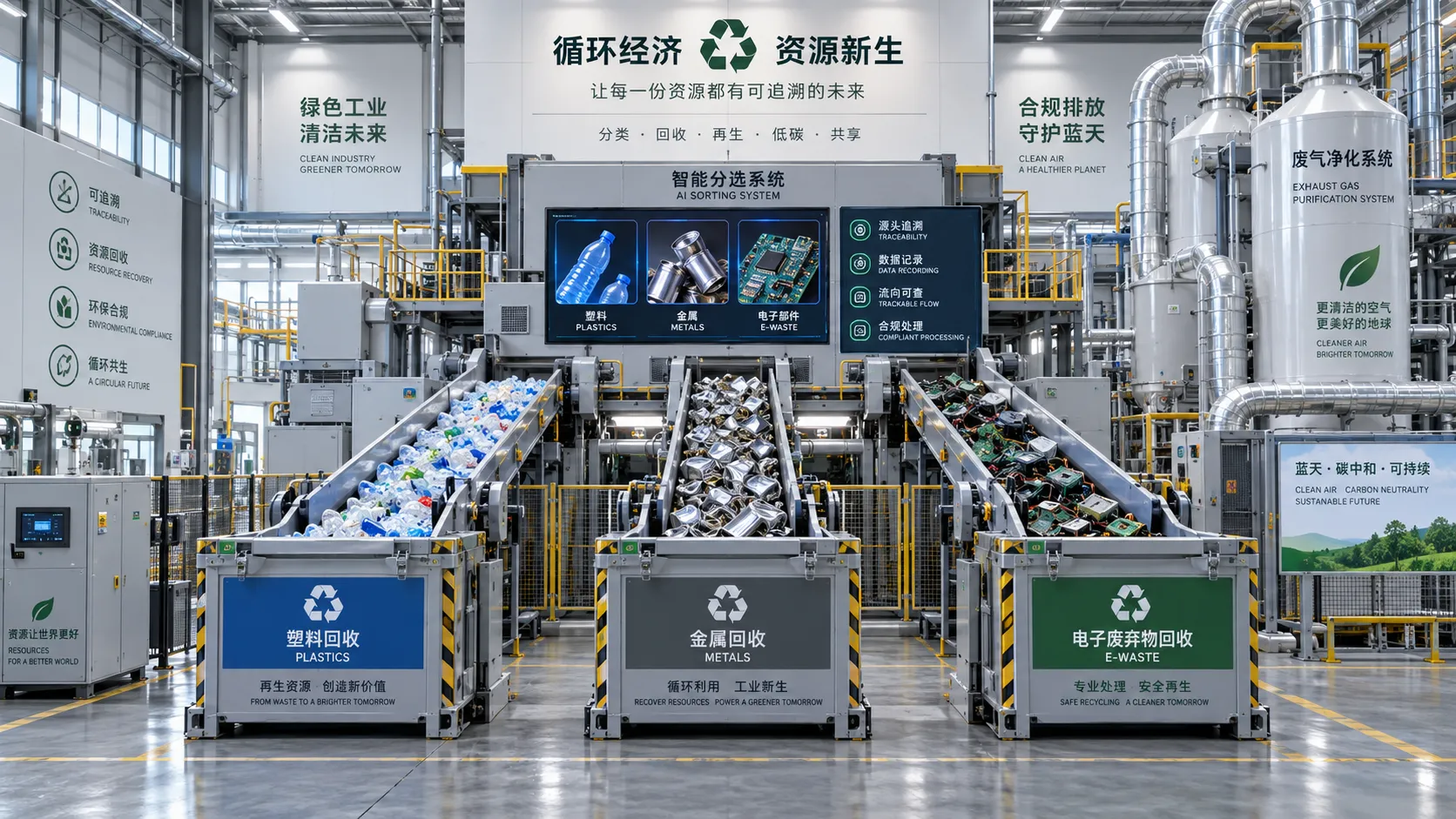
Waste Management and Circular Economy Regulations to Watch in 2025–2026
Recent regulatory updates in waste management and circular economy 2025-2026: explore PPWR, EPR, waste shipments, PFAS controls, and practical compliance steps.
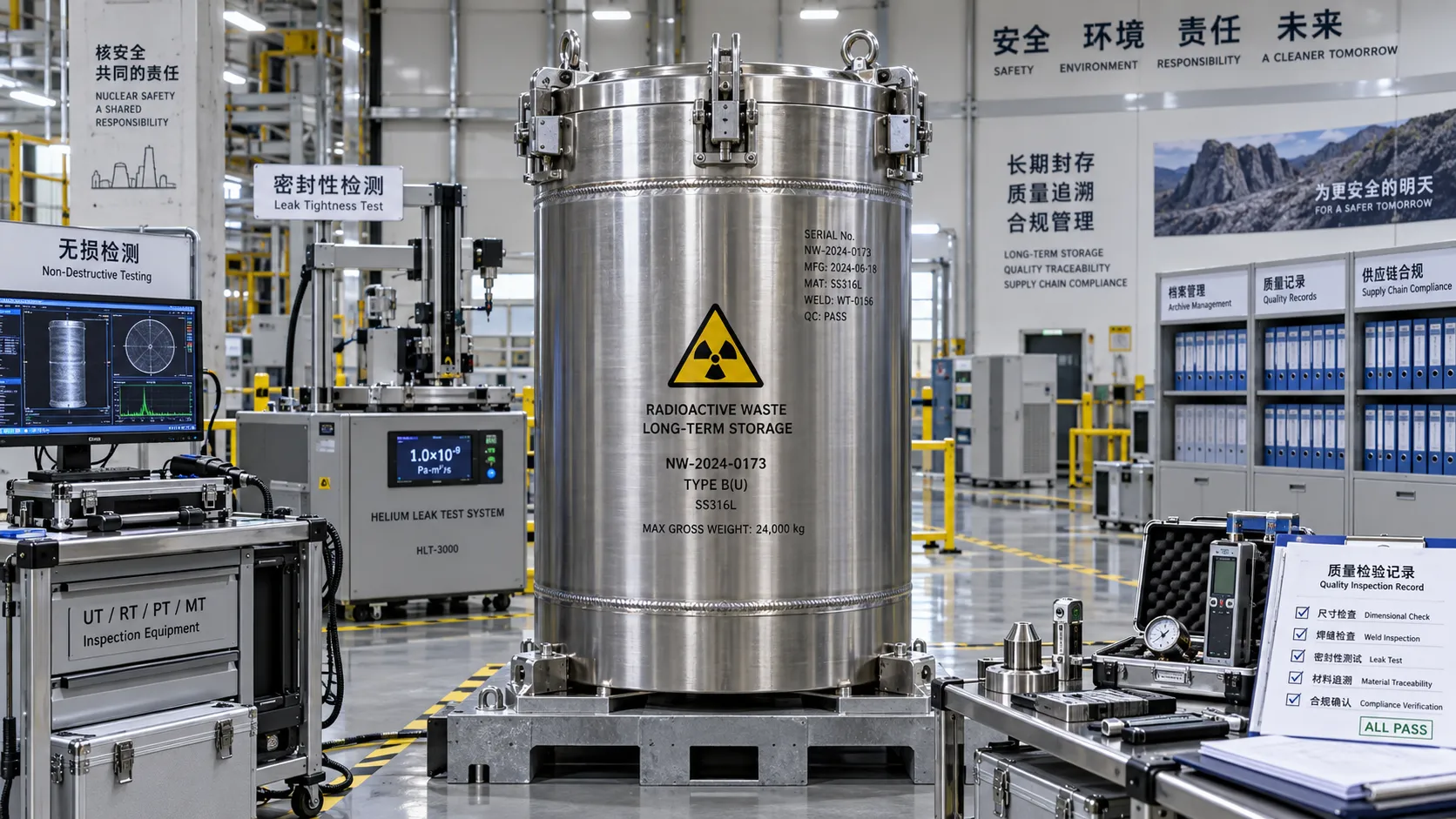
How to Qualify Nuclear Waste Supply Chain Partners for Long-Term Projects
Nuclear waste supply chain partner qualification: learn how to verify technical capability, compliance, traceability, resilience, and lifecycle support for long-term projects.