
Industry News
Curation by industry experts
Hot Articles
Popular Tags
Treating Metal Finishing Wastewater: Removing Metals, Cyanide, and Oil Reliably
Reliable treatment of metal finishing wastewater depends less on choosing a single “best” technology than on preventing incompatible streams from reaching the same tank. Dissolved metals, free cyanide, metal–cyanide complexes, oils, surfactants, acids, alkalis, and chelating agents do not behave the same way in treatment. When they are mixed without control, the result can be poor metal removal, dangerous gas-generation risk, unstable sludge, failed discharge sampling, and contamination carried back into rinse-water reuse systems.
The practical objective is to make each contaminant manageable at the point where it is still chemically predictable. For quality and safety control, this means treating wastewater management as part of process control: knowing what enters each drain, keeping critical streams segregated, maintaining reaction conditions, and verifying treated water performance before a compliance sample reveals a problem.
Why metal finishing wastewater becomes difficult to treat
A finishing line may include cleaning, alkaline degreasing, acid pickling, etching, electroplating, conversion coating, passivation, stripping, and final rinsing. Each operation creates a different wastewater profile. A rinse after zinc plating may contain zinc and chloride or sulfate salts; a copper or nickel operation may introduce different dissolved-metal loads; cleaning stages may contribute emulsified oil and surfactants; cyanide-bearing plating baths require their own carefully controlled treatment route.
The analytical challenge is that total metal concentration alone does not explain treatability. A wastewater sample can show a moderate total-metal reading but still resist precipitation because the metal is held in solution by citrate, EDTA, ammonia, proprietary brighteners, or other complexing chemistry. Likewise, a low oil reading at one sampling point does not mean the water is harmless to downstream treatment: a stable oil emulsion can interfere with floc formation and coat filter media even when free oil is not visibly floating.
Flow variation adds another layer of risk. Concentrated spent baths, intermittent dump events, drag-out recovery returns, and shift-based production patterns can create short-duration load peaks far above the daily average. A system designed only around average flow and average concentration may perform acceptably for much of the day but fail when a batch discharge reaches the equalization tank.
For this reason, metal finishing wastewater treatment should begin with a drain and chemistry inventory rather than a generic equipment list. Every influent should be identified by source, expected pH range, major metals, cyanide status, oil content, fluoride or phosphate presence where relevant, and any additives known to complex metals or disrupt separation.
Segregation is a safety barrier, not merely a treatment preference
Cyanide-bearing wastewater must be physically separated from acidic wastewater. Acidification of cyanide solutions can release hydrogen cyanide gas, an acute inhalation hazard. The protection required is not limited to a written instruction: it includes dedicated collection piping, clearly identified drains and tanks, controlled transfer arrangements, secure operating sequences, and verification that no acidic waste can be routed into the cyanide system through shared hoses, temporary connections, or operator error.
Segregation also improves treatment performance. Free cyanide requires an oxidation process under controlled alkaline conditions. If cyanide waste is mixed prematurely with acids, high-metal streams, oils, or reducing agents, both the safety margin and the treatment chemistry become harder to manage. Even where a facility uses an automated batch treatment system, physical separation remains important because automation cannot correct a misrouted influent once incompatible chemistry is already combined.
Oil-bearing and solvent-affected streams also deserve separate consideration. Free oil may be removable by gravity separation or skimming, while stable emulsions from alkaline cleaners often require chemical emulsion breaking, pH adjustment, or coagulation before downstream clarification. Sending these streams directly into a metal precipitation stage can increase chemical consumption, slow settling, and contaminate dewatered sludge.
High-strength spent solutions should usually be managed separately from routine rinses. Their controlled, measured addition to an equalization system is more reliable than uncontrolled dumping. This reduces shock loads and allows treatment chemistry to be adjusted based on known volume and composition.
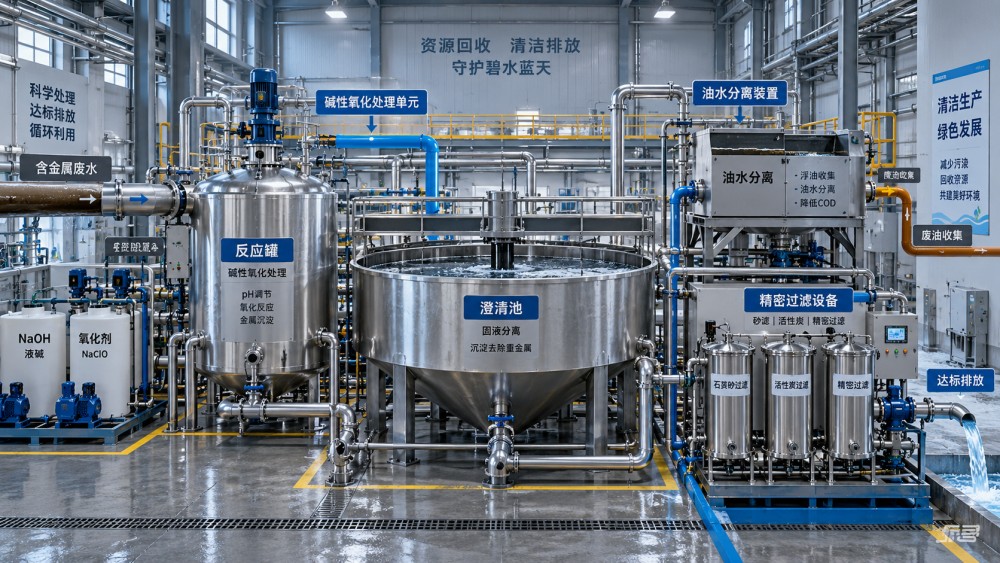
Removing cyanide without creating a new hazard
Free cyanide destruction is a controlled oxidation task, not a simple “add oxidant” operation. Facilities commonly use alkaline chlorination, hydrogen peroxide-based systems, ozone, or other oxidation approaches selected for the site’s wastewater composition, safety controls, and discharge requirements. The appropriate technology depends on whether cyanide is free, weakly complexed, or tightly bound to metals, as well as on interfering compounds in the stream.
In alkaline chlorination, pH control is central. The reaction is typically kept strongly alkaline during the initial conversion of cyanide to cyanate, limiting the formation and release of hydrogen cyanide. A subsequent stage may be used to oxidize cyanate further, depending on the treatment objective and applicable permit limits. Oxidation-reduction potential (ORP) can support process control, but it should not be treated as a stand-alone proof of cyanide destruction. ORP response varies with wastewater composition, probe condition, oxidant residual, and competing reactions.
Meaningful control requires a combination of measured pH, oxidation conditions, retention time, reagent feed verification, and laboratory analysis at a frequency appropriate to the risk of the stream. Online instruments need routine calibration and cleaning; a fouled ORP probe or drifting pH probe can produce a reassuring display while the chemistry has moved outside its safe operating range.
Metal cyanide complexes require particular care. Some are not readily destroyed under conditions that work for free cyanide, and some treatment reactions may change the form of the metal without achieving the intended overall removal. The wastewater should be characterized using methods that distinguish the relevant cyanide fractions where required by the permit or internal control plan. Assuming that a “total cyanide” number fully describes chemical behavior can lead to an unsuitable treatment sequence.
Emergency response planning should reflect the actual hazards of the treatment area: incompatible chemical releases, loss of ventilation, failed reagent dosing, abnormal pH, and tank overflows. Respiratory protection, confined-space controls, eyewash and shower access, chemical storage compatibility, and alarm-response procedures must be aligned with site-specific risk assessment rather than treated as paperwork separate from treatment operations.
Metal removal is governed by chemistry, not just pH adjustment
For many dissolved metals, hydroxide precipitation is the core treatment mechanism. Raising or lowering pH changes metal solubility, allowing metal hydroxide particles to form, then coagulate, flocculate, settle, and be removed as sludge. The principle is simple; the execution is not. Each metal has a different solubility profile, and some metals can re-dissolve when pH is pushed too far in either direction.
Chromium illustrates why oxidation state matters. Hexavalent chromium and trivalent chromium require different management. A common treatment sequence reduces hexavalent chromium to trivalent chromium under controlled acidic conditions, then adjusts pH to precipitate trivalent chromium hydroxide. Combining chromium waste indiscriminately with a general metal stream can make it harder to verify reduction and can expose the system to avoidable process instability.
Amphoteric metals such as zinc and aluminum may dissolve again at high pH. Nickel, copper, cadmium, and other metals may precipitate in different pH regions and respond differently to carbonate, sulfide, or hydroxide chemistry. This is why a single fixed pH target is rarely adequate for every mixed finishing effluent. The operating setpoint should be based on actual influent chemistry and confirmed by treated-water results, not inherited from a generic operating manual.
Chelating agents are a common reason for unexpectedly high dissolved-metal results after a clarifier. EDTA, citrate, ammonia, proprietary brighteners, and certain cleaning agents can keep metals soluble even when pH appears correct. In these cases, conventional hydroxide precipitation may need support from chemical decomplexation, specialized precipitants, sulfide-based treatment under carefully controlled conditions, ion exchange, membrane separation, or a combination of methods. Each alternative introduces its own constraints, including safety, residual management, selectivity, operating complexity, and sludge characteristics.
Jar testing is especially useful when bath chemistry changes, a new supplier formulation is introduced, or a compliance sample begins to trend upward. It does not replace full-scale control, but it can reveal whether a new coagulant, pH sequence, polymer, or treatment aid improves settling and dissolved-metal removal before changes are made to plant operation.
Oil and surfactants can undermine an otherwise sound metal-treatment system
Oils enter finishing wastewater through machining residues, corrosion-protection oils, lubricants, cleaners, and drag-in from upstream operations. Free oils can often be separated before chemical treatment. Emulsified oils are more problematic because surfactants stabilize tiny droplets, preventing simple gravity separation. They can also consume coagulant, create persistent foam, reduce floc density, and cause carryover from clarifiers.
The visual appearance of wastewater is not a reliable guide. A milky or opaque stream may contain a stable emulsion; a clear stream may still carry dissolved surfactants and metal complexes. The practical question is whether the oil fraction interferes with the treatment reactions and solids separation required downstream.
Where oil is significant, the treatment train may require an oil-water separator, dissolved air flotation, emulsion breaking, or dedicated coagulation before metals are precipitated. The choice should follow the oil form rather than the broad label “oily wastewater.” Gravity separation is appropriate for free, separable oil; it will not reliably resolve a chemically stable emulsion. Conversely, aggressive chemical treatment of a stream containing mostly free oil can create unnecessary sludge and chemical demand.
Equalization and solids separation determine day-to-day reliability
Equalization is often the difference between a treatment system that works during a demonstration and one that remains stable during production. A properly managed equalization tank dampens changes in flow, pH, temperature, metal loading, and cleaner carryover. It also gives operators time to detect an abnormal discharge before it reaches sensitive reaction stages.
Equalization should provide mixing sufficient to prevent settling and concentration layering, but excessive agitation can entrain air, promote foam, or disturb oil separation. Tank level, pH, conductivity, and flow trends can provide early warnings, particularly when interpreted against production events such as bath maintenance or line cleaning.
After precipitation, coagulation and flocculation convert fine particles into settleable solids. The clarification stage then needs realistic hydraulic loading, adequate residence time, and protection from short-circuiting. A clarifier that produces clear-looking overflow may still release dissolved metals or fine floc, so turbidity alone should not be used as the final quality indicator.
Sludge management is part of treatment, not an afterthought. Metal-bearing sludge requires characterization and handling consistent with its composition and the rules that apply at the site. Poor dewatering can raise disposal volumes and costs; poor filter-press operation can return solids-rich filtrate to the head of the plant, creating a hidden recirculating load. Tracking sludge quantity, filter cake condition, filtrate clarity, and disposal documentation can reveal process problems before effluent quality deteriorates.
Monitoring should detect loss of control before a discharge failure
Compliance sampling is essential, but it is retrospective. A reliable control program combines permit-required testing with operational measurements that explain why a result may be changing. Relevant indicators commonly include pH at critical reaction stages, flow, tank level, conductivity, ORP where oxidation is used, chemical feed rates, settling behavior, turbidity, and periodic analysis for the metals and cyanide forms of concern.
Trend review matters more than isolated readings. A gradual increase in chemical consumption can indicate stronger drag-out, a new cleaner formulation, a failing dosing pump, or an accumulating complexant burden. A shift in settled-sludge volume may indicate poor flocculation, polymer mismatch, excess oil, or altered influent composition. Investigating these changes early is safer and less disruptive than waiting for a final effluent exceedance.
Sampling points must also match the question being asked. Influent samples help identify production-related loading. Samples after cyanide destruction verify oxidation performance. Samples after precipitation and clarification show separation efficiency. Final discharge samples confirm the combined result. A single sample collected only at the outlet may establish that there is a problem without revealing where control was lost.
Common failures are usually management failures expressed as chemistry problems
Several recurring practices create avoidable risk: combining all drains for convenience; treating pH as the only control variable; relying on manual reagent additions without verification; changing plating, cleaning, or additive chemistry without reviewing wastewater impact; and interpreting a clear effluent as compliant effluent. None of these failures is solved permanently by installing a larger tank or adding more chemicals.
More dependable performance comes from maintaining a current chemical inventory, controlling drain routing, isolating cyanide and chromium-related streams where needed, validating reaction conditions, calibrating instruments, and linking wastewater trends to production events. When source control, treatment chemistry, solids handling, and monitoring are managed as one system, metal finishing wastewater treatment becomes far more predictable—and the risk to workers, finished-part quality, and discharge compliance is substantially easier to control.
Recommended News
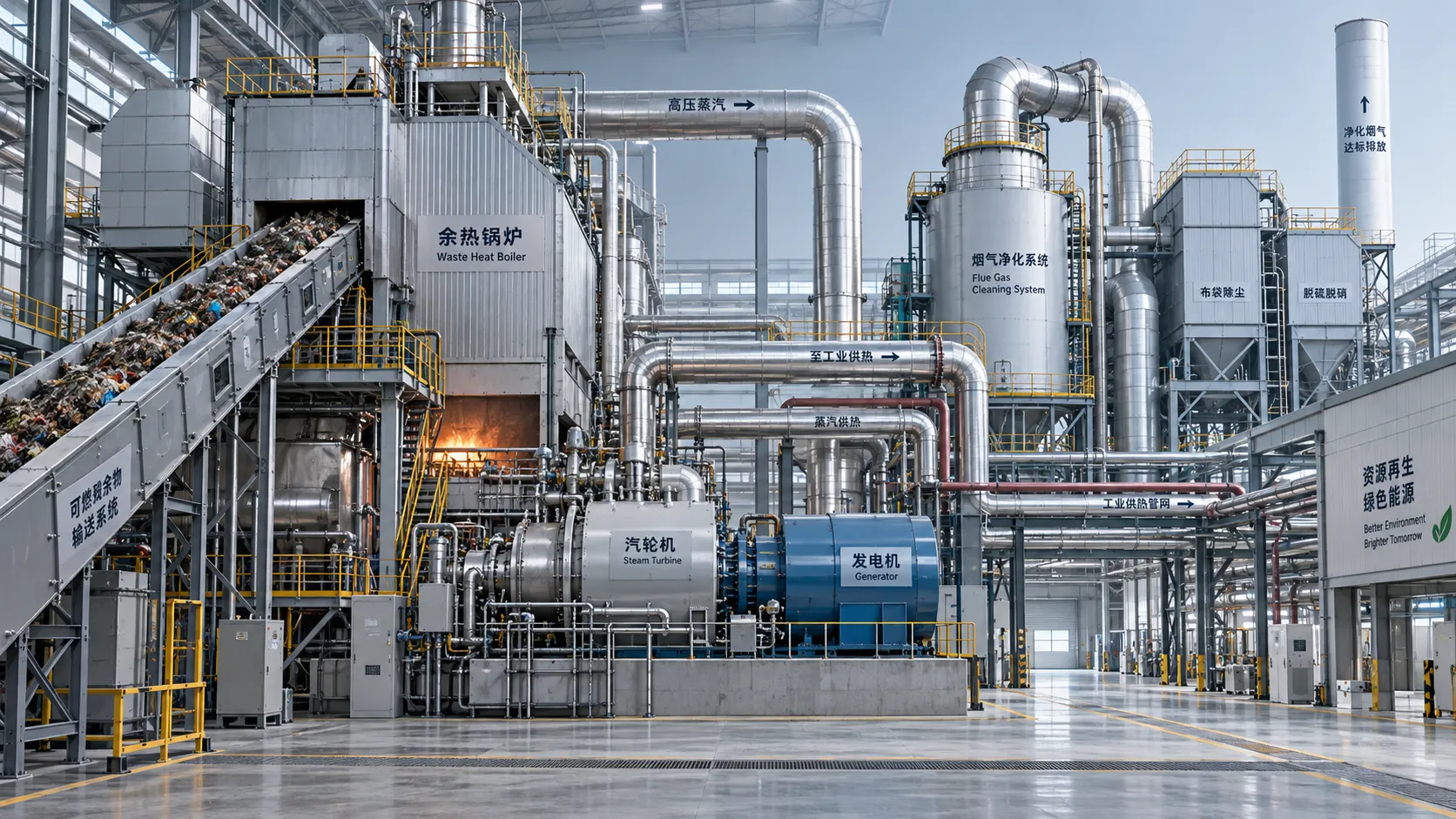
When is energy recovery viable in the solid waste recovery process?
When is energy recovery viable in the solid waste recovery process? Explore feedstock quality, net energy, emissions, and costs to assess feasibility and make smarter investment decisions.
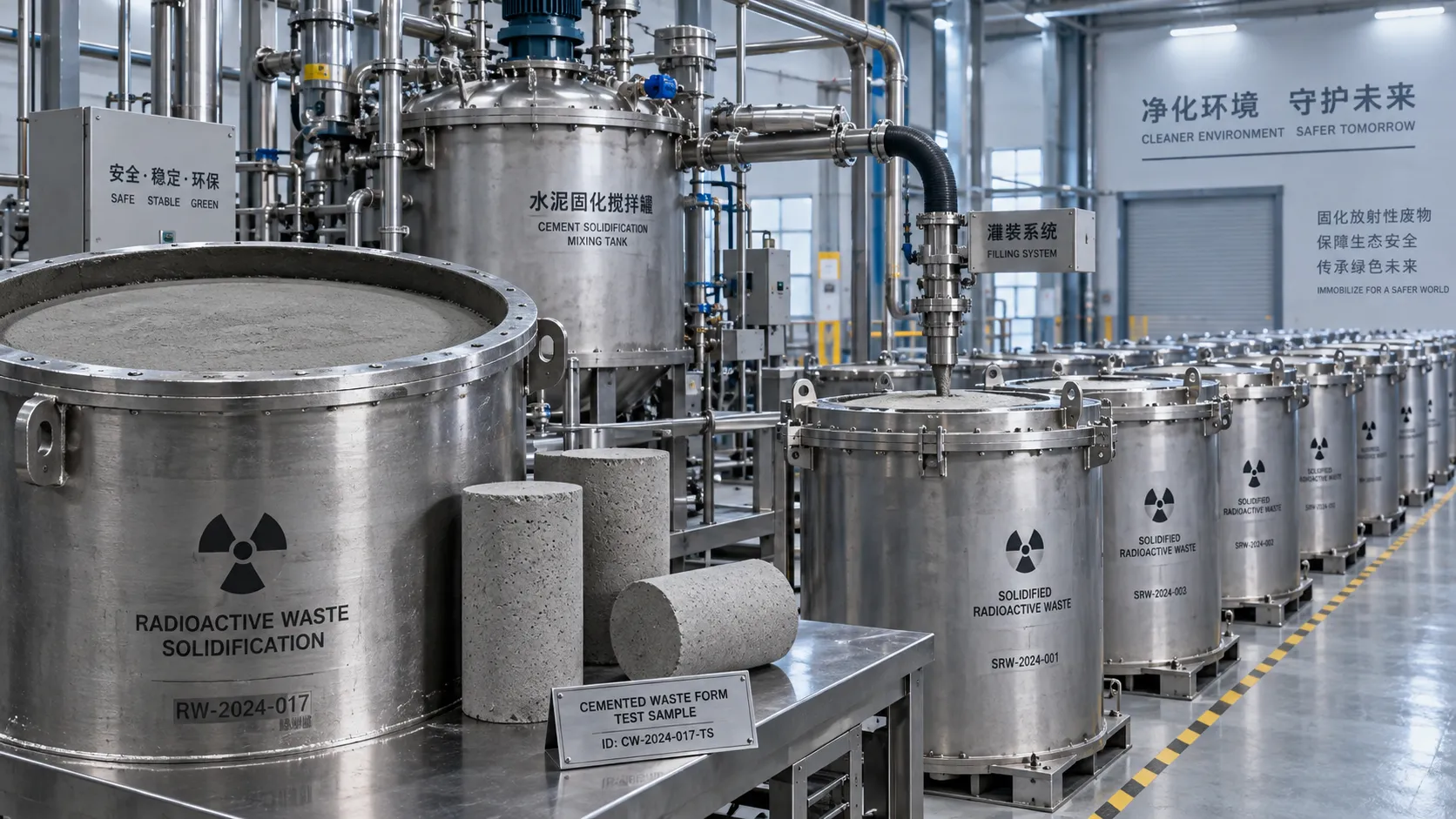
When is cementation suitable for nuclear decommissioning waste?
Explore nuclear waste treatment technology for decommissioning: learn when cementation fits, which risks to assess, and how disposal criteria guide an effective treatment choice.
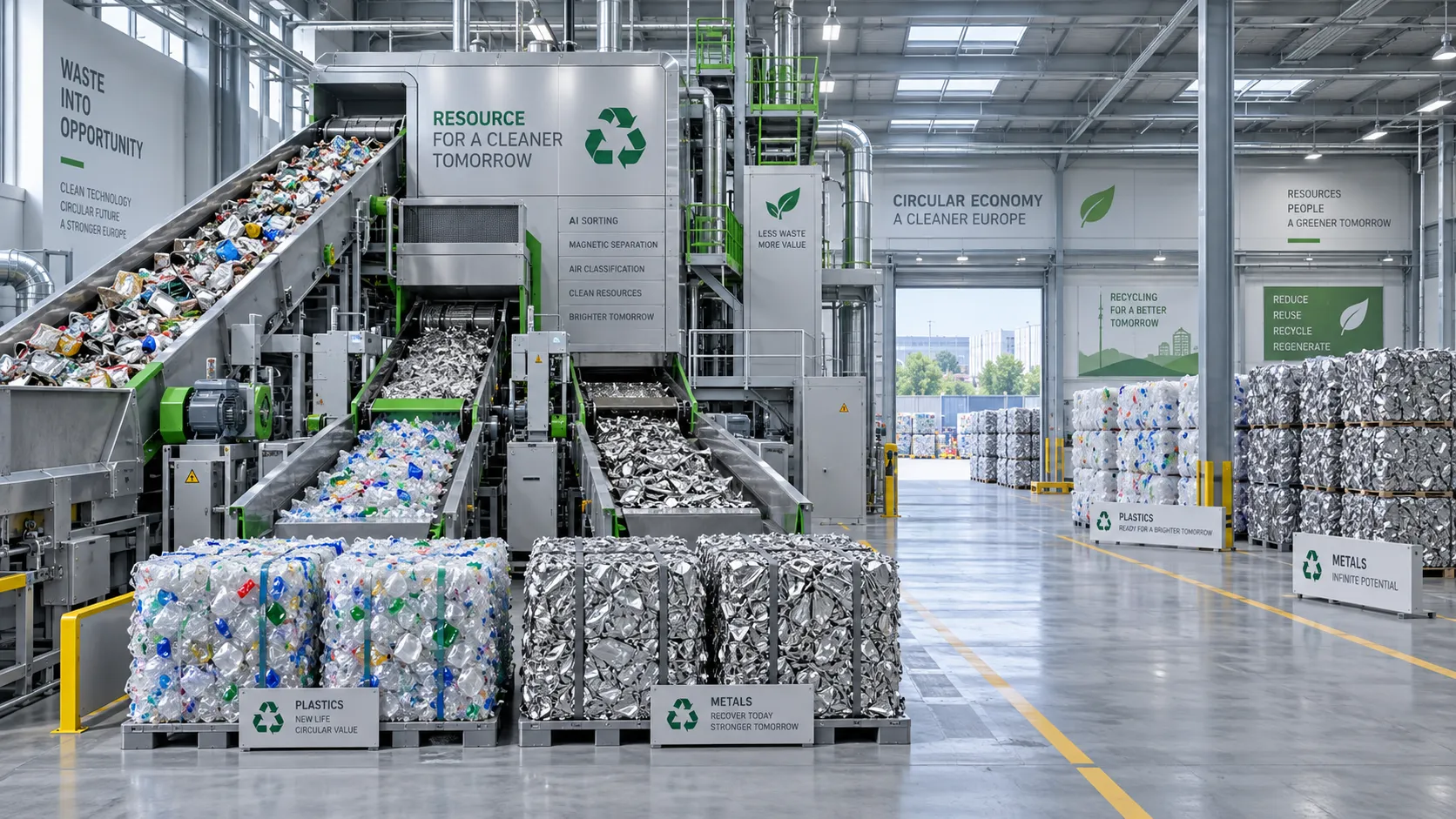
What determines payback for waste-to-resource systems in Europe?
Assess waste-to-resource systems Europe-wide: compare feedstock, recovery yields, costs and contracts to uncover payback drivers and make smarter investment decisions.
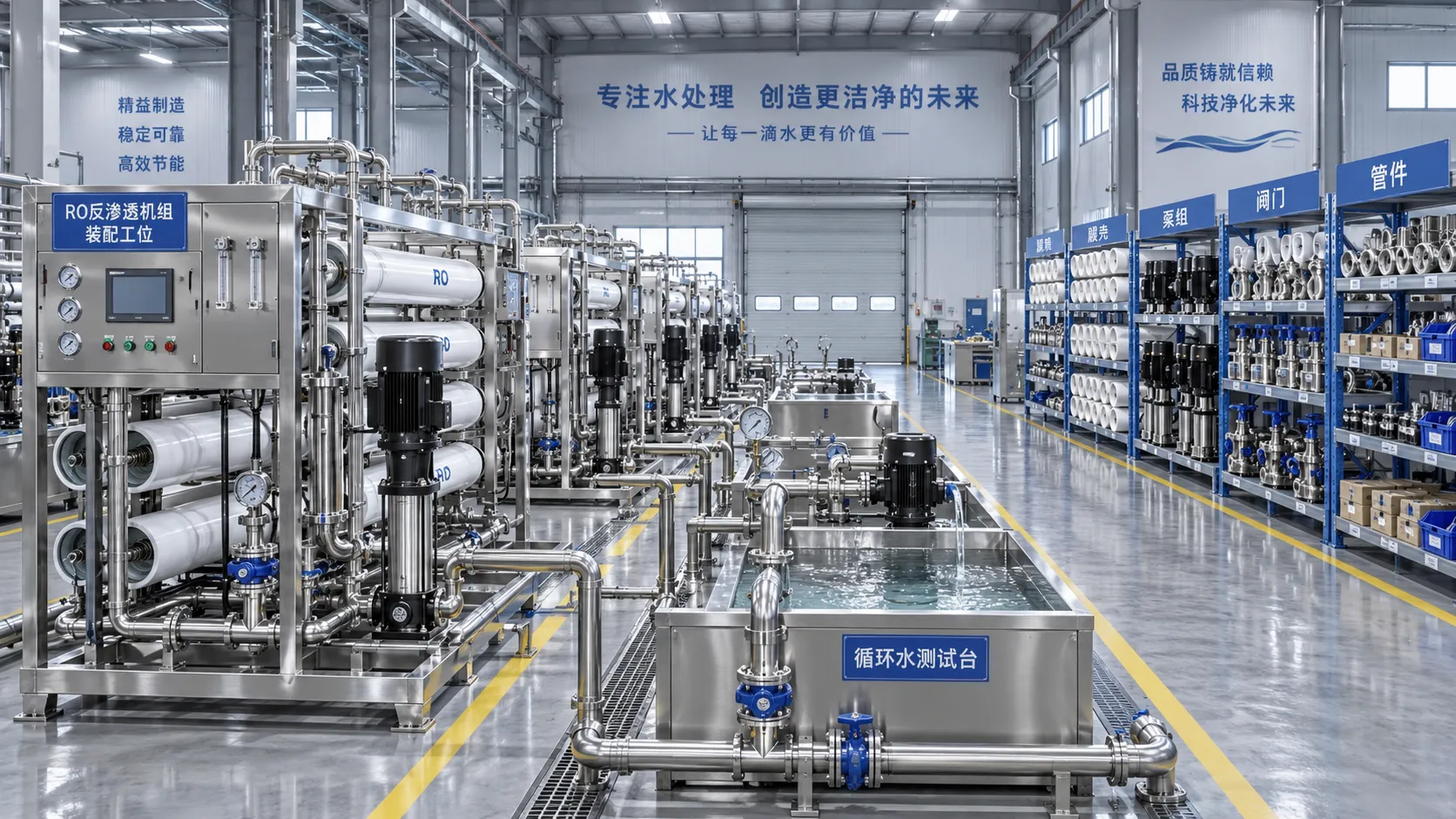
How to verify a water treatment system factory’s production capacity
Verify a water treatment systems factory’s production capacity through records, bottlenecks, component availability, and testing. Learn what to check before accepting a delivery promise.
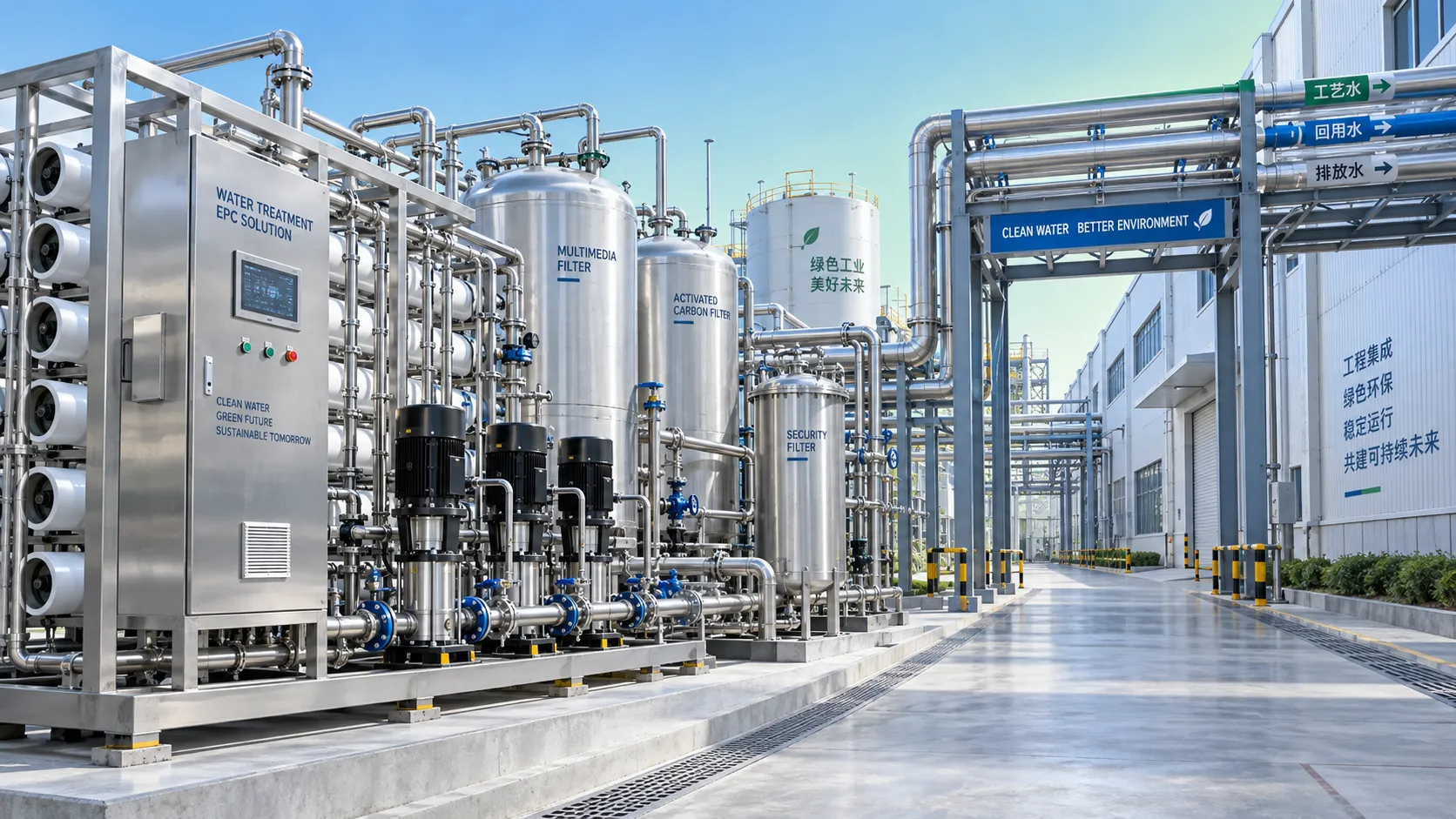
When does EPC environmental project support reduce delivery risk?
EPC environmental project support engineering reduces delivery risk by aligning design, procurement, compliance, construction, and commissioning decisions.
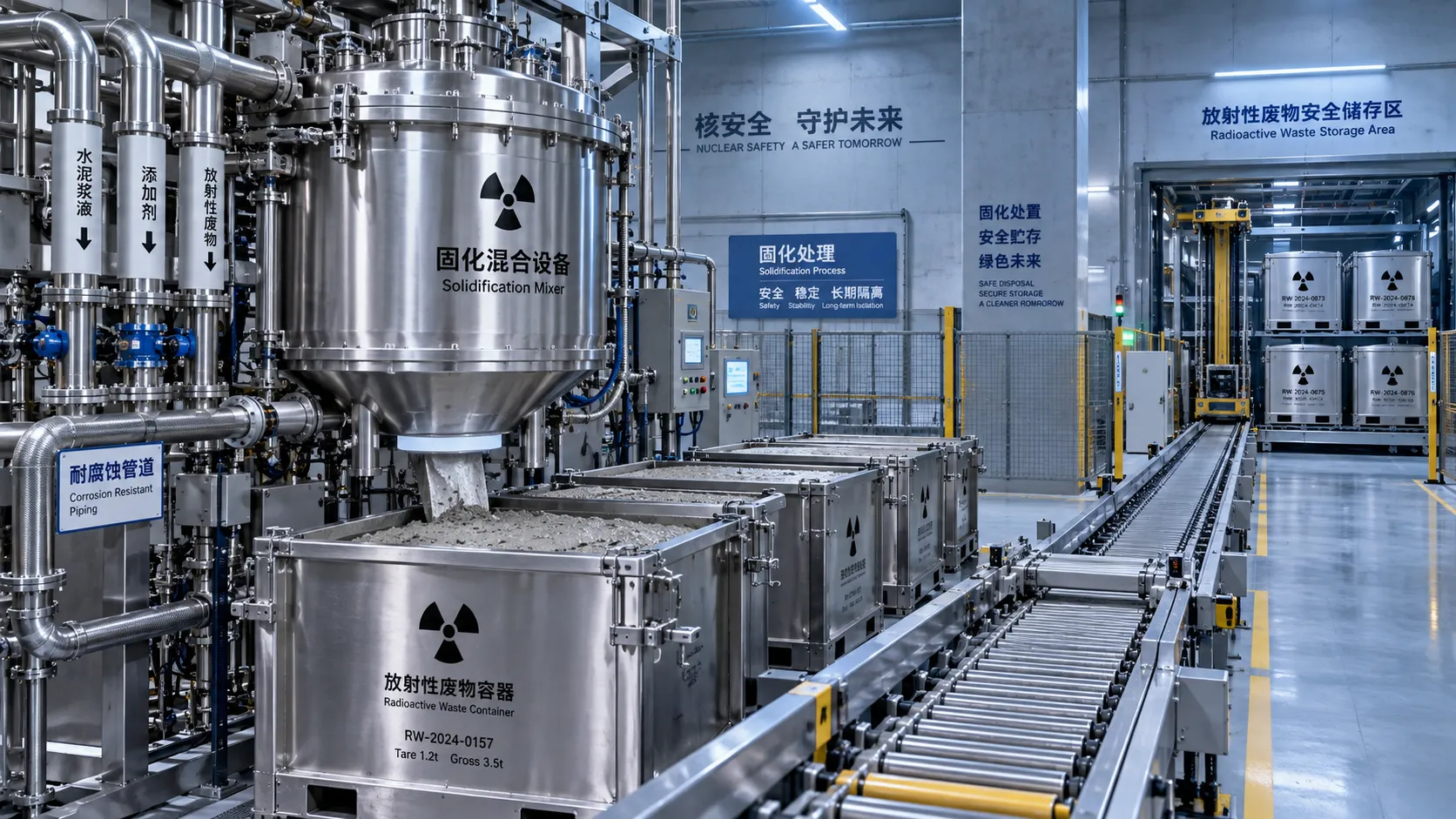
How nuclear plants select a radioactive waste solidification method
Radioactive waste management for nuclear plants: compare vitrification, cementation, polymers, and ceramics to select a compliant, durable solidification solution.
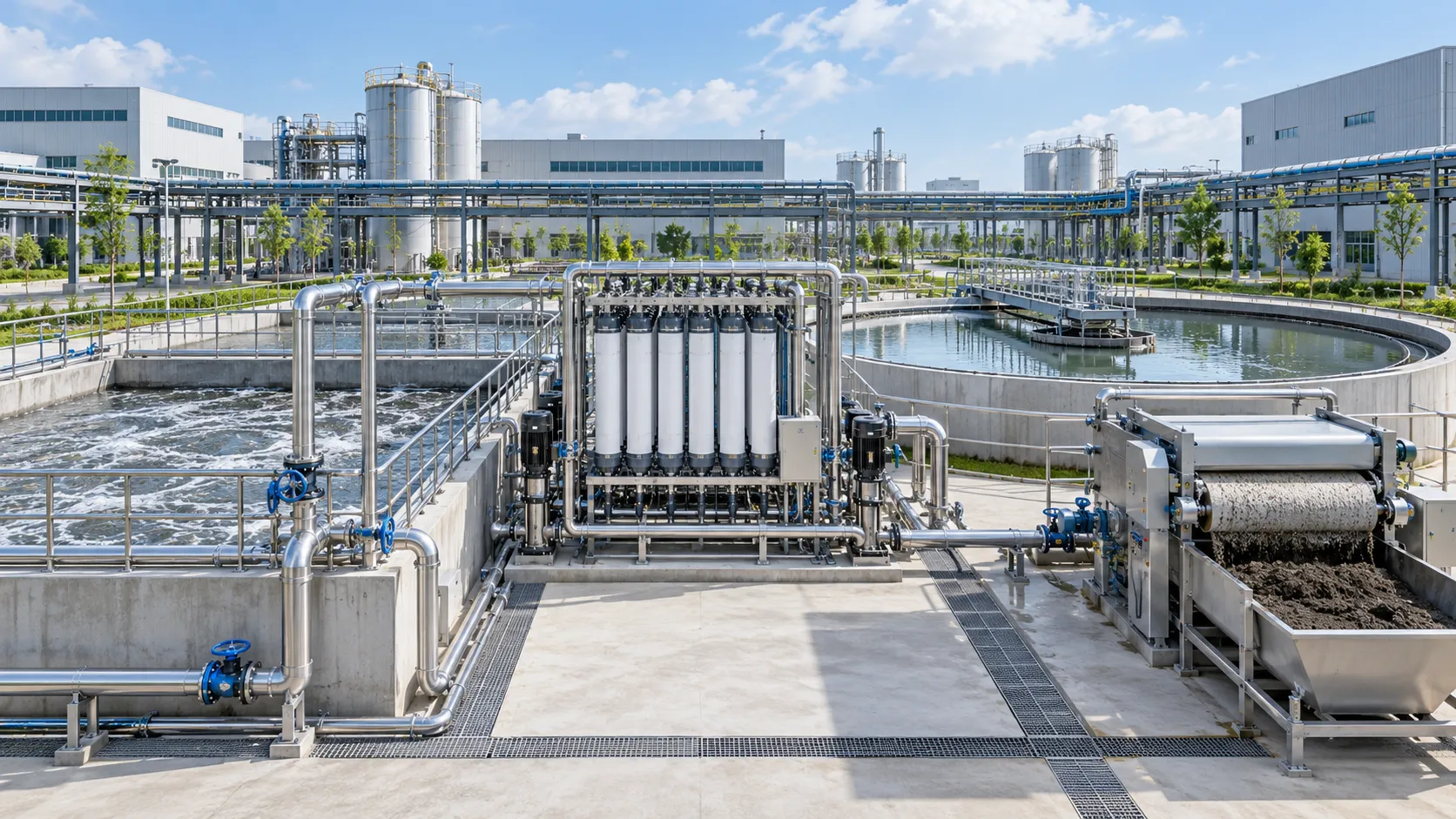
What Drives the Cost of Wastewater System Upgrades in Industrial Parks?
Costs of wastewater system upgrades in industrial parks: uncover key drivers from influent variability and civil works to sludge, energy, compliance, and lifecycle risk.
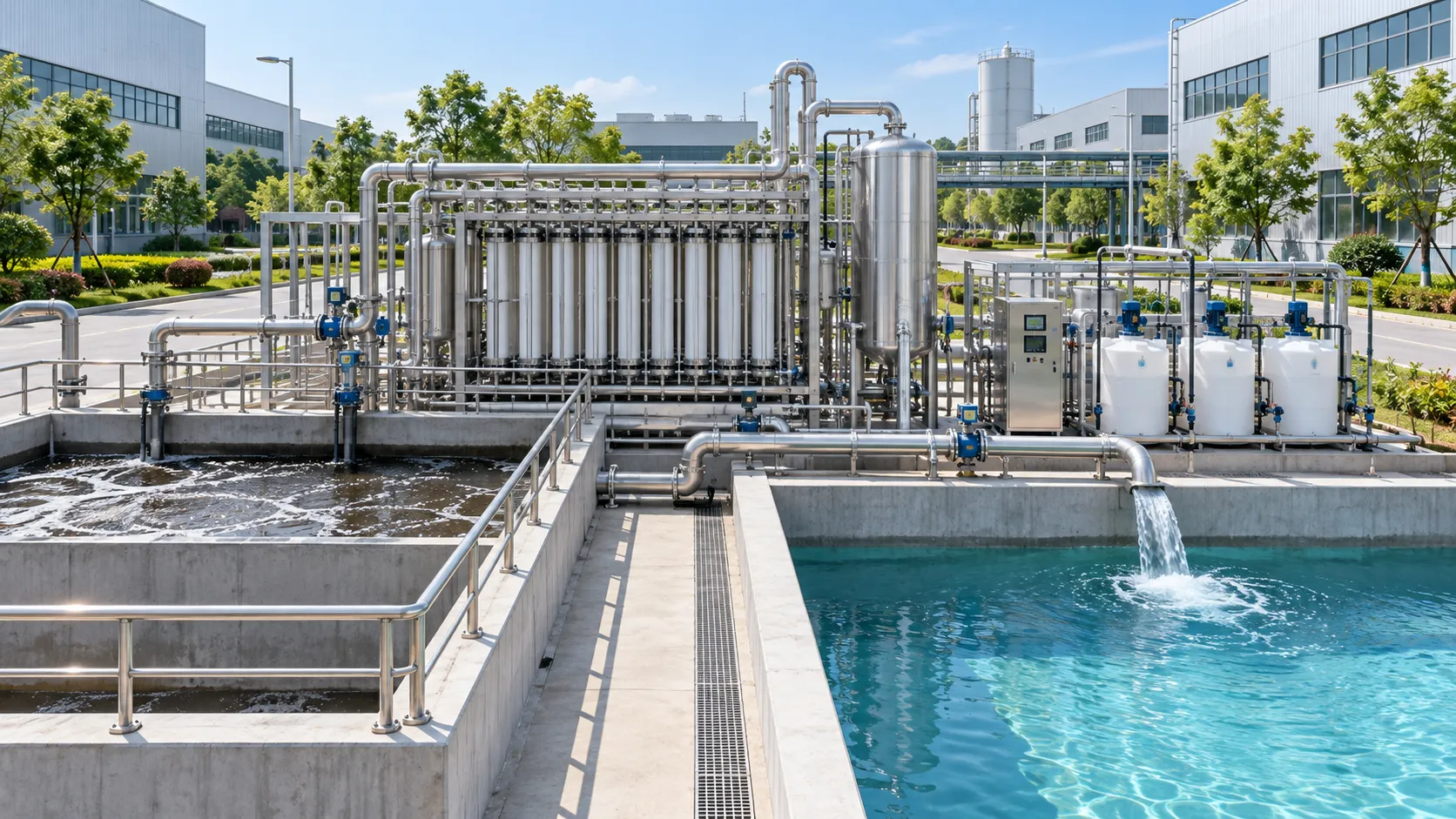
Comparing Upgrade Costs for Industrial Park Wastewater Treatment Systems
Compare costs for wastewater system upgrades in industrial parks with a lifecycle view of CAPEX, OPEX, compliance, resilience, and future expansion.
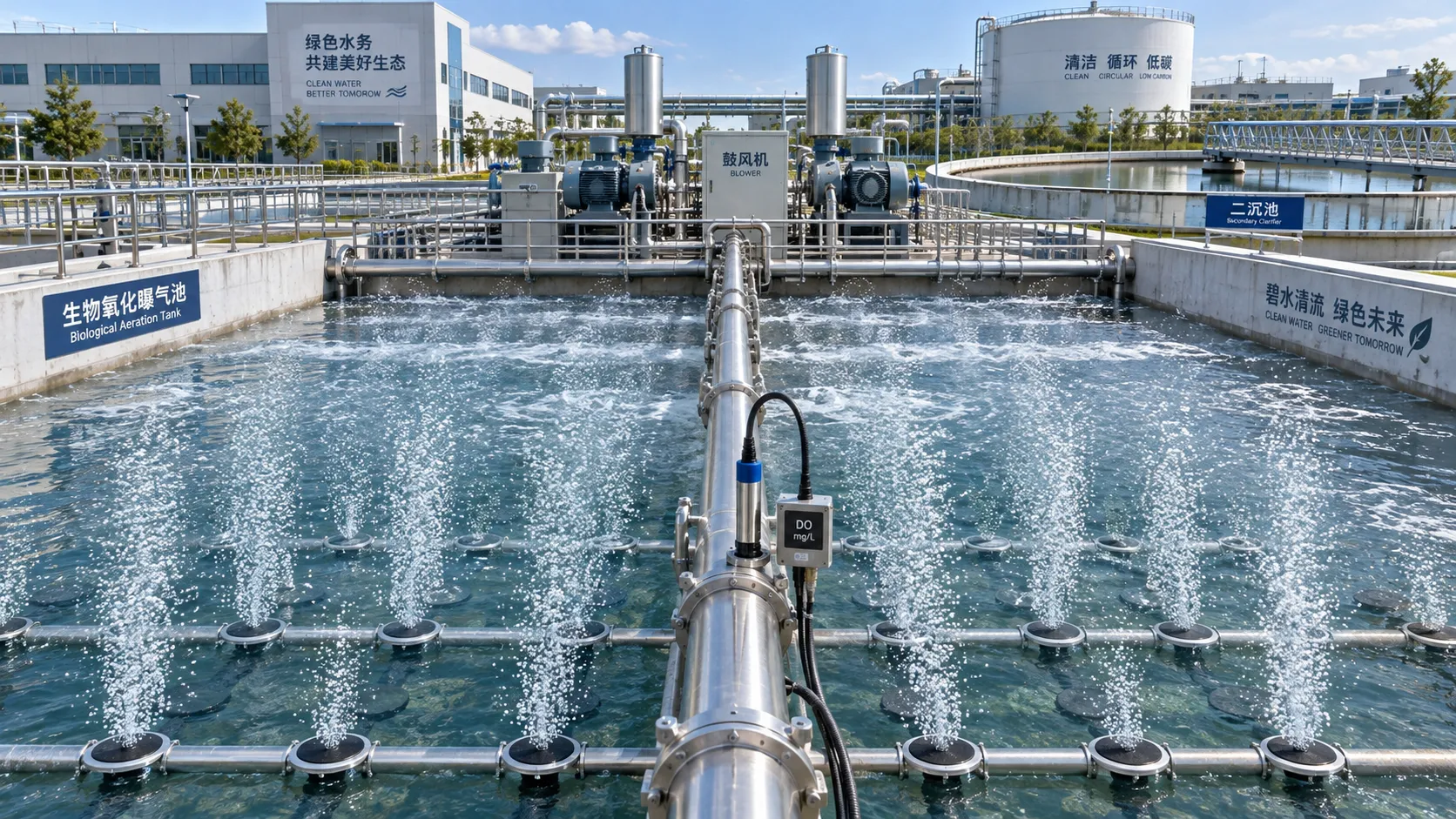
Biological Wastewater Oxidation Explained: Aeration Demand and Process Control
Biological wastewater oxidation explained: optimize aeration demand, DO control, nitrification, and sludge age for stable effluent quality and lower energy costs.