
Industry News
Curation by industry experts
Hot Articles
Popular Tags
What Slows Adoption of Resource Management Tools?
Why sustainable resource management tools stall in real-world engineering settings
Despite clear benefits, sustainable resource management tools often move slowly from pilot interest to daily operational use.
In resource-intensive projects, adoption barriers are rarely caused by software features alone.
The real friction comes from fragmented data, regulatory complexity, integration costs, and unclear performance proof.
This matters across water treatment, waste recovery, desalination, flue gas control, and nuclear waste management.
For intelligence-led platforms like ESD, the issue is not whether sustainable resource management tools matter.
The issue is how different engineering scenarios delay adoption in different ways.
Scenario background: adoption speed changes by operational environment
Not every project environment evaluates sustainable resource management tools through the same lens.
A municipal wastewater plant may focus on continuity, reporting stability, and upgrade compatibility.
A desalination project may prioritize energy optimization, membrane performance, and cross-border compliance risk.
A waste recovery system may care more about feedstock variability, sorting accuracy, and material traceability.
Because the operating logic differs, the hesitation around sustainable resource management tools also differs.
Understanding the scenario first prevents unrealistic deployment plans and weak adoption assumptions.
Scenario 1: legacy infrastructure slows sustainable resource management tools in water treatment
Large water treatment assets often run on layered control systems built over many years.
That makes sustainable resource management tools difficult to connect with SCADA, laboratory systems, and maintenance databases.
Even when integration is technically possible, operators may distrust new dashboards that conflict with established workflows.
If resource data lacks calibration consistency, the tool appears unreliable before benefits can be demonstrated.
Core judgment points
- How many data sources remain offline or manually exported
- Whether historical process data is complete enough for benchmarking
- How strongly compliance reporting depends on existing spreadsheets
- Whether upgrade downtime is acceptable during commissioning
Scenario 2: variable waste streams complicate adoption in recovery systems
Solid waste and recovery systems operate in a less predictable environment than many process plants.
Input quality changes daily, which weakens confidence in standard reporting models.
Sustainable resource management tools may promise traceability, yet actual site data can be incomplete or inconsistent.
If AI sorting, pyrolysis yields, and downstream resale metrics are disconnected, value proof becomes difficult.
In this scenario, adoption slows because the tool must explain changing material realities, not just display them.
Core judgment points
- How volatile incoming material composition is
- Whether recovery rate definitions are standardized across facilities
- How resale, disposal, and emissions data are linked
- Whether traceability supports circular economy claims
Scenario 3: high-energy desalination projects demand stronger ROI evidence
In seawater desalination, decision speed depends heavily on measurable efficiency improvement.
Energy consumption dominates cost structures, so sustainable resource management tools face strict return expectations.
A platform that cannot clearly connect resource visibility with kilowatt-hour savings will struggle to scale.
Membrane fouling trends, brine management, and chemical dosing must be translated into financial language.
Without that translation, the tool looks informative but not operationally decisive.
Core judgment points
- Whether savings can be tied to energy intensity reductions
- How membrane lifecycle data is integrated
- Whether brine discharge constraints affect optimization priorities
- How fast pilots can prove plant-wide economic impact
Scenario 4: compliance-heavy sectors face adoption delays from risk sensitivity
Flue gas treatment and nuclear waste management operate under exceptional scrutiny.
In such sectors, sustainable resource management tools must earn trust through validation, security, and auditability.
A minor data discrepancy can trigger serious questions about environmental reporting integrity.
Teams may delay adoption simply because they prefer familiar, approved procedures over faster digital methods.
This is not resistance to innovation alone; it is a rational response to consequence-heavy operating conditions.
Core judgment points
- Whether the tool supports audit trails and version control
- How cybersecurity requirements affect deployment choices
- Whether regulatory reporting templates are pre-aligned
- How exception handling is documented and reviewed
Where needs diverge across scenarios
The same sustainable resource management tools can face very different evaluation criteria across sectors.
Practical ways to match sustainable resource management tools to each scenario
Better adoption starts with narrower deployment logic, not broader ambition.
- Map critical decisions first, then map required data.
- Start with one measurable use case tied to cost, compliance, or throughput.
- Define ownership for data quality before automation begins.
- Use phased integration instead of full-site replacement.
- Build dashboards around existing reporting language.
- Document baseline metrics before pilot launch.
For water treatment, begin with chemical optimization or discharge reporting alignment.
For waste recovery, begin with material traceability across sorting and resale streams.
For desalination, prioritize energy intensity and membrane lifecycle visibility.
For high-compliance sectors, pilot audit functions before advanced predictive features.
Common misjudgments that slow adoption even more
Many deployments fail because organizations misread the adoption problem.
- Assuming resistance is cultural when data quality is actually poor
- Buying advanced analytics before establishing trusted baseline reporting
- Measuring software usage instead of operational decision improvement
- Expecting one KPI model to fit all facilities
- Ignoring regulatory timing during implementation planning
- Underestimating integration costs with OT and legacy systems
These mistakes make sustainable resource management tools appear weaker than they are.
In reality, the mismatch usually lies between tool design and scenario conditions.
What the next step should look like
Adoption improves when evaluation becomes scenario-based, evidence-based, and operationally grounded.
Review one facility, one process bottleneck, and one reporting pain point first.
Then test sustainable resource management tools against real plant constraints, not ideal assumptions.
For sectors tracked by ESD, this means connecting environmental intelligence with deployment reality.
The fastest path is not bigger software scope.
It is clearer scenario fit, cleaner data foundations, and sharper ROI validation.
That is how sustainable resource management tools move from strategic interest to durable operational value.
Recommended News

How feed salinity affects energy use in ZLD system brine treatment
ZLD system brine treatment: discover how feed salinity drives energy use, scaling risk, and technology choices for efficient, reliable zero liquid discharge.
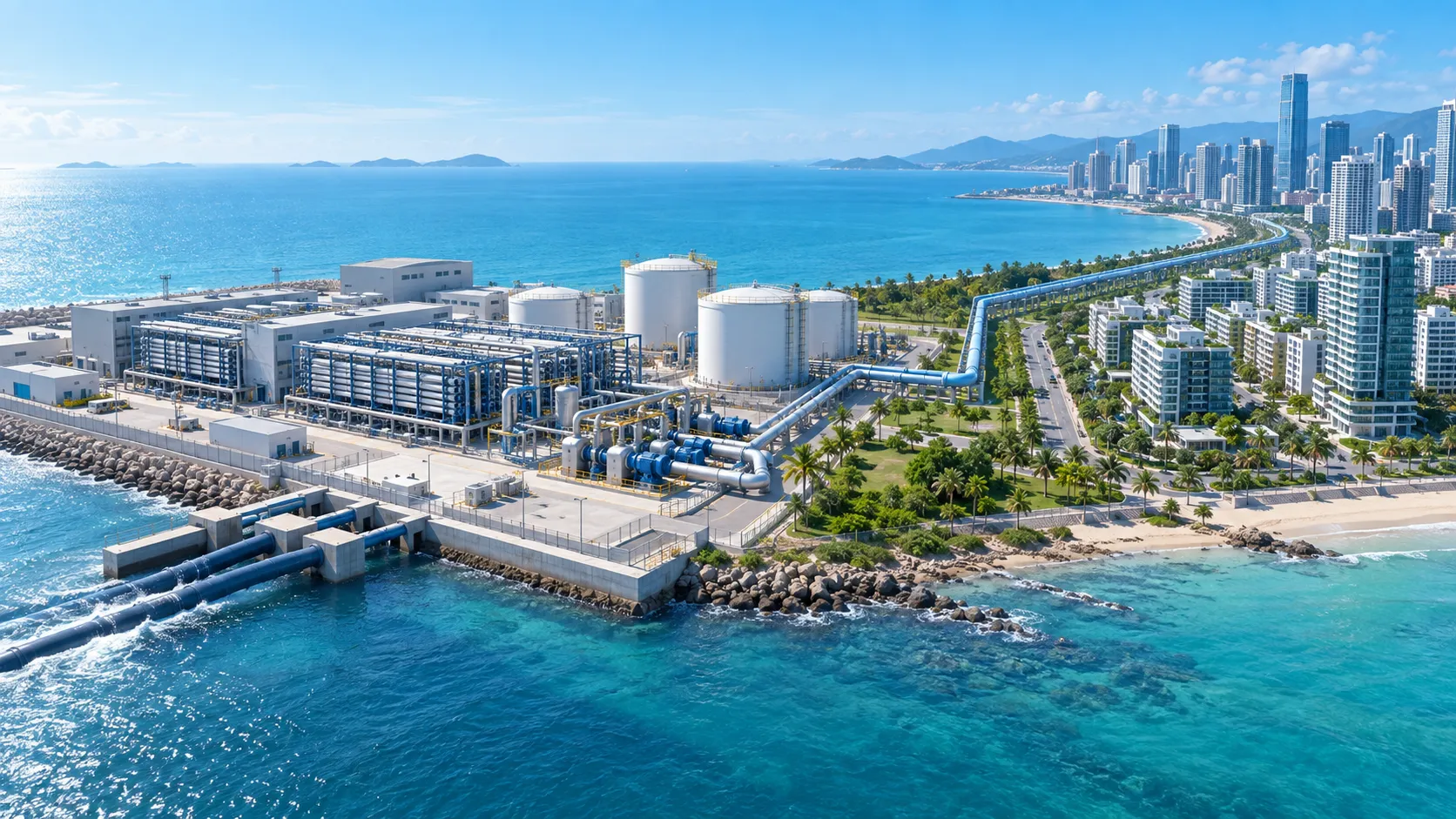
How coastal cities can select desalination solutions for peak demand
Seawater desalination solutions for coastal cities: compare firm peak capacity, intake risk, energy resilience, and lifecycle value to secure reliable water supply.
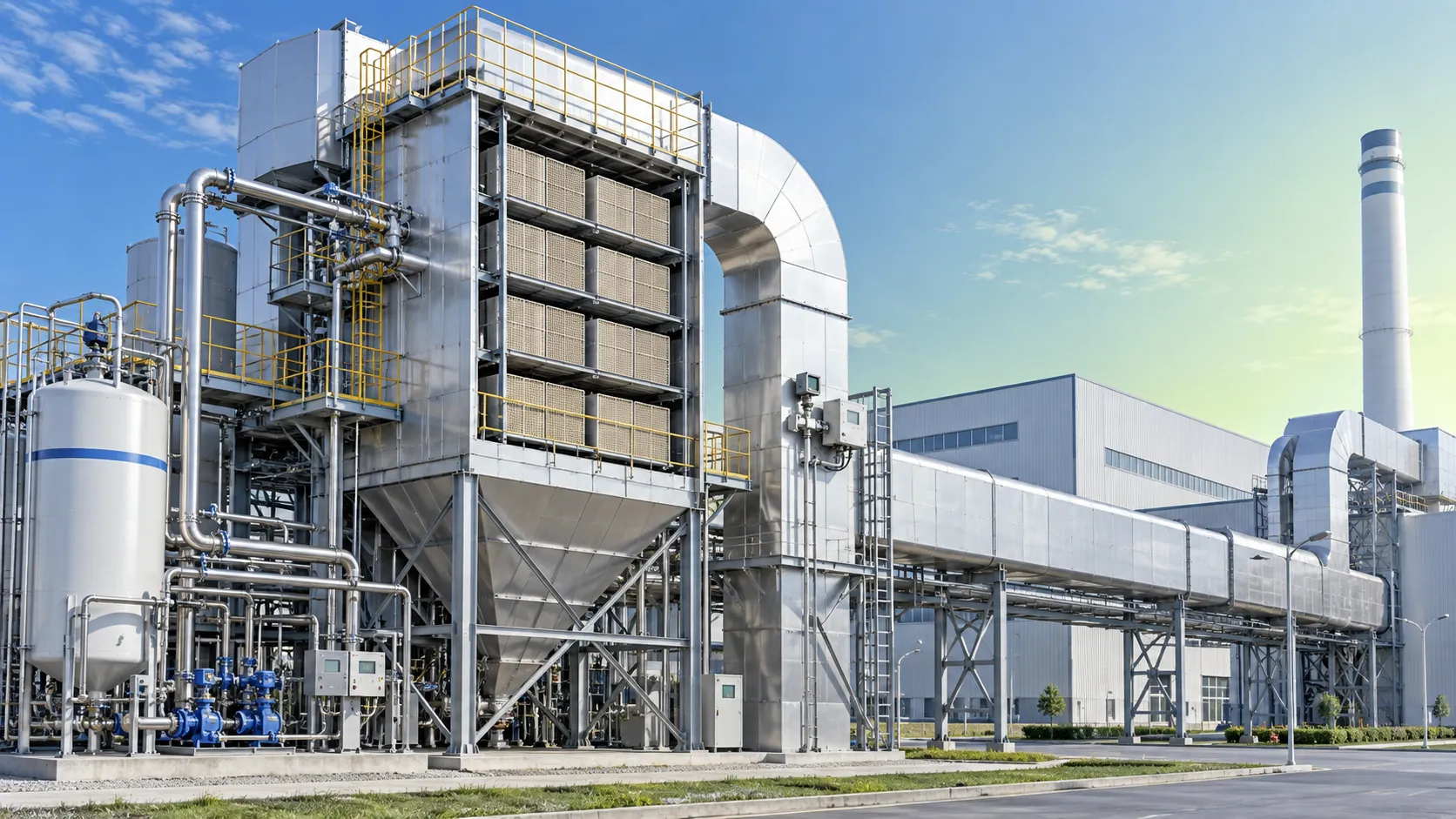
How SCR denitrification systems in Europe meet Industrial Emissions rules
SCR denitrification systems Europe: learn how permit-led design, ammonia-slip control, catalyst management and monitoring support Industrial Emissions compliance.
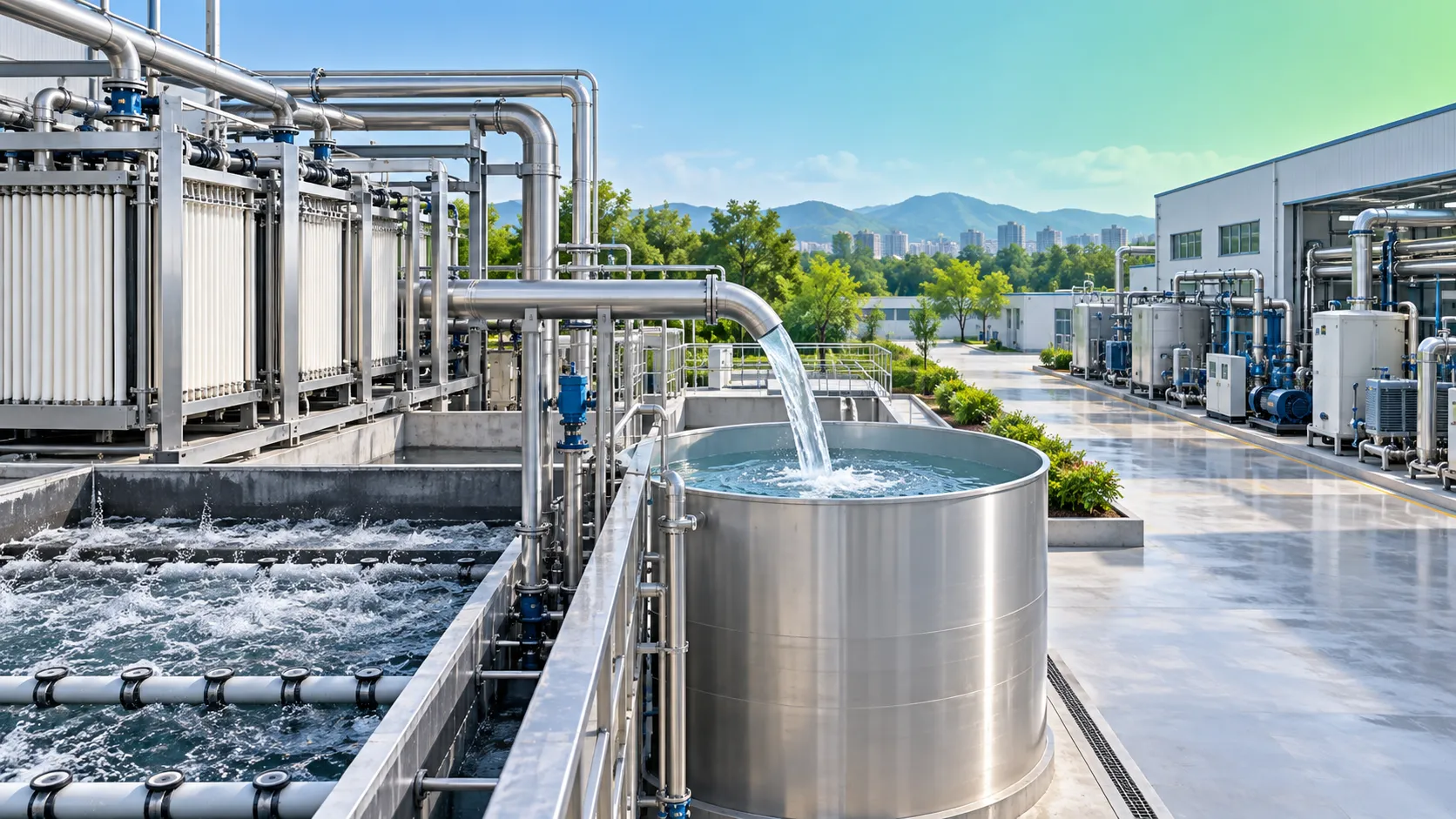
When does MBR equipment make sense for wastewater reuse?
Water treatment equipment for wastewater reuse: learn when MBR delivers compact, reliable low-solids effluent—and when alternative treatment trains offer better value.

How North America shapes global environmental governance standards
Global environmental governance North America: discover how regulation, finance, and procurement raise worldwide standards and reshape environmental projects.

How reactor capacity affects throughput in pyrolysis systems
Pyrolysis systems reactor capacity explained: learn how heat transfer, residence time, feed quality, and emissions controls determine reliable throughput.

When low-temperature reaction equipment is the right fit for heat-sensitive processes
Low-temperature reaction equipment helps protect heat-sensitive streams, improve energy integration, and maintain reliable conversion. Explore key selection factors today.

When do water reuse systems deliver a practical payback?
Water reuse systems deliver practical payback when they cut water, discharge, and downtime costs. Learn how to match treatment, recovery, and reuse quality for lasting ROI.
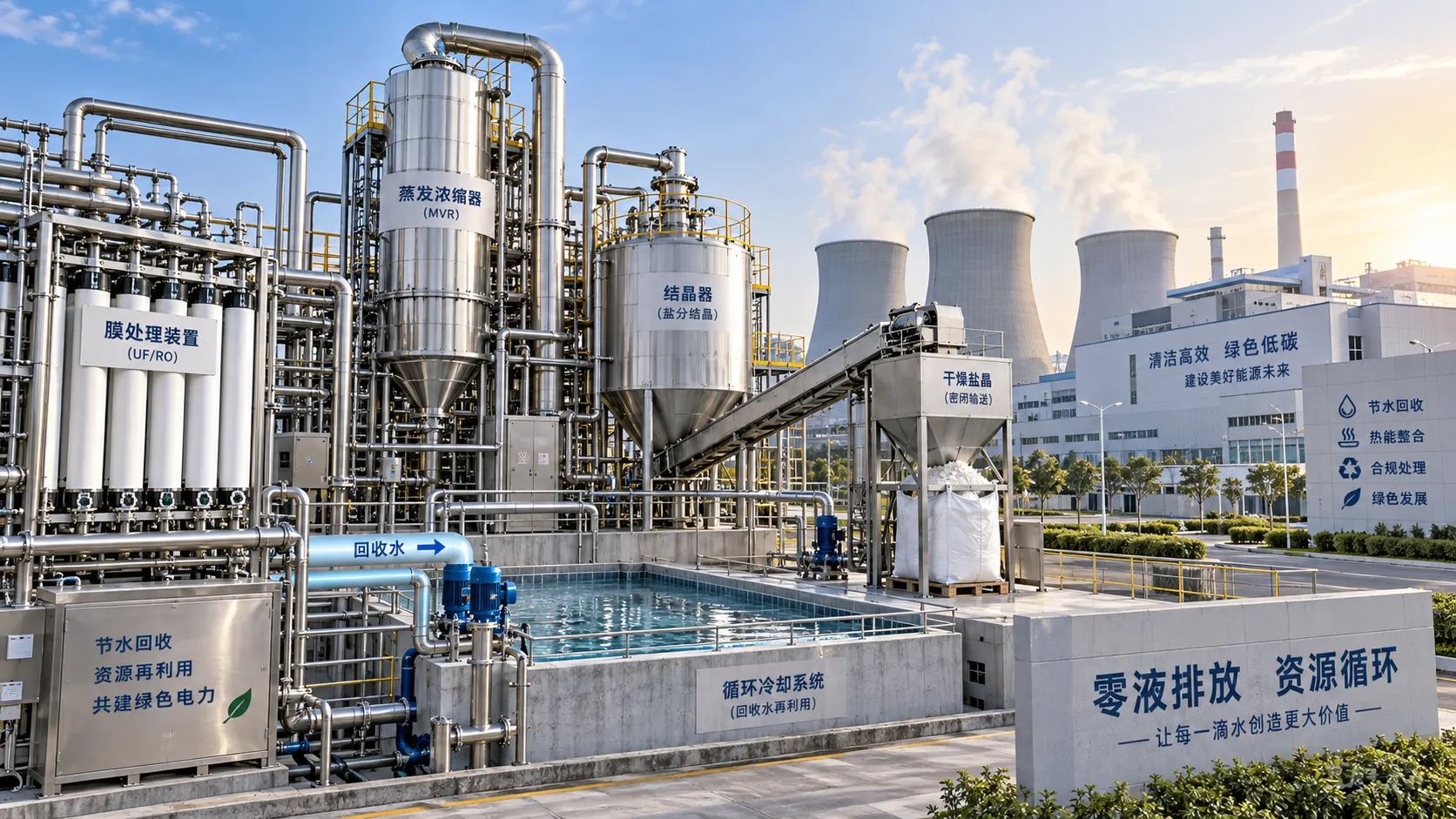
When do ZLD systems for power generation justify their energy use?
ZLD systems for power generation: learn when energy-intensive water recovery delivers stronger compliance, resilience, and long-term value.