
Industry News
Curation by industry experts
Hot Articles
Popular Tags
SCR Catalysts: When Efficiency Loss Signals Replacement
When SCR catalysts begin to lose efficiency, the first challenge is not replacement itself, but accurate diagnosis. In flue gas treatment, small losses can quickly trigger larger operational consequences.
Lower denitrification performance often means rising ammonia slip, tighter operating windows, and greater compliance pressure. For plants handling variable fuels or strict emission limits, delayed action can become expensive.
This guide explains how to judge SCR catalysts condition, distinguish temporary underperformance from real aging, and decide when maintenance, regeneration, or replacement makes the most economic sense.
What does efficiency loss in SCR catalysts actually mean?
Efficiency loss in SCR catalysts is not only a lower NOx removal number. It is a change in reaction activity, pressure behavior, and operating stability under real flue gas conditions.
Healthy SCR catalysts convert nitrogen oxides with predictable ammonia consumption across a designed temperature window. As activity declines, the same reactor needs more ammonia and tighter controls.
In practical terms, performance loss may show up as reduced NOx conversion, uneven gas distribution sensitivity, rising SO2/SO3 side effects, or stronger response to load fluctuation.
Not every efficiency drop means immediate replacement. Fouling, masking, ash deposition, temperature deviation, and upstream combustion changes can all make SCR catalysts appear weaker than they really are.
The most common causes behind apparent catalyst decline
- Physical plugging from ash, dust, or sticky particulate matter
- Chemical poisoning from alkali metals, arsenic, phosphorus, or heavy metals
- Thermal aging caused by prolonged high-temperature exposure
- Surface masking from ammonium bisulfate or sulfate compounds
- Flow maldistribution inside the reactor or upstream ducting
Understanding this distinction matters because the maintenance path for dirty SCR catalysts differs greatly from the path for chemically deactivated catalyst layers.
Which warning signs suggest SCR catalysts may be nearing replacement?
Several operating signals often appear before SCR catalysts fail compliance. Watching them together gives a better decision basis than relying on one indicator alone.
1. Higher ammonia injection with no matching NOx improvement
If the system requires more ammonia to hold the same outlet NOx, catalyst activity may be falling. This is one of the clearest early warnings.
2. Rising ammonia slip
When SCR catalysts lose active surface effectiveness, unreacted ammonia passes downstream. This increases deposition risk, can affect air preheaters, and may create secondary maintenance issues.
3. Pressure drop growth across the catalyst reactor
A rising pressure drop often points to plugging or heavy deposition. It does not always mean replacement, but it does signal that catalyst condition is no longer normal.
4. Reduced performance during low-load or low-temperature operation
Low-temperature sensitivity is especially important. Many SCR catalysts lose practical activity faster when plants cycle frequently or operate outside the ideal temperature window.
5. Uneven reactor outlet measurements
Nonuniform NOx or ammonia profiles may indicate local deactivation, blocked channels, or flow imbalance. Replacement may only be needed for selected layers, not the full bed.
How can real SCR catalysts condition be assessed before deciding on replacement?
Good decisions depend on combining field data, laboratory analysis, and reactor inspection. A single stack reading rarely tells the full condition of SCR catalysts.
Start with operating history
Review temperature excursions, fuel changes, sulfur loading, dust characteristics, outages, and ammonia injection records. These reveal whether performance loss is sudden, progressive, or seasonal.
Use catalyst sampling and lab testing
Representative samples from different layers and reactor zones should be tested for activity, pressure behavior, pore blockage, and poisoning contaminants.
This step is essential because top-layer SCR catalysts may be heavily masked, while lower layers remain usable. Replacing the entire inventory too early wastes capital.
Inspect flow and mechanical integrity
Baffles, seals, sootblowing performance, and ammonia grid distribution all affect apparent catalyst performance. A reactor design problem can imitate catalyst failure.
Compare current performance with design margins
If SCR catalysts still meet emission targets with acceptable slip and pressure drop, replacement may be unnecessary. The key question is remaining operating margin, not age alone.
When should maintenance, regeneration, or replacement be chosen?
The best choice depends on the cause of decline. Effective SCR catalysts management separates recoverable issues from irreversible deactivation.
Choose maintenance when deposits are the main issue
If pressure drop rises and tests show limited chemical damage, cleaning or operational adjustment may restore performance. This often applies to dust-heavy flue gas environments.
Choose regeneration when activity can still be restored
Some SCR catalysts can be regenerated through off-site treatment processes. This may remove surface contamination and recover useful activity at lower cost than full replacement.
However, regeneration works best when catalyst structure remains sound. Severe poisoning or thermal sintering usually limits recovery.
Choose replacement when compliance margin is structurally gone
Replacement is justified when SCR catalysts cannot meet NOx targets without excessive ammonia, when poisoning is irreversible, or when pressure losses threaten system reliability.
In many plants, partial replacement is the most efficient path. Replacing the most degraded layer first can restore reactor balance without a full inventory change.
What cost and risk factors are often underestimated with SCR catalysts replacement timing?
The direct catalyst invoice is only one part of the decision. Timing errors create hidden costs that are often larger than the catalyst itself.
Replacing too early
- Capital is tied up before existing SCR catalysts are fully used
- Regenerable layers may be discarded unnecessarily
- Root operational issues may remain unresolved
Replacing too late
- NOx compliance risk rises sharply
- Ammonia slip can damage downstream equipment economics
- Emergency outages reduce planning flexibility
- Rush procurement may narrow technical choices
For sectors covered by tighter environmental frameworks and carbon-related trade scrutiny, unstable emissions performance also carries reputational and strategic consequences.
That is why intelligence-led maintenance matters. Platforms such as ESD track low-temperature reaction behavior, compliance trends, and equipment evolution across flue gas treatment systems.
How can a practical replacement strategy for SCR catalysts be built?
A practical strategy is data-based, staged, and linked to outage planning. It avoids reactive decisions and supports long-term flue gas treatment reliability.
Recommended decision sequence
- Confirm the symptom through NOx, slip, pressure drop, and load trend data
- Check whether operating temperature and ammonia distribution are within design range
- Inspect for plugging, fouling, or mechanical maldistribution
- Test representative SCR catalysts samples for activity and poisoning
- Compare maintenance, regeneration, partial replacement, and full replacement scenarios
- Align the chosen action with outage windows and compliance deadlines
The most reliable replacement plans treat SCR catalysts as part of a full reactor system, not as isolated consumables. That wider view produces better technical and economic results.
In summary, efficiency loss in SCR catalysts should trigger structured evaluation, not guesswork. Warning signs such as rising ammonia demand, slip, and pressure drop deserve early attention.
Before replacing SCR catalysts, verify whether the cause is fouling, poisoning, thermal aging, or flow imbalance. The right response may be maintenance, regeneration, partial replacement, or full renewal.
For better long-cycle decisions in flue gas treatment, build a review process around condition data, lab testing, compliance trends, and outage planning. Timely action protects both emissions performance and operating cost.
Recommended News
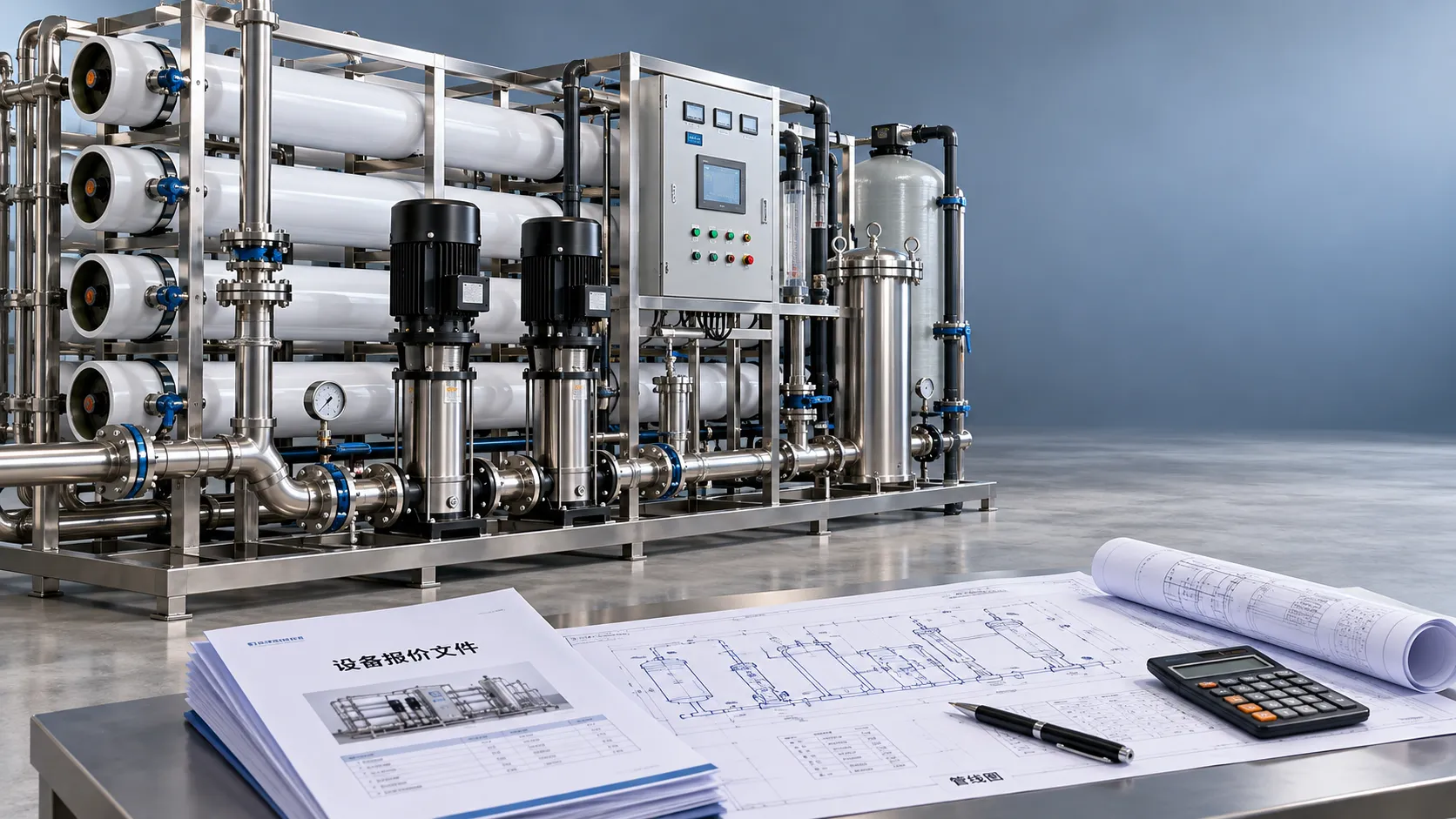
How to check a water treatment quotation for hidden project costs
Review your water treatment quotation for hidden costs, scope gaps, and operating expenses. Learn what to check before signing to protect your budget and avoid costly surprises.
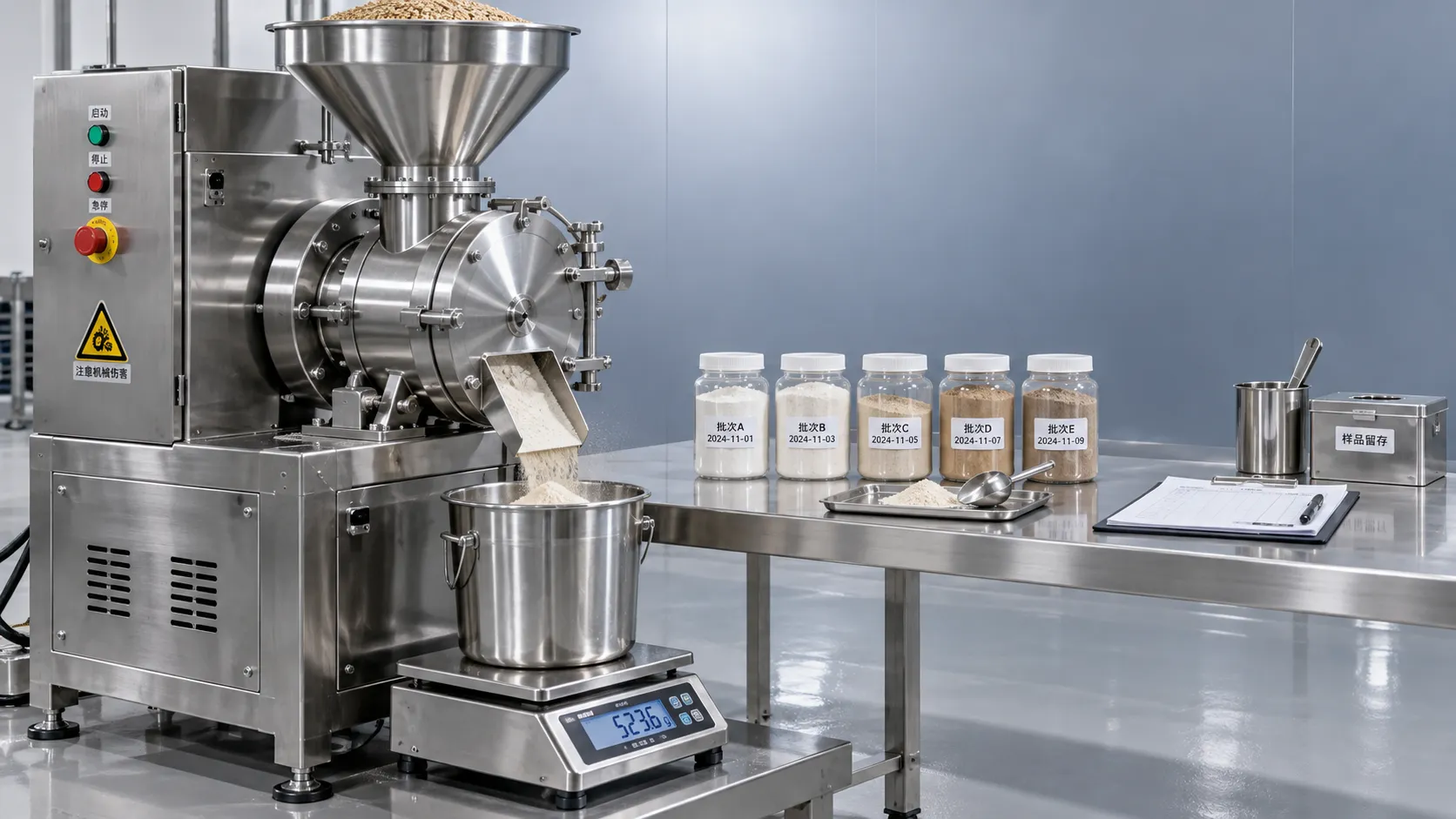
How to vet ingredient processing equipment manufacturers using trials
Vet ingredient processing equipment manufacturers with real-world trials. Learn how to verify yield, cleaning, energy use, and scale-up before you invest.
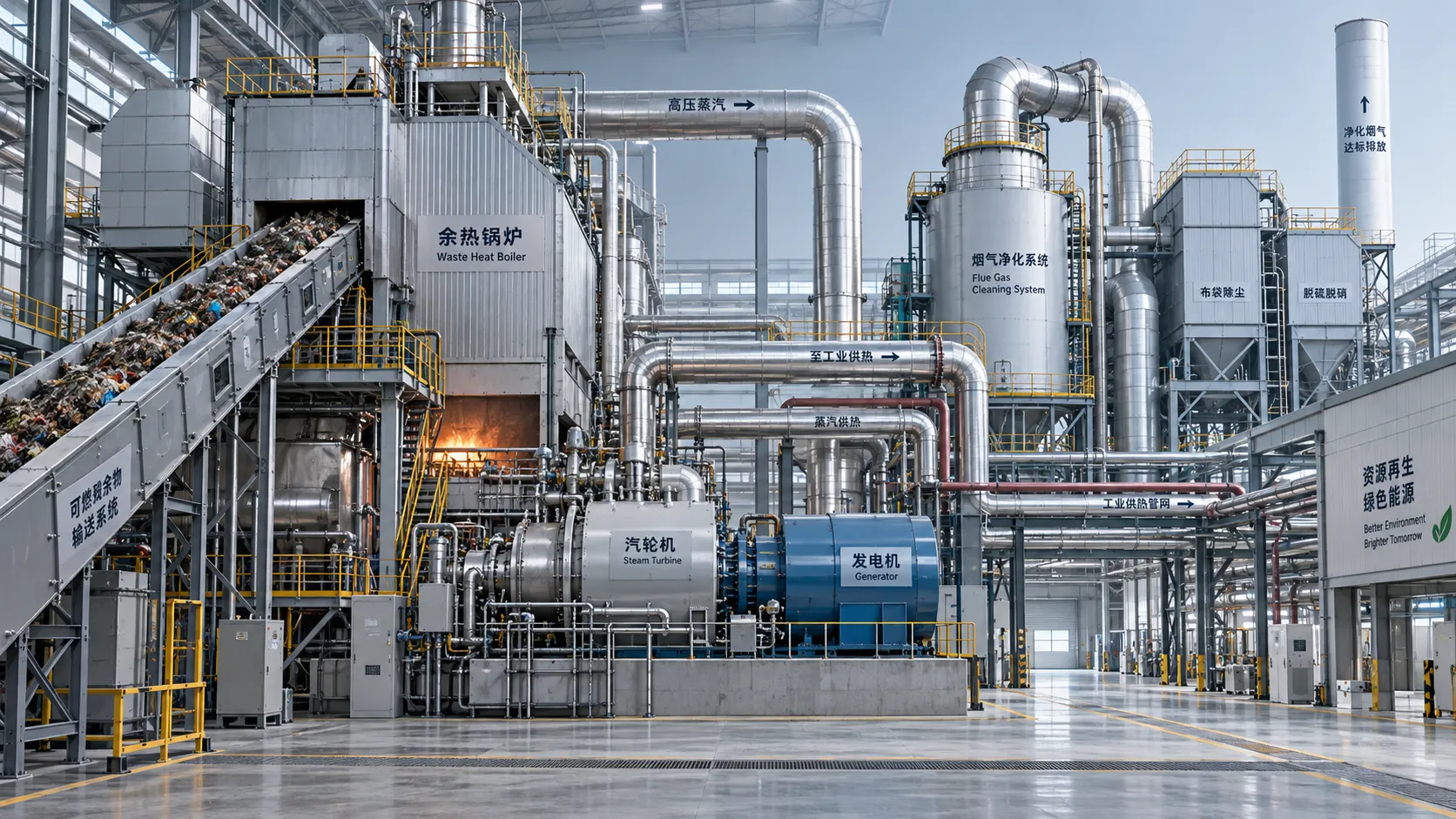
When is energy recovery viable in the solid waste recovery process?
When is energy recovery viable in the solid waste recovery process? Explore feedstock quality, net energy, emissions, and costs to assess feasibility and make smarter investment decisions.
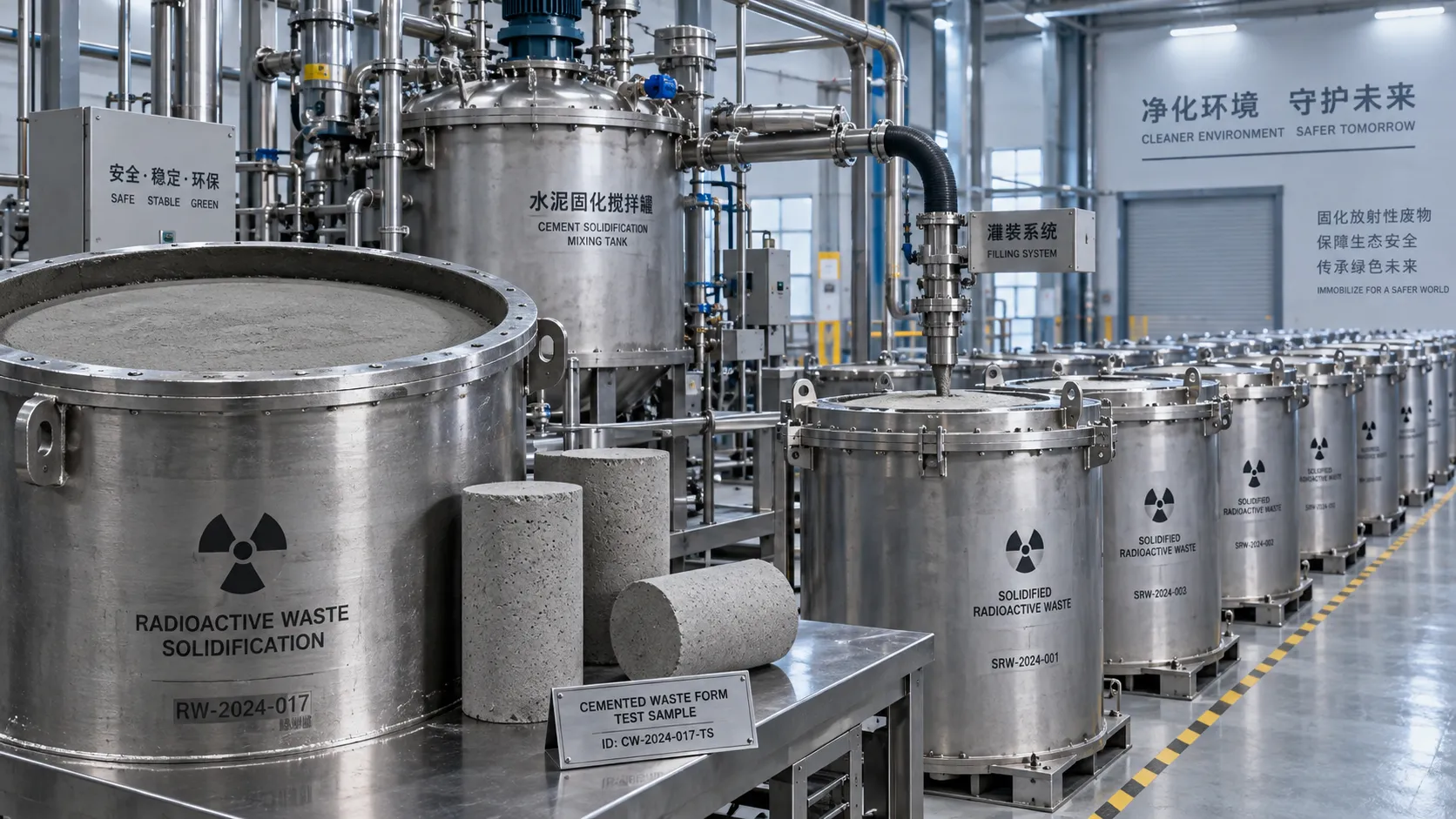
When is cementation suitable for nuclear decommissioning waste?
Explore nuclear waste treatment technology for decommissioning: learn when cementation fits, which risks to assess, and how disposal criteria guide an effective treatment choice.
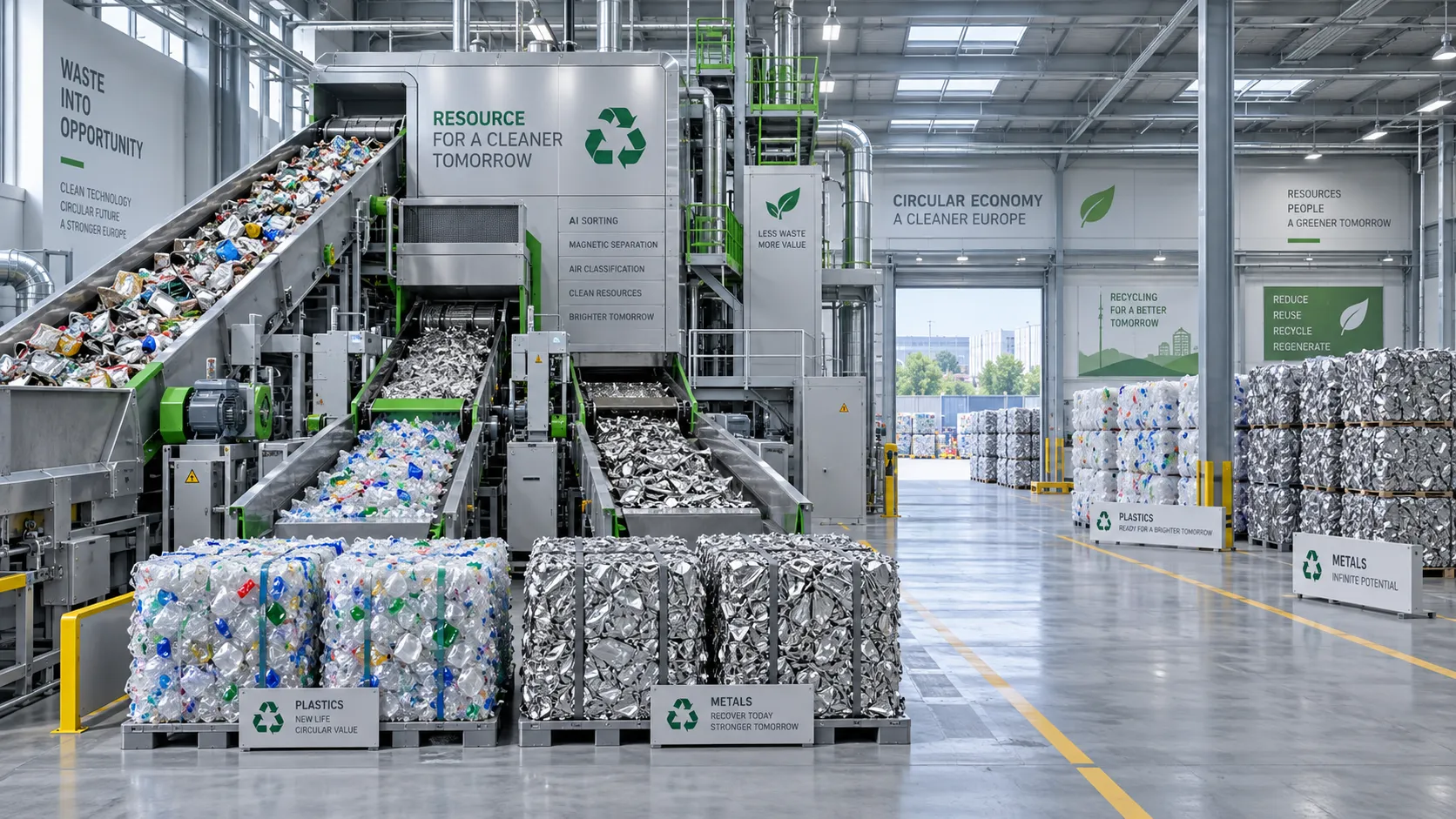
What determines payback for waste-to-resource systems in Europe?
Assess waste-to-resource systems Europe-wide: compare feedstock, recovery yields, costs and contracts to uncover payback drivers and make smarter investment decisions.
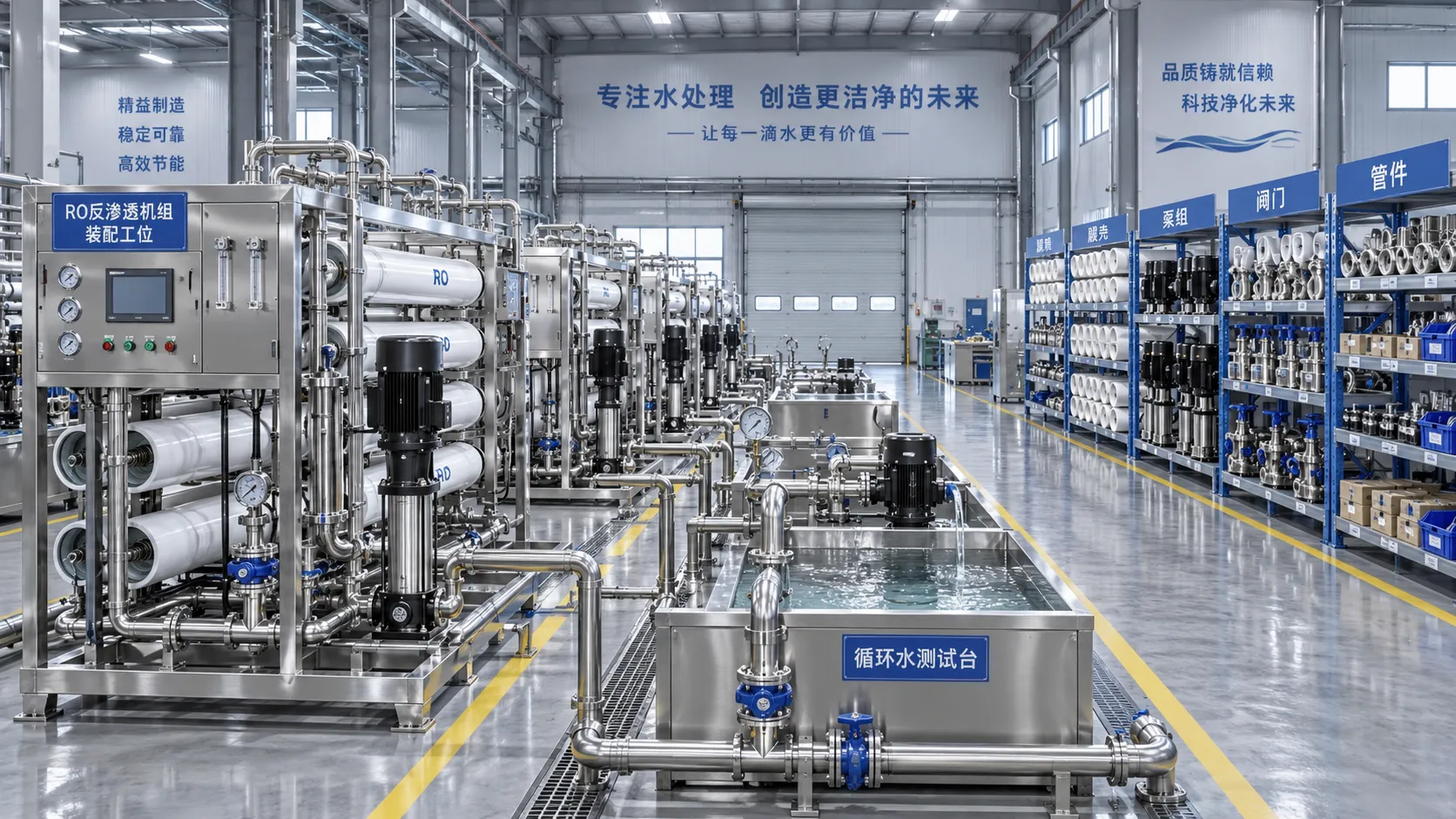
How to verify a water treatment system factory’s production capacity
Verify a water treatment systems factory’s production capacity through records, bottlenecks, component availability, and testing. Learn what to check before accepting a delivery promise.
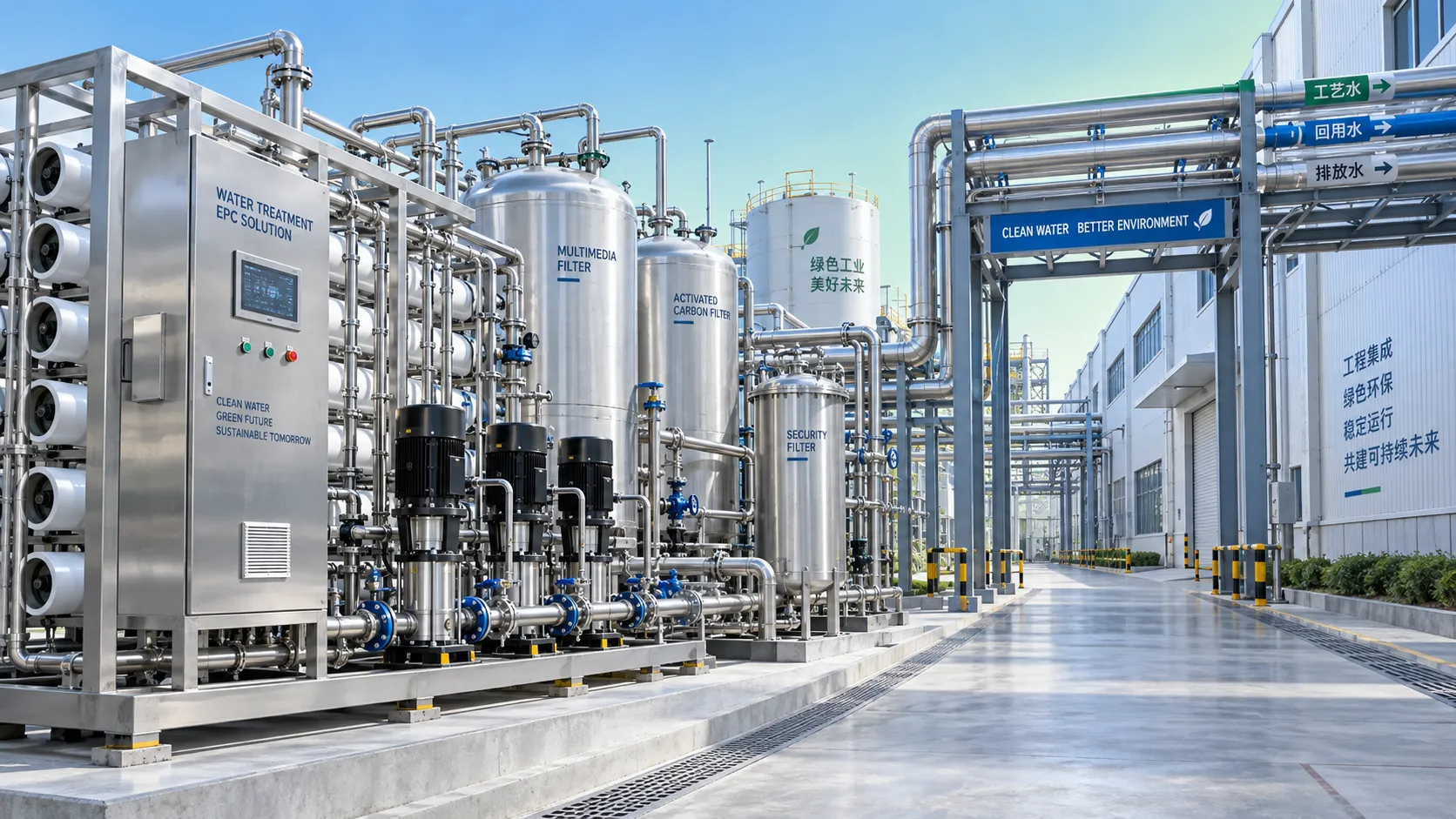
When does EPC environmental project support reduce delivery risk?
EPC environmental project support engineering reduces delivery risk by aligning design, procurement, compliance, construction, and commissioning decisions.
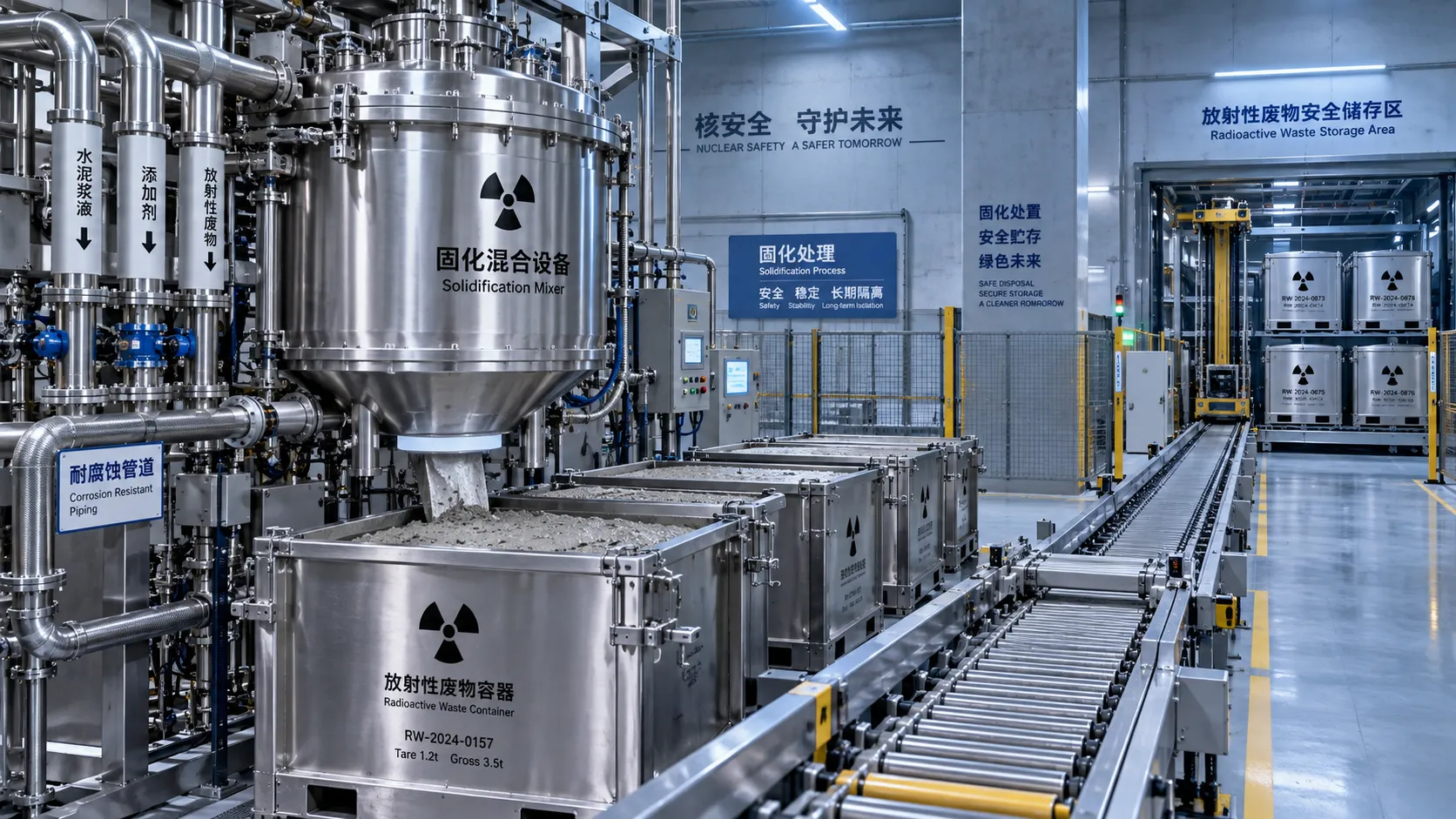
How nuclear plants select a radioactive waste solidification method
Radioactive waste management for nuclear plants: compare vitrification, cementation, polymers, and ceramics to select a compliant, durable solidification solution.
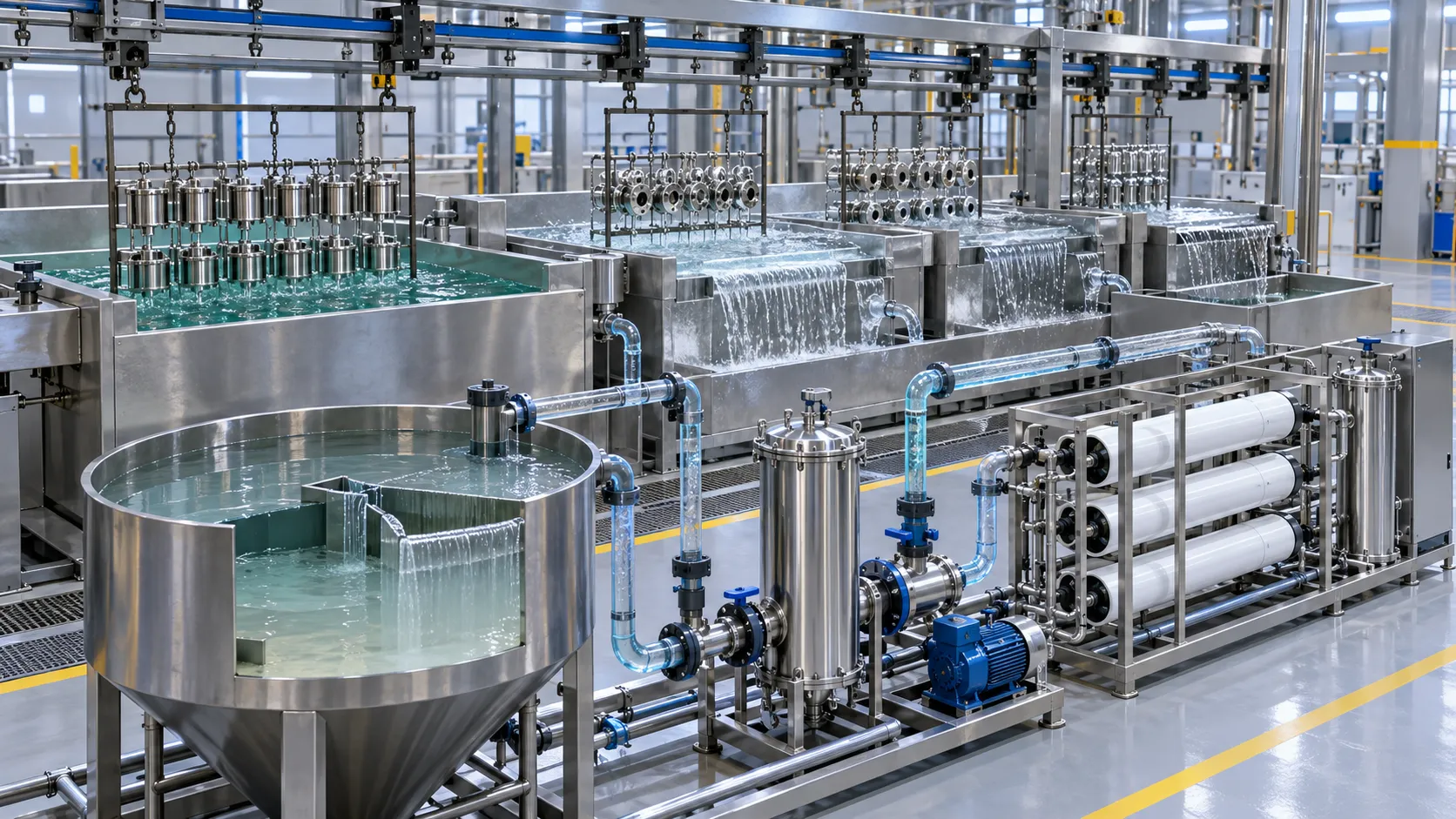
Water Treatment Options for Metal Finishing Rinse Water and Process Baths
Metal finishing water treatment solutions for rinse water and process baths—reduce costs, recover metals, improve reuse, and strengthen compliance.