
Industry News
Curation by industry experts
Hot Articles
Popular Tags
How to Evaluate Water Purification Membrane Performance and Lifespan
How to Evaluate Water Purification Membrane Performance and Lifespan
For technical evaluators, choosing a water purification membrane is rarely about one headline number.
A membrane may look strong in a datasheet, yet behave very differently after months of variable feedwater, cleaning cycles, and pressure swings.
That is why water purification membrane assessment must connect lab data, plant conditions, and lifecycle cost.
The most useful question is simple: will this membrane keep delivering stable water quality at an acceptable operating cost over time?
This guide explains the core performance metrics, practical testing methods, and real operating signals that define water purification membrane lifespan.
Start with the Right Performance Baseline
Every water purification membrane should be judged against a baseline that matches the actual process objective.
In desalination, salt rejection may dominate the decision.
In wastewater reuse, fouling resistance and cleaning recovery may matter more than peak initial flux.
In ultrapure water systems, trace organics, silica passage, and membrane integrity often become decisive.
A useful baseline usually includes four areas:
- Permeate quality targets, including conductivity, TOC, hardness, or pathogen reduction
- Hydraulic performance, including normalized flux and pressure drop
- Durability under expected cleaning chemistry and operating temperature
- Lifecycle economics, including energy, cleaning frequency, and replacement interval
Without this baseline, comparing one water purification membrane to another becomes misleading.
Key Metrics That Actually Matter
1. Permeate Flux and Flux Stability
Initial flux shows how much water passes through the membrane under defined conditions.
But for water purification membrane evaluation, stable normalized flux is more important than a strong starting number.
A fast decline often signals fouling sensitivity, compaction, or weak pretreatment compatibility.
2. Rejection Performance
Rejection measures how effectively the membrane removes salts, organics, particles, or target contaminants.
For RO and NF systems, stable salt rejection is critical.
For UF and MF, turbidity control, SDI improvement, and microbial barrier performance are often more relevant.
3. Differential Pressure
Rising differential pressure is one of the earliest warning signs in water purification membrane systems.
It often points to particulate fouling, biofilm growth, channel blockage, or poor flow distribution.
A membrane with moderate initial flux but slower pressure rise may deliver better long-term value.
4. Fouling Resistance and Cleaning Recovery
This is where many selection decisions become clearer.
Two membranes can show similar flux and rejection, yet differ sharply after repeated fouling and cleaning cycles.
High flux recovery after CIP suggests the water purification membrane can maintain output without excessive chemical use or downtime.
5. Chemical and Mechanical Tolerance
Lifespan depends heavily on chemical exposure.
Check pH range, oxidant tolerance, temperature limit, and cleaning compatibility.
Also confirm burst strength, compaction resistance, and tolerance to startup or shutdown transients.
How to Test a Water Purification Membrane Properly
A sound evaluation method combines standardized testing with conditions close to the real plant.
Recent projects show that plant-specific pilot data often changes the final ranking.
- Verify supplier test conditions, including feed composition, pressure, temperature, and recovery.
- Normalize data before comparison, especially for flux, rejection, and pressure drop.
- Run a pilot with actual feedwater, not only synthetic water.
- Track short-term fouling behavior over several operating cycles.
- Include cleaning trials to measure flux recovery and membrane damage risk.
- Review post-test autopsy data if performance falls unexpectedly.
In actual procurement work, the weak point is often poor comparability between vendor datasets.
One membrane may be tested at lower recovery or cleaner feed conditions, making results look better than they will in service.
That is why evaluation sheets should always record operating assumptions beside each result.
What Determines Membrane Lifespan in the Field
Water purification membrane lifespan is shaped more by operating discipline than by brand alone.
The same model can last far longer in one plant than another.
The main field factors are usually these:
- Feedwater variability, including seasonal organics, turbidity spikes, and scaling ions
- Pretreatment quality, especially coagulation, filtration, dechlorination, and SDI control
- Operating recovery and concentration factor
- Cleaning frequency, chemistry, and operator execution
- Hydraulic shocks during startup, shutdown, or upset conditions
- Biological control strategy and storage practices
A common mistake is treating membrane lifespan as a fixed warranty concept.
In reality, lifespan is a moving result shaped by water chemistry, maintenance quality, and control stability.
Use Lifecycle Cost, Not Purchase Price, for Final Selection
A lower purchase price can hide a more expensive water purification membrane over three to five years.
Selection should include total cost of ownership, not only capex.
This is especially important in desalination, industrial reuse, and ZLD-linked systems, where process interruptions are expensive.
The better decision is often the membrane that lowers instability, even if its unit price is higher.
A Practical Evaluation Checklist
For a final decision, use a structured checklist instead of relying on a single vendor claim.
- Does the water purification membrane meet required permeate quality with margin?
- Is normalized flux stable under real feedwater conditions?
- How quickly does differential pressure increase?
- What is the flux recovery after repeated cleaning cycles?
- Can the membrane tolerate planned cleaning chemicals and temperatures?
- What pretreatment quality does it require to protect lifespan?
- Are field references available for the same water matrix?
- What is the projected lifecycle cost per cubic meter?
This checklist also helps align engineering, operations, and procurement around the same decision logic.
Final Decision Logic
A strong water purification membrane is not simply the one with the highest catalog performance.
It is the one that stays efficient, cleanable, and compliant under the feedwater and operating realities of the plant.
The clearest signal usually comes from combining normalized performance data, fouling behavior, cleaning recovery, and lifecycle cost.
When those factors are reviewed together, water purification membrane selection becomes more predictable and far less risky.
For real-world evaluation, build the decision around plant-specific conditions first, then let supplier data prove fit rather than define it.
Recommended News
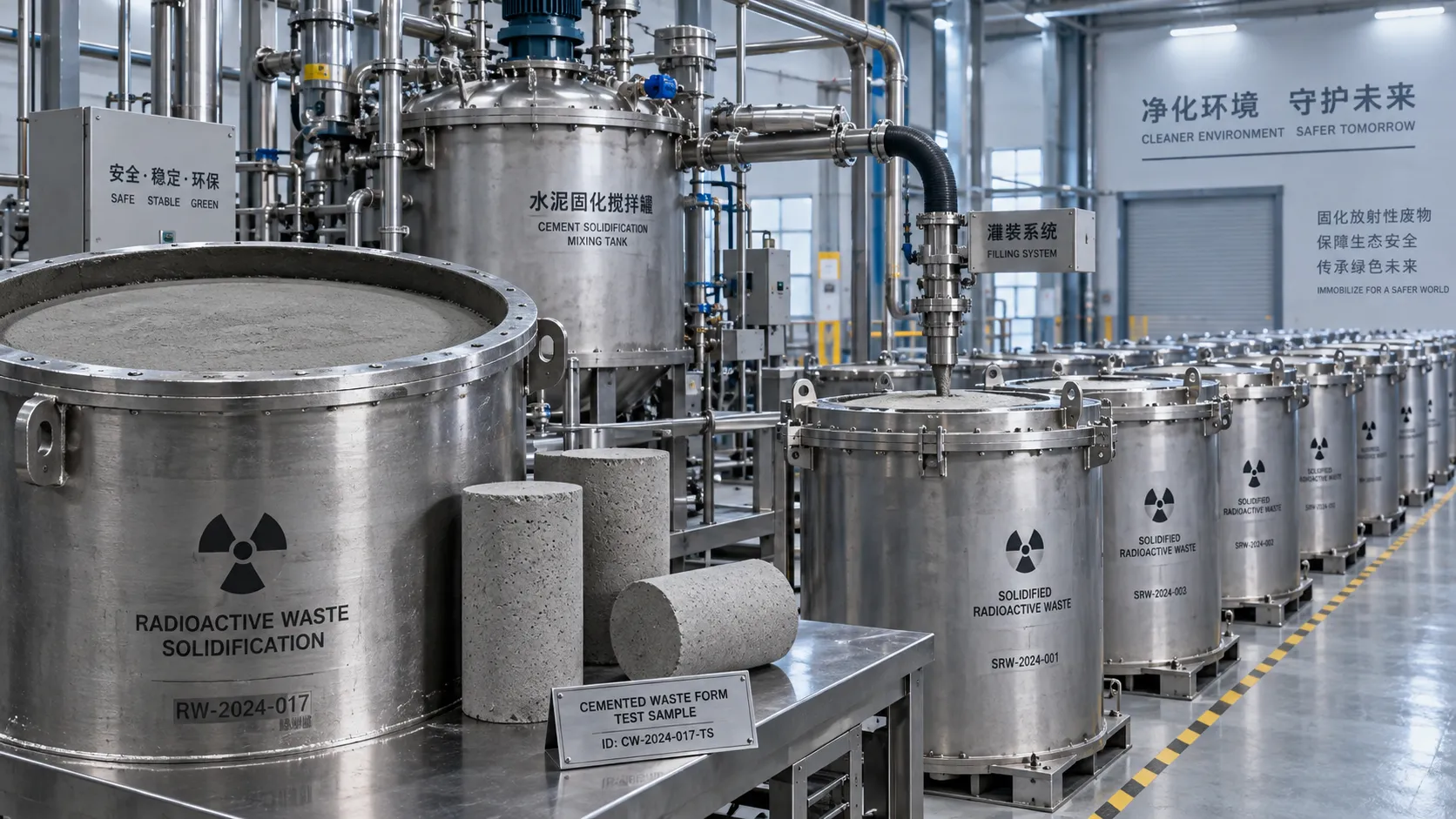
When is cementation suitable for nuclear decommissioning waste?
Explore nuclear waste treatment technology for decommissioning: learn when cementation fits, which risks to assess, and how disposal criteria guide an effective treatment choice.
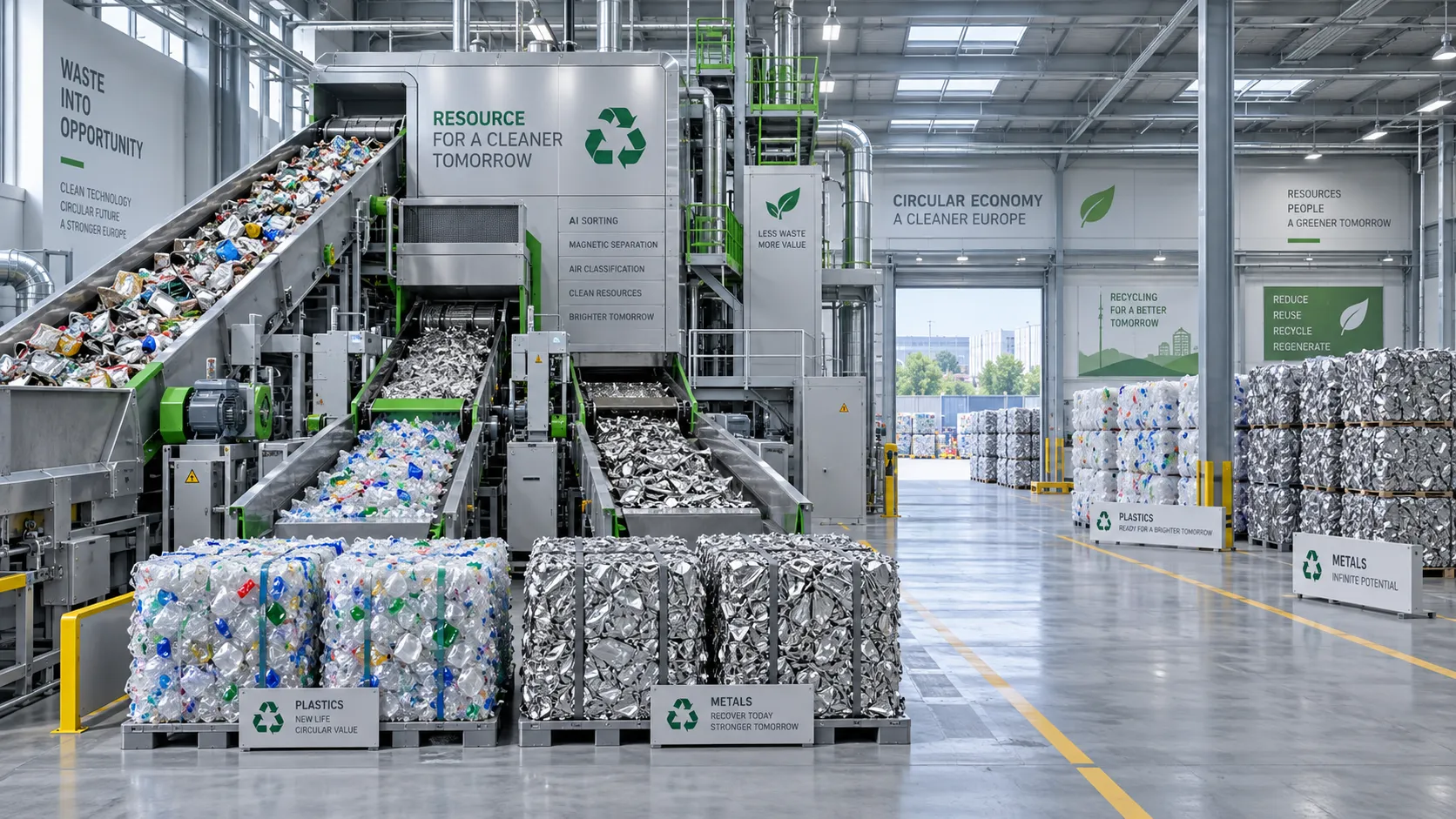
What determines payback for waste-to-resource systems in Europe?
Assess waste-to-resource systems Europe-wide: compare feedstock, recovery yields, costs and contracts to uncover payback drivers and make smarter investment decisions.
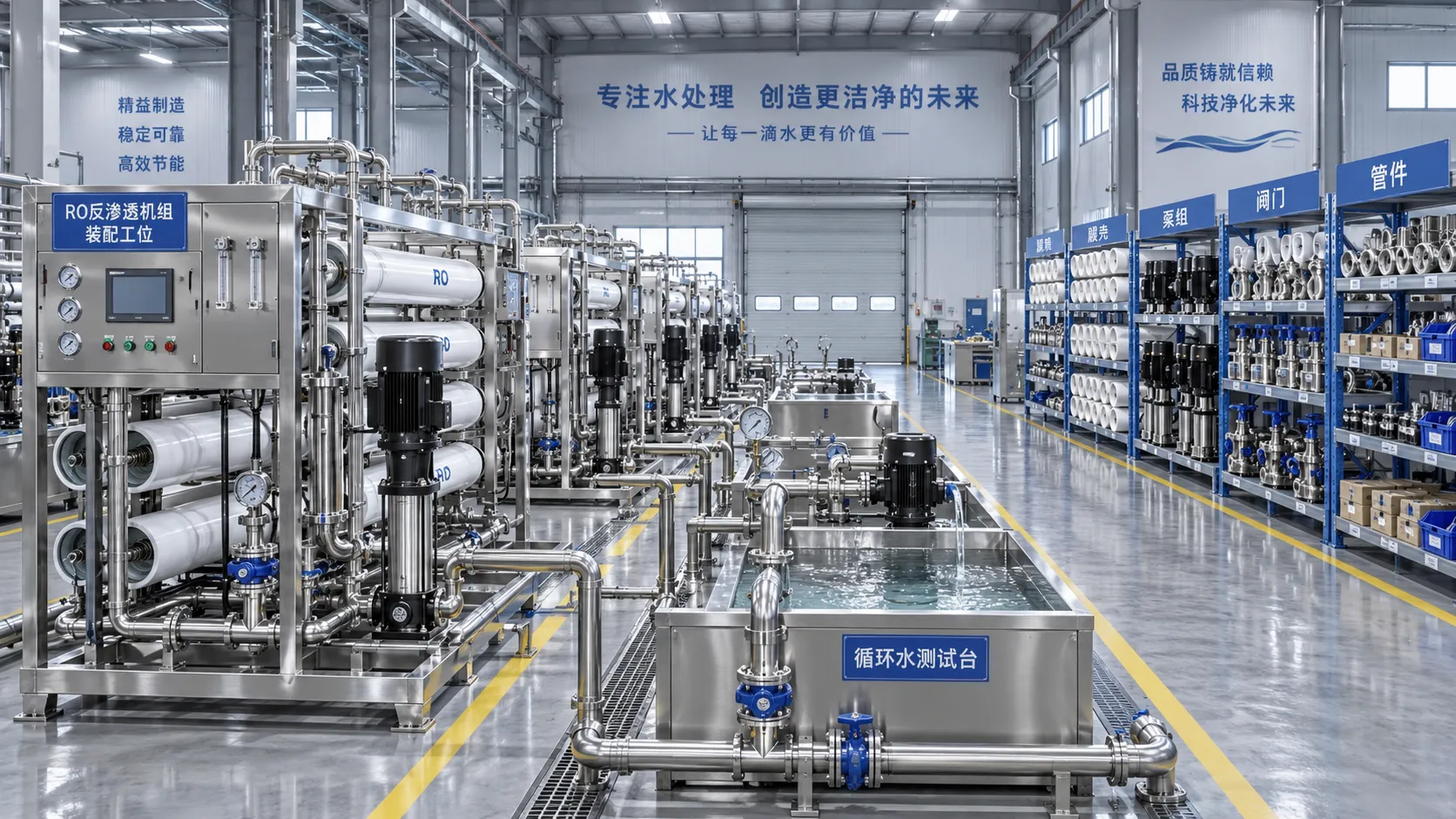
How to verify a water treatment system factory’s production capacity
Verify a water treatment systems factory’s production capacity through records, bottlenecks, component availability, and testing. Learn what to check before accepting a delivery promise.
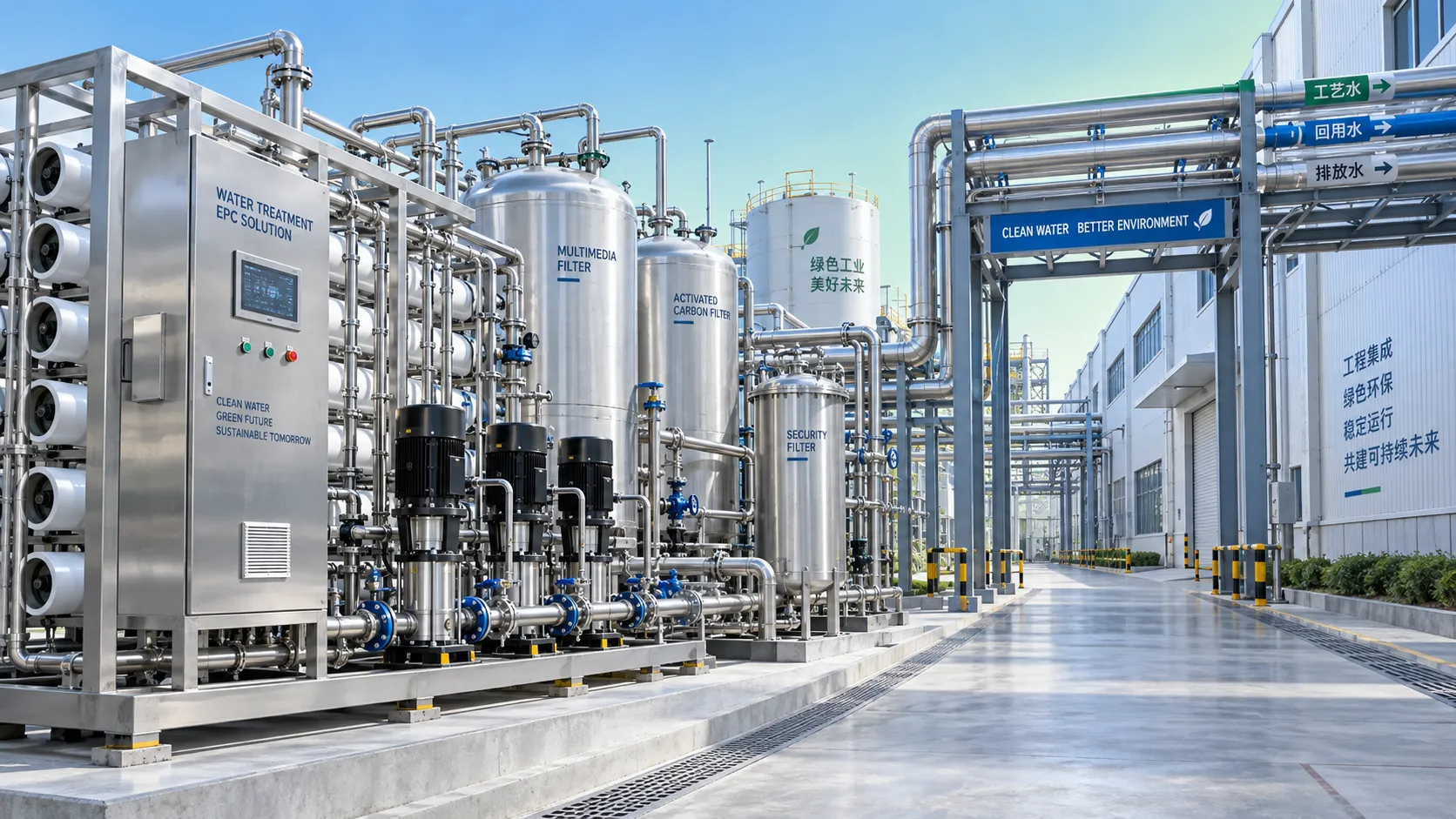
When does EPC environmental project support reduce delivery risk?
EPC environmental project support engineering reduces delivery risk by aligning design, procurement, compliance, construction, and commissioning decisions.
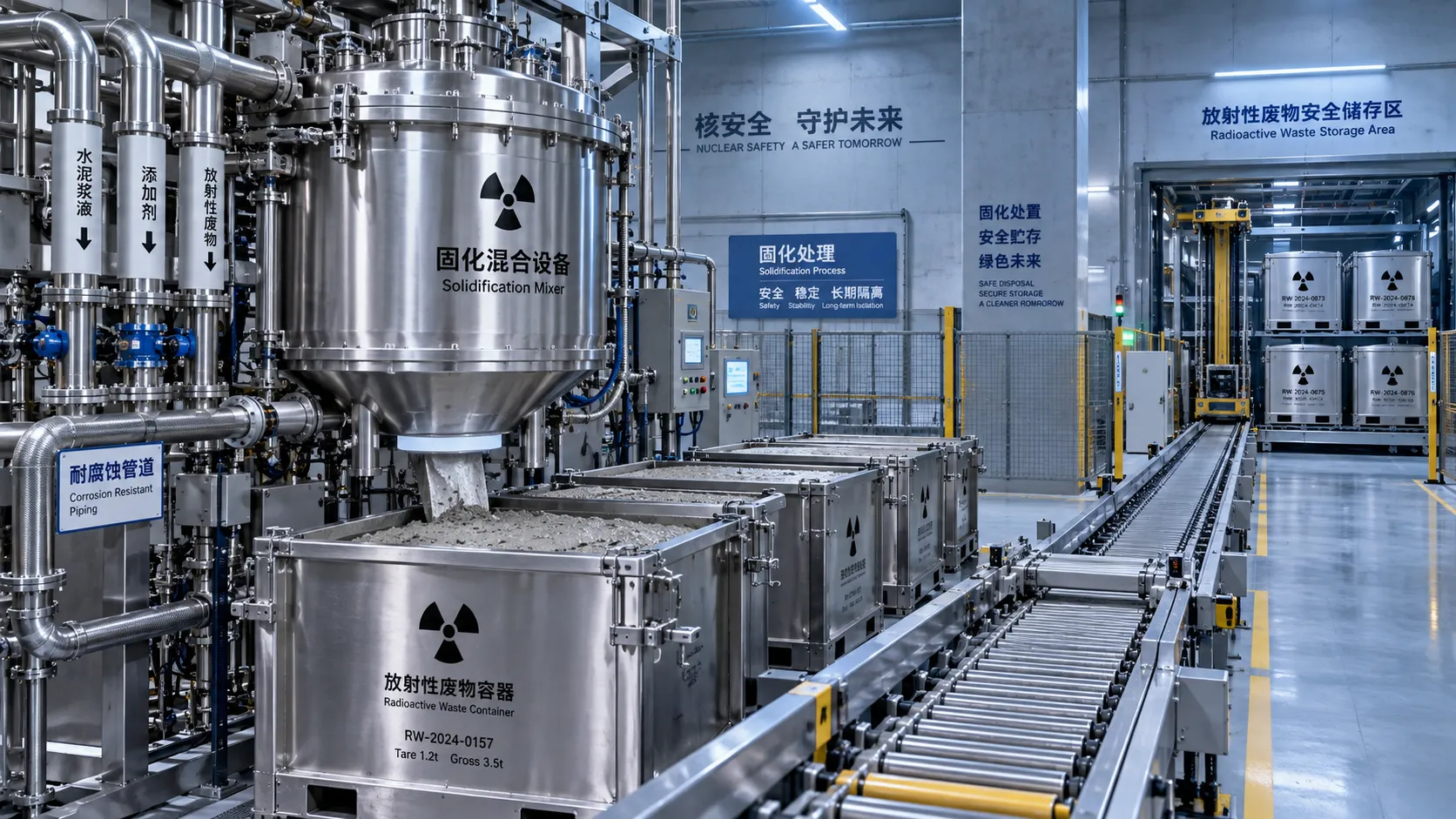
How nuclear plants select a radioactive waste solidification method
Radioactive waste management for nuclear plants: compare vitrification, cementation, polymers, and ceramics to select a compliant, durable solidification solution.
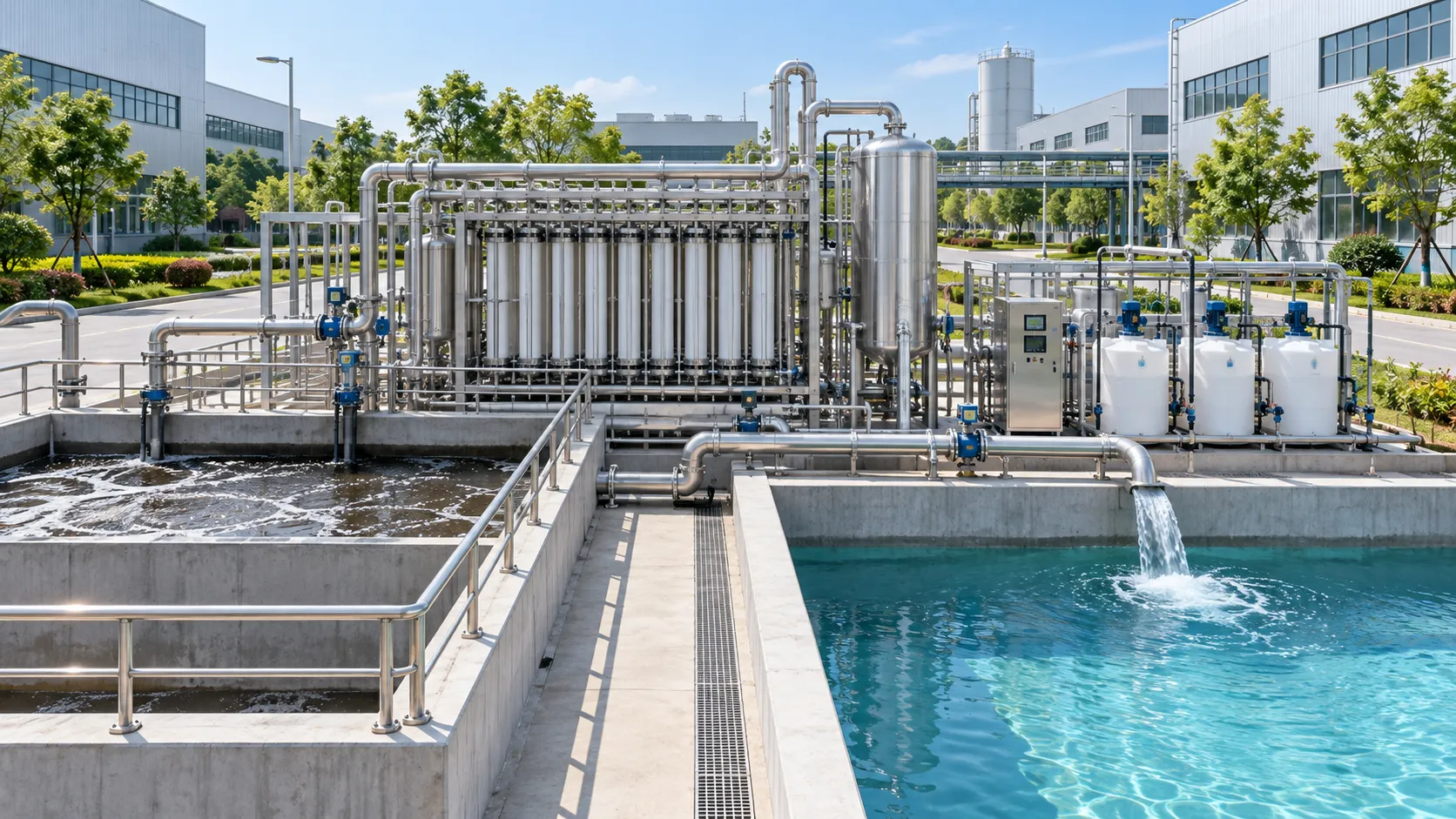
Comparing Upgrade Costs for Industrial Park Wastewater Treatment Systems
Compare costs for wastewater system upgrades in industrial parks with a lifecycle view of CAPEX, OPEX, compliance, resilience, and future expansion.
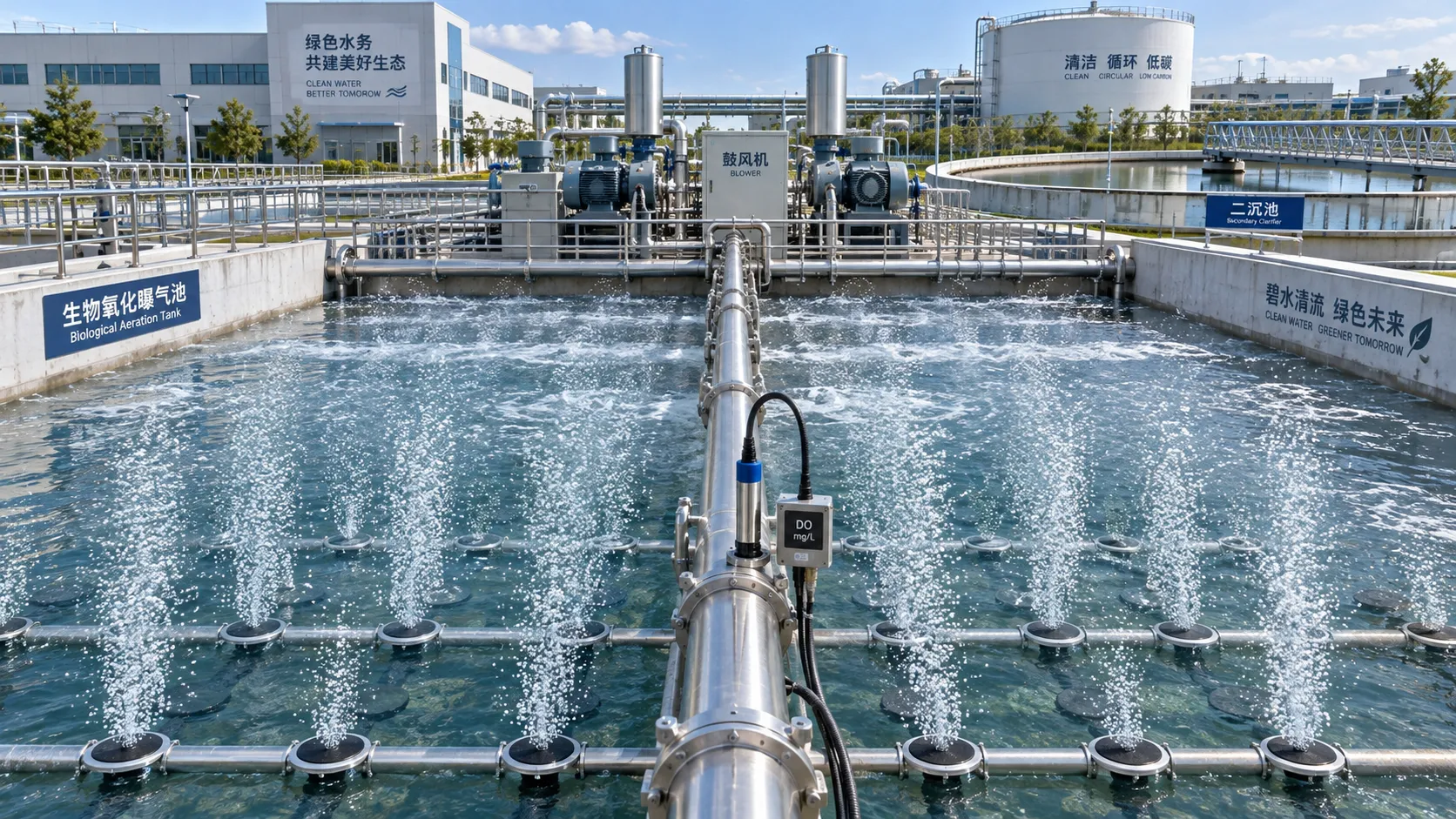
Biological Wastewater Oxidation Explained: Aeration Demand and Process Control
Biological wastewater oxidation explained: optimize aeration demand, DO control, nitrification, and sludge age for stable effluent quality and lower energy costs.
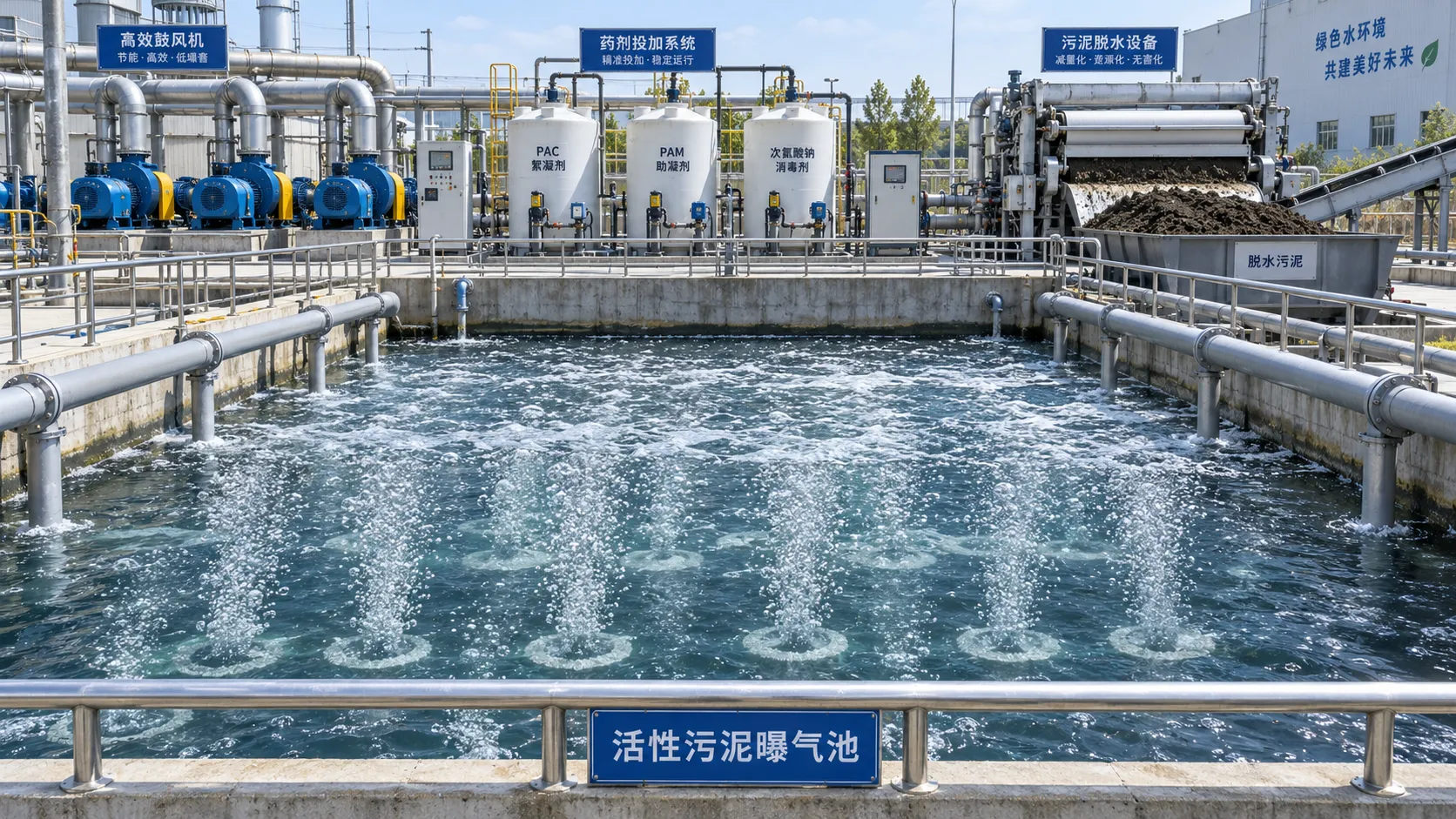
Activated Sludge Cost: Budgeting Energy, Chemicals, Sludge, and Labor
Activated sludge cost explained: compare energy, chemicals, sludge disposal, labor, and compliance risks to build a reliable lifecycle budget.
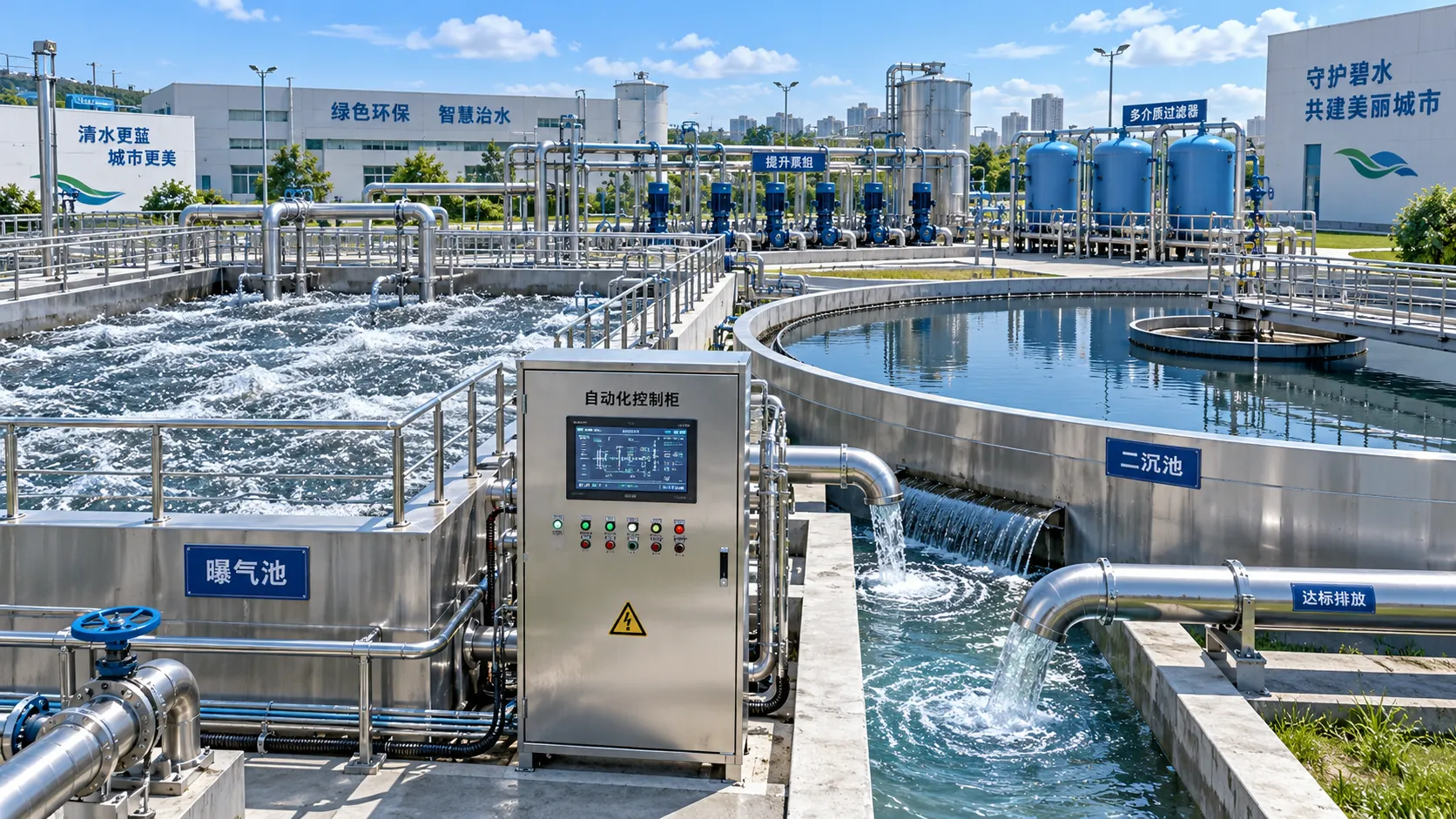
When Should Municipal Wastewater Plants Upgrade Treatment Capacity and Controls?
Municipal wastewater treatment upgrades: learn when capacity, controls, and resilient planning are needed to protect compliance and optimize plant performance.