
Industry News
Curation by industry experts
Hot Articles
Popular Tags
Low Carbon Decarbonization Technologies: Cost, Risk, and ROI in 2026
Why are low carbon decarbonization technologies now a financial decision, not just an ESG topic?
In 2026, low carbon decarbonization technologies sit inside capital planning, not beside it.
The reason is simple. Energy prices remain volatile. Carbon reporting is stricter. Export exposure now carries compliance cost, especially under CBAM-linked supply chains.
That changes the buying logic.
A project is no longer judged only by avoided emissions. It is judged by margin protection, utility savings, downtime impact, financing access, and regulatory resilience.
This is especially true in water treatment, solid waste recovery, desalination, flue gas control, and nuclear waste management.
These sectors already operate with high energy intensity, strict permits, and technical performance thresholds. A small efficiency change can materially shift lifecycle cost.
That is why industry platforms such as ESD increasingly frame decarbonization through equipment intelligence, process reliability, and global compliance strategy.
In practice, decision-makers are asking a more grounded question: which low carbon decarbonization technologies reduce emissions without creating new operational fragility?
What actually counts as low carbon decarbonization technologies in industrial projects?
The term covers more than carbon capture.
In most industrial settings, low carbon decarbonization technologies include any process, equipment, or control upgrade that cuts emissions per unit of output.
Some options reduce direct emissions. Others reduce electricity use, fuel use, reagent use, or waste intensity. All four matter to total carbon performance.
Common examples include advanced heat recovery, electrified thermal systems, low-energy membranes, AI-based sorting, methane capture, process optimization software, and ZLD energy integration.
For desalination, the conversation often starts with membrane efficiency and pumping energy.
For water reuse plants, it may focus on aeration control, sludge handling, and brine minimization.
For resource recovery systems, pyrolysis yield, sorting accuracy, and feedstock variability usually decide carbon and cost performance together.
So the best definition is operational, not theoretical.
If a technology lowers lifecycle emissions while maintaining compliance-grade output, it belongs in the shortlist.
Where do cost and ROI usually come from, and where do buyers misread them?
The strongest ROI rarely comes from a single carbon line item.
More often, value comes from five linked sources: energy savings, lower reagent consumption, avoided carbon cost, better asset uptime, and improved permit confidence.
That means the business case should be built from operating reality, not headline claims.
A frequent mistake is comparing CAPEX alone.
Low carbon decarbonization technologies with higher upfront cost may still outperform cheaper alternatives when maintenance intervals, energy intensity, and disposal liabilities are included.
Another mistake is assuming all avoided emissions are financially equal.
They are not. Emission reductions tied to export products, hard permits, or constrained utilities often carry greater financial weight than generic reductions.
The table below helps translate that logic into a screening view.
A reliable ROI model should use scenario ranges, not one fixed number.
That matters even more in sectors where feed quality, salinity, waste composition, or thermal load changes seasonally.
Which low carbon decarbonization technologies tend to fit heavy environmental infrastructure best?
There is no universal winner, because site constraints dominate technology value.
Still, several pathways repeatedly stand out in large environmental systems.
- Energy recovery devices in desalination and high-pressure pumping networks.
- Advanced membranes that reduce fouling frequency and cleaning chemistry.
- Smart aeration, digital twins, and process controls in wastewater plants.
- AI sorting and thermal recovery systems in solid waste recovery lines.
- Heat integration and low-temperature flue gas treatment optimization.
- Waste immobilization and handling upgrades that reduce energy-intensive rework.
What links these options is not novelty. It is measurable process impact.
ESD’s sector lens is useful here because it connects equipment detail with system-level outcomes.
For example, a membrane improvement is not only a materials story. It affects pump load, cleaning cycles, reject management, and plant availability.
The same applies to flue gas or waste recovery assets.
The better question is not, “Is this low carbon?”
It is, “Does this improve the whole eco-shield system without creating another bottleneck?”
What risks usually derail decarbonization ROI after procurement approval?
Most failed outcomes do not fail because the technology is fake.
They fail because site assumptions were weak, integration was rushed, or performance guarantees were poorly defined.
Several risks appear repeatedly across industrial deployments.
- Baseline data is incomplete, so savings are impossible to verify later.
- Pilot conditions do not match full-scale chemistry, temperature, or flow fluctuation.
- Control systems cannot integrate new assets cleanly.
- Maintenance skill requirements rise faster than training plans.
- Carbon reduction is real, but throughput loss destroys commercial value.
In actual projects, the most expensive risk is often hidden downtime.
A technology that saves energy but complicates shutdown planning can extend payback far beyond the original model.
This is why procurement and engineering reviews should share one decision frame.
Technical elegance alone is not enough. Reliability, service support, spare strategy, and data transparency must be part of the purchase case.
How should a buyer compare low carbon decarbonization technologies without getting lost in vendor claims?
A practical comparison starts with boundaries.
Define whether the priority is carbon per ton, energy per cubic meter, permit margin, recovered value, or resilience under future regulation.
Then compare solutions against the same operational window.
The shortlist should answer the following points before any final commitment.
- What exact baseline is being improved, and who validated it?
- How does performance change under off-design conditions?
- Which consumables, replacement parts, and software dependencies are locked in?
- What is the expected payback under low, base, and high energy-price scenarios?
- How will carbon reduction be monitored for audits, investors, and border compliance?
This is where intelligence-led screening creates an advantage.
ESD’s approach reflects a broader market shift: technical procurement now depends on understanding materials, kinetics, operating envelopes, and policy interaction together.
That kind of structured comparison reduces the risk of buying a promising technology for the wrong plant conditions.
So what is the smart next step before investing in 2026?
Start with a ranked problem list, not a technology list.
If energy intensity is the main constraint, focus first on process efficiency and recovery systems.
If export compliance is the pressure point, prioritize traceable carbon accounting and technologies with verifiable operating data.
If plant reliability is already fragile, avoid options that add control complexity without clear redundancy planning.
A strong 2026 review usually includes four actions.
- Build a site-specific carbon and cost baseline.
- Screen low carbon decarbonization technologies by operating fit, not trend value.
- Stress-test ROI with downtime, consumables, and compliance scenarios.
- Set measurement rules before purchase, not after commissioning.
Low carbon decarbonization technologies can produce strong returns, but only when they are matched to real process constraints.
The strongest investments are usually the ones that cut emissions, stabilize operations, and improve strategic positioning at the same time.
In other words, the decision is no longer about buying a greener label.
It is about choosing a durable industrial advantage, backed by data, technical discipline, and a realistic view of risk.
Recommended News
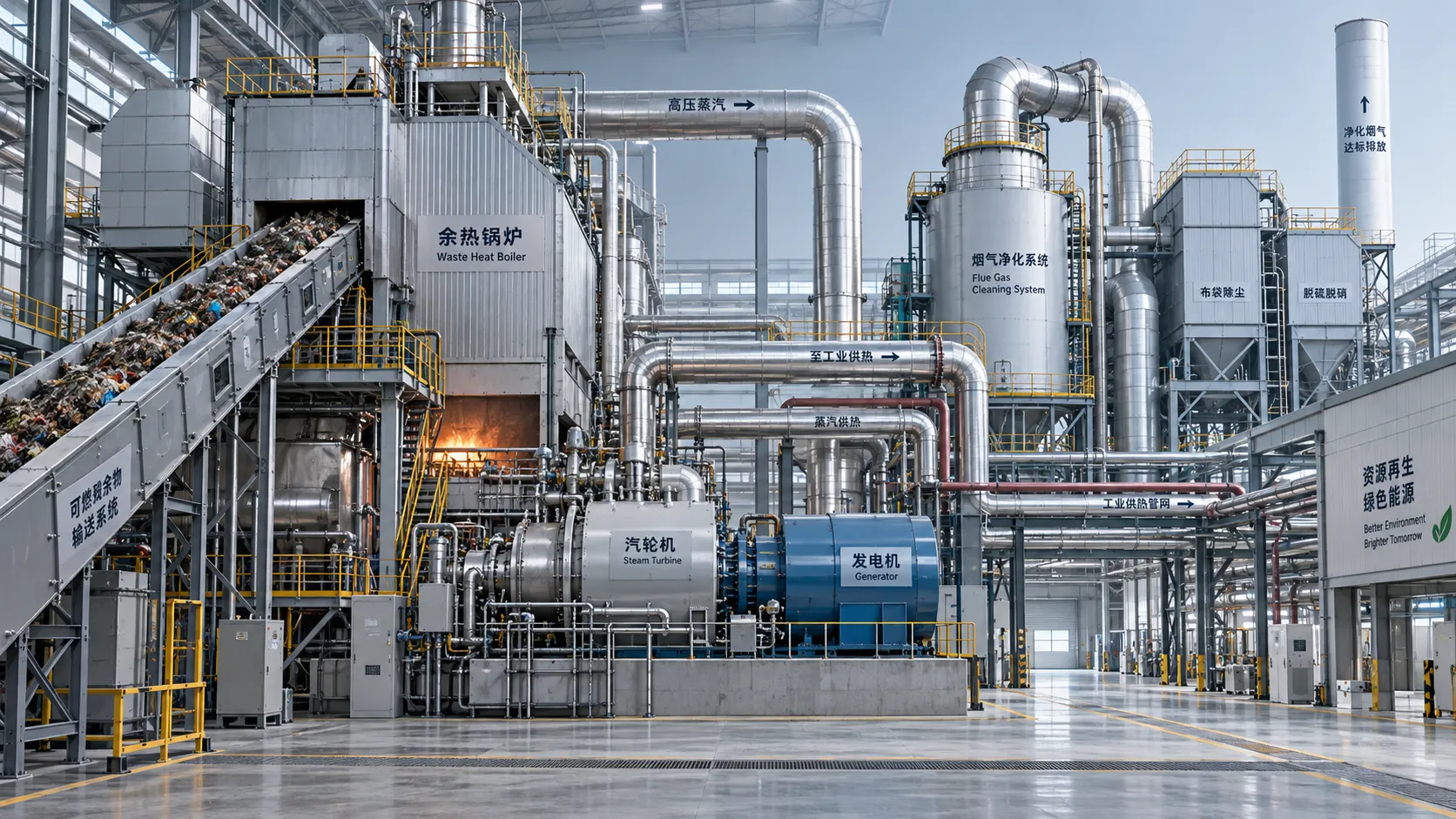
When is energy recovery viable in the solid waste recovery process?
When is energy recovery viable in the solid waste recovery process? Explore feedstock quality, net energy, emissions, and costs to assess feasibility and make smarter investment decisions.
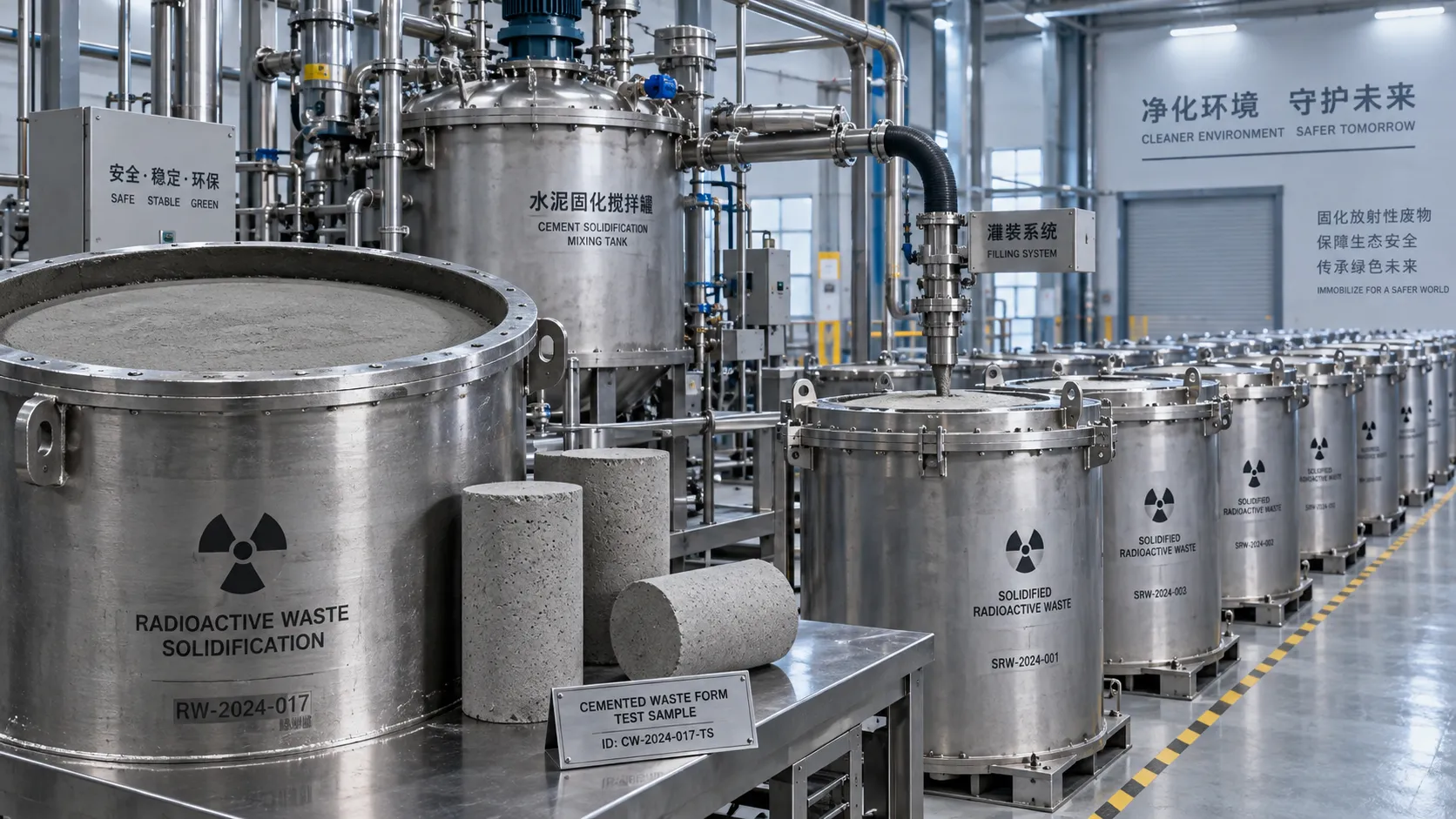
When is cementation suitable for nuclear decommissioning waste?
Explore nuclear waste treatment technology for decommissioning: learn when cementation fits, which risks to assess, and how disposal criteria guide an effective treatment choice.
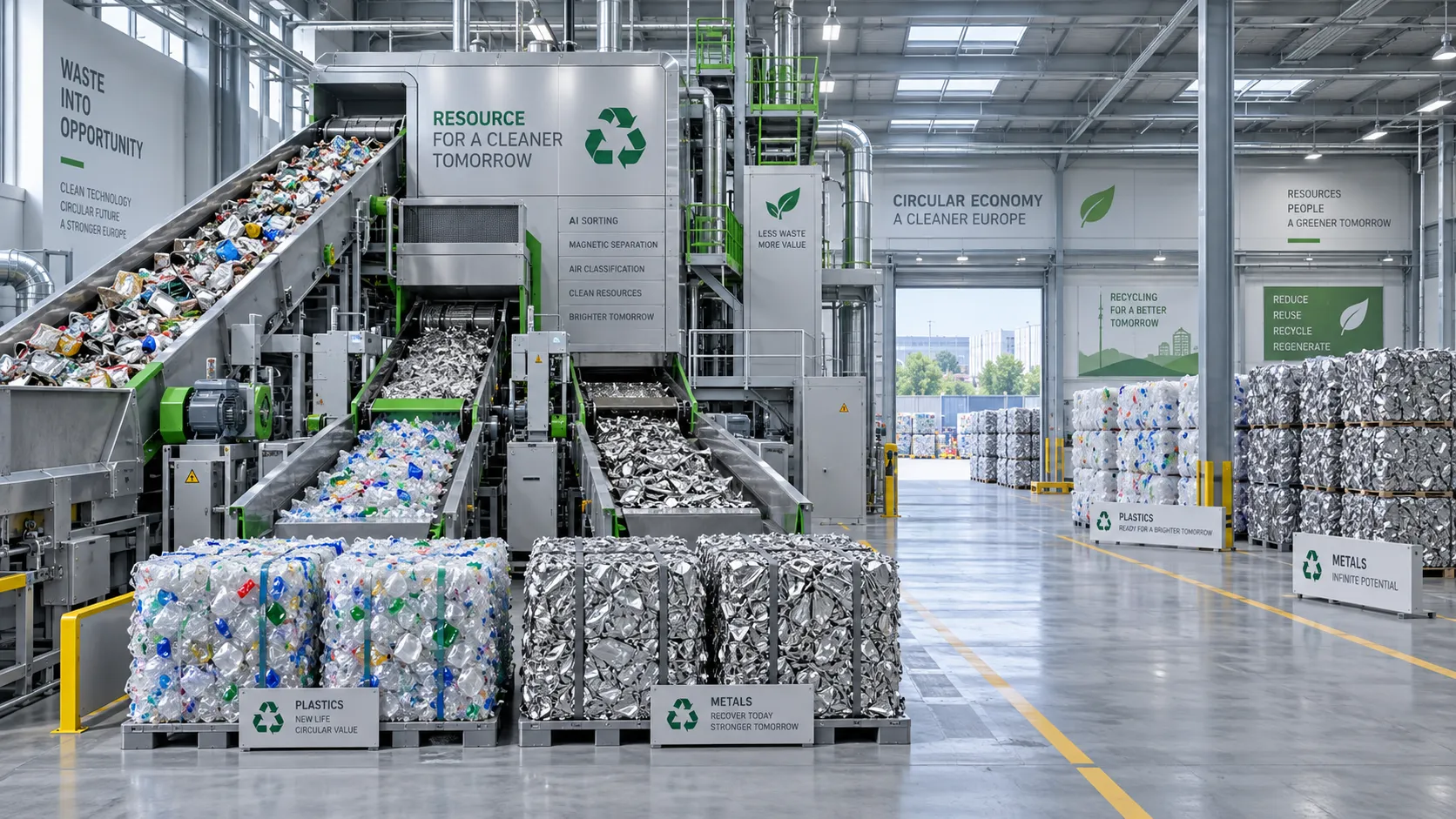
What determines payback for waste-to-resource systems in Europe?
Assess waste-to-resource systems Europe-wide: compare feedstock, recovery yields, costs and contracts to uncover payback drivers and make smarter investment decisions.
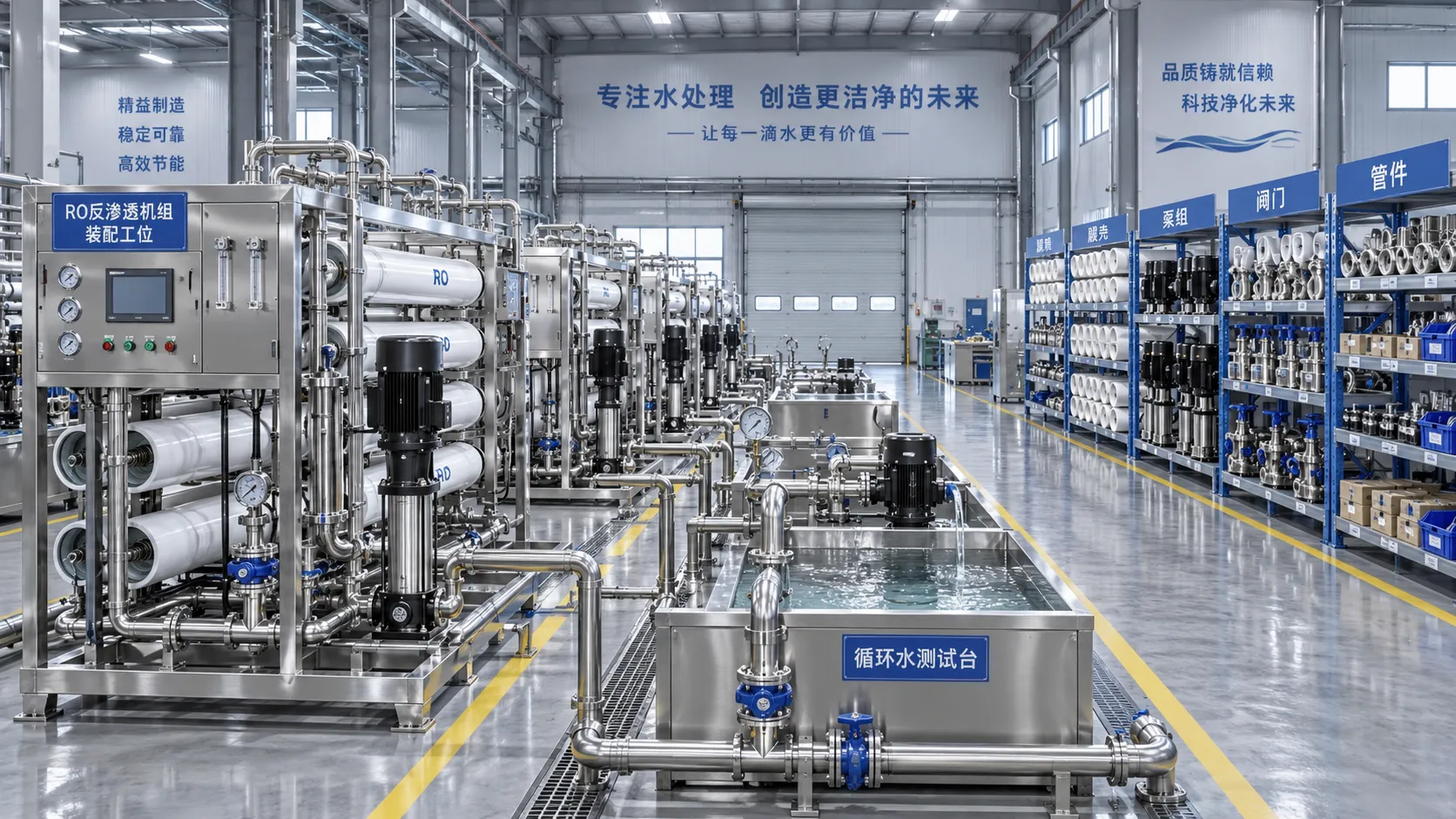
How to verify a water treatment system factory’s production capacity
Verify a water treatment systems factory’s production capacity through records, bottlenecks, component availability, and testing. Learn what to check before accepting a delivery promise.
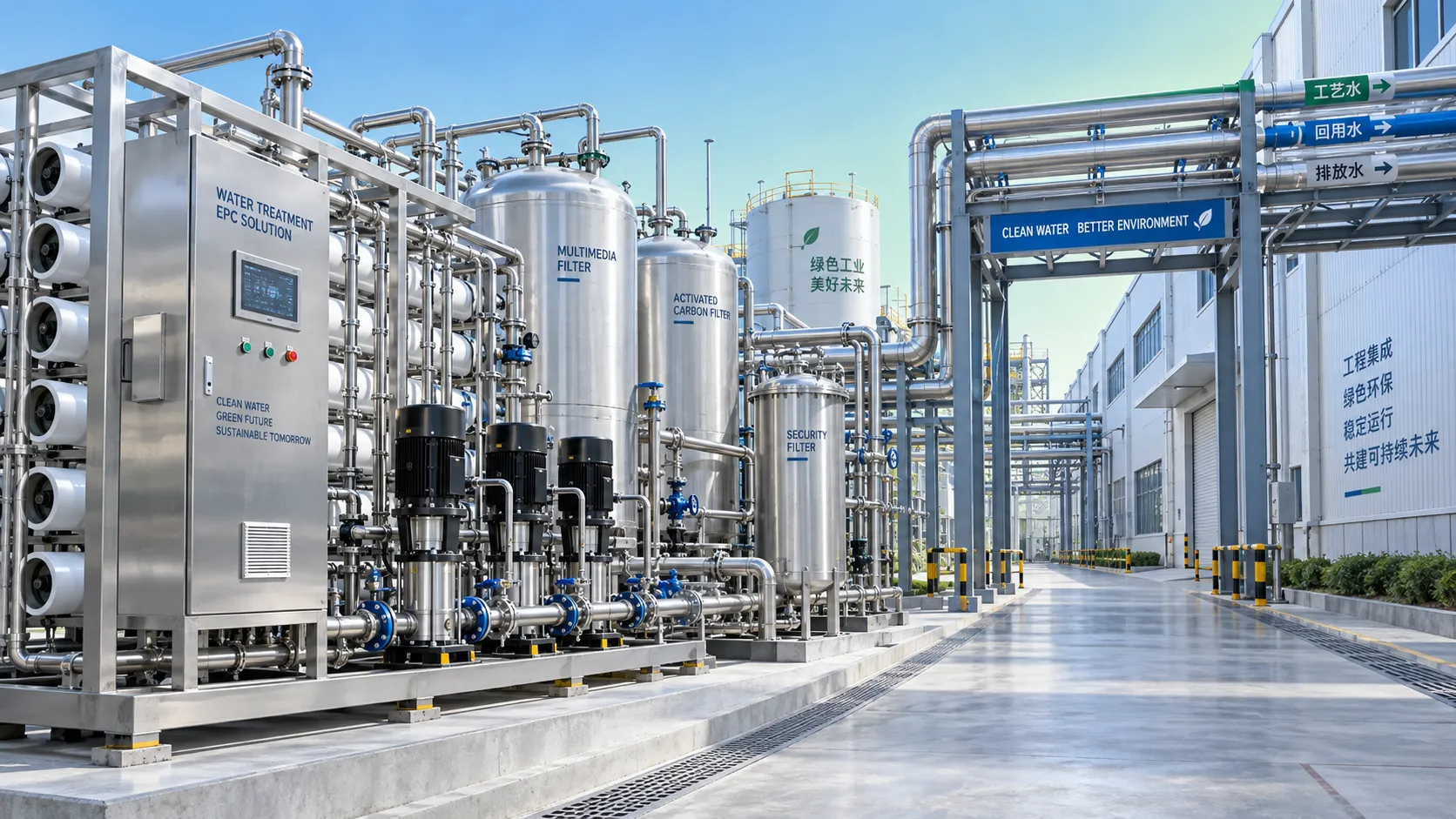
When does EPC environmental project support reduce delivery risk?
EPC environmental project support engineering reduces delivery risk by aligning design, procurement, compliance, construction, and commissioning decisions.
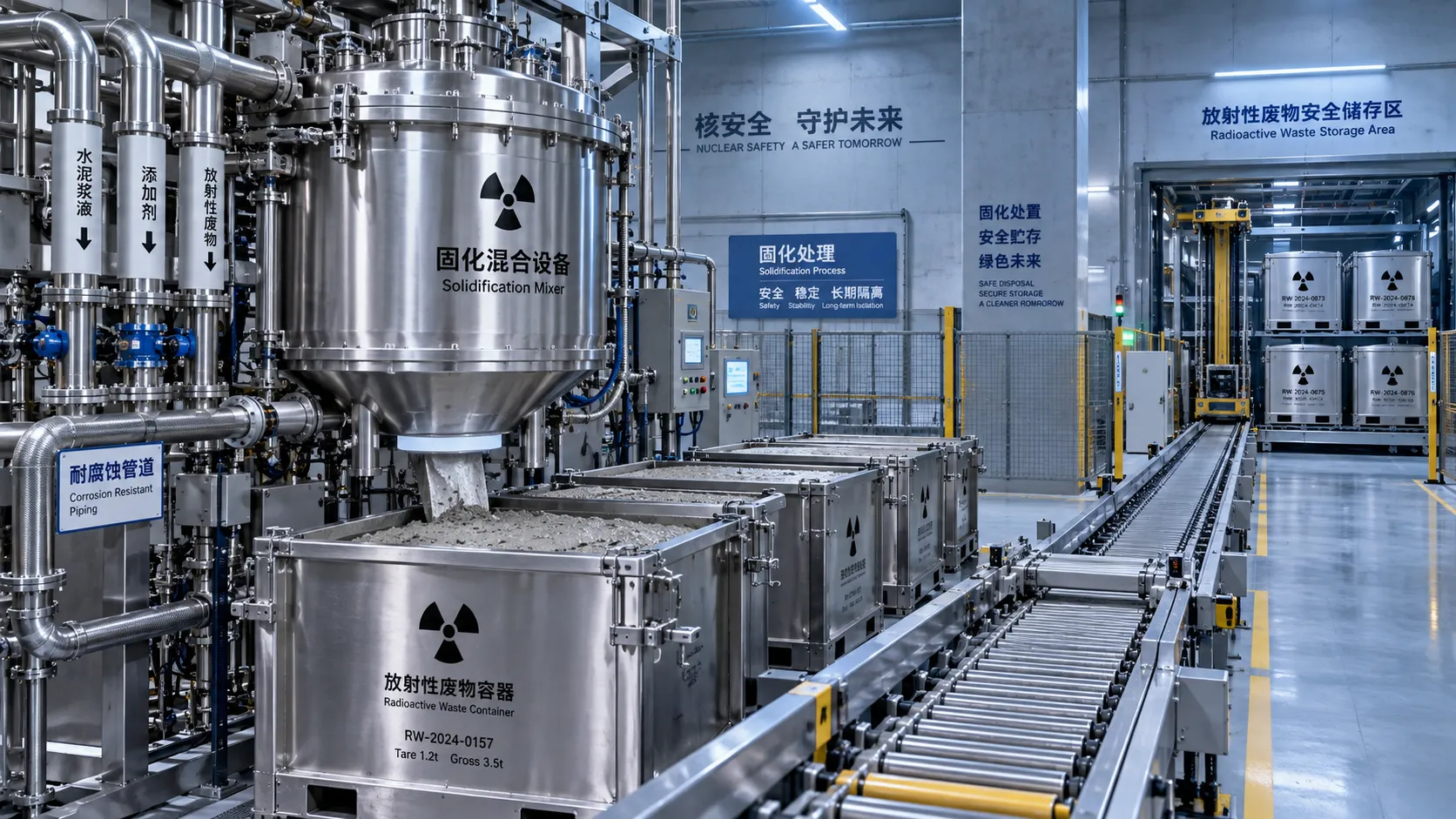
How nuclear plants select a radioactive waste solidification method
Radioactive waste management for nuclear plants: compare vitrification, cementation, polymers, and ceramics to select a compliant, durable solidification solution.
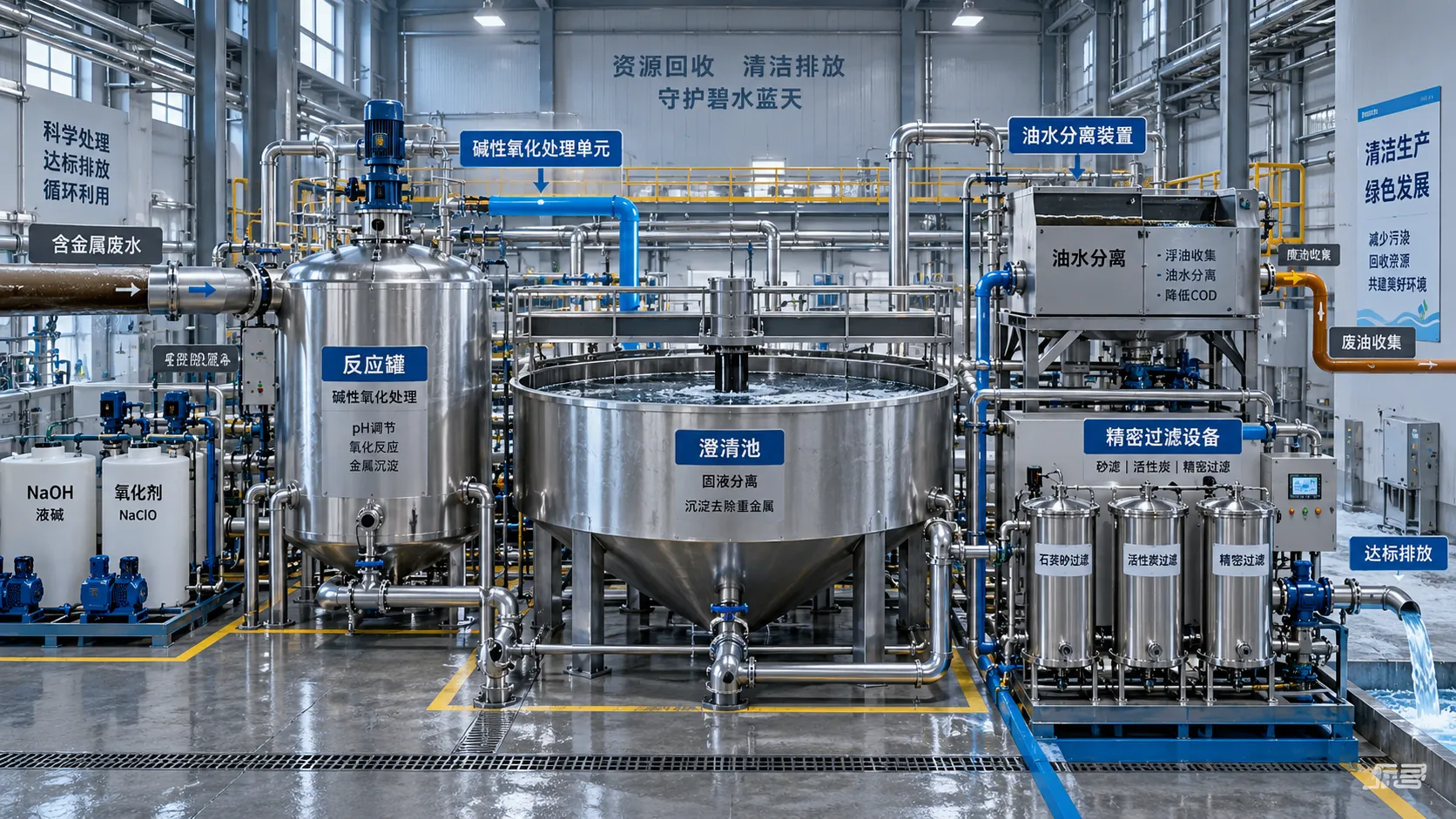
Treating Metal Finishing Wastewater: Removing Metals, Cyanide, and Oil Reliably
Metal finishing wastewater treatment made reliable: learn how to safely remove metals, cyanide, oil, and complex contaminants with proven stream segregation and control strategies.
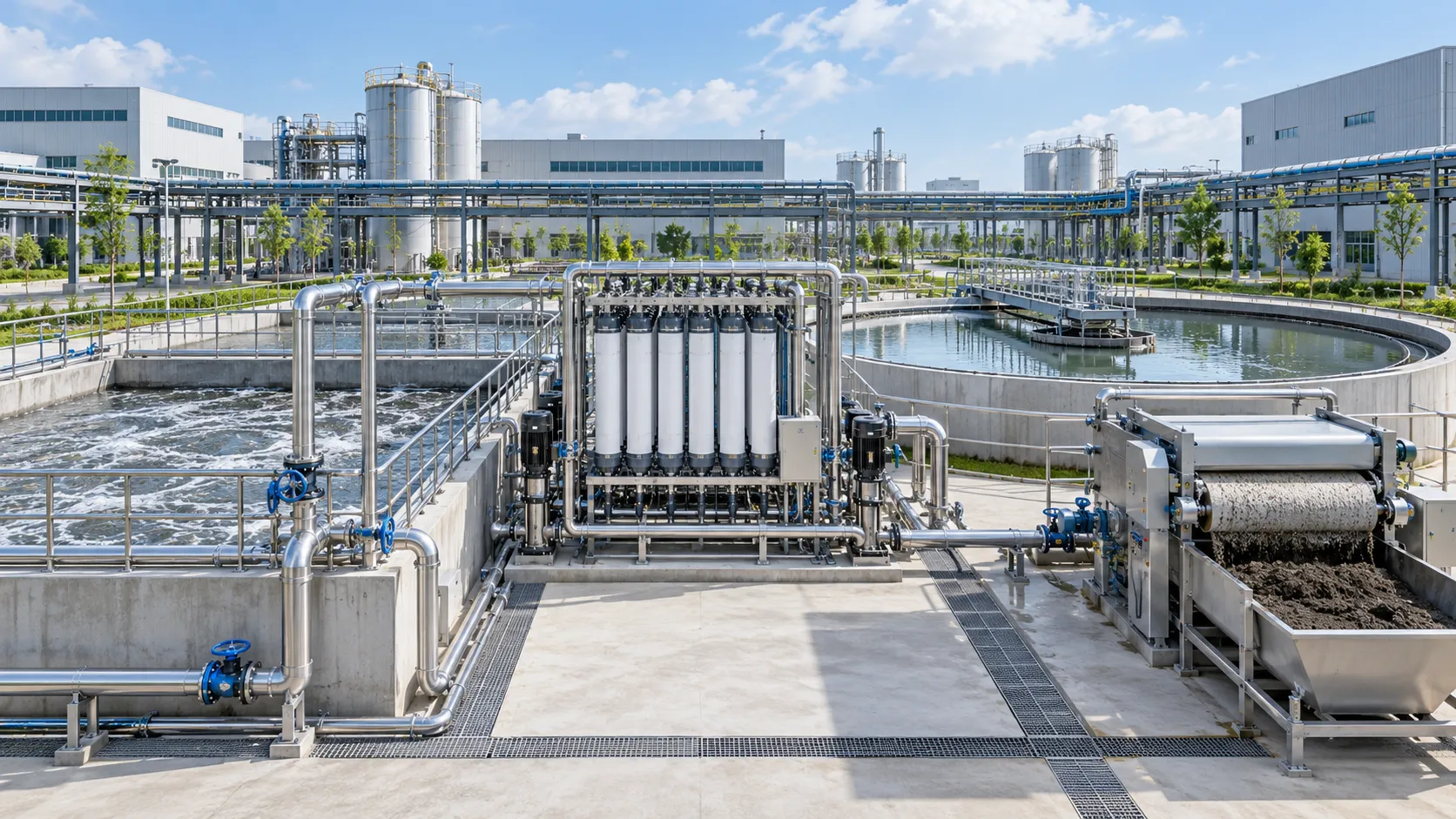
What Drives the Cost of Wastewater System Upgrades in Industrial Parks?
Costs of wastewater system upgrades in industrial parks: uncover key drivers from influent variability and civil works to sludge, energy, compliance, and lifecycle risk.
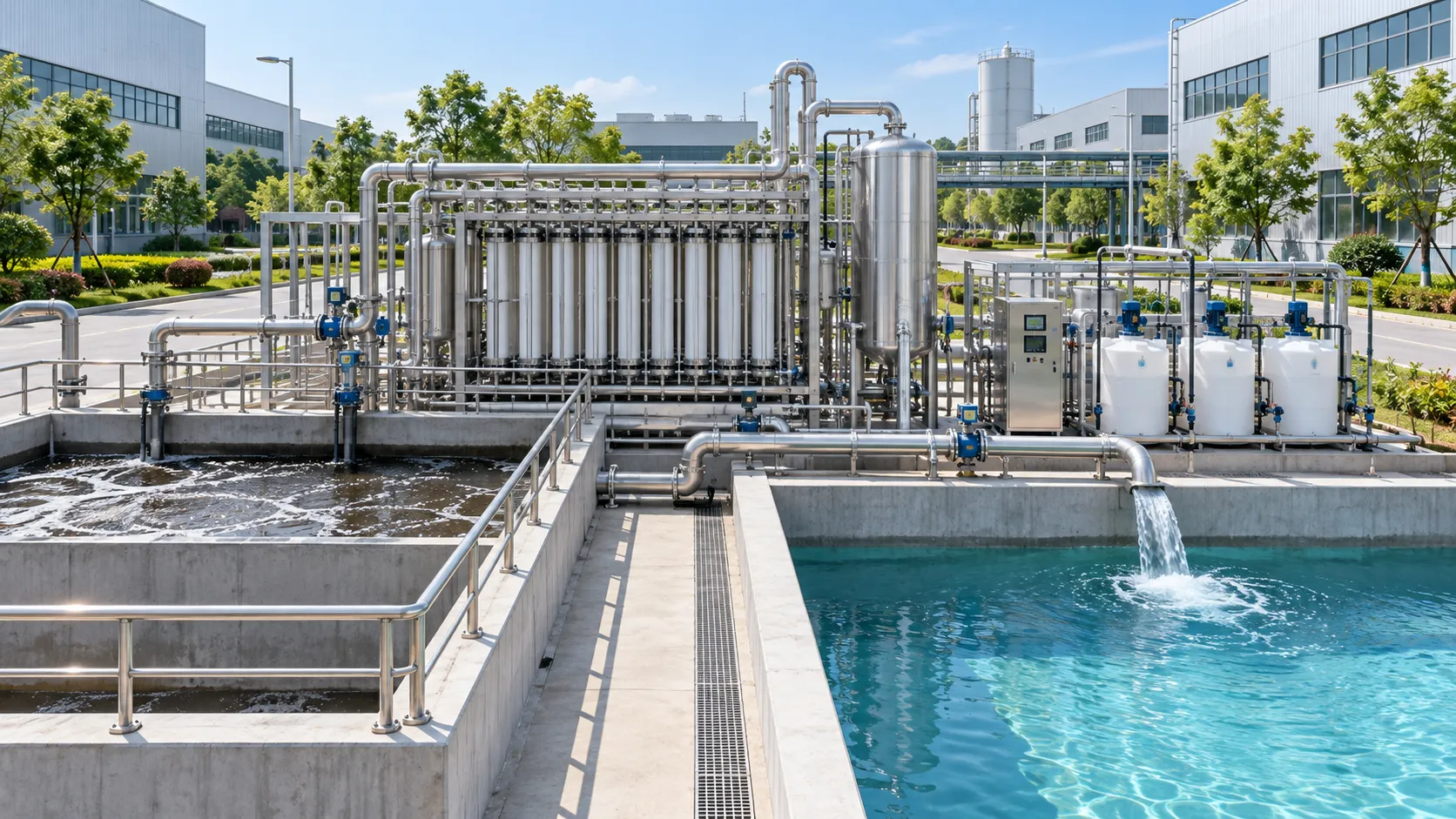
Comparing Upgrade Costs for Industrial Park Wastewater Treatment Systems
Compare costs for wastewater system upgrades in industrial parks with a lifecycle view of CAPEX, OPEX, compliance, resilience, and future expansion.