
Industry News
Curation by industry experts
Hot Articles
Popular Tags
Seawater Desalination Systems: Key Cost and Performance Factors
Seawater Desalination Systems: Key Cost and Performance Factors
For technical evaluation, seawater desalination systems should never be judged by nameplate capacity alone.
A plant can look efficient on paper, yet struggle with fouling, unstable feedwater, or rising power cost.
That is why selection decisions need a wider lens.
In practice, seawater desalination systems are defined by membrane behavior, pretreatment resilience, recovery design, and lifecycle compliance burden.
The best solution is usually not the cheapest system at procurement stage.
It is the one that keeps water quality stable, controls energy use, and maintains output under difficult site conditions.
This article reviews the cost and performance factors that matter most when comparing seawater desalination systems for real project decisions.
Start With the Actual Duty, Not the Advertised Capacity
The first question is simple: what operating duty must the plant hold over time?
Many seawater desalination systems are rated under controlled conditions that rarely match full-scale coastal reality.
Seasonal salinity swings, algae blooms, suspended solids, and intake contamination can all reduce practical performance.
This means capacity should be checked against worst-month feedwater, not average-year assumptions.
It also helps to define the target in operational terms:
- Guaranteed permeate flow at peak seawater temperature
- Product water quality under feedwater upset
- Specific energy consumption at design and turndown loads
- Availability after maintenance and cleaning cycles
- Recovery ratio within discharge permit limits
When seawater desalination systems are benchmarked this way, weaker proposals become easier to identify.
Membrane Selection Shapes Both Opex and Reliability
Reverse osmosis membranes sit at the center of most modern seawater desalination systems.
Even small differences in membrane chemistry can change flux stability, salt rejection, cleaning frequency, and replacement cycle.
High-flux membranes may lower capital needs by reducing rack count.
However, they can become more sensitive to fouling when pretreatment control is weak.
Low-energy membranes may cut power demand, but the selection must still protect boron rejection and product quality.
A practical review should compare:
- Normalized permeate flow decline rate
- Salt passage under temperature variation
- Tolerance to oxidant exposure and cleaning chemicals
- Expected membrane life under local seawater conditions
- Vendor support for autopsy, diagnostics, and warranty claims
For seawater desalination systems, membrane choice is never just a component decision. It sets the plant’s operating character.
Pretreatment Is Often the Real Performance Gate
Many underperforming desalination projects fail upstream of the membrane trains.
Pretreatment determines whether seawater desalination systems can hold stable differential pressure and cleaning intervals.
The right configuration depends on intake type, algal risk, turbidity events, and footprint constraints.
Open intake sites usually need more robust solids and organics control.
Beach wells may reduce fouling exposure, but they bring hydrogeological limits and potential yield uncertainty.
Common pretreatment options include dual media filtration, dissolved air flotation, ultrafiltration, and chemical conditioning.
Evaluation should focus less on technology fashion and more on robustness during upset conditions.
Useful questions include:
- Can the system handle red tide, storms, or seasonal organics peaks?
- How stable is SDI performance before RO?
- What is the chemical consumption profile across seasons?
- How quickly can operators recover from pretreatment upset?
- What redundancy is built into critical pretreatment units?
In many bids, pretreatment discipline separates resilient seawater desalination systems from risky ones.
Energy Recovery Efficiency Has a Direct Cost Impact
Energy is one of the biggest operating costs in seawater desalination systems.
That makes energy recovery devices a core selection item, not an accessory.
Pressure exchanger technology now dominates many large SWRO plants because of its strong efficiency profile.
Still, real savings depend on integration quality, control logic, and part-load behavior.
When comparing seawater desalination systems, look past the best-case specific energy number.
Check how energy use moves across seasons, membrane age, and reduced production windows.
With rising electricity volatility, energy recovery quality increasingly decides the long-term economics of seawater desalination systems.
Recovery Rate, Brine Strategy, and Compliance Must Be Linked
A higher recovery ratio can improve water output per unit intake.
But in seawater desalination systems, pushing recovery too far may increase scaling risk, chemical demand, and membrane stress.
This is especially important where temperature, sulfate, silica, or calcium conditions are difficult.
Brine disposal is also moving up the decision agenda.
Marine discharge permits, diffuser design, and local ecological limits can reshape the feasible operating window.
In some regions, future tightening of environmental rules may add major lifecycle cost.
So the right review path is to assess recovery target, antiscalant strategy, concentrate handling, and permit risk as one package.
Maintenance, Redundancy, and Automation Affect Bankability
On complex projects, reliability matters almost as much as water quality.
Investors and owners want seawater desalination systems that can keep producing through equipment wear, operator turnover, and demand changes.
That makes maintainability a financial issue as well as a technical one.
Review whether critical pumps, cartridge filters, CIP skids, and instrumentation have practical redundancy.
Also check whether automation supports predictive cleaning, alarm management, and stable operation during feed shifts.
Strong digital visibility does not replace good design, but it helps prevent avoidable downtime.
In recent projects, stronger signals are coming from proposals that combine process guarantees with diagnostics and remote support.
For seawater desalination systems, service structure and control architecture should be reviewed as part of the core solution.
A Practical Evaluation Framework for Selection
To compare seawater desalination systems more objectively, a structured checklist works better than headline bid tables.
- Verify guaranteed output under worst credible feedwater conditions
- Test membrane and pretreatment logic against local fouling history
- Model energy use across full and partial load scenarios
- Review brine compliance exposure over the project life
- Check spare parts access and service response commitments
- Quantify cleaning frequency, membrane replacement, and chemical costs
- Assess automation maturity and operational recovery after process upset
This approach gives a more realistic view of total ownership cost.
It also improves confidence that the shortlisted seawater desalination systems can survive real operating pressure.
In the current market, that level of rigor is becoming essential.
Water stress is rising, environmental compliance is tightening, and project owners are less willing to absorb avoidable performance gaps.
The result is clear.
The best seawater desalination systems are not defined by one impressive metric.
They are defined by balanced performance across membranes, pretreatment, energy recovery, compliance, and maintainability.
For sound selection, evaluate the full operating story first. The procurement decision will be much stronger because of it.
Recommended News
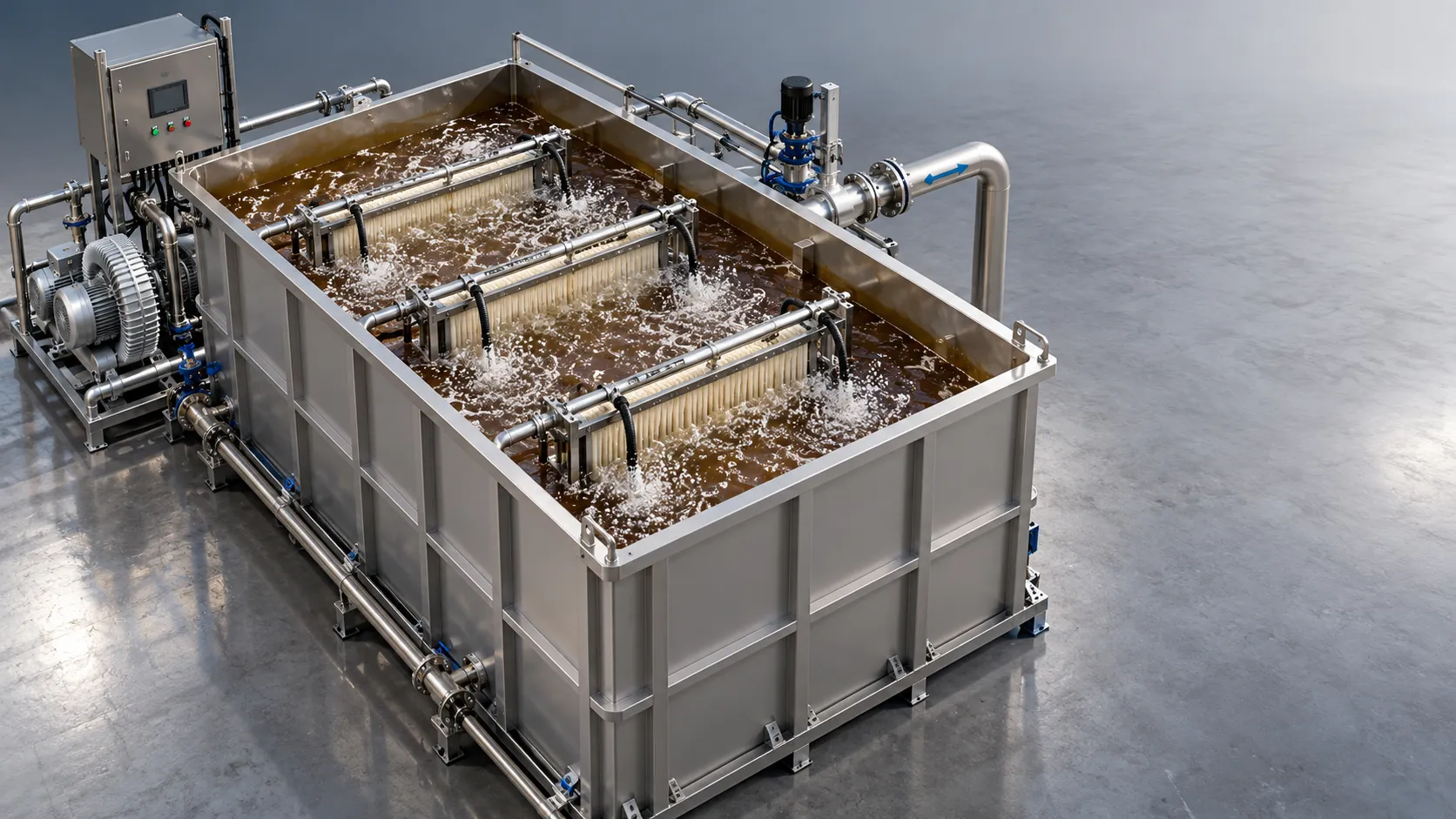
When is an MBR suitable for wastewater purification for bioprocessing?
For wastewater purification for bioprocessing, discover when an MBR fits your needs. Compare water quality, fouling risks, and lifecycle costs before investing.
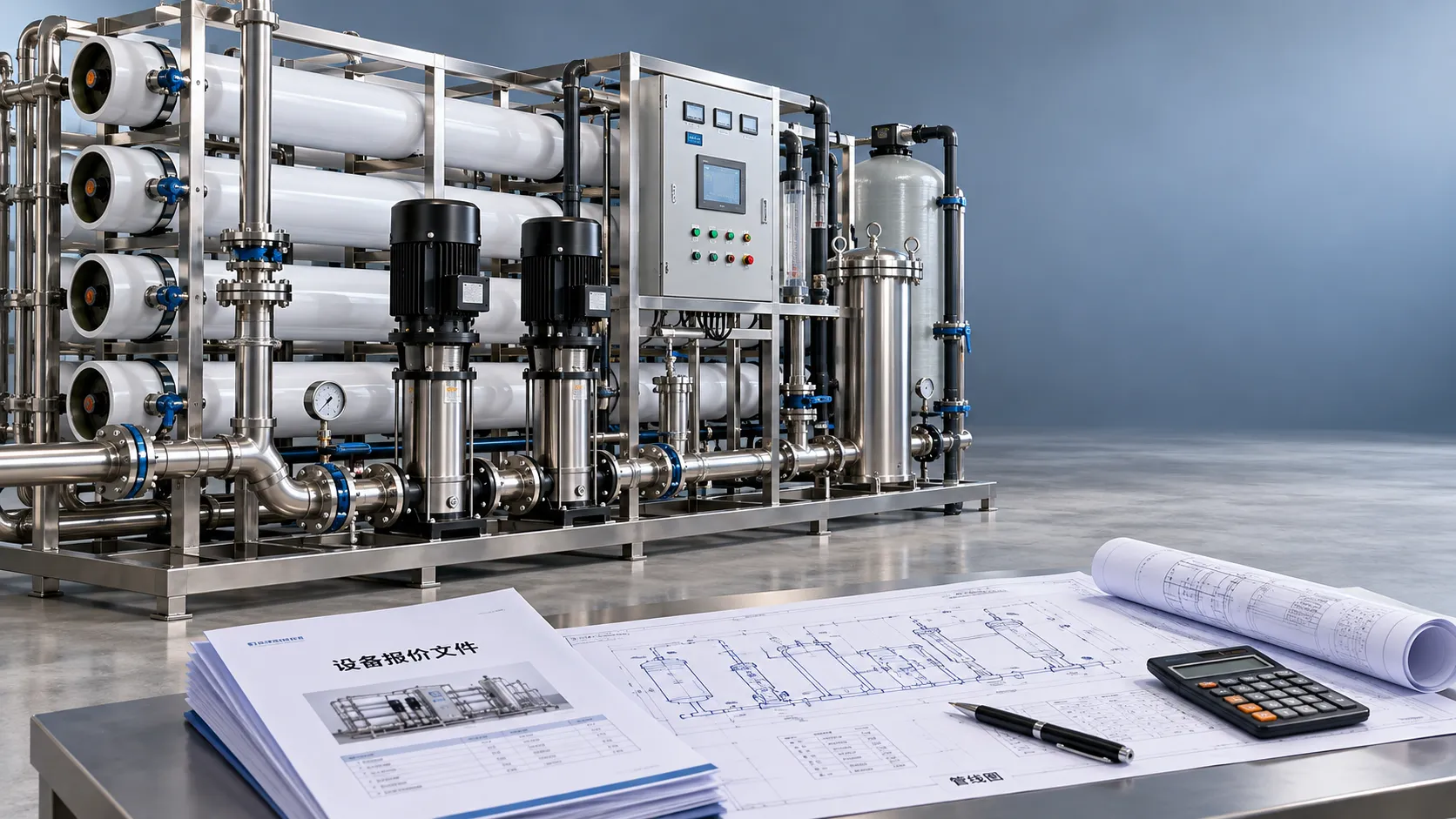
How to check a water treatment quotation for hidden project costs
Review your water treatment quotation for hidden costs, scope gaps, and operating expenses. Learn what to check before signing to protect your budget and avoid costly surprises.
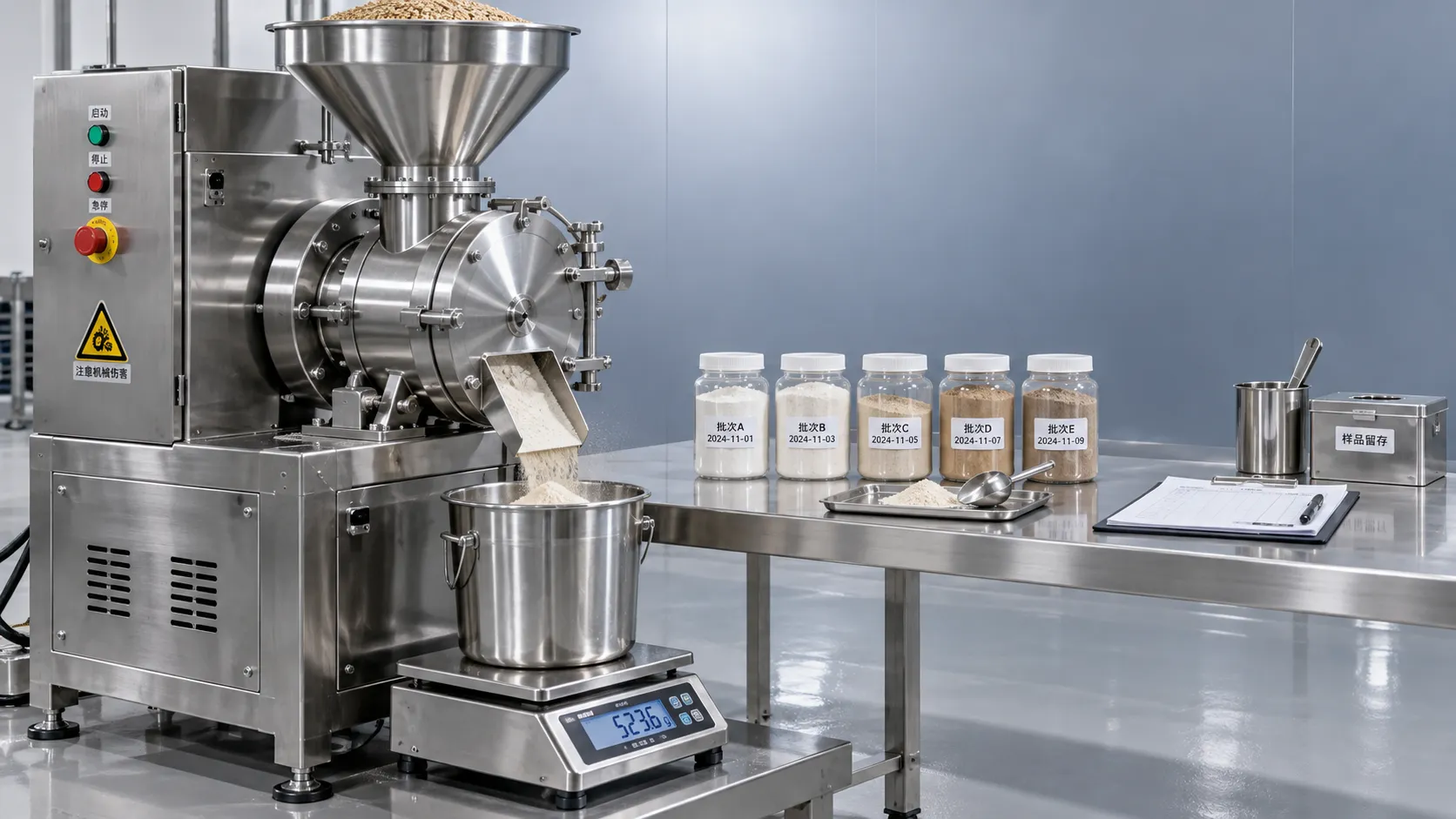
How to vet ingredient processing equipment manufacturers using trials
Vet ingredient processing equipment manufacturers with real-world trials. Learn how to verify yield, cleaning, energy use, and scale-up before you invest.
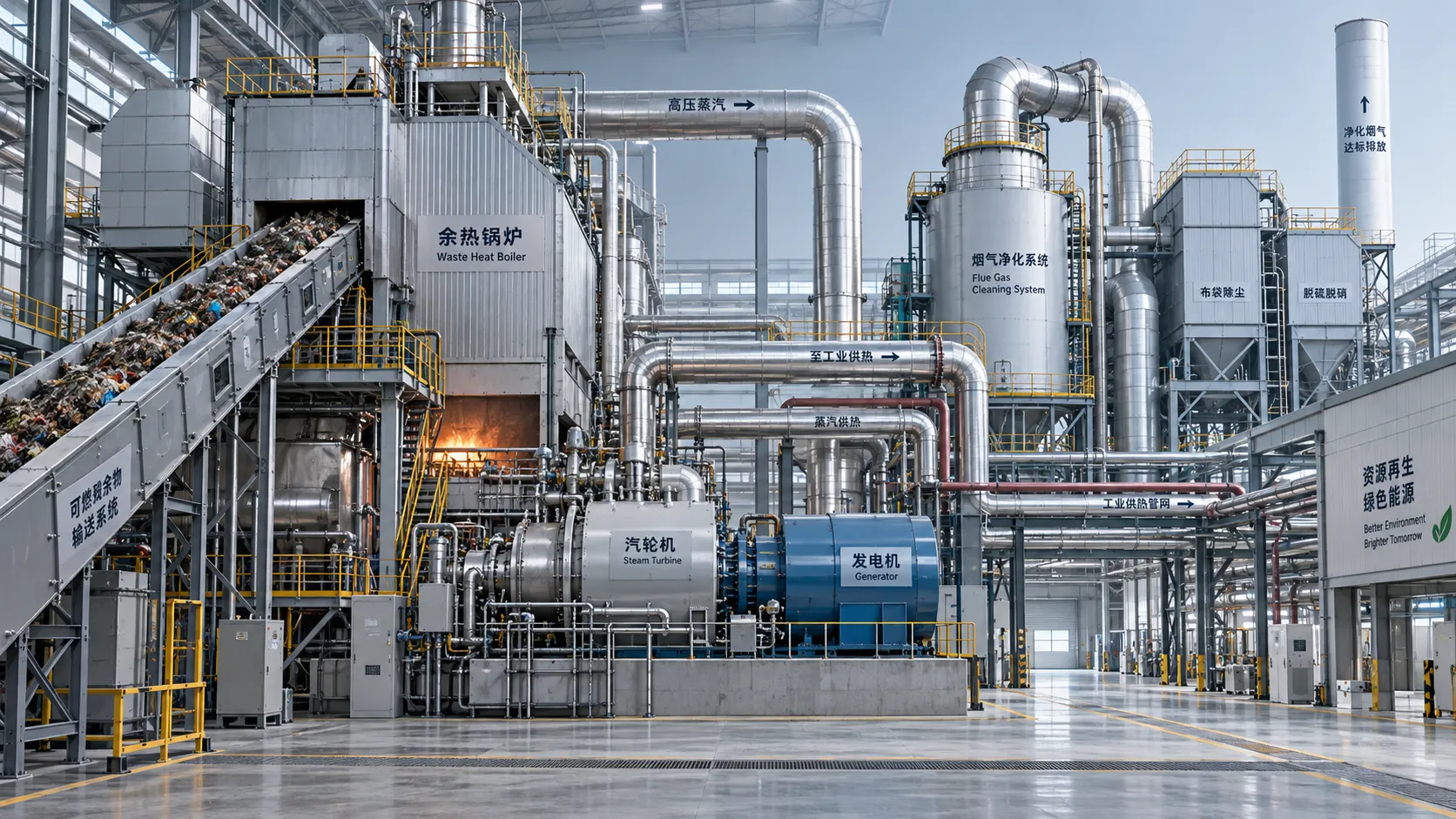
When is energy recovery viable in the solid waste recovery process?
When is energy recovery viable in the solid waste recovery process? Explore feedstock quality, net energy, emissions, and costs to assess feasibility and make smarter investment decisions.
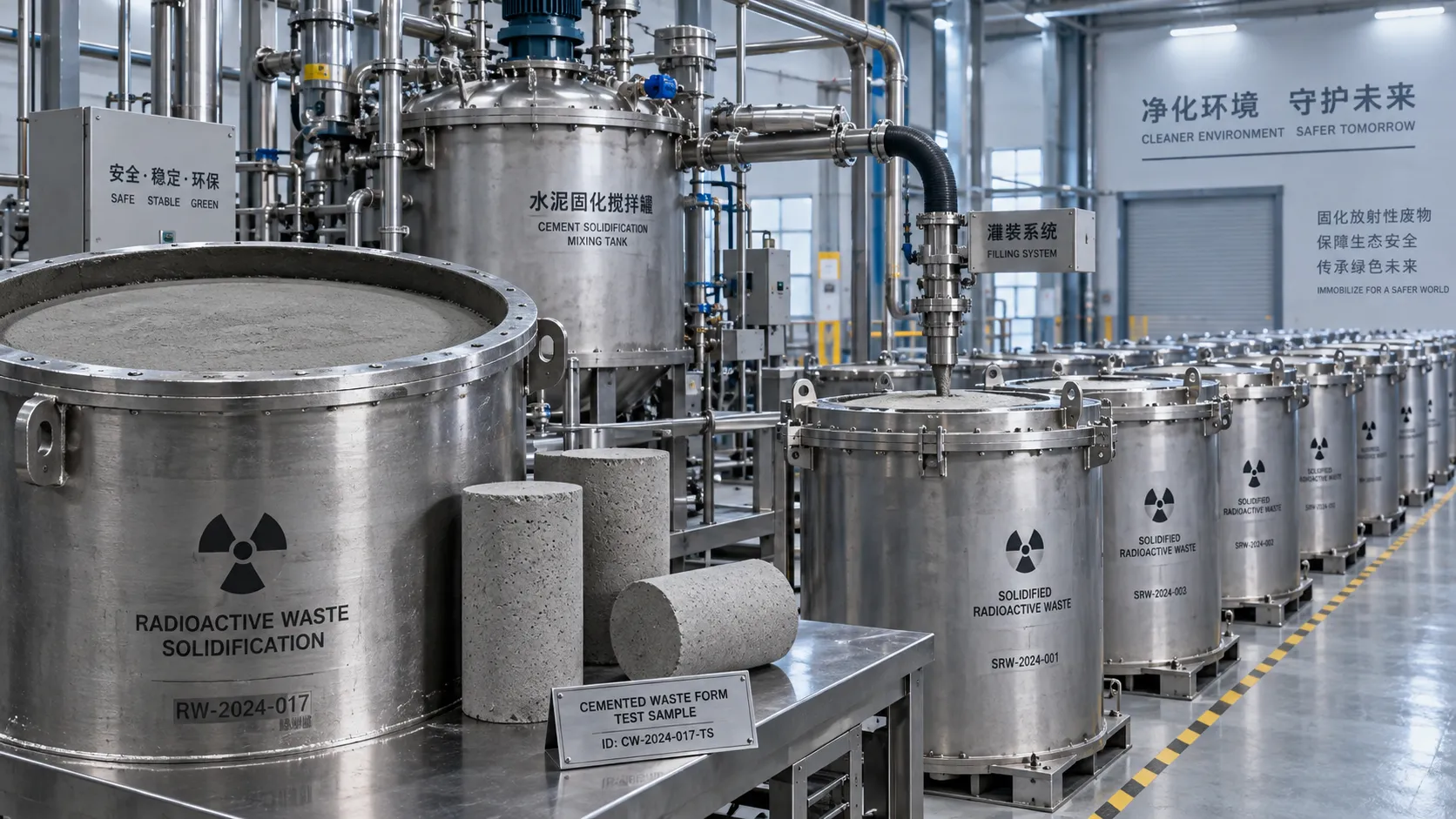
When is cementation suitable for nuclear decommissioning waste?
Explore nuclear waste treatment technology for decommissioning: learn when cementation fits, which risks to assess, and how disposal criteria guide an effective treatment choice.
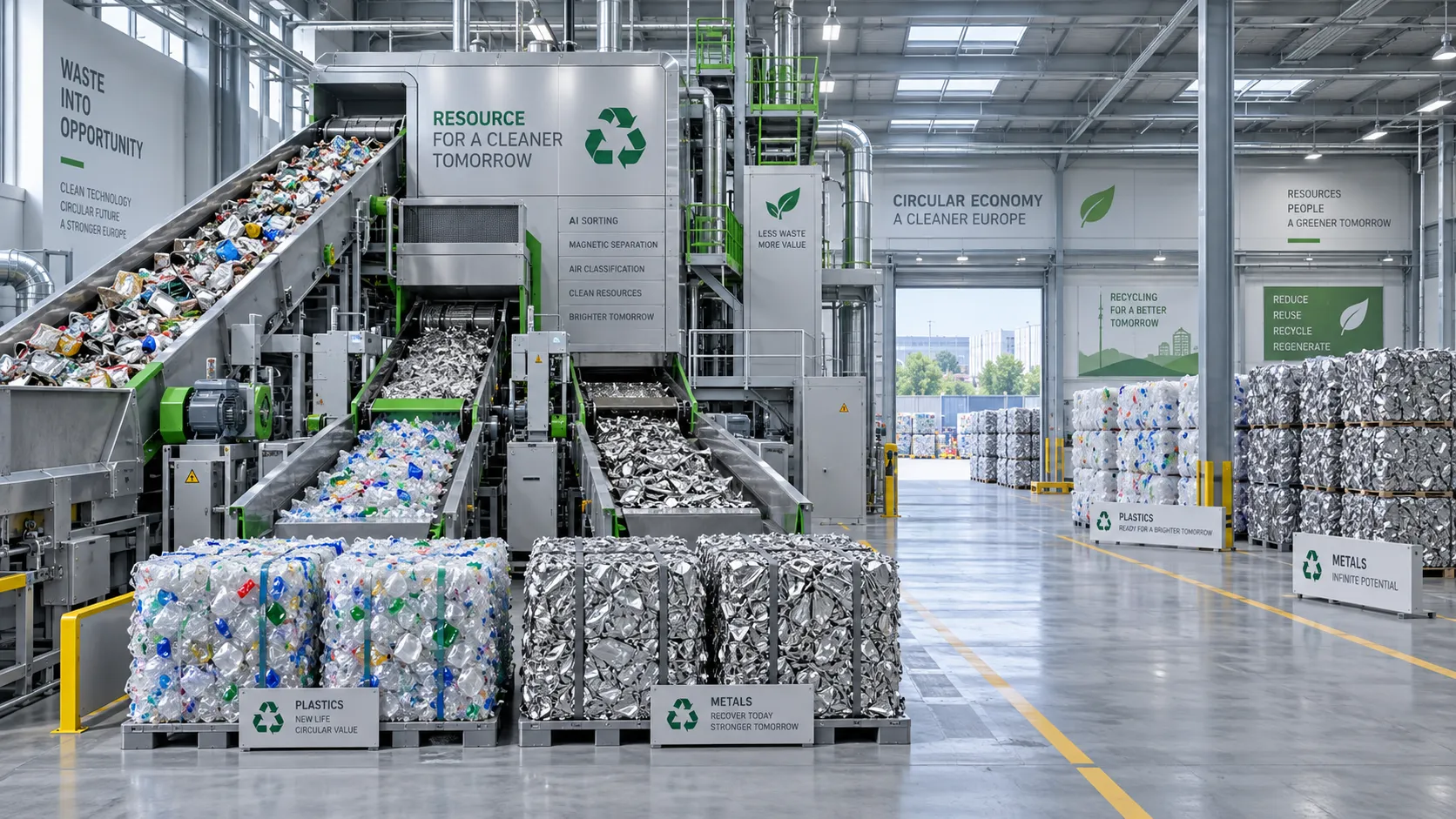
What determines payback for waste-to-resource systems in Europe?
Assess waste-to-resource systems Europe-wide: compare feedstock, recovery yields, costs and contracts to uncover payback drivers and make smarter investment decisions.
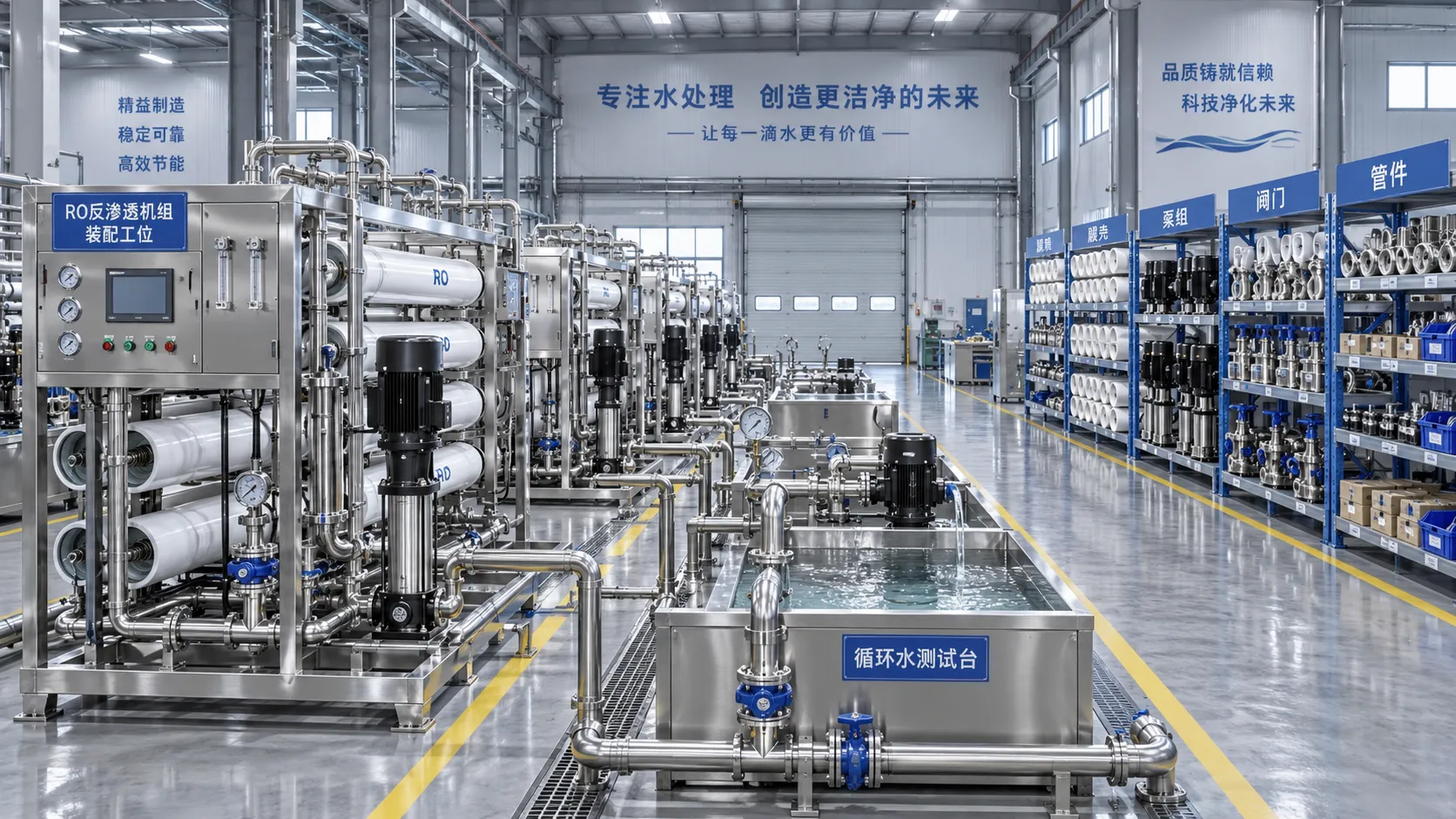
How to verify a water treatment system factory’s production capacity
Verify a water treatment systems factory’s production capacity through records, bottlenecks, component availability, and testing. Learn what to check before accepting a delivery promise.
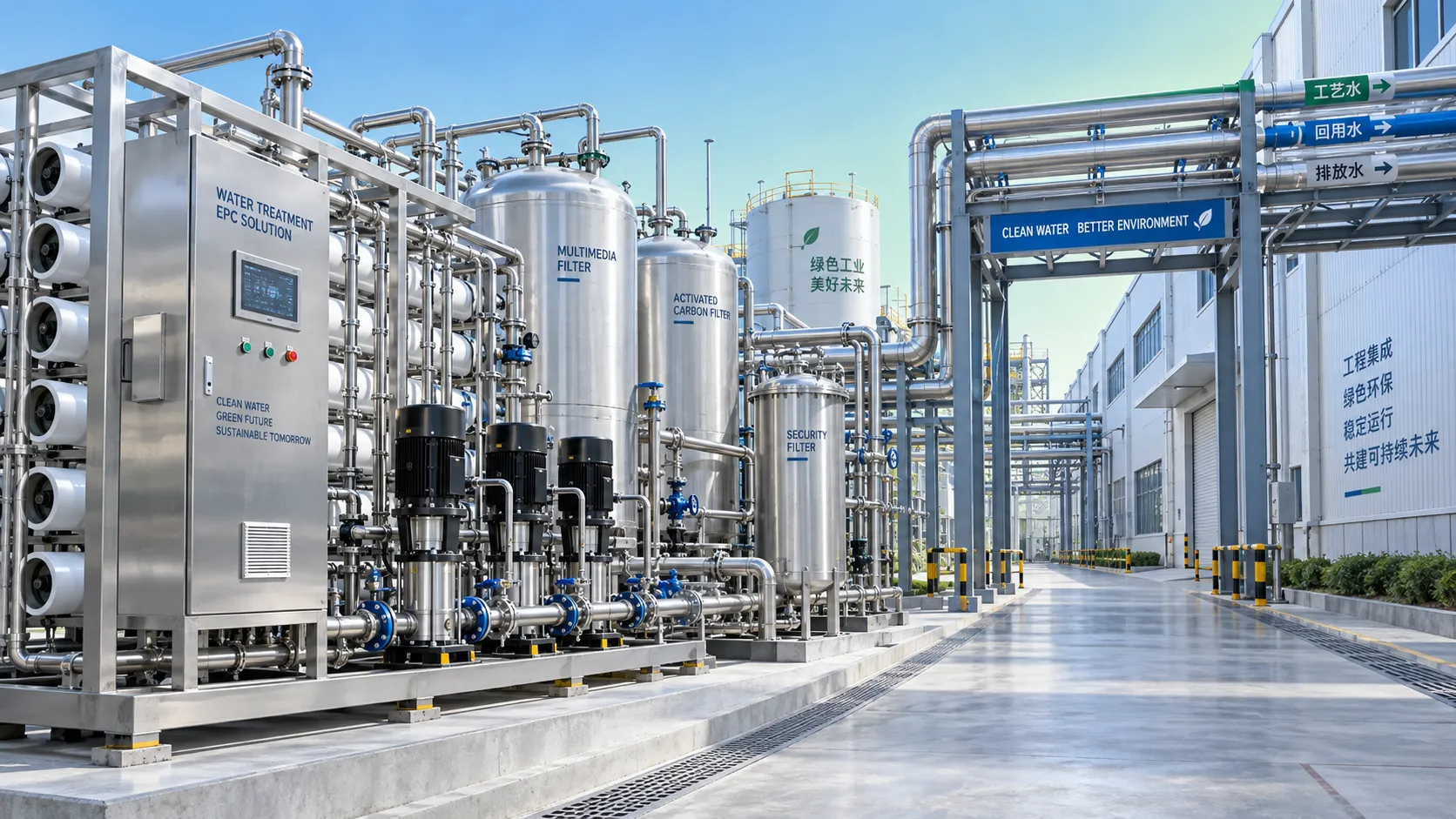
When does EPC environmental project support reduce delivery risk?
EPC environmental project support engineering reduces delivery risk by aligning design, procurement, compliance, construction, and commissioning decisions.
How nuclear plants select a radioactive waste solidification method
Radioactive waste management for nuclear plants: compare vitrification, cementation, polymers, and ceramics to select a compliant, durable solidification solution.