
Industry News
Curation by industry experts
Hot Articles
Popular Tags
How to Evaluate an Environmental Technology Platform for Water Treatment
How to Evaluate an Environmental Technology Platform for Water Treatment
Choosing the right environmental technology platform for water treatment requires more than a feature checklist. It calls for a disciplined review of compliance, process performance, data quality, and long-term operating fit.
In practice, the best environmental technology platform for water treatment is the one that supports better decisions under real plant pressure. That includes unstable influent, tighter discharge limits, energy costs, and limited downtime windows.
For teams comparing options, the real work is separating polished software claims from measurable treatment value. A strong platform should improve visibility, strengthen compliance control, and reduce lifecycle risk across complex assets.
Start with the Treatment Context
Evaluation should begin with the water itself. A platform designed for municipal polishing may fail in high-TDS industrial wastewater, brine concentration, or variable mixed influent conditions.
That is why the first screen of comparison is process relevance. Ask whether the environmental technology platform for water treatment understands the chemistry, hydraulics, and control logic behind your process train.
Typical evaluation questions include:
- Can it support pretreatment, biological systems, membrane systems, and sludge handling in one workflow?
- Does it handle ZLD, reuse loops, desalination, or high-salinity streams?
- Can it model seasonal load swings, shock loads, and changing influent quality?
- Does it align with your plant control architecture and sampling practice?
A platform that looks broad but lacks process depth will create blind spots. Those blind spots usually surface later, during troubleshooting, audits, or expansion planning.
Check Regulatory and Compliance Intelligence
Compliance is no longer a reporting layer added at the end. It is now part of the operating logic, especially where discharge permits, water reuse rules, and cross-border environmental requirements keep changing.
A useful environmental technology platform for water treatment should translate regulatory change into operational action. That means alerts, scenario analysis, record traceability, and evidence that supports inspections or project bidding.
This matters even more for large infrastructure and export-oriented industries. Carbon-related trade mechanisms, stricter nutrient caps, and PFAS-style controls can quickly reshape treatment priorities.
Review whether the platform can support:
- Permit threshold monitoring with clear escalation logic.
- Audit trails for lab data, alarms, and operator actions.
- Multi-site reporting across different jurisdictions.
- Documentation support for EPC bids and owner compliance reviews.
If compliance intelligence is weak, the platform may still look modern. It will not, however, help much when standards tighten or when permit deviations need defensible root-cause analysis.
Evaluate Data Quality, Not Just Dashboards
Many systems present attractive dashboards. Fewer systems manage bad tags, missing values, inconsistent sampling intervals, and instrument drift with enough rigor to support operational decisions.
That is a critical distinction. An environmental technology platform for water treatment is only as useful as the quality and trustworthiness of the data feeding it.
Look closely at how the platform handles integration with SCADA, PLCs, LIMS, CMMS, and historian systems. If integration is shallow, the platform may create duplicate work instead of reducing it.
Key checks include:
- Timestamp alignment between online and lab data.
- Data validation rules for outliers and sensor failure.
- Role-based access and change logging.
- Open APIs for future systems and vendor flexibility.
- Cybersecurity posture for critical infrastructure environments.
From a decision standpoint, clean and connected data often delivers more value than another layer of visualization. Better data quality improves troubleshooting speed, control tuning, and board-level confidence.
Measure Process and Asset Intelligence
A strong environmental technology platform for water treatment should not stop at status monitoring. It should help operators and engineers understand why performance is changing and what actions carry the best outcome.
That means reviewing its process intelligence and asset intelligence together. Water treatment performance usually sits at the intersection of chemistry, equipment condition, and operating discipline.
For example, membrane fouling, blower inefficiency, or clarifier instability should be visible as emerging patterns, not only as late-stage failures. Early signals are where real savings appear.
When these capabilities are real, the platform becomes a decision engine. When they are superficial, it remains a reporting tool with limited operating impact.
Compare Lifecycle Cost and Scalability
Purchase price rarely tells the full story. The better comparison is total lifecycle cost, including deployment effort, integration burden, training, maintenance, and the cost of future expansion.
This is where many evaluations become too narrow. A lower-cost environmental technology platform for water treatment may turn expensive once custom connectors, manual reporting, or extra engineering support are added.
Scalability should also be tested against business reality. Plants expand, discharge standards shift, and resource recovery targets rise. The platform should grow without forcing a full redesign.
Practical lifecycle questions include:
- How long does implementation take in a brownfield plant?
- What internal resources are needed after go-live?
- Can new unit processes be added without custom rebuilds?
- How transparent is the vendor on upgrade cost and support scope?
In sectors like desalination, advanced wastewater reuse, and high-compliance industrial treatment, scalability is not optional. It is part of the original selection decision.
Assess Vendor Depth and Strategic Fit
Technology selection also depends on the strength behind the platform. A capable vendor should show domain knowledge, implementation discipline, and a roadmap that matches how environmental infrastructure is evolving.
This is especially important for organizations operating across water, waste, emissions, desalination, or sensitive compliance environments. Fragmented tools often break down when strategic reporting and plant intelligence need to connect.
That is where an intelligence-centered perspective becomes valuable. Platforms informed by broader environmental signals can better support procurement, benchmarking, and future-ready planning.
For example, ESD follows the high-end equipment intelligence behind large water treatment plants, solid waste recovery, flue gas treatment, seawater desalination, and nuclear waste management. That wider lens matters because water platforms increasingly operate inside a larger ecological compliance system.
A vendor or intelligence partner with visibility into regulatory evolution, membrane trends, resource recovery demand, and EPC bidding dynamics can sharpen platform selection with better context.
In other words, platform evaluation is no longer only about current plant fit. It is also about whether the surrounding intelligence helps your operation stay relevant over the next investment cycle.
Use a Structured Evaluation Framework
A consistent scoring method keeps selection grounded. It also reduces the risk of choosing a platform based on a polished demo rather than treatment outcomes.
A practical framework for an environmental technology platform for water treatment can include five weighted areas:
- Process fit: treatment complexity, water matrix, and unit process coverage.
- Compliance fit: reporting logic, traceability, and regional adaptability.
- Data fit: integration quality, validation, and cybersecurity controls.
- Economic fit: lifecycle cost, staffing burden, and upgrade transparency.
- Strategic fit: scalability, vendor depth, and roadmap confidence.
Request a real pilot where possible. Use live plant data, not synthetic examples. Ask the vendor to show how the platform handles one unstable period, one compliance risk, and one asset performance issue.
That approach reveals far more than a standard presentation. It tests whether the environmental technology platform for water treatment can perform under the exact ambiguity your operation faces.
The strongest selection decisions come from linking plant reality, regulatory pressure, and long-range infrastructure strategy. When those pieces align, the chosen platform becomes more than software. It becomes part of the treatment system’s operating advantage.
Recommended News
What determines payback for waste-to-resource systems in Europe?
Assess waste-to-resource systems Europe-wide: compare feedstock, recovery yields, costs and contracts to uncover payback drivers and make smarter investment decisions.
How to verify a water treatment system factory’s production capacity
Verify a water treatment systems factory’s production capacity through records, bottlenecks, component availability, and testing. Learn what to check before accepting a delivery promise.
When does EPC environmental project support reduce delivery risk?
EPC environmental project support engineering reduces delivery risk by aligning design, procurement, compliance, construction, and commissioning decisions.
How nuclear plants select a radioactive waste solidification method
Radioactive waste management for nuclear plants: compare vitrification, cementation, polymers, and ceramics to select a compliant, durable solidification solution.
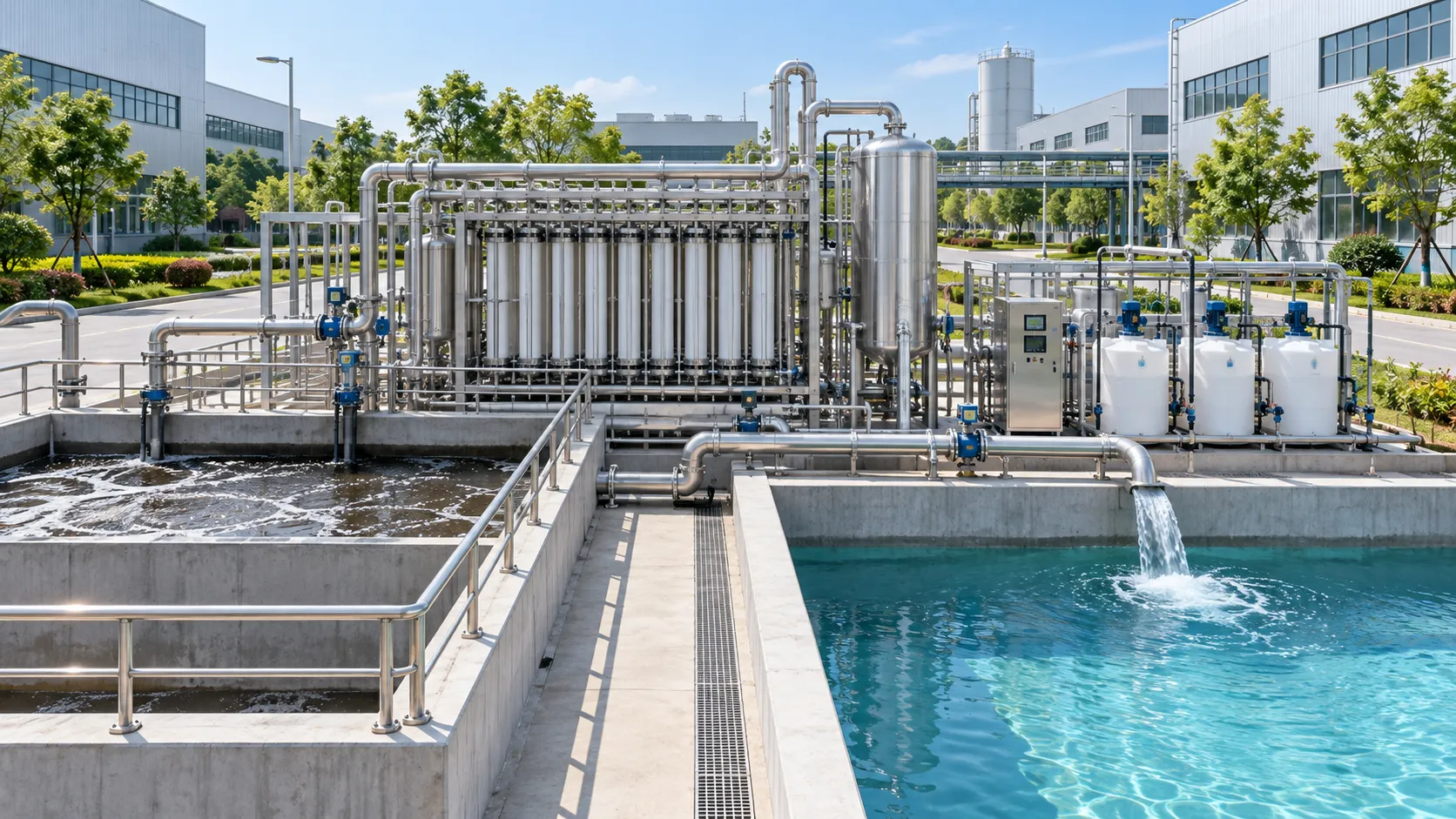
Comparing Upgrade Costs for Industrial Park Wastewater Treatment Systems
Compare costs for wastewater system upgrades in industrial parks with a lifecycle view of CAPEX, OPEX, compliance, resilience, and future expansion.
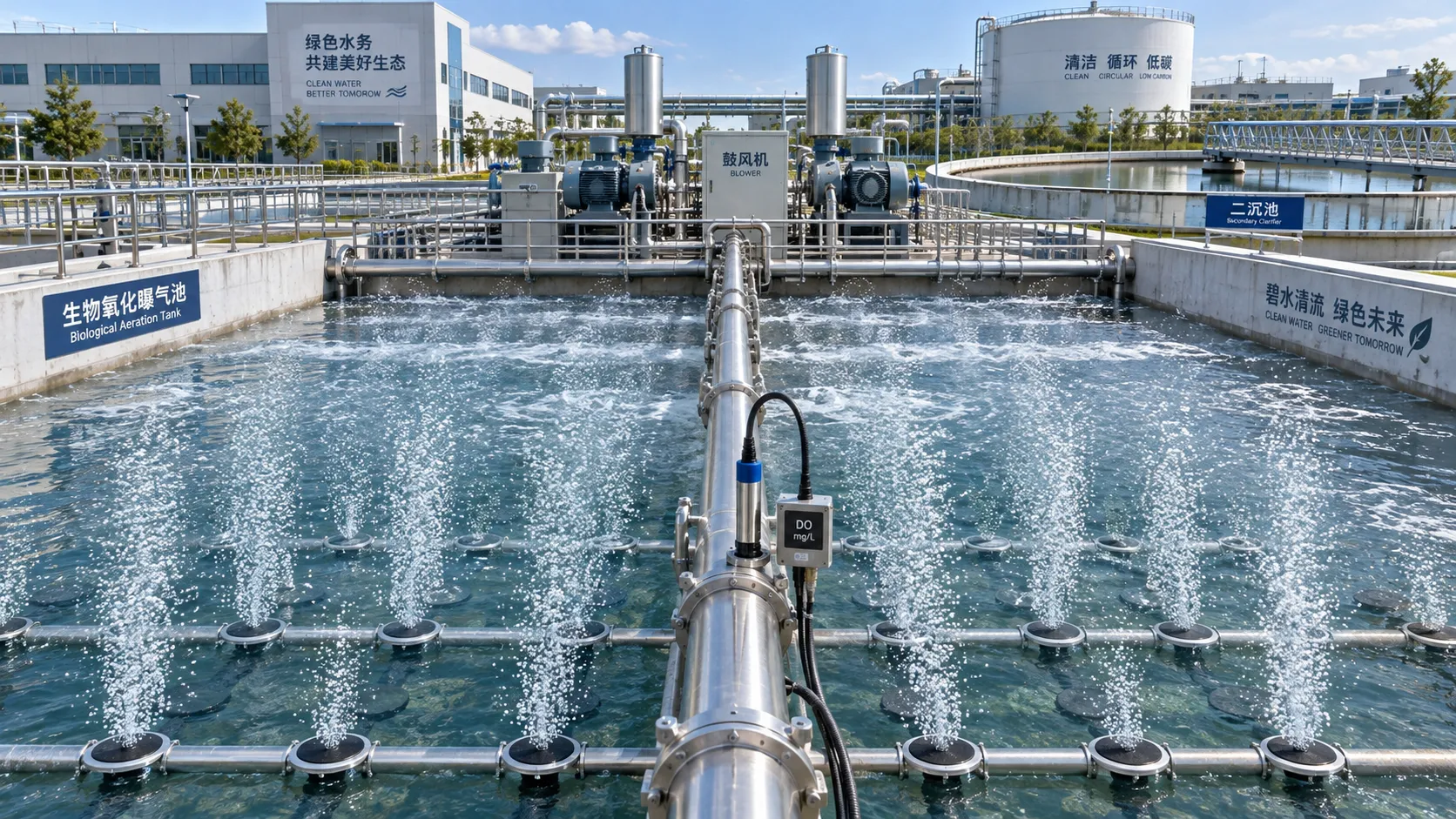
Biological Wastewater Oxidation Explained: Aeration Demand and Process Control
Biological wastewater oxidation explained: optimize aeration demand, DO control, nitrification, and sludge age for stable effluent quality and lower energy costs.
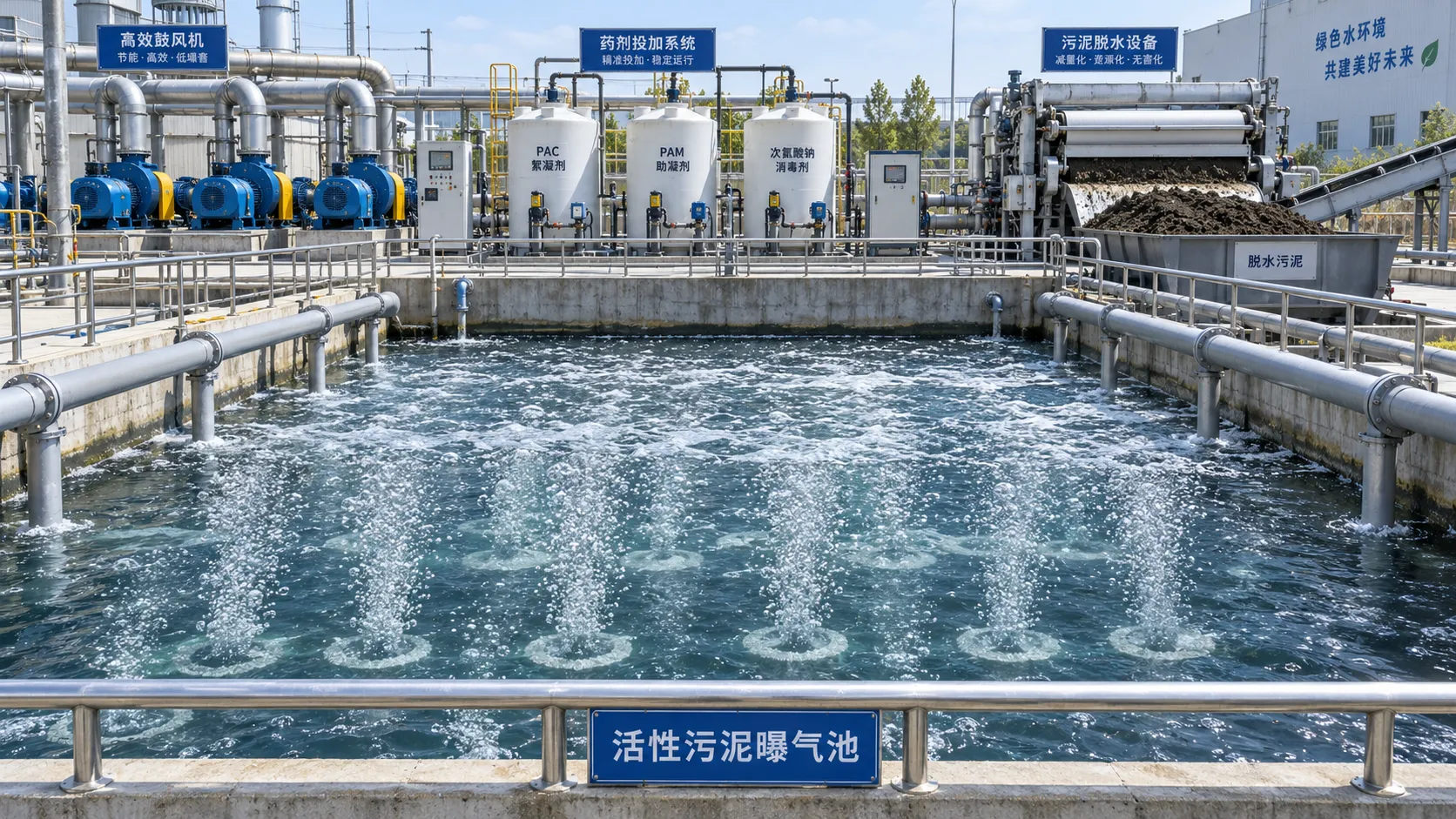
Activated Sludge Cost: Budgeting Energy, Chemicals, Sludge, and Labor
Activated sludge cost explained: compare energy, chemicals, sludge disposal, labor, and compliance risks to build a reliable lifecycle budget.
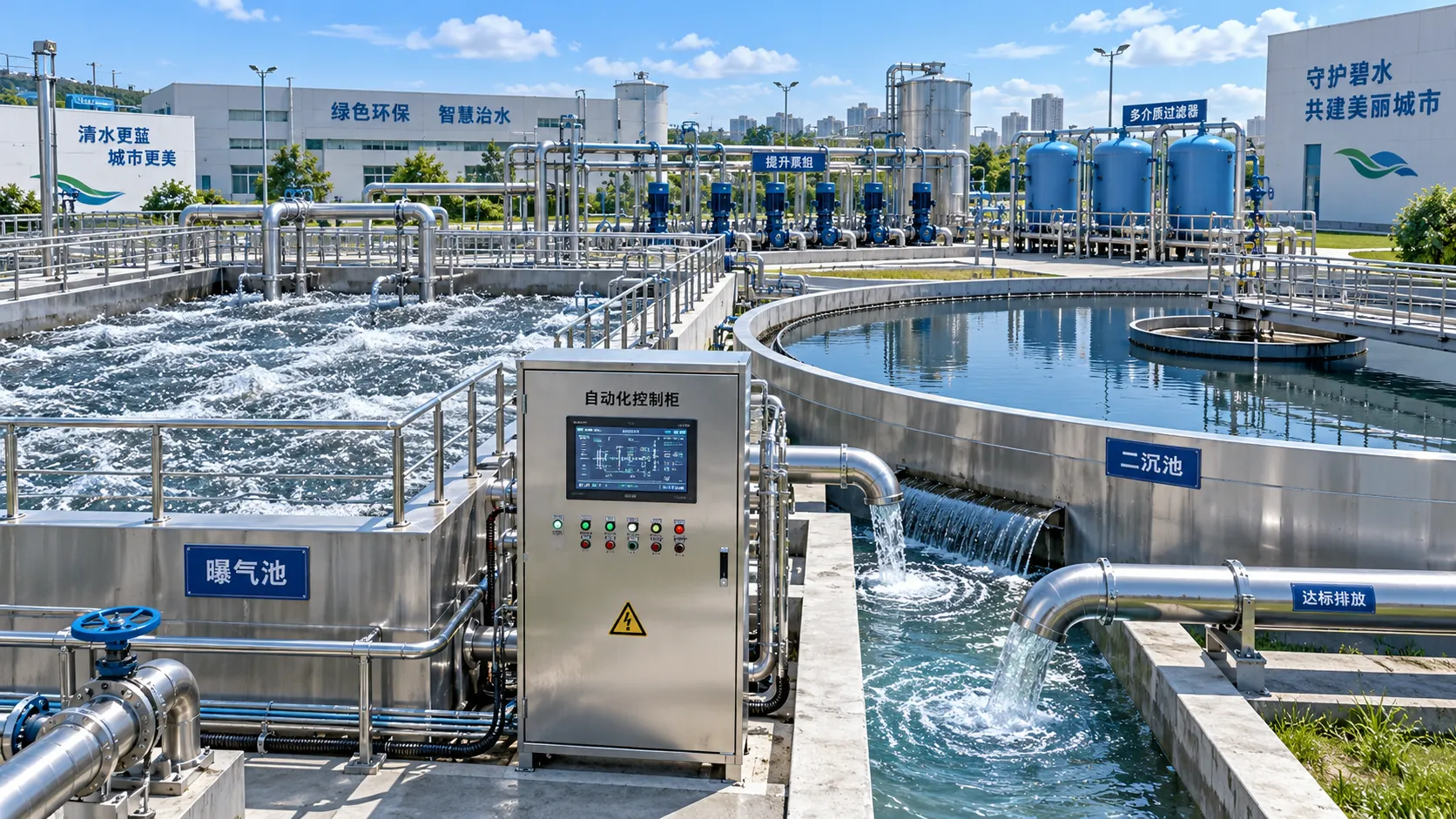
When Should Municipal Wastewater Plants Upgrade Treatment Capacity and Controls?
Municipal wastewater treatment upgrades: learn when capacity, controls, and resilient planning are needed to protect compliance and optimize plant performance.
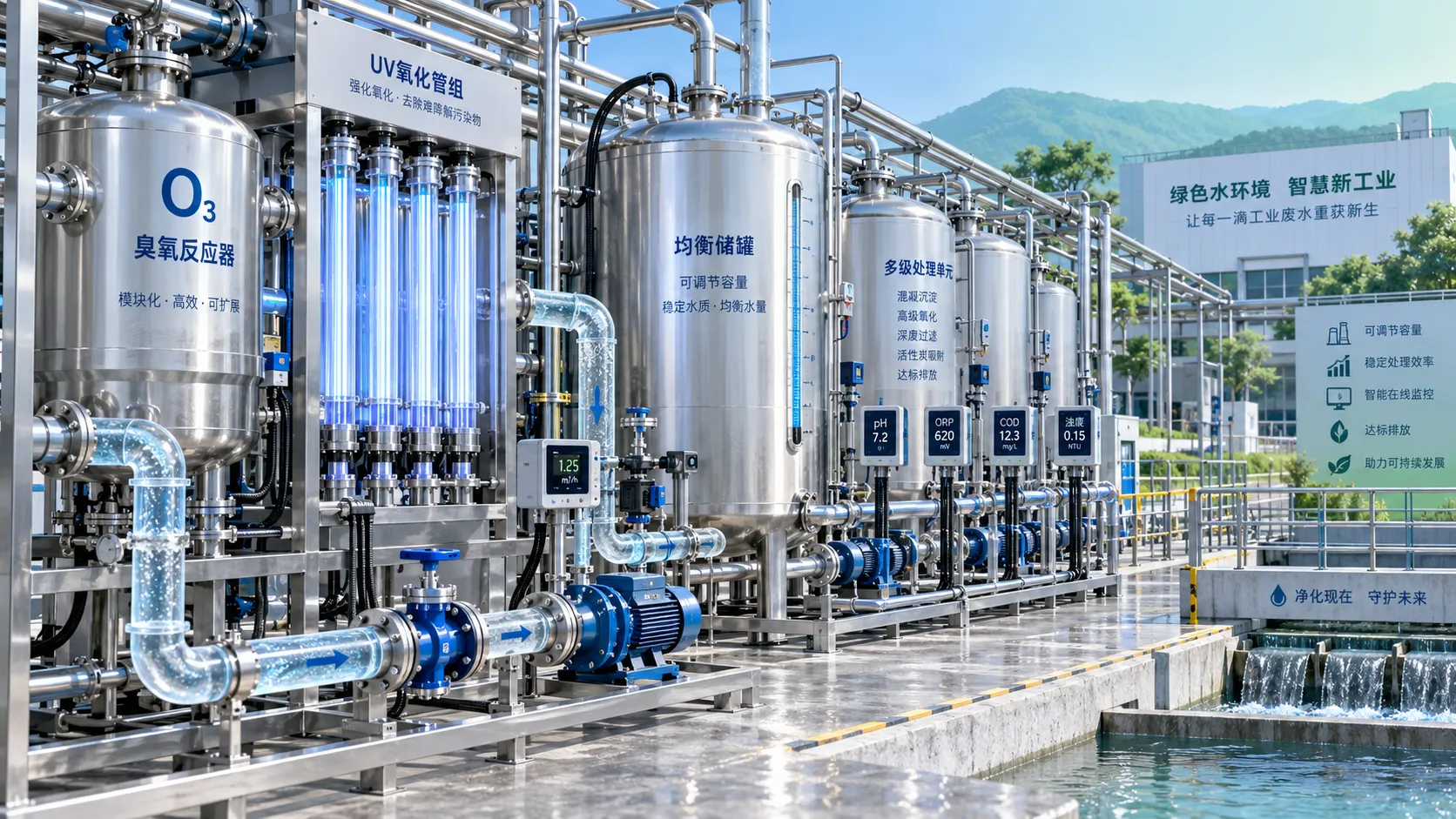
How to size advanced oxidation equipment for variable wastewater loads
Advanced oxidation equipment guide for sizing AOP systems under variable wastewater loads, improving compliance, efficiency, and lifecycle cost control.