
Industry News
Curation by industry experts
Hot Articles
Popular Tags
Advanced Water Purification Technologies: What Improves Removal Rates?
For technical evaluators, advanced water purification technologies are now judged by consistency, resilience, and lifecycle value. Removal rates must hold under fluctuating salinity, organics, colloids, metals, and tighter discharge targets.
Across industrial parks, municipal upgrades, desalination systems, and reuse projects, the question has shifted. It is no longer whether treatment works in theory, but what improves removal rates in real operating environments.
That shift matters for the broader environmental equipment landscape. At ESD, advanced water purification technologies sit within a larger intelligence framework linking water security, resource recovery, compliance pressure, and decarbonized infrastructure performance.
Why advanced water purification technologies are entering a stricter performance era
The market is moving beyond headline membrane rejection or nominal filter precision. Operators increasingly compare stable removal rates over time, chemical demand, energy intensity, sludge burden, and digital controllability.
Several trend signals explain this change. Water matrices are becoming more complex. Discharge permits are tightening. Water reuse targets are expanding. Extreme weather is also increasing feed variability across many regions.
As a result, advanced water purification technologies are being evaluated as integrated systems. Pretreatment, separation, polishing, monitoring, and concentrate management now determine total removal performance together.
The strongest signals shaping removal-rate expectations
- Lower limits for nutrients, PFAS, boron, silica, and trace metals.
- Growth in industrial water recycling and near-ZLD strategies.
- Rising concern over fouling, scaling, and membrane life reduction.
- Higher demand for online data, predictive maintenance, and compliance proof.
- Pressure to reduce energy use and reagent consumption simultaneously.
What actually improves removal rates in advanced water purification technologies
Improved removal rates rarely come from a single device. They come from matching contaminant properties with the right sequence of barriers, reaction conditions, and control logic.
Key drivers and how they raise performance
In practice, advanced water purification technologies improve removal most when each barrier handles a specific fraction. Coagulation addresses destabilization. UF removes suspended solids. RO rejects dissolved salts. Polishing captures traces.
This layered approach is especially important for large treatment plants and desalination facilities. Complex contaminants often shift form during treatment, so the sequence matters as much as the unit itself.
The biggest reason removal rates vary: feedwater complexity, not brochure efficiency
One of the most overlooked issues is feedwater variability. The same technology can deliver very different results when pH, temperature, ionic strength, organic load, and oxidant exposure change.
Variables that often reduce real-world performance
- Seasonal swings in TOC, ammonia, and suspended solids.
- High silica or hardness causing scale at elevated recovery.
- Surfactants and oil that weaken membrane wetting behavior.
- Temperature drops that cut flux and reaction kinetics.
- Unexpected oxidants that damage polymeric media.
Therefore, advanced water purification technologies should be judged by performance windows, not single-point claims. Removal rates need validation across upset conditions, startup periods, and long cleaning cycles.
This is where ESD-style intelligence becomes valuable. Materials behavior, reaction kinetics, and compliance demands must be stitched together before selecting a high-end purification train.
System integration is becoming the real differentiator
Many projects already use membranes, oxidation, adsorption, or biological treatment. The trend is not simple adoption. It is better integration between these units to raise removal without disproportionate cost.
Where integration creates measurable gains
- Pretreatment matched to membrane fouling profile.
- Oxidation tuned to improve biodegradability before biological polishing.
- Selective media added after RO for difficult trace contaminants.
- Digital control linking sensors to dosing, recovery, and CIP timing.
- Concentrate handling designed to protect total system recovery.
For example, advanced water purification technologies in industrial reuse may combine DAF, UF, two-pass RO, and activated carbon. Each unit protects the next while lifting overall removal reliability.
In seawater desalination, better intake quality control, optimized SWRO membrane selection, and boron polishing can improve final water quality more effectively than pressure increase alone.
How these shifts affect water, waste, desalination, and compliance decisions
The effects extend beyond water treatment alone. Higher-performing advanced water purification technologies influence waste generation, chemical logistics, energy planning, carbon reporting, and asset replacement timing.
In integrated environmental systems, better removal rates can reduce downstream emissions, support resource recovery, and strengthen permit security. Poor integration does the opposite, even when unit specifications appear strong.
Common operational impacts across business segments
- Municipal upgrades need robust polishing for trace organics and nutrient control.
- Industrial facilities need selective removal under variable shock loads.
- Desalination plants need stable boron, silica, and biofouling management.
- ZLD pathways need stronger front-end purification to protect evaporative steps.
- Compliance strategies need auditable online data, not periodic assumptions.
What deserves the closest attention in the next evaluation cycle
When comparing advanced water purification technologies, it is increasingly important to examine what happens between design intent and operating reality. High removal rates must survive scaling, fouling, aging, and permit escalation.
Priority checkpoints
- Removal stability across full feedwater variability ranges.
- Compatibility between pretreatment chemistry and membrane materials.
- Trace contaminant breakthrough behavior near end-of-run conditions.
- Recovery targets versus scaling and concentrate-management limits.
- Digital monitoring depth for compliance and predictive optimization.
- Lifecycle cost per unit of verified contaminant removal.
A practical path for judging which technologies will keep improving removal rates
The strongest advanced water purification technologies will be those that combine materials innovation with process intelligence. Better membranes alone are not enough. Better decisions around them are now equally important.
A useful next step is to build a contaminant-specific evaluation matrix. Compare removal rates, stability range, pretreatment burden, energy use, and compliance risk across candidate treatment trains.
Within ESD’s intelligence perspective, that approach aligns technical performance with broader environmental strategy. It helps identify which advanced water purification technologies can deliver not just cleaner water, but stronger ecological infrastructure outcomes.
Recommended News
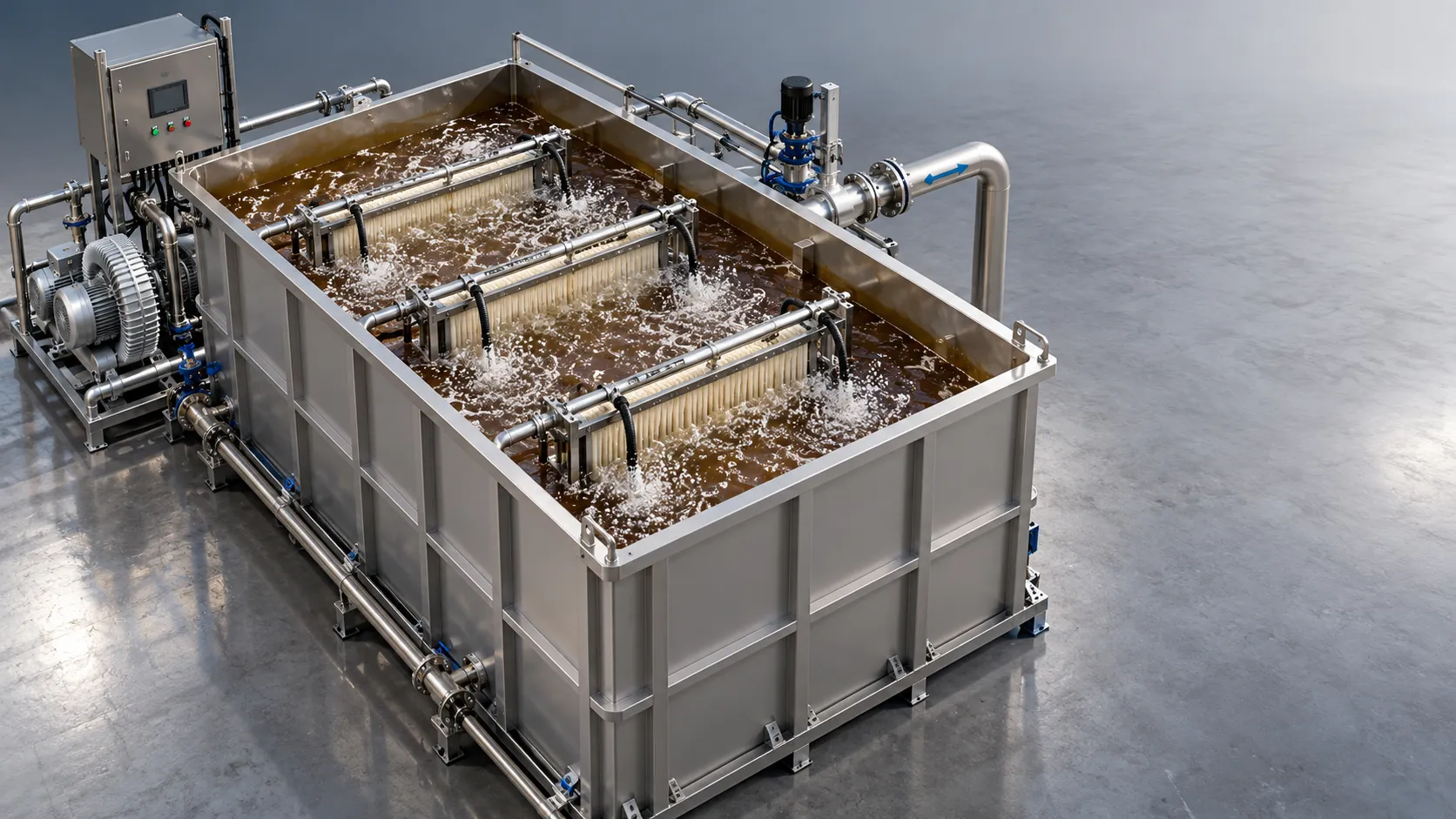
When is an MBR suitable for wastewater purification for bioprocessing?
For wastewater purification for bioprocessing, discover when an MBR fits your needs. Compare water quality, fouling risks, and lifecycle costs before investing.
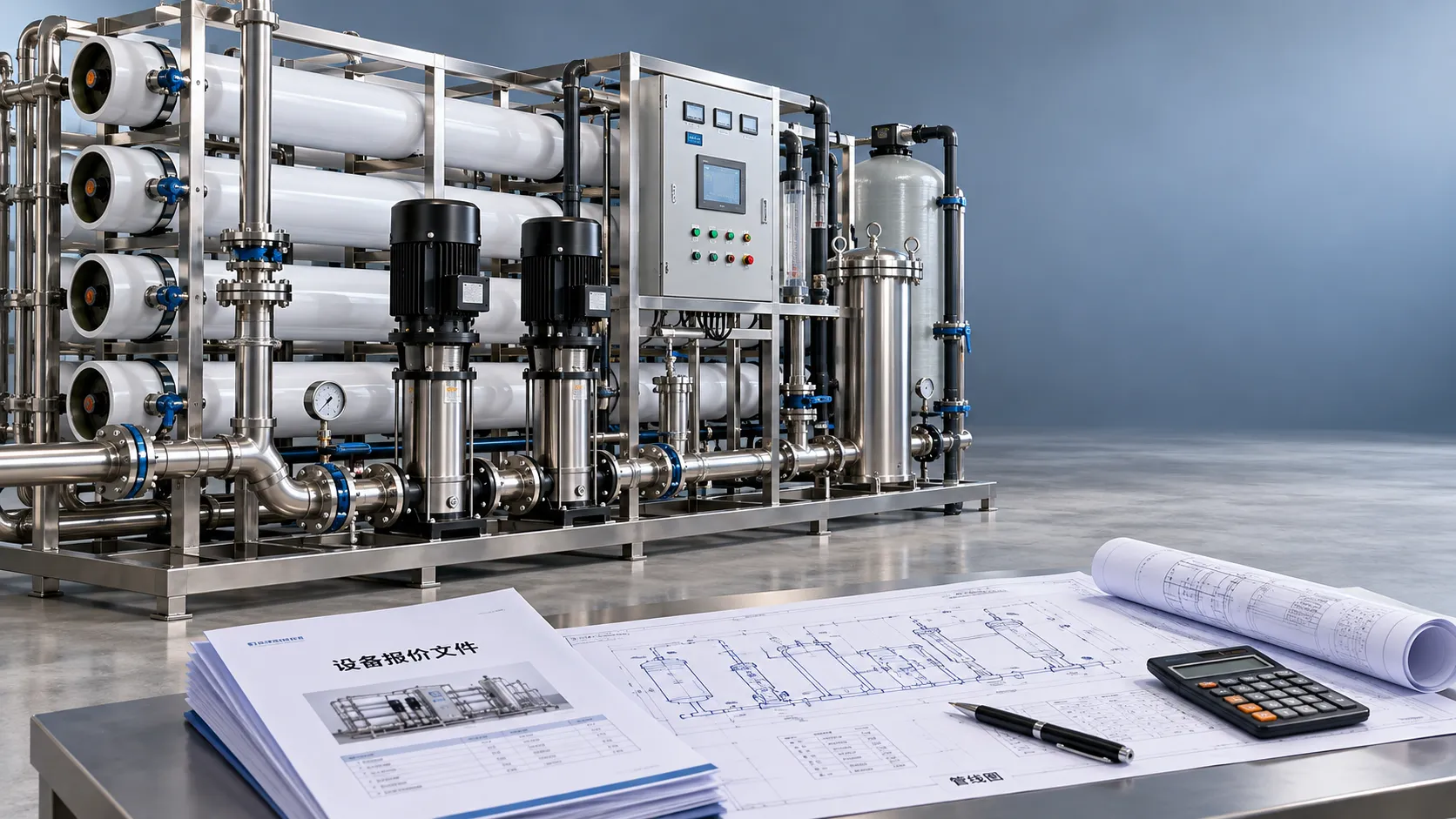
How to check a water treatment quotation for hidden project costs
Review your water treatment quotation for hidden costs, scope gaps, and operating expenses. Learn what to check before signing to protect your budget and avoid costly surprises.
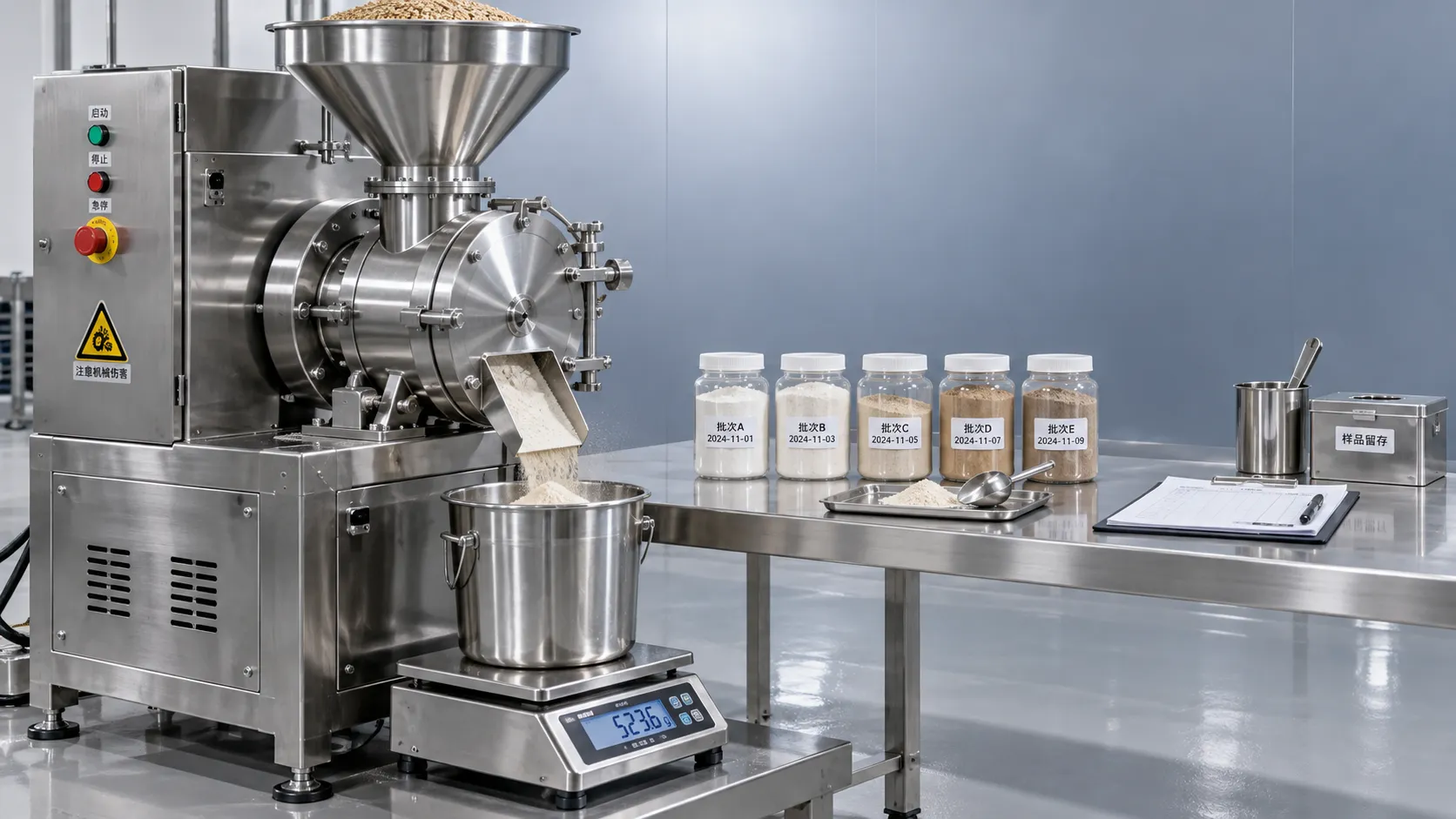
How to vet ingredient processing equipment manufacturers using trials
Vet ingredient processing equipment manufacturers with real-world trials. Learn how to verify yield, cleaning, energy use, and scale-up before you invest.
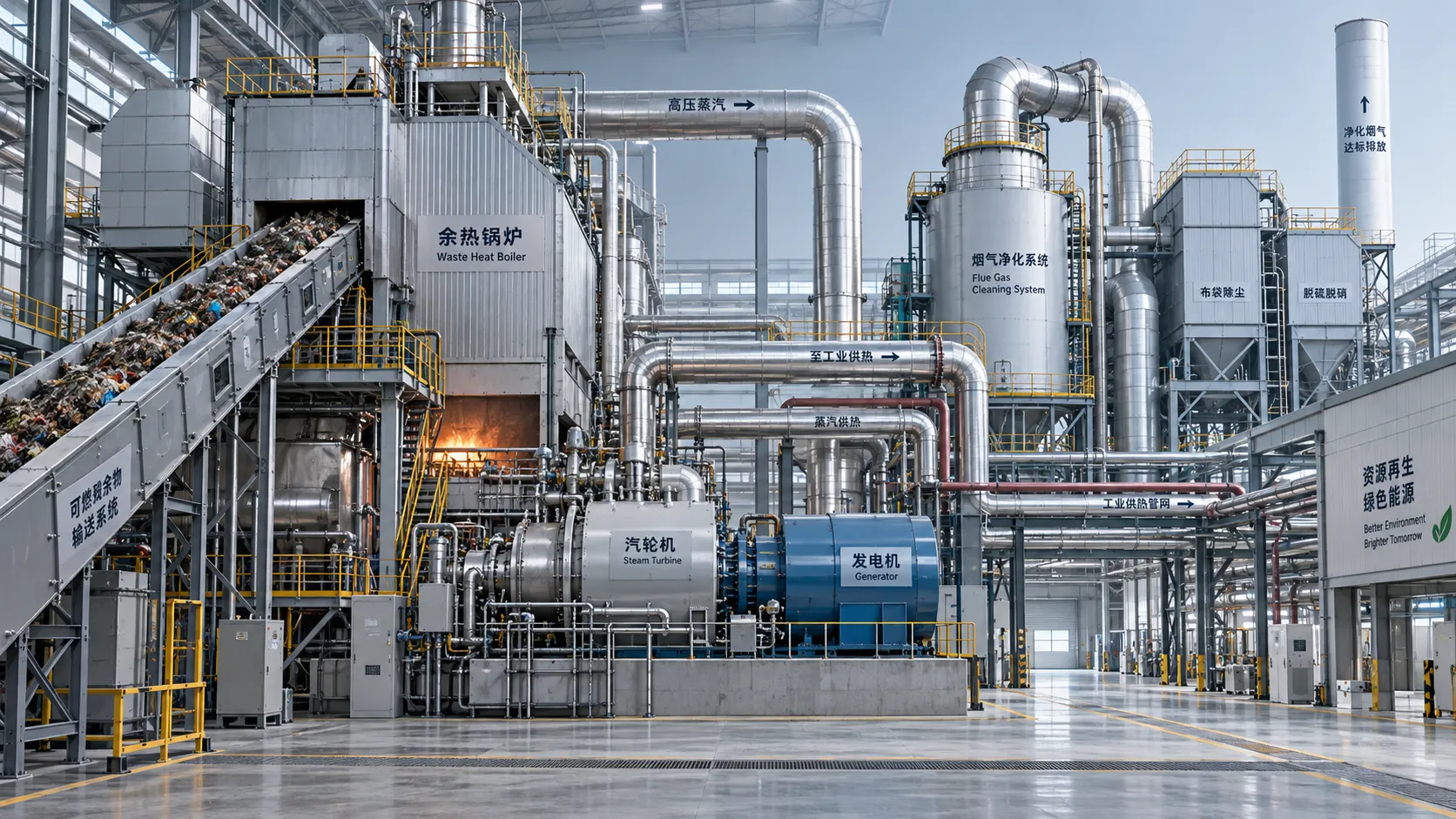
When is energy recovery viable in the solid waste recovery process?
When is energy recovery viable in the solid waste recovery process? Explore feedstock quality, net energy, emissions, and costs to assess feasibility and make smarter investment decisions.
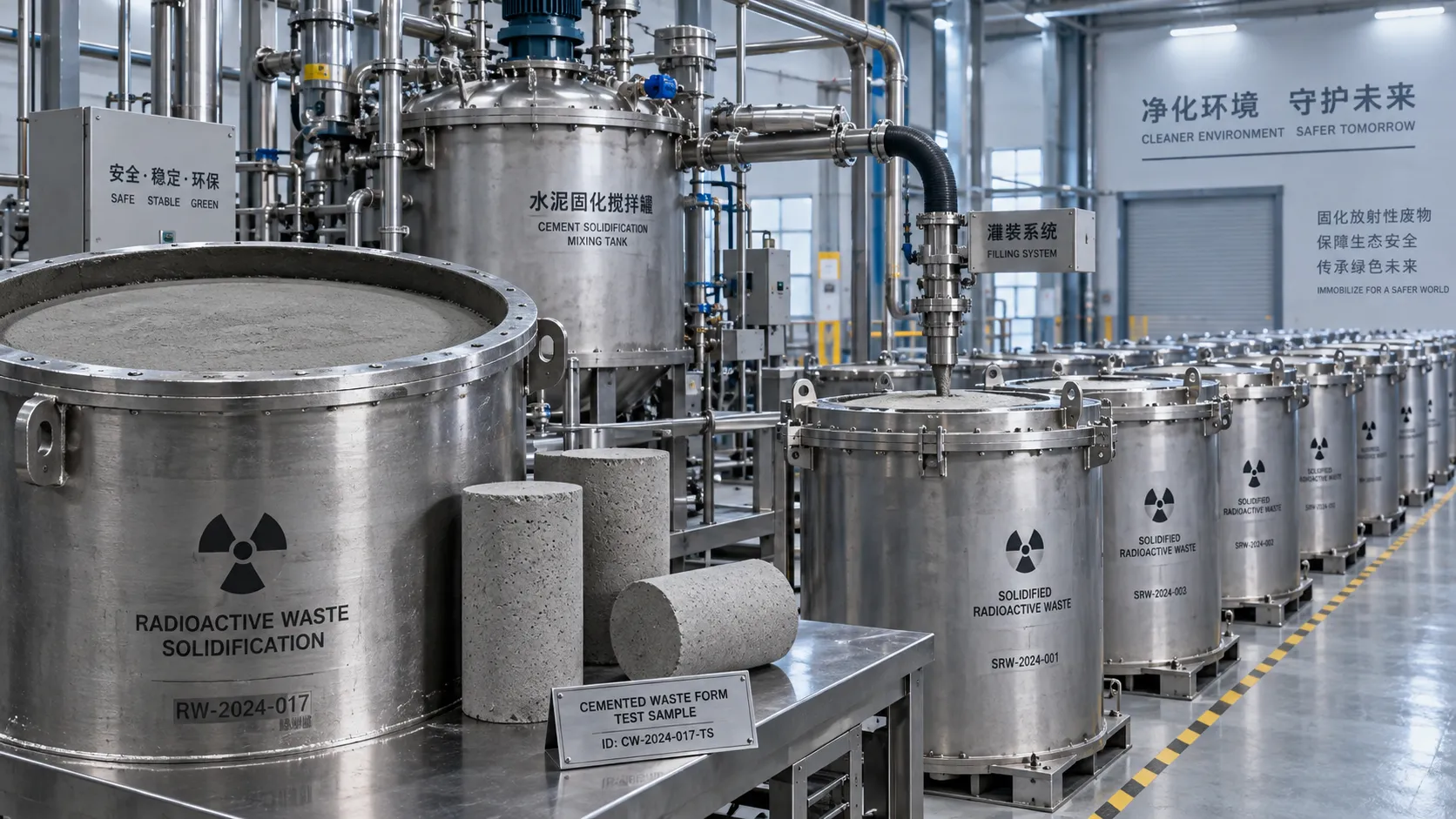
When is cementation suitable for nuclear decommissioning waste?
Explore nuclear waste treatment technology for decommissioning: learn when cementation fits, which risks to assess, and how disposal criteria guide an effective treatment choice.
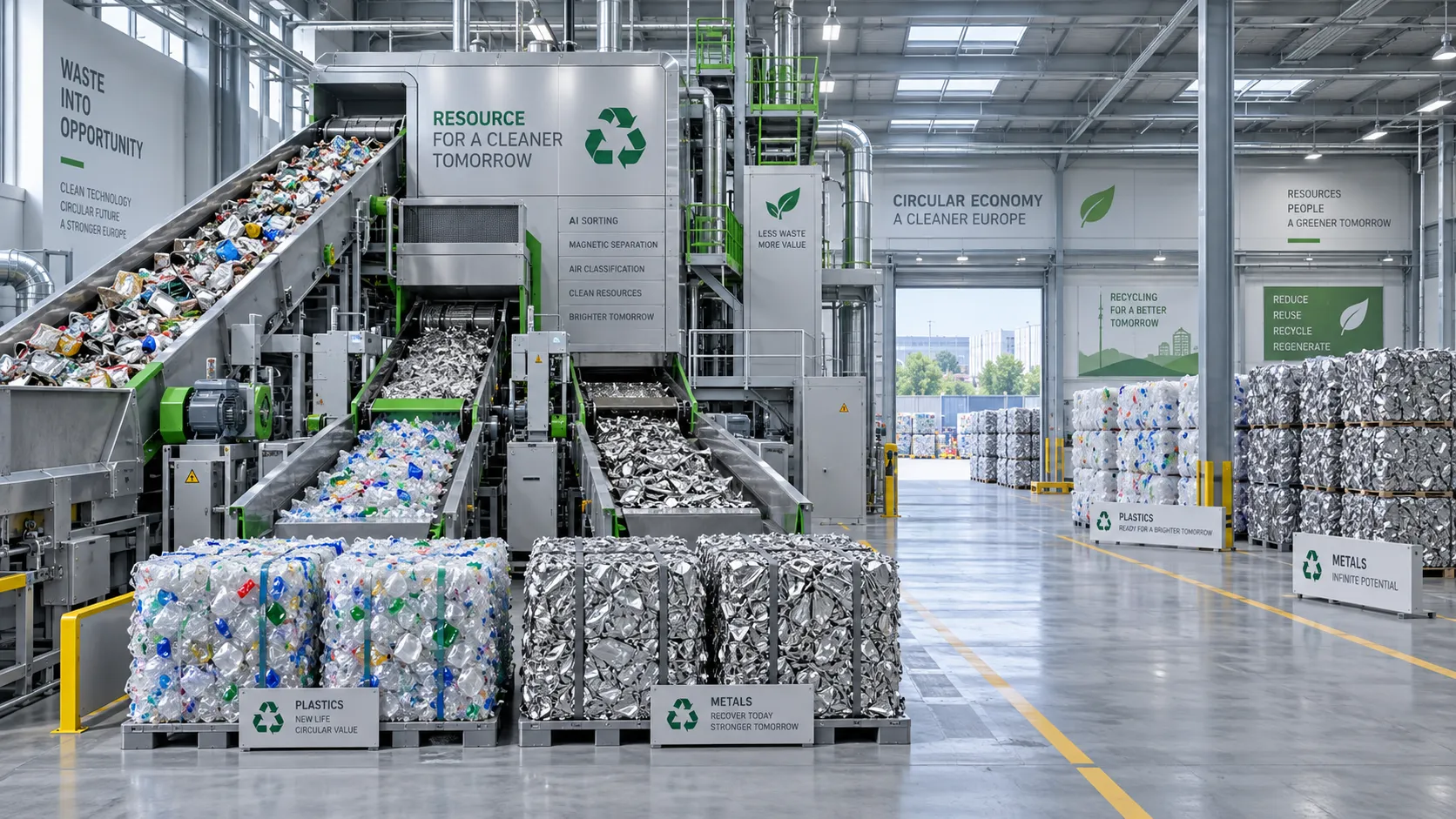
What determines payback for waste-to-resource systems in Europe?
Assess waste-to-resource systems Europe-wide: compare feedstock, recovery yields, costs and contracts to uncover payback drivers and make smarter investment decisions.
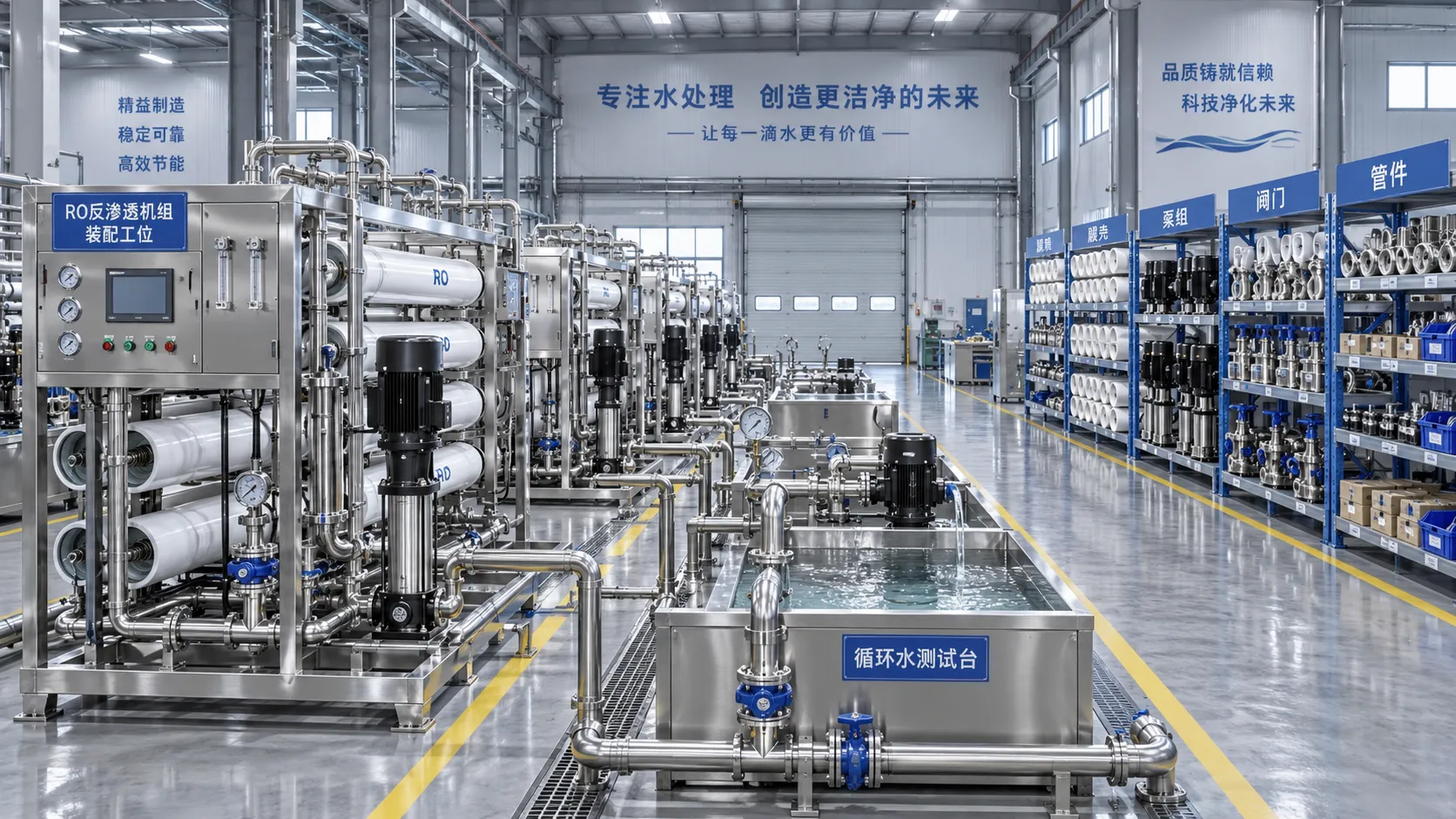
How to verify a water treatment system factory’s production capacity
Verify a water treatment systems factory’s production capacity through records, bottlenecks, component availability, and testing. Learn what to check before accepting a delivery promise.
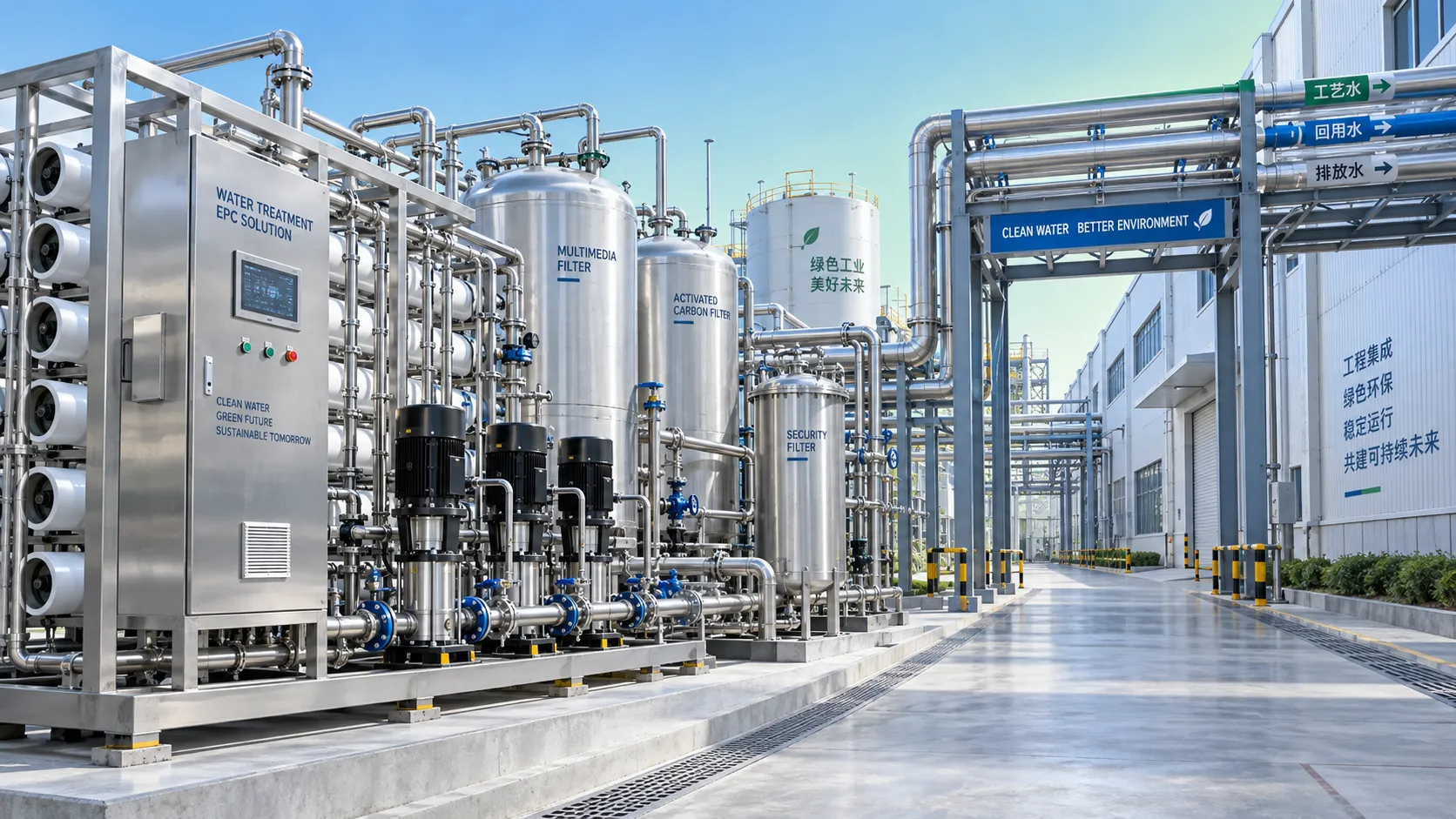
When does EPC environmental project support reduce delivery risk?
EPC environmental project support engineering reduces delivery risk by aligning design, procurement, compliance, construction, and commissioning decisions.
How nuclear plants select a radioactive waste solidification method
Radioactive waste management for nuclear plants: compare vitrification, cementation, polymers, and ceramics to select a compliant, durable solidification solution.