
Industry News
Curation by industry experts
Hot Articles
Popular Tags
SCR Denitrification Systems: How to Compare NOx Removal Efficiency and Operating Cost
Comparing SCR denitrification systems starts with a simple question: what does high NOx removal really cost over years of operation, not just during acceptance testing?
In flue gas treatment, the answer affects permit stability, fuel flexibility, maintenance planning, and project economics. A system that reaches a headline removal rate may still underperform when load changes, sulfur rises, or catalyst activity declines.
That is why SCR denitrification systems remain a strategic topic across power, waste-to-energy, cement, refining, steel, and other heavy industrial assets. For intelligence platforms such as ESD, they sit at the intersection of compliance pressure, process reliability, and long-term environmental capital efficiency.
Why comparison is getting harder
Regulatory tightening has changed the benchmark. Many facilities no longer compare systems only by whether they can remove NOx. They compare how consistently they hold low outlet concentrations under real operating volatility.
That volatility is not theoretical. Fuel blends shift. Boiler loads move up and down. Dust levels vary. Upstream desulfurization performance changes. Space constraints force different reactor layouts. Each factor changes the real behavior of SCR denitrification systems.
Global compliance frameworks also matter more. Carbon and pollution rules increasingly affect bidding, financing, and cross-border competitiveness. A lower-cost installation that causes higher ammonia consumption or earlier catalyst replacement may lose its advantage quickly.
What removal efficiency actually means
NOx removal efficiency is usually expressed as the percentage reduction between inlet and outlet NOx concentration. On paper, that looks straightforward. In practice, it is only one layer of performance.
A more useful view includes four linked questions. Can the system meet outlet limits across the load range? How much ammonia is required? How stable is the catalyst activity over time? What level of ammonia slip accompanies the target removal rate?
A system showing 90% removal at one design point may be less valuable than one holding 82% to 88% reliably over changing conditions. For many projects, predictability is more bankable than a single impressive test number.
The operating window matters
Catalyst performance depends heavily on temperature. Most SCR denitrification systems operate best within a defined thermal window. Too low, and reaction rates drop. Too high, and catalyst aging can accelerate.
Gas composition matters just as much. SO2, SO3, alkali metals, heavy metals, and particulate loading can poison or mask active sites. This is especially relevant in waste incineration, biomass co-firing, and mixed industrial exhaust streams.
The cost side is broader than reagent use
When owners evaluate operating cost, ammonia or urea consumption is the visible line item. It is not the full picture. The more important cost structure usually combines reagent use, pressure drop, auxiliary power, catalyst lifecycle, cleaning outages, and disposal.
Pressure drop deserves more attention than it often gets. Higher pressure drop increases fan power and can influence upstream and downstream equipment performance. Over time, this becomes a meaningful energy penalty.
Catalyst replacement intervals often have the largest life-cycle impact. Lower-priced catalyst modules may appear attractive during procurement, yet faster deactivation can make total ownership cost significantly higher within two or three maintenance cycles.
Where hidden costs usually appear
- Ammonia slip causing downstream fouling or visible plume concerns
- Air distribution maldistribution leading to localized catalyst underuse
- Sootblowing or cleaning frequency higher than budgeted
- Bypass events or low-load periods reducing actual annual removal
- Catalyst disposal or regeneration logistics in tightly regulated markets
Key technical factors to compare side by side
A useful comparison framework for SCR denitrification systems should combine process performance and commercial durability. Looking at one without the other usually distorts the decision.
This kind of matrix reflects how ESD typically frames equipment intelligence. The real issue is not one isolated parameter. It is how multiple parameters behave together inside an environmental compliance system.
Different industries stress the system differently
SCR denitrification systems are often discussed as if all flue gas streams were comparable. They are not. Industry context changes both the removal challenge and the cost logic.
Coal and gas power
Large utility units usually prioritize stable base-load compliance, high availability, and predictable catalyst management. Here, long campaigns and pressure drop optimization often matter more than extreme peak removal claims.
Waste-to-energy and solid waste recovery
Gas composition is less stable, and catalyst poisoning risk is higher. Projects linked to urban mining or thermal recovery need stronger attention to metals, chlorides, and particulate effects.
Cement, steel, and refining
These sectors often face harsh dust conditions, process cycling, and tight retrofit spaces. In such cases, reactor geometry, access for maintenance, and upstream gas conditioning can determine project success.
How to read vendor claims more carefully
Data sheets for SCR denitrification systems usually highlight design efficiency, catalyst brand, and reagent consumption. Those figures are useful, but they are not enough for a bankable comparison.
More useful questions include the basis conditions behind each guarantee. Was the guarantee tied to a specific inlet NOx level? A narrow temperature range? Fresh catalyst only? Clean gas assumptions? Short-duration test conditions?
It also helps to distinguish between guaranteed performance and modeled performance. CFD and kinetic models are essential, but they should be supported by reference cases with similar fuel, dust burden, sulfur level, and annual operating profile.
A practical due diligence checklist
- Compare guaranteed outlet NOx, not just percentage removal
- Ask for catalyst life assumptions under site-specific contaminants
- Review ammonia slip guarantees at different loads
- Check end-of-cycle pressure drop and cleaning provisions
- Evaluate access, outage duration, and replacement logistics
- Model life-cycle cost over several catalyst cycles
Where the business case becomes clearer
The strongest business case for SCR denitrification systems usually comes from combining emissions certainty with operational resilience. This becomes especially important in projects exposed to carbon policy, strict permitting, or high downtime penalties.
A plant that avoids non-compliance events, extends catalyst service life, and reduces parasitic power can outperform a cheaper installation by a wide margin over the asset life. That is the more relevant lens for capex-heavy environmental equipment.
From the wider ESD perspective, this is consistent with how critical treatment infrastructure is now judged: not as isolated hardware, but as part of an intelligent eco-shield built for stricter boundaries and longer accountability.
A better next step for evaluation
Before comparing quotations, define the real operating envelope. That means inlet NOx range, gas temperature profile, sulfur and dust levels, annual load pattern, outage strategy, and downstream sensitivity to ammonia slip.
Then build a comparison model that combines technical guarantees with life-cycle cost. Include catalyst replacement timing, fan energy, reagent use, cleaning frequency, and compliance risk, not just installed price.
That approach makes SCR denitrification systems easier to judge on their real project value. It also creates a stronger basis for vendor discussion, retrofit planning, and long-term environmental performance decisions.
Recommended News
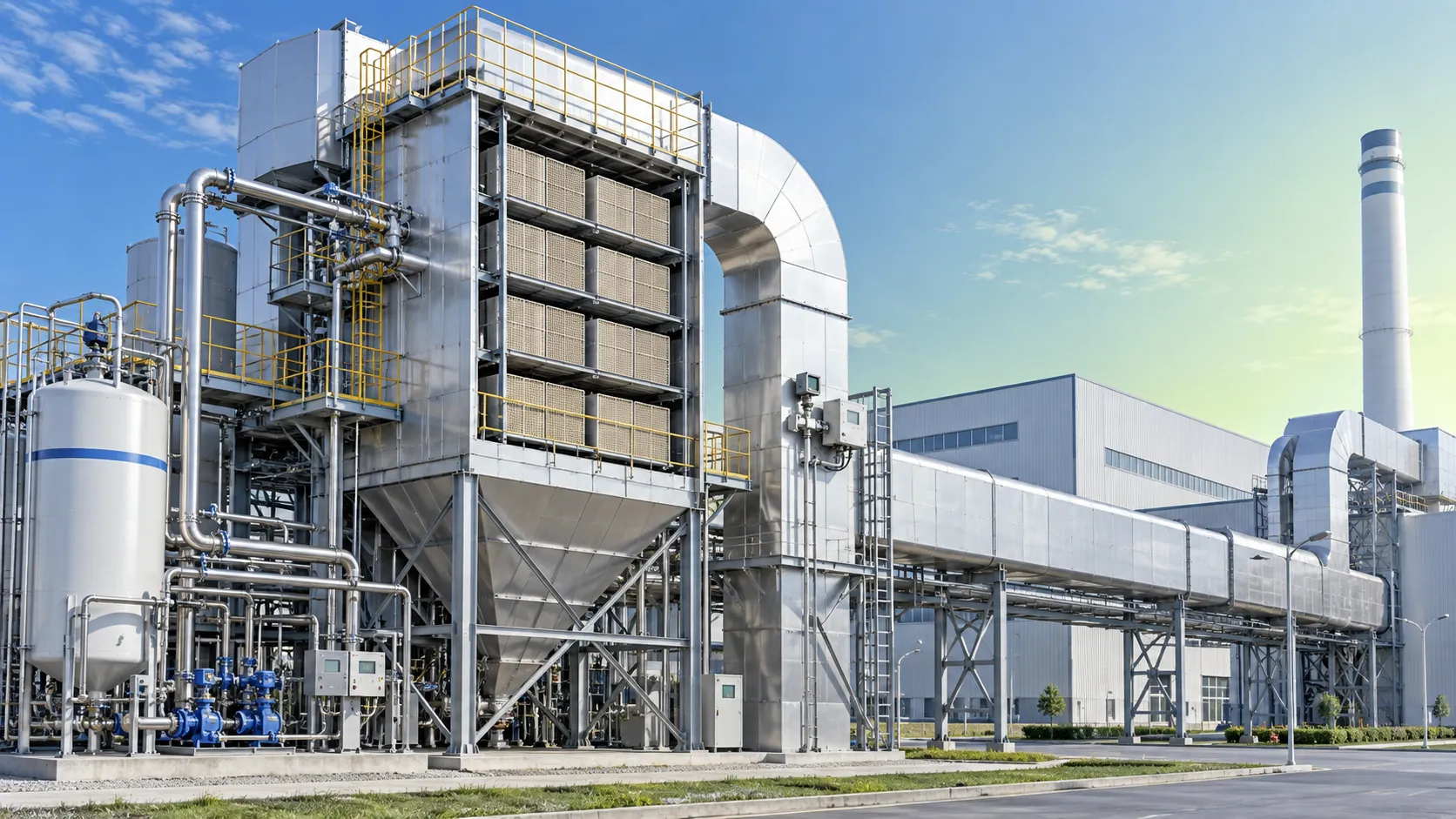
How SCR denitrification systems in Europe meet Industrial Emissions rules
SCR denitrification systems Europe: learn how permit-led design, ammonia-slip control, catalyst management and monitoring support Industrial Emissions compliance.
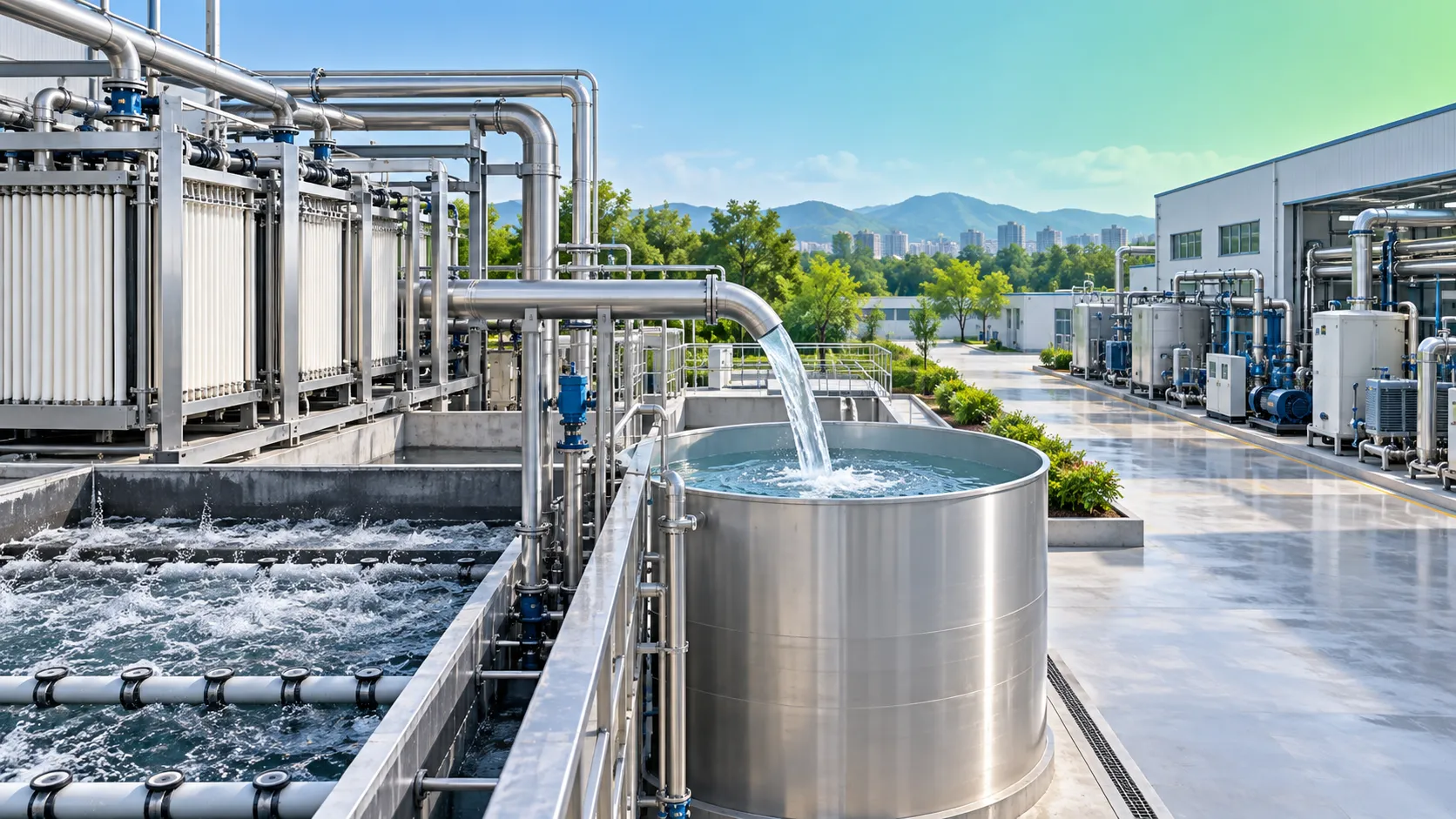
When does MBR equipment make sense for wastewater reuse?
Water treatment equipment for wastewater reuse: learn when MBR delivers compact, reliable low-solids effluent—and when alternative treatment trains offer better value.
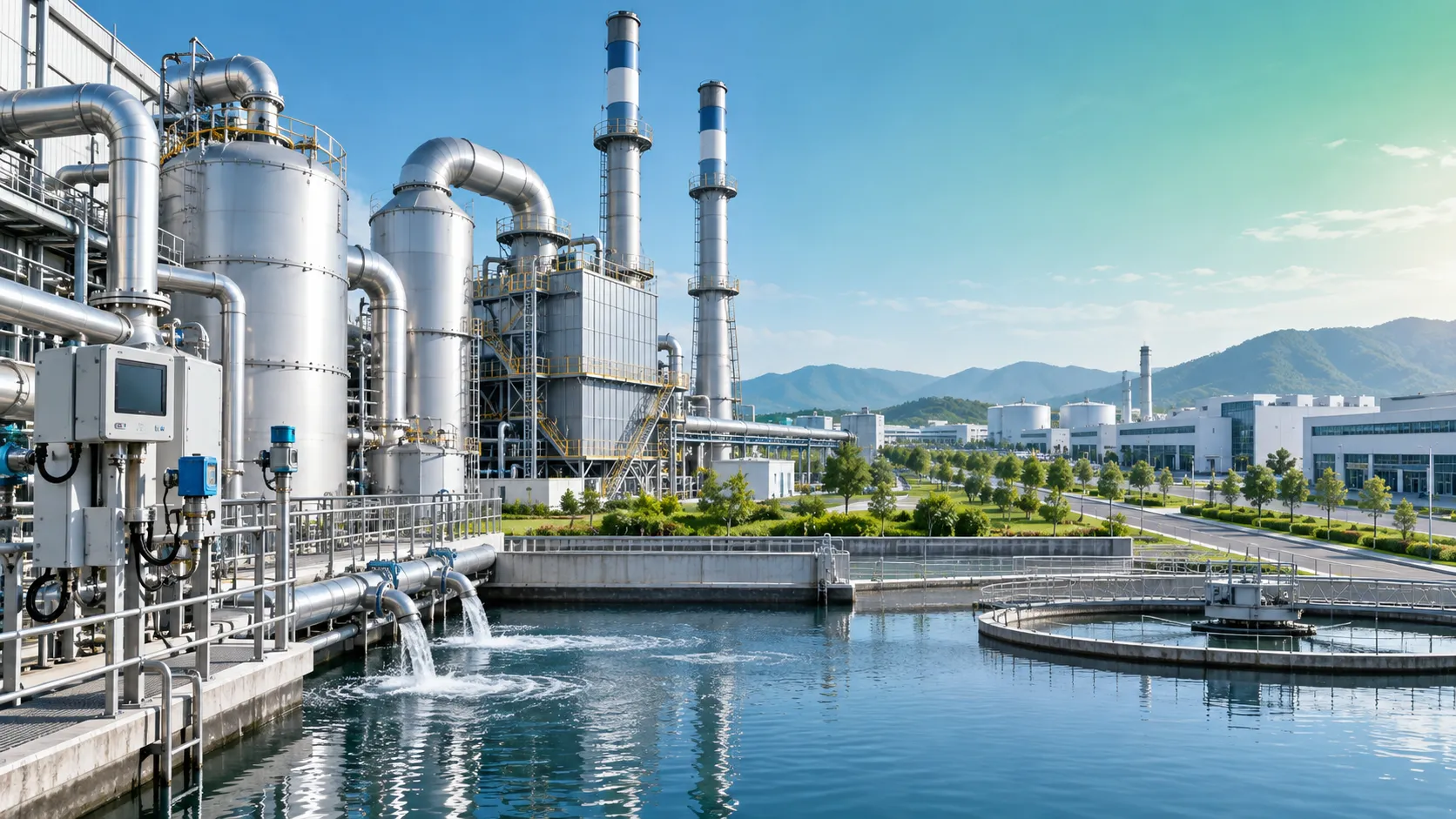
How North America shapes global environmental governance standards
Global environmental governance North America: discover how regulation, finance, and procurement raise worldwide standards and reshape environmental projects.
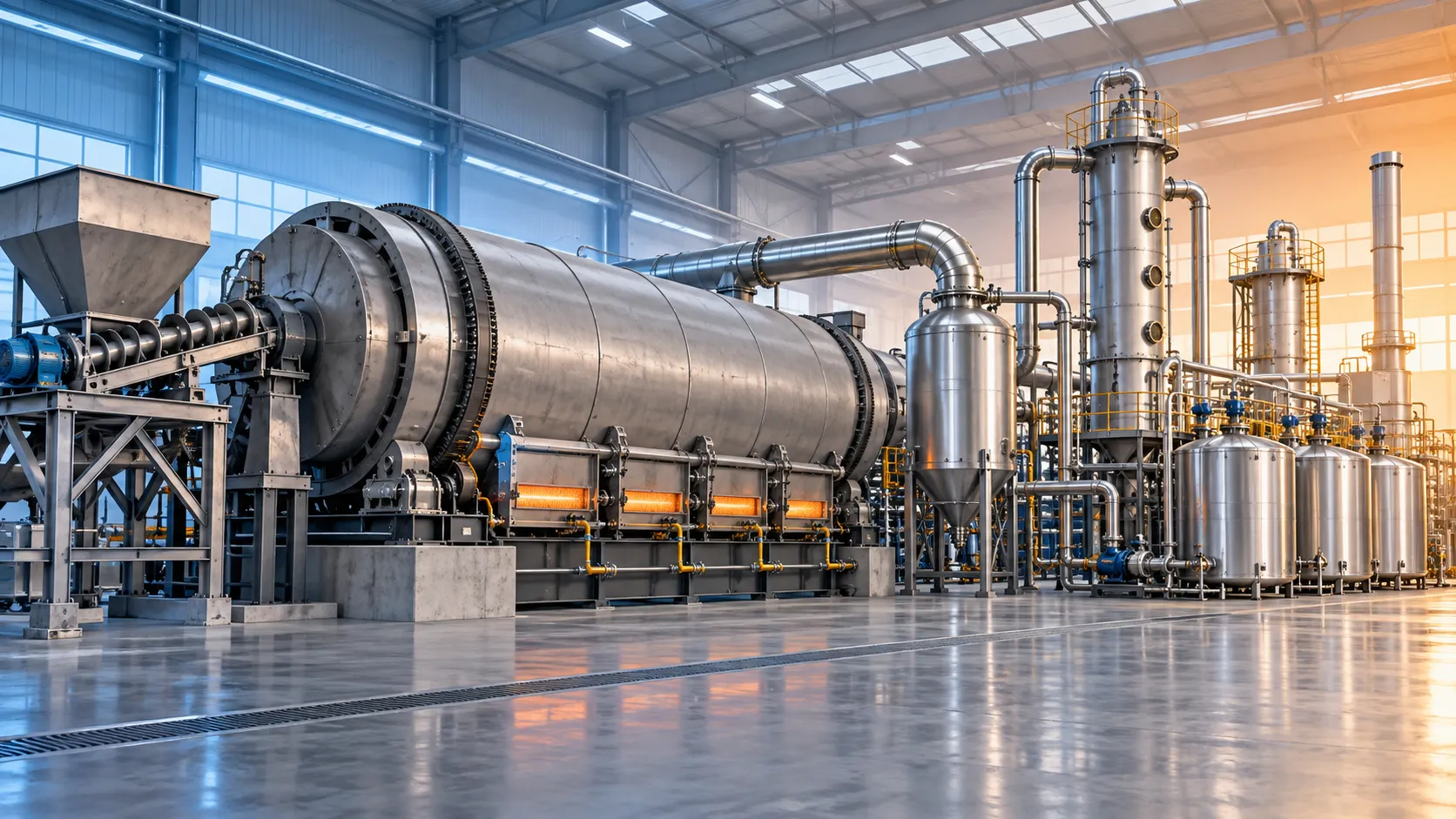
How reactor capacity affects throughput in pyrolysis systems
Pyrolysis systems reactor capacity explained: learn how heat transfer, residence time, feed quality, and emissions controls determine reliable throughput.
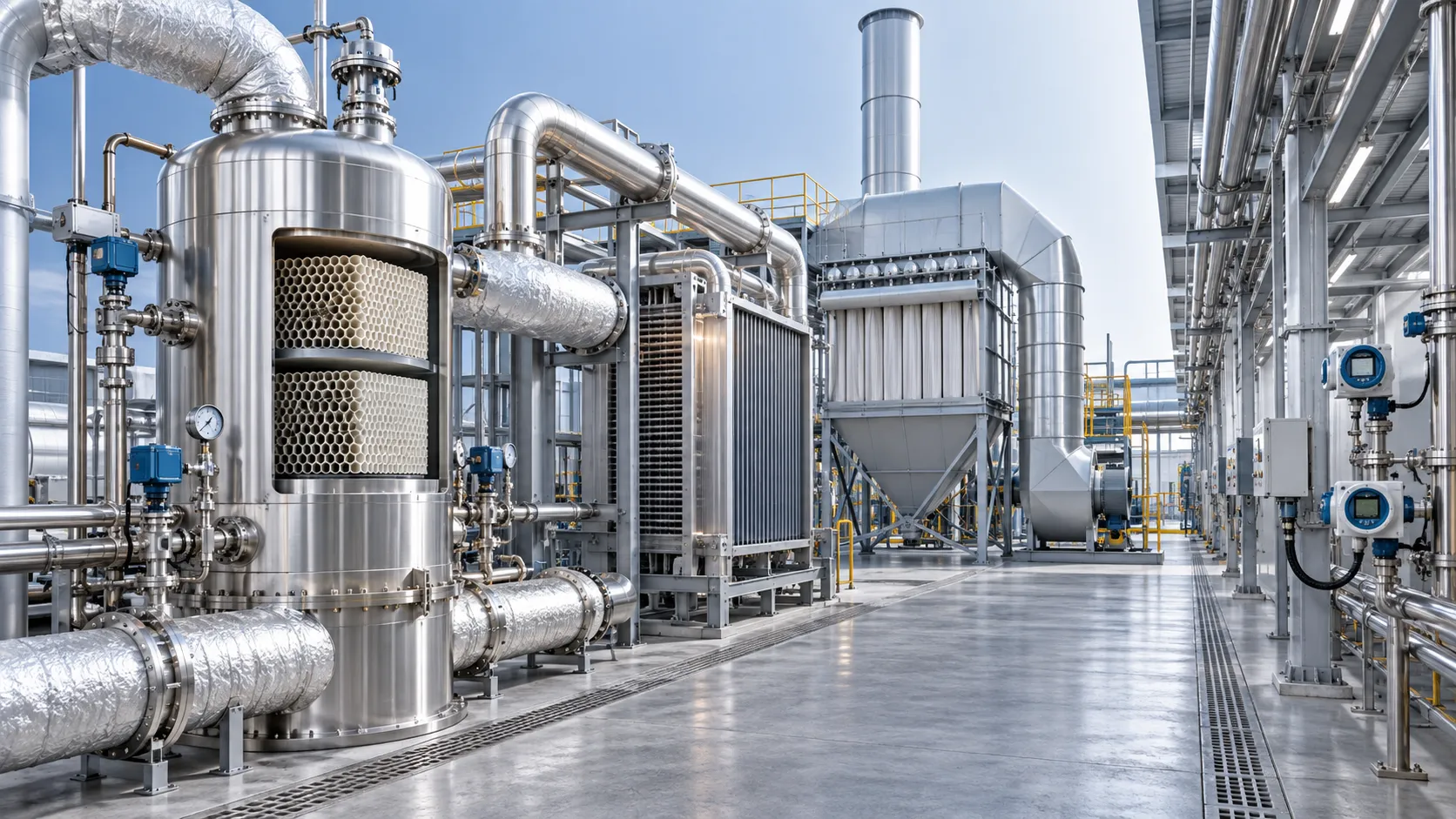
When low-temperature reaction equipment is the right fit for heat-sensitive processes
Low-temperature reaction equipment helps protect heat-sensitive streams, improve energy integration, and maintain reliable conversion. Explore key selection factors today.
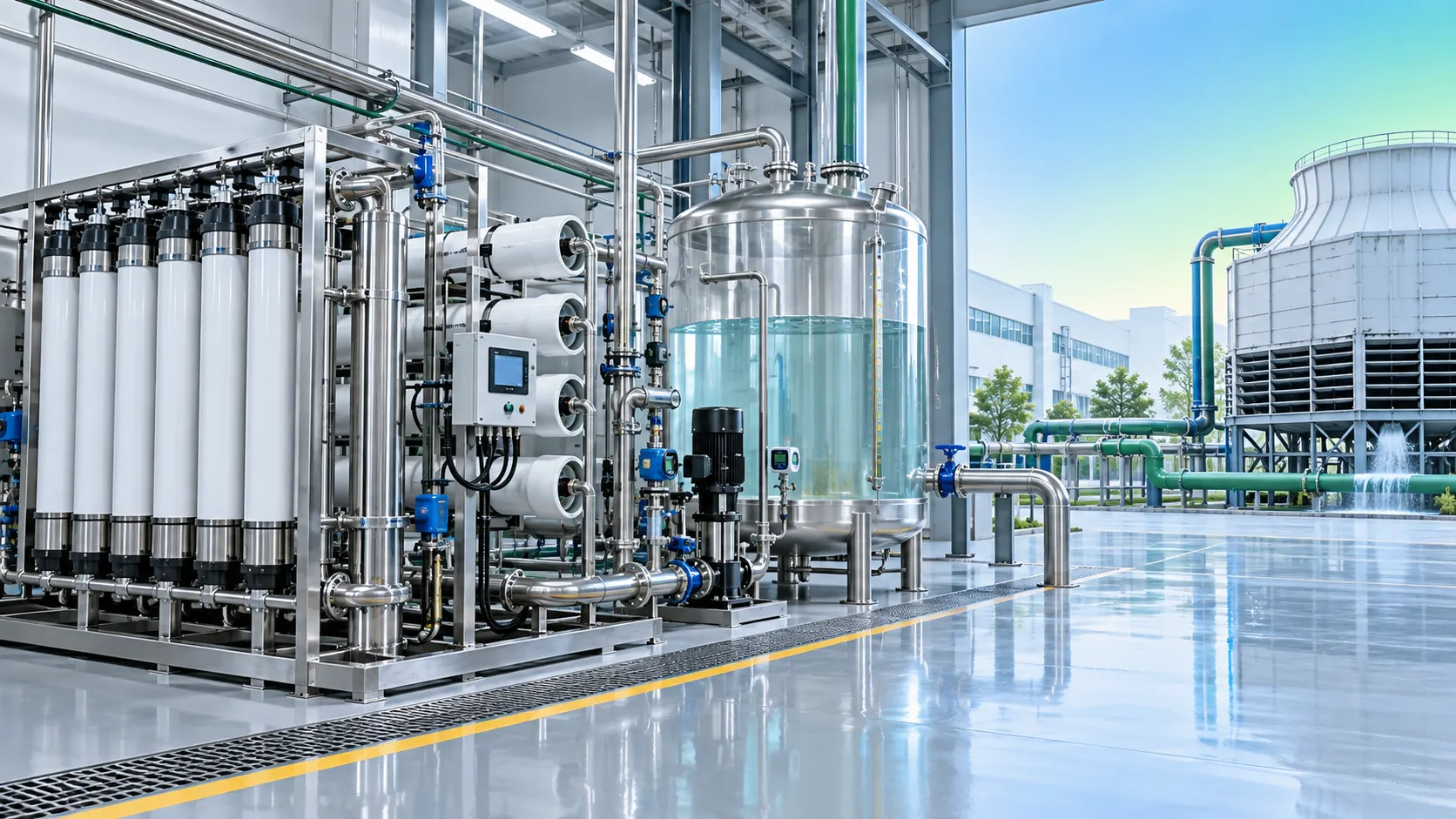
When do water reuse systems deliver a practical payback?
Water reuse systems deliver practical payback when they cut water, discharge, and downtime costs. Learn how to match treatment, recovery, and reuse quality for lasting ROI.
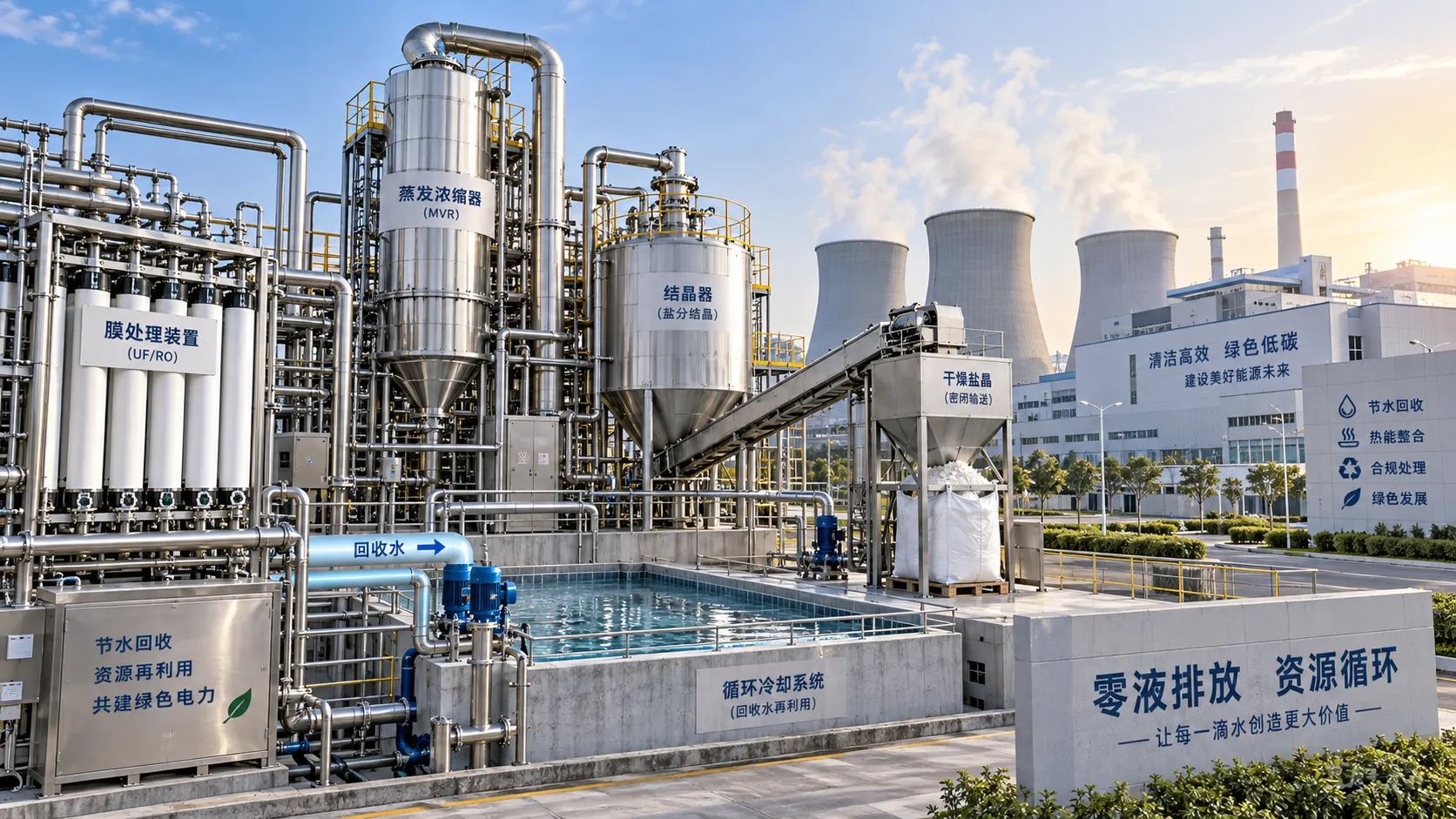
When do ZLD systems for power generation justify their energy use?
ZLD systems for power generation: learn when energy-intensive water recovery delivers stronger compliance, resilience, and long-term value.
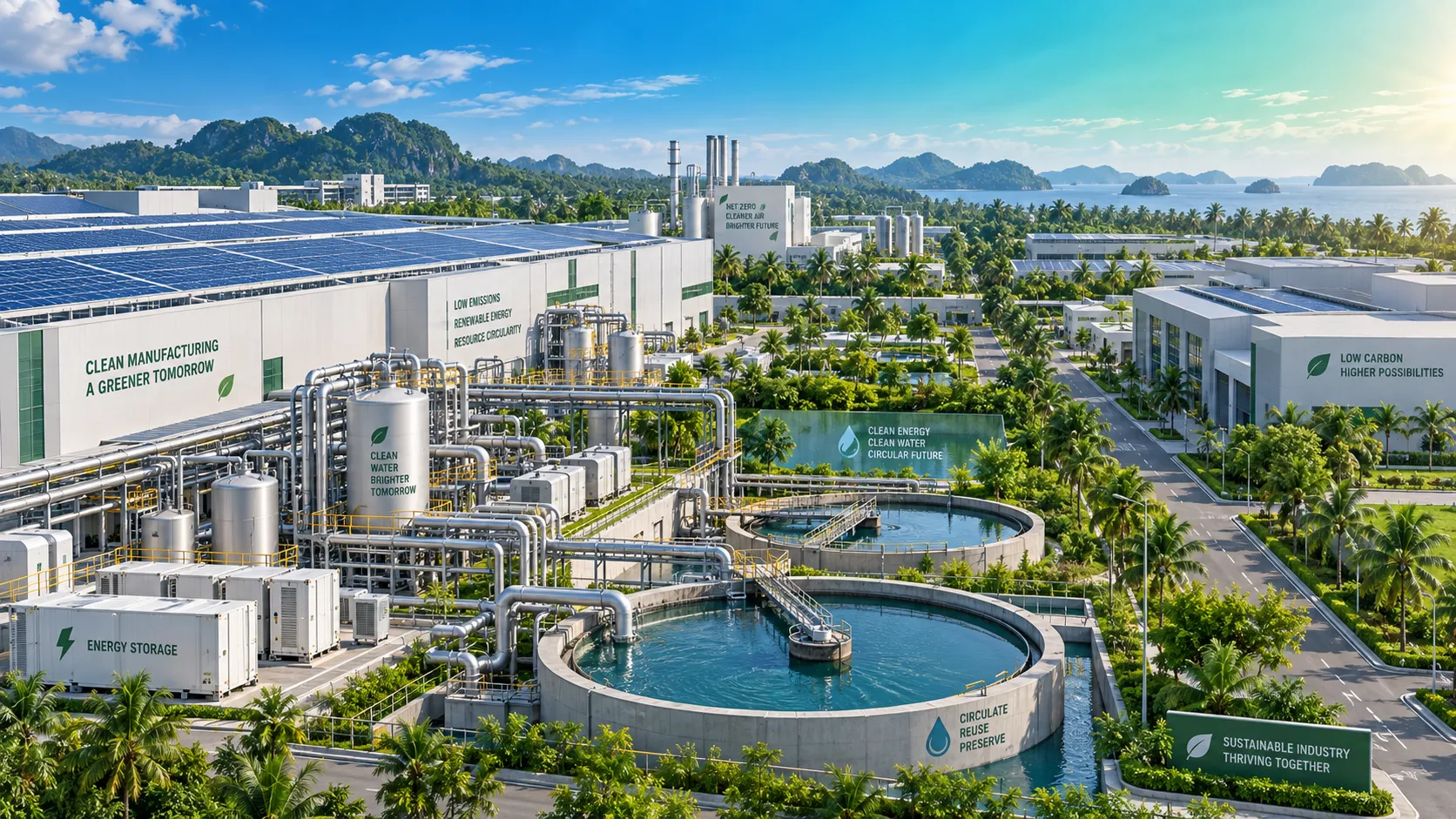
Which decarbonization pathways are most viable in Southeast Asia?
Decarbonization Southeast Asia: discover practical pathways for clean power, efficiency, electrification, circular recovery, and resilient industrial growth.
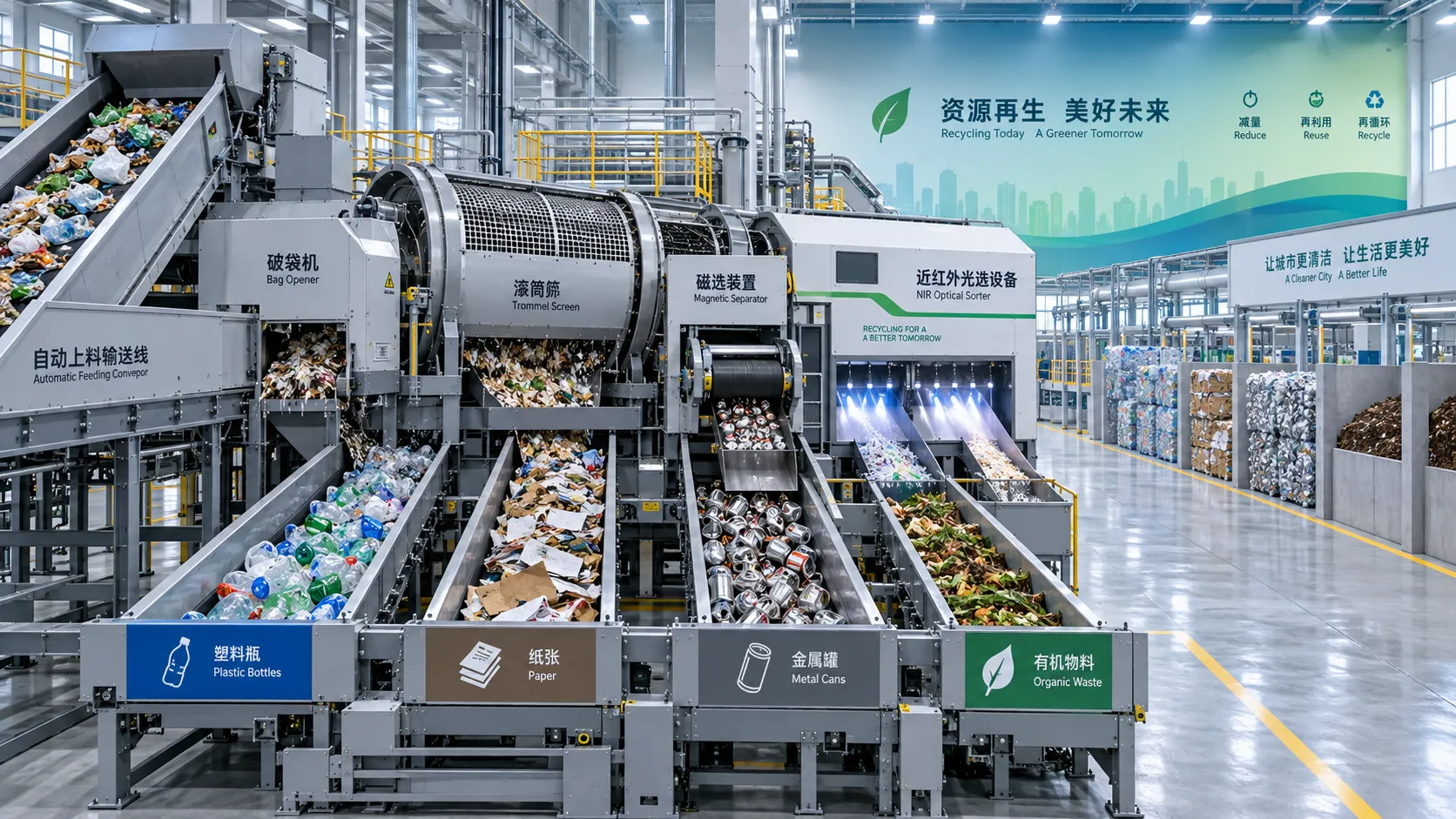
How to choose waste sorting equipment for mixed municipal waste
Waste sorting equipment selection guide for mixed municipal waste: compare technologies, improve recovery, reduce downtime, and build reliable output streams.