
Industry News
Curation by industry experts
Hot Articles
Popular Tags
Circular Economy Implementation Guide: A Practical Step-by-Step Approach
A circular economy implementation guide is no longer a theoretical sustainability note. For enterprises facing tighter compliance, volatile input costs, and pressure to prove measurable impact, it has become a practical framework for redesigning how value is created, retained, and recovered. The real question is not whether circularity sounds good, but how it can be embedded into operations without disrupting business continuity.
In sectors shaped by water treatment, waste recovery, desalination, flue gas control, and nuclear waste management, circular logic is already influencing capital planning, equipment selection, and long-cycle operating performance. That is where a circular economy implementation guide becomes useful: it turns broad sustainability goals into decisions that can be measured, audited, and scaled.
Why circular economy execution matters now
The pressure comes from several directions at once. Raw material prices remain unstable. Environmental rules are more demanding. Cross-border trade is increasingly linked to carbon disclosure and traceability. At the same time, industrial systems are producing more waste streams that can no longer be treated as disposal-only liabilities.
For companies in the broader environmental technology landscape, this shift is especially visible. Large water treatment plants need ZLD-oriented recovery logic. Solid waste systems depend on sorting accuracy and downstream reuse quality. Desalination projects must manage energy intensity while improving asset life. Even advanced waste containment and treatment programs need better resource tracking to reduce loss across the full lifecycle.
A practical circular economy implementation guide helps connect these needs into one operating model. It is less about slogans and more about repeatable discipline: identify flows, recover value, reduce leakage, and align investment with compliance risk.
What the guide really covers
At its core, the circular economy asks a simple question: how can materials, water, energy, and equipment stay productive for longer? In business terms, that means shifting from a linear model of extract, use, and discard to a system that preserves value through reuse, remanufacturing, regeneration, and controlled recovery.
A strong circular economy implementation guide usually covers five practical layers. It starts with resource mapping, then moves to process redesign, then to partner integration, then to performance measurement, and finally to governance. Each layer is necessary because circularity fails when treated as a single project instead of an operating model.
The ESD perspective is useful here. Its intelligence focus links purification parameters, resource closed-loop logic, and environmental compliance. That matters because circularity in industrial settings is rarely limited to one department. It spans equipment, operations, procurement, compliance, and long-term asset strategy.
How to move from intention to execution
Implementation works best when it begins with a material and waste baseline. Without that, it is difficult to know where value is being lost or where recovery is technically feasible. The baseline should include water reuse ratios, waste composition, energy intensity, and the fate of by-products. In industrial environments, this diagnostic step often reveals that the biggest gains come from a few high-loss nodes rather than the entire system.
- Map inbound materials, utilities, and outputs.
- Separate recoverable streams from true losses.
- Identify compliance-sensitive points early.
- Set recovery targets that are technically realistic.
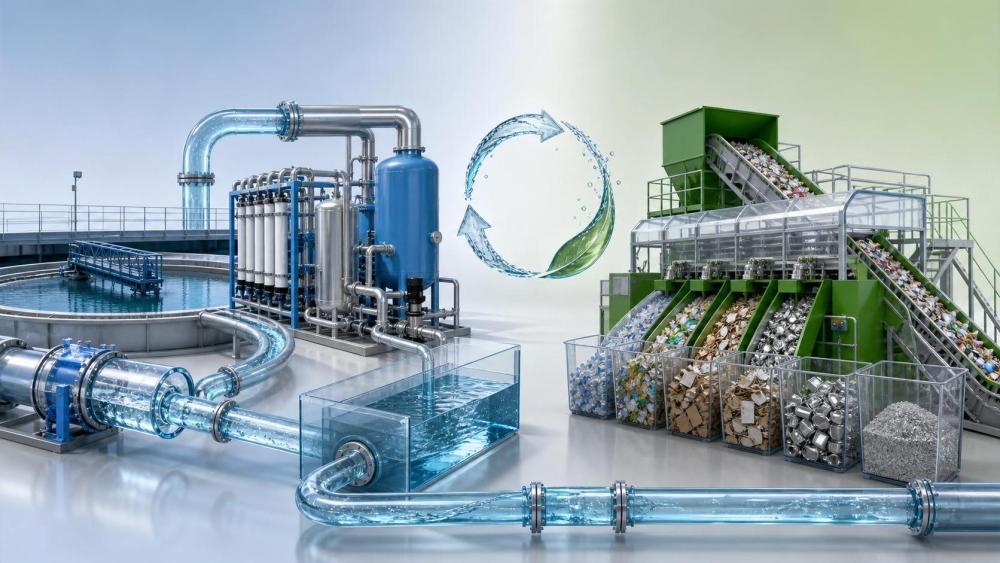
After the baseline, the next step is process redesign. This may involve better water recycling loops, waste heat recovery, AI-based sorting, or equipment upgrades that support lower-emission operation. In desalination, for example, efficiency improvements and membrane performance monitoring can reduce lifecycle cost as much as they improve output stability. In waste recovery, sorting precision often determines whether a material becomes a feedstock or a disposal burden.
Where compliance and economics meet
Many organizations still treat circularity as a sustainability program detached from commercial reality. That is a mistake. A circular economy implementation guide should always connect with compliance, procurement, and total cost of ownership. If a recovery pathway cannot pass regulatory review or cannot outperform disposal over time, it will not scale.
This is where the ESD “Strategic Intelligence Center” angle becomes relevant. Monitoring environmental rule changes, CBAM-related pressure, and sector-specific technical trends helps decision-making stay ahead of policy shifts. It also improves bid readiness for large environmental projects, where buyers increasingly expect proof of resource efficiency, traceability, and reliable lifecycle performance.
The commercial value is not limited to cost savings. Circular systems can strengthen supply resilience, reduce exposure to virgin material volatility, and improve operational credibility with regulators and stakeholders. In sectors with long asset lifetimes, that credibility often translates into better financing, lower execution risk, and stronger project positioning.
Common implementation paths across industries
Different industries usually enter circularity through different doors. Water-intensive operations tend to begin with reuse and ZLD planning. Manufacturing and heavy industry often focus on residue recovery and emissions capture. Waste platforms emphasize sorting, preprocessing, and secondary material quality. High-risk sectors, including nuclear-related systems, require strict containment, traceability, and long-term stability rather than simple recycling language.
The point of the table is not to standardize all industries. It is to show that circular economy implementation guide thinking must be adapted to technical reality. A useful plan in one sector can fail in another if recovery quality, safety rules, or logistics are ignored.
What strong governance looks like
Execution depends on governance as much as engineering. The most effective programs define ownership, review cadence, and measurable targets before deployment. They also avoid overpromising. Circularity rarely improves everything at once, so priority should go to the highest-value and lowest-regret interventions first.
- Track recovery rates and contamination levels.
- Review lifecycle cost, not only upfront CAPEX.
- Link technical KPIs to compliance and procurement decisions.
- Audit partner capability across collection, processing, and reuse.
This is also where data becomes decisive. Without reliable monitoring, a circular program may look effective on paper while hiding leakage, contamination, or underutilized assets. A mature circular economy implementation guide therefore treats intelligence, inspection, and reporting as core infrastructure rather than optional support.
A practical way to start
The most reliable starting point is a focused pilot with clear economics. Choose one material stream, one facility, or one treatment loop where resource loss is visible and where recovery can be measured within a reasonable cycle. Then define the benchmark, set a technical target, and test whether the result improves both efficiency and resilience.
If the pilot works, scale through standardization. If it does not, refine the assumptions before expanding. That approach keeps circularity grounded in business reality and prevents it from becoming a detached sustainability narrative.
For organizations operating in water treatment, waste recovery, desalination, or other environmental infrastructure domains, the best next step is to build a decision framework around process data, regulatory exposure, and recovery economics. A circular economy implementation guide is most valuable when it helps choose what to improve first, what to measure next, and what can be scaled with confidence.
Recommended News
When does MBR equipment make sense for wastewater reuse?
Water treatment equipment for wastewater reuse: learn when MBR delivers compact, reliable low-solids effluent—and when alternative treatment trains offer better value.

How North America shapes global environmental governance standards
Global environmental governance North America: discover how regulation, finance, and procurement raise worldwide standards and reshape environmental projects.

How reactor capacity affects throughput in pyrolysis systems
Pyrolysis systems reactor capacity explained: learn how heat transfer, residence time, feed quality, and emissions controls determine reliable throughput.

When low-temperature reaction equipment is the right fit for heat-sensitive processes
Low-temperature reaction equipment helps protect heat-sensitive streams, improve energy integration, and maintain reliable conversion. Explore key selection factors today.

When do water reuse systems deliver a practical payback?
Water reuse systems deliver practical payback when they cut water, discharge, and downtime costs. Learn how to match treatment, recovery, and reuse quality for lasting ROI.
When do ZLD systems for power generation justify their energy use?
ZLD systems for power generation: learn when energy-intensive water recovery delivers stronger compliance, resilience, and long-term value.
Which decarbonization pathways are most viable in Southeast Asia?
Decarbonization Southeast Asia: discover practical pathways for clean power, efficiency, electrification, circular recovery, and resilient industrial growth.
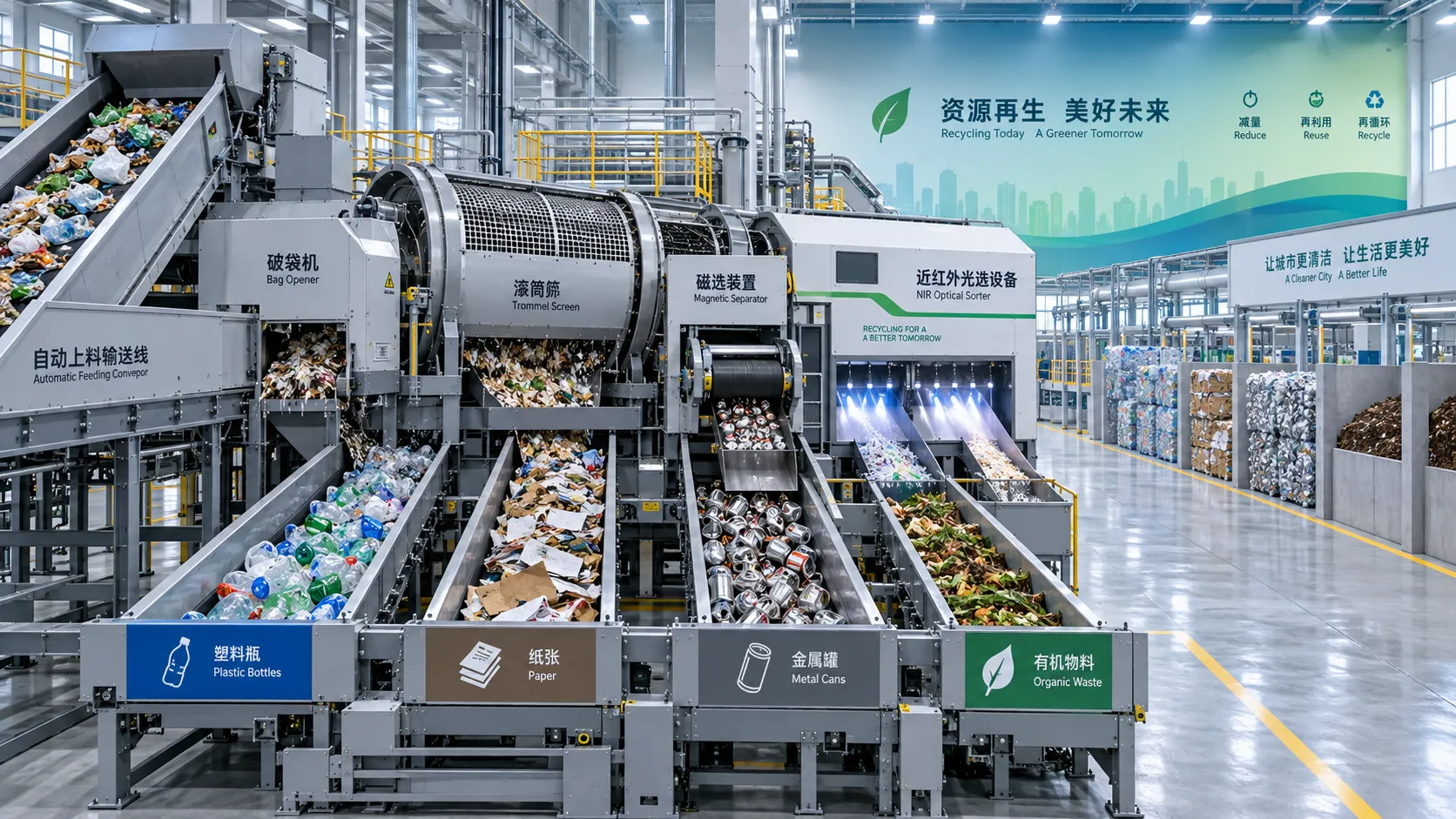
How to choose waste sorting equipment for mixed municipal waste
Waste sorting equipment selection guide for mixed municipal waste: compare technologies, improve recovery, reduce downtime, and build reliable output streams.
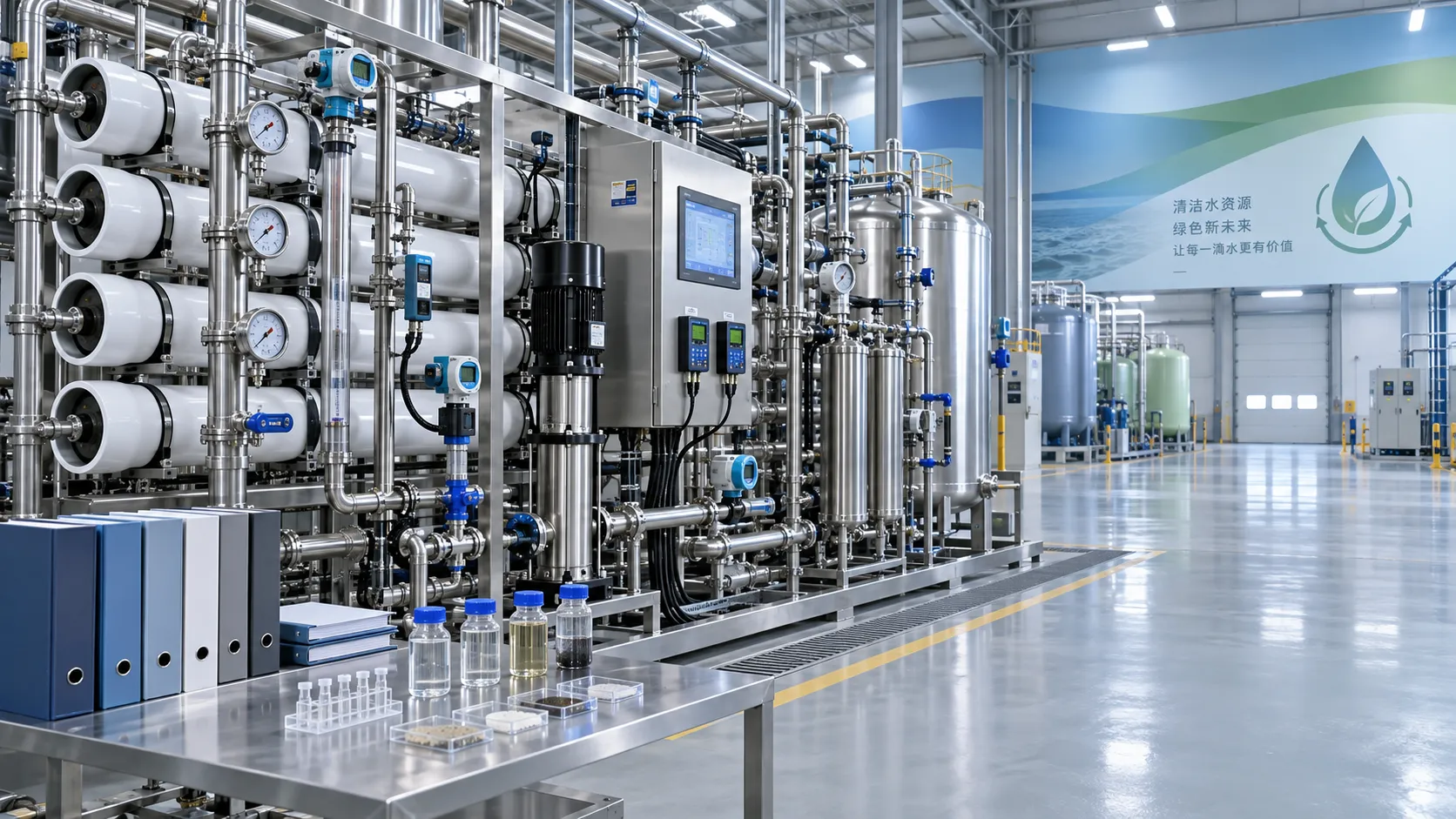
How to verify standards in an environmental equipment directory
environmental equipment directory standards reference: learn to verify certifications, performance evidence, scope, and project fit for confident, compliant equipment selection.