
Industry News
Curation by industry experts
Hot Articles
Popular Tags
Top Urban Mining Equipment Suppliers for Stable Throughput and Lower Downtime
Top Urban Mining Equipment Suppliers for Stable Throughput and Lower Downtime
For business evaluators comparing urban mining equipment suppliers, stable throughput and lower downtime are not just operational targets.
They directly influence ROI, compliance confidence, insurance terms, and project bankability.
That is why supplier selection should go beyond brochures, name recognition, or headline capacity figures.
In urban mining, the real question is simple.
Can the equipment keep recovering value from difficult waste streams without frequent stops, unstable purity, or expensive service interruptions?
The strongest urban mining equipment suppliers usually prove that with data, service structure, and lifecycle discipline.
This guide focuses on the evaluation points that matter most when throughput stability and downtime reduction sit at the center of the decision.
Why supplier quality matters more in urban mining
Urban mining systems deal with feedstock variability every day.
E-waste, construction debris, batteries, plastics, and mixed metals rarely arrive in a uniform condition.
That variability pushes crushers, shredders, screens, separators, optical sorters, and conveyors far beyond ideal test conditions.
As a result, weak design margins show up quickly.
A machine may hit nameplate throughput during commissioning, then lose consistency once contamination levels rise.
This is where leading urban mining equipment suppliers separate themselves from general recycling vendors.
They engineer for volatile input quality, abrasive wear, changing commodity targets, and stricter recovery specifications.
Core criteria for comparing urban mining equipment suppliers
1. Throughput under real operating conditions
A credible supplier should provide more than nominal tons per hour.
Ask for sustained throughput data across different feed compositions, moisture levels, and contamination ranges.
The best urban mining equipment suppliers can show performance curves, not just a single ideal benchmark.
- Average throughput over a full shift
- Recovery performance at high contamination levels
- Sensitivity to oversized or unshreddable materials
- Output consistency during seasonal feed changes
2. Downtime profile, not just uptime claims
Many suppliers advertise uptime, but that number often hides the real maintenance burden.
Downtime should be split into planned shutdowns, wear-part replacement, fault events, and waiting time for spares.
That breakdown reveals how reliable the package actually is.
Strong urban mining equipment suppliers usually monitor mean time between failure and mean time to repair at equipment level.
3. Sorting accuracy linked to revenue
In urban mining, sorting quality directly drives material value.
A line with stable throughput but poor purity can still destroy economics.
This matters especially in non-ferrous metals, battery black mass, plastics, and precious metal fractions.
The most dependable urban mining equipment suppliers connect sorting precision to downstream saleability and compliance outcomes.
4. Service architecture and spare parts strategy
This point is often underestimated during procurement.
A technically strong machine becomes a weak investment when local service coverage is thin.
Ask whether critical components are stocked regionally and whether remote diagnostics are standard.
Top urban mining equipment suppliers also define escalation paths, response times, and obsolescence planning in writing.
What stable throughput really looks like
Stable throughput is not the same as peak capacity.
It means the line can maintain predictable output while feedstock quality, operator shifts, and ambient conditions keep changing.
From a decision standpoint, this has three practical dimensions.
- Mechanical resilience against shock loads and wear.
- Control stability across variable material streams.
- Operator usability during routine adjustments.
When urban mining equipment suppliers perform well across all three, output forecasts become more credible.
That also improves financing discussions, offtake negotiations, and permit confidence.
In actual operations, predictability is often worth more than occasional record-breaking capacity.
How to assess downtime risk before awarding a contract
The better signal is not a polished reference list.
It is the supplier’s willingness to discuss failure modes openly.
Reliable urban mining equipment suppliers can usually identify the top causes of stoppage by subsystem.
- Rotor or blade wear in size reduction stages
- Sensor fouling in optical sorting modules
- Magnet or eddy current performance drift
- Conveyor misalignment and transfer point blockage
- Control system faults and communications loss
That conversation should include typical repair windows and the skills needed on site.
It should also cover which stoppages can be solved remotely and which require field attendance.
If a supplier stays vague here, downtime risk is probably higher than the proposal suggests.
Questions that expose supplier strength quickly
Early evaluation becomes much sharper when the questions are specific.
These questions tend to separate mature urban mining equipment suppliers from weaker options.
- What sustained throughput has been achieved on feedstock closest to this project?
- Which wear parts drive the highest maintenance cost each quarter?
- What purity and recovery ranges are guaranteed, and under which feed assumptions?
- How long are standard lead times for critical spares?
- What remote monitoring functions are included from day one?
- Which failures have appeared most often in the last three years?
- How is operator training refreshed after startup?
Good answers are concrete, qualified, and backed by operating evidence.
Lifecycle value matters more than purchase price
The cheapest quotation often carries the most hidden cost.
That cost usually appears later through lower recovery yield, unstable product quality, and recurring unplanned shutdowns.
When comparing urban mining equipment suppliers, total lifecycle value should include several line items.
- Annual maintenance labor and consumables
- Energy use per ton processed
- Revenue loss during outages
- Recovered material purity and market discounts
- Upgrade flexibility for future waste streams
This is especially relevant now as environmental compliance tightens across recycling and secondary resource markets.
A supplier that protects output quality and auditability often creates more value than one with a lower initial capex.
A practical shortlist framework
A simple weighted matrix can keep the decision grounded.
This framework helps keep commercial, technical, and operational priorities aligned.
It also makes supplier comparisons easier to defend internally.
Final decision signals to trust
The best urban mining equipment suppliers rarely rely on sales language alone.
They show how their systems behave under difficult feed conditions, how fast they recover from faults, and how they sustain material value over time.
That is the combination that supports lower downtime and stronger project economics.
In practice, the right choice is usually the supplier with the clearest evidence, not the loudest market profile.
When reviewing urban mining equipment suppliers, prioritize proven throughput stability, maintainability, service depth, and sorting performance under realistic loads.
That approach leads to a more resilient shortlist and a more bankable final decision.
Start with operating evidence, test the downtime story hard, and let lifecycle performance decide the ranking.
Recommended News

How SCR denitrification systems in Europe meet Industrial Emissions rules
SCR denitrification systems Europe: learn how permit-led design, ammonia-slip control, catalyst management and monitoring support Industrial Emissions compliance.

When does MBR equipment make sense for wastewater reuse?
Water treatment equipment for wastewater reuse: learn when MBR delivers compact, reliable low-solids effluent—and when alternative treatment trains offer better value.

How North America shapes global environmental governance standards
Global environmental governance North America: discover how regulation, finance, and procurement raise worldwide standards and reshape environmental projects.
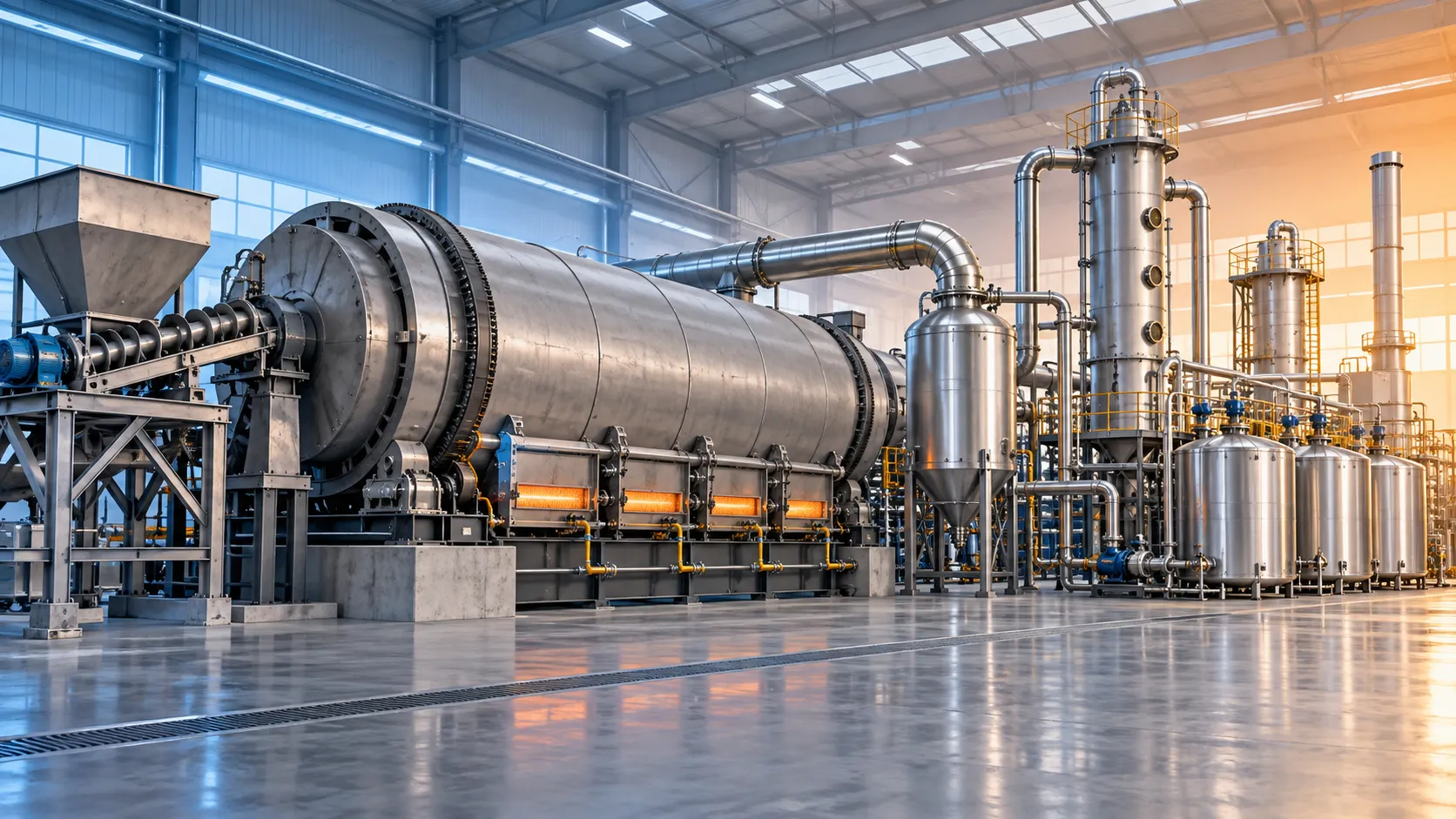
How reactor capacity affects throughput in pyrolysis systems
Pyrolysis systems reactor capacity explained: learn how heat transfer, residence time, feed quality, and emissions controls determine reliable throughput.
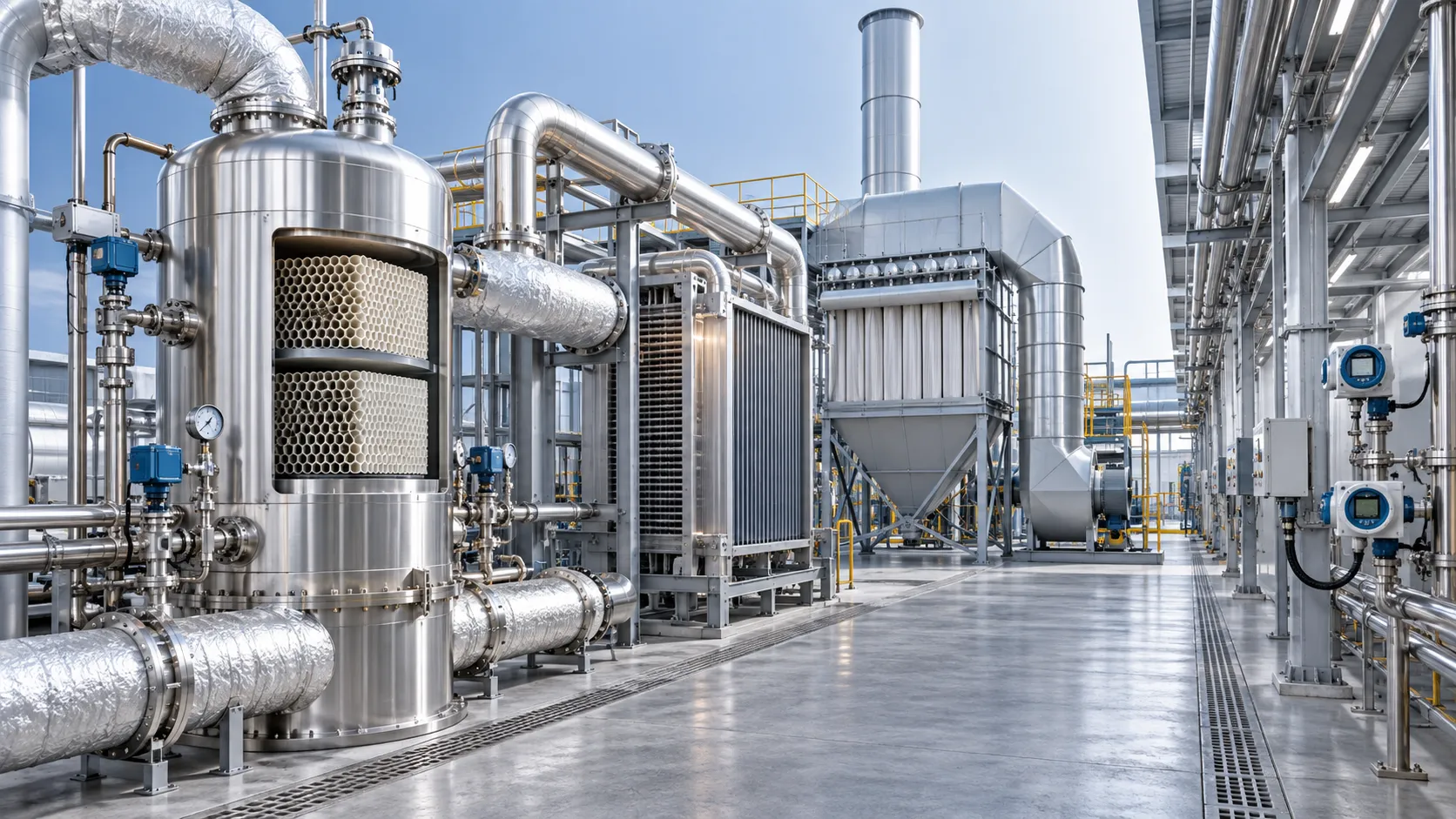
When low-temperature reaction equipment is the right fit for heat-sensitive processes
Low-temperature reaction equipment helps protect heat-sensitive streams, improve energy integration, and maintain reliable conversion. Explore key selection factors today.

When do water reuse systems deliver a practical payback?
Water reuse systems deliver practical payback when they cut water, discharge, and downtime costs. Learn how to match treatment, recovery, and reuse quality for lasting ROI.
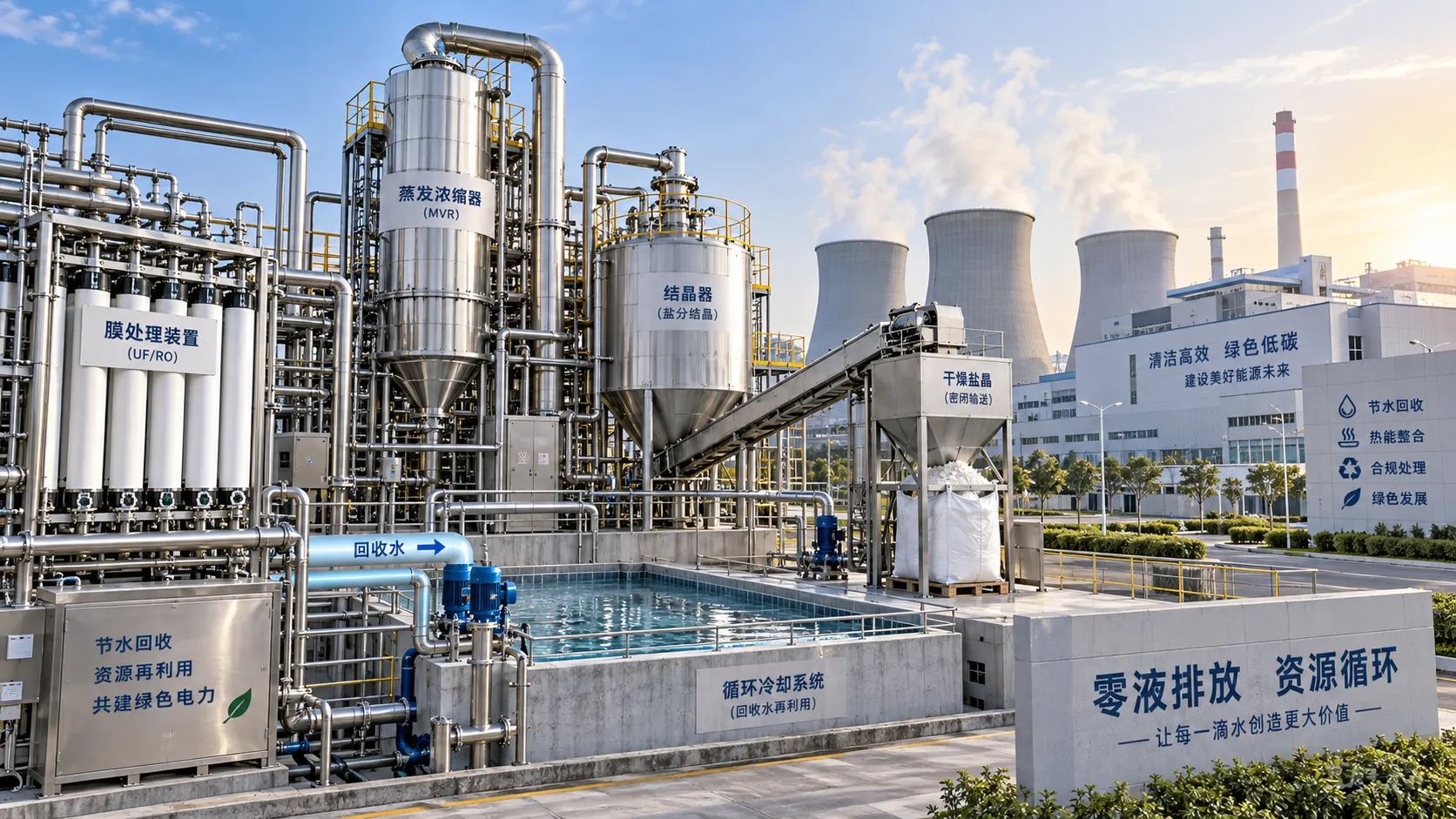
When do ZLD systems for power generation justify their energy use?
ZLD systems for power generation: learn when energy-intensive water recovery delivers stronger compliance, resilience, and long-term value.

Which decarbonization pathways are most viable in Southeast Asia?
Decarbonization Southeast Asia: discover practical pathways for clean power, efficiency, electrification, circular recovery, and resilient industrial growth.
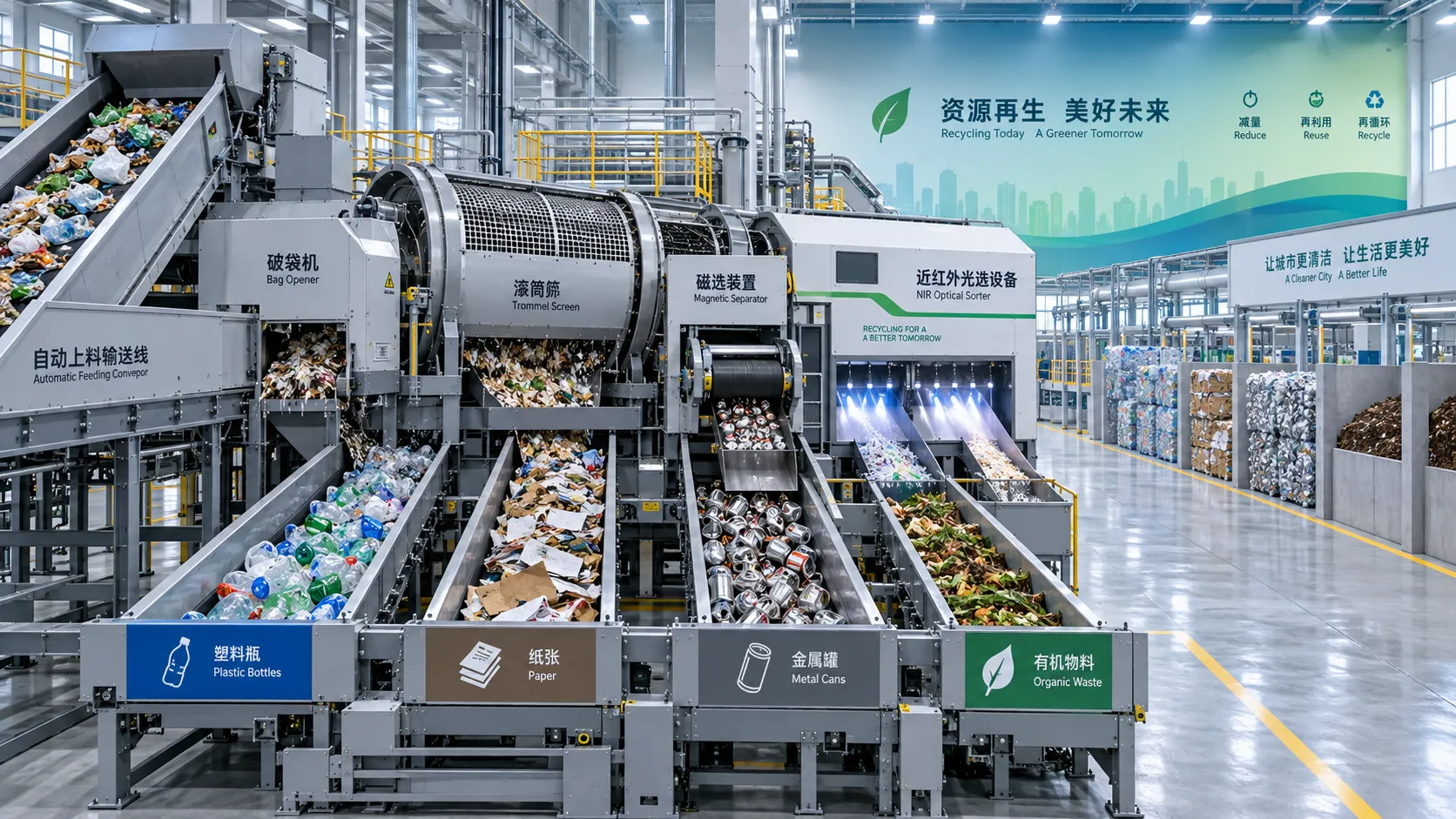
How to choose waste sorting equipment for mixed municipal waste
Waste sorting equipment selection guide for mixed municipal waste: compare technologies, improve recovery, reduce downtime, and build reliable output streams.