
Industry News
Curation by industry experts
Hot Articles
Popular Tags
Application-Based Solution Selection Standards: What to Compare Before Approval
Application-Based Solution Selection Standards: What to Compare Before Approval
For enterprise decision-makers, application-based solution selection standards are not a paperwork exercise. They are the difference between a system that performs under real operating stress and one that looks acceptable only in a proposal deck. In environmental and industrial infrastructure, that distinction matters early: before technical approval, before commercial negotiation, and certainly before installation locks a business into years of operating cost, compliance exposure, and maintenance burden.
That is especially true in sectors where process conditions are unforgiving—high-salinity wastewater, mixed municipal and industrial solids, low-temperature flue gas, seawater desalination under energy pressure, or nuclear waste handling where stability and containment are non-negotiable. In these environments, comparing options by brand reputation or headline efficiency alone is rarely enough. The real question is simpler and harder: which solution fits the application as it actually behaves, not as it is ideally described?
A useful approval framework starts there. It asks what must be compared before procurement teams, plant operators, technical reviewers, and risk owners can all support the same decision.
Start with the duty, not the device
Many selection mistakes begin when teams compare technologies too early. A membrane, scrubber, pyrolysis line, sorting system, or vitrification process may all be technically sound, yet still be the wrong answer if the duty has been defined too loosely. “Treat wastewater,” “recover solids,” or “reduce emissions” are not selection criteria. They are objectives.
Before approval, the operating duty should be translated into measurable application conditions: feed variability, contaminant profile, throughput range, uptime requirement, target discharge or recovery standard, utility constraints, footprint, staffing capability, and the consequences of underperformance. In practice, these variables often matter more than nominal design capacity.
A ZLD system for a stable industrial stream and a ZLD system for highly variable mixed effluent should not be evaluated the same way. The same goes for AI-assisted sorting lines handling relatively clean commercial recyclables versus heavily contaminated municipal waste. Approval decisions become clearer when the application envelope is defined first and vendor claims are tested against that envelope, not against a generic category label.
The comparison points that actually change outcomes
When decision-makers ask what to compare, they usually receive long checklists. Most are not wrong; many are just poorly prioritized. The strongest application-based solution selection standards tend to focus on a smaller set of issues that determine whether a system remains viable after handover.
These points sound obvious, but approval teams still underweight them because proposal comparisons often emphasize what is easiest to state: throughput, removal efficiency, capex, and delivery time. Those are necessary inputs. They are not the decision on their own.
Performance data is only useful when the test conditions match reality
Performance guarantees deserve closer reading than they usually get. A vendor may present removal rates, flux values, energy consumption, catalyst performance, or recovery yield supported by pilot work or reference operation. The problem is not that such data is irrelevant. The problem is that decision-makers often compare results produced under different feed chemistry, temperatures, residence times, fouling loads, or maintenance assumptions.
In desalination, for example, membrane discussions often become too generic unless teams check salinity range, pretreatment quality, fouling tendency, cleaning frequency, and energy integration assumptions. In flue gas treatment, low-temperature SCR catalyst performance cannot be separated from actual gas composition, dust load, and sulfur-related impacts. In waste recovery, sorting accuracy figures mean little without understanding input heterogeneity and contamination rates. In nuclear waste management, the stability of a treatment or immobilization route must be judged against the specific waste stream and the relevant safety basis, not against broad technology claims.
The practical question before approval is not “Do they have data?” but “Is the data transferable to our application?” That is where disciplined technical intelligence becomes valuable. Platforms such as The Global Eco-Shield Dynamics operate in this space by connecting equipment claims to the harder context around them: evolving regulations, process science, commercial demand shifts, and the very specific parameter logic inside environmental systems.
Compliance is not a late-stage filter
A common approval error is treating compliance as a box to confirm after the preferred solution has already emerged. That can be expensive. In environmental projects, regulatory alignment is tied directly to process design, materials of construction, residue handling, monitoring architecture, and sometimes cross-border commercial strategy.
For multinational operators and EPC firms, the compliance path may involve more than local permits. Carbon-related trade pressures, including mechanisms such as CBAM, can influence technology choices indirectly by changing the economics of energy use, emissions control, and embodied process intensity. That does not mean every project needs a geopolitical model attached to it. It does mean that approval standards should ask whether the selected solution is resilient under foreseeable policy tightening, not just under today’s minimum threshold.
If a system only works commercially under the most lenient interpretation of future requirements, it is not a low-risk approval candidate.
Compare operating logic, not just total cost of ownership
Lifecycle cost matters, but TCO models can hide weak assumptions. Two solutions with similar projected cost can produce very different operational realities. One may require specialist intervention every upset cycle. Another may consume more utilities but tolerate variability better and recover faster. One may be highly efficient on paper but dependent on premium consumables with long lead times. Another may be less elegant technically yet far easier to sustain in a remote site or a plant with limited process staffing.
That is why approval teams should compare operating logic alongside cost: how the system starts up, how it handles transients, what triggers shutdowns, what maintenance can be done in-house, and which failures are graceful versus catastrophic. In large water treatment and desalination projects, that can affect whether production losses remain manageable. In solid waste recovery, it can determine whether contamination spikes cause a brief sorting penalty or a full throughput collapse. In nuclear or hazardous waste contexts, the tolerance for operational ambiguity is even lower.
Scalability is often a governance decision disguised as an engineering one
Decision-makers frequently ask whether a solution can scale. The more useful question is how scaling changes risk, cost structure, and control complexity. A modular architecture may look attractive because it lowers initial commitment, but only if future expansion does not create bottlenecks in pretreatment, utilities, emissions control, residue stabilization, or data integration. Centralized systems can be efficient at design point and awkward everywhere else.
This matters across ESD’s core fields. An AI sorting line is not scalable simply because more optical units can be added. A seawater desalination train is not future-ready simply because the footprint reserves expansion space. A flue gas treatment retrofit is not adaptable if future fuel changes shift the chemistry outside the original catalyst window. A good approval standard looks one layer beyond equipment capacity and asks what the expanded system will require from the rest of the plant or network.
Three approval mistakes that repeat across sectors
One is approving against average conditions instead of worst credible conditions. Environmental systems are often stressed at the margins: seasonal shifts, contaminant spikes, feed blending changes, startup instability, or operator turnover.
Another is treating integration as an installation problem. In reality, many failures originate at the interfaces—pretreatment quality, controls handshakes, residue management, bypass logic, or monitoring gaps between packages supplied by different parties.
The third is assuming that advanced technology automatically reduces decision risk. Sometimes it does. Sometimes it introduces new dependencies on data quality, specialist maintenance, reagent purity, software tuning, or supply chain stability. Intelligence-led selection means being honest about that tradeoff instead of rewarding novelty for its own sake.
What a strong pre-approval review usually includes
Before final approval, it is usually worth asking for a tighter review around a few concrete points:
- The exact operating window the solution is expected to handle, including upset scenarios
- Which performance claims are supported by comparable applications and which are extrapolated
- What local standards, permits, or future compliance pressures may alter design assumptions
- Where operator capability or spare parts access could become the real constraint
- How expansion, retrofit, or feed change would affect the selected configuration
None of this eliminates uncertainty. It does reduce avoidable uncertainty, which is what approval governance is supposed to do.
The best application-based solution selection standards are not the most elaborate. They are the ones that force a project team to compare solutions under the conditions that will actually decide success: real chemistry, real compliance, real operating behavior, and real expansion pressure. In sectors shaped by tightening environmental expectations and more complex process demands, that discipline is becoming less of a technical preference and more of a board-level requirement.
If approval is approaching, the next useful step is usually not another generic vendor matrix. It is a parameter-led review of the application itself—what is fixed, what is uncertain, what could tighten later, and what failure would cost. Once those answers are clear, comparison becomes sharper, and approval becomes easier to defend.
Recommended News

How reactor capacity affects throughput in pyrolysis systems
Pyrolysis systems reactor capacity explained: learn how heat transfer, residence time, feed quality, and emissions controls determine reliable throughput.

When low-temperature reaction equipment is the right fit for heat-sensitive processes
Low-temperature reaction equipment helps protect heat-sensitive streams, improve energy integration, and maintain reliable conversion. Explore key selection factors today.
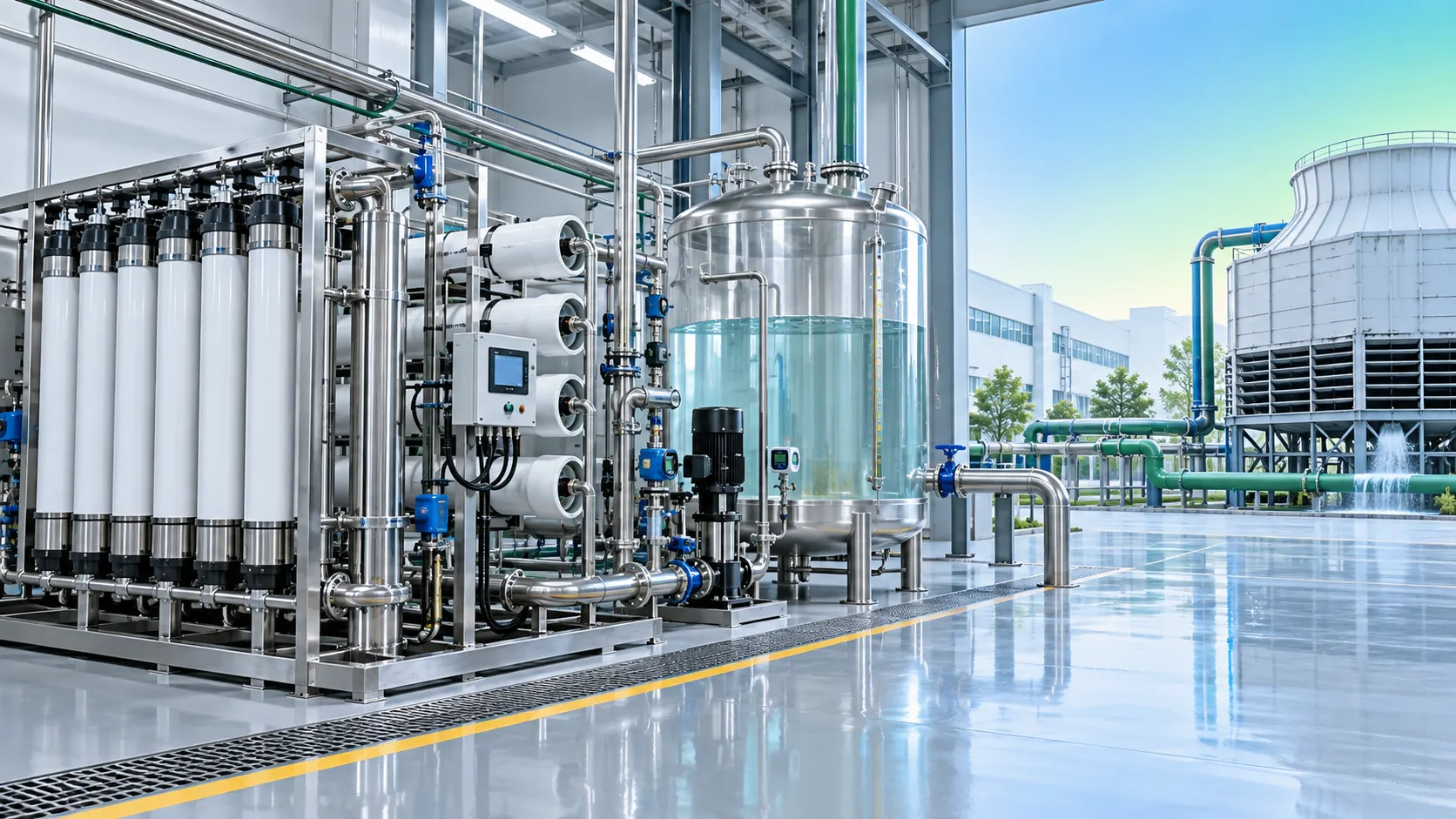
When do water reuse systems deliver a practical payback?
Water reuse systems deliver practical payback when they cut water, discharge, and downtime costs. Learn how to match treatment, recovery, and reuse quality for lasting ROI.
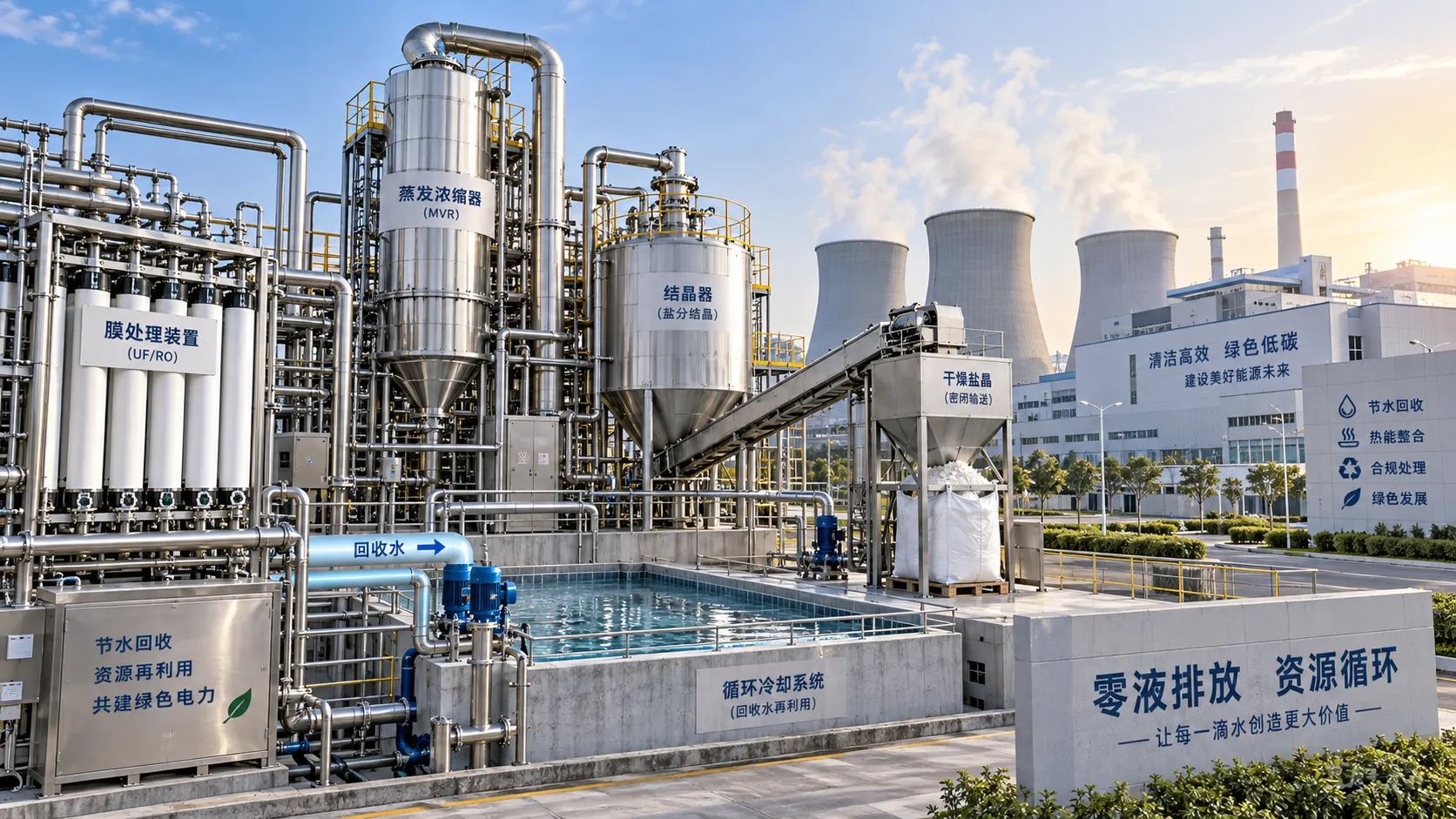
When do ZLD systems for power generation justify their energy use?
ZLD systems for power generation: learn when energy-intensive water recovery delivers stronger compliance, resilience, and long-term value.
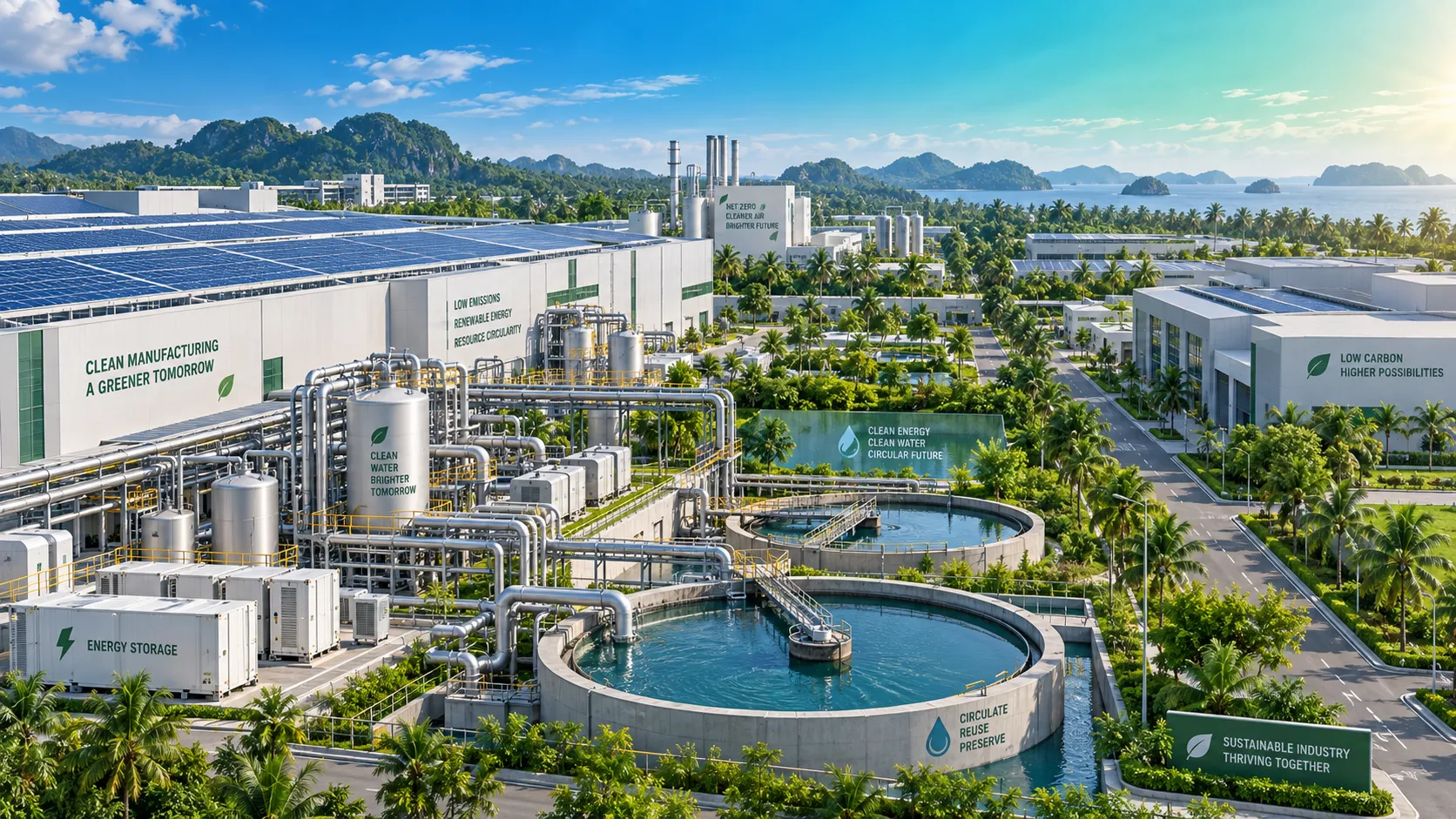
Which decarbonization pathways are most viable in Southeast Asia?
Decarbonization Southeast Asia: discover practical pathways for clean power, efficiency, electrification, circular recovery, and resilient industrial growth.
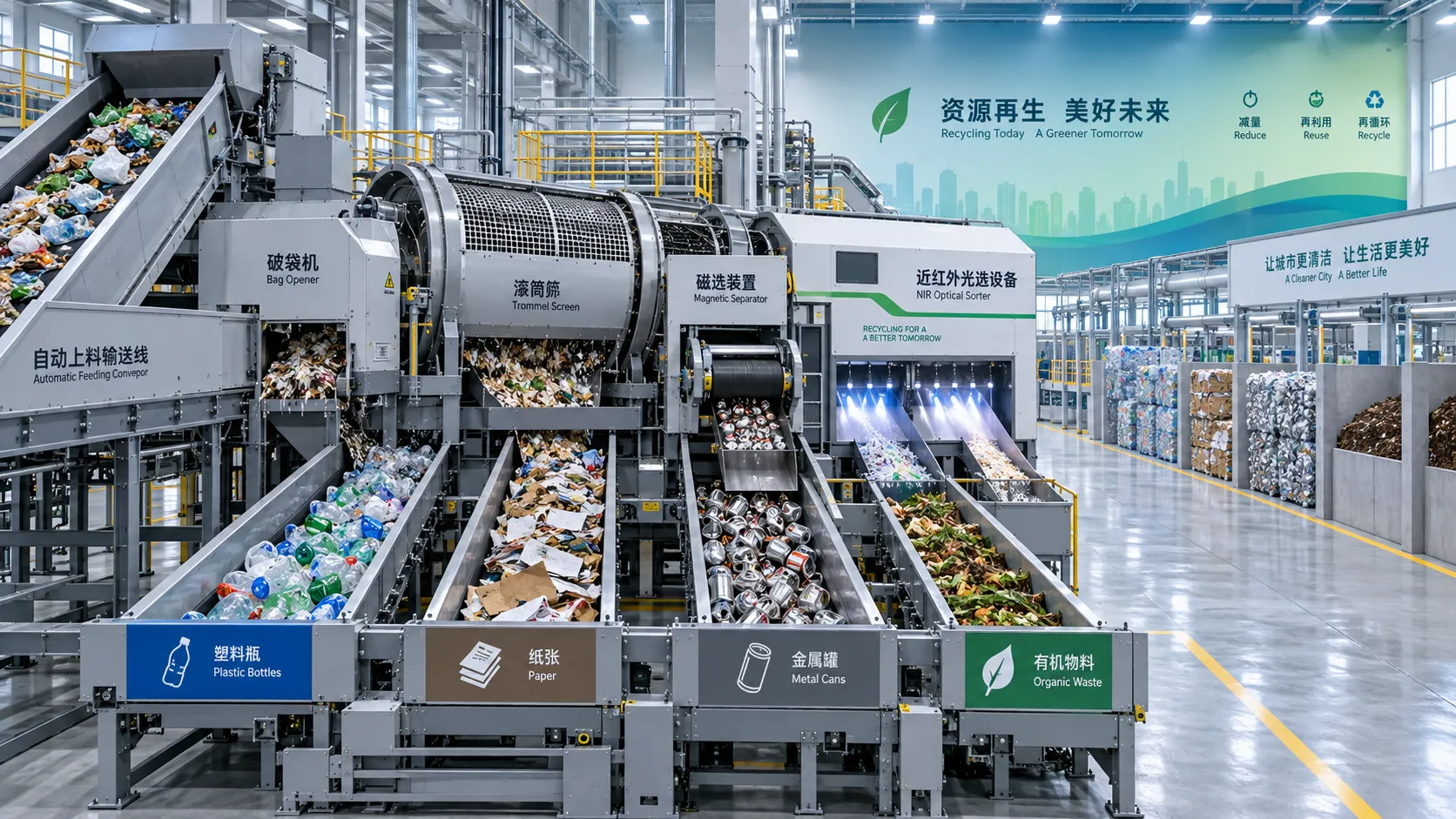
How to choose waste sorting equipment for mixed municipal waste
Waste sorting equipment selection guide for mixed municipal waste: compare technologies, improve recovery, reduce downtime, and build reliable output streams.
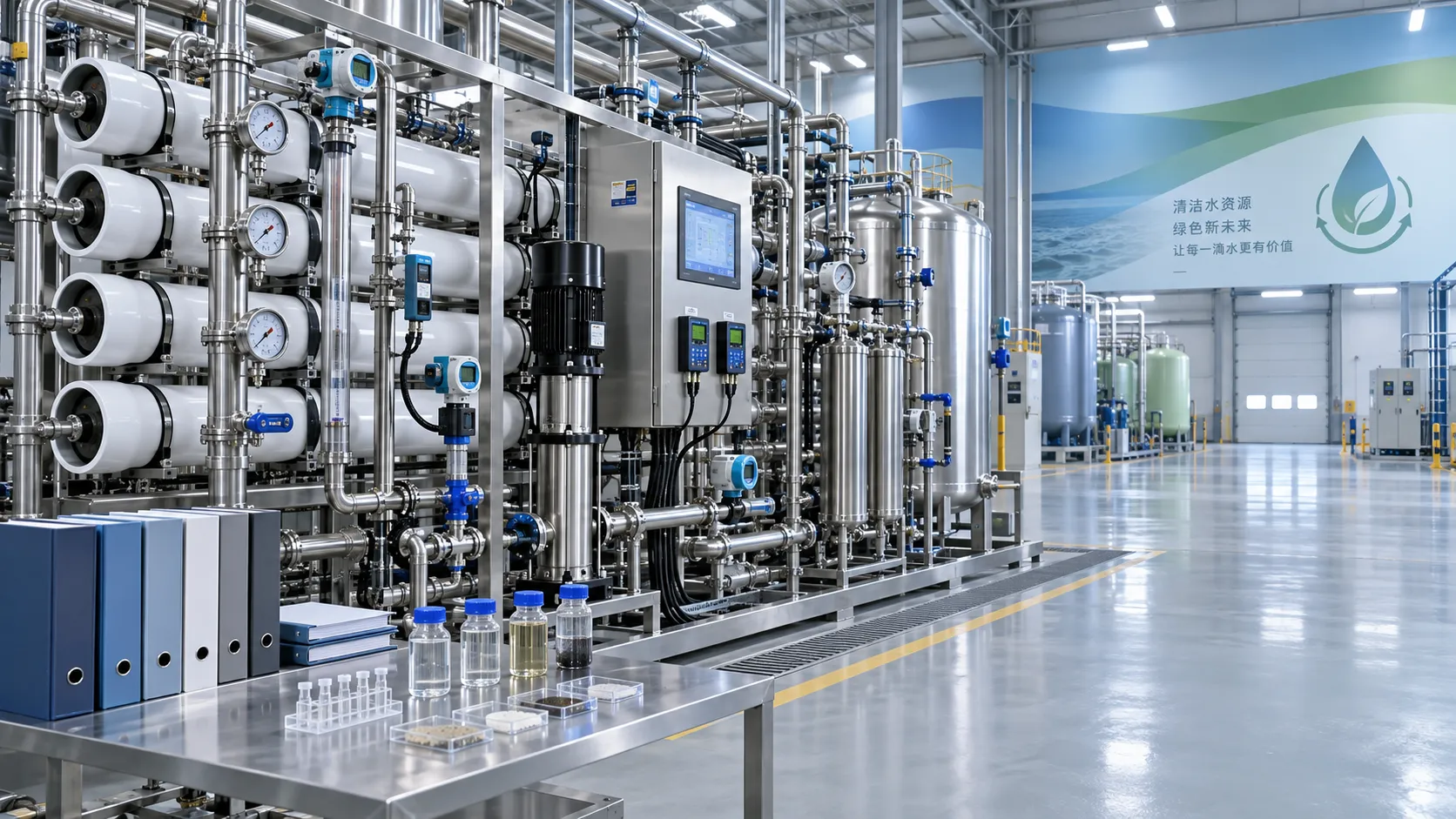
How to verify standards in an environmental equipment directory
environmental equipment directory standards reference: learn to verify certifications, performance evidence, scope, and project fit for confident, compliant equipment selection.
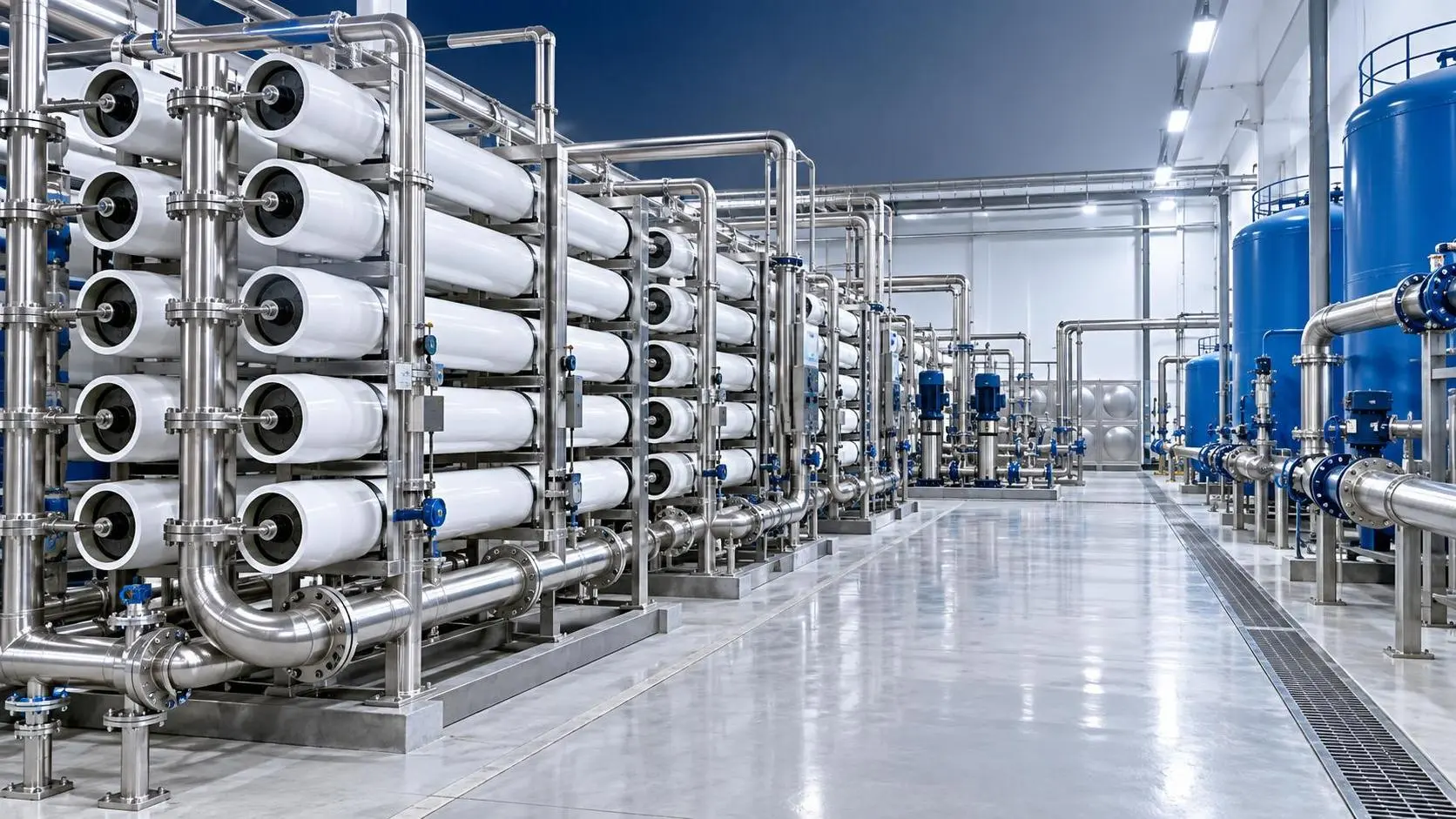
When high flux membrane water treatment justifies a larger footprint
High flux membrane water treatment can justify a larger footprint when variable feedwater, fouling risk, and uptime demands require resilient, lower-flux operation.

RO vs MED desalination: which is more energy-efficient at scale?
Desalination technology comparison: RO vs MED at scale. See how energy use, waste heat, feedwater, carbon, and flexibility determine the best choice.