
Industry News
Curation by industry experts
Hot Articles
Popular Tags
When are advanced oxidation processes the right choice for VOC control?
When Are Advanced Oxidation Processes the Right Choice for VOC Control?
Advanced oxidation processes can be a high-impact option for VOC control when conventional adsorption, thermal oxidation, or biological treatment cannot reliably meet emission limits. For technical evaluators, the central question is not whether oxidation chemistry can destroy volatile organic compounds. It can. The more useful question is whether the site’s VOC profile, air-flow pattern, compliance risk, utility envelope, and downstream handling needs justify a more complex treatment train.
This distinction matters because “VOC” is not a single pollutant. A gas stream may contain alcohols, ketones, aldehydes, aromatic hydrocarbons, chlorinated solvents, sulfur-bearing compounds, silicone residues, or fluctuating mixtures of several species. Their oxidation pathways, reaction rates, ignition risks, and likely by-products differ sharply. A solution that works well on a stable solvent exhaust can be a poor fit for a humid, dilute, intermittent stream from coating, chemical processing, waste handling, or a complex industrial ventilation network.
Advanced oxidation processes, often abbreviated as AOPs, generate highly reactive oxidizing species—commonly hydroxyl radicals—to attack contaminants that resist simpler treatment. In gas-phase VOC applications, configurations may use ozone, ultraviolet radiation, catalytic surfaces, photocatalysis, plasma-assisted oxidation, or combinations of these elements. The design objective is to convert organic compounds into more oxidized and, ideally, manageable end products. That last qualification is essential: partial oxidation can create aldehydes, organic acids, ozone residuals, carbon monoxide, or other intermediates. Destruction performance alone is not a complete basis for selection.
The operating conditions that favor advanced oxidation
AOPs become more attractive when a site faces a combination of low-to-moderate VOC concentration, difficult chemistry, stringent outlet limits, and changing operating conditions. Thermal oxidation is often effective for sufficiently concentrated combustible streams, especially where recovered heat has a useful destination. But at very dilute concentrations, the fuel penalty can dominate. Regenerative thermal oxidizers may also be unsuitable where halogens, sulfur, silicon, phosphorus, heavy particulate loading, or catalyst-poisoning compounds create corrosion, deposits, or secondary-control challenges.
Activated carbon is practical for many low-flow or intermittent sources, but its economics depend on adsorption capacity, replacement frequency, regeneration options, fire management, and the fate of spent media. A stream with mixed solvents, high humidity, or compounds that compete strongly for adsorption sites can shorten carbon life unpredictably. When the operational burden is not simply media replacement but recurring breakthrough risk, an oxidation-based polishing stage deserves closer consideration.
Biological treatment can be efficient where biodegradable compounds are stable in concentration and the air stream is compatible with microbial operation. Yet it is less forgiving of abrupt solvent spikes, toxic compounds, low temperatures, and stop-start manufacturing schedules. AOPs are not automatically the alternative, but they can be considered where biological systems cannot maintain stable conversion under real production variability.
The strongest AOP candidates are therefore usually not “ordinary” VOC streams. They are streams in which conventional equipment has a known weakness: a difficult trace contaminant, an episodic odour event, a low-concentration residual after primary treatment, a footprint limitation, or a compliance margin that disappears during upset conditions.
AOPs are often best used as part of a treatment train
In many industrial installations, advanced oxidation processes are more defensible as a targeted stage than as a universal replacement for established controls. They may polish the outlet from adsorption, reduce odour-causing compounds before a final adsorption bed, improve destruction of compounds poorly handled by a biological unit, or treat a segregated side stream that would otherwise force the entire ventilation system into a costly thermal-oxidation design.
This hybrid approach also gives engineers more control over risk. Pretreatment can remove droplets, dust, oils, and aerosols that foul lamps, catalytic surfaces, or plasma reactors. A downstream activated-carbon stage can capture residual ozone or partially oxidized compounds. Where oxidation products may be acidic or water-soluble, scrubbing or condensate management may be required. The sensible design question is not “Which reactor removes VOCs?” but “What sequence reliably controls the complete emissions profile?”
Chemistry should drive the decision, not the equipment label
A preliminary total VOC measurement is useful for screening, but it is not enough to select an oxidation technology. Total hydrocarbon analyzers may respond differently to different compounds, and a single aggregate value says little about oxidation intermediates or toxicological relevance. A technical evaluation should identify the dominant compounds, expected concentration range, peak frequency, oxygen content, humidity, temperature, particulate burden, and the presence of halogens, sulfur, nitrogen, silicon, or metals.
Halogenated VOCs deserve special attention. Oxidation may convert them into acid gases or other compounds that require robust downstream neutralization and corrosion-resistant materials. Sulfur- or nitrogen-containing organics can form sulfur oxides or nitrogen oxides depending on the chemistry and operating conditions. Silicone-containing emissions can foul downstream catalysts or generate deposits. These are not reasons to dismiss advanced oxidation outright; they are reasons to define the complete reaction and abatement pathway before committing to equipment.
Humidity is another frequent source of mistaken assumptions. Water vapor can support hydroxyl-radical formation in some systems, but excessive humidity can also affect ozone chemistry, UV transmission, catalyst behavior, electrical discharge characteristics, and adsorption-based finishing stages. The impact is technology-specific. A vendor claim based on dry test gas should not be treated as representative of a humid production exhaust without supporting test conditions.
Do not confuse apparent removal with complete mineralization
One of the more consequential mistakes in VOC-control procurement is treating inlet-to-outlet total VOC reduction as proof of safe final treatment. Oxidation can transform a parent VOC into compounds that are less visible to a given analyzer, while still requiring environmental or occupational attention. Formaldehyde and other carbonyls are common concerns in incomplete oxidation pathways, depending on the inlet chemistry and the reactor design. Ozone slip may also require destruction before discharge.
Performance acceptance criteria should therefore be specific. They may need to include parent-compound removal, total VOC, selected carbonyls, ozone residual, carbon monoxide, acid gases, odour indicators, or other regulated pollutants relevant to the source. The applicable requirements depend on local permits and the industrial process. What matters is that the testing plan is agreed before purchase, including sampling locations, representative operating conditions, analytical methods, and treatment of process upsets.
For complex streams, bench testing or pilot work is often worth more than a generic removal guarantee. Testing should replicate realistic humidity, temperature, contaminant mixtures, and loading swings where feasible. A laboratory result obtained from one clean surrogate compound can guide early screening, but it should not determine the final design for a mixed industrial exhaust.
Comparing AOPs with the main alternatives
Thermal and catalytic oxidizers remain strong options when VOC destruction requirements are high and the stream is suitable for controlled oxidation at elevated temperature. Their limitations usually emerge around fuel demand, startup time, heat recovery practicality, and contaminants that harm equipment or generate difficult acid-gas emissions. Catalytic systems may operate at lower temperatures than thermal units, but catalyst poisoning and replacement planning must be treated as core design variables rather than maintenance details.
Adsorption remains compelling when valuable solvents can be recovered, when flows are relatively modest, or when batch operation makes media changeout manageable. It becomes less attractive when recovery is not viable, humidity is high, capacity is erratic, or fire and disposal liabilities become disproportionate. AOPs can reduce the load sent to carbon or act as a polishing stage, but they do not eliminate the need to evaluate the fate of captured or transformed contaminants.
Condensation is generally most relevant where solvent concentrations and vapor pressures support recovery. It is rarely a stand-alone answer for dilute exhaust, although it can reduce load ahead of another system. Biological treatment can have a low-energy appeal for compatible, stable streams, yet sites should be honest about shock loading, nutrient management, seasonal conditions, and the consequences of a process shutdown. An AOP may be selected precisely because a facility cannot tolerate the recovery period associated with biological instability.
The practical due-diligence questions
Before specifying advanced oxidation processes, technical teams should build a mass-balance picture across normal operation, cleaning cycles, grade changes, maintenance events, and foreseeable upset conditions. That means establishing air flow as well as concentration. A low measured concentration at a very high flow rate can still represent a substantial mass load; a high concentration in a brief batch release can drive reactor sizing and safety requirements even if its daily average appears modest.
The evaluation should also ask what happens when the treatment unit is unavailable. Can the process pause? Is there buffer capacity? Can emissions be diverted safely? Is automatic isolation needed during abnormal ozone generation, pressure loss, lamp failure, or power interruption? These operational questions are not peripheral. In facilities subject to tight environmental conditions, reliability and maintainability can be more decisive than nominal peak removal efficiency.
Lifecycle cost must include more than electricity. Consider pretreatment filtration, lamp or electrode replacement, catalyst renewal where applicable, ozone-generation equipment, residual-ozone destruction, consumables, corrosion protection, analyzer calibration, waste handling, skilled maintenance, and shutdown windows. Conversely, thermal oxidation assessments should include fuel exposure, refractory or valve maintenance, and the value—or absence—of usable recovered heat. A credible comparison normalizes these costs against the actual operating profile rather than assuming round-the-clock full-load service.
Making a defensible selection
Advanced oxidation is the right choice for VOC control when it solves a defined problem that simpler methods cannot solve reliably: difficult residual chemistry, variable dilute emissions, constrained space or fuel availability, a need for rapid response, or a compliance target that demands more than bulk VOC reduction. It is a weaker choice when the influent is poorly characterized, by-products have not been addressed, or the proposal relies on idealized test conditions rather than the site’s true operating envelope.
For environmental infrastructure planners, VOC control should be assessed as one element of a wider emissions and resource-management system. The Global Eco-Shield Dynamics (ESD) follows this systems perspective across flue-gas treatment, large water treatment, resource recovery, desalination, and nuclear waste management: high-performance equipment only delivers its intended environmental value when chemistry, operating reliability, compliance obligations, and downstream consequences are considered together.
A sound next step is to compare candidate technologies using representative VOC speciation, real flow variability, defined outlet criteria, and a documented by-product monitoring plan. If those inputs are unavailable, the priority is not selecting a reactor. It is closing the data gap that determines whether advanced oxidation will be a precise solution—or an expensive uncertainty.
Recommended News
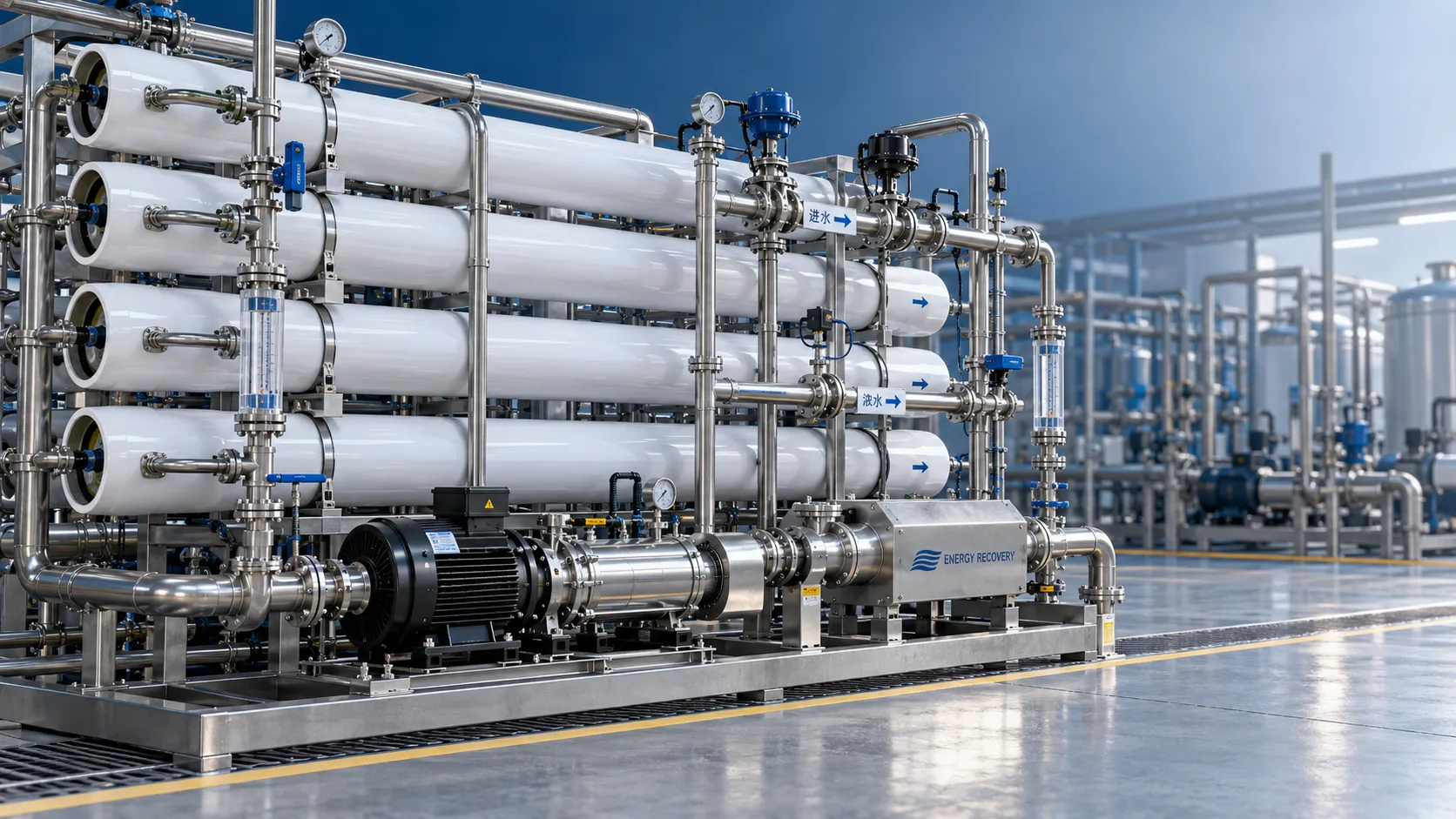
How to set recovery rates in seawater reverse osmosis system design
Explore seawater desalination systems engineering: learn to set SWRO recovery rates that balance energy, scaling risks, and water quality for reliable, cost-effective operation.
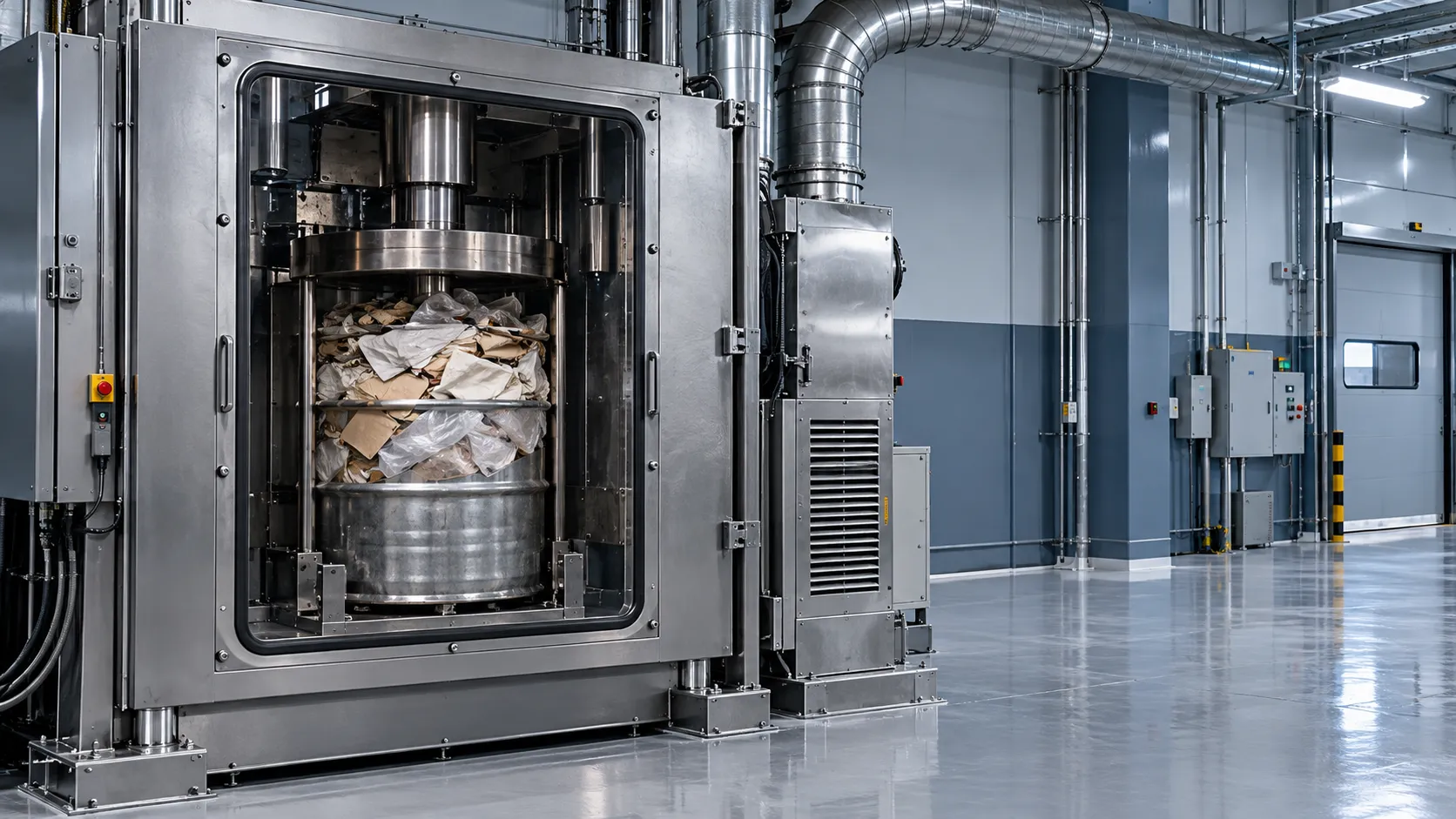
When is compaction suitable for solid nuclear waste treatment?
Is compaction right for solid nuclear waste treatment? Discover suitable waste streams, key safety checks, and disposal requirements to reduce package volume and optimize costs.
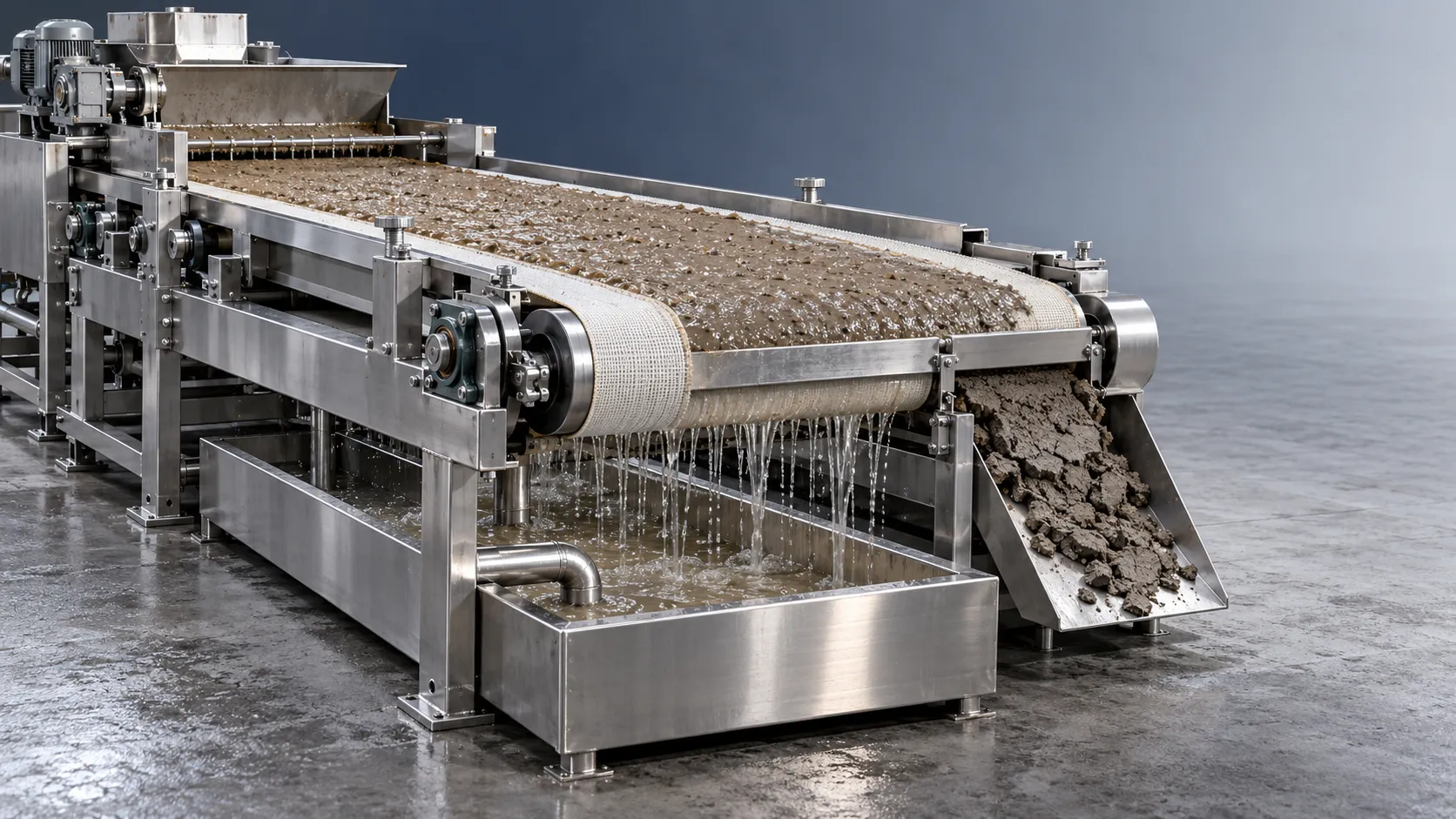
How solids concentration affects dewatering in waste recovery systems
Optimize waste recovery systems dewatering with insights on solids concentration. Learn to balance throughput, cake dryness, and solids capture while avoiding costly equipment overloads.
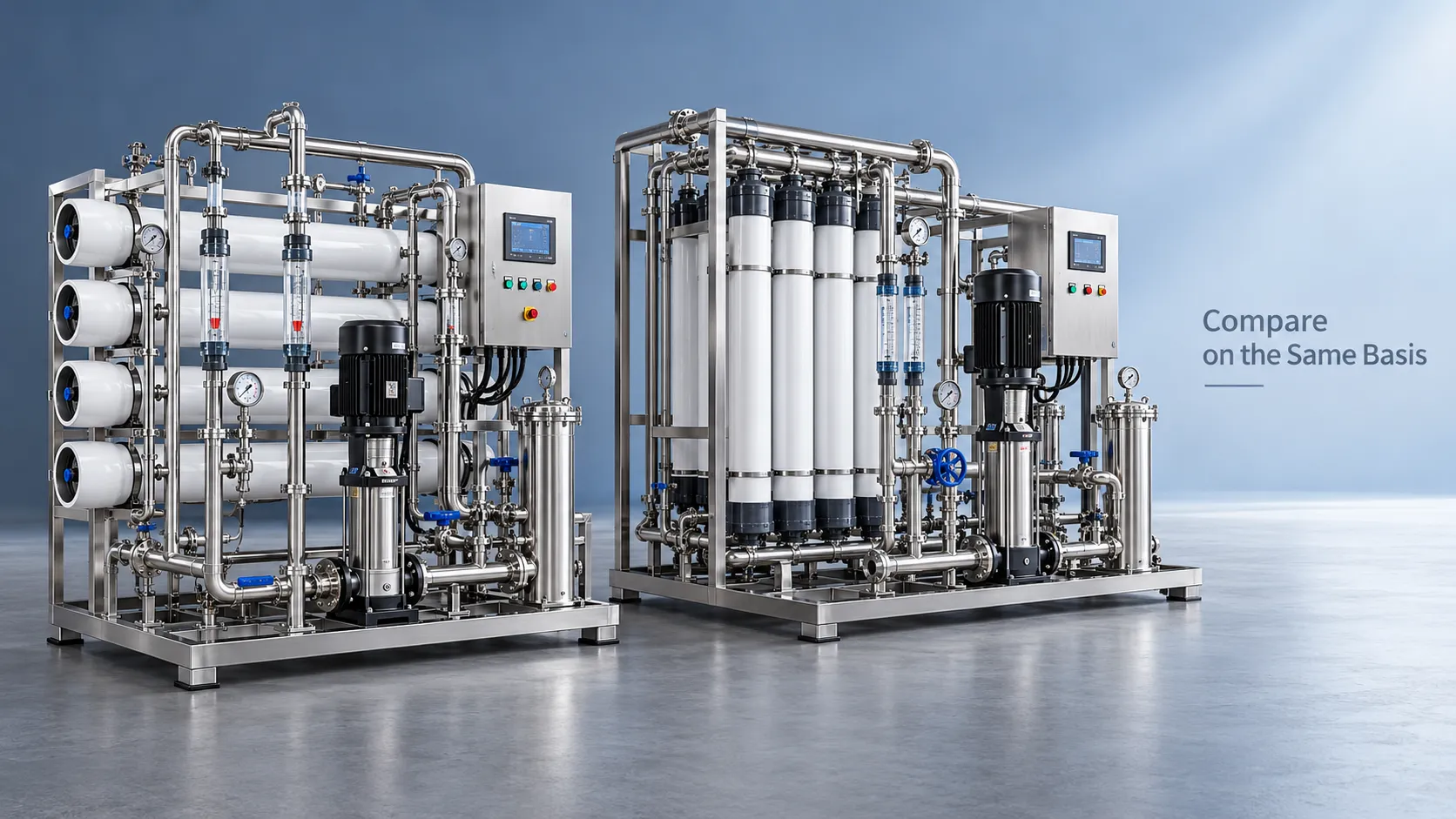
How to compare technical specs in an environmental equipment directory
Use this environmental equipment directory technical guide to compare capacity, energy use, compliance, and supplier evidence. Build a defensible shortlist and choose with confidence.
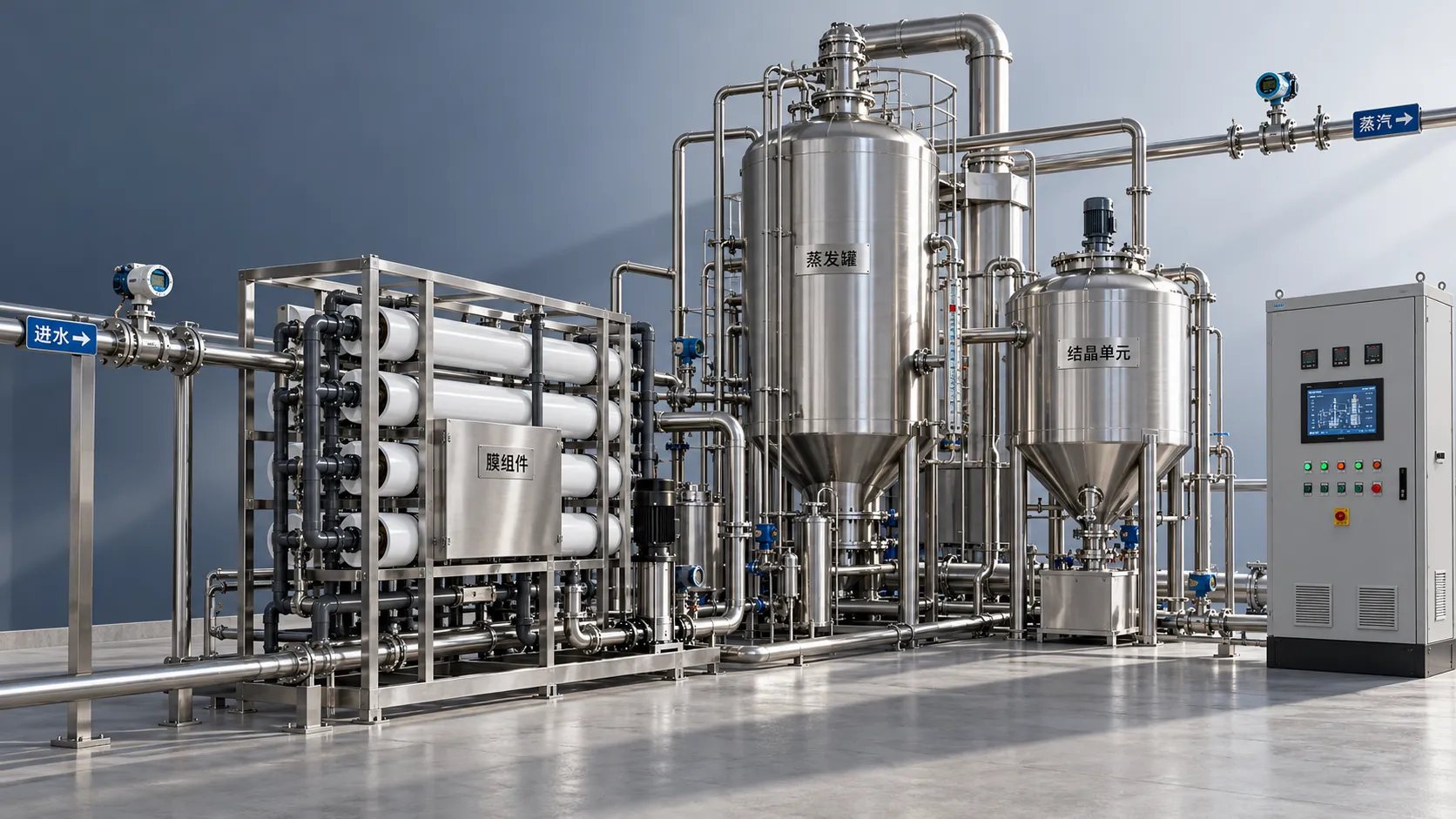
How to assess a zero liquid discharge equipment supplier’s energy claims
Assess a zero liquid discharge equipment supplier’s energy claims. Learn how to verify system boundaries, compare real costs, and demand testable guarantees before you buy.
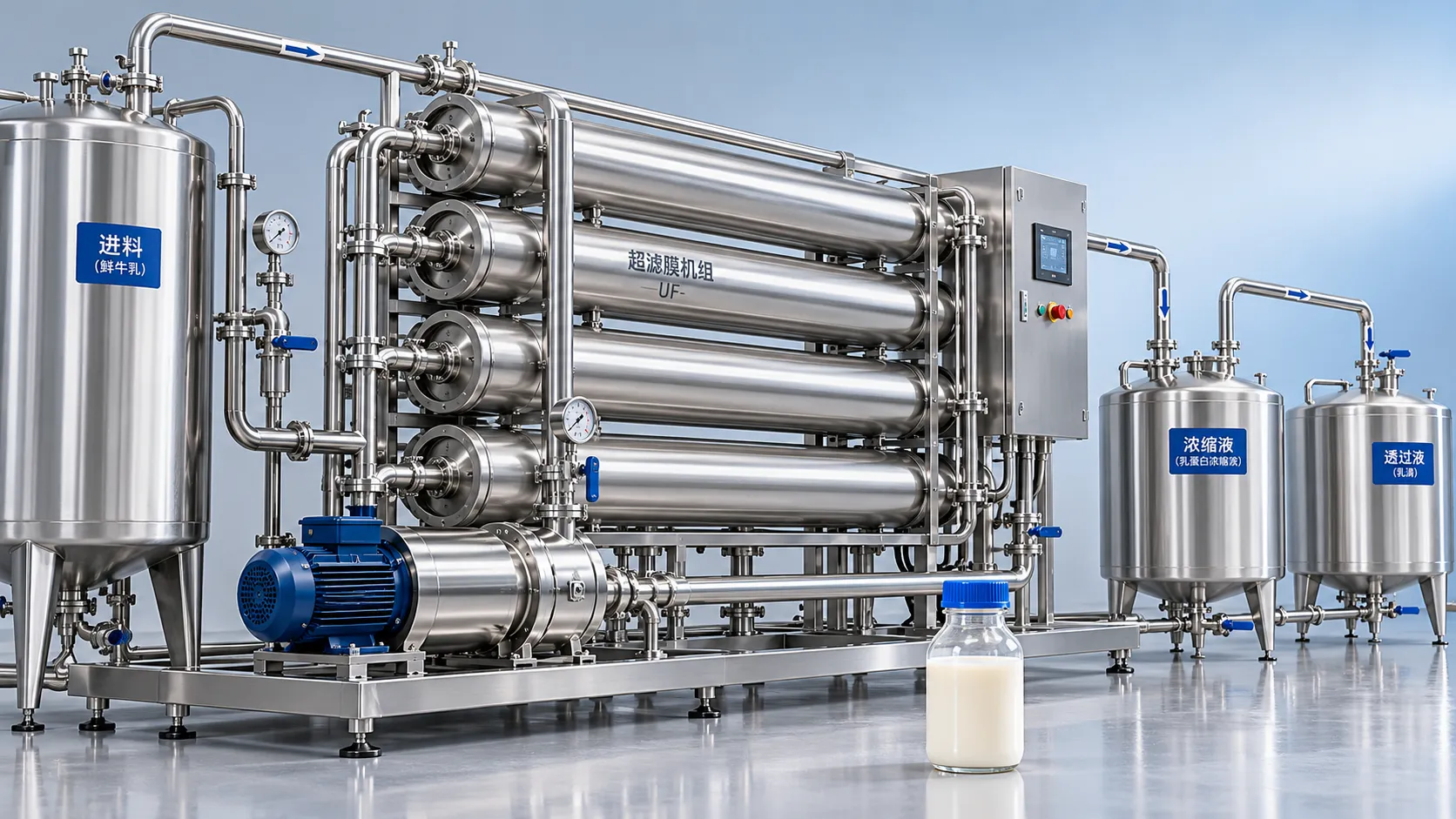
Which membrane filtration process suits dairy protein concentration?
Explore membrane filtration for dairy: compare UF, MF, and RO to select the right process for protein concentration, lactose reduction, and better recovery. Find your best fit.
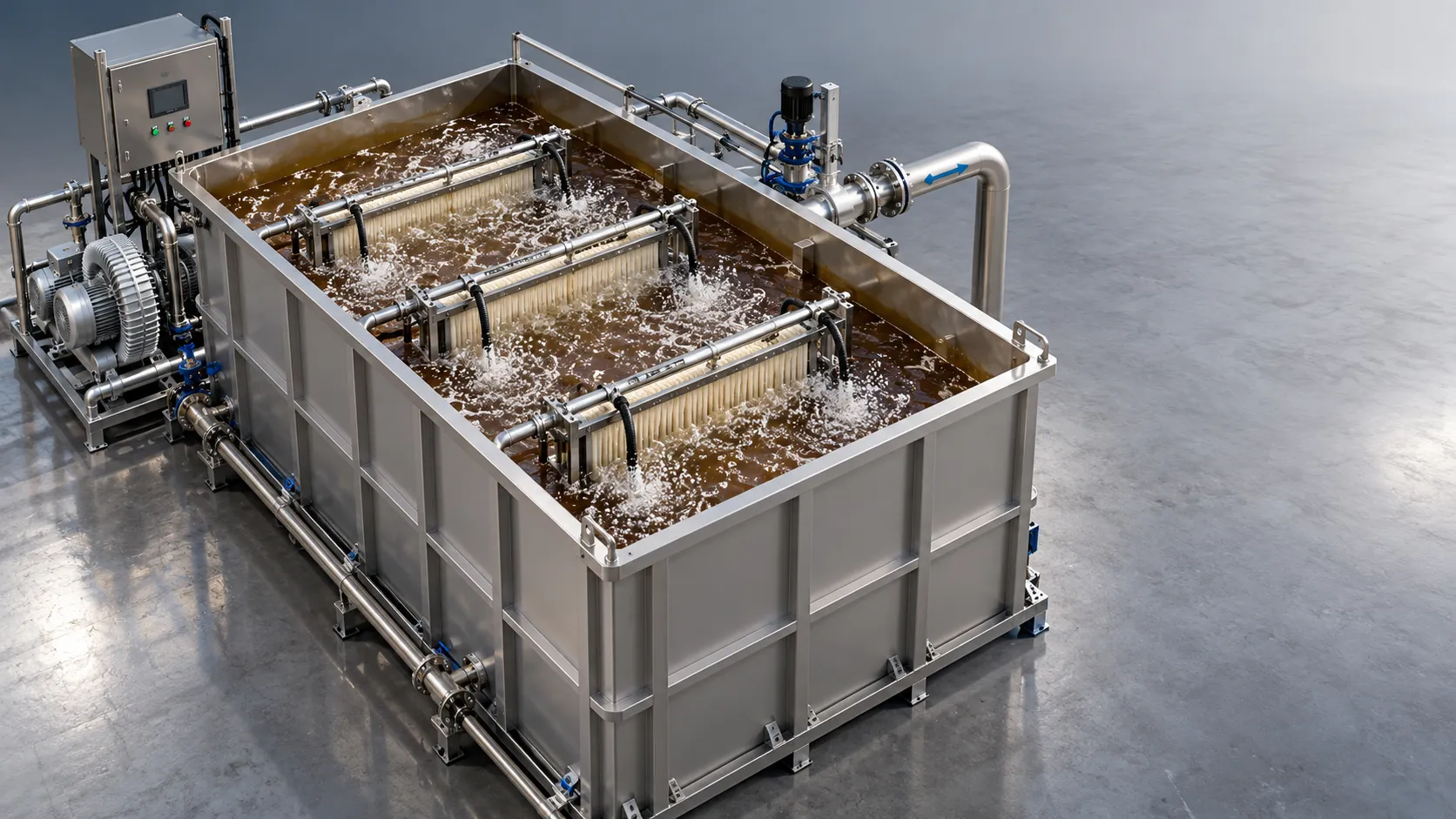
When is an MBR suitable for wastewater purification for bioprocessing?
For wastewater purification for bioprocessing, discover when an MBR fits your needs. Compare water quality, fouling risks, and lifecycle costs before investing.
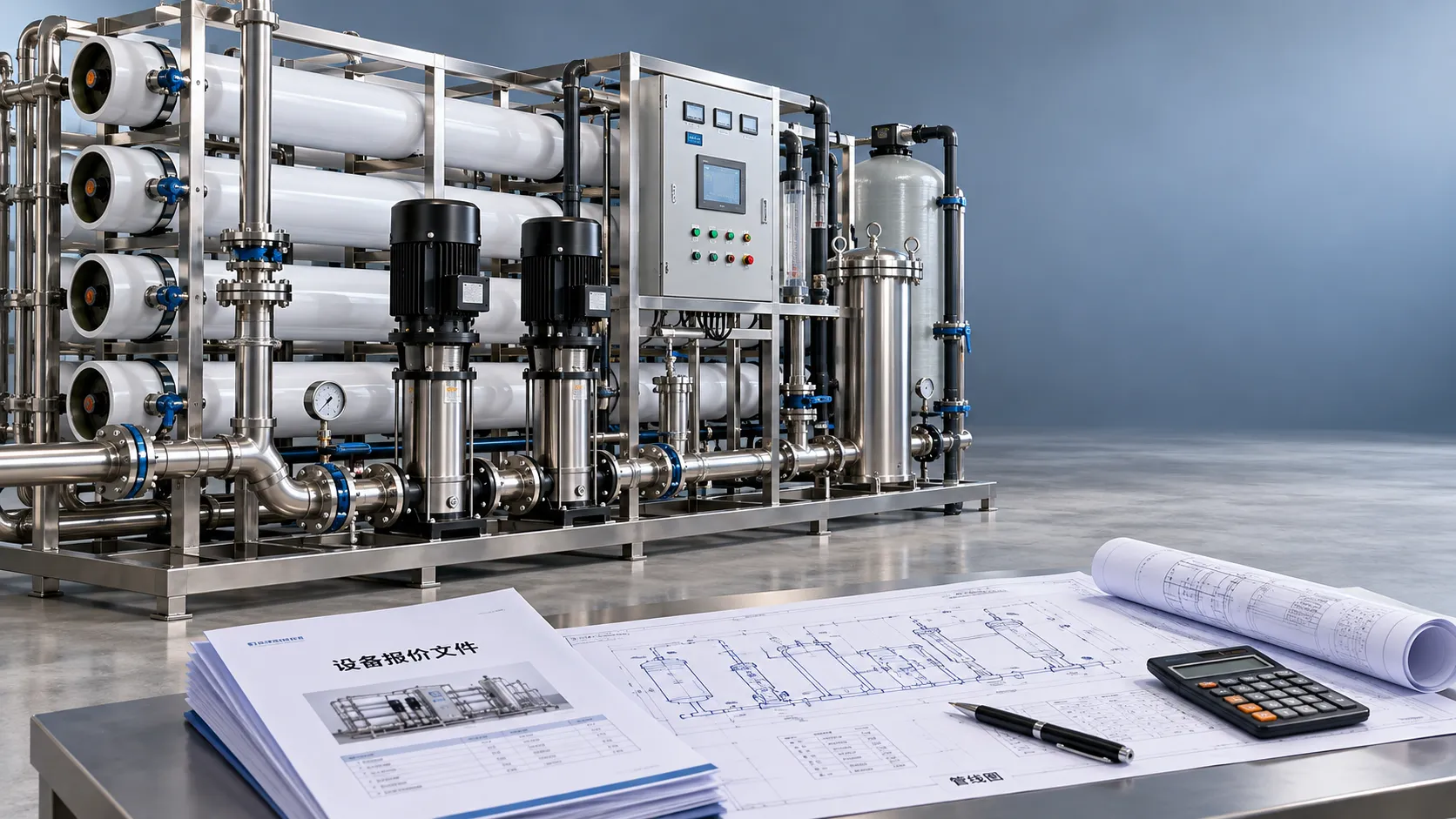
How to check a water treatment quotation for hidden project costs
Review your water treatment quotation for hidden costs, scope gaps, and operating expenses. Learn what to check before signing to protect your budget and avoid costly surprises.
How to vet ingredient processing equipment manufacturers using trials
Vet ingredient processing equipment manufacturers with real-world trials. Learn how to verify yield, cleaning, energy use, and scale-up before you invest.