
Industry News
Curation by industry experts
Hot Articles
Popular Tags
How to size flue gas cleaning systems for marine boilers
How to Size Flue Gas Cleaning Systems for Marine Boilers
Sizing flue gas cleaning systems for marine boilers is not a matter of selecting a scrubber from a capacity chart and connecting it to the uptake. The system must perform across changing boiler loads, fuel qualities, sea conditions, port restrictions, and maintenance intervals while preserving safe boiler operation. A unit sized only for a nominal firing rate may appear compliant during a factory review yet become a bottleneck when steam demand rises, multiple boilers operate together, or exhaust backpressure begins to affect combustion stability.
For technical evaluation teams, the first task is to define the compliance problem precisely. In most marine applications, flue gas cleaning is considered to achieve sulfur-oxide equivalency when the vessel uses fuel above the sulfur limit otherwise applicable under MARPOL Annex VI. The global fuel sulfur limit is 0.50% m/m, while Emission Control Areas generally require 0.10% m/m fuel sulfur or an equivalent approved method. A marine exhaust gas cleaning system may therefore be evaluated against the applicable SO2/CO2 ratio requirements, rather than treated as a generic industrial air-pollution device.
That distinction matters. Marine boilers have a different duty pattern from main propulsion engines. Their load can change sharply during cargo heating, tank cleaning, inert gas generation, port stays, hotel-service peaks, and cargo pumping. An auxiliary boiler may run infrequently but face high demand when it does. A composite boiler introduces another variable because exhaust-side and oil-fired operation do not necessarily produce the same gas flow, temperature, or pollutant profile. Good sizing begins with these operating realities, not with the boiler nameplate alone.
Start with the true flue-gas envelope
The governing input is the full exhaust envelope: minimum, normal, and maximum gas flow; temperature; pressure; oxygen concentration; fuel sulfur content; and expected duration at each load point. Boiler makers can provide useful baseline data, but design decisions should be checked against actual fuel firing rates and operating logic. For an existing vessel, logged steam production, burner duty, and fuel-consumption records can reveal a profile that differs materially from the original design assumptions.
Flue-gas flow is usually expressed as mass flow, actual volumetric flow, or normalized dry volume. These are not interchangeable. Actual volume changes with temperature and pressure, and wet scrubber hydraulic design depends on conditions at the inlet to the cleaning system. If several boilers share one treatment train, diversity must be evaluated carefully. Assuming that every unit will operate continuously at maximum firing may oversize equipment and electrical infrastructure; assuming that they never overlap can make the system non-compliant during a realistic operating event.
A practical design basis should state, in writing, which condition controls each component. The absorber may be governed by maximum total gas volume, while the reagent or washwater system may be governed by the highest-sulfur fuel at a specific boiler load. The fan or bypass arrangement may be governed by allowable uptake pressure loss. Treating all components as if they had one common “design capacity” often hides these differences.
Translate the emission target into a pollutant mass balance
The sulfur mass entering the boiler is driven primarily by fuel consumption and sulfur concentration. From there, the evaluator can establish the sulfur dioxide removal duty needed to demonstrate equivalency for the intended fuel. This mass-balance approach is more reliable than starting with a claimed percentage removal efficiency, because a percentage alone does not explain performance at different sulfur levels or gas flows.
For wet systems, removal capacity is linked to gas-liquid contact, liquid-to-gas ratio, alkalinity, recirculation flow, and the effectiveness of the packing or spray arrangement. In open-loop operation, seawater alkalinity is a central variable; it is not uniform across all trading routes. In closed-loop operation, the availability and dosing range of alkaline reagent, the recirculation-tank volume, and the treatment of bleed-off water become part of the design duty. Hybrid configurations can offer operating flexibility, but only if tanks, valves, controls, and washwater treatment equipment are sized for both modes rather than merely labelled as “hybrid.”
The compliance measurement philosophy should be specified early. Continuous monitoring, sensor locations, sample conditioning, calibration access, data recording, and alarms are not peripheral items. If the arrangement relies on SO2/CO2 measurement, the gas sampling system must remain representative during low-load firing, soot-blowing events, and washwater operation. A technically sound absorber can still create an operational compliance risk if its monitoring system is difficult to maintain or prone to blocked sample lines.
Choose the configuration around the vessel’s operating profile
Open-loop, closed-loop, and hybrid scrubbers should not be compared as simple alternatives with fixed rankings. Their suitability depends on the vessel’s water availability, discharge constraints, time spent in restricted waters, machinery-space layout, and crew operating model. A system that works well on a vessel trading mainly in open seas may impose unnecessary operational burden on a ship with prolonged port calls or frequent operations in areas where washwater discharge is restricted.
Open-loop systems avoid the need for continuous chemical dosing, but their performance and acceptability depend on local seawater characteristics and discharge conditions. Closed-loop systems can reduce dependence on seawater alkalinity, yet they require reagent storage, sludge handling, bleed-off treatment, and adequate holding capacity. The critical question is not simply whether a closed-loop system “fits”; it is whether the crew can manage its consumables, sampling, residue logistics, and maintenance within the ship’s established routines.
Dry or semi-dry sorbent systems may also be considered where washwater handling is undesirable. They shift the constraint from liquid discharge to reagent consumption, solids collection, ash handling, and fire-safety considerations. Their feasibility is therefore closely tied to available storage volume, safe pneumatic conveying or dosing arrangements, and the destination of spent material. No configuration removes the need for a waste-management plan; it changes where that burden sits.
Backpressure and turndown are where many designs become difficult
Every cleaning stage adds resistance to the exhaust path. Pressure loss comes from duct transitions, inlet devices, spray zones or packing, mist eliminators, silencers, valves, and outlet geometry. The boiler manufacturer’s allowable backpressure is a hard interface condition, not a preference. Exceeding it can interfere with burner performance, combustion-air balance, furnace pressure control, and boiler efficiency. If an induced-draft fan is proposed, its duty must include dirty-system conditions and the electrical consequences of continuous operation.
Turndown deserves equal attention. A scrubber sized for maximum gas flow may suffer poor gas distribution, unstable recirculation control, or less reliable monitoring at very low firing rates. Marine boilers can spend considerable time at low load. The supplier should therefore demonstrate the operating window, not only the maximum point. Ask how spray headers, pumps, reagent dosing, and measurement systems respond when one burner cycles, when steam demand suddenly falls, or when a second boiler is placed on standby.
A bypass is sometimes proposed to protect boiler operation during maintenance or abnormal conditions. It must be assessed against the vessel’s compliance strategy. If bypassing leads to emissions above the applicable equivalent limit while the vessel is operating on higher-sulfur fuel, it cannot be treated as a routine operating option. Procedures, fuel-switching capability, alarm logic, and class or flag-state requirements need to align with the bypass philosophy.
Space, materials, and maintainability can change the selected size
On a newbuild, the scrubber footprint should be designed together with uptake routing, pump-room access, tank placement, electrical rooms, and structural supports. On a retrofit, the physical envelope is often the dominant constraint. A compact absorber may require tighter gas velocities, more demanding mist elimination, or greater fan power. Longer duct runs can add enough pressure loss to change the fan selection. These trade-offs should be made openly rather than hidden inside a nominally “compact” package.
Materials selection is equally practical. Boiler exhaust may contain soot, acidic condensate, and temperature gradients that challenge coatings and alloys. Washwater-side corrosion, erosion at pumps and bends, and deposits on demisters should be considered alongside initial capital cost. Access for washing, inspection, nozzle replacement, sensor servicing, and sludge removal is part of capacity in the real world: a system that cannot be cleaned efficiently will not sustain its design performance.
Evaluate lifecycle duty, not just installation scope
The operating cost of flue gas cleaning systems for marine boilers includes more than pump power. It may include induced-draft fan power, washwater treatment energy, reagent use, freshwater demand, consumable sensors, calibration gases where applicable, residue landing, periodic cleaning, and spare parts. These should be assessed against the expected price and availability of compliant fuel over the vessel’s anticipated trading pattern. The conclusion may differ between a boiler that operates continuously and one used only for occasional cargo-heating campaigns.
Procurement documents are stronger when they require a transparent duty matrix: boiler mode, fuel range, ambient and seawater assumptions, exhaust flow, inlet temperature, target emissions performance, pressure-loss limit, electrical load, washwater or reagent demand, and expected residue generation. They should also identify the acceptance-test basis and the documents needed for operation, inspection, and maintenance. Broad promises of “IMO compliance” are not a substitute for a defined operating envelope.
At Global Eco-Shield Dynamics, flue gas treatment is viewed as part of a wider industrial ecological-control system rather than as an isolated stack component. The same discipline used to assess water-treatment chemistry, resource-recovery loops, and high-reliability environmental equipment applies here: follow the pollutant mass balance, examine interfaces, and test whether the proposed operating model is credible for the site or vessel. For marine boiler projects, that means linking emission control to washwater management, residue handling, onboard energy use, and the compliance environment of the vessel’s actual routes.
A defensible sizing decision
Before committing to a system, verify the boiler’s maximum and minimum operating conditions, realistic simultaneous-operation cases, allowable backpressure, intended fuel envelope, trading routes, washwater-discharge constraints, and maintenance resources. Then ask the supplier to show performance at those conditions, including degraded but credible operating states such as fouled demisters, low seawater alkalinity, low boiler load, or a pump out of service where redundancy is claimed.
The right size is not necessarily the largest absorber or the lowest quoted auxiliary power. It is the configuration that can repeatedly meet its emissions obligation without compromising boiler reliability, crew workload, or the vessel’s ability to operate where it needs to trade. That decision becomes far clearer when the design basis is built around measured operating data and explicit compliance assumptions rather than a single headline capacity figure.
Recommended News
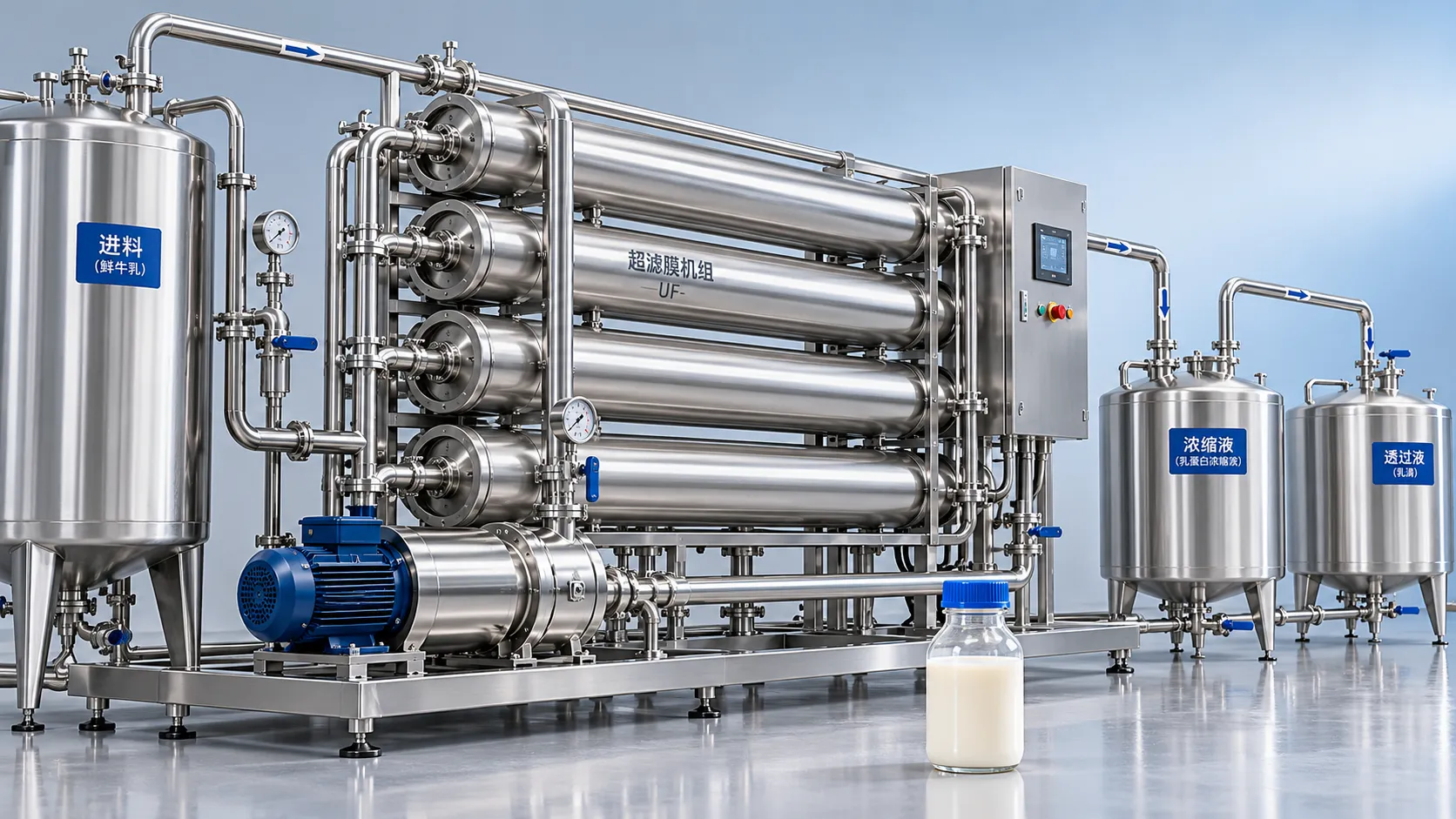
Which membrane filtration process suits dairy protein concentration?
Explore membrane filtration for dairy: compare UF, MF, and RO to select the right process for protein concentration, lactose reduction, and better recovery. Find your best fit.
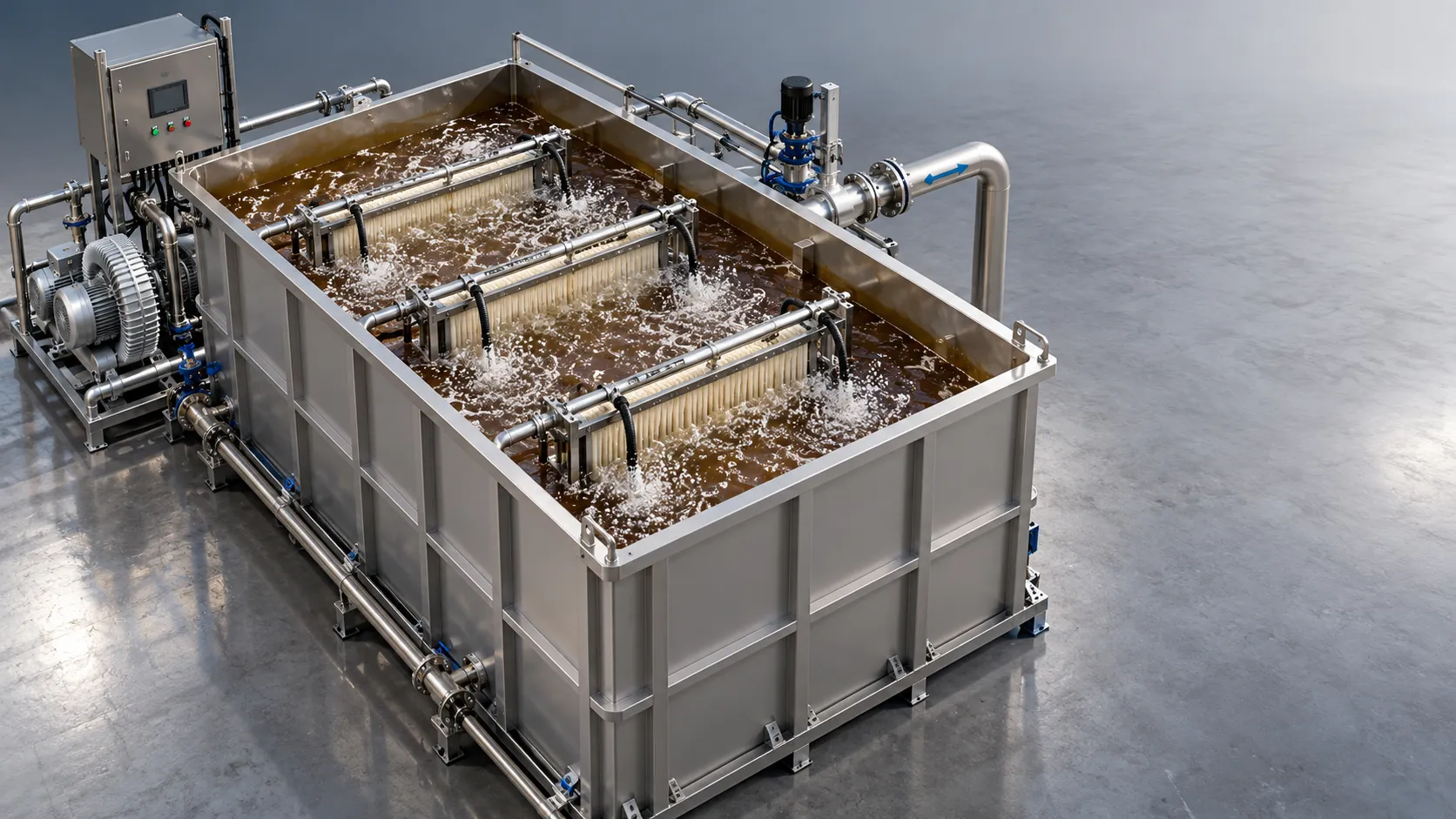
When is an MBR suitable for wastewater purification for bioprocessing?
For wastewater purification for bioprocessing, discover when an MBR fits your needs. Compare water quality, fouling risks, and lifecycle costs before investing.
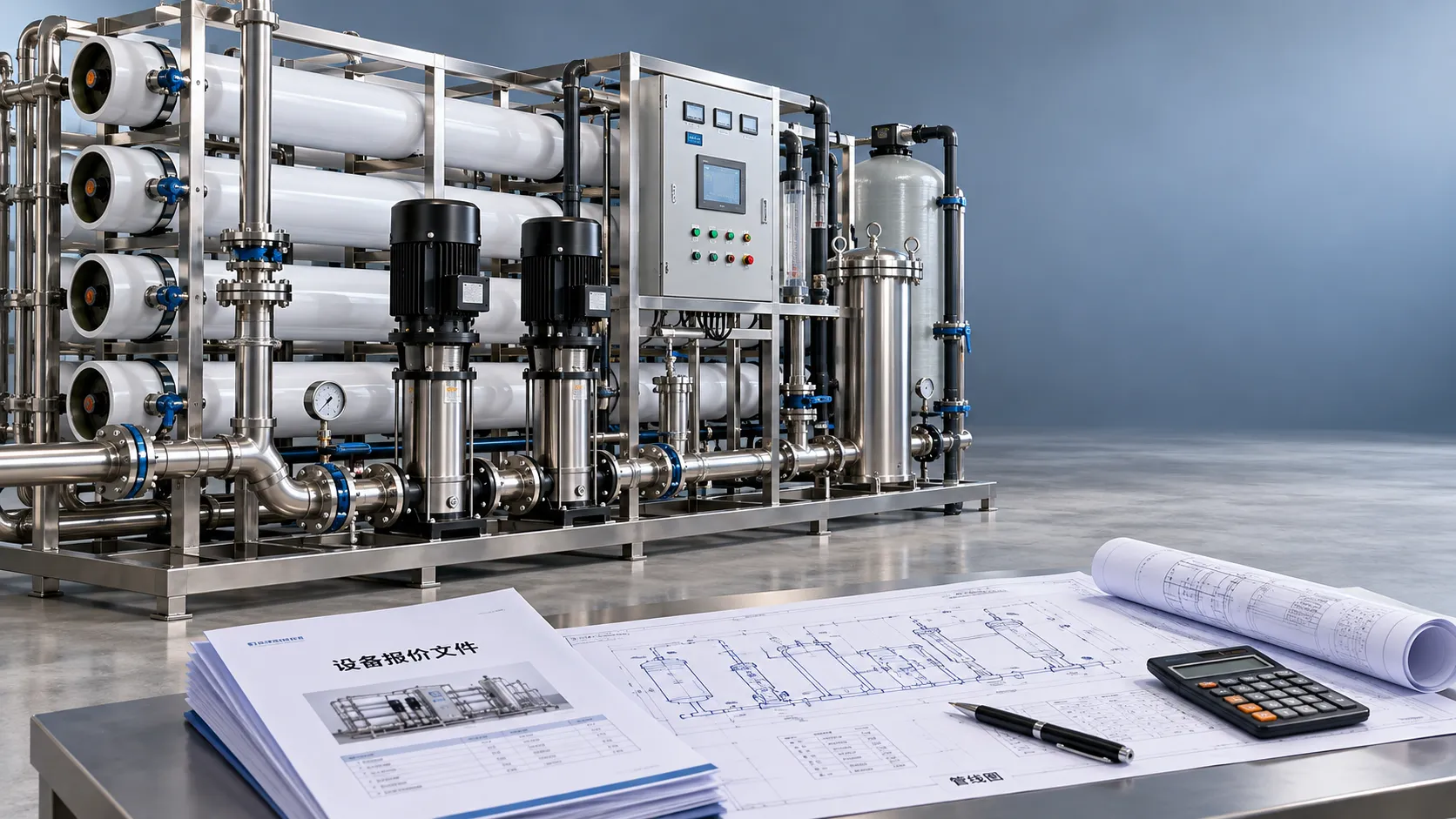
How to check a water treatment quotation for hidden project costs
Review your water treatment quotation for hidden costs, scope gaps, and operating expenses. Learn what to check before signing to protect your budget and avoid costly surprises.
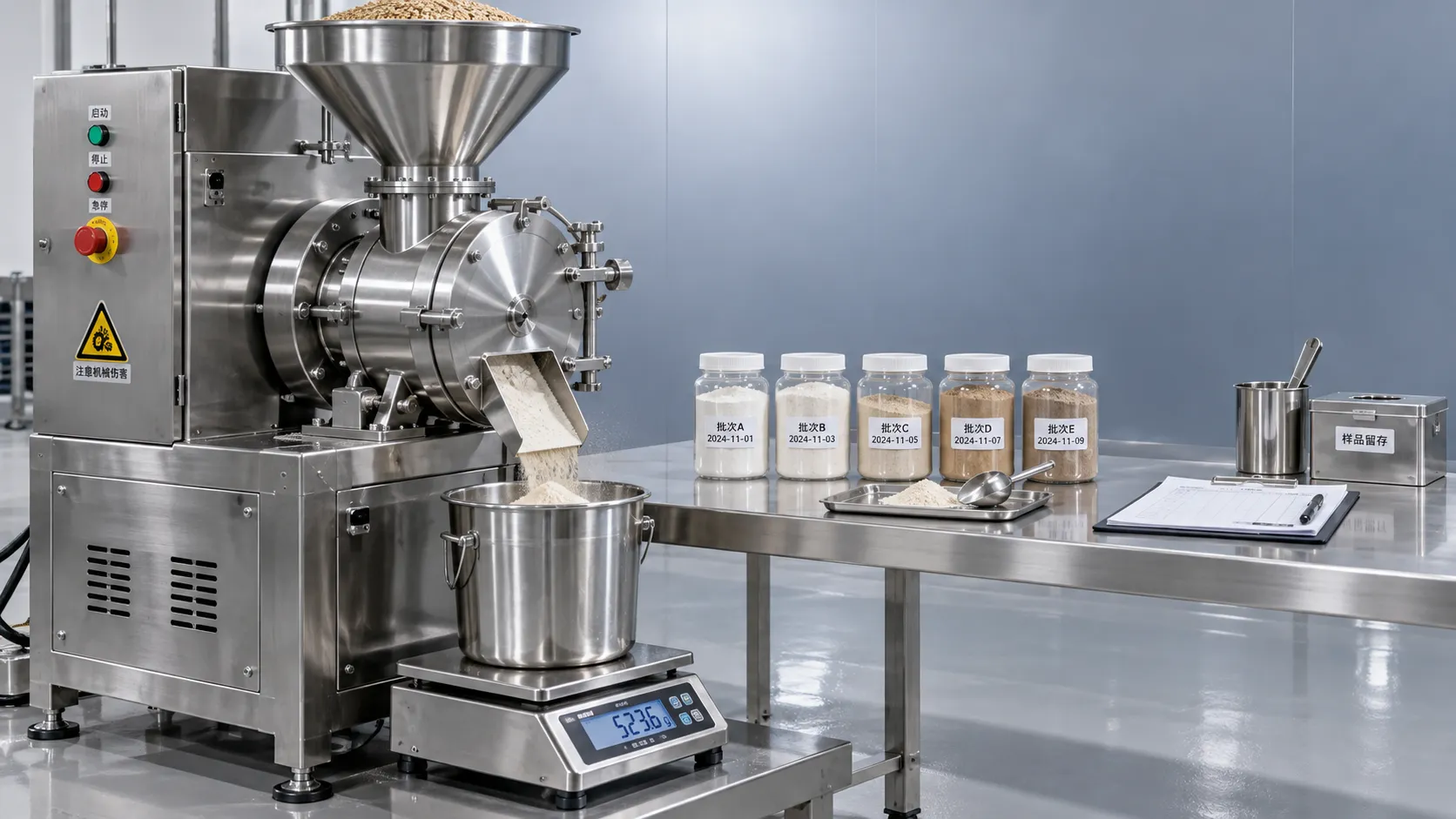
How to vet ingredient processing equipment manufacturers using trials
Vet ingredient processing equipment manufacturers with real-world trials. Learn how to verify yield, cleaning, energy use, and scale-up before you invest.
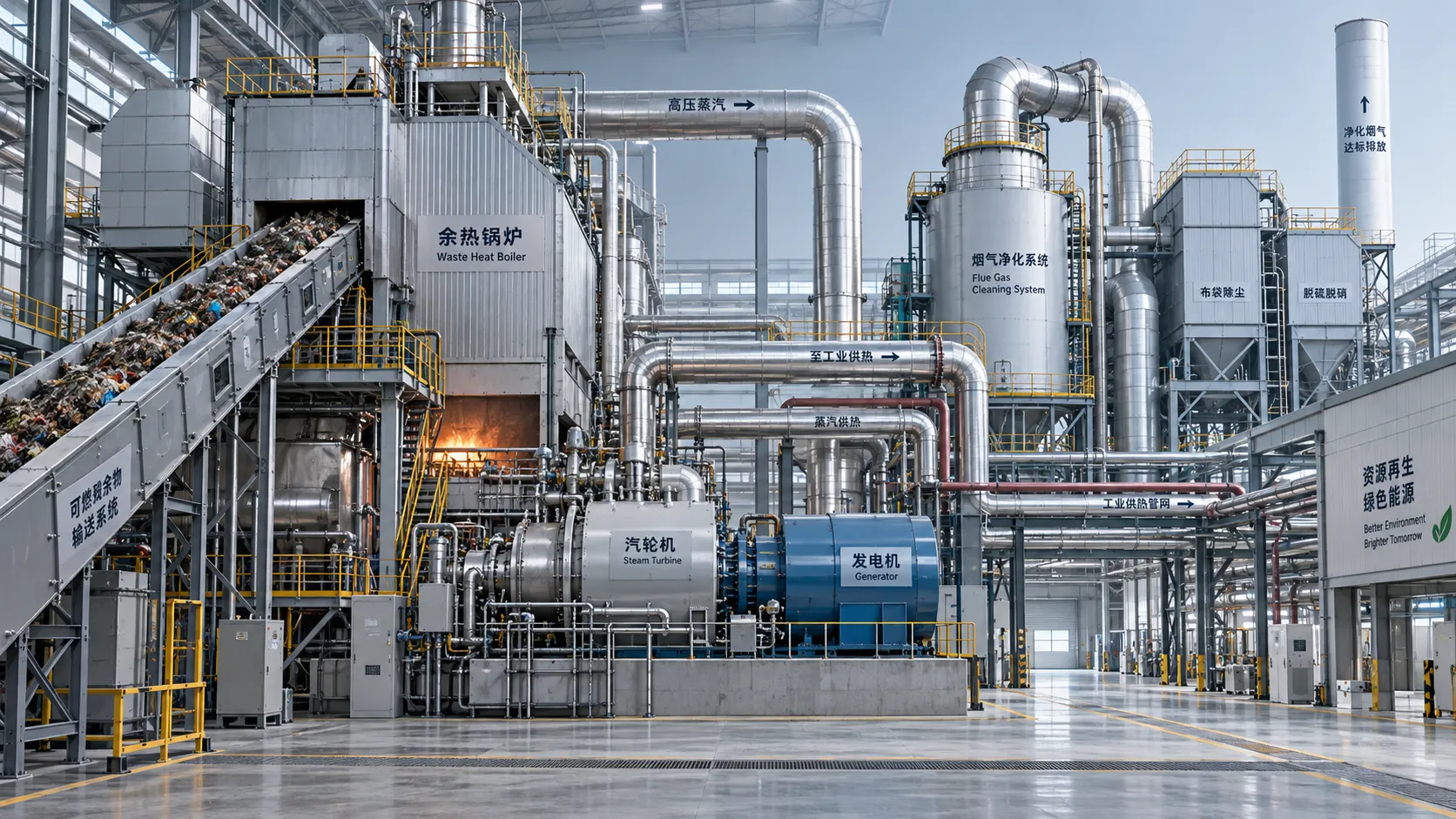
When is energy recovery viable in the solid waste recovery process?
When is energy recovery viable in the solid waste recovery process? Explore feedstock quality, net energy, emissions, and costs to assess feasibility and make smarter investment decisions.
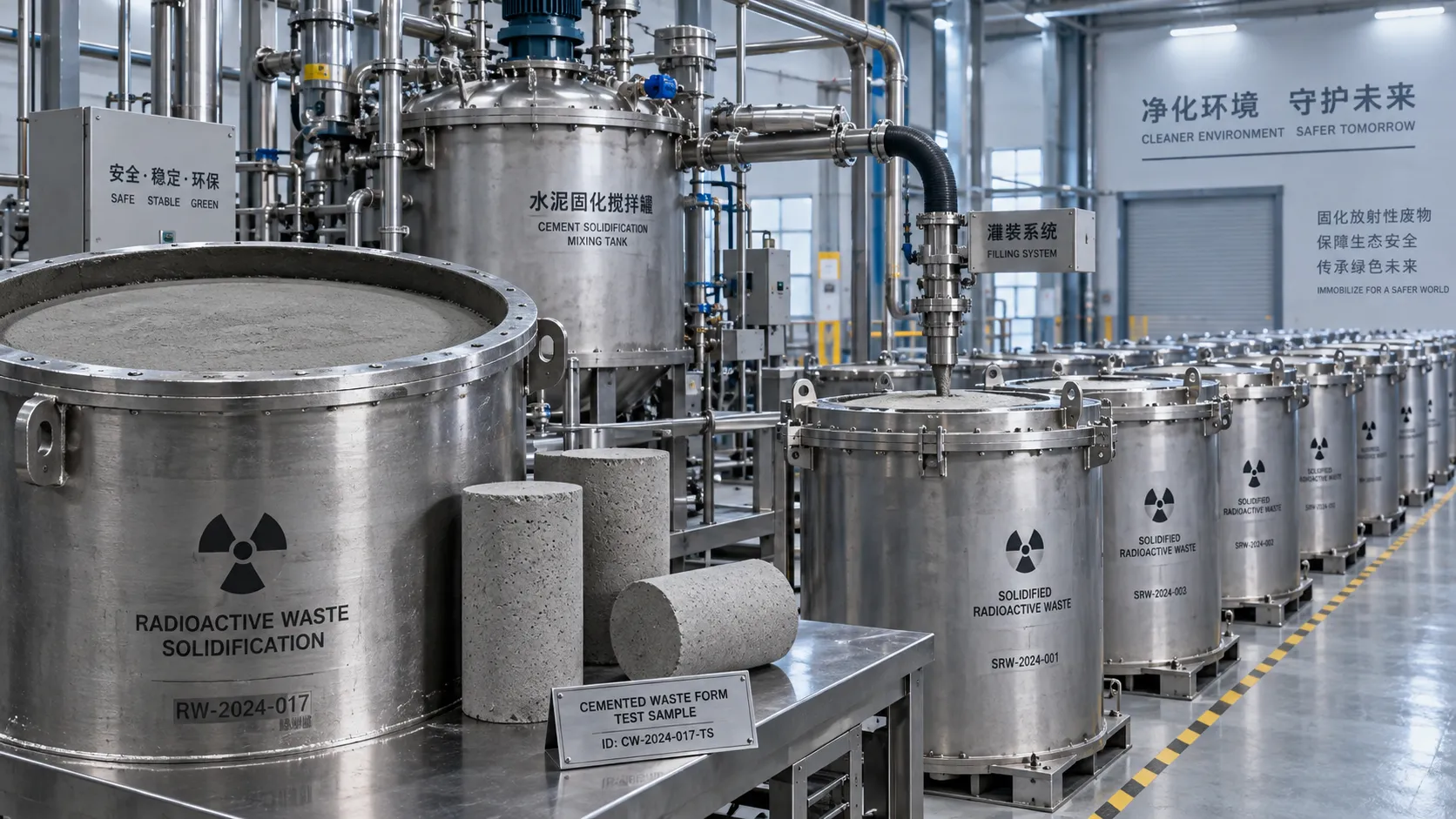
When is cementation suitable for nuclear decommissioning waste?
Explore nuclear waste treatment technology for decommissioning: learn when cementation fits, which risks to assess, and how disposal criteria guide an effective treatment choice.
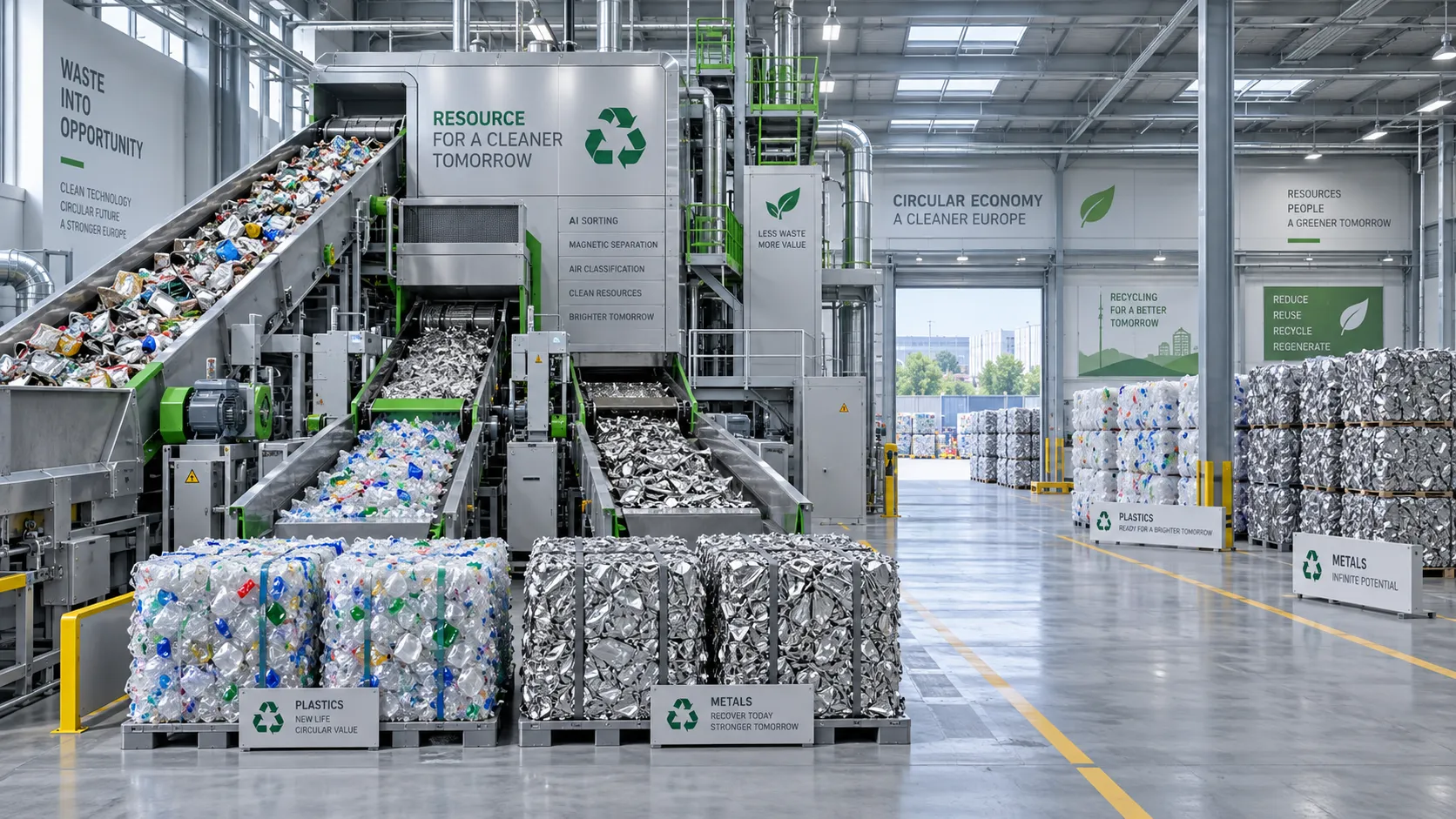
What determines payback for waste-to-resource systems in Europe?
Assess waste-to-resource systems Europe-wide: compare feedstock, recovery yields, costs and contracts to uncover payback drivers and make smarter investment decisions.
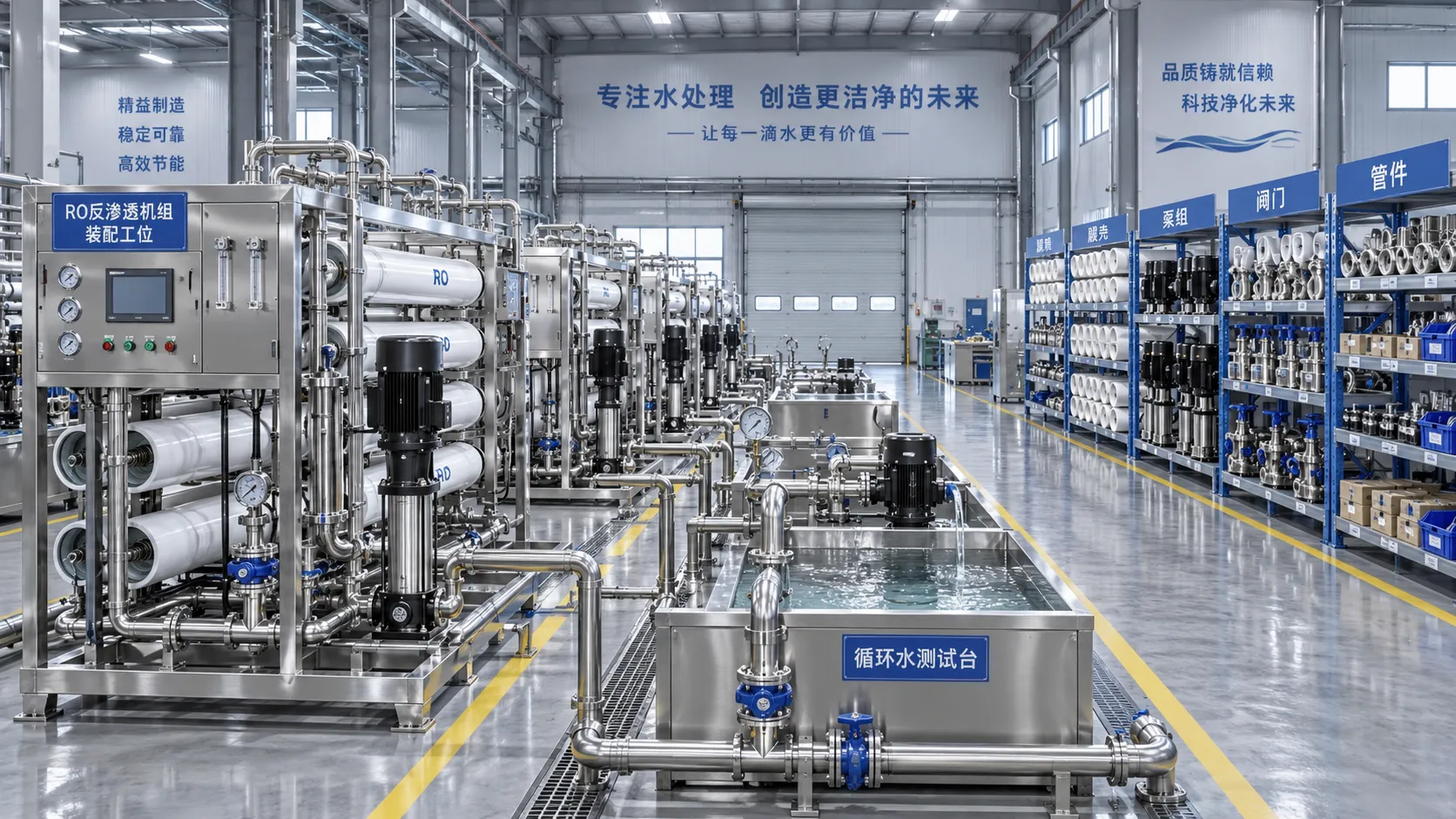
How to verify a water treatment system factory’s production capacity
Verify a water treatment systems factory’s production capacity through records, bottlenecks, component availability, and testing. Learn what to check before accepting a delivery promise.
When does EPC environmental project support reduce delivery risk?
EPC environmental project support engineering reduces delivery risk by aligning design, procurement, compliance, construction, and commissioning decisions.