
Industry News
Curation by industry experts
Hot Articles
Popular Tags
What compliance requirements apply to industrial wastewater recycling solutions?
A recycling system can perform well in a pilot and still fail the compliance review that determines whether it may operate at scale. The usual gap appears when the design team focuses on recovery percentage, membrane flux, or evaporator duty, while the permitting team asks different questions: Where will each water stream go? Which contaminants are controlled at the point of discharge? Can the plant prove performance during upset conditions? Who owns the concentrate, sludge, spent media, and monitoring records?
The short answer is that industrial wastewater recycling solutions compliance is governed by more than the treatment unit itself. A compliant solution must align the influent characterization, treatment train, reuse destination, discharge pathway, residuals handling, monitoring plan, permit conditions, and local reporting obligations. The exact rules vary by jurisdiction and sector, but the evaluation logic is consistent: regulators expect a facility to prevent prohibited releases, meet applicable quality limits, maintain reliable evidence of compliance, and manage contaminants transferred from water into another waste stream.
Start with the legal destination of each treated stream
“Recycled water” is not a single regulatory category. Compliance requirements depend first on where the treated water is intended to go. A system designed for internal cooling-water makeup is assessed differently from one supplying boiler feedwater, irrigation, process washing, groundwater recharge, or off-site reuse. The same applies to the reject stream: discharge to a river, sewer, evaporation pond, hazardous-waste facility, or a further concentration process can trigger very different obligations.
Before selecting equipment, map every expected outlet from the proposed treatment train:
- treated permeate or reclaimed water;
- biological effluent, if a biological stage is included;
- reverse-osmosis concentrate or ion-exchange regenerant;
- sludge, filter cake, crystallized salts, and spent adsorbents;
- air emissions, such as volatile compounds released from equalization, stripping, thermal treatment, or chemical storage;
- stormwater or contaminated runoff associated with storage areas.
This map prevents a frequent design error: treating water quality as the only compliance issue. A reuse process may reduce final liquid discharge but produce a salt mixture that requires classification, secure storage, transport documentation, and an approved disposal or recovery route. Moving contaminants out of the aqueous phase is not equivalent to eliminating the regulatory obligation.
Effluent limits are site-specific, even when the technology is familiar
Most industrial facilities must comply with numeric limits, narrative standards, or both. Numeric limits may cover conventional indicators such as pH, suspended solids, oxygen-demanding substances, oil and grease, nutrients, salinity-related parameters, temperature, and flow. Sector-specific limits often add metals, cyanide, fluoride, ammonia, phenols, surfactants, toxic organics, persistent compounds, or other process-related pollutants.
Industrial wastewater recycling solutions must be evaluated against the required compliance point, not merely against a vendor’s claimed outlet quality. The regulated point may be the facility boundary, a connection to a municipal sewer, a final discharge outfall, or a defined reuse distribution point. An internal sample from downstream of reverse osmosis does not demonstrate compliance if blended water, bypass flow, regeneration waste, or intermittent batch discharges reach the regulated outlet separately.
Direct discharge and indirect discharge are not interchangeable
A direct discharge to surface water normally requires a discharge authorization with limits tied to receiving-water protection and the industrial activity. An indirect discharge to a publicly operated sewer commonly requires compliance with sewer-use limits and pretreatment conditions. Those conditions can be more restrictive for pollutants that interfere with biological treatment, create worker-safety hazards, corrode infrastructure, or pass through the municipal plant.
For evaluators, this distinction changes the treatment objective. A high-salinity stream may be manageable under one pathway but unacceptable under another. Likewise, a system intended to remove heavy metals may still require pH adjustment, flow equalization, or cyanide destruction before discharge to sewer. The receiving destination must be confirmed before treatment performance guarantees, sampling locations, and operating envelopes are finalized.
Reuse standards must match the exposure pathway
Internal reuse is often easier to permit than public or environmental reuse, but it is not automatically exempt from control. Water used inside a plant can create risks of scaling, corrosion, microbial growth, aerosol exposure, cross-connection, product contamination, or uncontrolled release through cooling towers and washdown areas. A sound compliance review connects water quality criteria to the actual use rather than relying on a generic “reclaimed water” specification.
Cross-connection control deserves particular attention. Reclaimed-water piping may need physical separation, identification, backflow prevention, isolation from potable networks, and documented commissioning checks. A technically clean stream can still create a compliance and safety failure if it can enter potable or product-contact systems through incorrect connections or valve lineups.
Permitting begins with a defensible wastewater inventory
Permit applications and modification requests depend on accurate information about wastewater sources, flow patterns, pollutants, and treatment operations. A single composite sample is rarely enough when the process includes batch cleaning, metal finishing, resin regeneration, solvent handling, brine concentration, or intermittent maintenance discharges. Peak loads, not average loads, often determine equalization volume, chemical dosing capacity, and permit risk.
An effective pre-design inventory identifies:
- all process drains, utility blowdowns, laboratory wastes, floor drains, and emergency discharges;
- normal, maximum, and intermittent flow conditions;
- contaminant ranges, including species that vary with production campaigns or raw-material changes;
- incompatible streams that should not be mixed before treatment;
- pollutants that may be masked by composite sampling but appear in batch releases;
- existing permits, consent conditions, sewer agreements, and reporting commitments;
- future production changes that could invalidate the treatment design basis.
Characterization should include dissolved and particulate forms where relevant. For metals, for example, total concentration, dissolved concentration, oxidation state, chelated form, and pH behavior may all affect treatability and compliance. A precipitation system that works on free ionic metals may not control metals bound to complexing agents. Similarly, total organic carbon alone may not reveal whether a stream contains volatile compounds, poorly biodegradable organics, or constituents that foul membranes.
Monitoring and recordkeeping are part of the treatment system
Compliance is demonstrated through evidence. Permits may require periodic grab samples, flow-proportional composite samples, continuous pH measurement, discharge flowmeters, alarm records, laboratory analysis, calibration records, chain-of-custody documentation, and scheduled reporting. The frequency and methods are usually specified or constrained by the authorization, so the monitoring design should be reviewed alongside the process design.
A common weakness is installing online instrumentation that is useful for operations but unsuitable as permit evidence. Conductivity, turbidity, oxidation-reduction potential, and differential pressure can indicate process health, but they do not necessarily substitute for required laboratory analyses. Conversely, relying only on laboratory results may leave operators blind to a rapid pH excursion, membrane integrity issue, or chemical-feed failure.
Good design separates these two functions. Operational monitoring identifies emerging failures early; compliance monitoring produces traceable evidence at the approved location and frequency. The control philosophy should define what happens when a critical value exceeds its operating range. Depending on the risk, the system may need automatic diversion to equalization, recycle to the treatment headworks, shutdown of a discharge pump, locked-out reuse delivery, or a hold-and-test sequence.
Sampling points should reflect the permit boundary
Sampling after a polishing unit may look favorable but can be misleading if concentrate, sludge dewatering filtrate, bypasses, or other untreated flows recombine downstream. Draw a process-and-instrumentation diagram that marks permit sampling points, internal control points, flowmeters, chemical dosing locations, drains, and all potential blending points. The diagram should be consistent with the permit narrative, standard operating procedures, and actual pipework.
Records also need retention discipline. Operating logs, calibration certificates, maintenance actions, reagent consumption, alarm events, laboratory reports, and corrective actions can become essential during an inspection or an exceedance review. Data gaps are often treated as a management-system problem even where the underlying water quality may have been acceptable.
Hazardous substances and residuals require a separate compliance review
Industrial recycling trains often use acids, alkalis, oxidants, coagulants, antiscalants, biocides, activated carbon, ion-exchange resins, membranes, and adsorption media. Each can create handling, storage, worker-safety, spill-prevention, and waste-management obligations. Chemical compatibility is not merely an operational issue: an incompatible storage arrangement or uncontrolled reaction can create a reportable release and compromise the treatment plant’s ability to contain wastewater.
Residuals should be evaluated based on actual composition, not labels such as “sludge” or “salt.” Concentrated brines may contain metals, organics, fluorides, ammonia, radionuclides in specialized industrial settings, or other constituents that limit beneficial reuse. Spent carbon and resin may retain hazardous contaminants. Dewatered solids may require testing or documented characterization before disposal, recovery, or transport.
Where a facility proposes resource recovery, such as salt crystallization or metal recovery, compliance obligations may shift but do not disappear. The recovered material needs a clear legal status, defined specification, storage controls, and a legitimate downstream use. Material that fails its intended specification can revert to a waste-management issue.
Zero Liquid Discharge changes the risk profile rather than ending it
Zero Liquid Discharge, or ZLD, is often considered where discharge capacity is limited, salinity is too high for conventional disposal, or water reuse targets are demanding. It can reduce or eliminate routine liquid effluent, but it brings additional compliance questions around thermal equipment, condensate quality, concentrate storage, dust control, salt handling, energy use, emergency bypasses, and final solid disposal.
A ZLD design should be tested against realistic operating scenarios: startup, shutdown, membrane cleaning, evaporator downtime, abnormal influent strength, seasonal cooling limitations, and loss of utilities. The key question is not whether the system can achieve zero routine discharge under ideal conditions, but where wastewater goes when the final concentrator is unavailable. Temporary storage volume, contingency hauling, segregation of incompatible wastes, and authorized emergency management procedures should be defined before commissioning.
Condensate also requires verification. Depending on influent chemistry and the treatment configuration, volatile or entrained contaminants can carry into a distillate or condensate stream. Its intended reuse or discharge route must therefore be supported by monitoring and, where needed, additional polishing.
Use a compliance matrix before approving the treatment train
Technical review becomes more reliable when each requirement is linked to a design feature, operating control, and proof method. A practical matrix can include the applicable permit condition or reuse criterion, the relevant contaminant or operational limit, the compliance point, the treatment barrier responsible, the monitoring method, alarm response, record owner, and residuals destination.
This approach exposes gaps that equipment comparison tables often miss. For example, a membrane train may satisfy dissolved-solids removal targets but lack a compliant cleaning-waste route. A biological process may meet average organic-load limits but have insufficient equalization for toxic batch releases. A reuse system may generate suitable water but lack backflow protection and a validated diversion arrangement when quality moves out of specification.
Before procurement, confirm that the proposed supplier scope includes the instrumentation, sampling access, containment, automation, chemical storage features, and documentation needed to meet the compliance matrix. These items are often treated as peripheral during budget review, yet they determine whether the finished installation can be permitted, operated, and defended during inspection.
Questions that often arise during technical review
Can a system be considered compliant because its treated water meets internal process specifications?
No. Internal quality specifications may be stricter or looser than legal requirements, and they may not address the final discharge, residuals, cross-connection controls, or required monitoring. Compliance must be demonstrated against the applicable permit and intended reuse conditions.
Does recycling wastewater remove the need for a discharge permit?
Not necessarily. A facility may still discharge blowdown, concentrate, treated overflow, stormwater, cleaning waste, or emergency flows. Even where routine discharge is eliminated, permits or approvals may still apply to treatment operations, air emissions, storage, waste residuals, and contingency arrangements.
When should the compliance review be updated?
Review it whenever production changes alter wastewater volume or chemistry, new raw materials are introduced, the reuse destination changes, treatment chemicals change, a new residuals outlet is proposed, or monitoring data show conditions outside the original design basis. Waiting until construction is complete can turn a manageable design revision into a permitting delay.
Recommended News
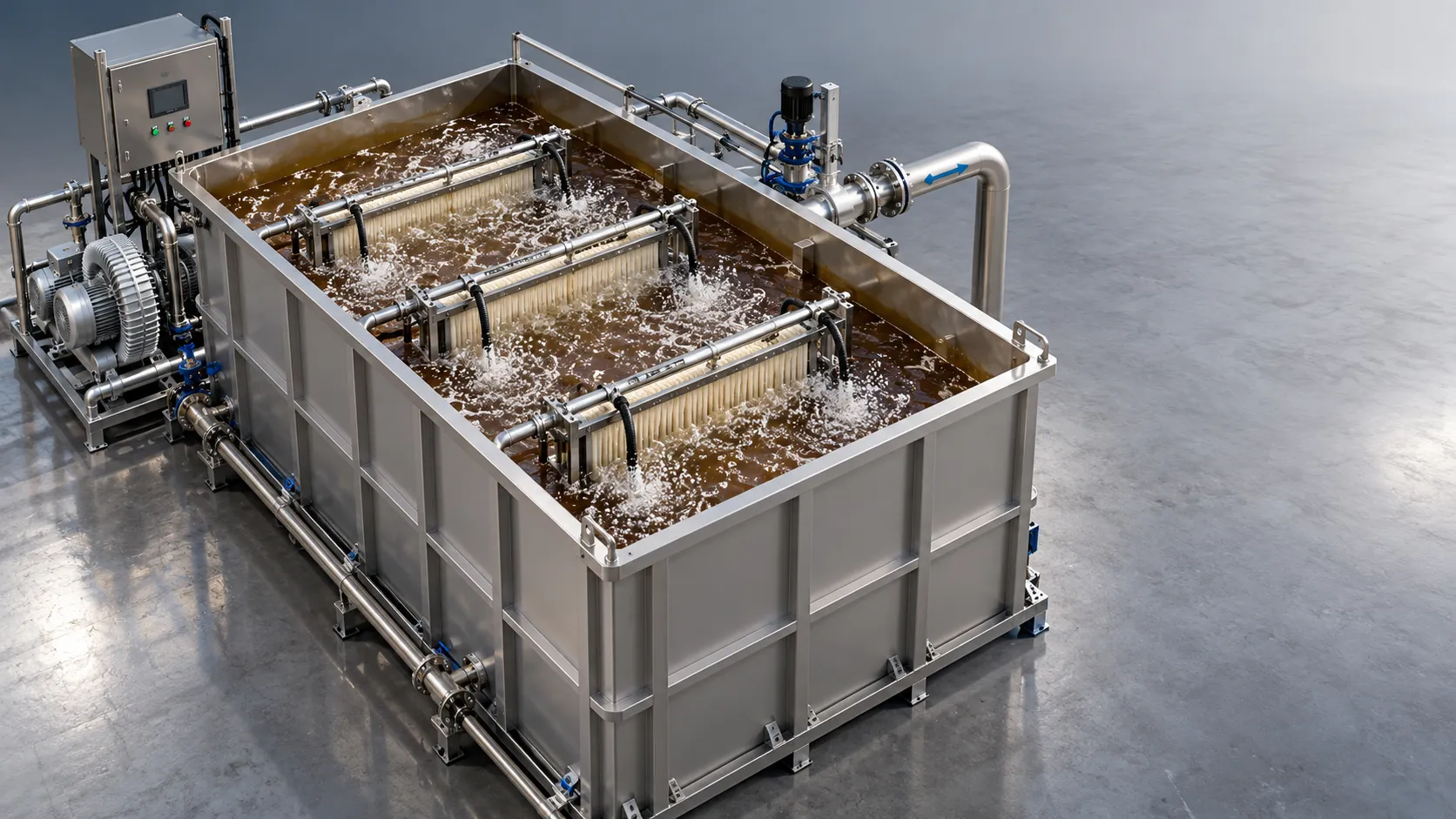
When is an MBR suitable for wastewater purification for bioprocessing?
For wastewater purification for bioprocessing, discover when an MBR fits your needs. Compare water quality, fouling risks, and lifecycle costs before investing.
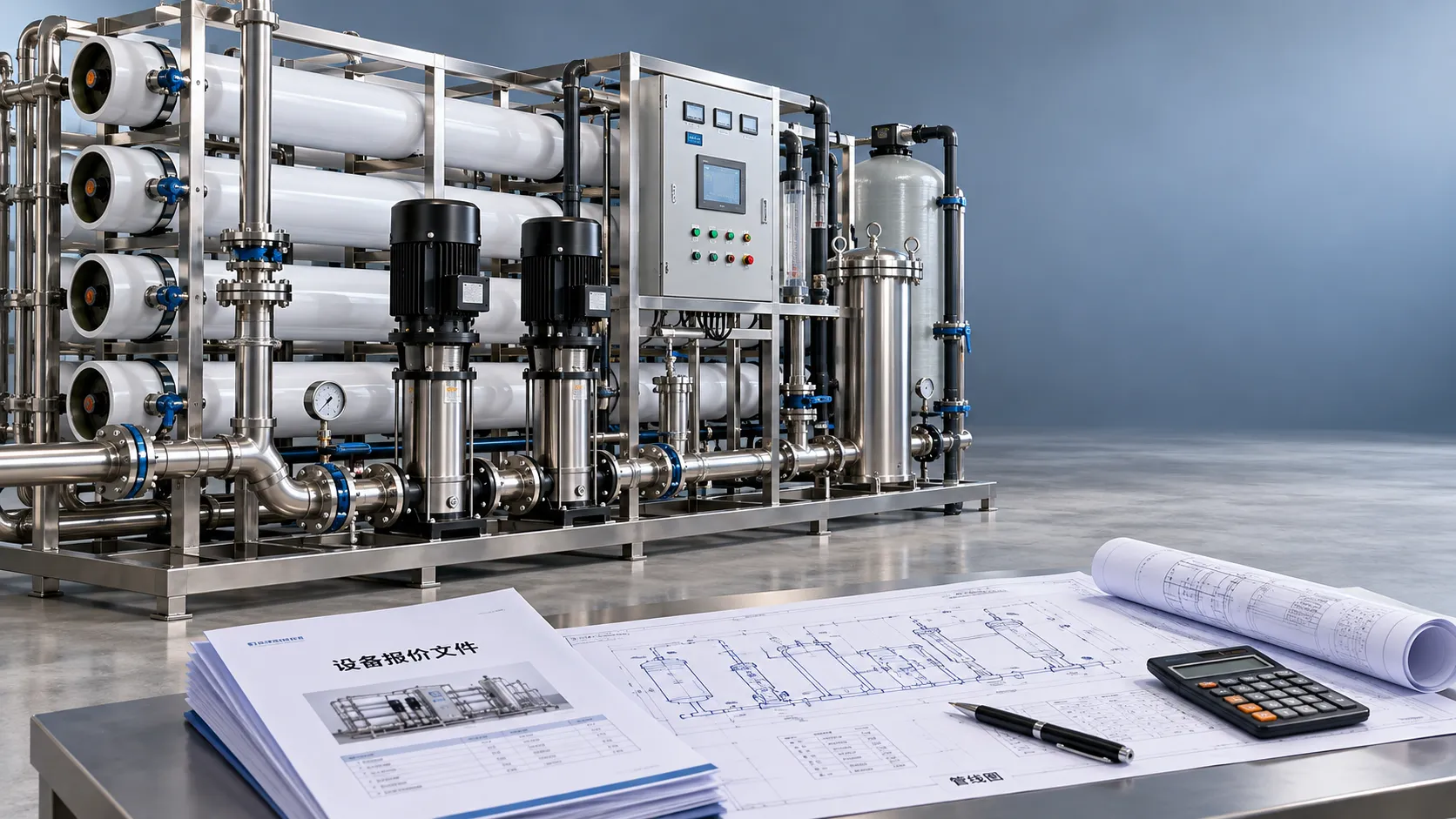
How to check a water treatment quotation for hidden project costs
Review your water treatment quotation for hidden costs, scope gaps, and operating expenses. Learn what to check before signing to protect your budget and avoid costly surprises.
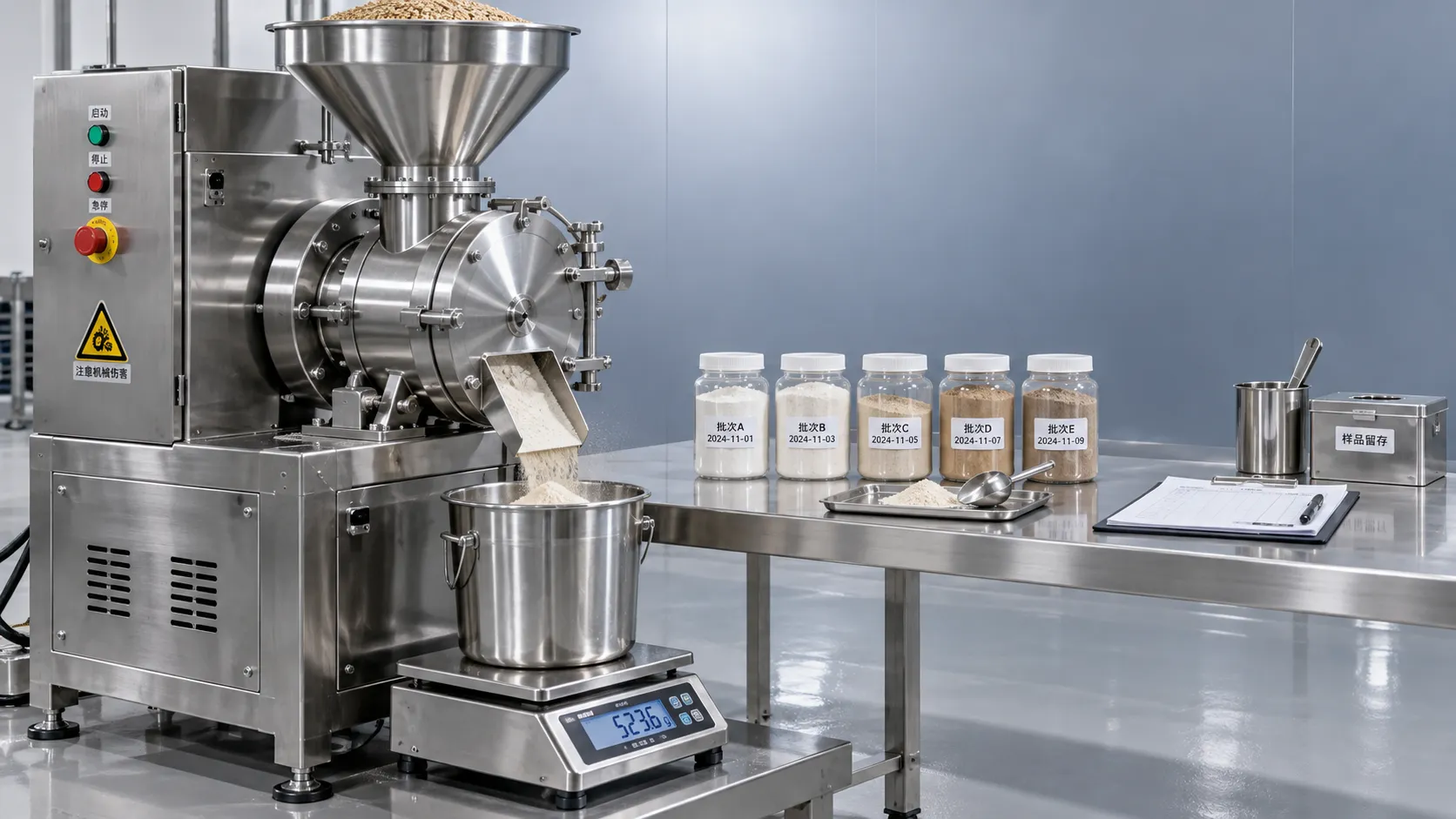
How to vet ingredient processing equipment manufacturers using trials
Vet ingredient processing equipment manufacturers with real-world trials. Learn how to verify yield, cleaning, energy use, and scale-up before you invest.
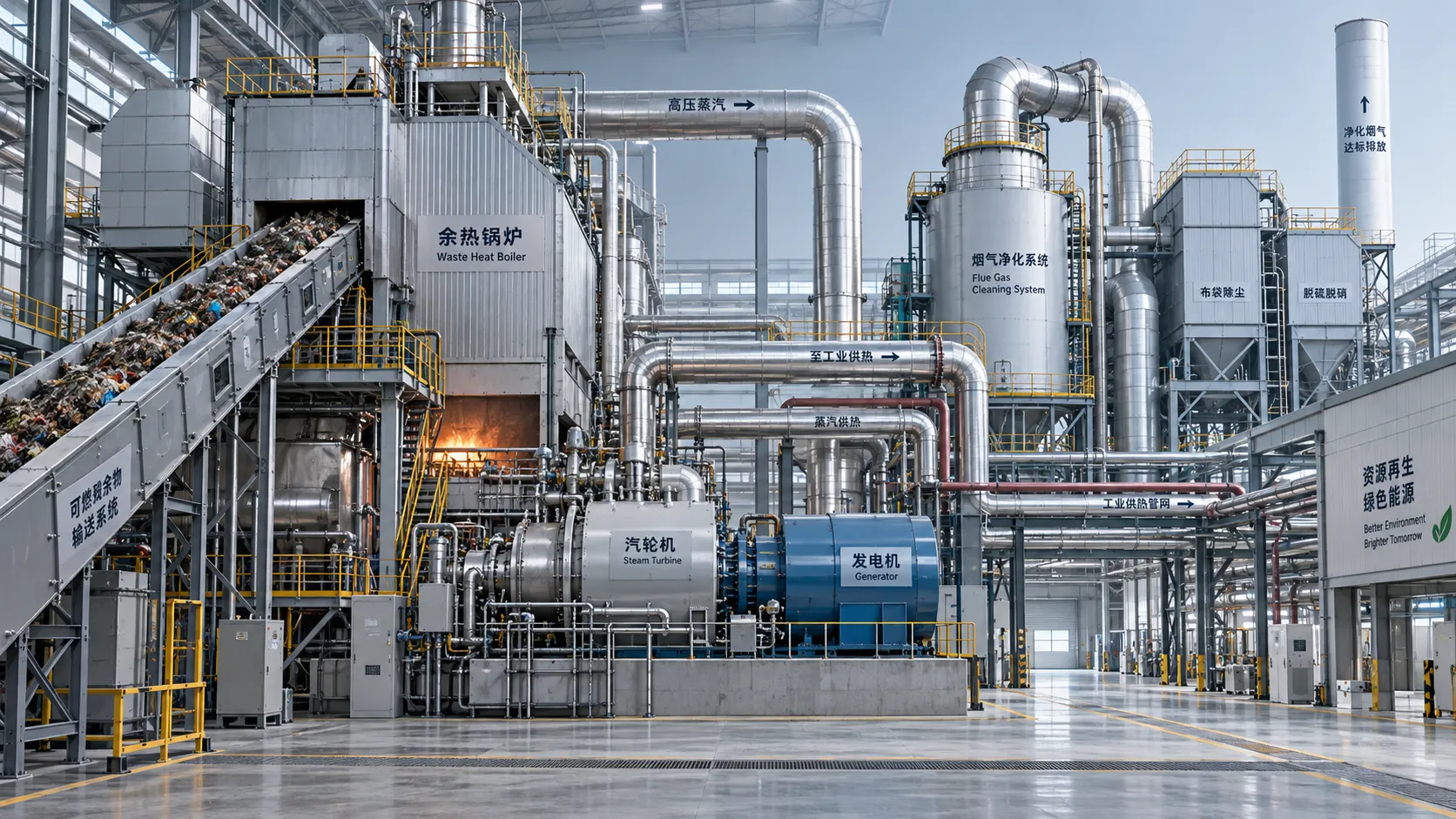
When is energy recovery viable in the solid waste recovery process?
When is energy recovery viable in the solid waste recovery process? Explore feedstock quality, net energy, emissions, and costs to assess feasibility and make smarter investment decisions.
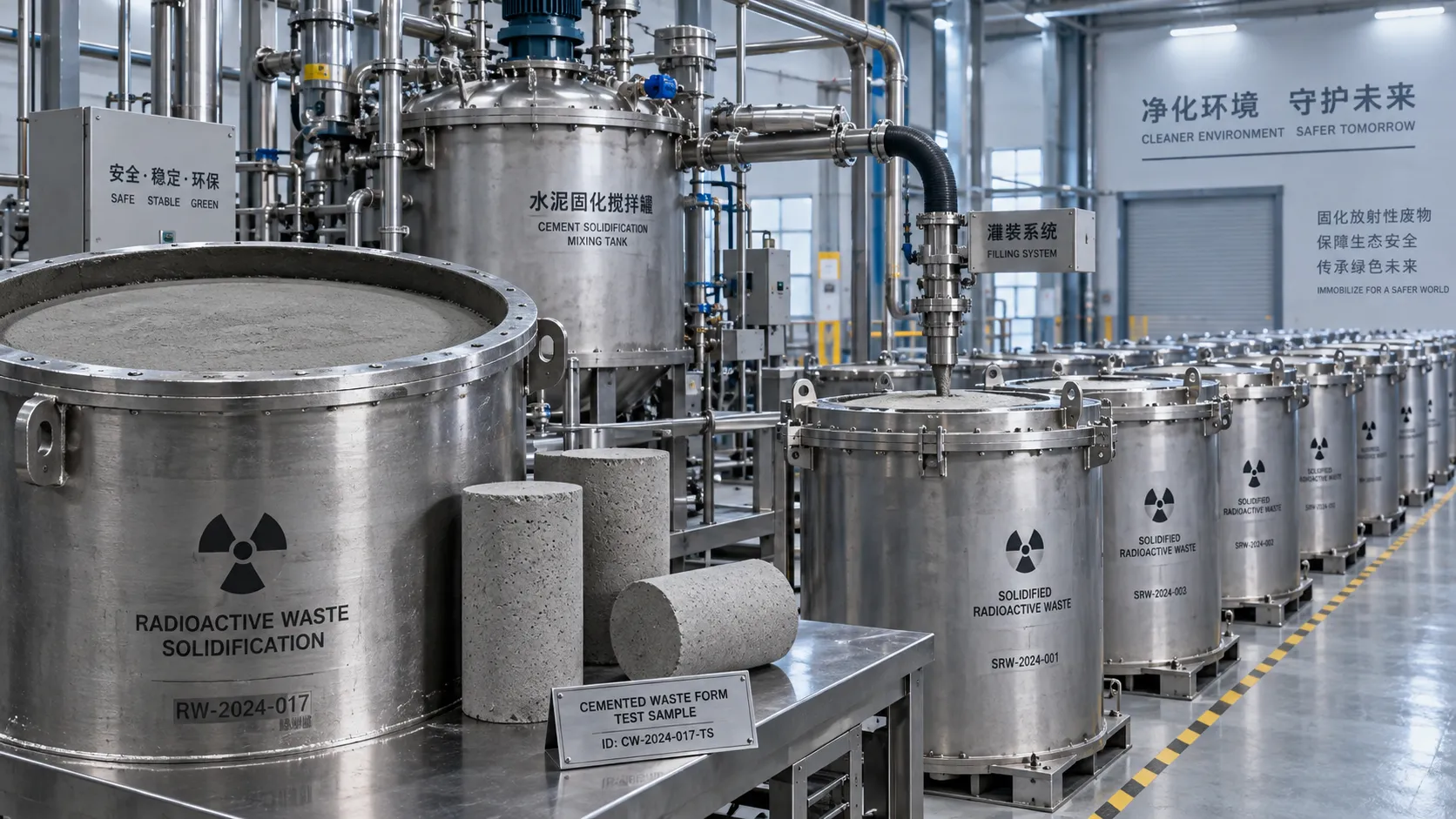
When is cementation suitable for nuclear decommissioning waste?
Explore nuclear waste treatment technology for decommissioning: learn when cementation fits, which risks to assess, and how disposal criteria guide an effective treatment choice.
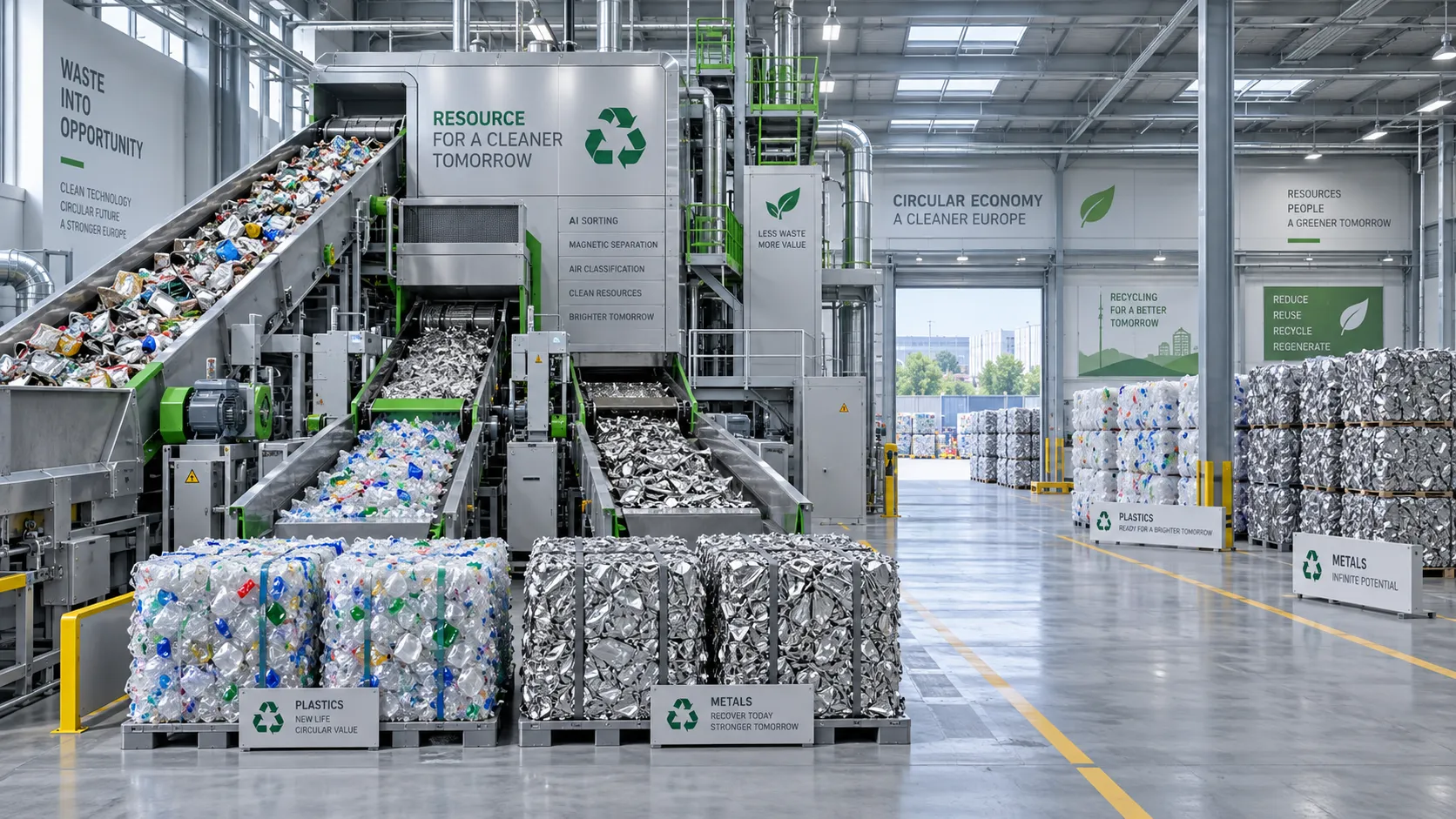
What determines payback for waste-to-resource systems in Europe?
Assess waste-to-resource systems Europe-wide: compare feedstock, recovery yields, costs and contracts to uncover payback drivers and make smarter investment decisions.
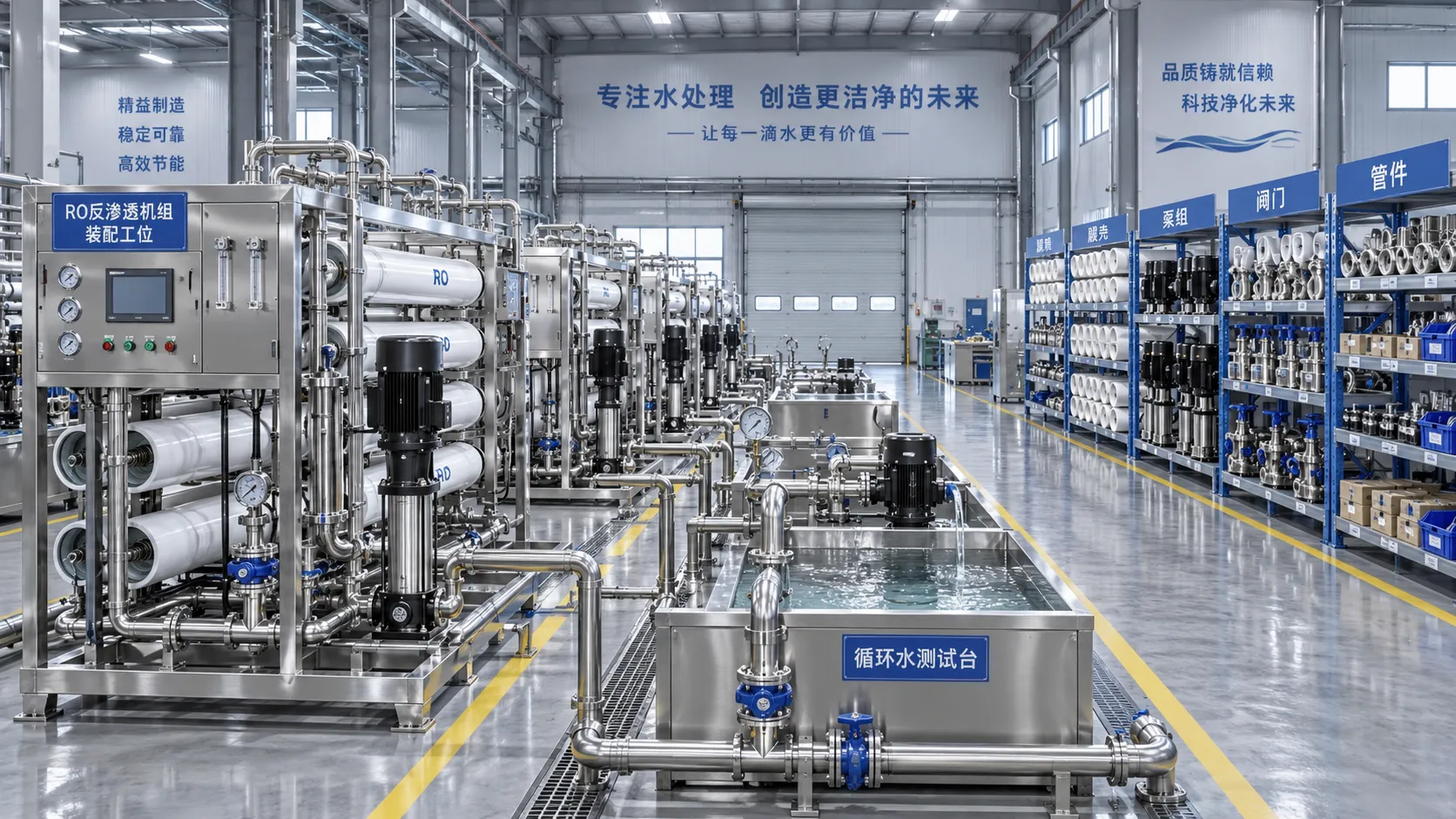
How to verify a water treatment system factory’s production capacity
Verify a water treatment systems factory’s production capacity through records, bottlenecks, component availability, and testing. Learn what to check before accepting a delivery promise.
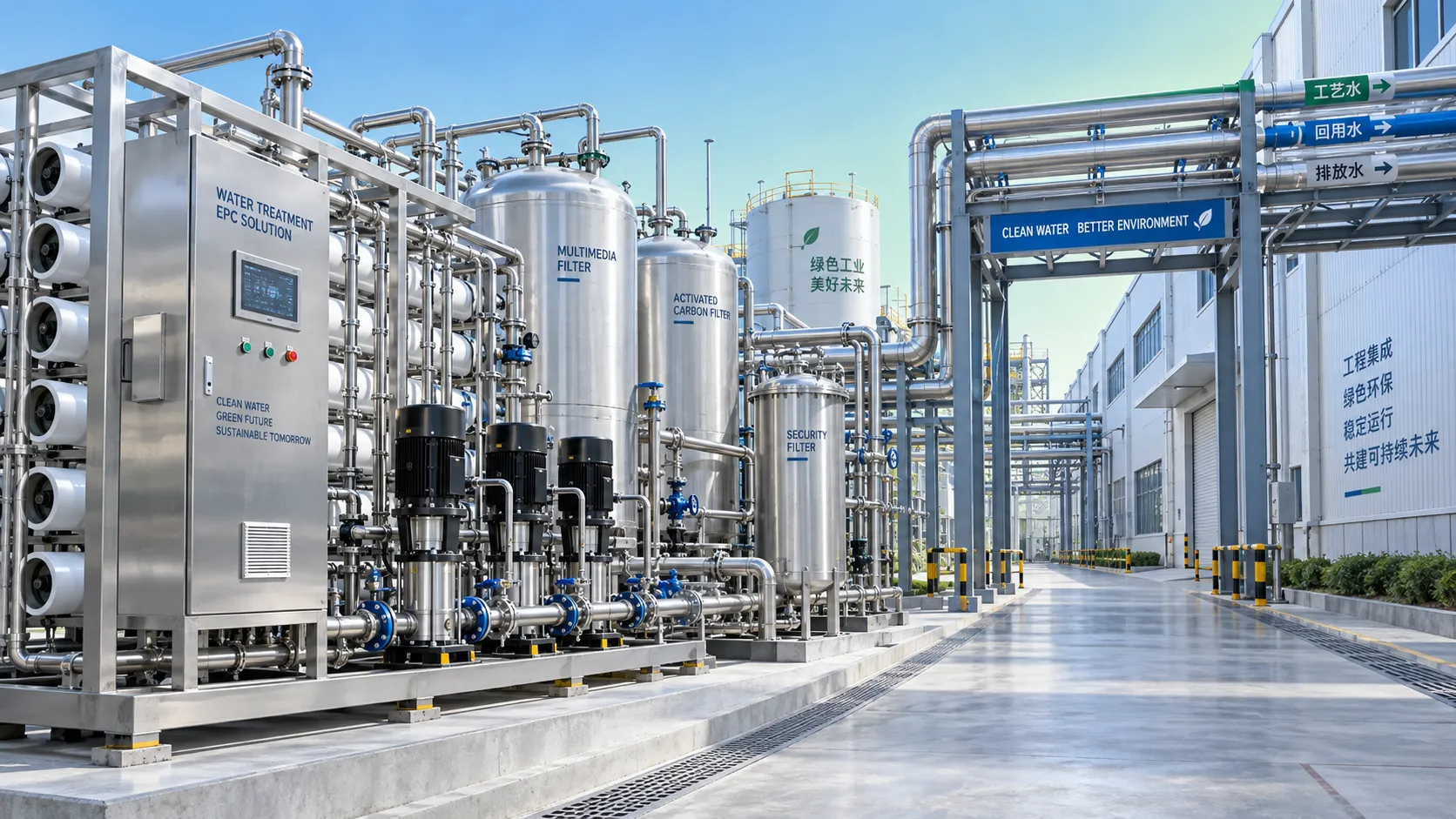
When does EPC environmental project support reduce delivery risk?
EPC environmental project support engineering reduces delivery risk by aligning design, procurement, compliance, construction, and commissioning decisions.
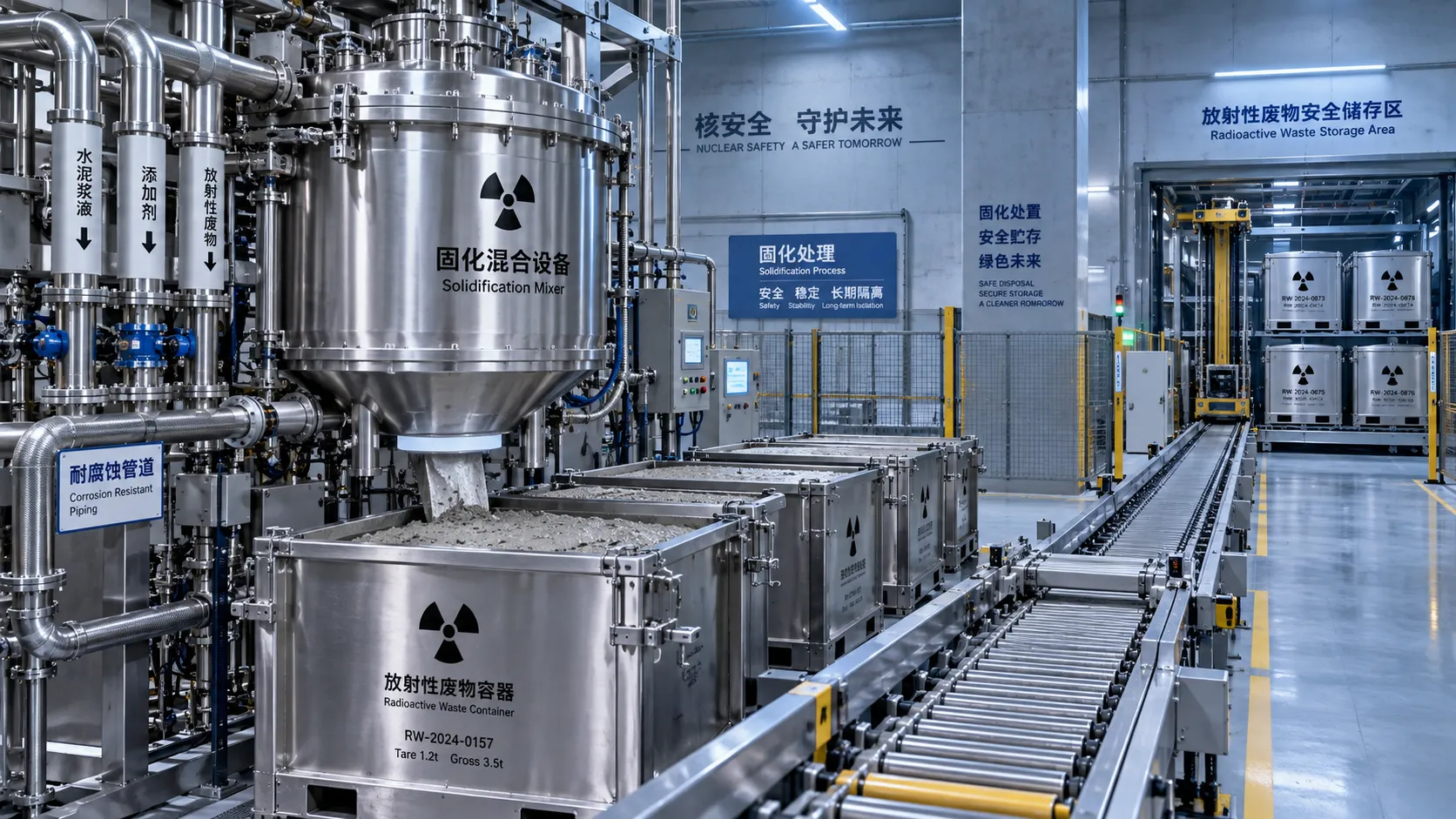
How nuclear plants select a radioactive waste solidification method
Radioactive waste management for nuclear plants: compare vitrification, cementation, polymers, and ceramics to select a compliant, durable solidification solution.