
Industry News
Curation by industry experts
Hot Articles
Popular Tags
Can water reuse systems help meet ISO 14001 environmental objectives?
Can Water Reuse Systems Help Meet ISO 14001 Environmental Objectives?
Can water reuse systems help meet ISO 14001 environmental objectives? Yes—but not simply because a facility installs membranes, biological treatment, or a reclaimed-water storage tank. ISO 14001 does not prescribe a particular technology or a universal water-reuse target. It requires an organization to identify significant environmental aspects, understand compliance obligations, set relevant objectives, control operations, and evaluate whether the environmental management system is working.
A well-designed reuse project can provide strong evidence across all of those areas. It may reduce freshwater abstraction, lower effluent discharge, improve resilience during water restrictions, and create a more controlled route for difficult wastewater streams. Yet the same project can weaken an environmental case if it introduces excessive electricity demand, produces poorly managed concentrate, relies on unstable influent quality, or lacks credible monitoring. For technical evaluators, the question is therefore not “Can this water be reused?” but “Can this reuse system demonstrate a net environmental benefit within the site’s operational and compliance context?”
ISO 14001 is an environmental management framework, not a water technology standard
This distinction matters during both project approval and certification audits. ISO 14001:2015 asks an organization to determine the environmental aspects of its activities, products, and services that it can control or influence. Water use, wastewater discharge, chemical consumption, sludge generation, energy demand, and risks of abnormal operation can all be relevant aspects. The organization then evaluates significance using its own documented criteria, while considering lifecycle perspective and compliance obligations.
A water reuse system becomes useful in this framework when it supports objectives linked to identified significant aspects. A manufacturer in a water-stressed basin may set an objective to reduce dependence on municipal supply. A power plant may seek to reduce blowdown discharge. A municipal operator may need to preserve treated effluent for irrigation or industrial users rather than discharge it to a receiving water body. In high-salinity industrial applications, the objective may be to reduce liquid discharge through a staged recovery and ZLD configuration.
The system itself is not the objective. It is an operational control and, potentially, a means of achieving measurable environmental performance. That is why a polished process-flow diagram is not enough. Auditors and internal reviewers will normally look for the relationship between environmental aspects, objectives, action plans, operating procedures, monitoring results, corrective action, and management review.
Where reuse contributes most clearly
The direct benefit is usually straightforward: treated water replaces a source that would otherwise be withdrawn, purchased, transported, or desalinated. Cooling-tower makeup, washdown, dust suppression, scrubber supply, irrigation, toilet flushing, and some process utilities are common non-potable destinations. Where quality requirements allow it, reuse can turn a constant wastewater liability into an internal utility stream.
There can also be a discharge benefit. If a site recirculates treated water, it may reduce hydraulic loading to a municipal sewer, surface-water outfall, or downstream treatment plant. In constrained catchments, the value of avoiding peak discharge can be as relevant as reducing annual volume. However, reuse does not eliminate the need to manage residual streams. Reverse osmosis concentrate, ion-exchange regenerant, spent activated carbon, filter backwash, biological sludge, and evaporator salts must remain within the environmental aspect assessment.
The strongest ISO 14001-aligned projects are often those that connect water with other environmental dimensions. For example, reclaiming water may reduce chemical demand in a downstream process; conversely, it may require more antiscalant, oxidant control, or membrane cleaning. A treatment train that appears excellent on water recovery alone may be less convincing if it transfers a pollution burden to solid waste, air emissions from thermal treatment, or energy-intensive brine handling.
A useful evaluation lens: avoided impact versus introduced impact
Technical teams should compare what the system avoids with what it adds. Avoided impacts may include freshwater withdrawal, discharge volume, pollutant loading, trucked water, and exposure to supply interruptions. Introduced impacts can include electricity, treatment chemicals, replacement membranes, residuals management, noise, additional storage risk, and maintenance activity. The appropriate balance will vary by site. A reuse system powered by a low-carbon electricity mix may look materially different from the same design operating in a grid with higher emissions intensity.
Start with the reuse destination, not the treatment technology
A recurring project mistake is specifying advanced treatment before defining the required water quality at the point of use. The destination should determine the treatment objective. Water intended for cooling makeup raises different concerns from water intended for boiler feed, membrane rinsing, irrigation, or process contact. Relevant parameters can include turbidity, suspended solids, conductivity, hardness, silica, nutrients, organics, microbiological indicators, residual disinfectant, metals, and specific process contaminants. The required control level also depends on local regulations, customer requirements, equipment warranties, and site risk tolerance.
For many industrial sites, a treatment train may combine equalization, solids removal, biological treatment or oxidation, filtration, and disinfection. Where dissolved salts or trace organics are limiting, nanofiltration, reverse osmosis, ion exchange, or advanced oxidation may be considered. These are not interchangeable blocks. Membrane systems need stable pretreatment and fouling control; biological systems need influent conditions compatible with the biomass; thermal concentration requires careful energy and scaling assessment.
ZLD deserves particular restraint in environmental evaluations. It can be appropriate where discharge is heavily restricted or where high-value water recovery justifies the complexity. But it shifts the design question toward concentrate management, crystallizer operation, salt handling, energy demand, and reliability under varying feed conditions. Calling a project “zero liquid discharge” does not, by itself, demonstrate a superior overall environmental outcome. The entire residuals route must be evaluated.
Objectives need boundaries, baselines, and operational ownership
ISO 14001 expects environmental objectives to be consistent with policy, measurable where practicable, monitored, communicated, and updated as appropriate. A statement such as “maximize water recycling” is directionally positive but difficult to audit. A more defensible objective identifies the relevant facility boundary, water source, intended use, measurement method, reporting frequency, responsible function, and conditions that make the result meaningful.
The baseline is especially important. If production volume changes, absolute freshwater use may rise even when the plant becomes more water efficient. Depending on the operation, reviewers may need both absolute figures and normalized indicators, such as freshwater withdrawal per unit of production, per operating hour, or per defined treatment throughput. No single normalization method fits every sector, but the method should be stable enough to support year-to-year comparison.
For a water reuse system, useful operational indicators often include:
- volume of reclaimed water delivered to each approved end use;
- freshwater withdrawn or purchased for the same defined boundary;
- recovery rate and reject volume, interpreted alongside influent conditions;
- specific energy consumption and key chemical consumption;
- compliance with reuse-water quality limits and discharge obligations;
- unplanned bypasses, off-spec events, alarms, and the corrective actions taken.
These metrics should not be collected merely for an audit folder. They need operational relevance. If membrane differential pressure rises, conductivity trends upward, or microbiological control is lost, the team must know whether reuse should be curtailed, diverted, retreated, or isolated. Clause 8.1 of ISO 14001 addresses operational planning and control; in practice, this means documented criteria, competent operators, maintenance routines, contractor controls, and defined actions for abnormal conditions.
Monitoring is where credible projects separate from attractive concepts
A reuse scheme cannot be managed through occasional laboratory results alone when quality varies rapidly or a downstream process is sensitive. Online flow measurement is fundamental because it establishes the actual reuse volume. Depending on the process and risk profile, online conductivity, pH, turbidity, oxidation-reduction potential, residual disinfectant, total organic carbon, or pressure monitoring may also be relevant. Online instruments do not remove the need for laboratory verification; they create a faster operational signal between scheduled samples.
Instrument governance is often underestimated. Calibration schedules, maintenance records, sample-chain controls, data validation, and retention of trend data all influence whether an organization can rely on its reported performance. A flowmeter that has not been checked, a bypass line without metering, or a manual spreadsheet with unexplained gaps can undermine otherwise sound environmental claims.
Technical evaluators should also test the design against failure modes. What happens during power loss, a chemical dosing fault, a high-COD influent event, membrane integrity concern, biological upset, or storage-tank overflow? Is there segregation between potable and reclaimed-water networks? Are cross-connections controlled and clearly identified? Is off-spec water automatically diverted, and does the diversion route remain compliant? These questions sit at the intersection of environmental risk, occupational safety, and business continuity.
Lifecycle thinking prevents water savings from becoming impact shifting
ISO 14001 does not require a full lifecycle assessment for every water project, but its lifecycle perspective discourages narrow boundary setting. A practical screening can be enough to expose material trade-offs. Compare the source water avoided with the energy used for treatment, the chemicals required for stable performance, the consumables replaced over time, and the fate of concentrates and solids. Where equipment is supplied through an EPC chain, procurement specifications can also address service access, spares, membrane replacement strategy, and the availability of qualified residuals treatment routes.
This is particularly relevant when reuse connects with desalination, flue-gas treatment, or resource recovery. Desalination concentrate, scrubber blowdown, landfill leachate, and high-strength industrial wastewater may each require distinct management logic. The broader environmental system cannot be reduced to one recovery percentage. The most durable decisions examine physical chemistry, operating windows, regulatory requirements, and downstream material flows together.
That cross-disciplinary view is central to the work observed by Global Eco-Shield Dynamics (ESD). Its intelligence coverage spans large water treatment plants, solid-waste recovery, seawater desalination, flue-gas treatment, and nuclear waste management because environmental performance is frequently determined at the interfaces between these systems. A reuse train may change sludge characteristics; a desalination project may change energy planning; a recovery project may introduce wastewater streams that require new treatment controls. Sound evaluation needs those connections to remain visible.
A practical decision before approving the project
Before treating water reuse as evidence of ISO 14001 progress, confirm four points. The environmental objective must address a real and evaluated aspect. The reuse-water specification must be tied to a defined end use and applicable requirements. The monitoring plan must prove sustained performance rather than one-time commissioning success. Finally, residuals, energy, chemicals, and abnormal operations must be included in the environmental assessment.
If those conditions are met, water reuse systems can be far more than a compliance narrative. They become measurable infrastructure for reducing dependence on constrained water sources and improving control over wastewater pathways. If they are not met, the project may still be technically impressive, but its contribution to ISO 14001 environmental objectives will remain difficult to demonstrate. The next review should therefore begin with site water balances, influent variability, end-use quality limits, discharge routes, and the monitoring records needed to defend each environmental claim.
Recommended News
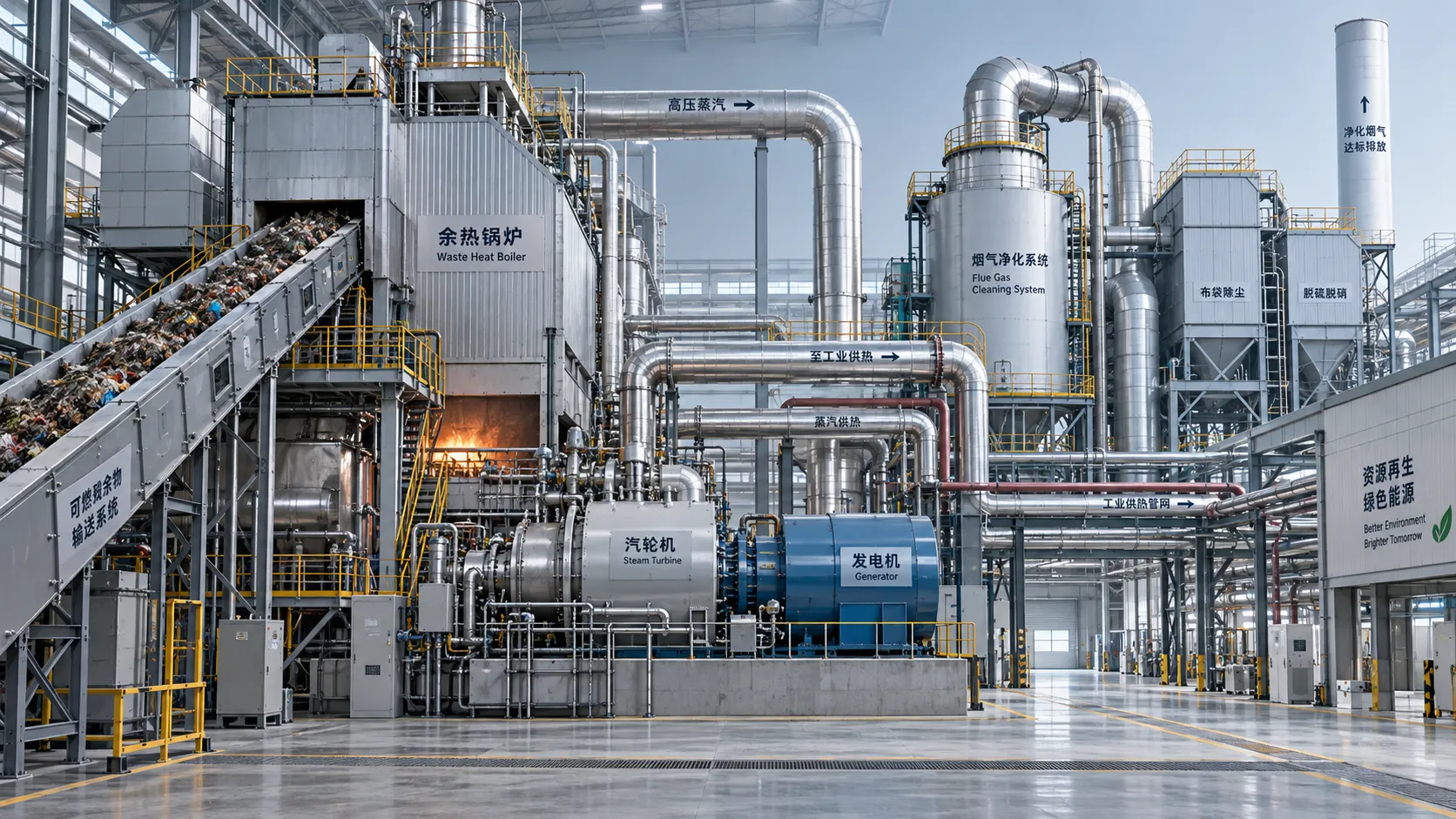
When is energy recovery viable in the solid waste recovery process?
When is energy recovery viable in the solid waste recovery process? Explore feedstock quality, net energy, emissions, and costs to assess feasibility and make smarter investment decisions.
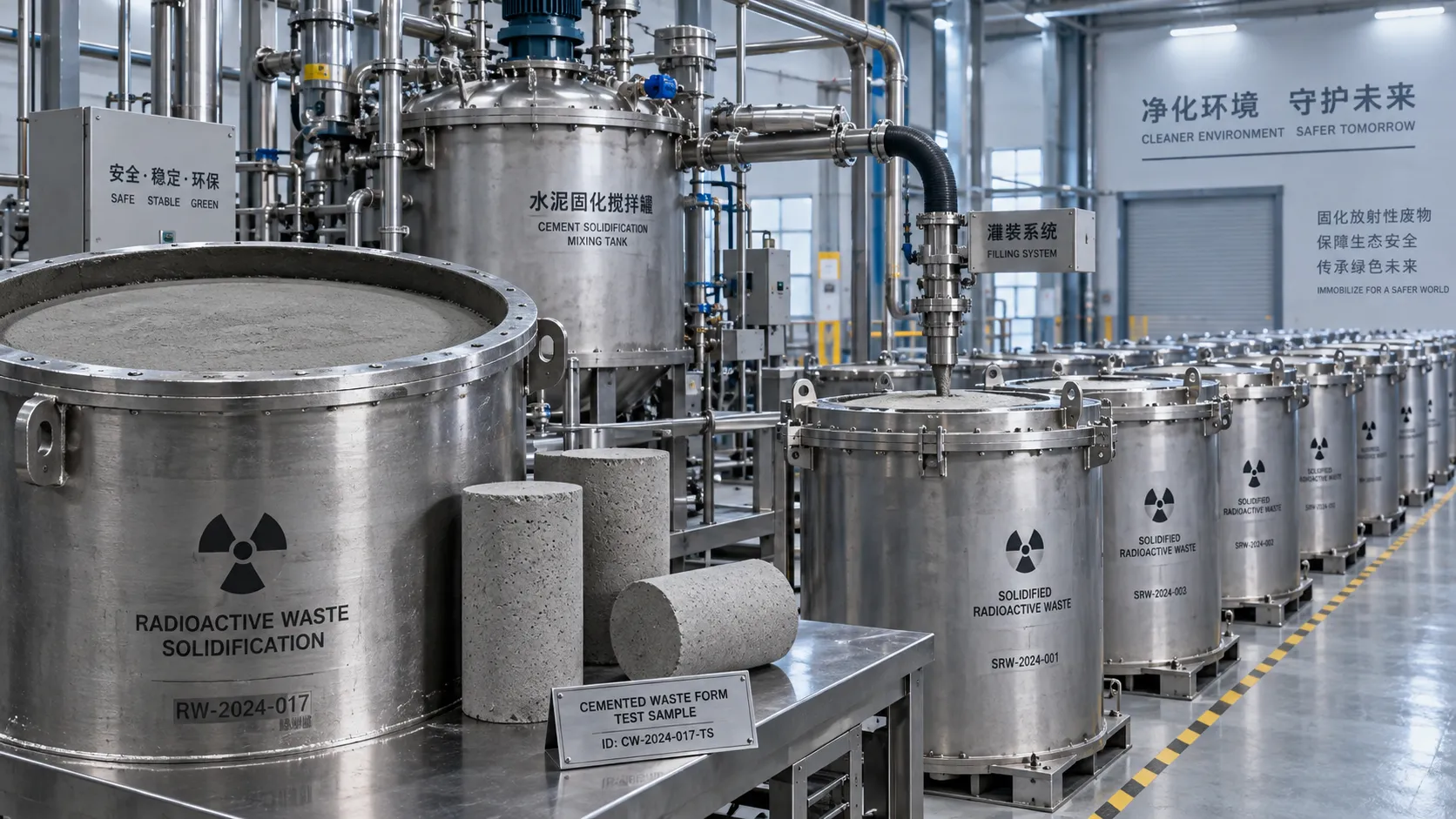
When is cementation suitable for nuclear decommissioning waste?
Explore nuclear waste treatment technology for decommissioning: learn when cementation fits, which risks to assess, and how disposal criteria guide an effective treatment choice.
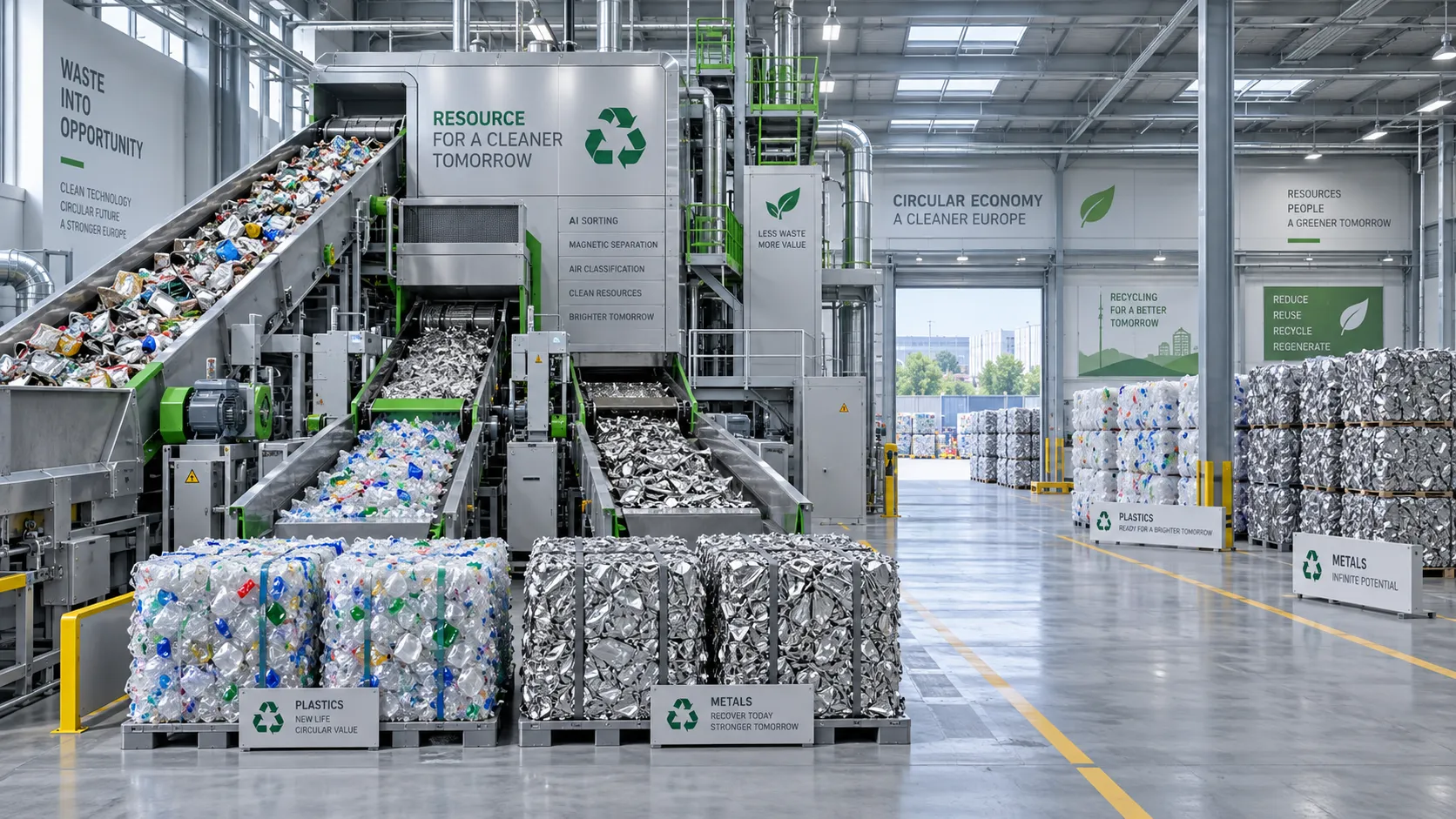
What determines payback for waste-to-resource systems in Europe?
Assess waste-to-resource systems Europe-wide: compare feedstock, recovery yields, costs and contracts to uncover payback drivers and make smarter investment decisions.
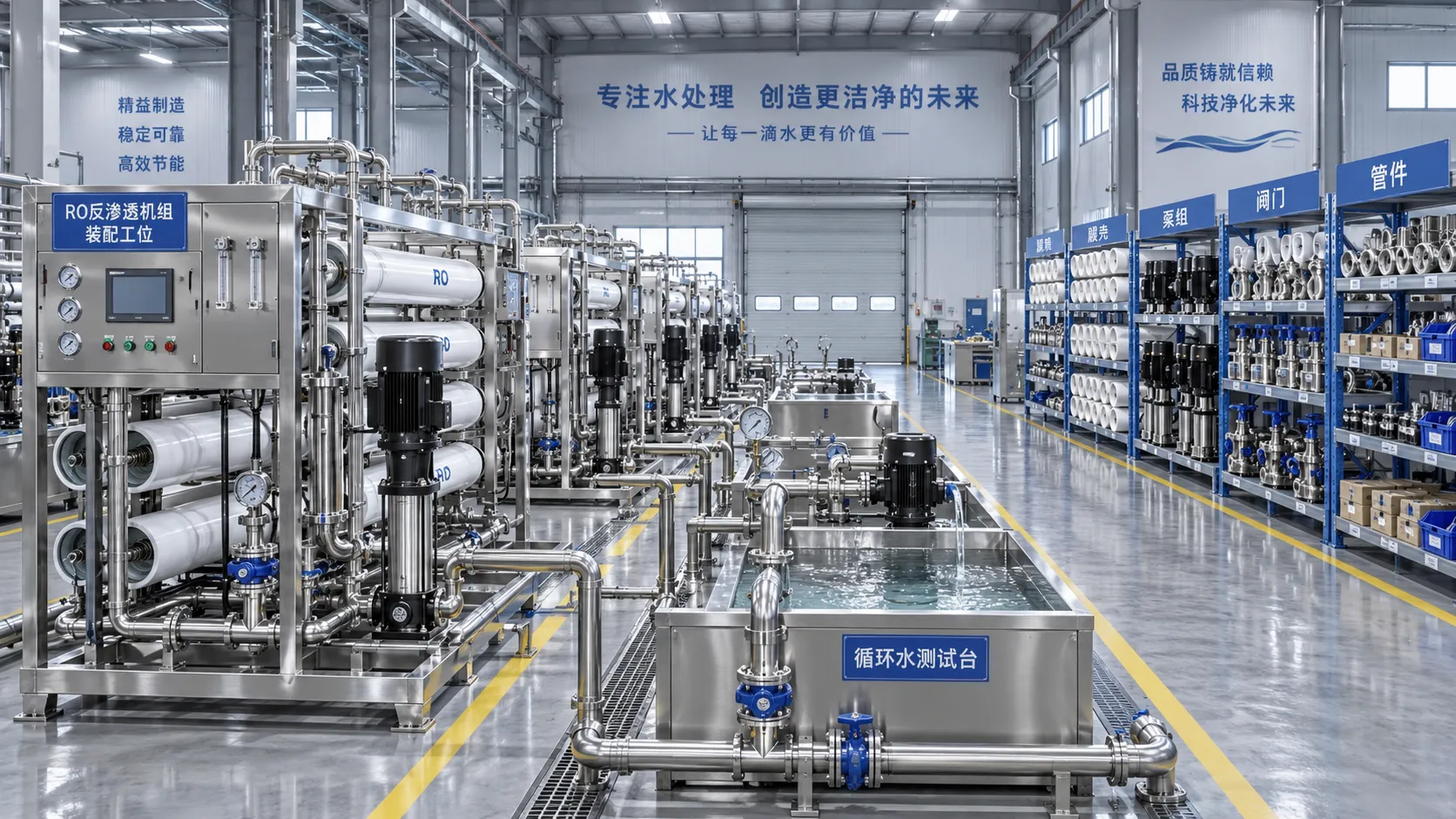
How to verify a water treatment system factory’s production capacity
Verify a water treatment systems factory’s production capacity through records, bottlenecks, component availability, and testing. Learn what to check before accepting a delivery promise.
When does EPC environmental project support reduce delivery risk?
EPC environmental project support engineering reduces delivery risk by aligning design, procurement, compliance, construction, and commissioning decisions.
How nuclear plants select a radioactive waste solidification method
Radioactive waste management for nuclear plants: compare vitrification, cementation, polymers, and ceramics to select a compliant, durable solidification solution.
What Drives the Cost of Wastewater System Upgrades in Industrial Parks?
Costs of wastewater system upgrades in industrial parks: uncover key drivers from influent variability and civil works to sludge, energy, compliance, and lifecycle risk.
Comparing Upgrade Costs for Industrial Park Wastewater Treatment Systems
Compare costs for wastewater system upgrades in industrial parks with a lifecycle view of CAPEX, OPEX, compliance, resilience, and future expansion.
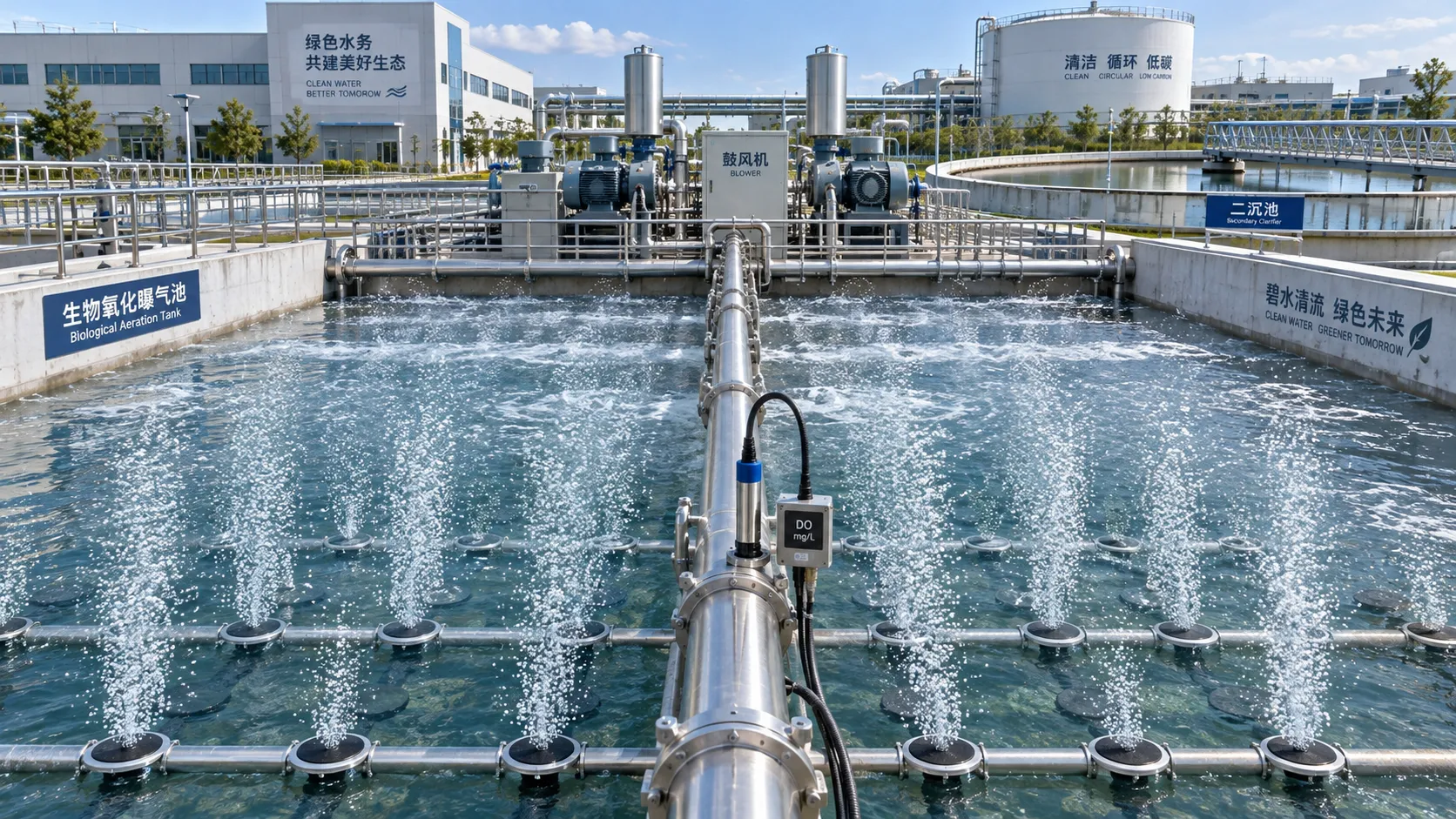
Biological Wastewater Oxidation Explained: Aeration Demand and Process Control
Biological wastewater oxidation explained: optimize aeration demand, DO control, nitrification, and sludge age for stable effluent quality and lower energy costs.