
Industry News
Curation by industry experts
Hot Articles
Popular Tags
How closed-loop resource recovery for electroplating cuts metal waste
How Closed-Loop Resource Recovery for Electroplating Cuts Metal Waste
Closed-loop resource recovery for electroplating is redefining how facilities manage metal-bearing wastewater, reduce hazardous sludge, and strengthen compliance. The practical question is not whether nickel, copper, chromium, zinc, or precious metals can be recovered in principle. It is whether a treatment train can capture them reliably while protecting bath chemistry, maintaining coating quality, controlling operating costs, and moving the site closer to zero-liquid-discharge objectives.
For many plating lines, metal loss does not begin in the wastewater plant. It begins at the process boundary: drag-out from tanks, poorly managed rinse sequences, mixed wastewater headers, inconsistent bath control, and the assumption that every spent stream should be neutralized and sent to sludge handling. That approach may meet a discharge permit in some locations, but it converts potentially recoverable material into a complex hazardous residue. Once several metals, organics, chelants, and precipitating agents are combined, separation becomes more expensive and the reuse options narrow sharply.
A closed-loop approach changes the design logic. Rather than treating all wastewater as a disposal problem, it identifies individual streams by metal concentration, acid or alkali content, contamination risk, and reuse destination. Some liquid is returned to rinsing. Some metal is concentrated for recovery or return to a process bath after appropriate purification. A smaller residual stream is treated for compliant discharge, further concentration, or off-site specialist handling. The objective is not to force every stream into one technology. It is to keep materials sufficiently separated for the most sensible recovery route.
Where the Metal Is Actually Lost
Electroplating operations typically lose metal through drag-out, rinsewater dilution, spent bath components, stripping solutions, filter media, anode residues, and floor washdown. Of these, drag-out is often the most recoverable loss because it is still chemically close to the plating bath. Yet it becomes diluted rapidly when parts move through conventional rinse tanks. The consequence is familiar: a low-concentration but high-volume wastewater stream that is difficult to recover economically and costly to treat.
Counter-current rinsing can reduce this dilution pressure by using cleaner water at the final rinse and cascading it toward the first rinse. When paired with drag-out recovery tanks, compatible rinsewater can sometimes be returned upstream to replenish the plating bath. This is one of the least glamorous elements of resource recovery, but it is often where the economics begin. Recovering metal after it has been diluted across multiple mixed streams requires considerably more separation work than preventing dilution in the first place.
Not every return stream should go directly back to a bath. Organic breakdown products, surfactants, brighteners, complexing agents, oils, suspended solids, and dissolved impurities can accumulate over time. In a high-specification line, a technically recoverable solution may still be unsuitable for direct reuse if it affects deposit appearance, thickness distribution, adhesion, corrosion performance, or downstream customer requirements. Closed-loop design must therefore treat plating quality as a governing constraint, not as an afterthought.
The Treatment Train Should Follow the Stream, Not the Other Way Around
A workable system normally starts with segregation. Copper-bearing acidic rinses, nickel-bearing rinses, chromium-containing streams, cyanide-bearing waste, fluoride-containing effluent, and alkaline cleaners should not automatically share a common equalization tank. Their treatment chemistry differs, and mixing can destroy both recovery value and operational control. Hexavalent chromium, for example, requires careful reduction before conventional precipitation, while cyanide-containing streams demand dedicated management to avoid unsafe reactions and prevent metal complexes from interfering with downstream separation.
The most suitable technologies depend on concentration, flow variability, ionic composition, contaminants, and the intended product. Common building blocks include ion exchange, selective resins, electrowinning, electrolytic recovery, membrane filtration, nanofiltration, reverse osmosis, evaporation, crystallization, chemical precipitation, and electrocoagulation. None is universally superior. Their value lies in how they are sequenced.
An example of sensible sequencing is to use source control and rinse optimization first, then apply selective concentration to a segregated stream, followed by electrowinning or a specialized recovery route where the chemistry supports it. Membrane processes may recover reusable water and concentrate dissolved salts or metals, but they do not eliminate the need to manage the concentrate. In a closed loop, that concentrate is not an inconvenient side issue; it is often the stream that determines whether the design truly reduces waste or merely relocates it.
Why Sludge Reduction Is More Than a Disposal Metric
Conventional hydroxide precipitation remains necessary for many facilities and residual streams. It is robust, familiar, and often appropriate for final polishing. Its limitation is that it captures metals as mixed solids after reagents have been added. The resulting sludge may contain variable concentrations of metal hydroxides, gypsum, polymer, and other contaminants. Its handling, characterization, transport, and disposal can become a persistent operating burden.
Closed-loop recovery does not mean “no sludge.” It means that precipitation is reserved for the fraction that cannot reasonably be retained in circulation, selectively recovered, or reused. A lower sludge burden can reduce disposal exposure, but it also makes plant operation easier to understand. Operators can trace valuable metal to a defined recovery stream rather than seeing it disappear into a mixed filter cake.
This distinction matters when evaluating apparent recovery rates. A system may remove metal effectively from wastewater while producing a sludge that has little practical reuse value. Another system may recover less total mass at the first stage but generate a cleaner concentrate that a qualified recycler can accept. The right comparison is not simply removal percentage. It is the fate of the metal, the mass and classification of residual solids, the water reuse achieved, and the reliability of the full process under normal production variation.
Parameters That Decide Whether the Loop Remains Stable
Technical assessment should begin with a representative stream map rather than vendor technology selection. Sampling needs to capture production shifts, product changes, bath maintenance events, cleaning cycles, and intermittent discharges. Average values alone can conceal the high-load events that overload resins, membranes, electrodeposition cells, or pH control systems.
Several questions deserve close attention:
- Which streams contain a single dominant metal, and which are already mixed?
- What complexes or additives hold metals in solution and reduce precipitation or recovery efficiency?
- Can recovered solution return to the bath, return only to an early rinse, or require external refining?
- What is the minimum water quality needed for each reuse point?
- How will conductivity, pH, oxidation-reduction potential, flow, metal concentration, and tank levels be monitored?
- What happens during a membrane clean, resin regeneration, bath dump, equipment failure, or production surge?
The recovery loop also needs a purge strategy. Recirculation without controlled purging can allow unwanted ions and organic contaminants to build up. This is especially relevant where bath additives are proprietary, where incoming water quality varies, or where multiple substrate types share a line. A controlled purge is not a design weakness. It is often what protects bath stability while keeping the residual volume small enough for high-quality treatment.
Connecting Recovery to Water Reuse and ZLD
Zero liquid discharge is frequently discussed as the endpoint of industrial water management, but for electroplating it should be assessed as a system-wide decision. Thermal evaporation and crystallization can minimize liquid discharge and recover distilled water, yet they introduce energy demand, scaling risks, concentrate handling requirements, and maintenance needs. They are generally most defensible after upstream segregation, drag-out reduction, and selective recovery have already reduced the chemical complexity of the feed.
A facility may not need full ZLD to gain much of the operational benefit. High-quality reuse water for selected rinses, combined with reduced metal loading and a smaller final discharge stream, can be a more practical starting point. The local water balance, discharge restrictions, energy costs, sludge routes, and reliability requirements determine the appropriate endpoint. Treating ZLD as a label rather than a mass-balance exercise can lead to oversized systems and poorly understood residual solids.
This broader perspective is central to the work observed by The Global Eco-Shield Dynamics (ESD). Across industrial wastewater treatment, solid waste recovery, desalination, flue-gas control, and nuclear waste management, the recurring engineering lesson is that containment alone is not enough. Long-term performance depends on understanding where contaminants concentrate, how materials move between units, and whether a residual stream has a defined, controlled destination. Electroplating recovery is a compact but demanding version of the same circular-economy logic.
Avoiding the Most Common Design Mistakes
The first mistake is installing downstream recovery equipment before reducing drag-out and separating streams. A sophisticated recovery skid cannot fully compensate for unnecessary dilution and uncontrolled mixing. The second is evaluating equipment only at steady-state conditions. Plating plants are dynamic: bath dumps, rack changes, maintenance activity, and different production schedules can alter the feed substantially.
Another frequent issue is treating recovered material as automatically equivalent to virgin chemical input. It may be usable, but that must be demonstrated through bath analysis, impurity limits, pilot testing where appropriate, and plating-quality verification. The question is not whether the solution contains the desired metal. It is whether its complete composition is acceptable at the intended reuse point.
Finally, automation should support operating discipline rather than conceal weak process understanding. Online monitoring, interlocks, conductivity control, automated valve sequencing, and historian data can make closed-loop systems far more stable. But manual sampling, laboratory confirmation, calibration routines, and operator response procedures remain essential. The best control strategy is one that makes abnormal conditions visible early enough to prevent contaminated water from entering a sensitive bath or reusable-water tank.
A Better Basis for Evaluation
Closed-loop resource recovery for electroplating cuts metal waste when it is treated as an integrated process design task: reduce drag-out, preserve stream identity, concentrate valuable constituents, recover water where quality permits, and isolate a manageable residual fraction. It is not simply a choice between precipitation, membranes, or electrowinning.
Before committing to a treatment route, build a mass balance for water, metals, acids, salts, and additives; define the quality limits for each reuse destination; and review the credible upset scenarios alongside normal operating conditions. ESD’s strategic intelligence perspective is useful here because compliance trends, circular-resource expectations, and equipment reliability are increasingly connected. A recovery system should be judged not by how advanced it appears on a process diagram, but by whether it keeps metal out of waste, protects the plating line, and gives every concentrate, purge, and solid residue a clear destination.
Recommended News
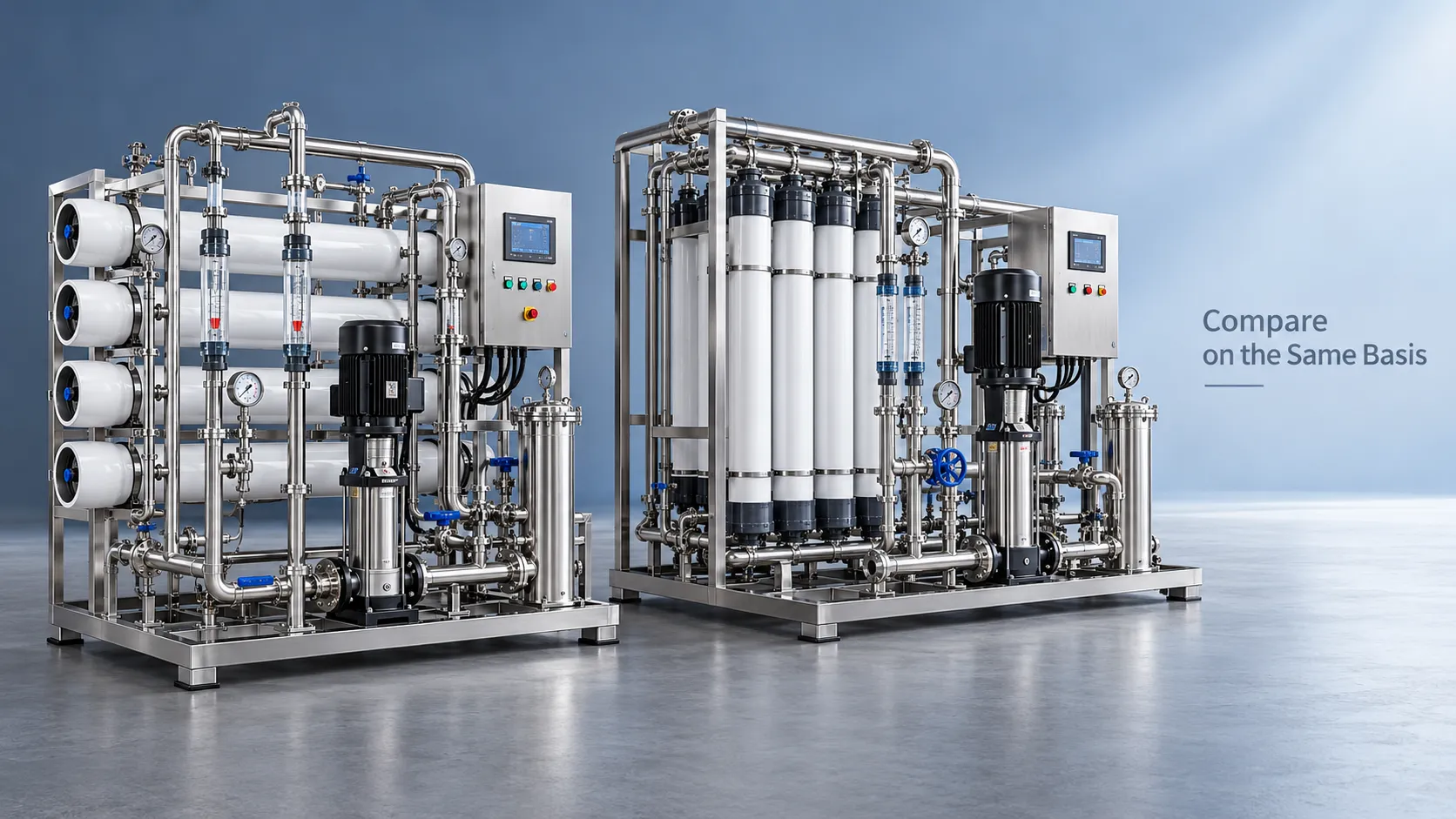
How to compare technical specs in an environmental equipment directory
Use this environmental equipment directory technical guide to compare capacity, energy use, compliance, and supplier evidence. Build a defensible shortlist and choose with confidence.
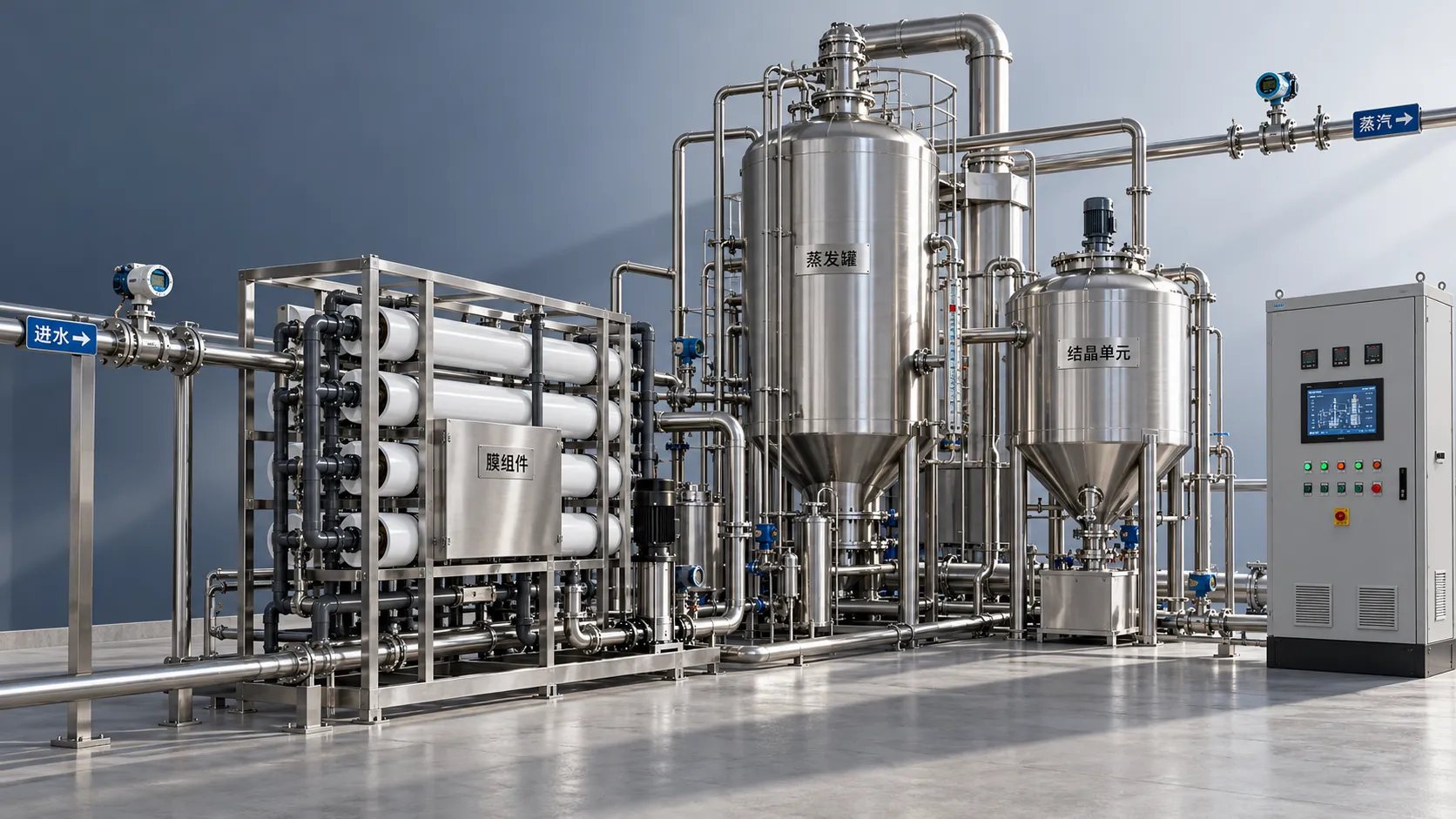
How to assess a zero liquid discharge equipment supplier’s energy claims
Assess a zero liquid discharge equipment supplier’s energy claims. Learn how to verify system boundaries, compare real costs, and demand testable guarantees before you buy.
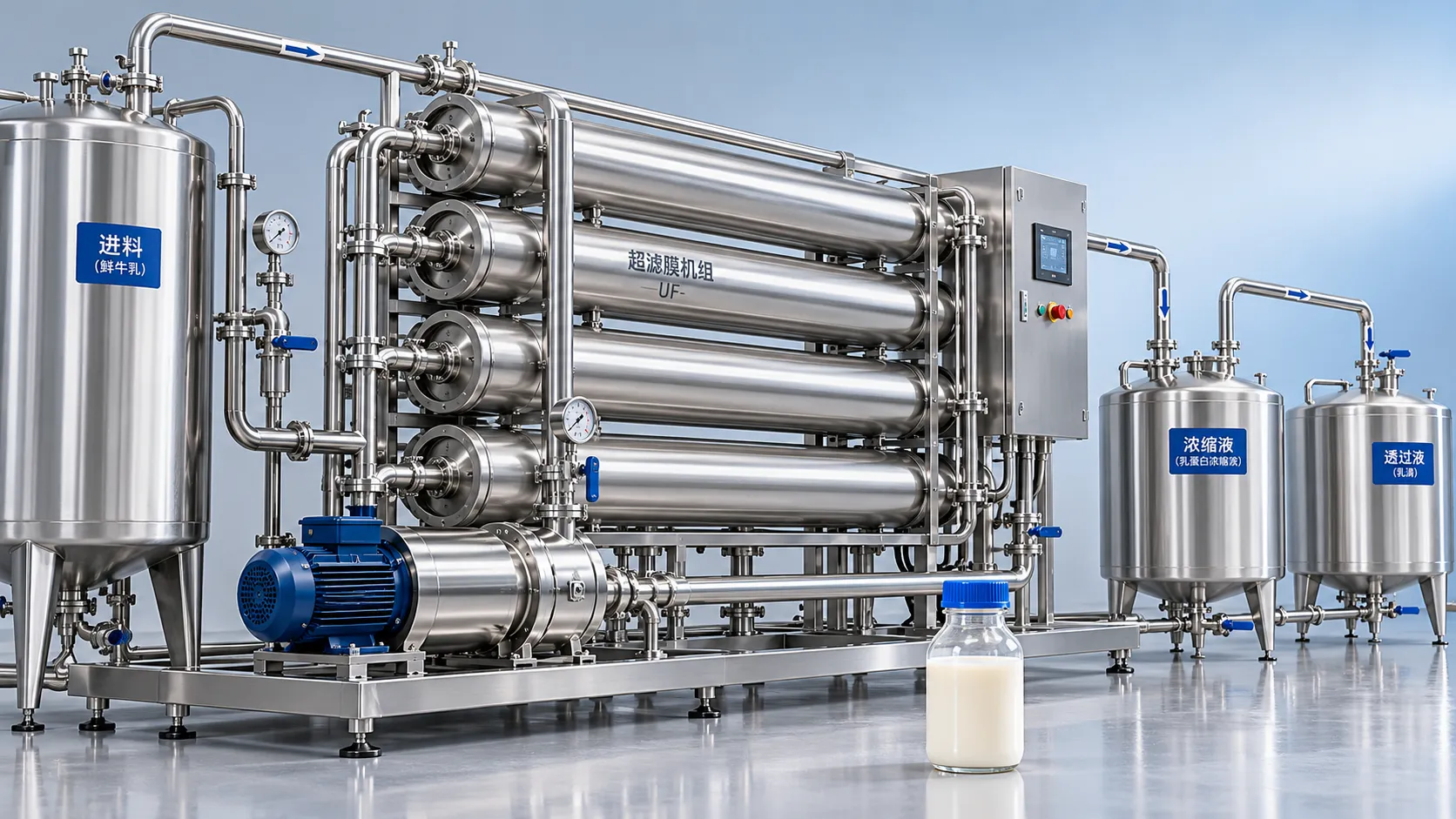
Which membrane filtration process suits dairy protein concentration?
Explore membrane filtration for dairy: compare UF, MF, and RO to select the right process for protein concentration, lactose reduction, and better recovery. Find your best fit.
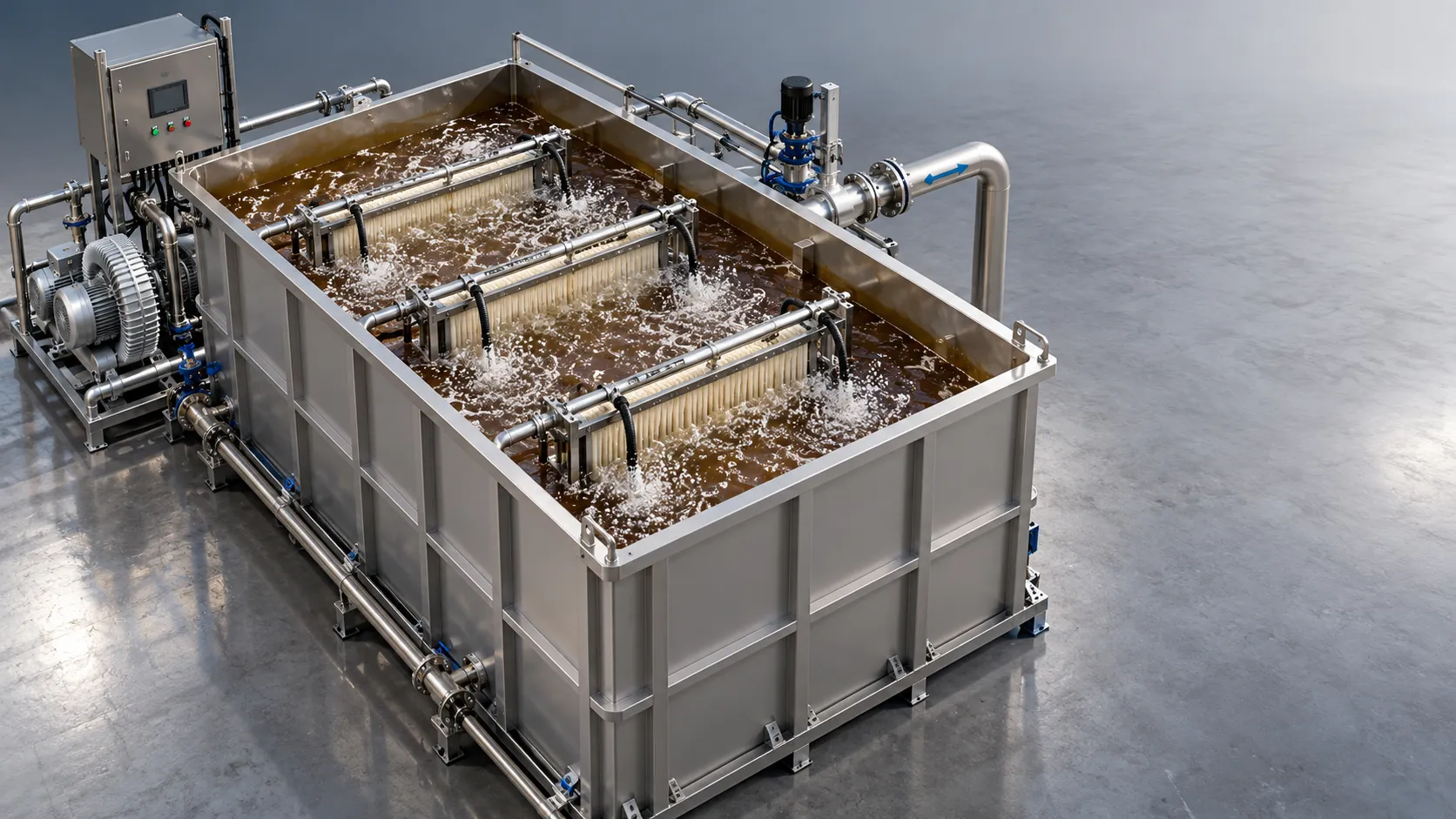
When is an MBR suitable for wastewater purification for bioprocessing?
For wastewater purification for bioprocessing, discover when an MBR fits your needs. Compare water quality, fouling risks, and lifecycle costs before investing.
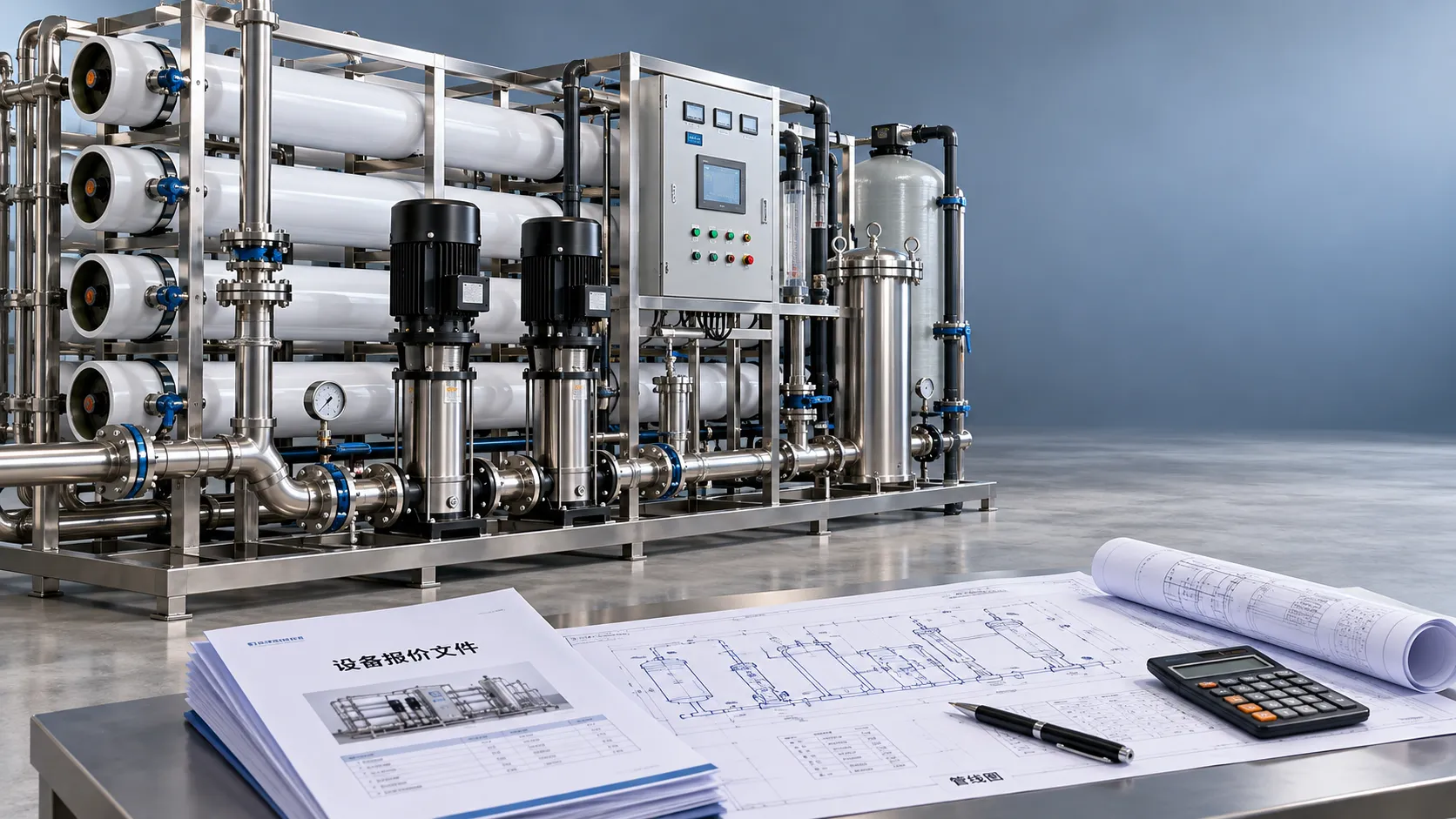
How to check a water treatment quotation for hidden project costs
Review your water treatment quotation for hidden costs, scope gaps, and operating expenses. Learn what to check before signing to protect your budget and avoid costly surprises.
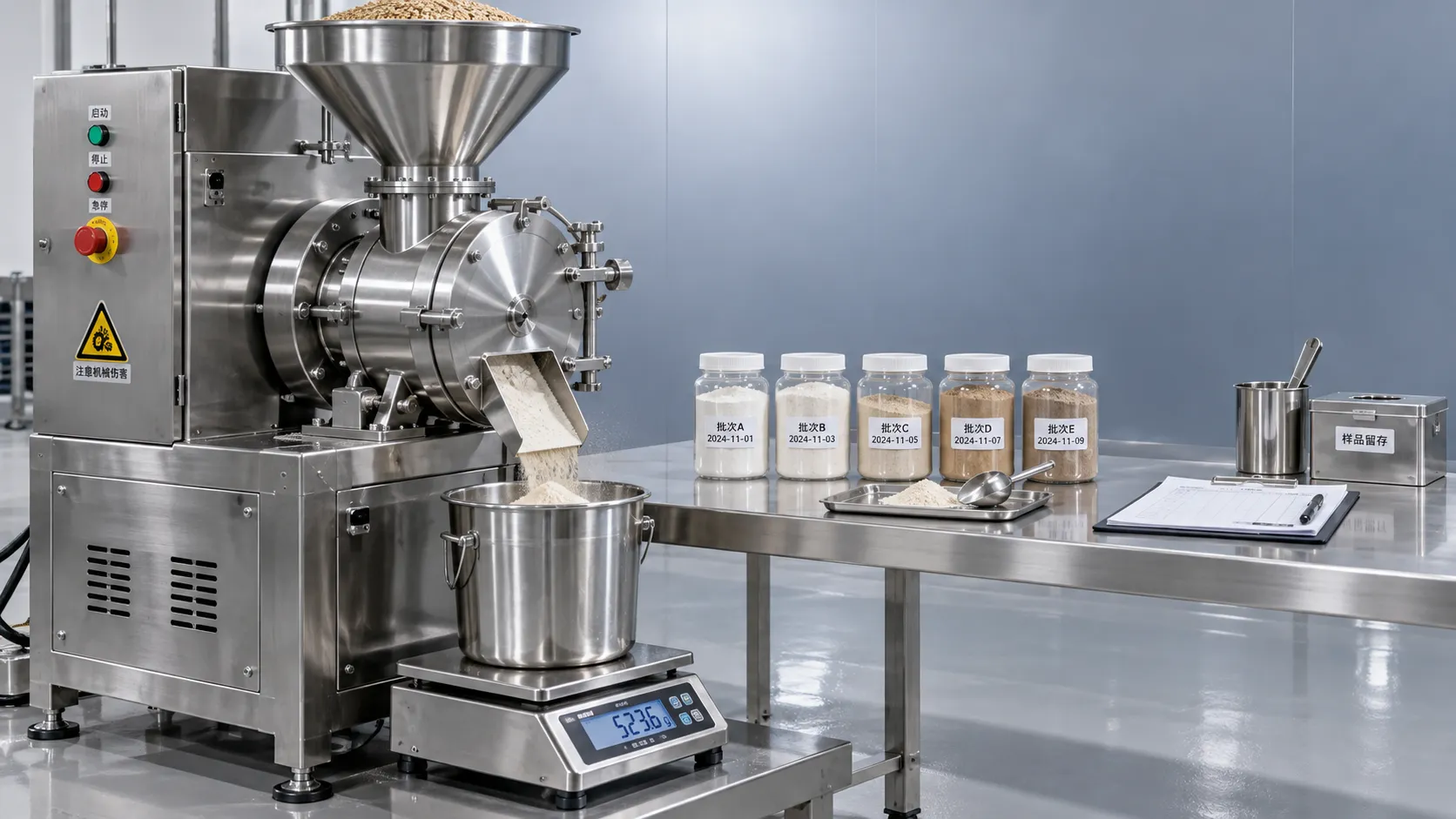
How to vet ingredient processing equipment manufacturers using trials
Vet ingredient processing equipment manufacturers with real-world trials. Learn how to verify yield, cleaning, energy use, and scale-up before you invest.
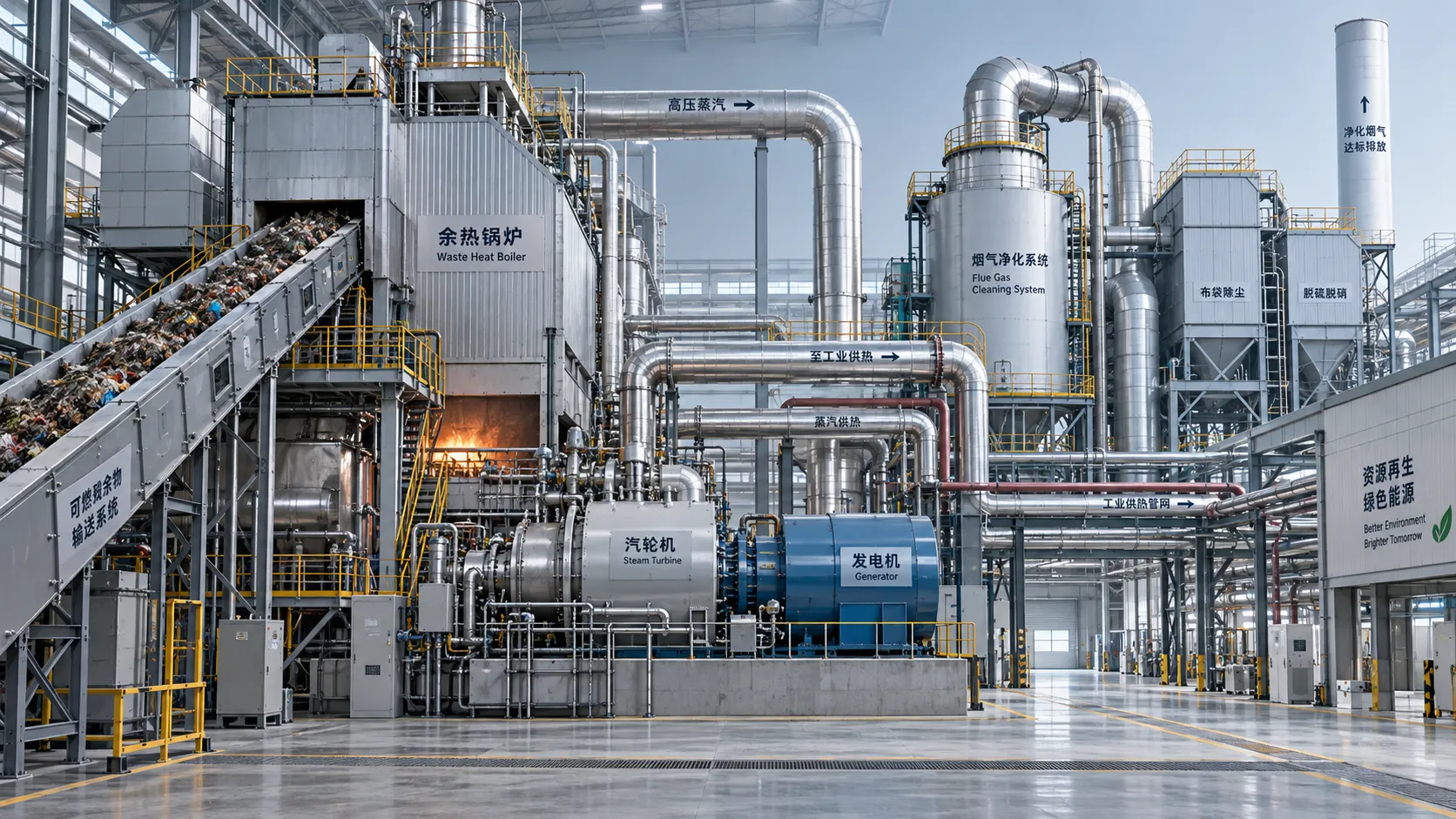
When is energy recovery viable in the solid waste recovery process?
When is energy recovery viable in the solid waste recovery process? Explore feedstock quality, net energy, emissions, and costs to assess feasibility and make smarter investment decisions.
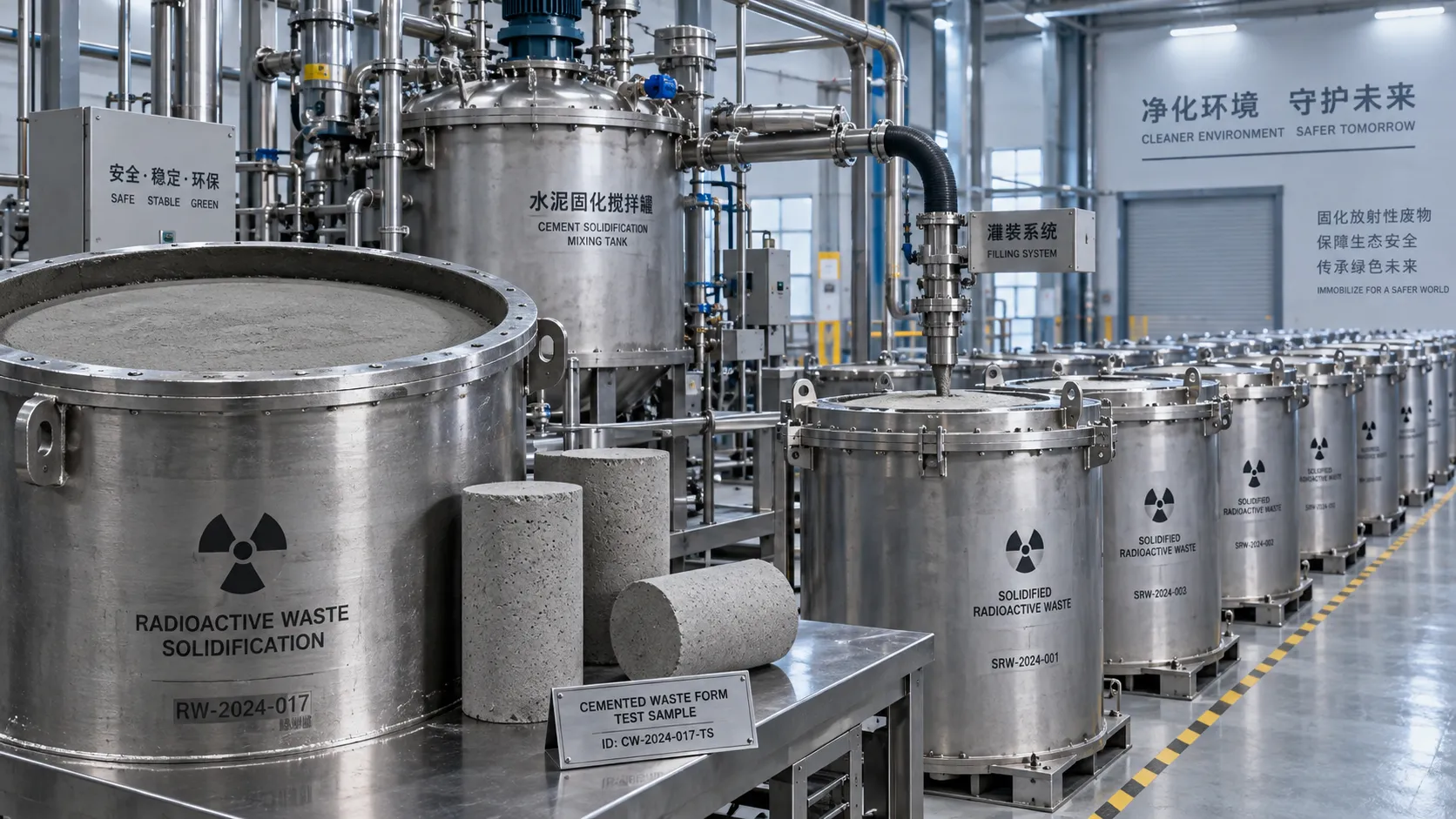
When is cementation suitable for nuclear decommissioning waste?
Explore nuclear waste treatment technology for decommissioning: learn when cementation fits, which risks to assess, and how disposal criteria guide an effective treatment choice.
What determines payback for waste-to-resource systems in Europe?
Assess waste-to-resource systems Europe-wide: compare feedstock, recovery yields, costs and contracts to uncover payback drivers and make smarter investment decisions.