
Industry News
Curation by industry experts
Hot Articles
Popular Tags
When do automated solid waste treatment systems justify the investment?
A transfer station facing longer truck queues, a materials recovery facility losing value to contamination, or an industrial site paying escalating disposal fees usually reaches the same question: is automation a capital expense that improves the operation, or an expensive layer of machinery around an already difficult waste stream? Automated solid waste treatment systems justify the investment when they solve a defined operating constraint that can be measured over the system’s working life—typically unstable labor availability, insufficient throughput, poor recovery quality, high contamination, difficult compliance reporting, safety exposure, or avoidable landfill and transport costs.
The strongest business case is rarely “automation will make the plant modern.” It is that a specific bottleneck has become costly enough that manual sorting, intermittent control, or fragmented handling cannot manage it reliably. Before approving equipment, the buyer should identify where value is currently being lost, establish a credible baseline, and test whether automation can improve that condition without creating an unmanageable maintenance burden.
Start with the problem that is already affecting the operation
Waste facilities often consider automation after a visible event: labor shortages reduce shifts, incoming material changes, recyclables are rejected by downstream buyers, or a permit condition requires more consistent operating records. Those triggers are useful, but they should be translated into operational terms before a technology decision is made.
For example, a site may believe it needs optical sorting because recyclable output is poor. The actual issue may be inconsistent feed presentation caused by bagged waste, oversized items, inadequate screening, or an overloaded conveyor. In that case, adding sensors without correcting upstream preparation can produce disappointing recovery rates. Similarly, a facility may focus on replacing manual picking when the larger cost comes from unplanned downtime in compaction, shredding, or conveying.
A practical investment review begins by mapping the material flow from receipt to final output:
- What waste types arrive, and how much do their composition and moisture vary?
- Where do queues, blockages, rehandling, and waiting time occur?
- Which materials are landfilled, sent for energy recovery, recycled, or rejected?
- Where are workers exposed to sharp objects, dust, traffic, repetitive movement, or hazardous material uncertainty?
- Which measurements are estimated rather than captured through weighing, sensors, or process records?
- What causes stoppages, and how often can the operation continue at reduced capacity?
The answer may point toward an automated sorting line, but it may also support a narrower intervention: automated feed control, a better bag-opening stage, robotic picking at one quality-critical point, sensor-based contamination detection, automated baling, or supervisory software connecting existing equipment. A focused upgrade can be more defensible than replacing an entire line when the constraint is localized.
When the financial case becomes credible
Capital cost alone does not determine whether automated solid waste treatment systems are worthwhile. The relevant comparison is between the total cost of continuing with the present operating model and the total cost of owning, operating, maintaining, and eventually renewing the automated system. That comparison should include costs that do not appear on a single equipment budget.
A buyer should avoid treating every projected gain as certain. Revenue from recovered material depends on specifications, contamination limits, storage conditions, transportation, and the availability of buyers. Labor savings may not mean immediate headcount reduction; staff may be redeployed to quality control, maintenance, traffic management, or tasks that remain difficult to automate. These factors are not reasons to reject automation. They are reasons to build the financial model around realistic operating changes rather than theoretical maximum performance.
The investment case is generally stronger when several value drivers reinforce one another. A system that only saves a small amount of labor may be hard to justify. A system that improves worker safety, stabilizes throughput, captures process data, lowers residual disposal, and produces more consistent recyclable fractions has a broader basis for approval.
Feedstock variability sets the boundary of performance
The most advanced sorting equipment cannot create consistency from a feed stream that has not been characterized. Municipal solid waste, commercial waste, construction debris, industrial by-products, and mixed packaging streams each require different handling logic. Seasonal variation, weather exposure, source-separation behavior, and collection methods can alter material properties substantially.
Before selecting technology, examine representative samples across ordinary and difficult operating periods. The review should consider particle size distribution, film plastics, black or dark materials, moisture, organic content, glass breakage, textiles, wires, batteries, bulky items, and hazardous contaminants. It should also distinguish between material that is technically detectable and material that can be physically separated at production speed.
Automation commonly works best after the feed has been prepared. Screens may divide material by size; ballistic separation may distinguish flat from rolling fractions; magnets and eddy-current separators can remove ferrous and non-ferrous metals; air separation can manage light fractions; bag openers can release contained material. Optical sensors, robotic pickers, and automated quality-control stations are usually more effective when positioned after these basic conditioning stages.
This is why procurement specifications should not merely state a desired output purity or hourly capacity. They should define the expected input condition, unacceptable materials, peak-load assumptions, bypass arrangements, and the method used to verify performance. Without those definitions, suppliers and operators can interpret capacity in very different ways.
Choose the degree of automation, not just the equipment category
There is a wide gap between a fully automated processing facility and a conventional line with selected automated controls. The right choice depends on the maturity of the existing operation, available technical staff, waste composition, and tolerance for downtime during installation.
Targeted automation
Targeted automation is appropriate when one stage causes most of the cost or risk. Examples include automated conveyor control to prevent surges, optical sorting for a valuable material fraction, robotic picking for repetitive quality tasks, automated bale monitoring, or sensors that identify process deviations. This approach limits capital exposure and allows the organization to validate performance before expanding the system.
Integrated line automation
An integrated approach makes sense when multiple equipment stages are aging, material flow is poorly balanced, and the facility lacks reliable data on where losses occur. A coordinated line can connect feed rate, sorting decisions, reject handling, storage, and reporting. However, integration introduces more dependencies. A failure in controls, communications, or a critical upstream machine may affect the entire process unless redundancy and manual fallback procedures are designed in from the start.
High-autonomy operation
High-autonomy systems are most defensible where throughput is consistently large, input material is reasonably understood, and the organization can support disciplined maintenance and controls management. They should not be selected simply to reduce visible labor. Operators remain essential for oversight, safety intervention, quality verification, maintenance coordination, and handling conditions the system was not designed to classify.
Do not underestimate operating readiness
Automated equipment changes the operating model. A site that previously relied on mechanical repair skills may need technicians who can troubleshoot drives, sensors, pneumatics, programmable controls, networks, and machine-vision interfaces. The system’s uptime will depend not only on design quality but also on spare-parts strategy, remote-support arrangements, cleaning routines, calibration procedures, and the ability to isolate a fault without stopping the entire facility.
Ask prospective providers to explain routine tasks in operational detail. Which components require daily inspection? How are sensors cleaned when dust, moisture, or residue builds up? Which wear parts should be stocked on site? Can a single sorting unit be bypassed? What happens when detection confidence falls below a threshold? How are software updates controlled and documented? Who has authority to change sorting recipes or operating parameters?
These questions reveal whether a proposal is designed for real waste-processing conditions rather than an idealized demonstration environment. They also help compare alternatives that appear similar on capital cost but differ sharply in service needs and production risk.
Compliance value is often indirect, but still material
Environmental and safety obligations can make automation more attractive even when the direct payback is moderate. Facilities may need dependable records of incoming tonnage, material destinations, residue generation, operating interruptions, and emissions-control status. Manual records can be adequate in simple operations, but they become fragile when shifts change, material flows increase, or several contractors share responsibility.
Automated data collection can improve traceability when the system is configured around actual reporting requirements. It should capture information that staff can verify and use, not generate large volumes of dashboards with no operational purpose. A sensible design links scale data, equipment status, alarm history, material routing, and maintenance events to defined decisions: when to slow feed, inspect a separator, isolate a load, adjust a sorting recipe, or investigate unusual residue levels.
Safety also deserves a separate economic assessment. Automation may reduce direct exposure to hazardous, repetitive, or unpredictable materials, but it introduces new risks around moving machinery, lockout procedures, remote starts, access control, and intervention during jams. Procurement documents should require clear safeguarding, emergency-stop logic, safe maintenance access, and operator training plans. Safety improvements are credible only when the new work practices are designed alongside the equipment.
A disciplined procurement process prevents expensive assumptions
Before issuing a final request for proposal, create a baseline from actual site records where possible: incoming volumes, labor deployment, downtime events, residue rates, recovered-material quality, utility consumption, disposal charges, and maintenance history. Where records are incomplete, identify the uncertainty rather than hiding it inside a single payback number.
Then ask each bidder to respond to the same operating scenario. The scenario should state feed composition ranges, expected daily and peak throughput, required output fractions, operating hours, available footprint, utility limits, existing equipment interfaces, and required reporting. Require clear exclusions. A proposal may assume that another party supplies civil works, fire protection changes, dust management, electrical upgrades, network infrastructure, or material storage capacity.
Evaluation should also separate guaranteed conditions from design intentions. Capacity, purity, recovery, availability, energy use, and staffing assumptions should be tied to defined input material and test methods. Where the waste stream is uncertain, phased implementation or a pilot stage may reduce risk more effectively than demanding broad guarantees that no supplier can reasonably control.
Signs that waiting may be the better choice
Automation should be delayed or narrowed when the facility has no reliable understanding of its incoming waste, when basic mechanical flow problems remain unresolved, or when there is no budget for maintenance capability after commissioning. It may also be premature where volumes are too variable to support the proposed fixed equipment, where end markets for recovered materials are not sufficiently established, or where a planned site change could make the layout obsolete.
In these situations, the useful first investment may be waste characterization, improved weighing and recordkeeping, conveyor and screening upgrades, maintenance recovery, source-separation improvements, or a small automated quality-control application. Those steps generate the operating knowledge needed to judge a larger project later.
The investment is justified when automation is treated as a controlled response to a measurable problem, not as a substitute for process discipline. The strongest projects begin with the waste stream, define the operational constraint, account for the full ownership burden, and specify how performance will be verified after installation. That approach gives automated solid waste treatment systems a realistic chance to improve both economics and operational resilience.
Recommended News
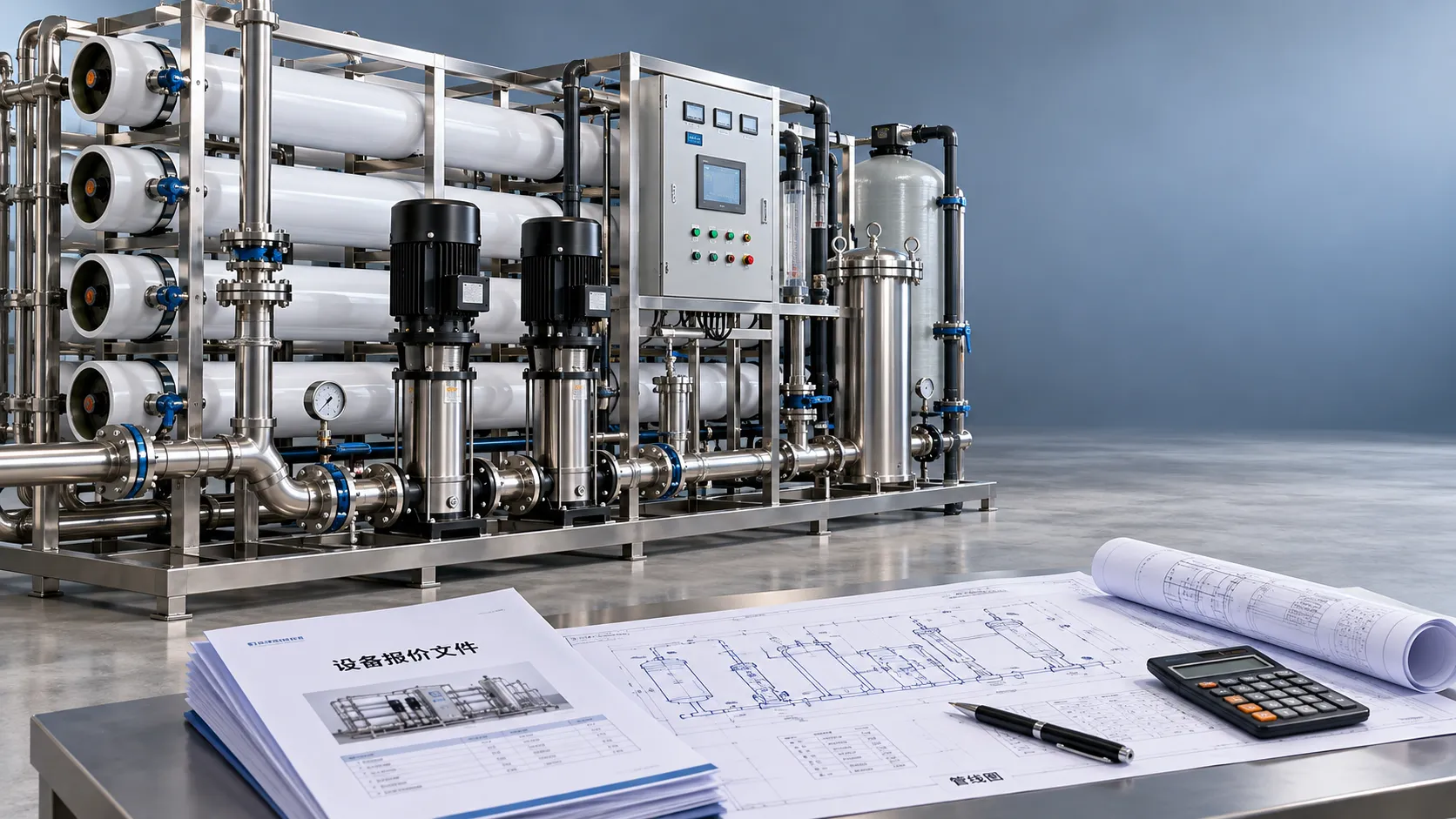
How to check a water treatment quotation for hidden project costs
Review your water treatment quotation for hidden costs, scope gaps, and operating expenses. Learn what to check before signing to protect your budget and avoid costly surprises.
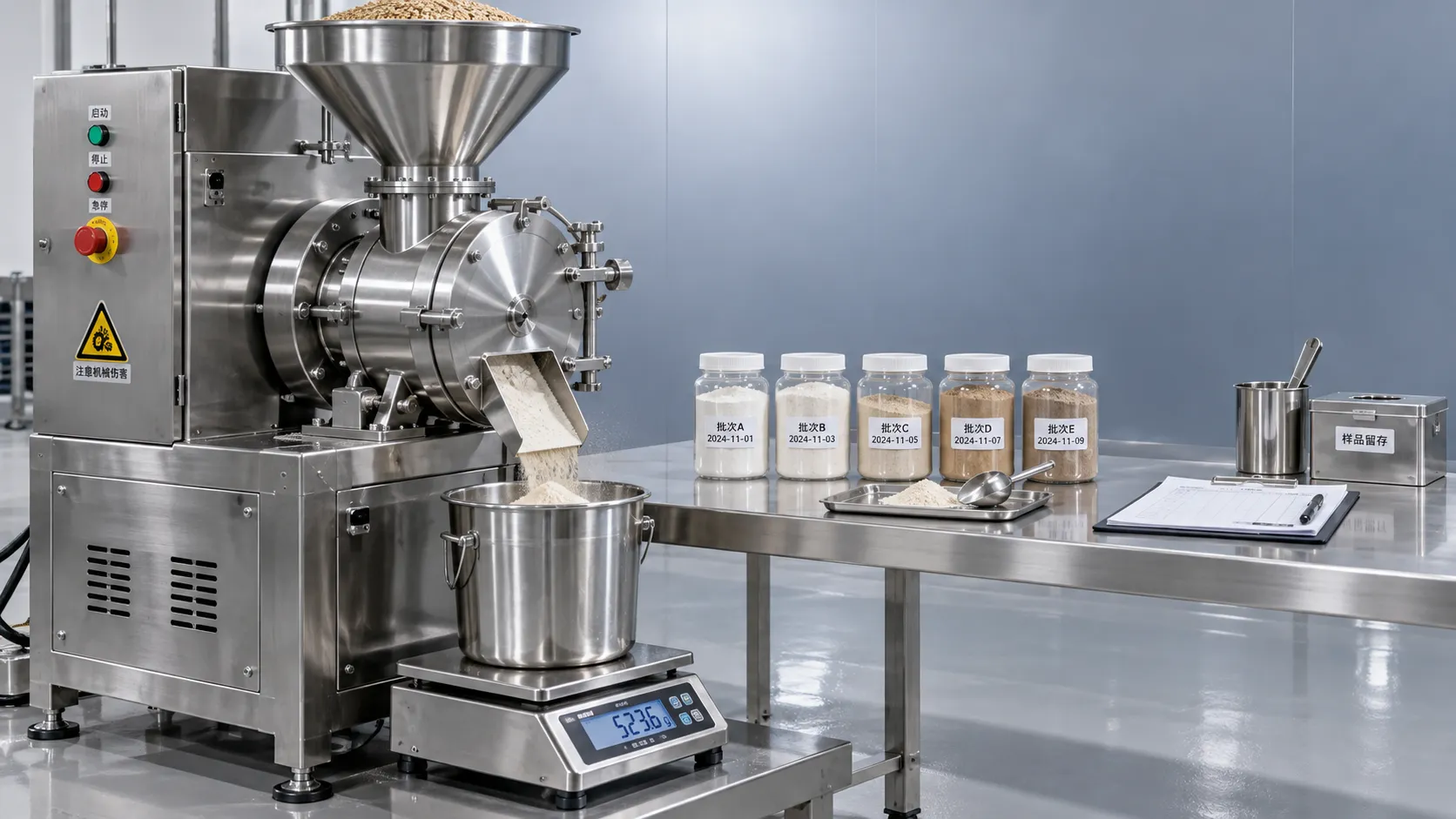
How to vet ingredient processing equipment manufacturers using trials
Vet ingredient processing equipment manufacturers with real-world trials. Learn how to verify yield, cleaning, energy use, and scale-up before you invest.
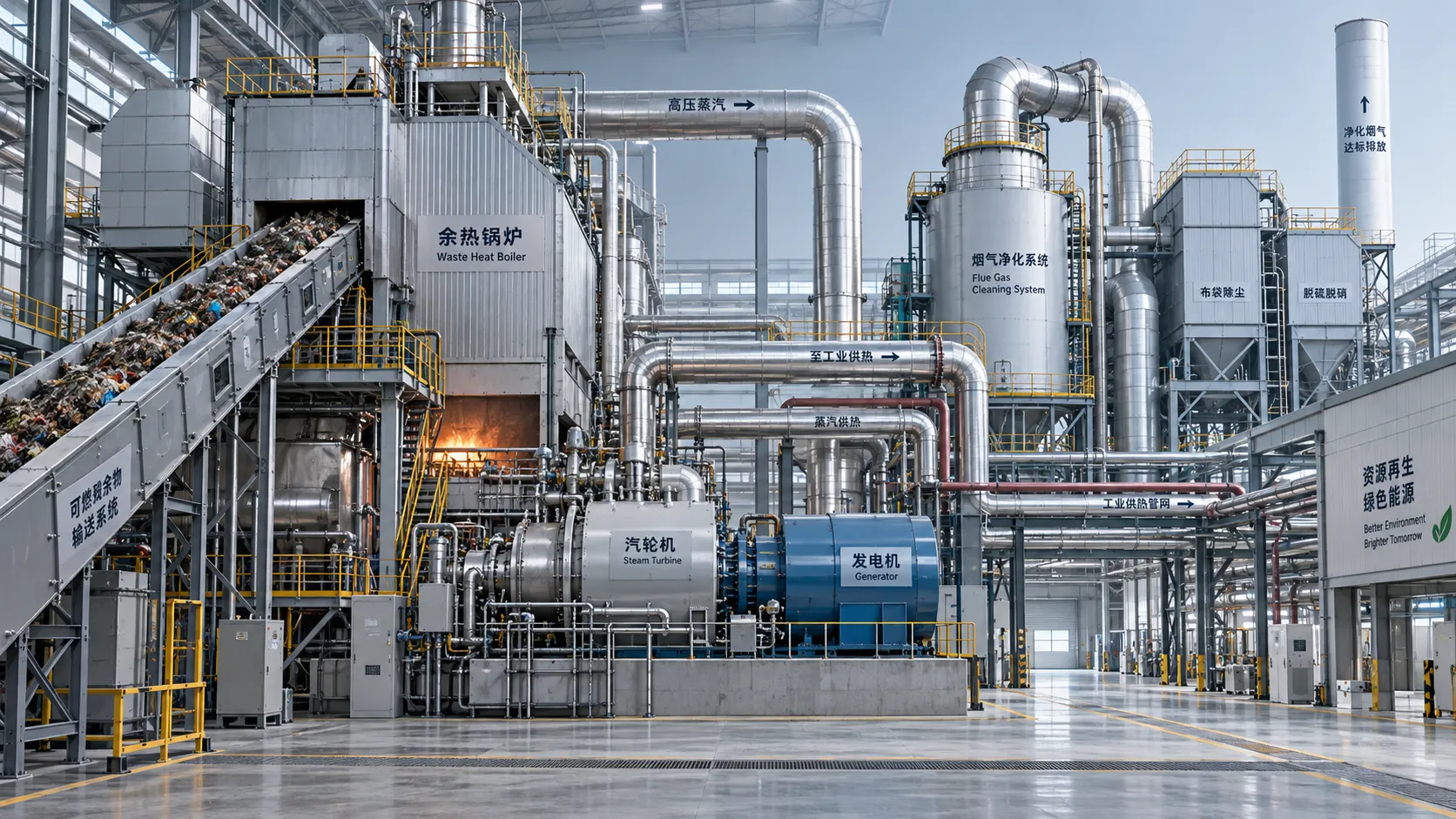
When is energy recovery viable in the solid waste recovery process?
When is energy recovery viable in the solid waste recovery process? Explore feedstock quality, net energy, emissions, and costs to assess feasibility and make smarter investment decisions.
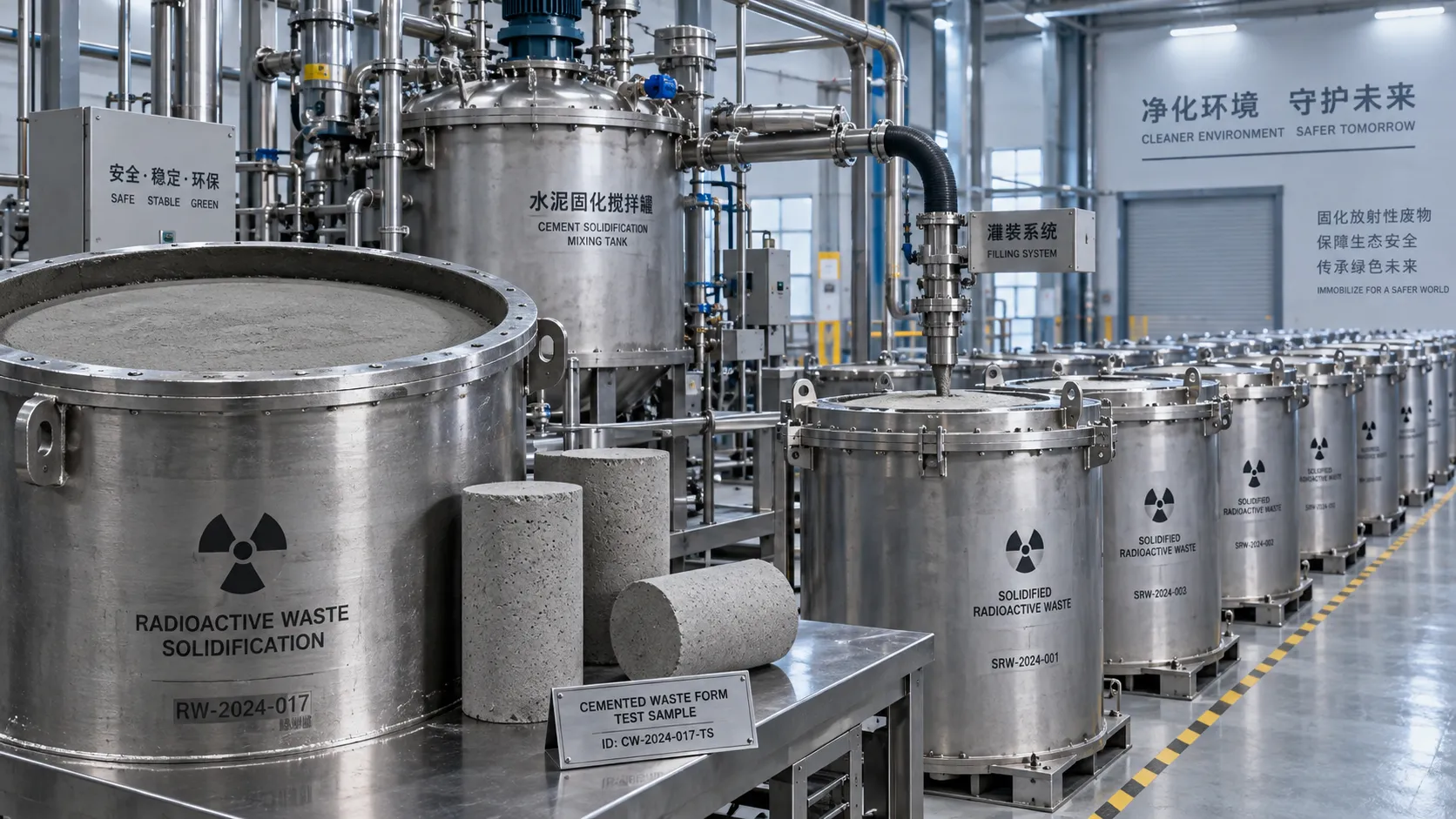
When is cementation suitable for nuclear decommissioning waste?
Explore nuclear waste treatment technology for decommissioning: learn when cementation fits, which risks to assess, and how disposal criteria guide an effective treatment choice.
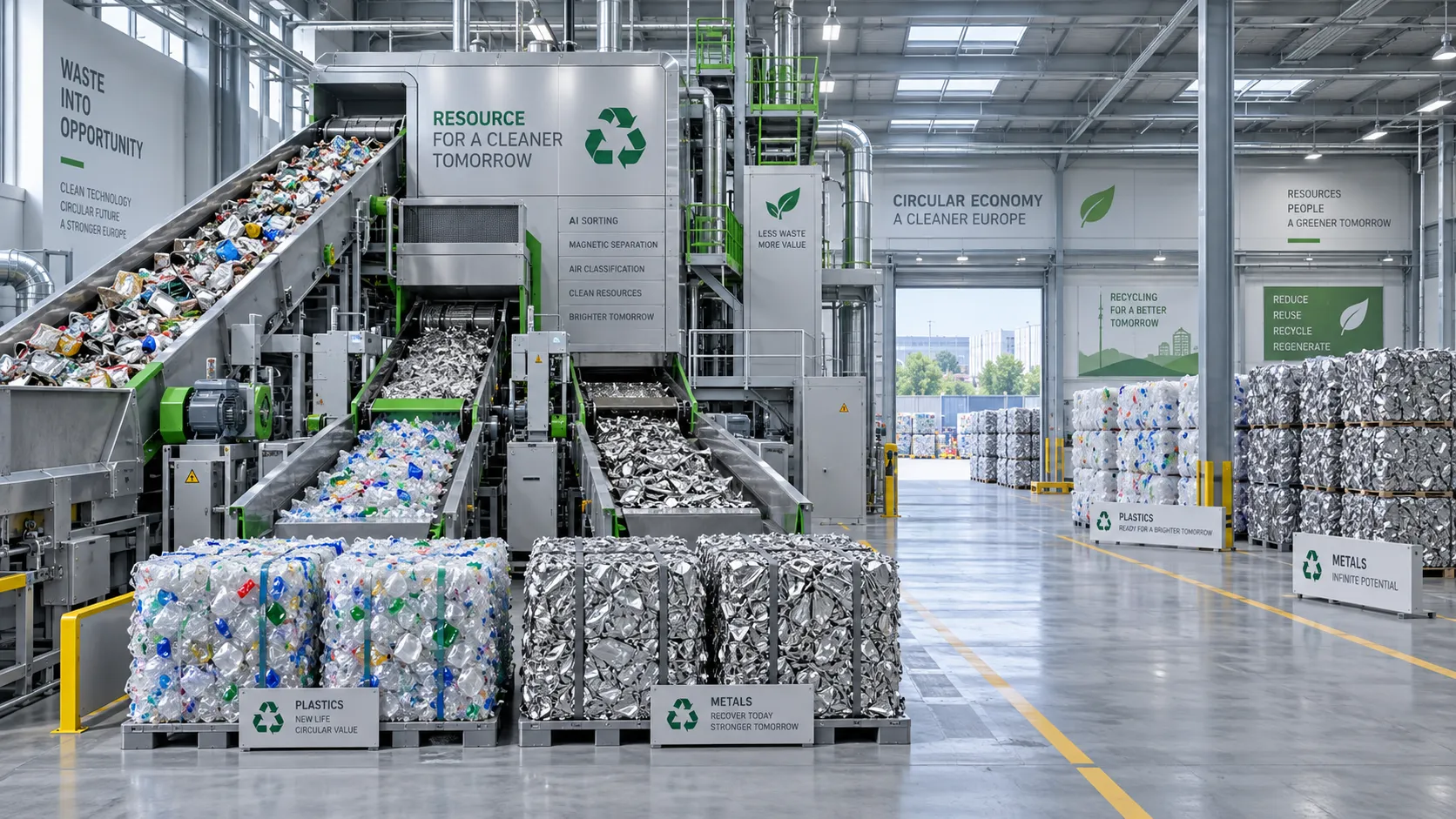
What determines payback for waste-to-resource systems in Europe?
Assess waste-to-resource systems Europe-wide: compare feedstock, recovery yields, costs and contracts to uncover payback drivers and make smarter investment decisions.
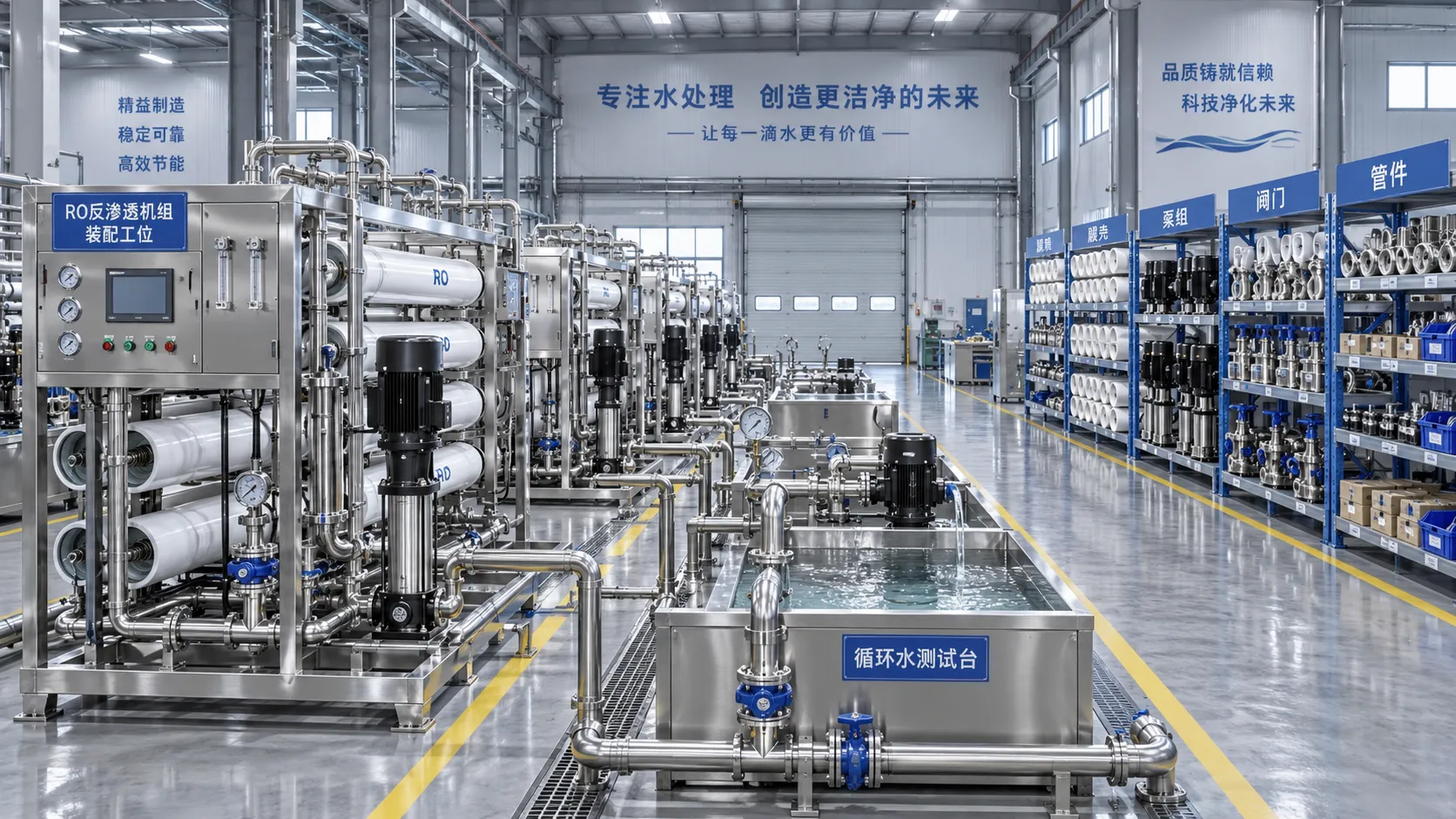
How to verify a water treatment system factory’s production capacity
Verify a water treatment systems factory’s production capacity through records, bottlenecks, component availability, and testing. Learn what to check before accepting a delivery promise.
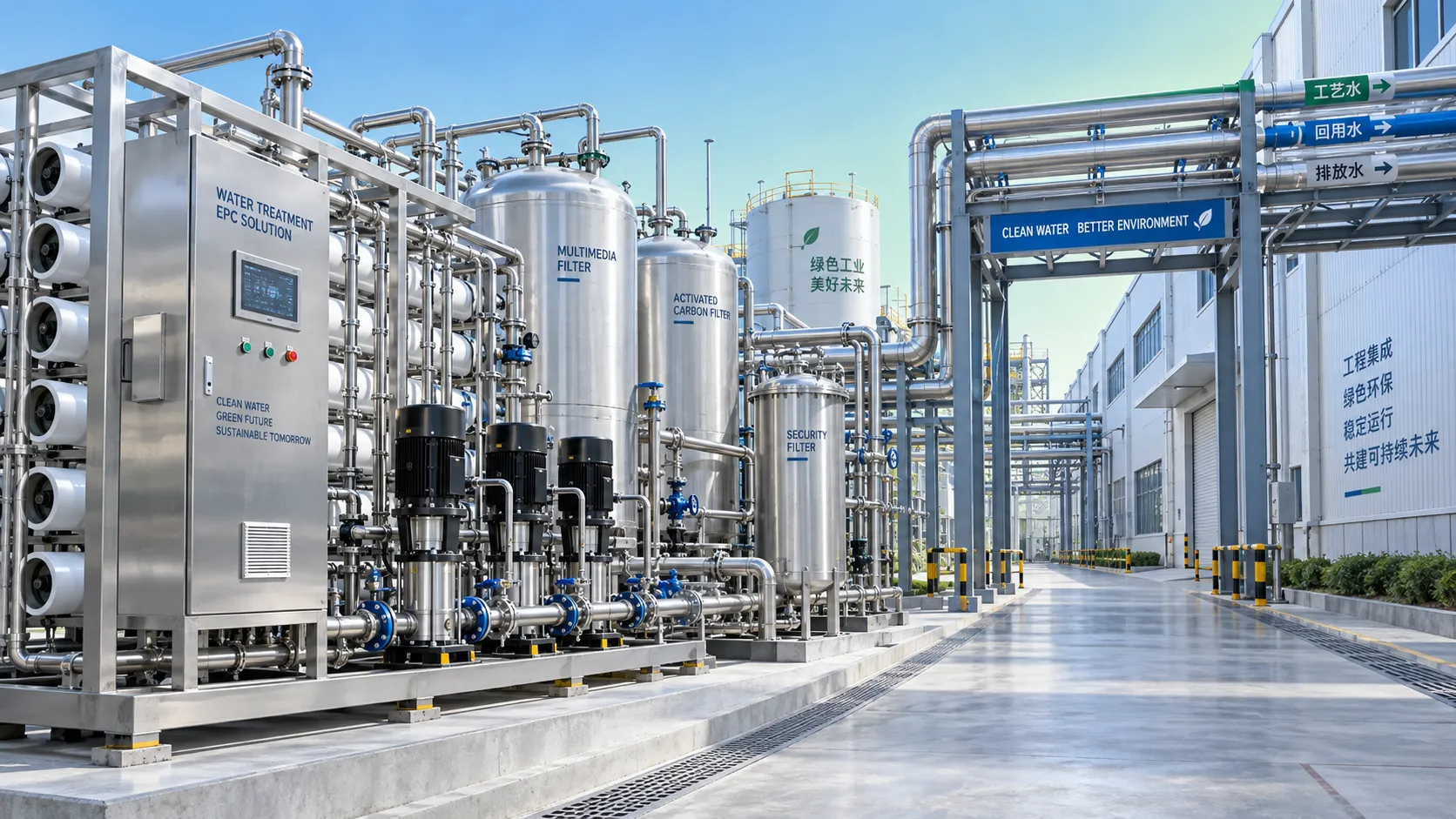
When does EPC environmental project support reduce delivery risk?
EPC environmental project support engineering reduces delivery risk by aligning design, procurement, compliance, construction, and commissioning decisions.
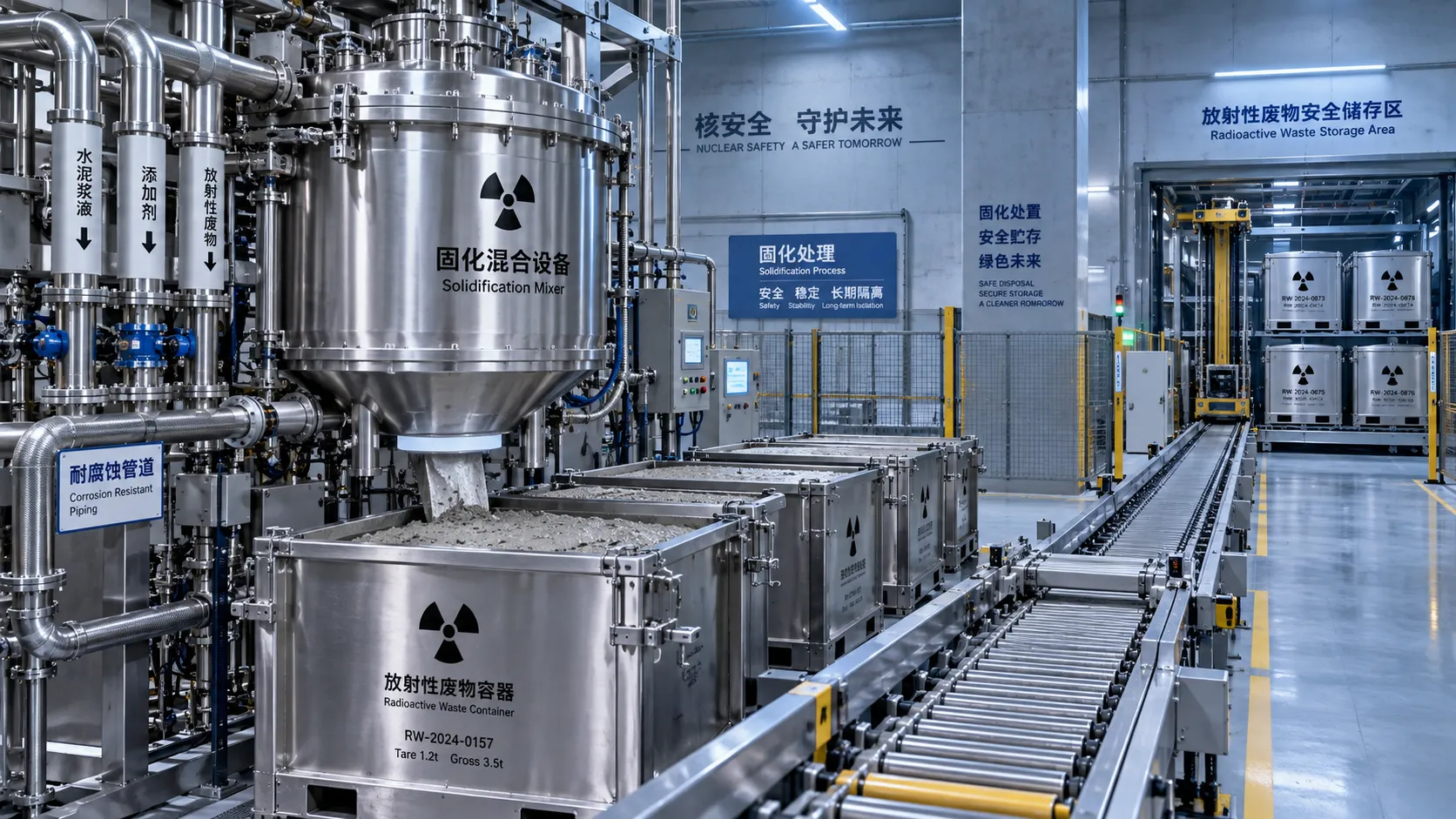
How nuclear plants select a radioactive waste solidification method
Radioactive waste management for nuclear plants: compare vitrification, cementation, polymers, and ceramics to select a compliant, durable solidification solution.
Water Treatment Options for Metal Finishing Rinse Water and Process Baths
Metal finishing water treatment solutions for rinse water and process baths—reduce costs, recover metals, improve reuse, and strengthen compliance.