
Industry News
Curation by industry experts
Hot Articles
Popular Tags
What to verify before choosing a low temperature SCR supplier
A low-temperature SCR project can look straightforward on a process diagram: place a catalyst reactor in the flue-gas path, inject ammonia or urea-derived reagent, and reduce NOx to nitrogen and water. In practice, the supplier decision is rarely that simple. The catalyst may be exposed to sulfur oxides, moisture, fly ash, alkali metals, chlorides, variable oxygen levels, unstable loads, and long periods outside its preferred temperature range. A promising data sheet can therefore become a costly operational problem if it does not reflect the real gas stream.
For technical evaluators, choosing a low temperature SCR supplier is an exercise in evidence review rather than price comparison. The central question is not “What NOx conversion can this catalyst achieve in a laboratory?” It is “Can this supplier’s catalyst, reactor design, and support model maintain the required emissions performance in our actual operating window, without creating unacceptable ammonia slip, pressure loss, maintenance burden, or downstream contamination?”
The verification process should begin before a request for quotation is finalized. A well-prepared specification makes it much easier to distinguish between a supplier offering a genuinely suitable solution and one offering a generic catalyst grade with optimistic assumptions.
Start with the flue gas, not the supplier brochure
Low-temperature selective catalytic reduction is highly dependent on gas chemistry. “Low temperature” is also not a single universal condition. A catalyst that performs well near the upper end of a low-temperature range may behave very differently during cold starts, low-load operation, bypass events, or seasonal changes in boiler and process conditions.
Before evaluating any low temperature SCR supplier, assemble a representative flue-gas profile. It should cover normal, minimum, maximum, and transient conditions—not only the most favorable design point. The supplier needs sufficient information to make a technically accountable recommendation.
- NOx concentration, required outlet limit, and expected inlet variability;
- temperature distribution at the intended catalyst location, including startup and turndown conditions;
- SO2, SO3, H2O, O2, CO, CO2, HCl, HF, and relevant trace compounds;
- dust loading, particle-size characteristics, stickiness, and ash composition;
- alkali metals, arsenic, phosphorus, heavy metals, or other known catalyst poisons;
- gas flow, velocity distribution, pressure constraints, and available reactor footprint;
- upstream equipment configuration, such as FGD, dust removal, heat recovery, or waste-heat boiler systems;
- fuel mix, process feedstock changes, and foreseeable regulatory tightening.
This information is especially important for cement kilns, waste-to-energy facilities, biomass boilers, industrial furnaces, coke ovens, and chemical-process exhaust systems. Their gas composition can fluctuate far more sharply than a nominal design case suggests. A supplier that asks detailed questions about those variations is usually demonstrating the right engineering discipline. One that produces a final catalyst selection after receiving only flow rate and NOx concentration should be challenged.
Verify the usable temperature window, including the uncomfortable edges
Every catalyst supplier will state an operating temperature range. That range alone is not enough for a selection decision. Evaluators should request conversion performance across the full anticipated temperature profile, ideally under gas compositions that resemble the site conditions. Pay close attention to the lower boundary, where reaction rates decline and sulfur-related risks may increase.
At low temperatures, SO2 can be converted to SO3, which may react with ammonia and water to form ammonium bisulfate or ammonium sulfate. These compounds can deposit on catalyst surfaces, air preheaters, ducts, and downstream equipment. The practical result may be rising differential pressure, plugging, corrosion concerns, and loss of catalyst activity. The acceptable balance between NOx removal and sulfur conversion must be evaluated for the installation, not assumed from a standard product label.
Ask the supplier to clarify three distinct points:
- Light-off behavior: At what temperature does the proposed catalyst begin to provide useful conversion under the specified space velocity and inlet NOx level?
- Stable operating zone: What temperature range supports the required removal efficiency while keeping ammonia slip and sulfur-related side reactions within the project limits?
- Excursion tolerance: What happens during temperature dips, high-temperature exposure, rapid thermal cycling, or unplanned process disturbances?
A credible answer should include conditions, assumptions, and limitations. It should not rely on a single peak conversion figure. Where low-temperature operation is close to the catalyst’s practical limit, pilot testing or representative slipstream testing may be more valuable than an extended exchange of theoretical guarantees.
Look beyond NOx conversion: selectivity and ammonia slip matter
High NOx removal is only one part of SCR performance. Excess ammonia can pass through the reactor when dosing is uneven, catalyst activity changes, temperature falls, or gas maldistribution occurs. Ammonia slip can create visible plumes, odor complaints, salt deposition, particulate issues, and compliance concerns. It can also complicate the operation of downstream scrubbers, heat exchangers, and particulate-control equipment.
When comparing proposals, request an integrated performance basis: inlet NOx, target outlet NOx, reagent type and concentration, expected ammonia slip, operating temperature, gas flow, and space velocity. The figures must be linked to a defined operating condition. A low stated ammonia slip is not meaningful if the proposed design reaches the emissions target only at a narrow temperature point or assumes perfect ammonia distribution.
The ammonia injection grid deserves equal scrutiny. Even an appropriate catalyst can underperform if the reagent is poorly mixed with flue gas. Verify the supplier’s approach to computational fluid dynamics (CFD), mixer design, injection-lance arrangement, access for tuning, and validation of velocity and NH3/NOx distribution at the reactor inlet. Where the supplier does not provide the AIG, establish clearly who owns the distribution design and performance interface.
Ask what the catalyst will face over time
Fresh catalyst test results are not a lifecycle assessment. Low-temperature SCR catalysts can lose activity through physical masking, chemical poisoning, pore blockage, thermal stress, erosion, or sulfate deposition. The degradation pattern depends on the gas stream and on the location of the reactor within the wider flue-gas treatment train.
A capable supplier should be prepared to discuss deactivation mechanisms relevant to the project. For dusty applications, this includes channel geometry, pitch, wall thickness, dust tolerance, and cleaning strategy. For sulfur-bearing gas, it includes resistance to sulfate accumulation and the operating conditions required for regeneration or recovery. For waste-derived fuels or metallurgical processes, ask specifically about tolerance to alkalis, chlorides, phosphorus, arsenic, zinc, lead, and other site-relevant contaminants.
Be careful with broad claims such as “long life” or “high poison resistance.” Request the test protocol behind the claim. Was the catalyst exposed to a real flue gas, a synthetic gas mixture, or accelerated laboratory conditions? What was the exposure duration? Which contaminant concentrations were used? The goal is not to dismiss laboratory data; it is to understand where that data is applicable.
Pressure drop is a process issue, not a minor mechanical detail
Low-temperature SCR is often installed where available fan margin is limited. Catalyst geometry, reactor layout, dust accumulation, flow velocity, and fouling behavior all influence pressure drop. An attractive catalyst price can be quickly outweighed by additional induced-draft fan power, reduced production stability, or the need for costly fan upgrades.
Review both clean and expected operating differential pressure. The latter is more difficult to estimate, but it is also more useful. Ask how the supplier accounts for ash deposition, ammonium salt formation, plugging risk, and catalyst aging. If cleaning systems such as acoustic horns, soot blowers, rapping, or online washing are proposed, confirm their compatibility with catalyst construction and with the rest of the process.
Flow distribution is equally important. Local high velocity can accelerate erosion and reduce residence time; stagnant zones can lower effective catalyst utilization and allow deposits to build. Request reactor inlet and outlet distribution criteria, CFD assumptions, and the planned locations for temperature, differential-pressure, NOx, and ammonia-slip monitoring.
Test the supplier’s evidence chain
A technically persuasive supplier should be able to connect product formulation, test evidence, reactor engineering, manufacturing control, and reference experience. That chain is more valuable than a long list of unsupported claims.
Start with independent or transparent performance data. The supplier may use internal test facilities, which is common and not automatically a concern, but the test setup should be described clearly. Ask whether activity measurements follow a recognized methodology, whether samples are traceable to production batches, and whether the quoted results represent fresh catalyst, aged catalyst, or both.
Then review quality documentation. Relevant records may include material specifications, dimensional tolerances, batch traceability, inspection procedures, packaging and storage requirements, safety documentation, and applicable emissions or equipment compliance records. Requirements vary by jurisdiction and project scope, so documentation should be checked against the EPC contract, permitting route, and local regulatory obligations rather than treated as a generic checklist.
Reference projects need careful reading as well. A reference is meaningful when flue-gas composition, temperature, fuel, dust burden, operating hours, and target emissions are comparable to the planned installation. A catalyst proven in a clean, stable gas stream may not provide much confidence for a variable waste-to-energy exhaust or a sulfur-intensive industrial boiler. Ask for the role the supplier played: catalyst-only vendor, reactor designer, full SCR integrator, or long-term service partner.
Define interfaces before they become disputes
Many SCR performance problems are interface problems. Catalyst performance depends on reagent preparation, ammonia injection, gas distribution, reactor sealing, insulation, instrumentation, controls, upstream particulate removal, and downstream equipment. If these elements are supplied by different parties, the technical boundaries must be explicit.
During bid evaluation, prepare an interface matrix that identifies responsibility for process guarantees, CFD modeling, AIG design, structural design, catalyst loading, commissioning, performance testing, operator training, and catalyst disposal or recycling. Define the measurement method for NOx removal and ammonia slip, the test duration, allowable operating conditions, and the treatment of off-design periods. A guarantee that is not tied to measurable conditions can offer limited protection when commissioning pressure builds.
Technical evaluators should also ask how the supplier supports troubleshooting. Can it analyze spent catalyst? Will it review operating trends such as temperature, differential pressure, reagent consumption, and emissions? Is replacement stock available within a practical lead time? These questions are not peripheral; they reveal whether the company understands SCR as a living process system rather than a shipment of catalyst blocks.
Compare lifecycle cost on a common operating basis
The lowest purchase price rarely represents the lowest project cost. A fair comparison should account for catalyst volume, reactor complexity, reagent consumption, electrical demand from pressure loss, expected service interval, cleaning needs, outage duration, regeneration, disposal, spare inventory, and emissions risk. When quotations use different design temperatures or performance assumptions, normalize them before ranking.
It is useful to build a simple decision matrix, but it should not hide uncertainty behind a single score. Weight the factors that matter most at the site: low-load compliance, sulfur tolerance, footprint, fan margin, chemical consumption, or availability during peak production. Keep an “open technical risks” column beside the scoring. A supplier with a slightly higher commercial offer may be the better choice if its assumptions are transparent and its risk controls are credible.
A practical final review before award
Before selecting a low temperature SCR supplier, hold a focused technical clarification meeting. Walk through the actual operating cases, including the ones nobody wants to discuss: cold operation, fuel changes, upset emissions, dust excursions, reagent interruptions, and maintenance outages. Ask the supplier to state what performance can reasonably be expected in each case and what safeguards are required.
The strongest supplier is not necessarily the one making the broadest promise. It is the one willing to define the catalyst’s limits, explain the trade-offs, provide traceable evidence, and work through the interfaces that protect plant performance. In flue-gas treatment, confidence comes from that level of specificity.
For teams tracking evolving SCR catalyst chemistry, industrial emissions rules, and broader flue-gas treatment trends, Global Eco-Shield Dynamics follows the technical and regulatory signals shaping equipment decisions across environmental infrastructure. The most durable procurement choices are made when catalyst selection is connected to the complete emissions-control system—and to the operating reality that system must endure.
Recommended News
How to compare technical specs in an environmental equipment directory
Use this environmental equipment directory technical guide to compare capacity, energy use, compliance, and supplier evidence. Build a defensible shortlist and choose with confidence.
How to assess a zero liquid discharge equipment supplier’s energy claims
Assess a zero liquid discharge equipment supplier’s energy claims. Learn how to verify system boundaries, compare real costs, and demand testable guarantees before you buy.
Which membrane filtration process suits dairy protein concentration?
Explore membrane filtration for dairy: compare UF, MF, and RO to select the right process for protein concentration, lactose reduction, and better recovery. Find your best fit.
When is an MBR suitable for wastewater purification for bioprocessing?
For wastewater purification for bioprocessing, discover when an MBR fits your needs. Compare water quality, fouling risks, and lifecycle costs before investing.
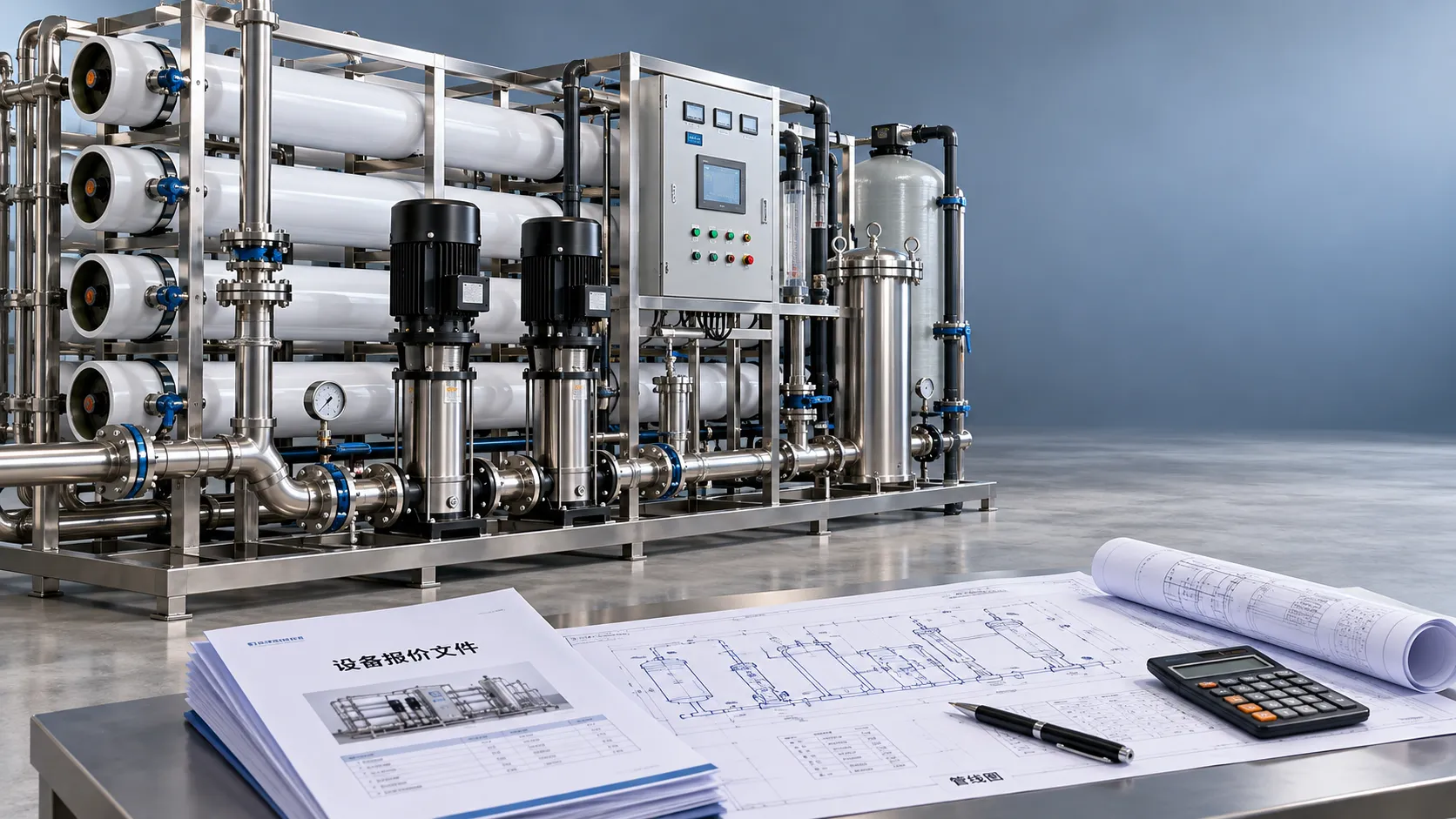
How to check a water treatment quotation for hidden project costs
Review your water treatment quotation for hidden costs, scope gaps, and operating expenses. Learn what to check before signing to protect your budget and avoid costly surprises.
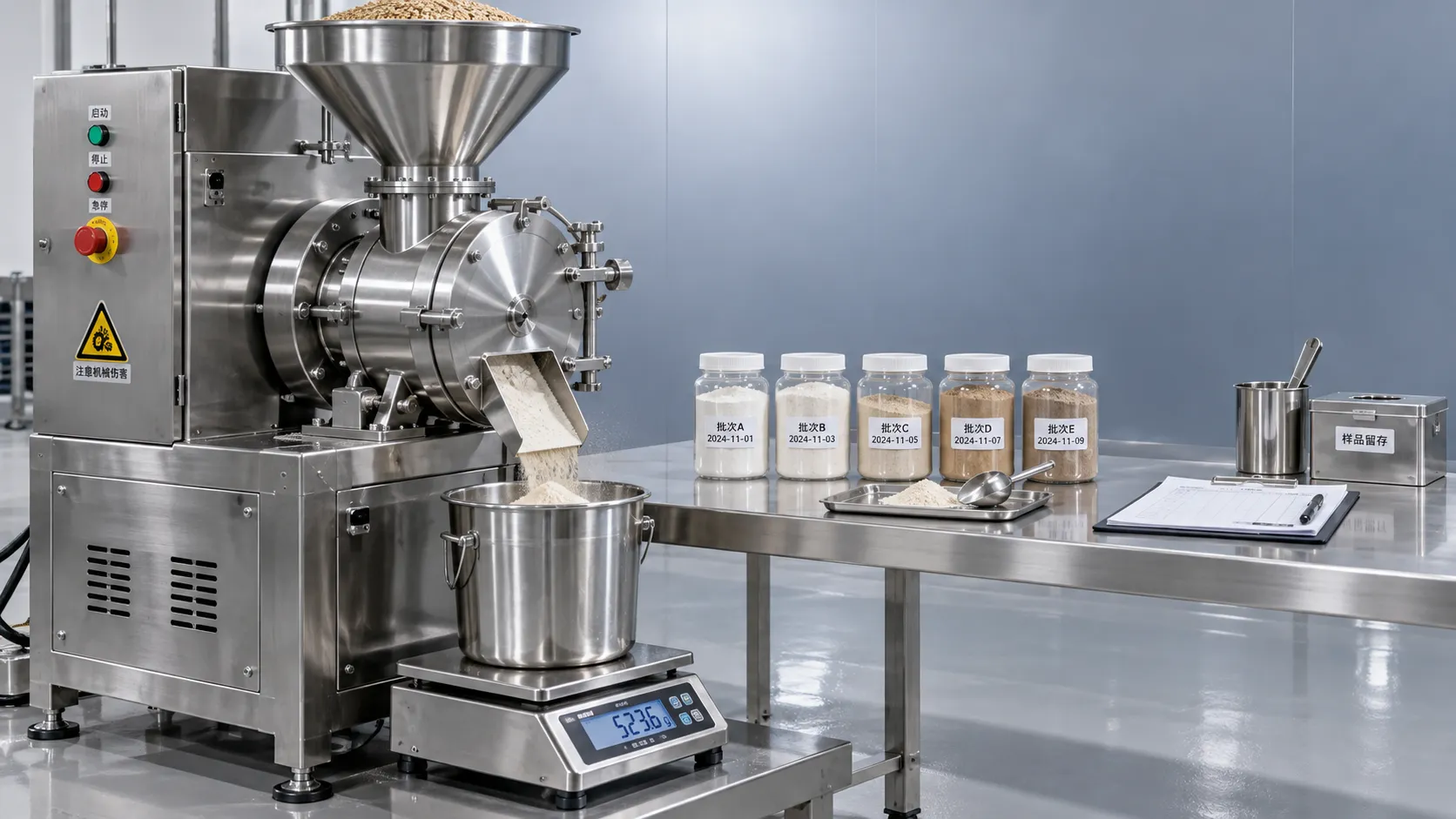
How to vet ingredient processing equipment manufacturers using trials
Vet ingredient processing equipment manufacturers with real-world trials. Learn how to verify yield, cleaning, energy use, and scale-up before you invest.
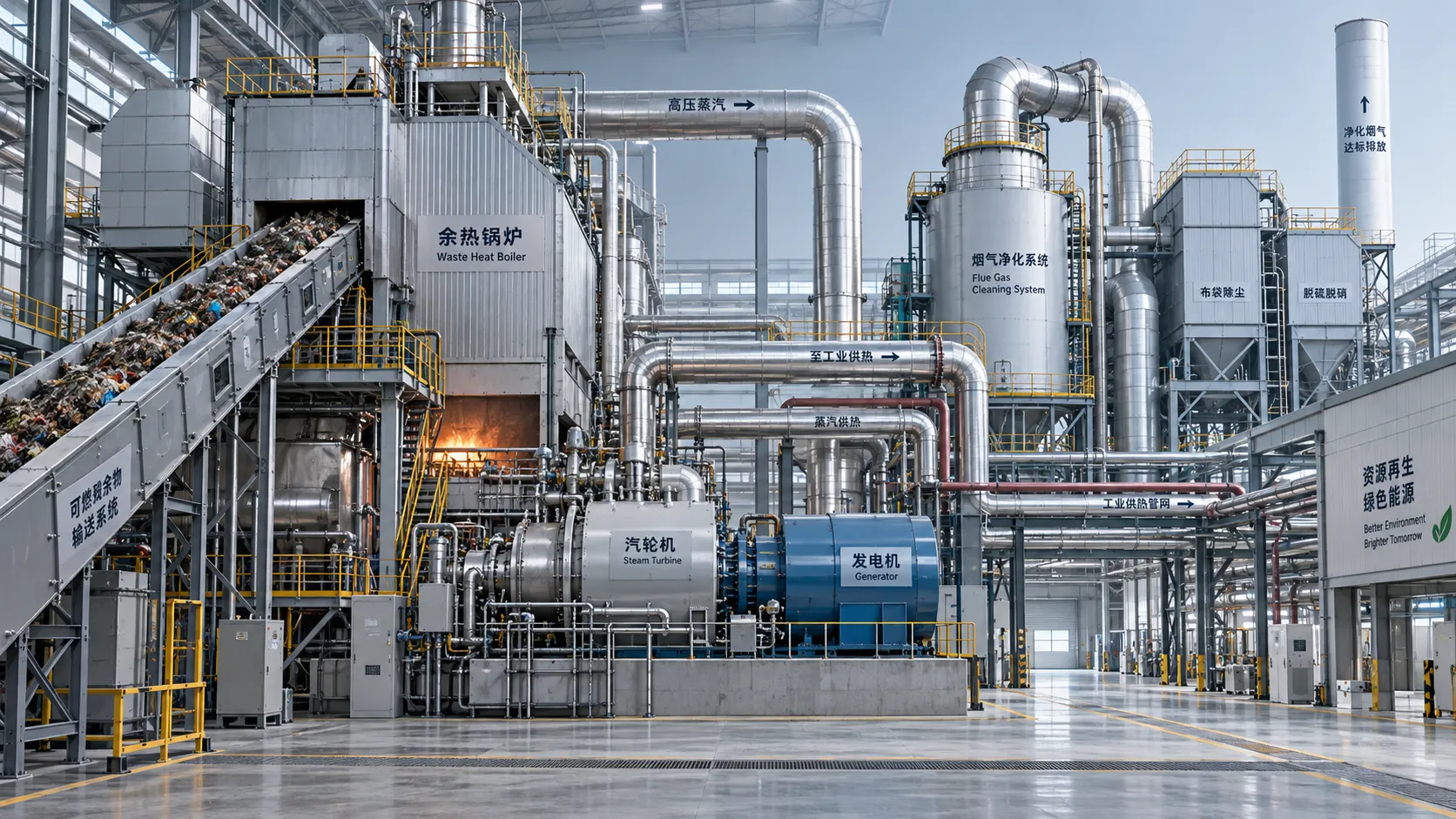
When is energy recovery viable in the solid waste recovery process?
When is energy recovery viable in the solid waste recovery process? Explore feedstock quality, net energy, emissions, and costs to assess feasibility and make smarter investment decisions.
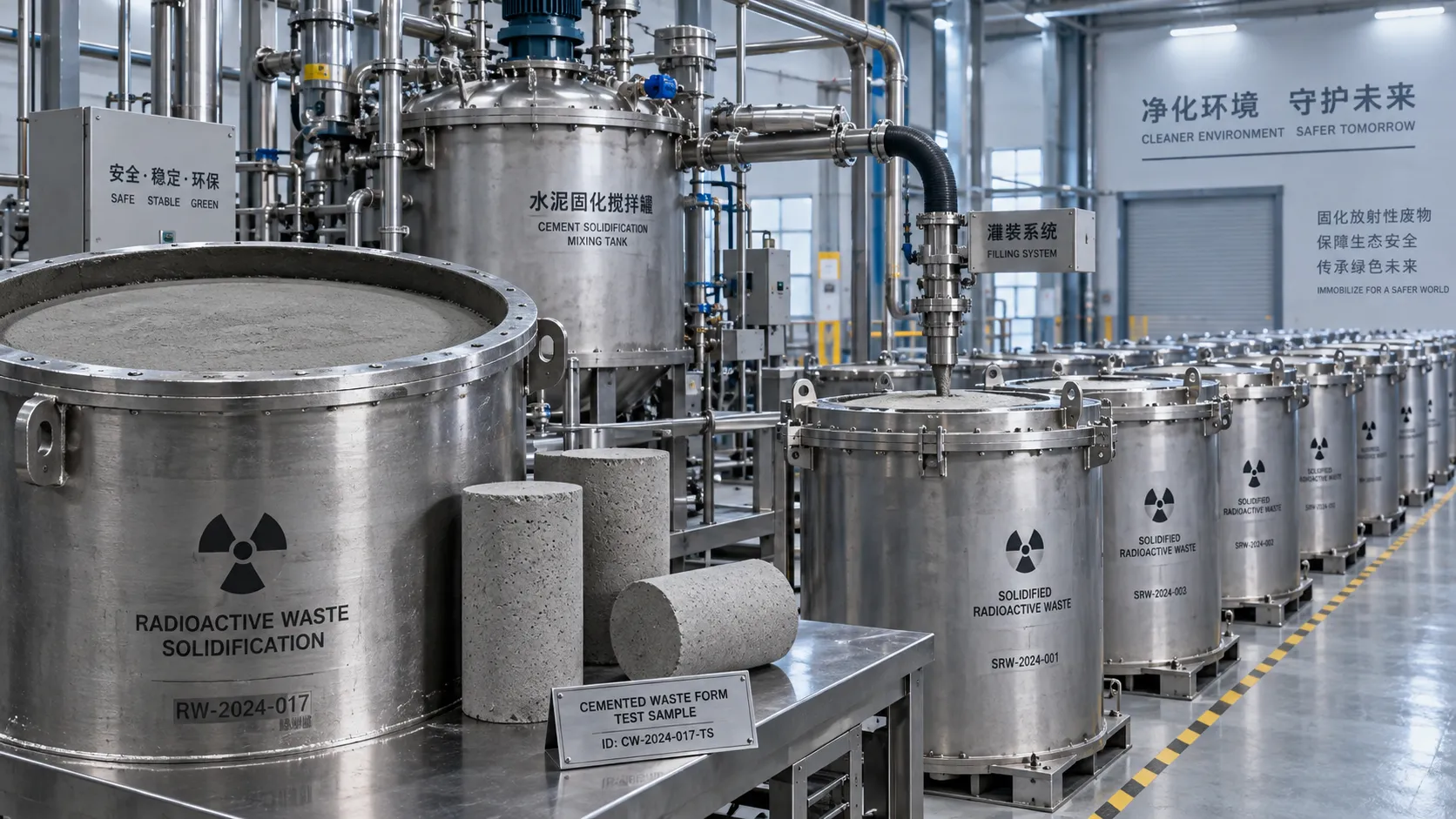
When is cementation suitable for nuclear decommissioning waste?
Explore nuclear waste treatment technology for decommissioning: learn when cementation fits, which risks to assess, and how disposal criteria guide an effective treatment choice.
What determines payback for waste-to-resource systems in Europe?
Assess waste-to-resource systems Europe-wide: compare feedstock, recovery yields, costs and contracts to uncover payback drivers and make smarter investment decisions.