
Industry News
Curation by industry experts
Hot Articles
Popular Tags
What throughput should municipal waste sorting equipment deliver?
A municipal sorting line should be sized for the peak hourly feed rate it can process while still meeting the required recovery, purity, and uptime targets—not simply for average annual tonnage. For most facilities, the practical design throughput is derived from the busiest receiving periods, adjusted for waste-density variation, planned operating hours, maintenance, and the performance limits of the sorting stages downstream of the infeed system.
This issue usually becomes visible when a line that appears adequate on paper starts accumulating material at the tipping floor, or when operators raise conveyor speed to clear the backlog and suddenly see recyclable recovery fall, contamination rise, or baler interruptions spread upstream. Waste sorting equipment for municipal waste must handle changing material characteristics as well as tonnage. A capacity figure is useful only when the conditions behind it are understood.
Start with the required annual tonnage, then work backward from real operating time
The first calculation is straightforward, but it should not be treated as the final answer. Establish the annual quantity expected at the facility, then divide it by the hours during which the sorting process is genuinely available. “Available” should exclude planned maintenance, shift handovers, cleaning, routine inspections, and the portion of scheduled time lost to normal stoppages.
A simplified planning relationship is:
Required average operating throughput = annual incoming tonnage ÷ effective annual operating hours
Effective operating hours are not the same as calendar hours or even scheduled shift hours. A facility operating two shifts may have substantial scheduled time, yet actual processing time can be reduced by material changeovers, daily cleanup, screen cleaning, optical sorter service, reject-container exchange, and temporary stoppages at baling or transfer points.
Once the average operating throughput is known, apply a realistic allowance for peak delivery and operational variability. Municipal collection patterns rarely produce a flat hourly feed. Arrival volumes can rise after weekends, public events, weather interruptions, seasonal cleanup periods, or changes in collection routes. The receiving hall and front-end feeding system may need to absorb a short-term surge even when the weekly average is stable.
A useful distinction is:
- Average throughput: the rate needed over the year or month to meet total tonnage obligations.
- Design throughput: the sustainable rate selected for normal peak operation while maintaining target sorting performance.
- Maximum instantaneous rate: the short-duration rate the infeed and conveyors may tolerate, often with lower sorting consistency if it persists.
Procurement documents should make clear which of these figures is being requested. A supplier’s stated capacity may refer to a maximum feed condition rather than the sustainable performance level required for a municipal waste stream.
Peak arrivals matter more than average truck tonnage
Consider a facility whose annual volume appears compatible with a moderate hourly line rate. That conclusion can be wrong if collection vehicles arrive heavily concentrated in the morning, if the site has limited storage, or if the contract requires same-day unloading and processing. In that situation, the relevant question is not only “How many tonnes arrive per day?” but also “How many tonnes must be accepted and prepared for sorting during the highest arrival window?”
The front end of the plant can decouple truck arrivals from the sorting line to some degree. Tipping-floor capacity, loader availability, bunker volume, metering feeders, and bag-opening equipment can buffer variation. However, a buffer is not a substitute for line capacity when high inflow is routine rather than occasional. Persistent stockpiling increases fire risk, complicates material handling, and can alter feed characteristics as bags break, wet material compacts, or light fractions become mixed with fines.
Map incoming waste by hour, day of week, and season where records are available. The aim is to identify the arrival profile, not just an annual total. If historical records are limited, collection schedules, vehicle payload ranges, route changes, commercial inputs, and anticipated population or service changes should be reviewed before setting a nameplate target.
Throughput is constrained by the slowest sorting stage
A line is only as capable as its most restrictive process step. A high-capacity receiving conveyor does not create a high-capacity sorting plant if the ballistic separator, optical sorting unit, manual quality-control cabin, or baler cannot handle the same material flow.
Municipal solid waste is particularly sensitive to this problem because it is heterogeneous. The design must account for bulky items, flexible packaging, wet organics, fines, glass, textiles, film, rigid plastics, metal containers, paper, and non-target residues. The same mass rate can behave very differently depending on particle size, bulk density, moisture, and bagged versus loose presentation.
For example, a feed rich in lightweight film and dry paper may occupy much more conveyor volume per tonne than a denser stream containing food waste, glass, and fines. Conversely, wet organic contamination can blind screens, increase carryback on conveyors, and reduce separation efficiency even if the mass rate remains within the stated limit. Capacity should therefore be checked in both tonnes per hour and volumetric loading conditions.
Do not trade sorting quality for a higher nominal rate without measuring the loss
Increasing belt speed or feed depth may raise tonnes processed per hour, but it can reduce the ability of separation equipment to distinguish and eject target materials. Optical sorters require adequate presentation: particles need spacing, stable orientation, and a burden depth appropriate to the sensor and air-ejection system. When items overlap, pass under the sensing zone too quickly, or arrive in an excessively deep layer, capture rates and product purity may deteriorate.
This is one reason capacity claims should be linked to a defined material specification. Ask what composition, particle size distribution, moisture condition, and feed preparation were assumed. A throughput figure based on pre-screened dry packaging is not directly transferable to mixed municipal waste containing bags, organics, and fines.
Recovery targets also change the answer. A line intended mainly to remove bulky contaminants and recover a limited number of broad fractions may sustain a higher throughput than one designed to produce tightly specified paper, plastics, ferrous metal, non-ferrous metal, glass, and residue streams. Each additional recovery objective can introduce another separation or quality-control constraint.
Rather than requesting one universal capacity number, define performance at several operating points. The specification can distinguish normal design throughput, a short-term peak feed rate, expected recovery objectives, acceptable product contamination, and the conditions under which each applies. This makes later acceptance testing more meaningful and reduces disputes caused by mismatched assumptions.
Set availability before selecting a larger line
There are two broad ways to meet an annual tonnage requirement: install a higher-rate line or increase effective operating time. The right choice depends on the waste-delivery profile, staffing model, redundancy needs, site constraints, and maintenance strategy.
A line sized close to the average requirement leaves little room for unplanned downtime. One jammed conveyor, screen-cleaning intervention, failed sensor, full bale queue, or downstream container change can force material to accumulate. A larger line may create capacity headroom, but it also may operate inefficiently at low feed rates if equipment cannot maintain stable separation across a wide range of loading conditions.
Availability should be considered at system level. It is not enough for individual machines to have favorable availability assumptions if they are arranged in a single path with no bypass, no storage buffer, and no practical means of isolating a failed unit. The critical question is whether a fault in one section stops acceptance, processing, recovery of a key fraction, or only a portion of the system.
When evaluating proposals, ask for a clear operating philosophy covering planned maintenance intervals, access for cleaning, wear-part replacement, blockage removal, sensor cleaning, fire-event recovery, and procedures for operating in a reduced-capacity mode. This is more useful than assuming that a nameplate tonnage will be achieved every scheduled hour.
Use feed characterization to choose the right capacity band
Before committing to equipment sizing, characterize the input material as closely as practical. The goal is not to create a perfect forecast; municipal waste changes. The goal is to identify the conditions most likely to govern throughput and separation performance.
Relevant observations include:
- Proportion of bagged material versus loose waste;
- Share of fines, organics, glass, film, textiles, and bulky objects;
- Moisture variation and seasonal changes in density;
- Frequency of prohibited or difficult items, such as long flexible materials, construction debris, or pressurized containers;
- Expected changes in source-separation policy or collection configuration;
- Required output fractions and the quality standard expected by downstream users.
Sampling should reflect ordinary and difficult conditions rather than only the cleanest available loads. A system selected from favorable samples may be forced into chronic overload once wetter, more contaminated, or more bagged waste enters the line. Conversely, designing every component around a rare extreme event can produce unnecessary capital cost. The appropriate capacity band is based on the recurring upper range of operating conditions, supported by buffering and contingency measures for exceptional events.
Compare proposals on like-for-like test conditions
When reviewing equipment options, normalize each proposal before comparing capacity. Request a process flow diagram and a stage-by-stage mass balance showing the assumed incoming feed rate, fraction splits, recirculation loops, reject streams, and product outputs. If a supplier states that a line processes a given tonnage per hour, determine whether that means gross incoming feed, material after bag opening, material after fines removal, or the flow through one specific sorter.
Also examine whether the layout contains hidden capacity constraints. A near-infrared sorter may be rated for a certain belt width and speed, but the upstream screen may create an uneven stream, or the manual quality-control station may not have enough positions to maintain product specification at the same rate. Similarly, a baler can become the limiting point if recovered fibre or plastics accumulate faster than bales can be formed, tied, and removed.
Capacity guarantees should state the testing material, duration, measurement method, permitted stoppages, and product-quality criteria. A short run with a controlled feed does not necessarily demonstrate sustained municipal operation. The more the required output quality matters, the more important it is to assess throughput and quality together rather than as separate promises.
When a modular approach is safer than sizing for the maximum forecast
Forecasts for municipal waste can shift because of source-separation rules, packaging changes, commercial waste policies, population movements, and diversion programs. Where future composition is uncertain, a modular layout can be more defensible than installing every recovery stage at maximum theoretical capacity from day one.
Modularity does not mean leaving the present line undersized. It means protecting space, structural allowances, electrical capacity, conveying interfaces, control-system provisions, and access routes for later additions. A facility may initially require a robust front end and core sorting capacity, while retaining the ability to add another optical sorter, a parallel quality-control route, or downstream storage once actual material data confirms the need.
The selected throughput should therefore include a clear expansion decision: whether future growth will be met through longer hours, improved availability, a parallel line, added sorting modules, or more receiving storage. Without that decision, “future-proofing” often becomes an unsupported request for oversized equipment.
A practical decision rule
Select the design rate for waste sorting equipment for municipal waste by taking the required annual tonnage, converting it into effective operating hours, then testing the resulting rate against recurring peak arrivals and the most difficult representative waste conditions. Confirm that every major stage—not just the first conveyor—can sustain that rate while meeting recovery and purity expectations. Finally, retain enough capacity margin or operational flexibility to absorb routine downtime without turning temporary disruption into a permanent backlog.
A lower nominal rate with stable metering, accessible maintenance points, suitable buffering, and dependable downstream handling can outperform a higher-rated line that only achieves its stated figure under ideal feed conditions. The correct throughput is the rate that the full process can deliver repeatedly, safely, and with acceptable material quality over the operating year.
Recommended News
When is compaction suitable for solid nuclear waste treatment?
Is compaction right for solid nuclear waste treatment? Discover suitable waste streams, key safety checks, and disposal requirements to reduce package volume and optimize costs.
How solids concentration affects dewatering in waste recovery systems
Optimize waste recovery systems dewatering with insights on solids concentration. Learn to balance throughput, cake dryness, and solids capture while avoiding costly equipment overloads.
How to compare technical specs in an environmental equipment directory
Use this environmental equipment directory technical guide to compare capacity, energy use, compliance, and supplier evidence. Build a defensible shortlist and choose with confidence.
How to assess a zero liquid discharge equipment supplier’s energy claims
Assess a zero liquid discharge equipment supplier’s energy claims. Learn how to verify system boundaries, compare real costs, and demand testable guarantees before you buy.
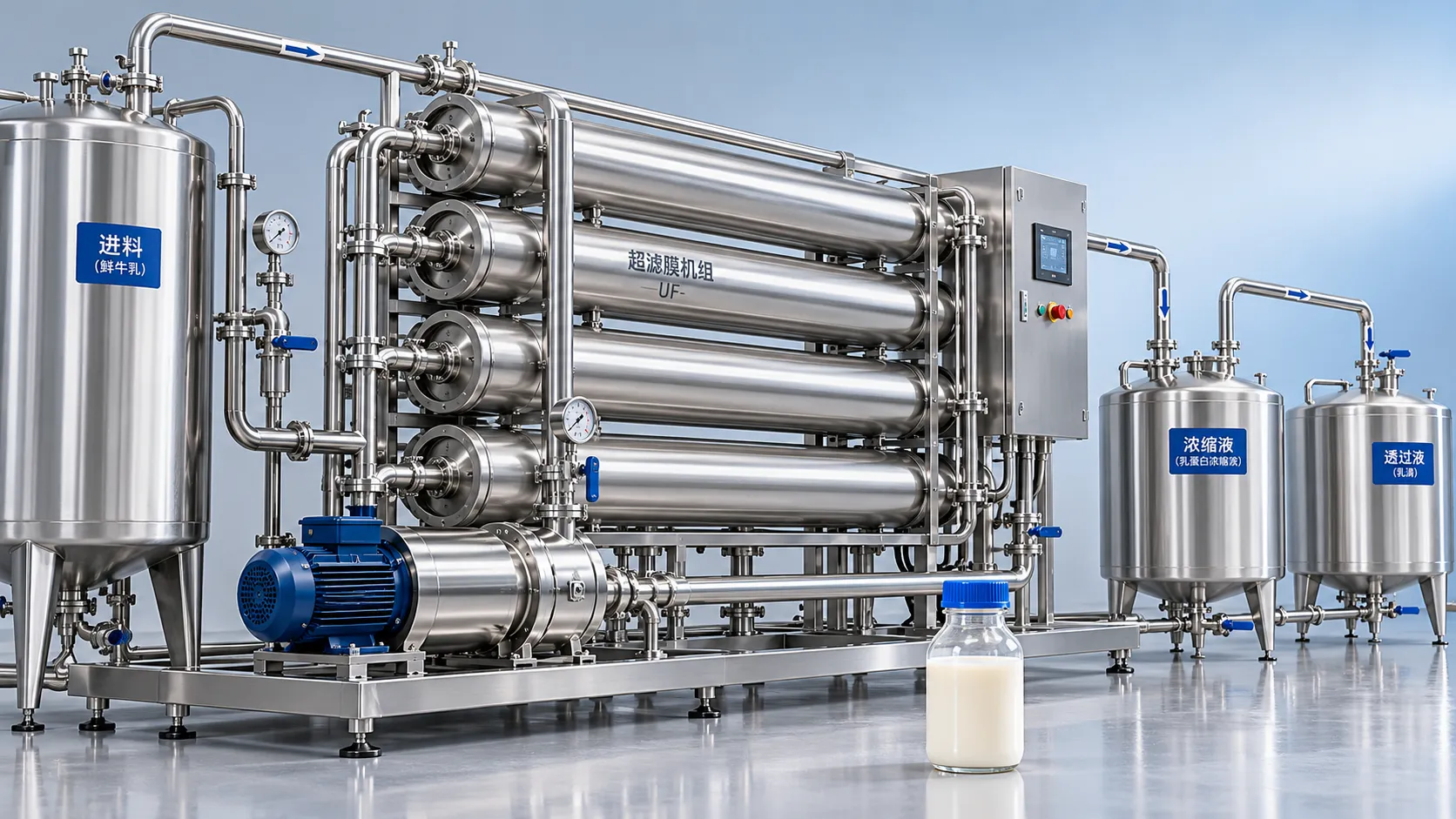
Which membrane filtration process suits dairy protein concentration?
Explore membrane filtration for dairy: compare UF, MF, and RO to select the right process for protein concentration, lactose reduction, and better recovery. Find your best fit.
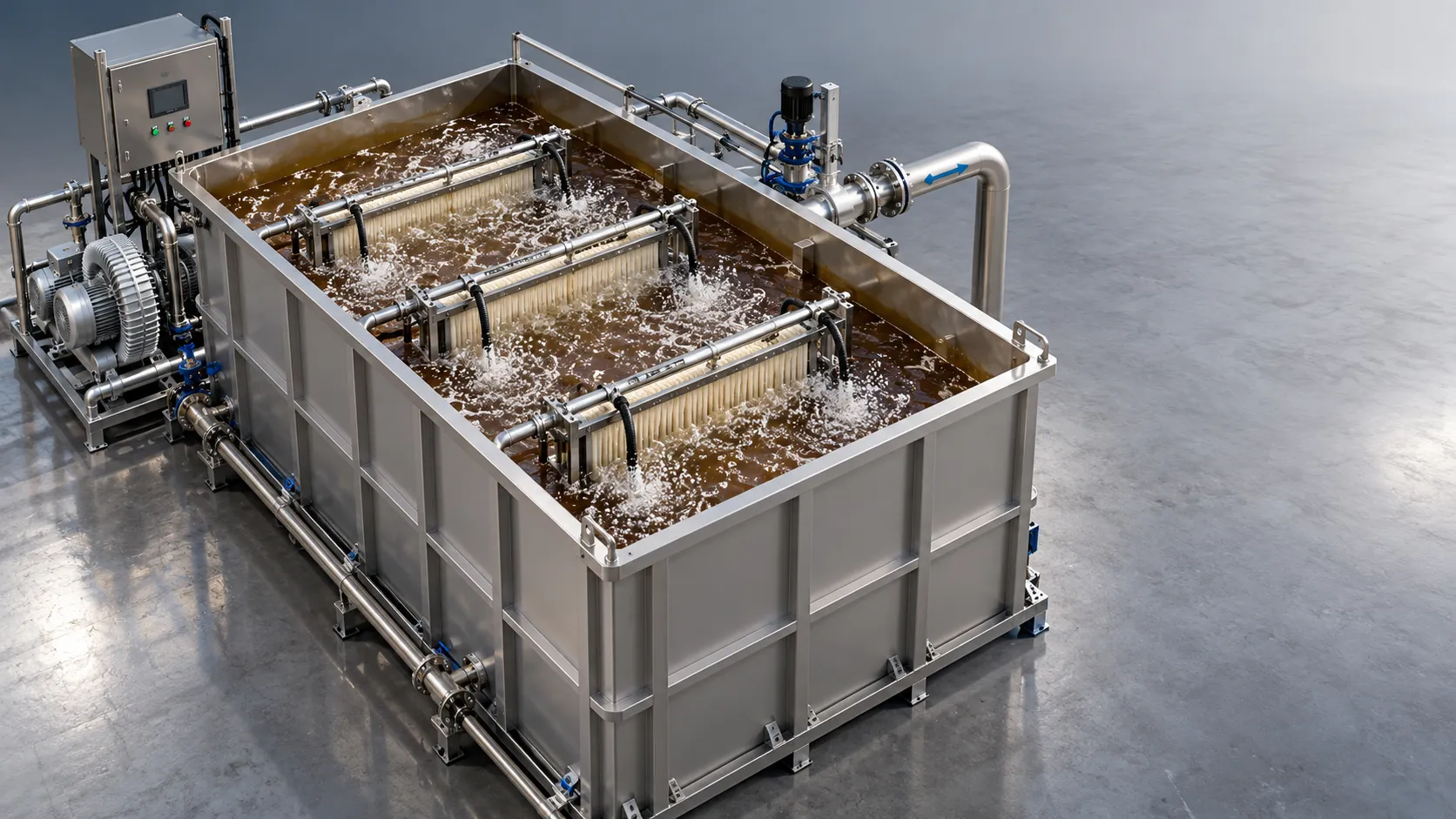
When is an MBR suitable for wastewater purification for bioprocessing?
For wastewater purification for bioprocessing, discover when an MBR fits your needs. Compare water quality, fouling risks, and lifecycle costs before investing.
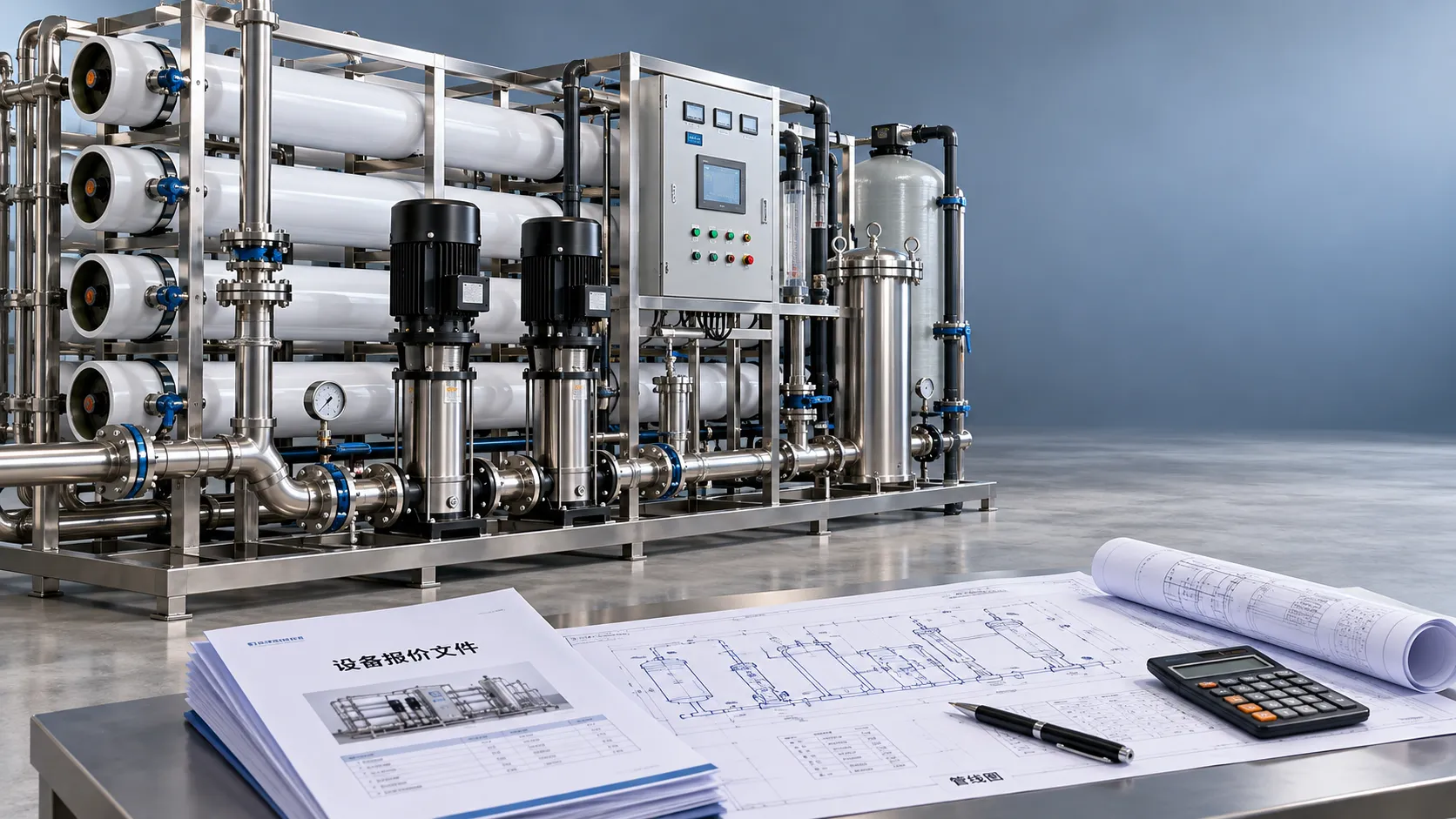
How to check a water treatment quotation for hidden project costs
Review your water treatment quotation for hidden costs, scope gaps, and operating expenses. Learn what to check before signing to protect your budget and avoid costly surprises.
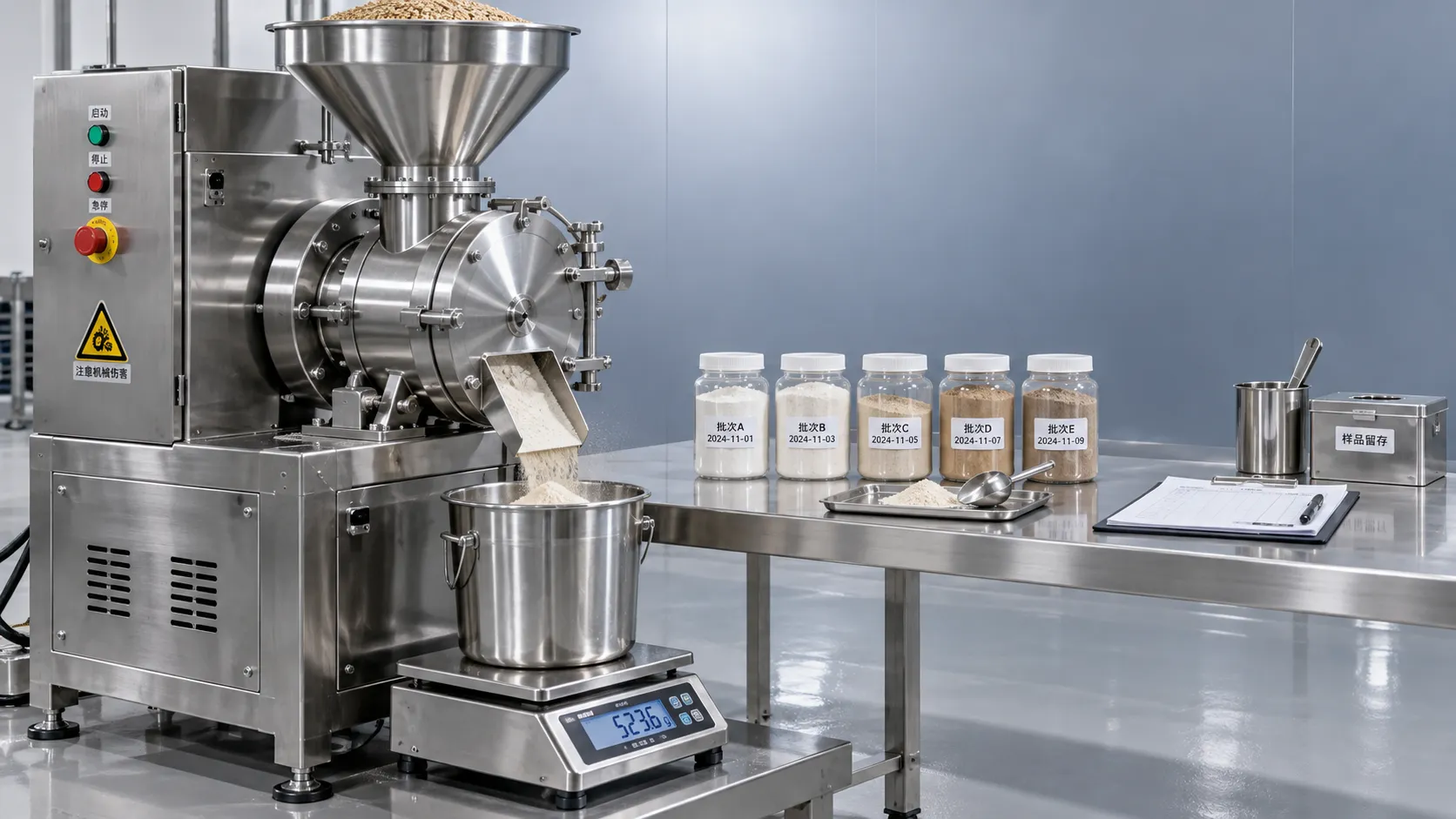
How to vet ingredient processing equipment manufacturers using trials
Vet ingredient processing equipment manufacturers with real-world trials. Learn how to verify yield, cleaning, energy use, and scale-up before you invest.
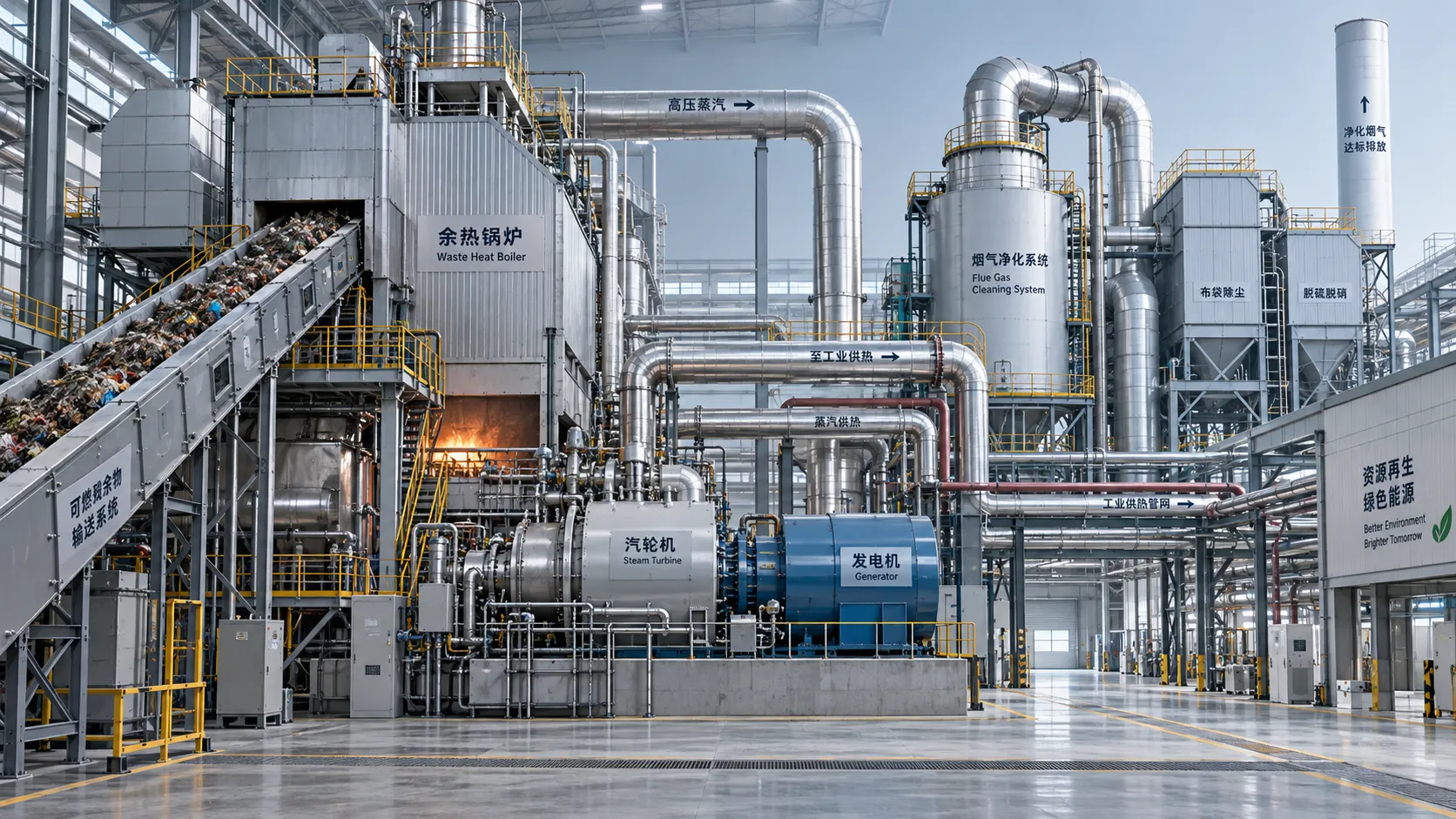
When is energy recovery viable in the solid waste recovery process?
When is energy recovery viable in the solid waste recovery process? Explore feedstock quality, net energy, emissions, and costs to assess feasibility and make smarter investment decisions.