
Industry News
Curation by industry experts
Hot Articles
Popular Tags
What to compare when choosing industrial process technology manufacturers
The most important comparison is not between two equipment brochures; it is between two manufacturers’ ability to control process risk under the actual feed, duty cycle, regulatory limits, and maintenance conditions of the project. A supplier can offer an impressive recovery rate, removal efficiency, or energy figure while leaving critical assumptions undefined: influent variability, fouling load, redundancy philosophy, chemical consumption, availability basis, or the boundary of its performance guarantee.
That distinction matters across industrial wastewater treatment, zero liquid discharge (ZLD), resource recovery, seawater desalination, flue-gas treatment, and hazardous or nuclear-related waste systems. In these applications, process technology is not a standalone machine. It is a chain of reactions, separations, controls, utilities, materials, and operating decisions. The manufacturer selected must therefore be evaluated as a process owner with defined accountability, not merely as an equipment fabricator.
Begin with the process envelope, not the nominal design point
Manufacturers often state performance at a single set of design conditions. Those values have limited meaning unless the proposed technology is assessed against the full operating envelope. A robust technical comparison starts by defining the conditions that the plant must tolerate, not only the conditions it is expected to see on average.
For a wastewater system, this may include hydraulic peaks, intermittent discharges, COD and TDS swings, oil and grease carryover, toxic shock loads, temperature changes, pH excursions, and variable biological treatability. For seawater reverse osmosis (SWRO), salinity alone is insufficient; seasonal temperature, turbidity, algal events, dissolved organics, intake configuration, and pretreatment performance can determine membrane fouling risk and available flux. For flue-gas control, the relevant envelope may include sulfur content, ash composition, gas temperature, moisture, load turndown, startup conditions, and the interaction between particulate removal and downstream catalyst or absorber performance.
A useful comparison request should require each bidder to state:
- the influent or process conditions used for sizing;
- the maximum and minimum conditions under which guaranteed performance applies;
- the conditions treated as abnormal, excluded, or requiring operator intervention;
- the assumed upstream protection and downstream handling systems;
- the consequences of operating outside the stated envelope.
This exposes a frequent weakness in early-stage proposals: two designs may appear comparable because both meet an outlet specification, while one design depends on more stable feed conditions, tighter upstream control, or more frequent cleaning. The proposal with the lower capital cost may simply contain a narrower operating window.
Compare process guarantees by their measurement basis
Guaranteed values are meaningful only when the test method, duration, sampling method, and responsibility for inputs are clear. “Recovery,” “removal efficiency,” “capacity,” and “energy consumption” are not self-explanatory contractual terms.
Consider energy use in a membrane desalination or high-pressure wastewater reuse system. A quoted specific energy consumption may exclude intake pumping, pretreatment, concentrate handling, chemical dosing, clean-in-place systems, auxiliary equipment, or standby loads. In thermal evaporation and crystallization systems, energy figures may depend heavily on the availability and pressure of steam, waste heat, cooling water, or mechanical vapor recompression power. Comparing a single kWh/m³ number without a battery-limit definition can produce a false ranking.
The same issue applies to emissions systems. A supplier may guarantee pollutant removal at a defined inlet concentration and gas flow, but the guarantee may not cover transient operation, reagent quality variation, catalyst aging, bypass operation, or interactions with upstream combustion conditions. In ZLD, a guarantee for final solids production should distinguish between dry solids, wet cake, mixed salts, hazardous residues, and material requiring additional stabilization or disposal.
Technical evaluators should ask for a guarantee matrix that identifies each parameter, its unit, test method, duration, operating conditions, acceptable tolerance, and remedy if the value is not achieved. It should also distinguish process guarantees from mechanical completion, equipment availability, and utility consumption commitments. These are separate obligations and should not be treated as interchangeable evidence of capability.
Assess the weak links between unit operations
Many industrial process failures occur at interfaces rather than inside the principal technology. A reverse-osmosis train may be technically sound, but inadequate clarification, media filtration, ultrafiltration integrity, antiscalant control, or cartridge-filter management can shorten membrane life. A biological treatment process may meet removal targets in a design model but become unstable if equalization volume, nutrient balance, aeration turndown, sludge wasting, or foam control is not properly integrated.
This is why industrial process technology manufacturers should be compared on the completeness of their process responsibility. The key question is not whether a company supplies a membrane skid, evaporator, scrubber, pyrolysis reactor, or sorting line. It is whether it has demonstrated engineering control over the upstream and downstream conditions that allow that equipment to perform as intended.
In a resource recovery system, for example, the recovery step cannot be evaluated independently from feed preparation and product quality. Metal recovery, nutrient recovery, solvent recovery, or solid-fuel production can fail commercially even when the separation itself works, because contaminants affect product purity, storage stability, transport classification, or downstream buyer acceptance. The manufacturer’s process design should identify where contaminants accumulate, which streams require purge or treatment, and whether recovered output is a usable product or merely a lower-volume waste.
Interface discipline is especially important when several suppliers are involved. The technical comparison should map responsibility for civil works, utilities, instrumentation, feed conditioning, chemical supply, residue handling, automation integration, performance testing, and operator training. Gaps in these boundaries often reappear later as change orders, commissioning delays, or disputes over whether a performance shortfall originated upstream of the guaranteed package.
Look beyond removal performance to reliability mechanisms
Lifecycle reliability is not adequately represented by a statement that equipment is “industrial grade.” It depends on how the technology responds to corrosion, abrasion, scaling, plugging, thermal cycling, vibration, power interruption, operator error, and maintenance deferral.
Materials selection deserves close scrutiny because media chemistry and temperature frequently change over the life of a plant. Stainless steel grades, duplex alloys, lined carbon steel, fiberglass-reinforced plastics, rubber linings, elastomers, coatings, and refractory systems each have distinct limits. A material appropriate for chloride-bearing water at one temperature may not be appropriate at a higher temperature, lower pH, or in the presence of oxidants. Likewise, abrasive solids can turn an otherwise suitable pipe, valve, pump, or hydrocyclone material into a recurring maintenance burden.
The manufacturer should provide more than a materials list. A credible submission explains the corrosive or erosive mechanisms considered, the design margins used, components regarded as consumable, inspection points, and expected failure modes. It should identify which parts are proprietary and which can be sourced to recognized specifications. For process plants expected to operate continuously, the design should also show how a single failure is isolated without forcing total shutdown.
Redundancy must be evaluated functionally. “N+1” is useful only when the spare unit is genuinely capable of maintaining the required duty and when common-cause failures have been addressed. Two parallel chemical dosing pumps do not create meaningful resilience if both depend on one poorly protected storage tank, one blocked injection quill, or one shared control signal. Multiple membrane trains provide flexibility only if pretreatment, cleaning capacity, high-pressure pumping, and concentrate disposal can support the remaining trains during an outage.
Separate compliance capability from compliance claims
Environmental compliance is increasingly embedded in technical selection, but compliance language in a proposal should not be accepted without traceability. The required discharge, emission, waste-classification, occupational safety, and monitoring obligations depend on the jurisdiction, permit conditions, receiving environment, and specific industrial activity. A manufacturer cannot substitute a generic statement of regulatory awareness for a project-specific compliance design.
The practical comparison is whether the proposed system provides the instrumentation, sampling access, alarm logic, data retention, and operating stability needed to demonstrate compliance over time. A plant that can meet a limit during a controlled acceptance test but cannot reliably detect drift in conductivity, pH, ammonia, turbidity, flow, particulate loading, reagent consumption, or critical pressure differentials carries a different compliance risk.
For projects involving cross-border supply, documentation should also be assessed as part of technical deliverability. Pressure equipment, electrical assemblies, machinery safety, hazardous-area equipment, and control systems may require conformity evidence applicable to the destination market. ISO 9001 certification can indicate the presence of a quality-management system, but it does not validate a process design or prove guaranteed field performance. Similarly, material certificates, welding procedures, factory acceptance tests, and third-party inspections should be matched to the actual risk profile of the equipment rather than requested as generic paperwork.
Where residues contain concentrated salts, heavy metals, persistent contaminants, ash, spent catalyst, brine, or radioactive materials, the evaluation should extend beyond treatment efficiency. The design must define containment, classification, handling, storage, transfer, stabilization where applicable, and the point at which responsibility passes to another party. A technology that reduces liquid volume while creating an unmanageable solid stream has shifted the compliance problem rather than resolved it.
Test digital claims against operating decisions
Digital integration is valuable when it improves a real operating decision: when to clean membranes, how to detect abnormal fouling, where to reduce air demand, when to replenish reagent, how to identify sensor drift, or how to predict a pump or blower failure before it disrupts treatment. It is less valuable when it is limited to dashboards with no defined data quality, control authority, or maintenance workflow.
Manufacturers should therefore be compared on architecture rather than marketing labels. Important questions include whether the control system uses open, documented communication protocols; whether plant data can be transferred to an owner-controlled historian; how alarms are prioritized; whether remote access is segmented and governed; how software updates are managed; and what happens when cloud connectivity is unavailable. Cybersecurity and operational continuity are linked in critical treatment infrastructure: remote diagnostics should not create an uncontrolled path into plant controls.
Predictive models also need boundaries. A fouling or maintenance forecast is only as reliable as the sensors, operating history, laboratory inputs, and failure definitions supporting it. Suppliers should specify which recommendations are automated, which require human confirmation, and how the model behaves when incoming data are missing or outside its trained range. Digital functions should be accepted against measurable use cases, not vague promises of optimization.
Examine commissioning, service, and knowledge transfer as technical deliverables
Complex process equipment reaches its intended performance only after tuning. Control loops need adjustment, chemical dosages require optimization, membranes need stable operating protocols, biological systems need controlled startup, and thermal systems may require careful management of scaling and crystallization behavior. The manufacturer’s scope during this period is therefore central to technical risk.
Compare the proposed commissioning plan in detail: site presence, duration, process specialists assigned, analytical support, tuning responsibilities, operator training, performance-test prerequisites, and the escalation path when results are outside design expectations. A short mechanical startup commitment is not equivalent to process commissioning through stable performance verification.
Service capability should be assessed through response structure rather than broad claims of global coverage. Critical spares lists, lead-time assumptions, regional inventory, remote-support capability, documentation quality, and access to process engineers all matter. For proprietary membranes, catalysts, automation modules, or wear components, supply continuity and substitution rules deserve particular attention. A design that depends on a single proprietary consumable may be justified, but the technical and commercial consequences should be explicit.
Use reference evidence that matches the difficult part of the duty
Reference projects are most valuable when they resemble the proposed application in the variables that create risk. Matching capacity alone is rarely enough. The relevant comparison may be high salinity, refractory organics, high silica, corrosive chemistry, strict effluent limits, abrasive solids, severe ambient temperature, frequent load changes, or a requirement for uninterrupted operation.
Reference evidence should reveal the configuration, feed characteristics, operating period, scope supplied, and performance boundary—not merely a client name or installed equipment count. If confidentiality prevents full disclosure, the manufacturer can still provide anonymized process data, design narratives, third-party test records, or detailed descriptions of similar operating constraints. The goal is to determine whether the supplier has solved the same technical problem, rather than whether it has supplied a similar-looking package.
A disciplined comparison ultimately identifies the manufacturer that makes the fewest critical assumptions invisible. The strongest proposal is not necessarily the one with the highest headline efficiency or the lowest initial price. It is the one that defines its operating envelope, owns its interfaces, substantiates its guarantees, explains its failure modes, and provides a credible path from commissioning to long-term compliant operation. For industrial process technology, that level of transparency is often the clearest indicator of real engineering capability.
Recommended News
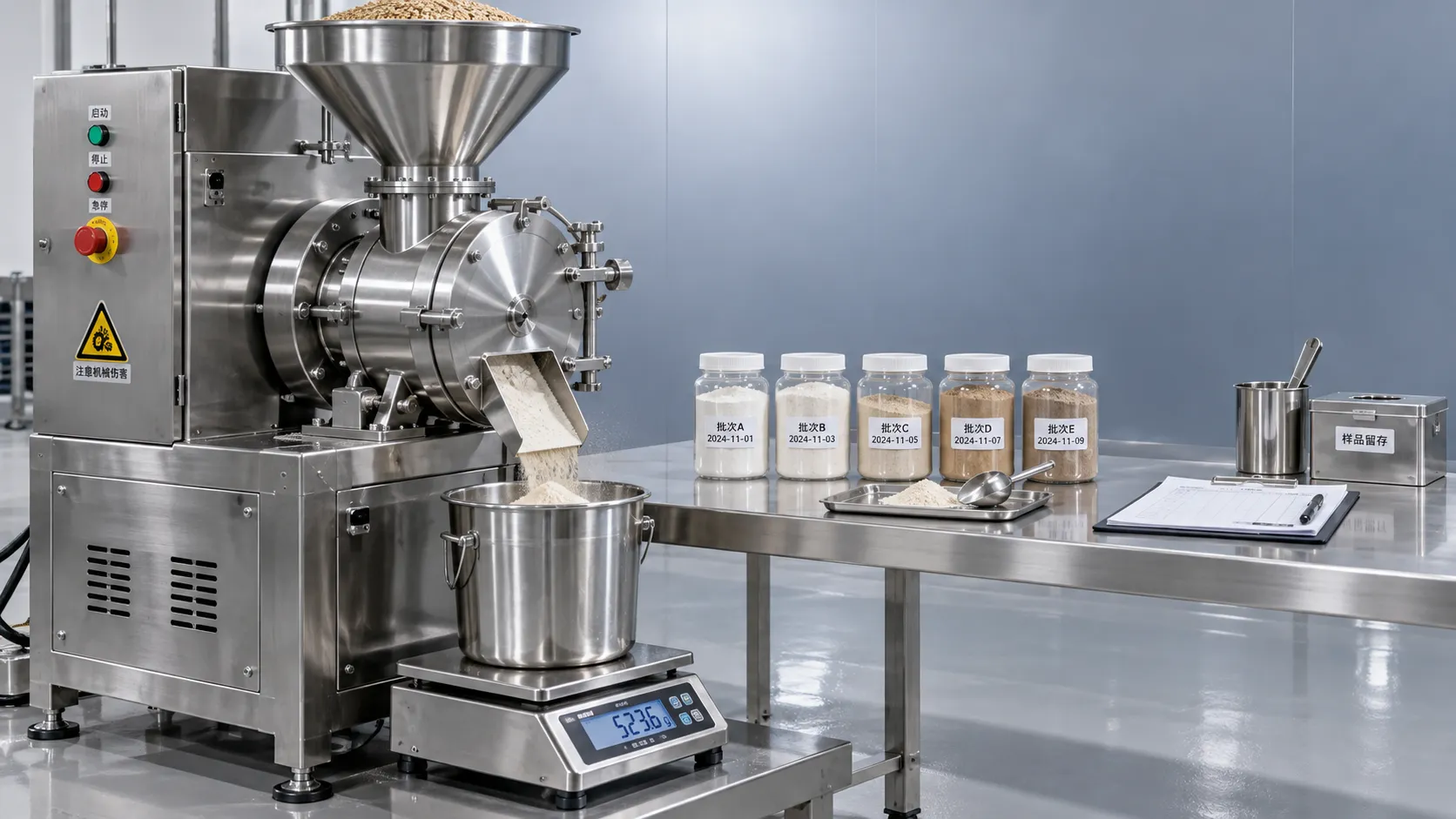
How to vet ingredient processing equipment manufacturers using trials
Vet ingredient processing equipment manufacturers with real-world trials. Learn how to verify yield, cleaning, energy use, and scale-up before you invest.
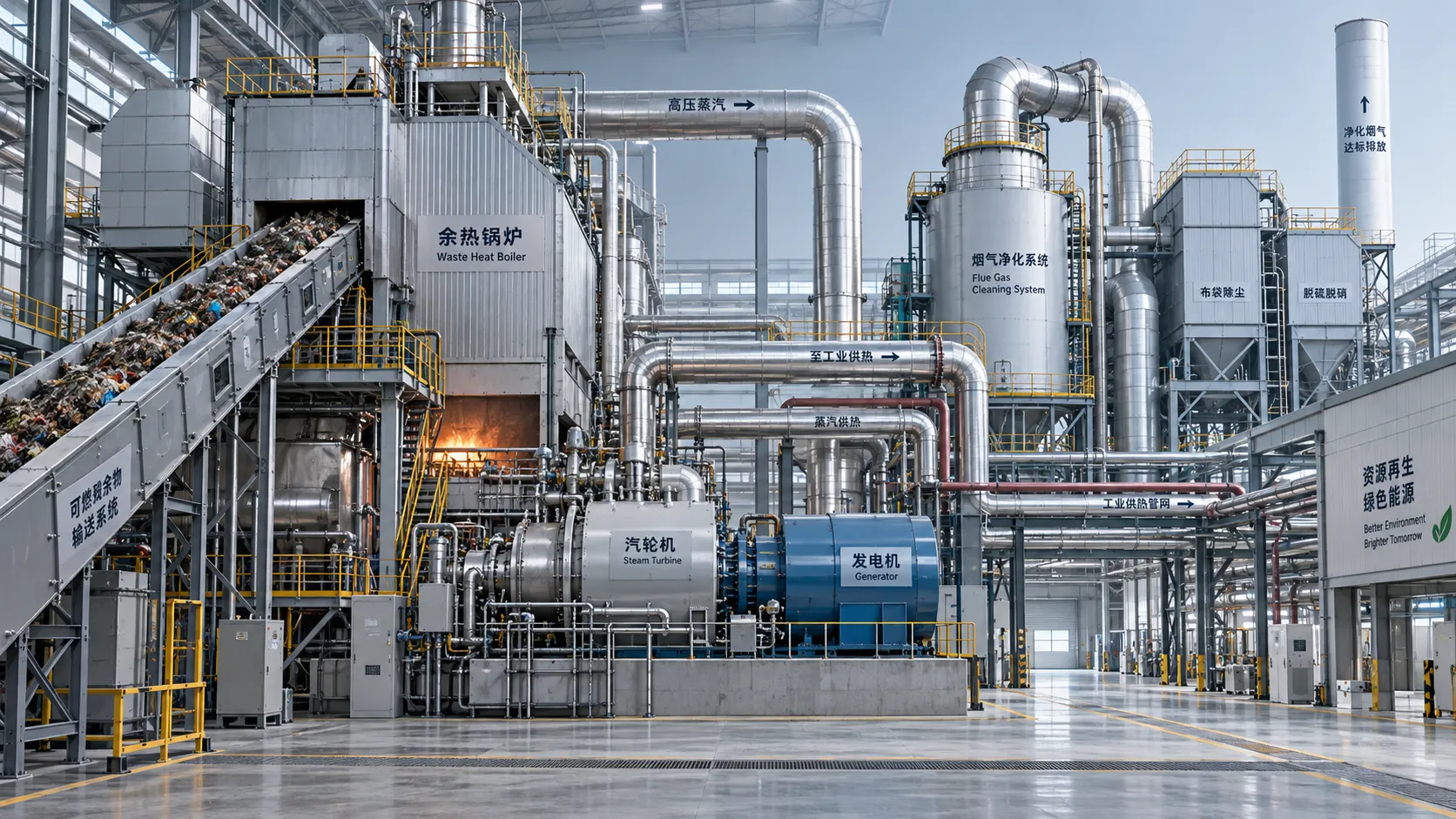
When is energy recovery viable in the solid waste recovery process?
When is energy recovery viable in the solid waste recovery process? Explore feedstock quality, net energy, emissions, and costs to assess feasibility and make smarter investment decisions.
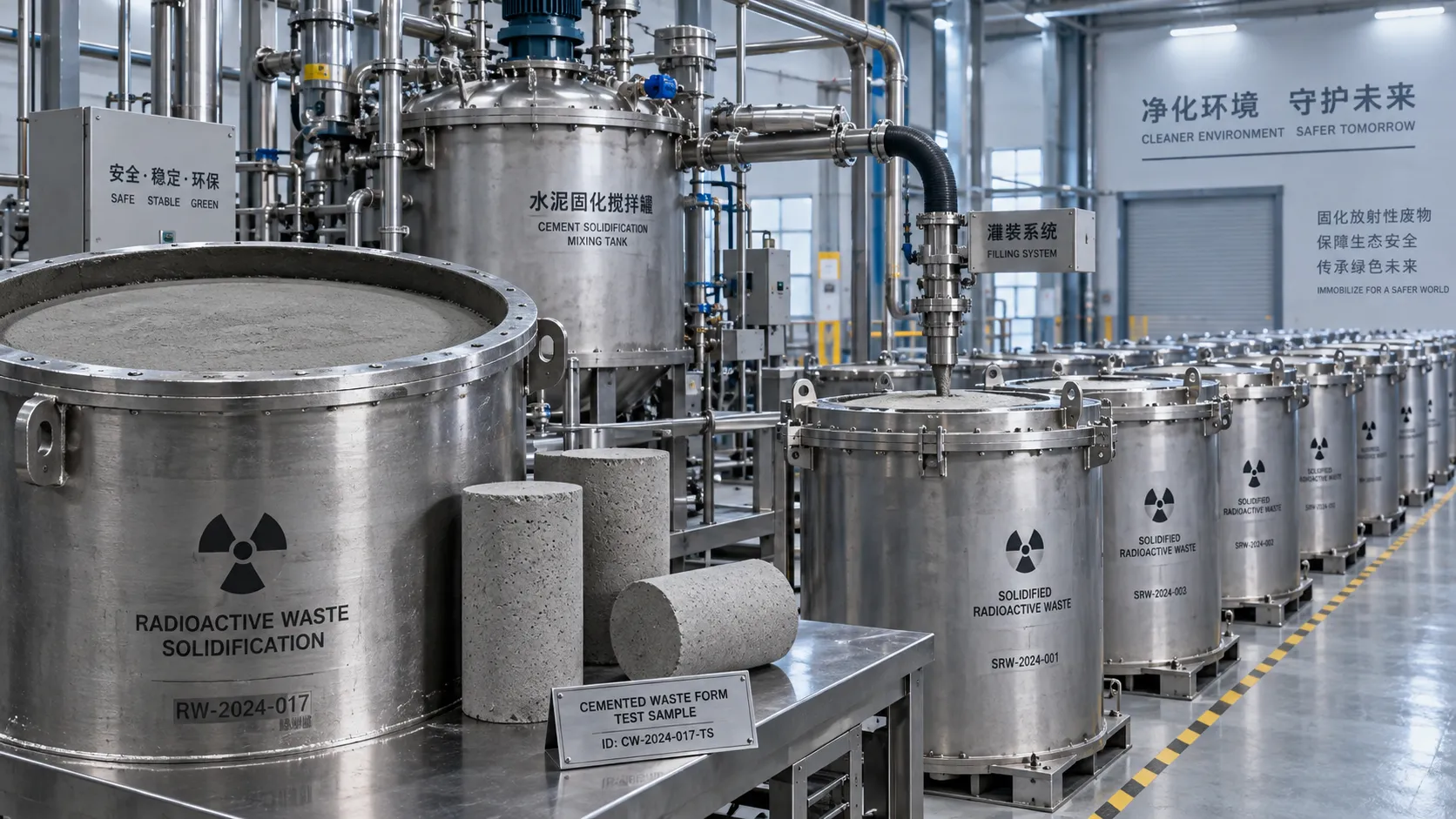
When is cementation suitable for nuclear decommissioning waste?
Explore nuclear waste treatment technology for decommissioning: learn when cementation fits, which risks to assess, and how disposal criteria guide an effective treatment choice.
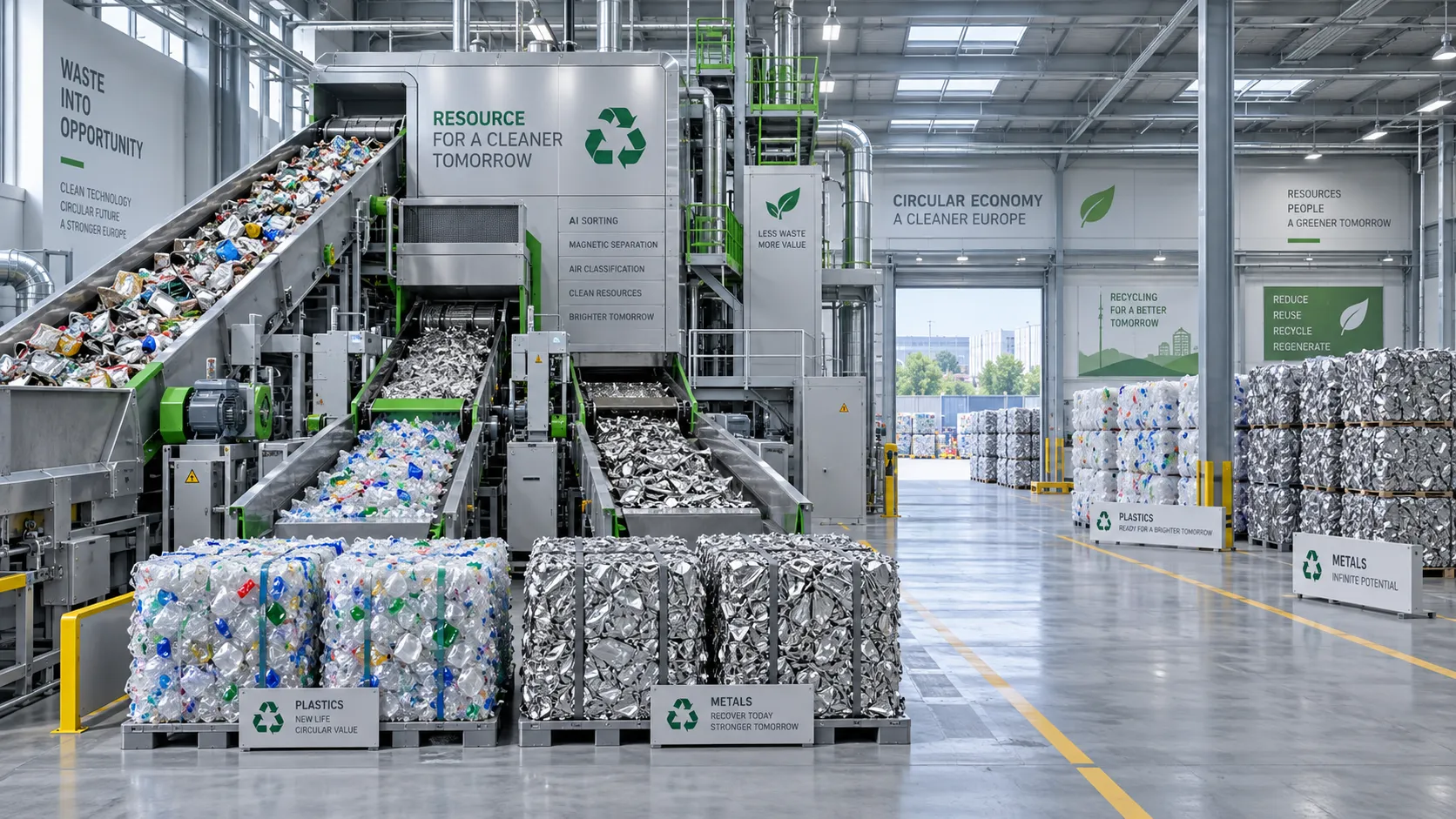
What determines payback for waste-to-resource systems in Europe?
Assess waste-to-resource systems Europe-wide: compare feedstock, recovery yields, costs and contracts to uncover payback drivers and make smarter investment decisions.
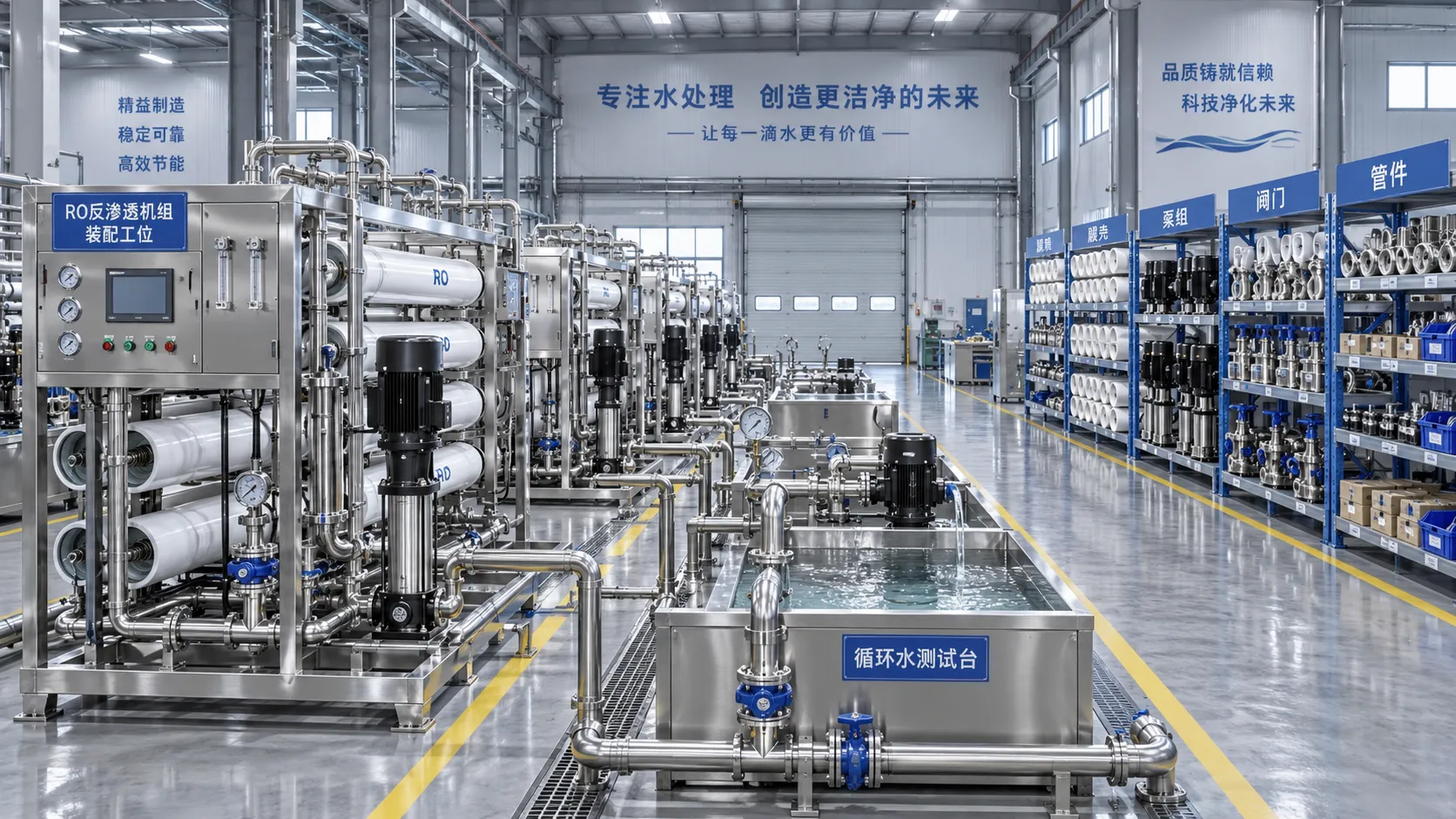
How to verify a water treatment system factory’s production capacity
Verify a water treatment systems factory’s production capacity through records, bottlenecks, component availability, and testing. Learn what to check before accepting a delivery promise.
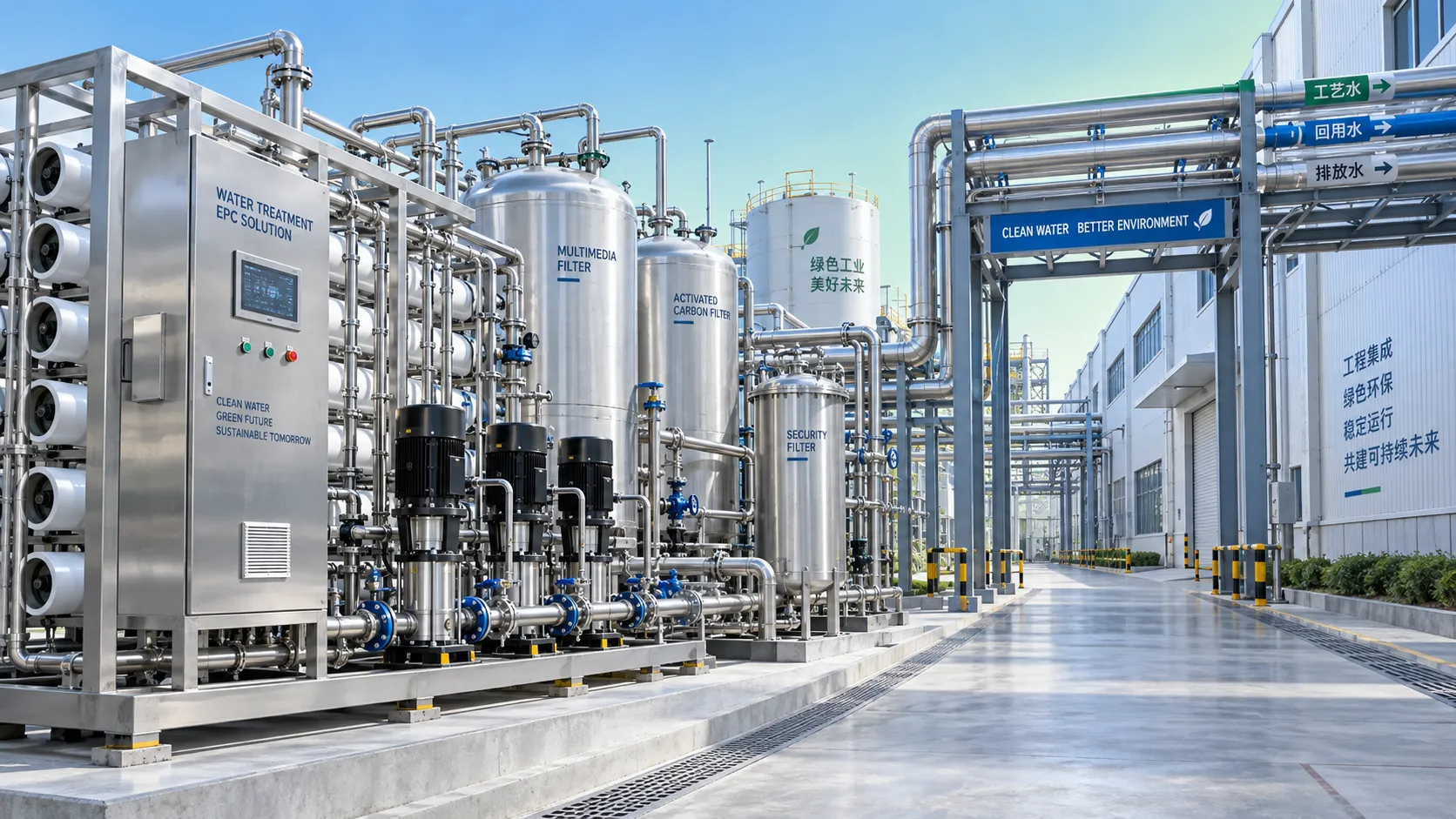
When does EPC environmental project support reduce delivery risk?
EPC environmental project support engineering reduces delivery risk by aligning design, procurement, compliance, construction, and commissioning decisions.
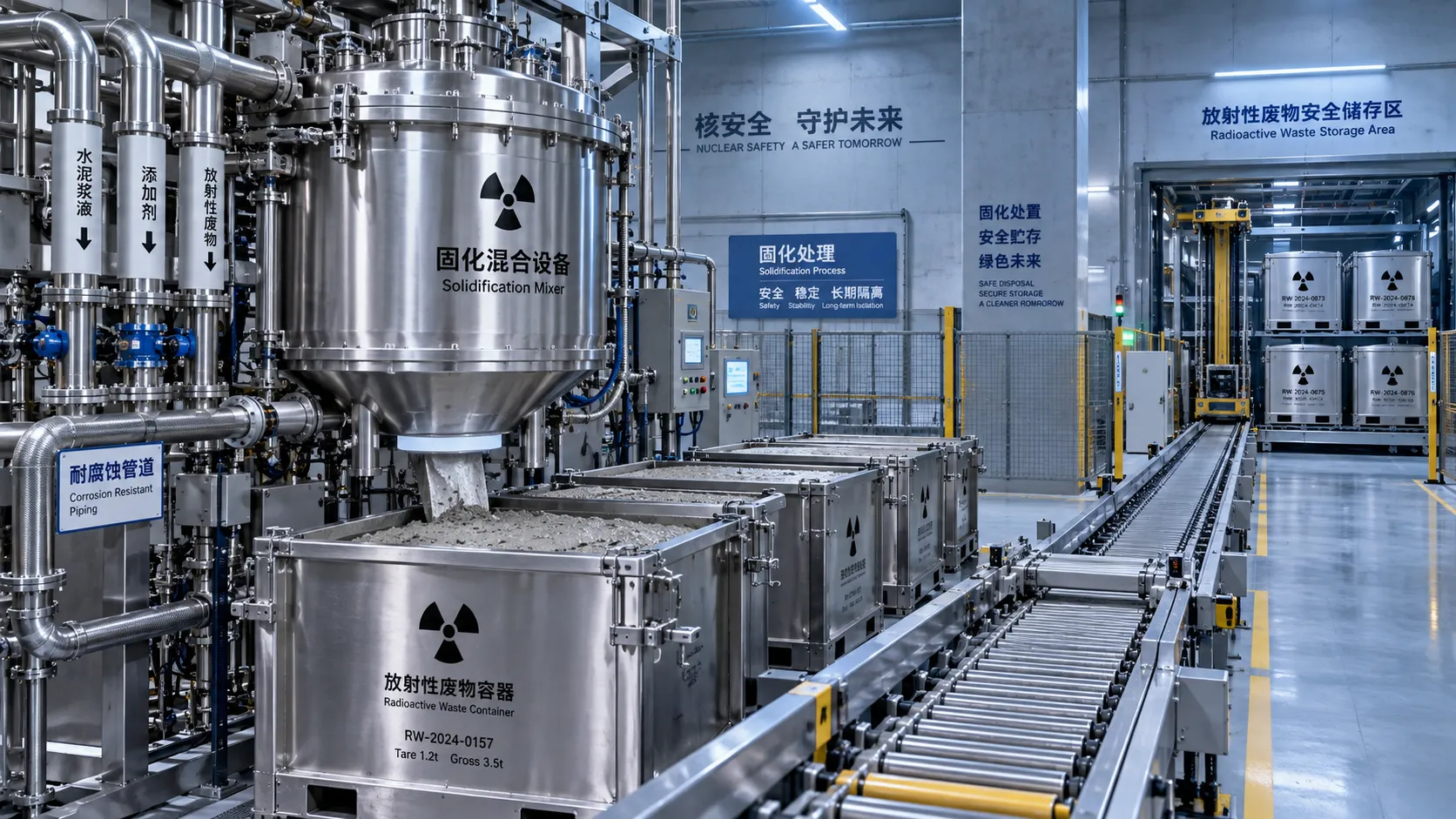
How nuclear plants select a radioactive waste solidification method
Radioactive waste management for nuclear plants: compare vitrification, cementation, polymers, and ceramics to select a compliant, durable solidification solution.
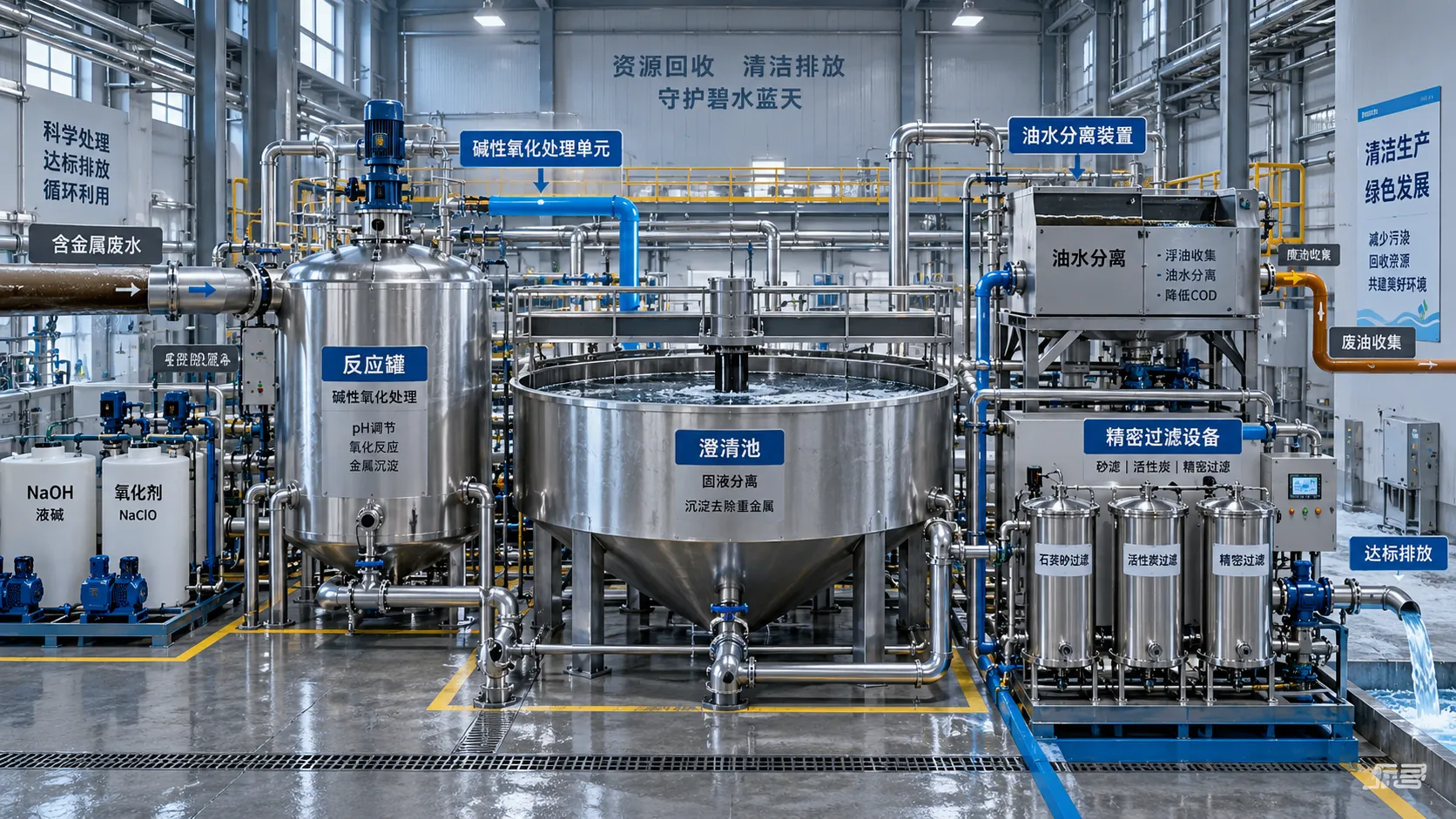
Treating Metal Finishing Wastewater: Removing Metals, Cyanide, and Oil Reliably
Metal finishing wastewater treatment made reliable: learn how to safely remove metals, cyanide, oil, and complex contaminants with proven stream segregation and control strategies.
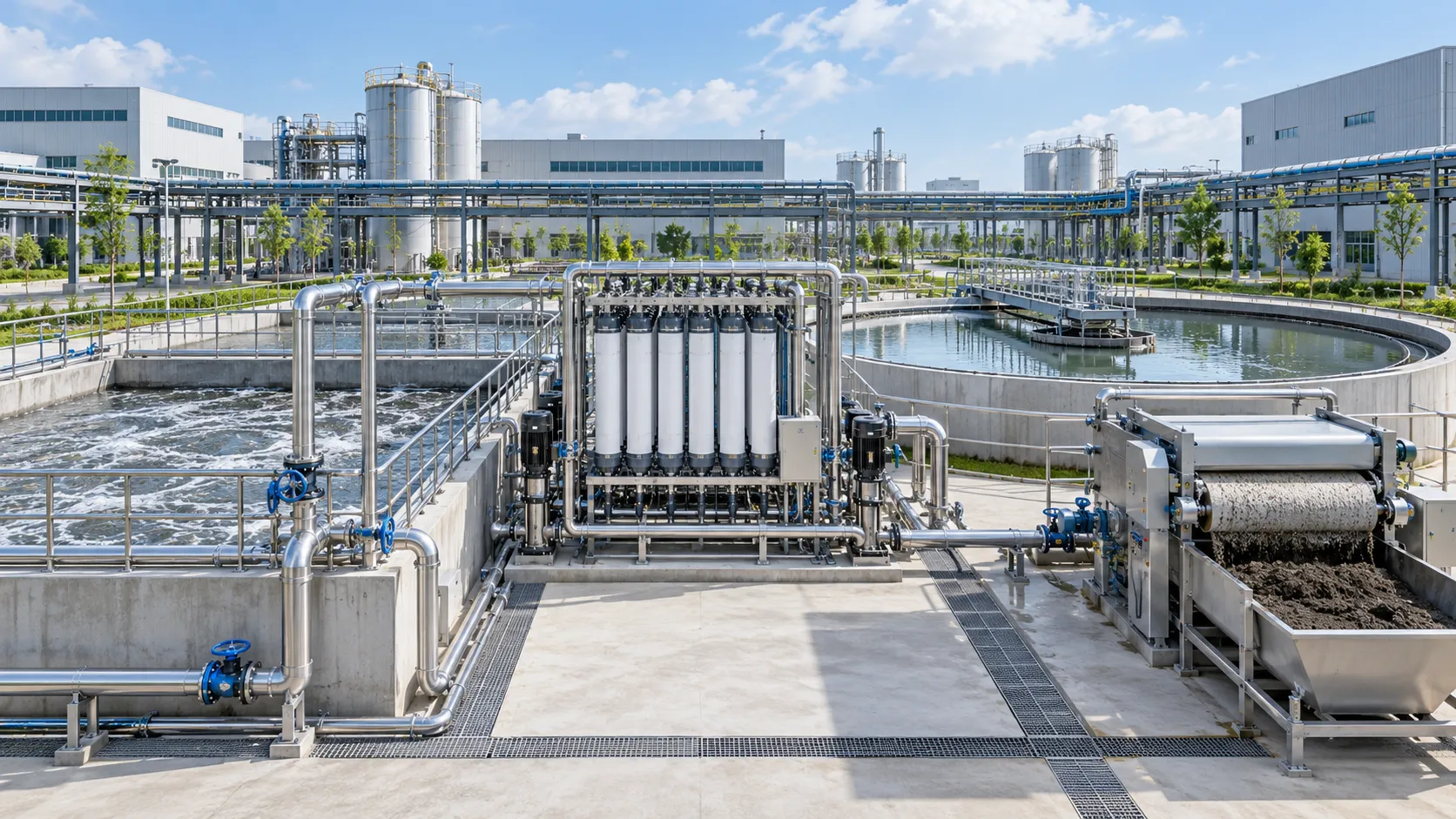
What Drives the Cost of Wastewater System Upgrades in Industrial Parks?
Costs of wastewater system upgrades in industrial parks: uncover key drivers from influent variability and civil works to sludge, energy, compliance, and lifecycle risk.