
Industry News
Curation by industry experts
Hot Articles
Popular Tags
FGD Scrubbers: Common Performance Problems and How to Fix Them
Why do FGD scrubbers lose performance even when the system is still running?
FGD scrubbers rarely fail in one dramatic moment. More often, they drift away from design conditions and keep operating with hidden losses.
That drift matters because flue gas treatment sits at the center of environmental compliance, uptime, and asset protection.
In practice, a small drop in absorber efficiency can trigger a chain reaction: higher SO2 slip, scaling, pump strain, corrosion, and unplanned cleaning.
For platforms such as ESD, this is exactly where equipment intelligence becomes useful. Reliable operation depends on reading process signals before they turn into compliance events.
Most FGD scrubbers show trouble through a familiar set of symptoms:
- Rising outlet SO2 despite stable boiler load.
- Unexpected pressure drop across the absorber.
- Frequent mist eliminator washing or plugging.
- Slurry density swings, foam, or visible solids buildup.
- Accelerated wear in pumps, piping, and nozzles.
The useful question is not whether the unit is online. It is whether the process chemistry, hydraulics, and mechanical condition still match each other.
When outlet emissions rise, where should the troubleshooting start?
Start with the basics that most often move first: pH, liquid-to-gas ratio, limestone quality, oxidation air, and spray coverage.
Higher emissions do not always mean the absorber tower is undersized. Very often, the real problem is poor gas-liquid contact.
A practical screening table helps narrow the issue quickly.
If a quick fix is needed, verify instruments before changing setpoints. Many FGD scrubbers are over-corrected because a faulty reading looks like a chemistry problem.
It also helps to compare absorber data with upstream fuel sulfur swings. Sometimes the scrubber is reacting normally to a changing inlet burden.
What usually causes scaling, plugging, and slurry imbalance?
This is one of the most common maintenance headaches in FGD scrubbers, and it usually comes from chemistry drifting outside a narrow workable window.
Scaling tends to build when solids residence time, oxidation quality, slurry density, and chloride management stop working together.
A few conditions appear again and again in the field:
- Undersupplied oxidation air leaves unstable sulfite-rich slurry.
- Low-quality limestone creates coarse, slow-reacting particles.
- Inadequate bleed-off concentrates chlorides and dissolved salts.
- Dead zones in tanks allow solids settling and hard deposits.
- Intermittent operation changes crystal growth behavior.
The fix is rarely just “wash it more.” Cleaning helps, but the deposit returns unless the mother liquor chemistry is corrected.
In actual plants, the better approach is to review absorber liquor analysis together with nozzle inspection and recirculation loop performance.
That cross-check is important in broader environmental systems too. ESD often frames flue gas treatment the same way it views ZLD or desalination: deposits are process signals, not isolated mechanical defects.
If corrosion keeps returning, is the material failing or the process drifting?
Usually both factors interact, but process drift is the more common starting point.
FGD scrubbers operate in a wet, acidic, chloride-rich environment. Even good alloys or linings struggle when pH control, oxidation, or drainage deteriorate.
Recurring corrosion often points to one of these conditions:
- Localized dry-wet cycling near duct transitions or roof areas.
- Chloride concentration above the design envelope.
- Erosion-corrosion at elbows, pumps, and spray headers.
- Failed lining repairs that expose substrate edges.
- Mist carryover that wets areas not designed for constant contact.
A common mistake is replacing damaged sections without identifying the wetting pattern that caused the damage.
More useful evidence comes from thickness mapping, chloride trends, drain behavior, and inspection photos taken at the same load condition.
If corrosion clusters around one elevation or nozzle bank, the issue is often hydraulic rather than metallurgical.
Why do mist eliminators and spray nozzles become chronic trouble spots?
Because they sit where chemistry, solids, droplet behavior, and maintenance discipline all meet.
Mist eliminators foul when droplet loading rises, wash cycles are weak, or solids characteristics change. Nozzles plug when particle size, settling, or debris control gets worse.
When both happen together, FGD scrubbers can lose efficiency fast. Pressure drop increases, carryover worsens, and downstream corrosion risk goes up.
A sound diagnostic routine usually checks four things in sequence:
- Confirm wash water pressure and actual spray coverage.
- Inspect nozzle wear pattern, not only blockage.
- Review slurry solids size distribution and debris exclusion.
- Compare pressure drop trend with emissions and carryover events.
Need to reduce repeat outages? Replace the habit of emergency cleaning with condition-based intervals linked to real differential pressure and wash effectiveness data.
How can maintenance teams decide between quick correction and deeper system repair?
A good rule is simple: if the symptom returns after routine cleaning or setpoint adjustment, the problem is probably systemic.
Quick corrections make sense for isolated nozzle blockage, instrument drift, minor valve issues, or temporary feed quality changes.
Deeper repair is usually justified when repeated events show the same pattern across months or fuel cycles.
The strongest maintenance programs treat FGD scrubbers as integrated systems, not as isolated pumps, tanks, and ducts.
That mindset aligns with ESD’s broader view of eco-shield equipment: process reliability, regulatory readiness, and asset life must be evaluated together.
What should be reviewed first before the next outage window closes?
If time is limited, focus on the few checks that reveal root cause fastest instead of chasing every visible symptom.
- Trend inlet versus outlet SO2 against boiler load and fuel sulfur.
- Verify pH, density, oxidation air, and chloride measurements.
- Inspect mist eliminators, nozzle banks, and recirculation pumps together.
- Check whether scaling locations match low-flow or dead-zone areas.
- Review recurring defects by location, not only by equipment type.
That review often separates routine maintenance issues from design or operating mismatches.
In short, the best-performing FGD scrubbers are not the ones with the most intervention. They are the ones with the clearest process visibility.
If repeated problems are appearing, the next step is to build a troubleshooting matrix around chemistry, hydraulics, materials, and control response.
That creates a practical basis for inspection scope, spare parts planning, and future compliance decisions without guesswork.
Recommended News

How reactor capacity affects throughput in pyrolysis systems
Pyrolysis systems reactor capacity explained: learn how heat transfer, residence time, feed quality, and emissions controls determine reliable throughput.

When low-temperature reaction equipment is the right fit for heat-sensitive processes
Low-temperature reaction equipment helps protect heat-sensitive streams, improve energy integration, and maintain reliable conversion. Explore key selection factors today.
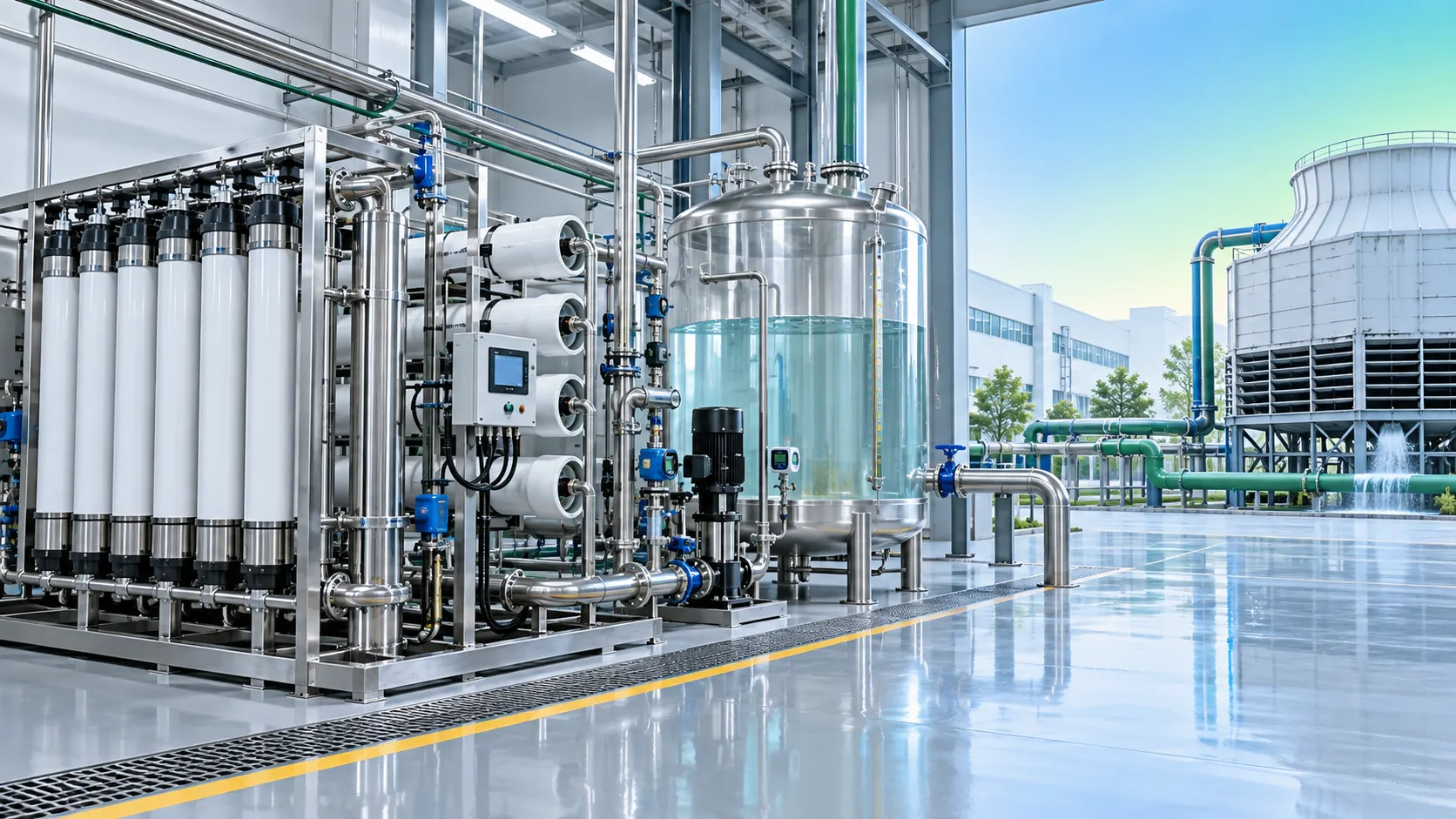
When do water reuse systems deliver a practical payback?
Water reuse systems deliver practical payback when they cut water, discharge, and downtime costs. Learn how to match treatment, recovery, and reuse quality for lasting ROI.
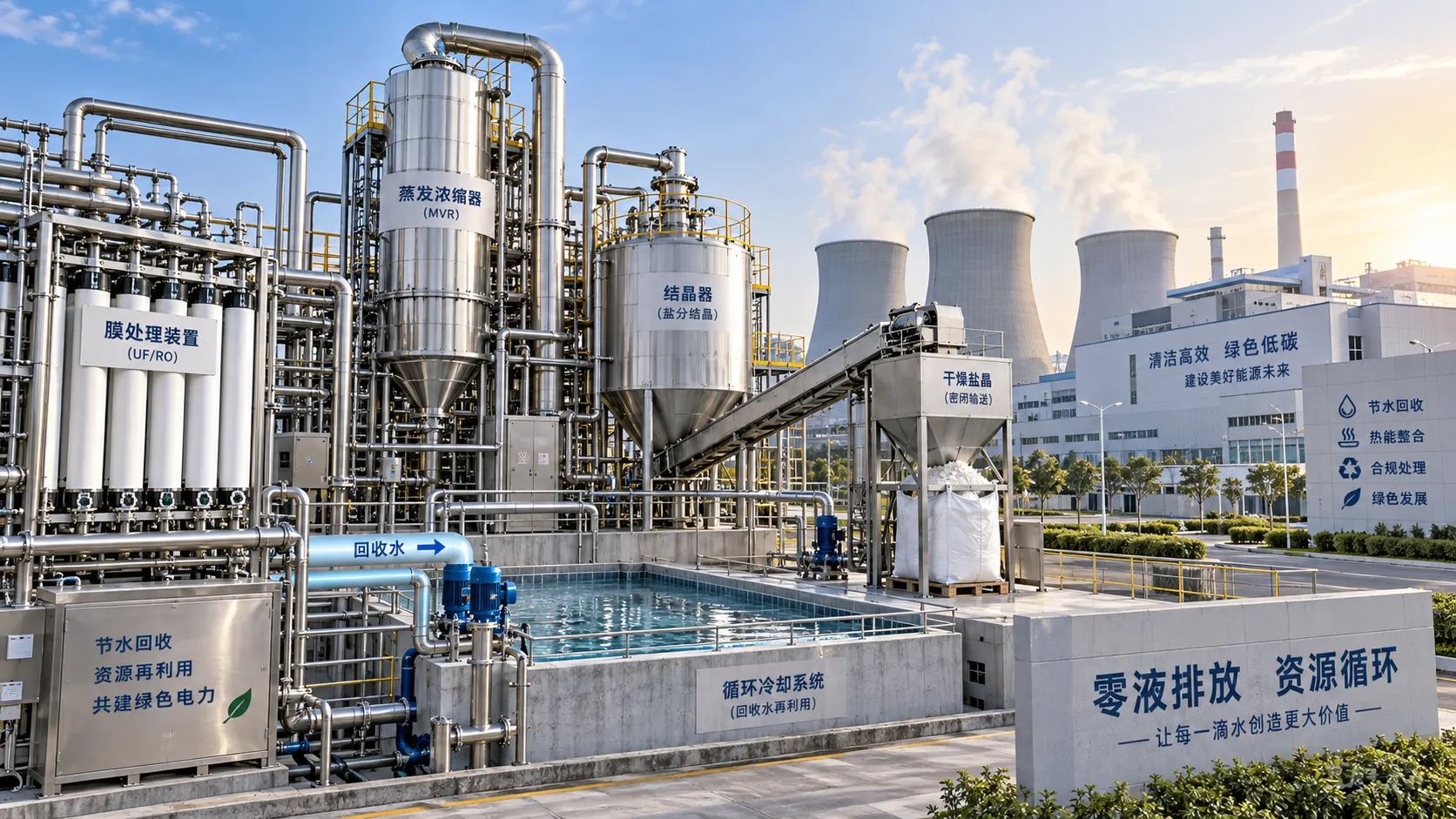
When do ZLD systems for power generation justify their energy use?
ZLD systems for power generation: learn when energy-intensive water recovery delivers stronger compliance, resilience, and long-term value.

Which decarbonization pathways are most viable in Southeast Asia?
Decarbonization Southeast Asia: discover practical pathways for clean power, efficiency, electrification, circular recovery, and resilient industrial growth.
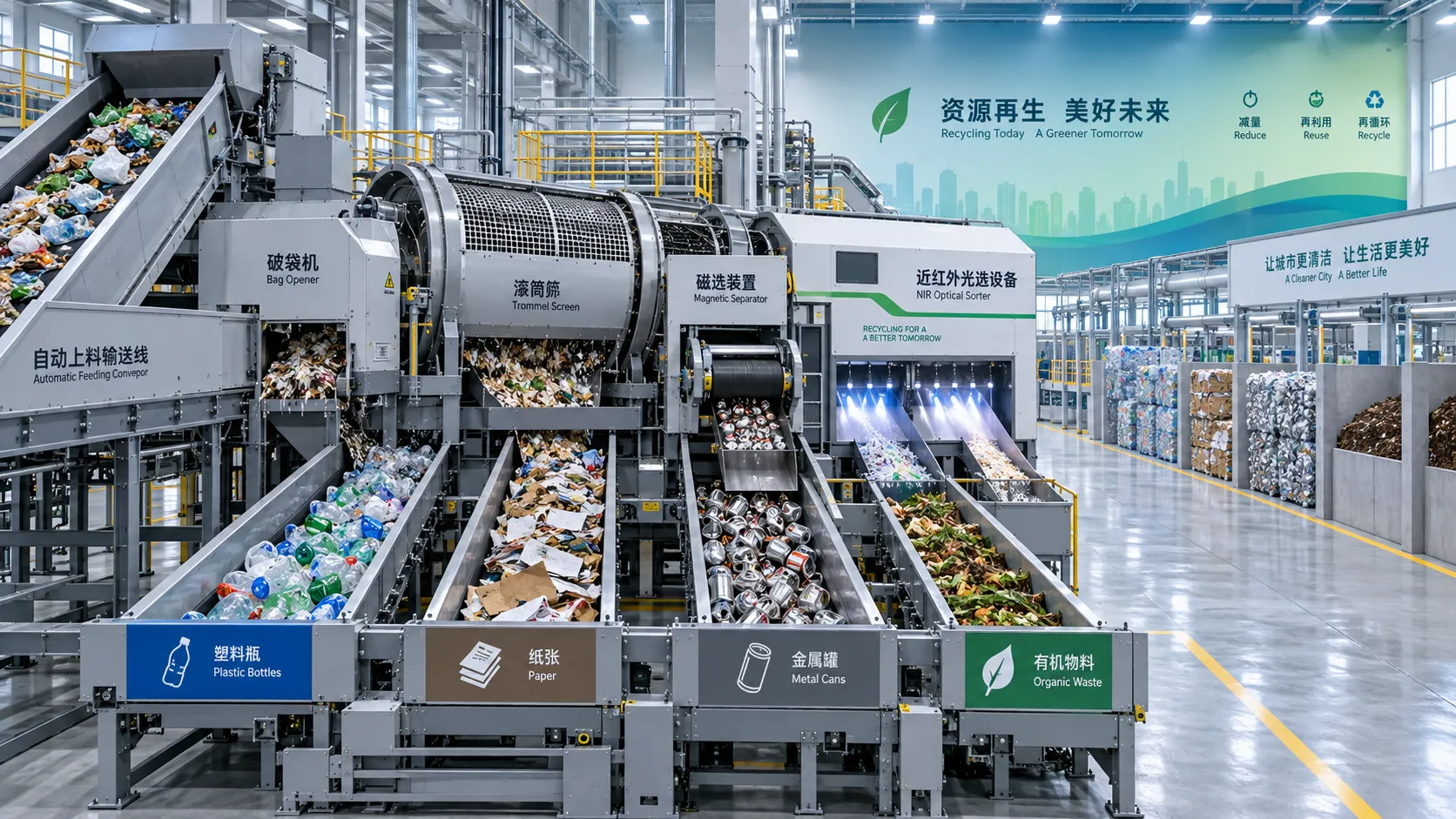
How to choose waste sorting equipment for mixed municipal waste
Waste sorting equipment selection guide for mixed municipal waste: compare technologies, improve recovery, reduce downtime, and build reliable output streams.
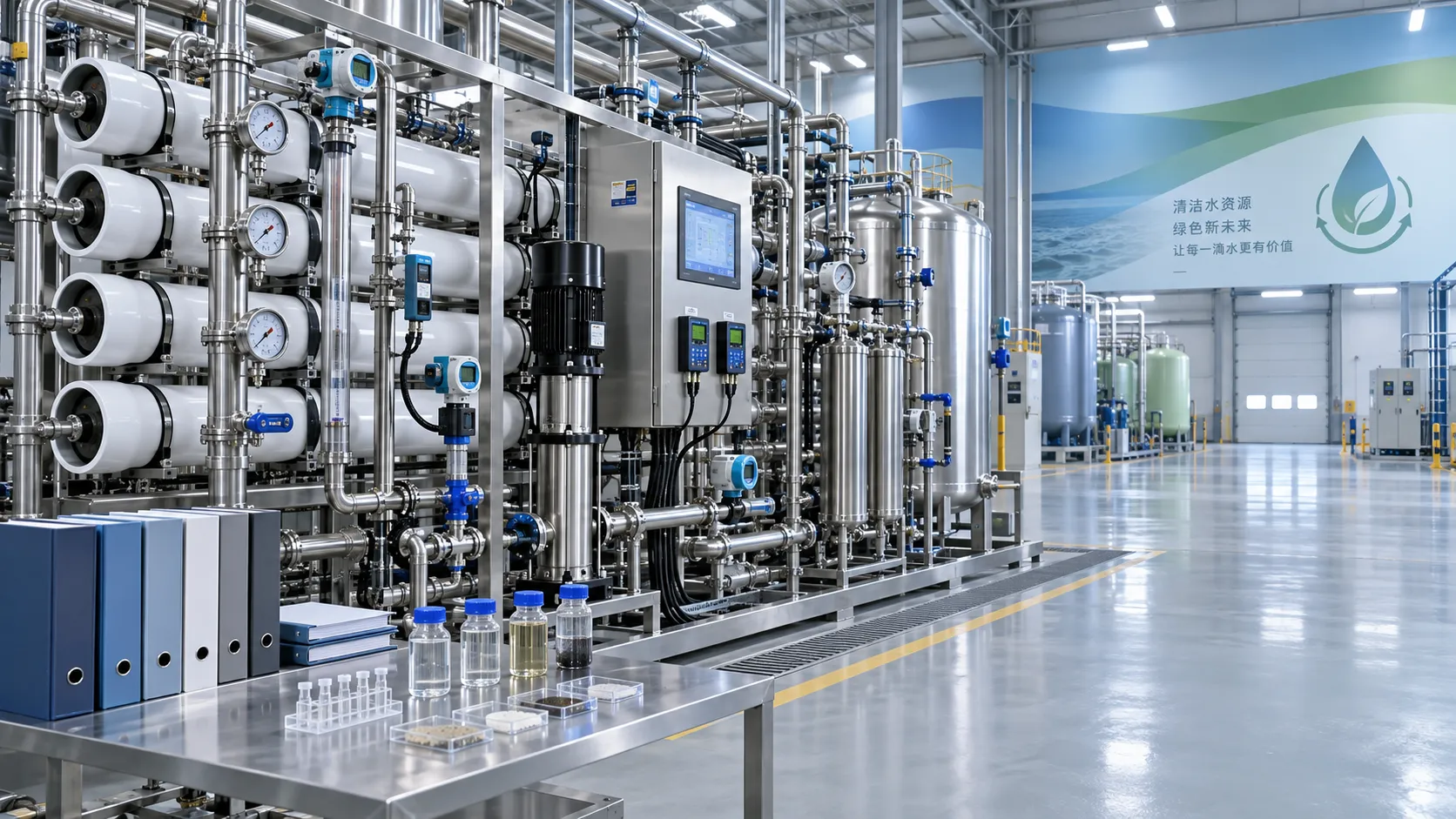
How to verify standards in an environmental equipment directory
environmental equipment directory standards reference: learn to verify certifications, performance evidence, scope, and project fit for confident, compliant equipment selection.
When high flux membrane water treatment justifies a larger footprint
High flux membrane water treatment can justify a larger footprint when variable feedwater, fouling risk, and uptime demands require resilient, lower-flux operation.

RO vs MED desalination: which is more energy-efficient at scale?
Desalination technology comparison: RO vs MED at scale. See how energy use, waste heat, feedwater, carbon, and flexibility determine the best choice.