
Industry News
Curation by industry experts
Hot Articles
Popular Tags
Decarbonization Roadmap: 5 Costly Gaps to Fix First
Decarbonization starts where operating complexity is highest
Decarbonization has moved from corporate narrative to operational discipline. In heavy environmental infrastructure, weak planning now shows up as energy loss, delayed permits, and fragile project economics.
That is especially true across water treatment, waste recovery, flue gas systems, desalination, and nuclear waste management. These assets run under strict chemistry, uptime, and compliance constraints.
A credible decarbonization roadmap cannot treat those sectors as identical. The carbon burden of a ZLD plant differs sharply from that of an AI sorting line or an SCR retrofit.
In practice, the most expensive mistakes come from hidden gaps. They sit between process design, equipment selection, regulatory timing, and lifecycle cost assumptions.
ESD follows this intersection closely because the ecological engineering market no longer rewards isolated efficiency claims. It rewards integrated decisions that connect purification physics, resource loops, and global compliance pressure.
Why the same decarbonization target fails in different operating scenes
The headline goal may be similar, yet the decision logic is not. One site may need to cut steam intensity, while another must reduce power volatility or carbon exposure in cross-border supply chains.
A seawater desalination project, for example, often struggles with membrane energy demand and intake conditions. A flue gas treatment line may instead face catalyst performance loss at low temperatures.
More importantly, decarbonization decisions interact with local realities. Feedwater composition, waste calorific value, grid carbon intensity, maintenance access, and permit pathways all reshape the best option.
This is why a roadmap built only on annual emissions targets tends to underperform. It misses how carbon cost is created inside daily process instability.
Gap one appears when energy baselines ignore process variability
Many decarbonization programs start with averaged utility data. That looks clean in a dashboard, but it hides the real carbon spikes caused by variable loads, off-spec feed, and seasonal operating changes.
In large water treatment plants, the mistake often appears in aeration, pumping, and brine concentration. During upset conditions, energy intensity can rise far beyond the nominal baseline.
In solid waste recovery, sorting accuracy and feed contamination alter downstream pyrolysis or recycling efficiency. A stable average number says little about actual decarbonization performance.
The practical fix is to baseline by operating mode, not by annual average alone. Separate startup, steady state, peak load, poor feed quality, and maintenance windows.
That approach usually reveals where decarbonization can pay back first. It may be advanced controls, variable frequency drives, heat recovery, or simply tighter feed conditioning.
Gap two grows when equipment upgrades are judged by capex only
The fastest way to weaken a decarbonization roadmap is to compare options only by procurement price. High-end environmental systems rarely deliver value through upfront cost alone.
An SWRO membrane with lower fouling tendency may cost more initially. Yet lower cleaning frequency, steadier flux, and lower specific energy consumption can shift the full carbon profile.
The same logic applies to FGD scrubbers, SCR catalysts, digesters, vitrification systems, and AI sorting lines. Carbon, maintenance, throughput loss, and downtime are financially linked.
A better decarbonization screen combines four lenses: energy use, consumables, reliability, and compliance margin. If one lens is ignored, the roadmap becomes fragile under real operating pressure.
Gap three is the weak link between decarbonization and compliance timing
A roadmap can look technically sound and still become expensive if compliance timing is misread. Carbon policy, discharge rules, and industrial permitting no longer move on separate tracks.
This matters in cross-border projects affected by CBAM, but also in domestic environmental upgrades. A delayed retrofit can trigger both carbon cost and market access risk.
In nuclear waste management, the tolerance for disruption is especially low. Decarbonization choices must fit absolute safety logic, material stability, and long qualification cycles.
In flue gas systems, a low-temperature SCR strategy may promise energy savings. Yet if catalyst behavior under real sulfur or dust conditions is not validated, compliance risk returns quickly.
The practical lesson is clear. Decarbonization planning must be synchronized with regulatory milestones, not appended after engineering is mostly fixed.
Gap four shows up when one site is treated as a copy of another
Environmental infrastructure often looks comparable on paper. Two desalination plants may share capacity, or two waste recovery lines may process similar materials.
In actual decarbonization work, small differences change the answer. Intake salinity, sludge composition, local power mix, reagent supply reliability, and operator routines all matter.
This is where ESD-style intelligence becomes useful. It connects equipment behavior with regional regulation, materials science, and project delivery realities rather than treating technology as generic.
A common misjudgment is to import a successful design without revisiting boundary conditions. That usually shifts cost from procurement to commissioning, maintenance, and underperformance.
- Check whether local energy sources reduce or weaken the intended decarbonization gain.
- Confirm if influent, waste feed, or gas composition varies more than design assumptions allow.
- Review spare parts, skilled service access, and shutdown windows before final equipment selection.
- Recalculate carbon benefit after accounting for cleaning chemicals, rejects, and by-product treatment.
Gap five hides in data quality, not only in hardware
Many facilities believe they have a decarbonization strategy because they have installed efficient equipment. Yet poor instrumentation and fragmented reporting can erase the benefit.
This is common in multi-unit systems. Water reuse, flue gas treatment, solids handling, and energy recovery may each report performance differently, making carbon attribution unreliable.
Without trusted operating data, teams cannot see whether a carbon reduction came from process improvement, lower throughput, or temporary operating shortcuts.
The smarter move is to build a measurement structure around decision points. Track specific energy, chemical intensity, recovery rate, uptime loss, and emission stability together.
That kind of stitched intelligence is central to effective decarbonization. It turns complex environmental assets into systems that can be compared, adjusted, and defended commercially.
Different scenes need different decarbonization priorities
Not every site should fix the same gap first. The priority depends on where carbon cost overlaps most strongly with technical risk and business exposure.
Where energy dominates operating cost, such as desalination or thermal concentration, efficiency and recovery integration usually come first. Where compliance exposure dominates, timing and verification matter more.
In waste recovery, the key question is often feed variability. In nuclear waste handling, the first filter is whether decarbonization measures preserve safety certainty under all conditions.
A useful roadmap therefore ranks projects by three factors: avoidable carbon cost, implementation friction, and downside risk if assumptions fail.
What tends to be overlooked before execution
The expensive oversights are usually ordinary ones. A carbon model ignores wash cycles. A retrofit study assumes stable feed. A compliance schedule excludes permit lag or shutdown constraints.
Another frequent issue is treating decarbonization as a utility project only. In reality, chemistry, materials durability, and operational discipline shape long-term carbon outcomes just as much.
A more credible next step for roadmap decisions
A strong decarbonization roadmap does not begin with a technology shortlist. It begins with a sharper reading of operating scenes, hidden constraints, and the real cost of process instability.
Start by segmenting assets by process variability, compliance pressure, and energy intensity. Then test whether current data is detailed enough to support investment sequencing.
After that, compare options using lifecycle carbon, maintenance burden, and implementation timing together. This is usually where the five costly gaps become visible.
For complex ecological infrastructure, better decarbonization is rarely about one breakthrough device. It is about matching the right upgrade path to the right operating reality, early enough to matter.
Recommended News
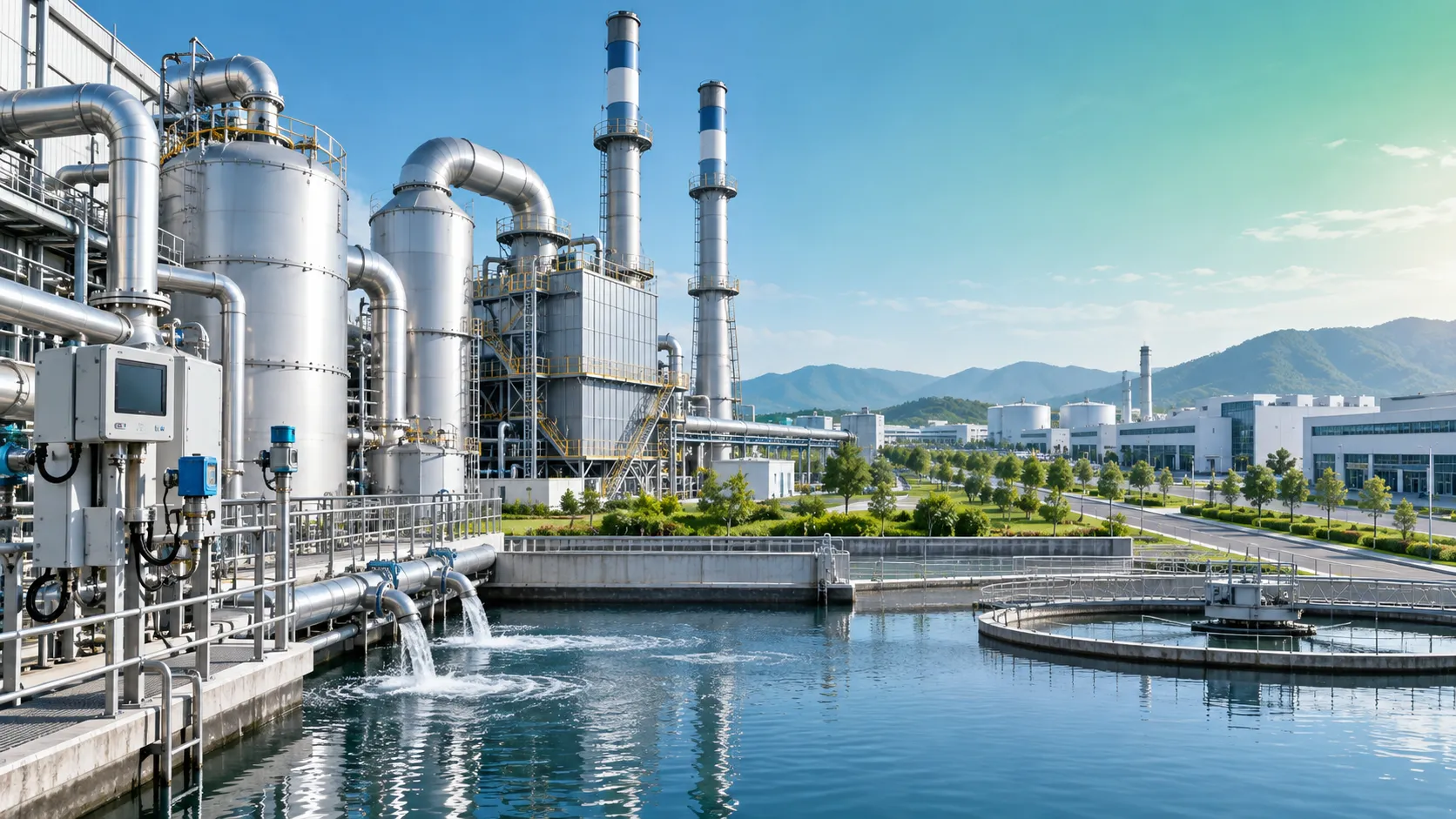
How North America shapes global environmental governance standards
Global environmental governance North America: discover how regulation, finance, and procurement raise worldwide standards and reshape environmental projects.
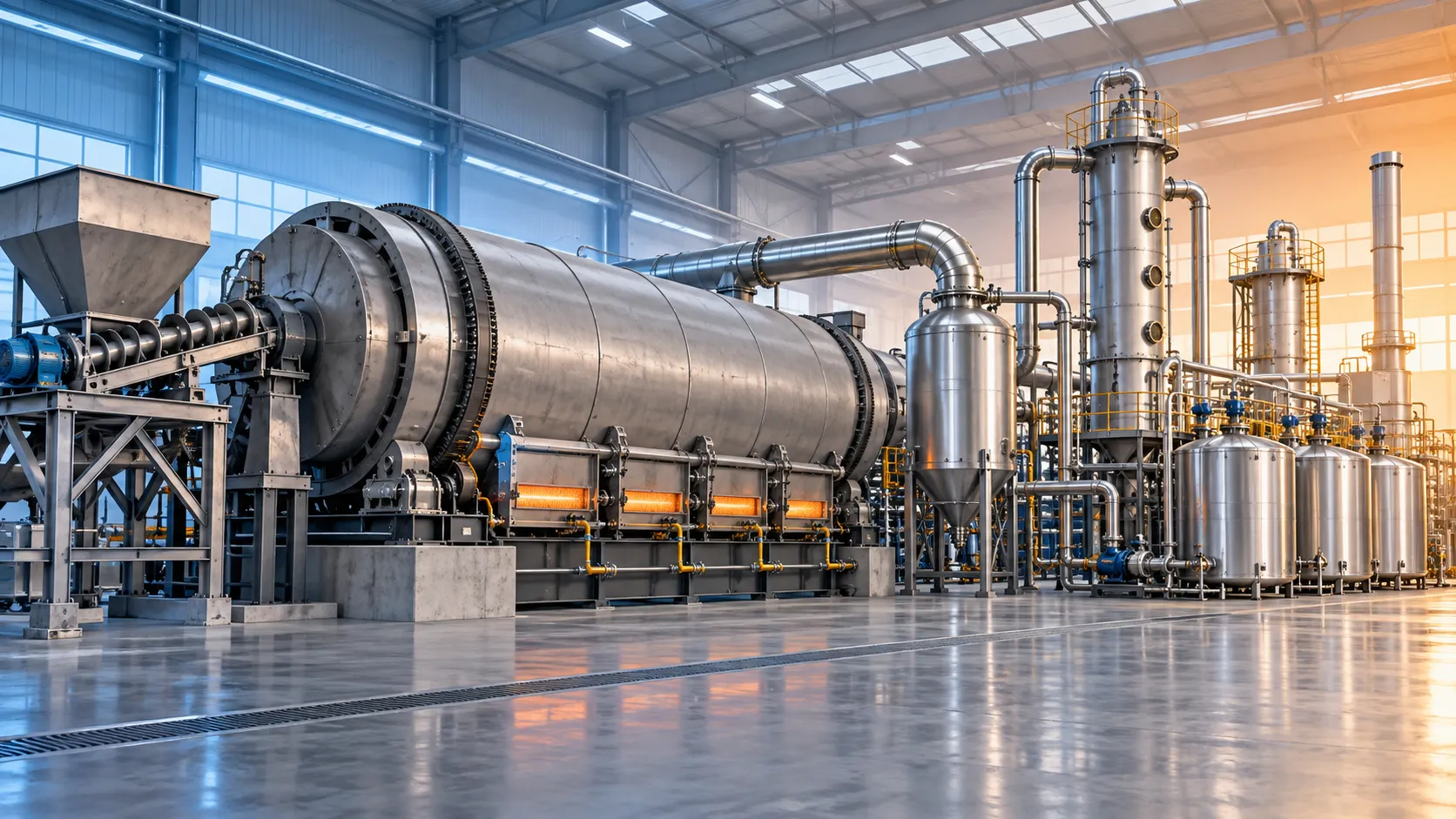
How reactor capacity affects throughput in pyrolysis systems
Pyrolysis systems reactor capacity explained: learn how heat transfer, residence time, feed quality, and emissions controls determine reliable throughput.
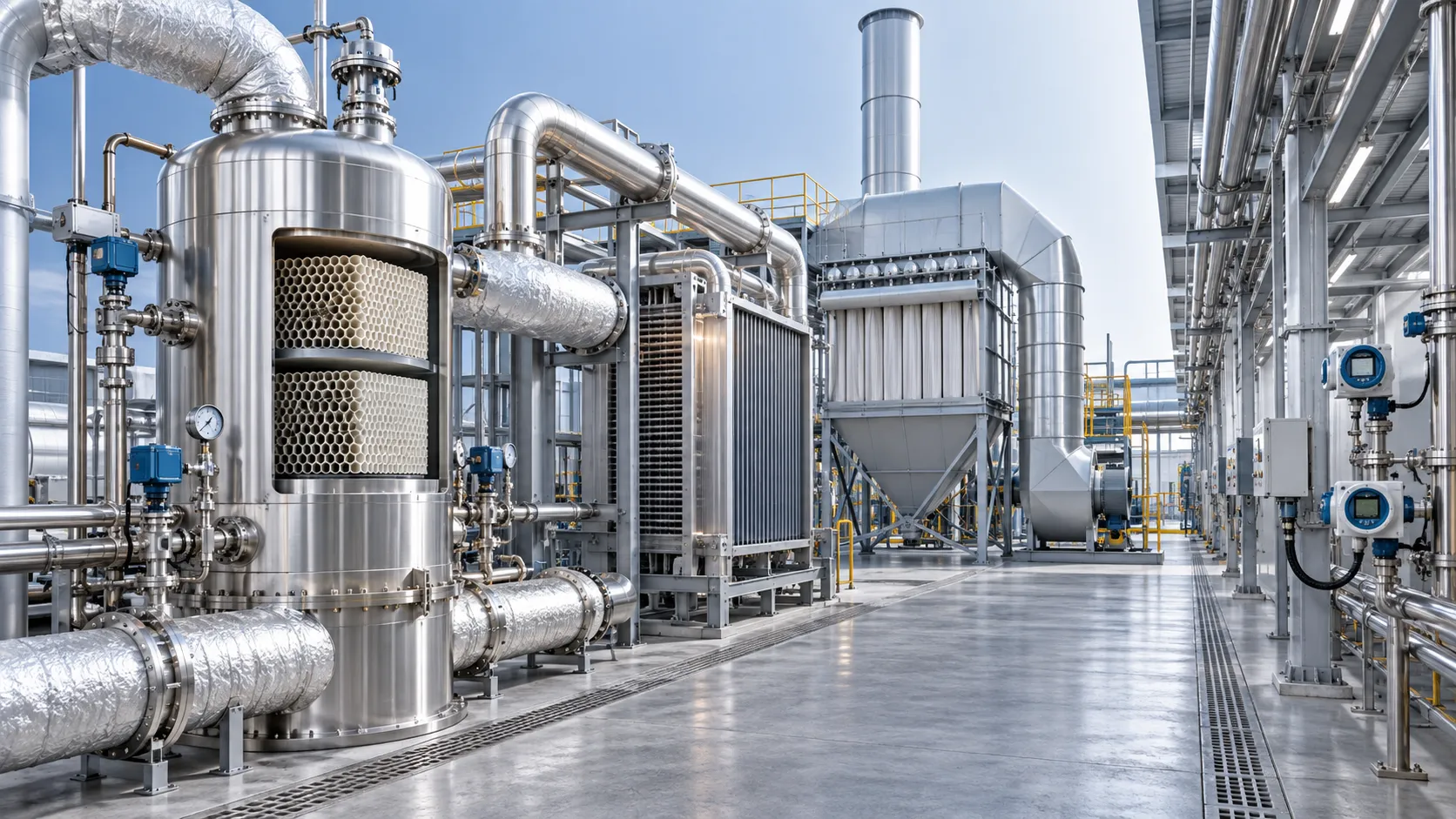
When low-temperature reaction equipment is the right fit for heat-sensitive processes
Low-temperature reaction equipment helps protect heat-sensitive streams, improve energy integration, and maintain reliable conversion. Explore key selection factors today.
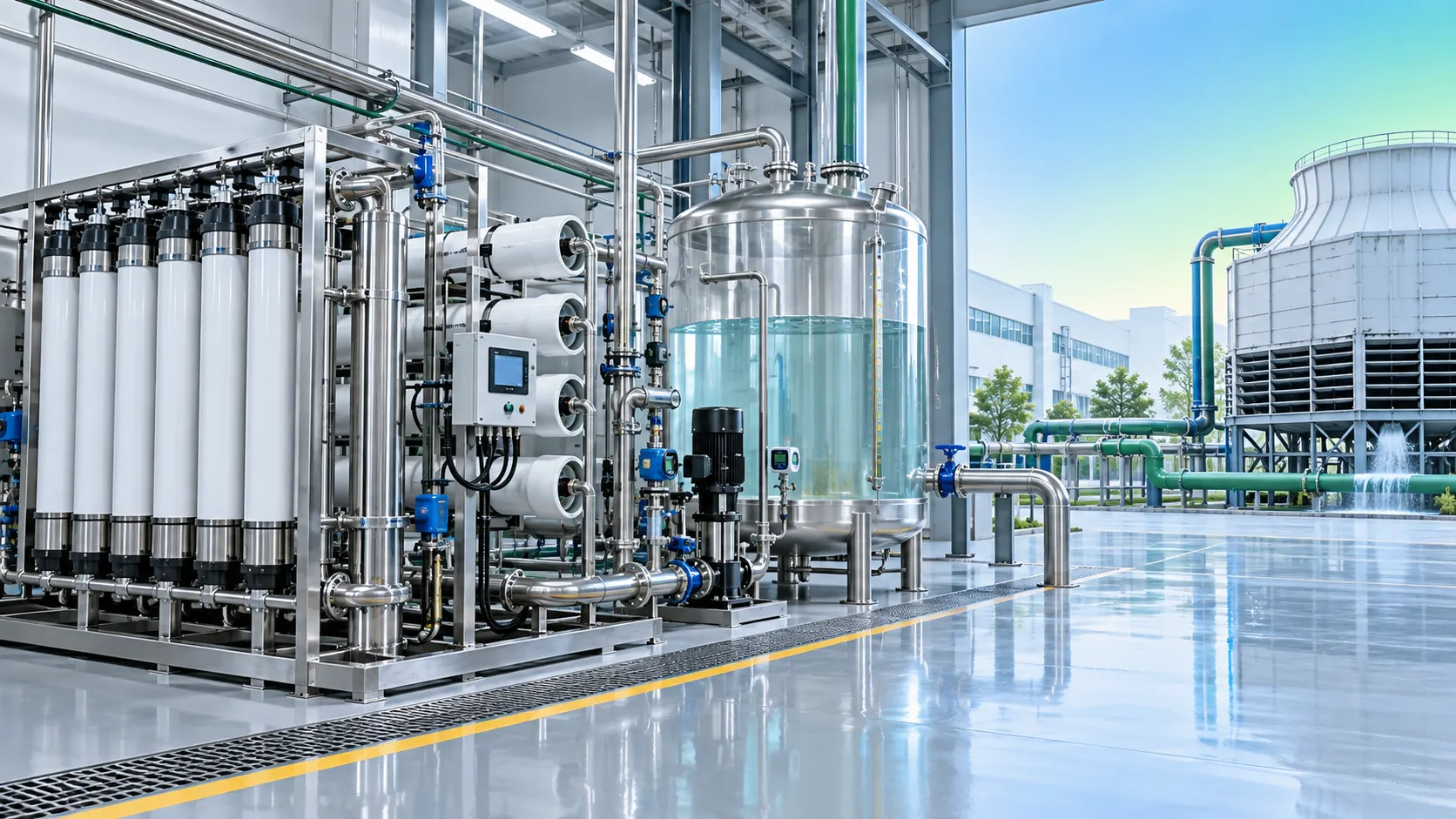
When do water reuse systems deliver a practical payback?
Water reuse systems deliver practical payback when they cut water, discharge, and downtime costs. Learn how to match treatment, recovery, and reuse quality for lasting ROI.
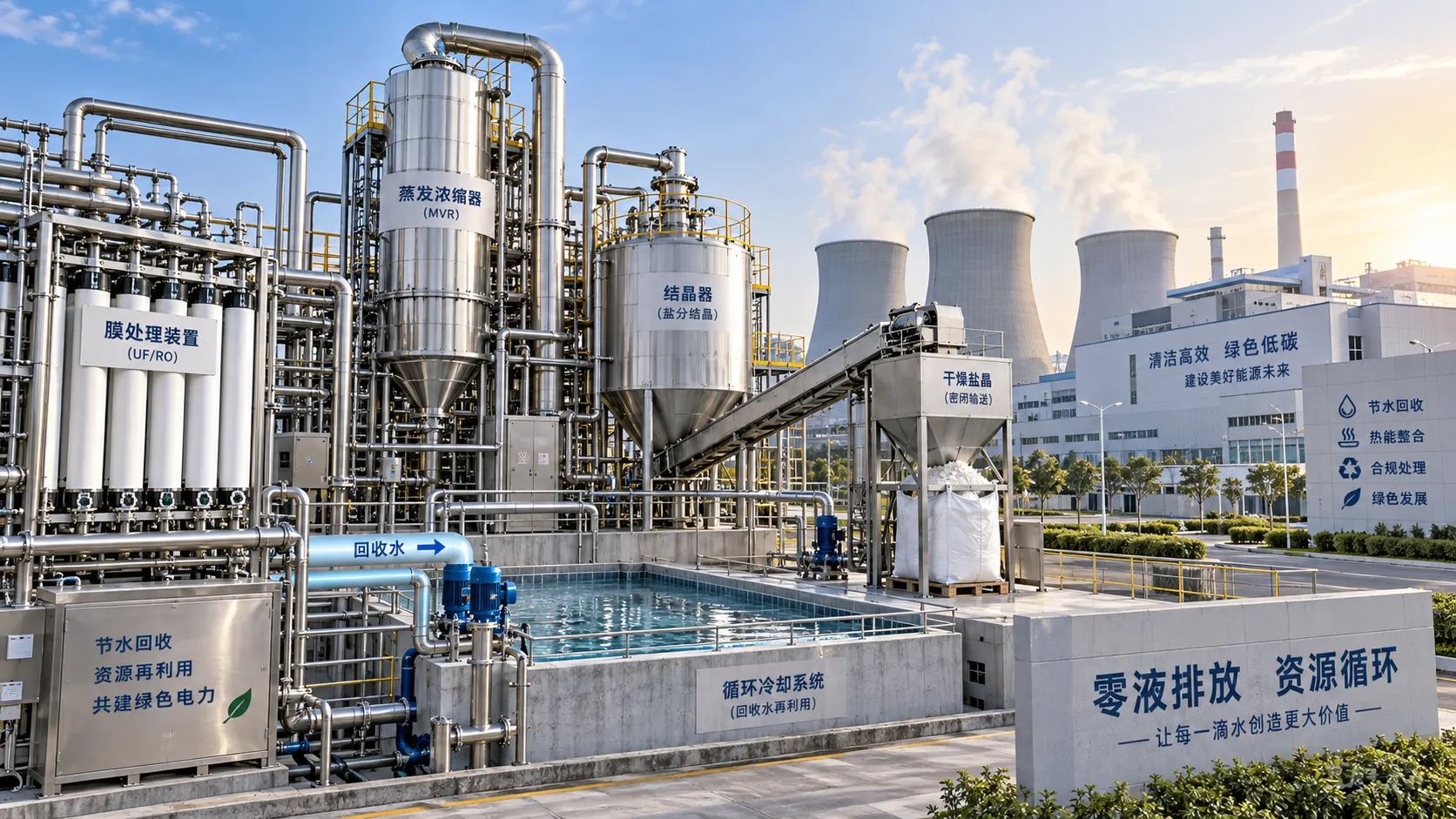
When do ZLD systems for power generation justify their energy use?
ZLD systems for power generation: learn when energy-intensive water recovery delivers stronger compliance, resilience, and long-term value.
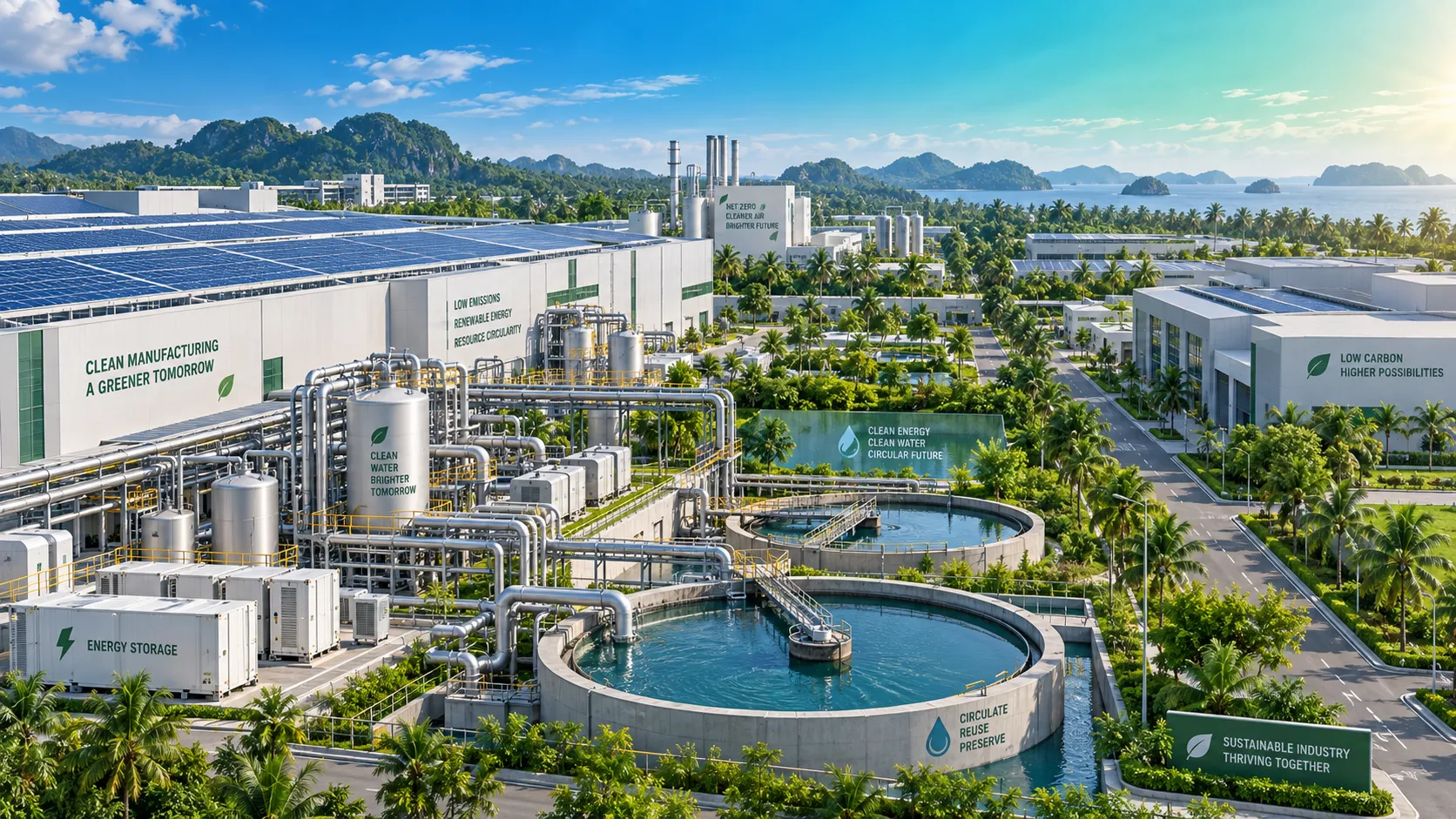
Which decarbonization pathways are most viable in Southeast Asia?
Decarbonization Southeast Asia: discover practical pathways for clean power, efficiency, electrification, circular recovery, and resilient industrial growth.
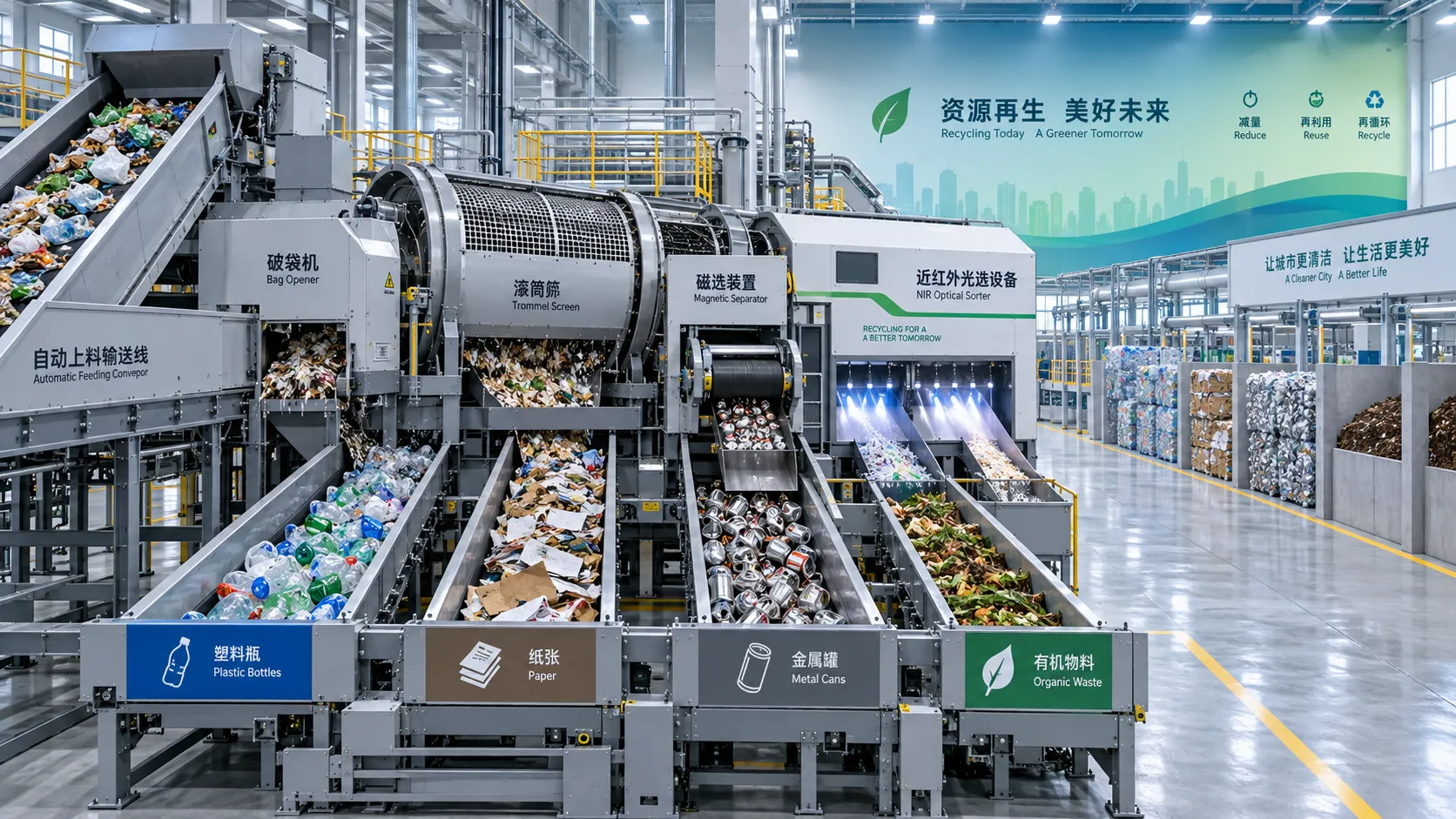
How to choose waste sorting equipment for mixed municipal waste
Waste sorting equipment selection guide for mixed municipal waste: compare technologies, improve recovery, reduce downtime, and build reliable output streams.
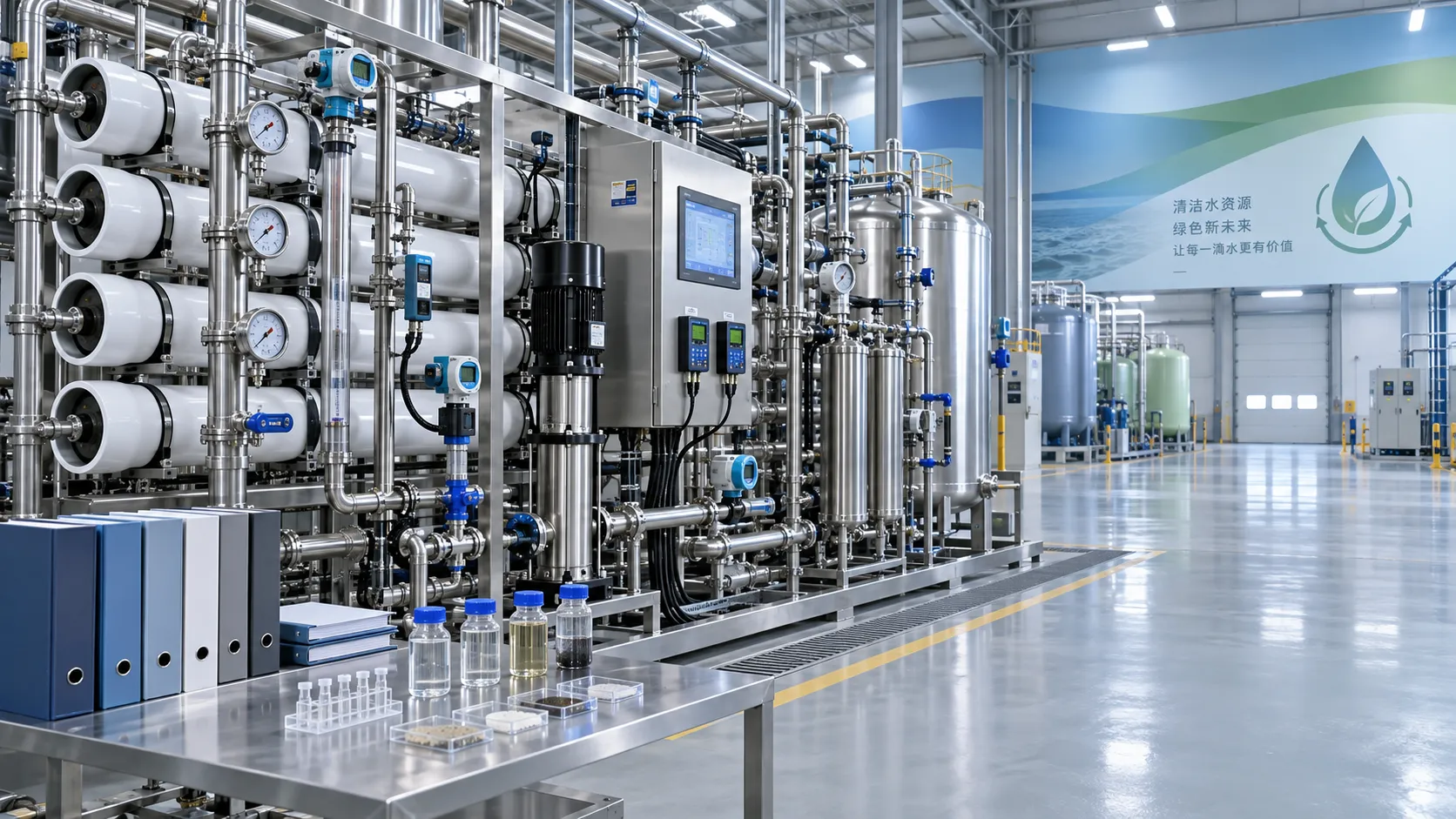
How to verify standards in an environmental equipment directory
environmental equipment directory standards reference: learn to verify certifications, performance evidence, scope, and project fit for confident, compliant equipment selection.
When high flux membrane water treatment justifies a larger footprint
High flux membrane water treatment can justify a larger footprint when variable feedwater, fouling risk, and uptime demands require resilient, lower-flux operation.