
Industry News
Curation by industry experts
Hot Articles
Popular Tags
Environmental Regulations Impact Assessment: What Costs Are Often Missed?
Environmental Regulations Impact Assessment: What Costs Are Often Missed?
An effective environmental regulations impact assessment is rarely just a compliance exercise. It is a financial risk map.
Many budgets fail for a simple reason. Teams price permits and hardware, but miss the secondary costs created by regulatory change.
Those missed costs can be larger than the original equipment line. They also appear late, when approvals are harder to defend.
That is why a strong environmental regulations impact assessment matters in procurement. It protects capital, timing, and decision credibility.
In sectors tracked by ESD, this is especially visible in water treatment, waste recovery, flue gas control, desalination, and nuclear waste management.
Why hidden costs now matter more
From recent market shifts, the signal is clear. Environmental rules are becoming faster, broader, and more connected across borders.
A plant upgrade no longer sits inside one legal box. It can trigger emissions, water discharge, waste handling, carbon, and reporting obligations together.
This also means a basic capex estimate is not enough. A real environmental regulations impact assessment must test operating, schedule, and financing consequences.
For procurement decisions, the question is not only “What will this system cost?” It is also “What does non-alignment cost over five to ten years?”
The costs most often missed in an environmental regulations impact assessment
1. Delay costs during approvals
Permit fees are visible. Delay costs are not.
When a project misses one discharge threshold or emissions assumption, procurement often pauses. That pause affects suppliers, logistics, labor scheduling, and financing windows.
In desalination and large water treatment, a delayed approval can also shift commissioning into a peak demand season. That raises the cost of replacement water.
2. Redesign and specification drift
A weak environmental regulations impact assessment often underestimates redesign cycles.
For example, a flue gas treatment package may meet today’s limit values, yet fail expected low-temperature catalyst performance rules next year.
Then engineering restarts. Piping changes. Instrument lists grow. Civil loads shift. Procurement loses leverage because the buying window has already narrowed.
3. Reporting and verification burden
Many teams treat reporting as an administrative line. In practice, it becomes an operating system cost.
New monitoring points, lab validation, digital recordkeeping, third-party audits, and staff training all add recurring expense.
This is common in zero liquid discharge systems, hazardous waste recovery lines, and nuclear waste handling environments where traceability is strict.
4. Energy and carbon exposure
An environmental regulations impact assessment should not stop at pollutant compliance. Energy intensity can turn into carbon liability.
High-pressure desalination, thermal treatment, and advanced gas scrubbing may meet technical goals while creating future carbon cost pressure.
With mechanisms like CBAM and expanding disclosure standards, inefficient equipment can become financially exposed long after purchase approval.
Where procurement budgets usually go wrong
In real projects, cost underestimation usually follows a pattern. The initial quote looks manageable because it excludes system-level consequences.
- Scope is priced at equipment level, not regulatory system level.
- Future standards are treated as optional, not probable.
- Integration costs between process units are underestimated.
- Data compliance costs are left with operations after procurement ends.
- Residual asset value is not tested against stricter future rules.
This is where the environmental regulations impact assessment becomes a purchasing tool, not only a legal review.
It helps compare suppliers by compliance resilience, lifecycle cost, retrofit flexibility, and reporting readiness, not just by opening price.
A practical cost map for approval decisions
A useful environmental regulations impact assessment should translate technical risk into financial language. That makes approval faster and easier to defend.
When this cost map is built early, procurement shifts from price selection to risk-adjusted value selection.
How to strengthen an environmental regulations impact assessment before purchase
Test the next regulation, not only the current one
Ask whether the solution still works if limits tighten within three years. This matters in emissions control and industrial wastewater treatment.
Model whole-life compliance cost
Include monitoring devices, recalibration, sampling, inspections, software, and operator certification. These costs rarely disappear after commissioning.
Check retrofit flexibility
A cheaper system can become expensive if it cannot accept added stages, membrane changes, catalyst updates, or tighter waste isolation requirements.
Price data readiness
If a system cannot generate credible compliance data, the environmental regulations impact assessment is incomplete. Data gaps create audit risk and delay payments.
Stress-test carbon and energy assumptions
This is increasingly important for desalination, thermal recovery, and high-load treatment assets with long operating lives.
Questions that improve approval quality
Before signing, a better environmental regulations impact assessment should answer a few direct questions.
- What cost appears if the permit timeline slips by six months?
- What part of the design becomes obsolete under tighter standards?
- How much annual cost comes from reporting and verification alone?
- What carbon-related exposure could affect export, financing, or future margins?
- Which supplier offers the strongest compliance adaptability over asset life?
These questions sharpen vendor comparison. They also reduce the risk of approving an option that looks cheap only at bid stage.
In actual business practice, this is often the difference between controlled expansion and expensive correction.
Final takeaway
A credible environmental regulations impact assessment does more than confirm compliance. It reveals hidden costs before they harden into budget problems.
The most overlooked items are usually delay, redesign, reporting, carbon exposure, and stranded capital. Those are strategic costs, not minor extras.
For complex environmental infrastructure, early intelligence creates stronger purchasing logic. That is exactly where ESD’s sector-focused analysis becomes useful.
When technical regulation, lifecycle economics, and equipment strategy are assessed together, approvals become faster, cleaner, and far more defensible.
The practical next step is simple. Build every environmental regulations impact assessment around total cost exposure, not just purchase price.
Recommended News

How reactor capacity affects throughput in pyrolysis systems
Pyrolysis systems reactor capacity explained: learn how heat transfer, residence time, feed quality, and emissions controls determine reliable throughput.

When low-temperature reaction equipment is the right fit for heat-sensitive processes
Low-temperature reaction equipment helps protect heat-sensitive streams, improve energy integration, and maintain reliable conversion. Explore key selection factors today.

When do water reuse systems deliver a practical payback?
Water reuse systems deliver practical payback when they cut water, discharge, and downtime costs. Learn how to match treatment, recovery, and reuse quality for lasting ROI.
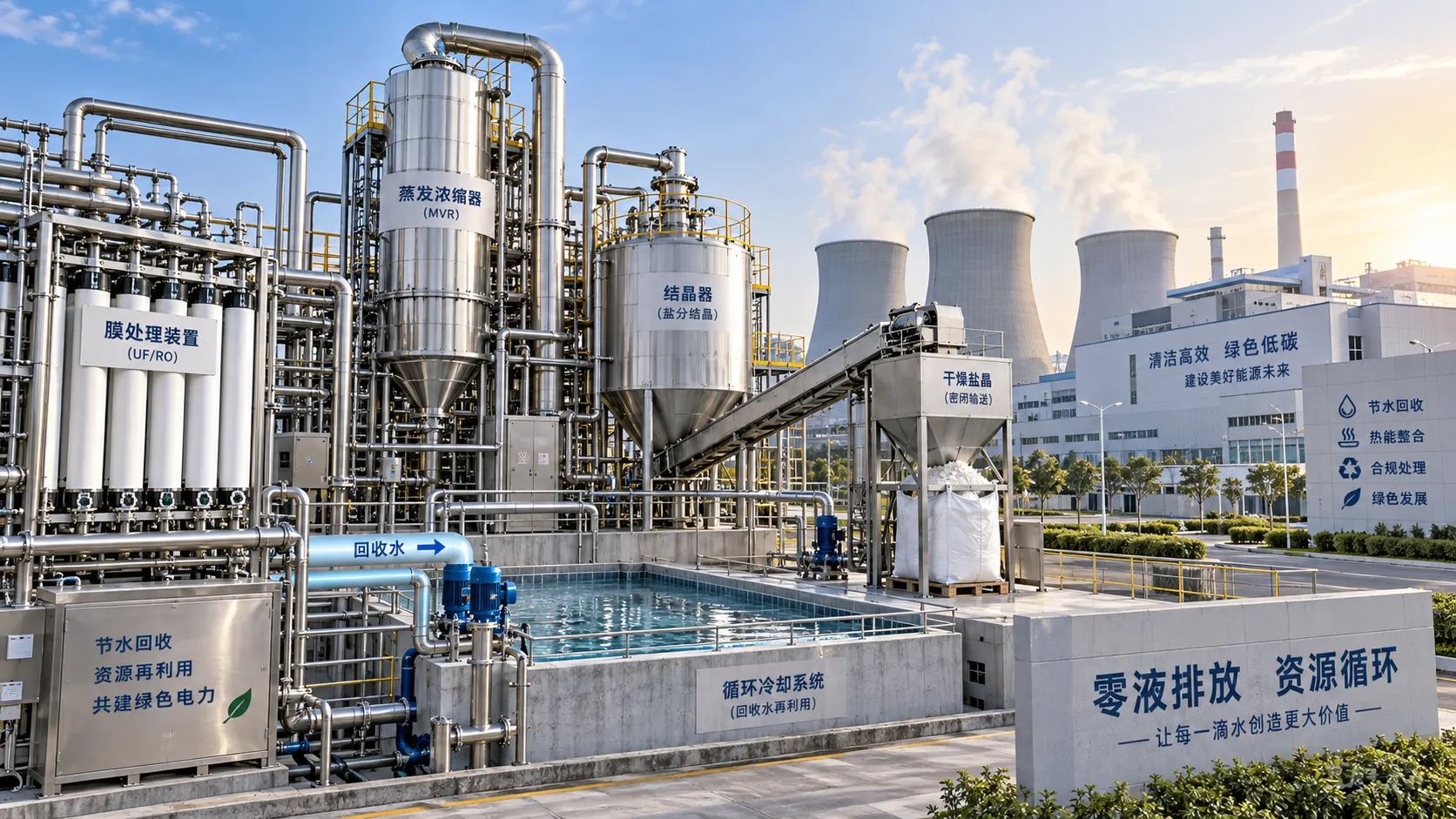
When do ZLD systems for power generation justify their energy use?
ZLD systems for power generation: learn when energy-intensive water recovery delivers stronger compliance, resilience, and long-term value.

Which decarbonization pathways are most viable in Southeast Asia?
Decarbonization Southeast Asia: discover practical pathways for clean power, efficiency, electrification, circular recovery, and resilient industrial growth.

How to choose waste sorting equipment for mixed municipal waste
Waste sorting equipment selection guide for mixed municipal waste: compare technologies, improve recovery, reduce downtime, and build reliable output streams.

How to verify standards in an environmental equipment directory
environmental equipment directory standards reference: learn to verify certifications, performance evidence, scope, and project fit for confident, compliant equipment selection.

When high flux membrane water treatment justifies a larger footprint
High flux membrane water treatment can justify a larger footprint when variable feedwater, fouling risk, and uptime demands require resilient, lower-flux operation.
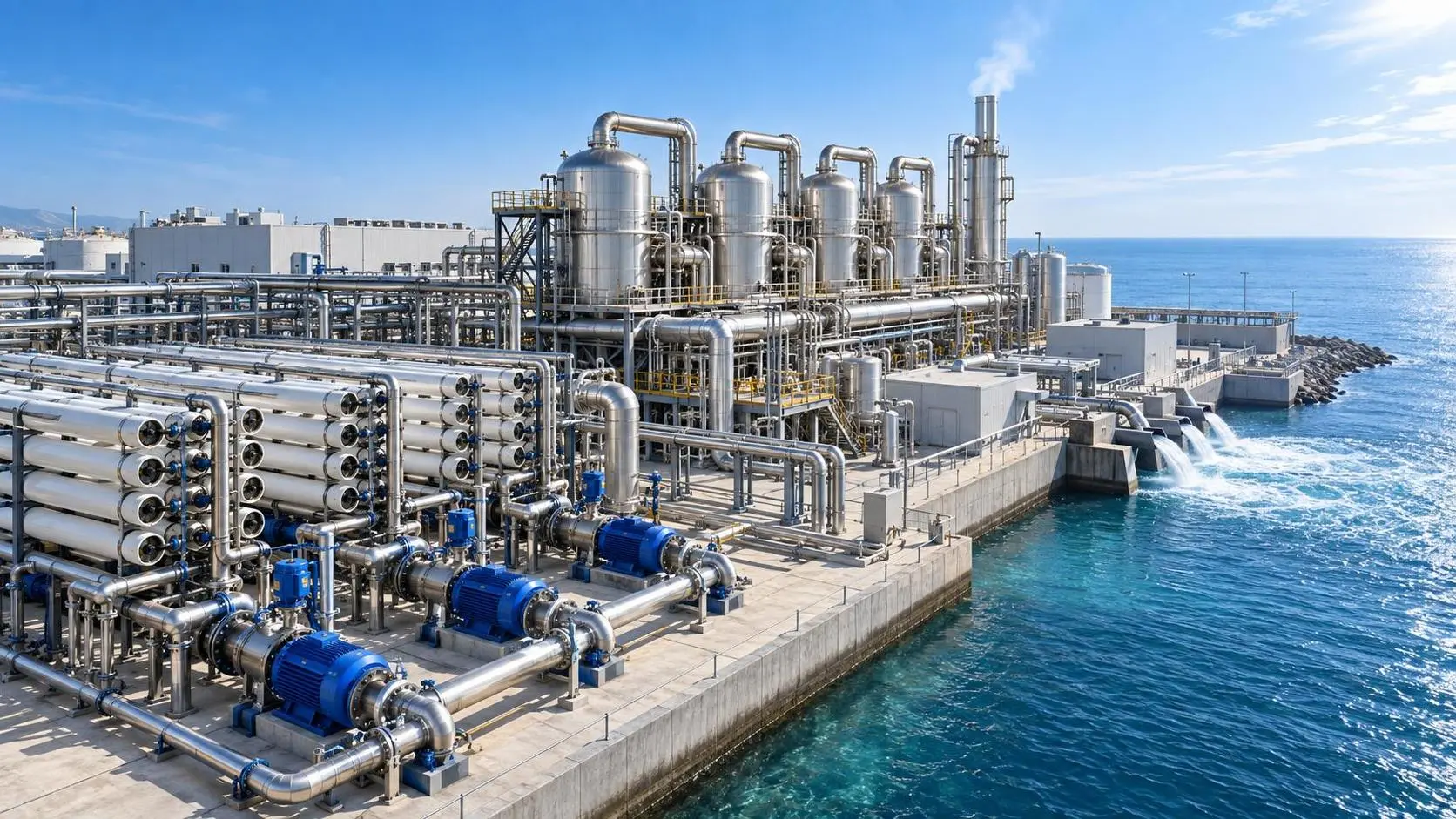
RO vs MED desalination: which is more energy-efficient at scale?
Desalination technology comparison: RO vs MED at scale. See how energy use, waste heat, feedwater, carbon, and flexibility determine the best choice.